
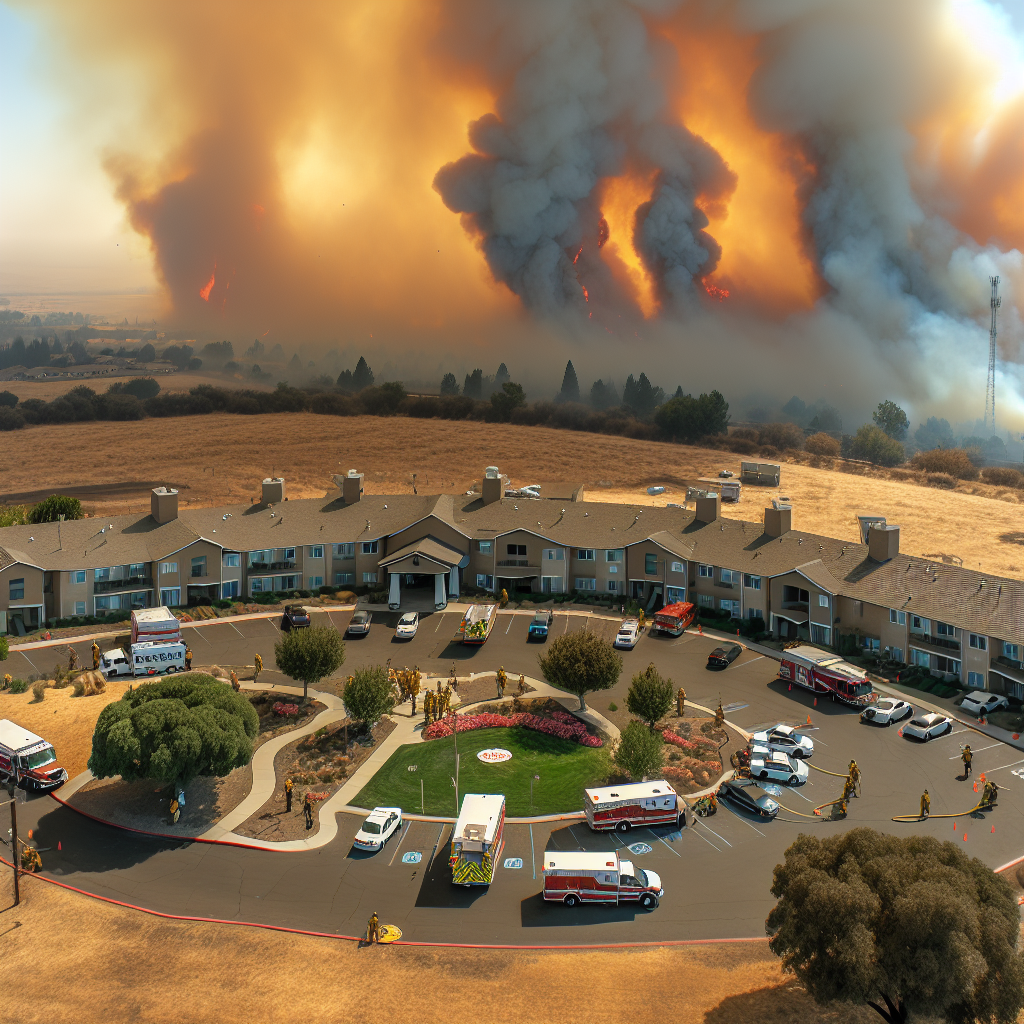
On January 7, 2025, a devastating wildfire known as the Eaton fire swept through California, leading to a chaotic evacuation of senior care facilities in Altadena and Pasadena. This tragic event resulted in nineteen fatalities, with eighteen victims located in west Altadena alone, highlighting an alarming failure in emergency response systems.
Investigations revealed that many staff members at these facilities, particularly at MonteCedro, were unfamiliar with basic emergency procedures, raising critical questions about preparedness in vulnerable settings. Two elderly women were tragically left behind during the evacuation, ultimately discovered by law enforcement amidst the flames. Such neglect draws urgent attention to the systemic failures in emergency planning, particularly for those who are most vulnerable in times of crisis.
In this article, we will delve into the lessons learned from the Eaton fire, scrutinizing the gaps in emergency response that led to needless loss of life and exploring ways to ensure that such failures are never repeated.
The Eaton fire, which broke out on January 7, 2025, wreaked havoc in California, necessitating the urgent evacuation of senior care facilities in Altadena and Pasadena. The fire resulted in a staggering nineteen fatalities, with the majority occurring in west Altadena, marking a tragic day for the community.
As panic ensued, critical lapses in emergency preparedness were uncovered, especially at MonteCedro, where many staff had not been trained in emergency protocols. In a heartbreaking turn of events, two elderly women were left behind during the evacuation, only to be found later by law enforcement amidst the chaos.
The Terraces at Park Marino also faced dire situations as their residents were evacuated under intense pressure, leading to at least one resident being left behind. These harrowing events underscore the failures in emergency planning and response frameworks, particularly regarding the safety of vulnerable populations such as the elderly.
The Eaton fire serves as a stark reminder of the urgent need to refine emergency preparedness and response strategies to prevent future tragedies.
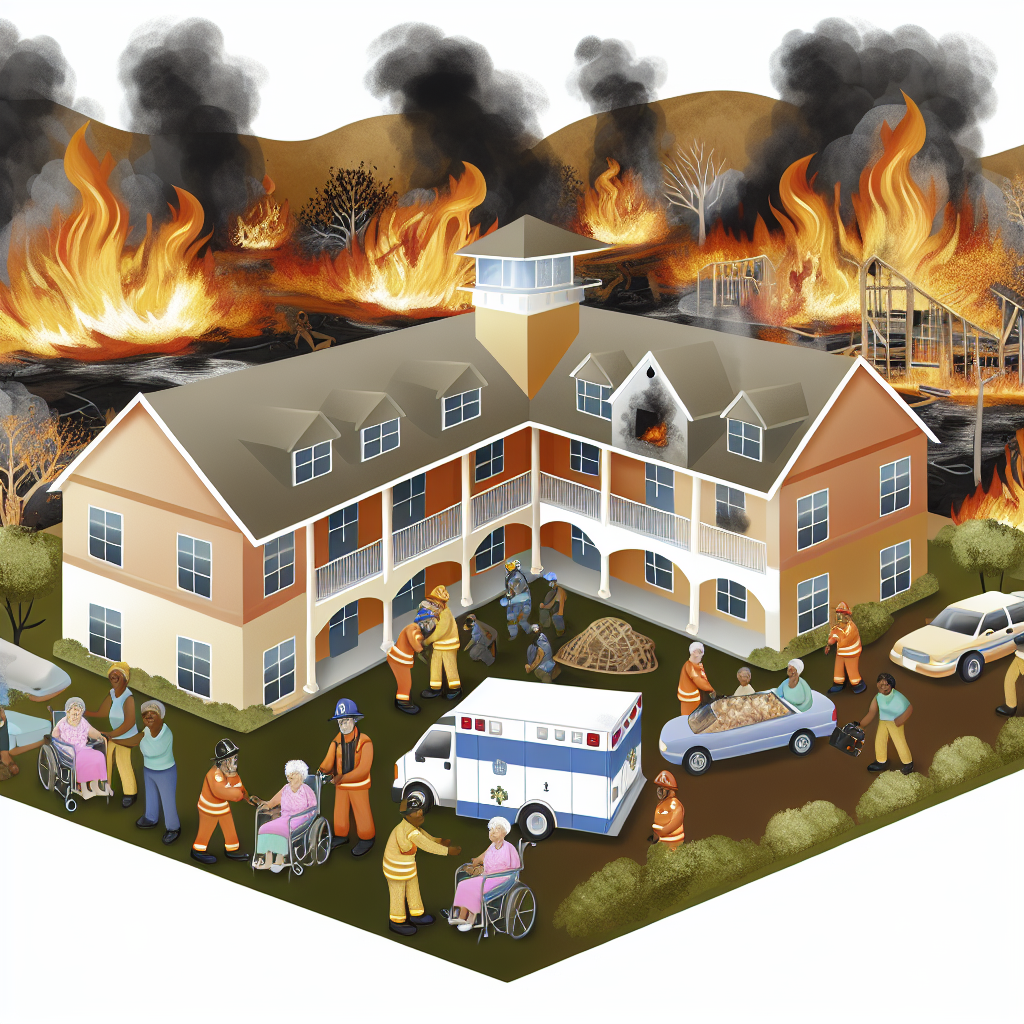
Compiled Quotes and Analysis from the Eaton Fire Evacuation
The tragic events of the Eaton fire have revealed systematic failures within emergency response protocols, particularly in the management of evacuations from senior care facilities. Here are notable quotes from key individuals involved, along with an analysis of their implications:
-
Laura Mosqueda: “To evacuate and not have a complete list and know you’ve gotten everybody out … is not OK.”
This quote underscores a critical failure in accountability during the evacuation process. The absence of a complete resident list suggests systemic lapses in administrative procedures that are essential to ensure the safety of vulnerable populations, particularly the elderly. The inability to confirm that all residents were accounted for reflects poor emergency planning and execution.
-
John Ward: “They screwed up, it was a bad day for them; they didn’t follow protocol and they should have. … Other than that, they’re great.”
Ward’s statement illustrates a dichotomy between general organizational competence and specific operational failures. It points to a cultural problem within the facility—indicating a discrepancy between recognized capability and actual adherence to established emergency protocols. Such failures can be devastating when lives are at stake, particularly during crises.
-
Independent Report Findings: The independent after-action report conducted by the McChrystal Group reveals further issues, including:
- Outdated Policies and Communication Failures: The report states that outdated policies hindered timely evacuations and communications, leaving residents unprepared as the fire closed in. This reveals a need for continuous updates to emergency protocols based on evolving risks and technologies.
- Staff Training Gaps: Many staff members lacked training on emergency procedures. The presence of untrained personnel during such critical events exacerbates the vulnerability of those they are meant to protect, emphasizing the necessity for systematic and regular training sessions.
- Ambiguity in Evacuation Protocols: Unclear lines of authority regarding evacuation responsibilities contributed to confusion and ineffective responses. A clear organization structure and defined roles can enhance coordination during emergencies.
These quotes and findings reveal interconnected issues in planning, staffing, communication, and authority that contributed to the tragic outcomes of the Eaton fire evacuation. The lessons learned from these failures must drive systemic reforms to prevent similar occurrences in future emergencies.
Emergency Planning Failures During the Eaton Fire Evacuation
The Eaton fire revealed significant failures in emergency planning at two senior care facilities: MonteCedro and The Terraces at Park Marino. These shortcomings led to inadequate responses and serious consequences for residents.
MonteCedro:
On January 8, 2025, the evacuation process began as flames approached MonteCedro. Nearly 200 residents were evacuated to a designated shelter, but two elderly women were mistakenly left behind.
- One of the women, aged 100, was found wandering the dark hallways while the fire raged outside.
- The California Department of Social Services confirmed that these failures resulted from not following established emergency procedures.
- A spokesperson noted, “The two residents were left behind due to the facility’s failure to follow facility emergency evacuation procedures.”
James Rothrock, the executive director of Episcopal Communities & Services, which oversees MonteCedro, admitted some mistakes but contested parts of the report. He claimed that staff had received training in emergency procedures and defended the evacuation as being under the direction of the L.A. County Fire Department. However, this raised serious concerns about their emergency training and readiness.
The Terraces at Park Marino:
Similar issues arose at The Terraces at Park Marino. Although staff initially reported that all residents had been evacuated, firefighters discovered a wheelchair-bound resident still inside.
- Fire Captain Trey Sorensen shared that the resident was rescued only after a family member contacted dispatch, highlighting the dangerous gaps in evacuation procedures.
- He stated, “That person had called a family member, the family member called dispatch, dispatch let the command post know.”
- Thanks to the quick response from fire crews, a potential tragedy was averted.
The situation at both facilities ignited discussions on the adequacy of their evacuation plans as The Terraces criticized the report’s findings. They claimed compliance with legal requirements and insisted that their evacuation plan was effectively executed under extreme circumstances. Both facilities have since contested the state’s findings, underscoring the difficult conditions during the emergency.
These events from the Eaton fire demonstrate that the problems with planning and communication were critical oversights that endangered lives. The experiences at MonteCedro and The Terraces remind us of the pressing need for effective training and comprehensive evacuation strategies to protect vulnerable populations during emergencies.
The lessons learned from these incidents need to inform systematic changes in emergency response planning, ensuring that future evacuations prioritize the safety of all residents.
Summary of Key Failures
- Inadequate Staff Training: Most staff at MonteCedro were untrained in emergency protocols, leading to poor execution of evacuation plans.
- Failure to Follow Protocols: Both facilities exhibited a disregard for emergency procedures, resulting in residents being left behind.
- Poor Communication: There were significant lapses in communication regarding residents’ safety and evacuation status.
- Lack of Clear Responsibility: Ambiguity around roles during evacuations contributed to confusion and chaos.
By integrating these learnings into ongoing training and planning, senior care facilities can enhance their readiness and response capabilities for future emergencies.
Comparison of Emergency Preparedness Practices
| Facility | Strengths | Weaknesses |
|---|---|---|
| MonteCedro |
|
|
| The Terraces at Park Marino |
|
|
Both facilities have since taken steps to improve their emergency protocols, including enhanced training and updating evacuation procedures, in response to the criticisms they faced during the Eaton fire.
Best Practices for Senior Care Emergency Preparedness
In light of the tragic lessons learned from the Eaton fire incidents, senior care facilities must establish and adhere to best practices for emergency preparedness. These practices are essential to ensure the safety and well-being of vulnerable residents during emergencies such as wildfires. The following guidelines highlight key areas of focus:
-
Evacuation Protocols
- Develop Clear Evacuation Plans: Create detailed and accessible evacuation routes tailored to residents’ mobility limitations and cognitive impairments. Regularly review and update these plans to accommodate any changes in the facility or the health status of residents.
- Conduct Regular Drills: Implement frequent fire drills that simulate a variety of scenarios, including blocked exits and nighttime evacuations. Routine practices can ensure both residents and staff familiarize themselves with the established procedures, thus improving responsiveness during a real emergency.
-
Staff Training
- Comprehensive Training Programs: Provide thorough training for all staff on emergency protocols, including the proper use of fire extinguishers, basic first aid, CPR, and specialized techniques for assisting residents with various needs. This training should occur during onboarding and be refreshed annually to maintain staff preparedness.
- Assign Specific Roles: Clearly define and assign responsibilities to personnel during emergencies, designating roles such as evacuation coordinators and medical responders. This ensures that staff can operate more efficiently and effectively under pressure.
-
Communication Strategies
- Establish Robust Communication Plans: Develop effective systems to maintain communication lines with residents, staff, families, and emergency services throughout a crisis. Use various methods, including intercoms, two-way radios, and digital platforms, to enable quick information dissemination.
- Coordinate with Local Emergency Services: Foster collaborative relationships with local emergency responders to facilitate joint training sessions and improve overall response readiness.
-
Risk Management
- Conduct Regular Risk Assessments: Evaluate potential hazards within the facility, such as fire risks and other safety concerns, to implement mitigation measures effectively. Ensure that fire safety equipment is operational and up to date to reduce the risk of unforeseen incidents.
- Maintain Emergency Supplies: Consistently stockpile essential supplies, including medications, first aid kits, non-perishable food, and personal hygiene items, to support residents during emergencies. Regularly review and replenish these supplies to ensure they are available when needed.
By integrating these best practices into their emergency planning, senior care facilities can significantly strengthen their preparedness for emergencies like the Eaton fire, ultimately safeguarding the health and safety of their residents.
Conclusion: Lessons Learned from the Eaton Fire
The Eaton fire tragically underscores the critical importance of robust emergency response protocols, particularly within senior care facilities. The loss of nineteen lives serves as a poignant reminder of what can occur when emergency preparedness fails. The harrowing events at MonteCedro and The Terraces at Park Marino reveal significant lapses, including untrained staff, ineffective communication, and unclear evacuation procedures.
In reflecting on these events, several key lessons emerge:
- Comprehensive Staff Training: Ensuring that all personnel are thoroughly trained in emergency protocols is paramount. Regular drills and updated training programs can make a profound difference in crisis situations, equipping staff with the knowledge and confidence to act swiftly and effectively.
- Effective Communication: Establishing strong communication channels within facilities and with external emergency responders is essential. Clear and continuous communication can facilitate coordinated efforts during emergencies, ensuring that no resident is overlooked.
- Clear and Accessible Evacuation Plans: Facilities must develop and routinely update clear evacuation strategies that account for the unique needs of their residents. All staff should be familiar with these plans, which must be practiced regularly to ensure smooth execution when necessary.
In conclusion, the failures revealed during the Eaton fire have illuminated urgent vulnerabilities in the current emergency response frameworks governing senior care. Moving forward, it is crucial that facilities not only implement these lessons but also advocate for systemic change that prioritizes the safety and wellbeing of their residents. By fostering a culture of preparedness, we can prevent future tragedies and uphold the dignity of those most vulnerable in our communities.
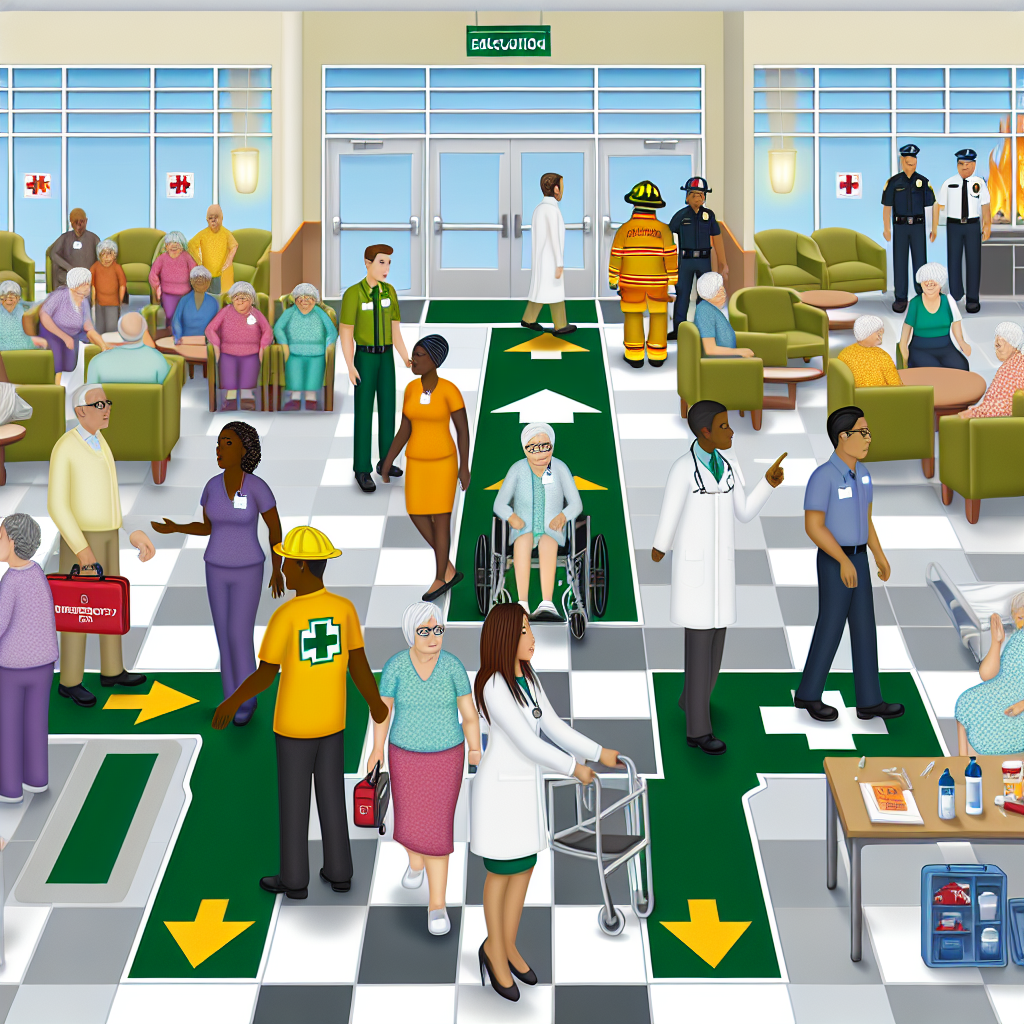
Statistical Impact of the Eaton Fire
The tragic outcomes of the Eaton fire, which erupted on January 7, 2025, reflect severe shortcomings in emergency preparedness and underscore the necessity for systemic reforms. The fire resulted in a death toll of nineteen people, with the vast majority of fatalities occurring in the vulnerable community of west Altadena, where elderly residents were most affected.
Demographic analyses reveal that a substantial number of the victims were elderly individuals, highlighting the disproportionate impact on this age group during crises. Additionally, an investigation by the UCLA Pritzker Center for Children and Families reported that 225 dependent children and youth from Altadena, Pasadena, and Sierra Madre experienced disruptions, with 76% being school-aged. The fire exacerbated instability in their lives, further illustrating the far-reaching consequences of inadequate emergency response.
Moreover, an after-action report dissected the systemic failures that arose during the Eaton fire. Issues such as outdated policies jeopardized timely evacuations and emergency notifications. The findings emphasize the pressing need for improved training, updated procedures, and more robust communication strategies that are essential to foster better preparedness in future emergencies.
This disaster serves as a critical reminder of the importance of refining emergency protocols to prioritize the safety of all, particularly vulnerable populations. The lessons learned from the Eaton fire must prompt systemic changes in emergency response protocols to mitigate the risks faced during such catastrophes and ultimately prevent similar tragedies from occurring in the future.
Introduction: Understanding Emergency Evacuation Protocols for Vulnerable Populations
On January 7, 2025, a devastating wildfire known as the Eaton fire swept through California, leading to a chaotic evacuation of senior care facilities in Altadena and Pasadena. This tragic event resulted in nineteen fatalities, with eighteen victims located in west Altadena alone, highlighting an alarming failure in emergency response systems. Investigations revealed that many staff members at these facilities, particularly at MonteCedro, were unfamiliar with basic emergency procedures, raising critical questions about preparedness for vulnerable populations in crises. Two elderly women were tragically left behind during the evacuation, ultimately discovered by law enforcement amidst the flames. Such neglect draws urgent attention to the systemic failures in emergency planning, particularly for those who are most vulnerable in times of crisis. In this article, we will delve into the lessons learned from the Eaton fire, scrutinizing the gaps in emergency response that led to needless loss of life and exploring ways to ensure that such failures are never repeated.
Eaton Fire Overview: Evaluating Emergency Preparedness for Vulnerable Populations
The Eaton fire, which broke out on January 7, 2025, wreaked havoc in California, necessitating the urgent evacuation of senior care facilities in Altadena and Pasadena. The fire resulted in a staggering nineteen fatalities, with the majority occurring in west Altadena, marking a tragic day for the community. As panic ensued, critical lapses in emergency preparedness were uncovered, especially at MonteCedro, where many staff had not been trained in emergency protocols. In a heartbreaking turn of events, two elderly women were left behind during the evacuation, only to be found later by law enforcement amidst the chaos. The Terraces at Park Marino also faced dire situations as their residents were evacuated under intense pressure, leading to at least one resident being left behind. These harrowing events underscore the failures in emergency planning and response frameworks, particularly regarding the safety of vulnerable populations such as the elderly. The Eaton fire serves as a stark reminder of the urgent need to refine emergency preparedness and response strategies to prevent future tragedies.
Compiled Quotes and Analysis: Insights into Emergency Evacuation Protocols
The tragic events of the Eaton fire have revealed systematic failures within emergency response protocols, particularly in the management of evacuations from senior care facilities. Here are notable quotes from key individuals involved, along with an analysis of their implications:
-
Laura Mosqueda: “To evacuate and not have a complete list and know you’ve gotten everybody out … is not OK.”
This quote underscores a critical failure in accountability during the evacuation process. The absence of a complete resident list suggests systemic lapses in administrative procedures that are essential to ensure the safety of vulnerable populations, particularly the elderly. The inability to confirm that all residents were accounted for reflects poor emergency planning and execution.
-
John Ward: “They screwed up, it was a bad day for them; they didn’t follow protocol and they should have. … Other than that, they’re great.”
Ward’s statement illustrates a dichotomy between general organizational competence and specific operational failures. It points to a cultural problem within the facility—indicating a discrepancy between recognized capability and actual adherence to established emergency protocols. Such failures can be devastating when lives are at stake, particularly during crises.
-
Independent Report Findings: The independent after-action report conducted by the McChrystal Group reveals further issues, including:
- Outdated Policies and Communication Failures: The report states that outdated policies hindered timely evacuations and communications, leaving residents unprepared as the fire closed in. This reveals a need for continuous updates to emergency protocols based on evolving risks and technologies.
- Staff Training Gaps: Many staff members lacked training on emergency procedures. The presence of untrained personnel during such critical events exacerbates the vulnerability of those they are meant to protect, emphasizing the necessity for systematic and regular training sessions.
- Ambiguity in Evacuation Protocols: Unclear lines of authority regarding evacuation responsibilities contributed to confusion and ineffective responses. A clear organization structure and defined roles can enhance coordination during emergencies.
These quotes and findings reveal interconnected issues in planning, staffing, communication, and authority that contributed to the tragic outcomes of the Eaton fire evacuation. The lessons learned from these failures must drive systemic reforms to prevent similar occurrences in future emergencies.
Emergency Planning Failures: A Case Study in Senior Care Facilities
The Eaton fire revealed significant failures in emergency planning at two senior care facilities: MonteCedro and The Terraces at Park Marino. These shortcomings led to inadequate responses and serious consequences for residents.
MonteCedro:
On January 8, 2025, the evacuation process began as flames approached MonteCedro. Nearly 200 residents were evacuated to a designated shelter, but two elderly women were mistakenly left behind.
- One of the women, aged 100, was found wandering the dark hallways while the fire raged outside.
- The California Department of Social Services confirmed that these failures resulted from not following established emergency procedures.
- A spokesperson noted, “The two residents were left behind due to the facility’s failure to follow facility emergency evacuation procedures.”
James Rothrock, the executive director of Episcopal Communities & Services, which oversees MonteCedro, admitted some mistakes but contested parts of the report. He claimed that staff had received training in emergency procedures and defended the evacuation as being under the direction of the L.A. County Fire Department. However, this raised serious concerns about their emergency training and readiness.
The Terraces at Park Marino:
Similar issues arose at The Terraces at Park Marino. Although staff initially reported that all residents had been evacuated, firefighters discovered a wheelchair-bound resident still inside.
- Fire Captain Trey Sorensen shared that the resident was rescued only after a family member contacted dispatch, highlighting the dangerous gaps in evacuation procedures.
- He stated, “That person had called a family member, the family member called dispatch, dispatch let the command post know.”
- Thanks to the quick response from fire crews, a potential tragedy was averted.
The situation at both facilities ignited discussions on the adequacy of their evacuation plans as The Terraces criticized the report’s findings. They claimed compliance with legal requirements and insisted that their evacuation plan was effectively executed under extreme circumstances. Both facilities have since contested the state’s findings, underscoring the difficult conditions during the emergency.
These events from the Eaton fire demonstrate that the problems with planning and communication were critical oversights that endangered lives. The experiences at MonteCedro and The Terraces remind us of the pressing need for effective training and comprehensive evacuation strategies to protect vulnerable populations during emergencies.
Best Practices for Emergency Preparedness Among Vulnerable Populations
In light of the tragic lessons learned from the Eaton fire incidents, senior care facilities must establish and adhere to best practices for emergency preparedness. These practices are essential to ensure the safety and well-being of vulnerable residents during emergencies such as wildfires. The following guidelines highlight key areas of focus:
-
Evacuation Protocols
- Develop Clear Evacuation Plans: Create detailed and accessible evacuation routes tailored to residents’ mobility limitations and cognitive impairments. Regularly review and update these plans to accommodate any changes in the facility or the health status of residents.
- Conduct Regular Drills: Implement frequent fire drills that simulate a variety of scenarios, including blocked exits and nighttime evacuations. Routine practices can ensure both residents and staff familiarize themselves with the established procedures, thus improving responsiveness during a real emergency.
-
Staff Training
- Comprehensive Training Programs: Provide thorough training for all staff on emergency protocols, including the proper use of fire extinguishers, basic first aid, CPR, and specialized techniques for assisting residents with various needs. This training should occur during onboarding and be refreshed annually to maintain staff preparedness.
- Assign Specific Roles: Clearly define and assign responsibilities to personnel during emergencies, designating roles such as evacuation coordinators and medical responders. This ensures that staff can operate more efficiently and effectively under pressure.
-
Collaboration with Local Emergency Services
- Establish Strong Partnerships: Establish strong partnerships with local fire departments, emergency medical services, and other relevant agencies. Collaborating with these entities ensures coordinated responses during emergencies and provides access to additional resources and support. Engaging with community and county contacts also helps facilities stay current with best practices for disaster preparedness.
Conclusion: Advancing Emergency Responses for Vulnerable Populations
The Eaton fire tragically underscores the critical importance of robust emergency response protocols, particularly within senior care facilities. The loss of nineteen lives serves as a poignant reminder of what can occur when emergency preparedness fails. The harrowing events at MonteCedro and The Terraces at Park Marino reveal significant lapses, including untrained staff, ineffective communication, and unclear evacuation procedures.
In reflecting on these events, several key lessons emerge that highlight the need for improved emergency evacuation protocols:
- Comprehensive Staff Training: Ensuring that all personnel are thoroughly trained in emergency protocols is paramount. Regular drills and updated training programs can make a profound difference in crisis situations, equipping staff with the knowledge and confidence to act swiftly and effectively.
- Effective Communication: Establishing strong communication channels within facilities and with external emergency responders is essential. Clear and continuous communication can facilitate coordinated efforts during emergencies, ensuring that no resident is overlooked.
- Clear and Accessible Evacuation Plans: Facilities must develop and routinely update clear evacuation strategies that account for the unique needs of their residents. All staff should be familiar with these plans, which must be practiced regularly to ensure smooth execution when necessary.
By fostering a culture of preparedness and attentiveness to the specific needs of vulnerable populations, we can significantly enhance emergency responses in future crises and safeguard the lives of those who are most at risk.
Connecting Emergency Planning Failures to Essential Best Practices
The stark revelations from the Eaton fire highlighted glaring deficiencies in emergency planning at both MonteCedro and The Terraces at Park Marino, showing how inadequate training, poor communication, and failure to follow established protocols led to devastating outcomes for residents. These failures not only endangered lives but also underscored the urgent need for pivotal changes in procedures that could prevent such tragedies from happening again.
As we transition into a discussion on best practices for emergency preparedness, it is crucial to reflect on the lessons learned. Implementing comprehensive training programs, establishing clear communication channels, and maintaining robust evacuation plans are some of the essential steps that can significantly enhance the preparedness levels of senior care facilities. Understanding these practices in the context of the failures observed during the Eaton fire will provide a clearer pathway for improvement and ultimately ensure the safety and well-being of vulnerable populations during emergencies.