
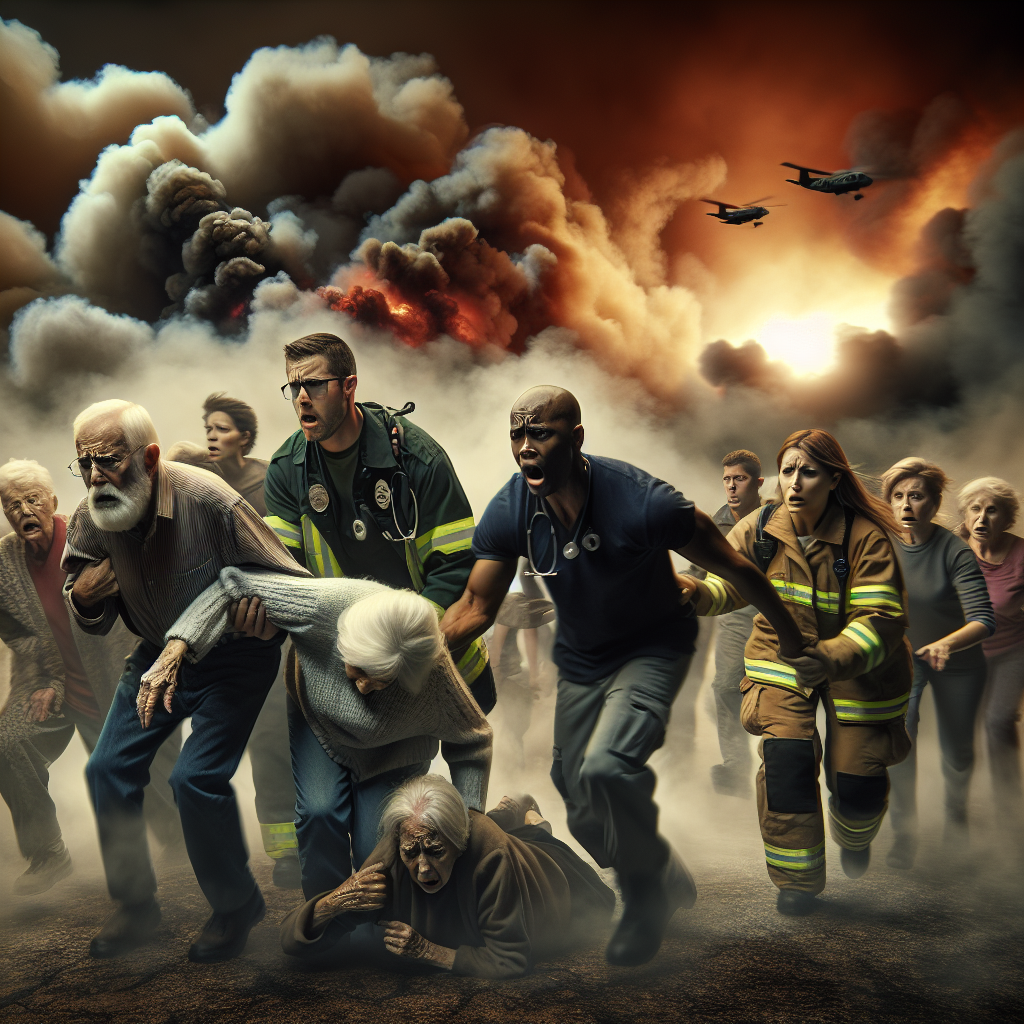
In the face of roaring wildfires that have engulfed vast stretches of California, the essence of effective communication emerges as a pivotal lifeline for those seeking safety. With alarming frequency, recent findings have unveiled a troubling pattern of failures in emergency communication, particularly within senior care facilities, leaving vulnerable populations at risk and often neglected during critical evacuations.
Disturbing reports have painted a grim picture of inadequacies and systemic failures, most notably during the devastating wildfires where lives were shattered and chaos reigned. This investigation aims to shed light on these catastrophic lapses in emergency preparedness, focusing intensely on how facilities like MonteCedro and The Terraces at Park Marino failed to safeguard their elderly residents when it mattered most.
With stories of residents left behind—some of whom could barely navigate the hallways—this critical examination seeks to hold accountable those responsible for ensuring the safety of our most vulnerable during nature’s most destructive moments.
Summary of Investigative Report Findings
The recent investigative reports on communication failures during the California wildfires have unveiled disturbing insights into the handling of emergency evacuations, especially concerning senior residents in care facilities. The analysis highlights a series of lapses that contributed to severe consequences, including lives lost and vulnerable individuals being left behind.
Key Findings:
- Emergency Planning Lapses: Investigators pinpointed significant gaps in emergency preparedness within specific facilities, namely MonteCedro in Altadena and The Terraces at Park Marino in Pasadena. At these locations, it was reported that a majority of staff members had not received training in emergency procedures.
- Seniors Left Behind: Alarming accounts emerged of elderly residents being abandoned during the evacuations. One notable case involved a 100-year-old woman found wandering the halls of MonteCedro as flames approached, underscoring the immediate danger and inadequacy of the facility’s response protocols.
- Failure to Follow Procedures: According to a report by the California Department of Social Services (DSS), the omission of critical evacuation procedures was a significant factor in the inability to rescue everyone safely. The institution’s leadership failed to provide competent guidance during this emergency, leading to chaotic conditions described by eyewitnesses.
- Accountability for Decisions: The reports urge for increased accountability within senior living facilities, stressing the need for sound emergency protocols. Laura Mosqueda, an expert in geriatric care, emphasized the responsibility of these facilities to have competent leadership and thorough emergency plans in place to act effectively when disaster strikes.
- Communication Failures: Central to these findings was the systemic failure in communication, which led to confusion and inefficiencies. The chaos created during the evacuation pointed not only to individual negligence but also a broader issue of inadequate emergency management for the elderly.
Overall, the investigative reports critique the alarmingly insufficient measures taken by senior care facilities during critical evacuations. The responsibility for these failures lies not only with specific individuals but also with the overarching systems that allowed such lapses to occur, demanding urgent reforms in emergency preparedness for vulnerable populations like seniors.
Laura Mosqueda, a professor of family medicine and geriatrics at USC’s Keck School of Medicine, emphasized the critical responsibilities of assisted living facilities during emergencies, particularly evacuations. She stated:
“Absolutely it was chaotic because of the fires, and absolutely [assisted-living facilities] have a responsibility to have emergency plans and competent leadership who can follow through. To evacuate and not have a complete list and know you’ve gotten everybody out … is not OK.”
This statement underscores the necessity for these facilities to develop and implement comprehensive emergency plans, ensuring all residents are accounted for during evacuations.
Consequences of Communication Failures
The consequences of communication failures during emergency evacuations are catastrophic, particularly for vulnerable populations such as seniors. The chaotic response to the recent California wildfires starkly illustrated the perilous impact that poor communication can have on the safety and well-being of elderly residents in care facilities.
Systemic Failures Unveiled
According to an independent report on California’s 2025 wildfires, critical systemic failures within emergency management led to disastrous delays during evacuations. Outdated protocols and inconsistent practices hampered timely communication, causing many residents to receive evacuation warnings only after flames threatened their homes. For instance, reports indicate that in some areas, it took nearly nine hours for evacuation orders to be relayed, contributing to a heightened risk for residents, especially the elderly, who are often less mobile and may not efficiently monitor digital alerts.
The report also highlighted over 30 fatalities resulting from these wildfires, emphasizing that systemic breakdowns in communication resulted not only in loss of life but also significant psychological and physical distress among the elderly population left behind. As Dr. Andrea Miles, a geriatric care specialist, pointed out, the emotional toll of such chaotic evacuations is profound, leading to increased anxiety and confusion, which can exacerbate pre-existing health issues.
Case Study: The Forgotten Resident
A haunting example of this failure comes from MonteCedro in Altadena—a 100-year-old resident was found aimlessly wandering the halls, utterly abandoned as flames raced toward the facility. This incident starkly illuminates the dire consequences of insufficient emergency procedures and lack of accountability in staff training. As reported by the California Department of Social Services, the failure to follow proper evacuation procedures resulted in tragic oversights, with elderly residents bearing the brunt of these systemic inadequacies.
Laura Mosqueda, a geriatric expert, aptly summarized the situation by stating, “Absolutely it was chaotic because of the fires, and absolutely [assisted-living facilities] have a responsibility to have emergency plans and competent leadership who can follow through.” This sentiment points towards a critical necessity for robust emergency preparedness protocols within senior facilities to safeguard against future disasters.
Urgent Reforms Needed
The findings from the emergency reports not only criticize the immediate response but also call for comprehensive reforms in the emergency management systems governing senior care facilities. Recommendations include enhanced training for staff, streamlined communication processes, and new technological investments to ensure timely and effective responses during emergencies. Notably, proposals are on the table suggesting the establishment of a disaster registry for seniors, aimed at ensuring that first responders have critical information to prioritize their evacuation. California County Supervisor Janice Hahn articulated the urgency of this need: “In an emergency, first responders should know who the most vulnerable residents are, where they are, and how to reach them when minutes matter and lives are on the line.”
The devastating consequences of the 2025 wildfires highlight the grievous impact of communication failures during emergency evacuations. It is imperative that accountable systems are put in place to protect our most vulnerable citizens in future crises. Without these urgent reforms, the legacy of neglect will continue to jeopardize the lives of those who are least able to protect themselves during disasters.
“The lack of adherence to emergency evacuation procedures by senior care facilities indicates not just a failure of individual staff but a systemic collapse in emergency management protocols. Ensuring accountability in these systems is essential for protecting our most vulnerable populations during disasters.” – California DSS report
This striking statement serves to reinforce the critical need for immediate reforms and robust accountability measures within emergency management frameworks for senior care facilities during emergencies.
Key Statistics on Communication Failures and Evacuations
- 19 casualties reported in the Eaton fire, with 18 fatalities in West Altadena.
- Majority of staff at MonteCedro had never received training in emergency procedures.
- A 100-year-old resident was found wandering the halls of MonteCedro during the fire evacuation.
- Evacuation orders took nearly 9 hours to be communicated in certain areas, placing seniors at heightened risk.
- Over 30 fatalities resulted from delays in evacuation communication during the California wildfires.
- Investigations found that critical systemic failures in emergency management exacerbated risks for elderly residents during evacuations.
| Facility | Emergency Planning Lapses | Staff Training | Seniors Left Behind | Remedial Actions Suggested |
|---|---|---|---|---|
| MonteCedro | Significant gaps noted; inadequate preparation | Majority of staff untrained | A 100-year-old resident was found roaming the halls | Enhanced training; Protocol revisions |
| The Terraces at Park Marino | Identified lapses in execution | Some staff trained but not enough | Several residents unaccounted during evacuation | Increased accountability measures |
In conclusion, the investigation into the communication failures during the California wildfires has revealed a concerning reality regarding the preparedness of senior care facilities. The critical lapses in emergency planning and inadequate training of staff have led to devastating consequences, including vulnerable seniors being left behind during catastrophic evacuations. The harrowing accounts of residents, such as the 100-year-old woman found wandering the halls of MonteCedro, highlight an urgent call for reform.
It is essential for these facilities to prioritize effective communication protocols and comprehensive emergency training to safeguard the health and safety of all occupants during crises. These findings extend beyond individual accountability and stress a systemic overhaul of emergency management practices for the elderly. As stakeholders reflect on these tragic events, decisive action must be taken to implement reforms that adequately protect our most vulnerable populations.
Without these significant improvements in emergency procedures, the ongoing system failures will continue to jeopardize the safety and well-being of those who rely on care facilities.
User Adoption of Emergency Drills in Senior Facilities
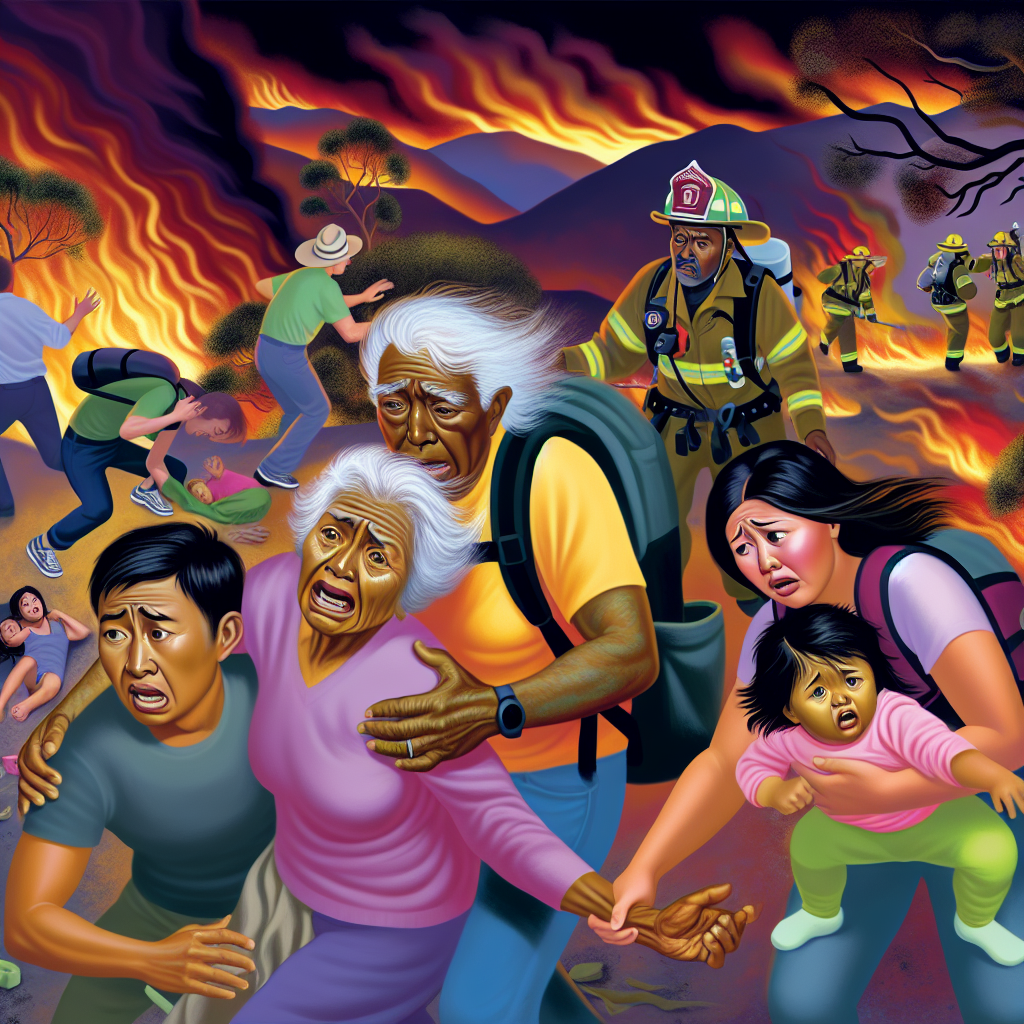
Participation in emergency drills and training within senior care facilities varies significantly based on some factors, including regulatory mandates and the specific practices of each facility. In California, for instance, residential care facilities for the elderly (RCFEs) are required to conduct emergency drills quarterly for each shift, covering a variety of emergency scenarios. While active resident participation is encouraged, it is largely voluntary. This presents a challenge as many elderly residents may not fully engage in these drills because of physical limitations or cognitive impairments, which can lead to a lack of familiarity with procedures in real emergencies [Leading Age California].
A survey conducted in 2021 involving 150 RCFE administrators revealed that over 90% had included disaster drills, evacuation plans, and emergency transport in their preparedness strategies before the COVID-19 pandemic hit. However, only around half had performed proactive hazard vulnerability analyses. While facilities generally felt well-prepared for fire emergencies and infectious disease outbreaks, many felt less equipped to handle other threats such as earthquakes, floods, landslides, or active shooter events [PubMed].
On a national level, the Centers for Medicare & Medicaid Services (CMS) mandate that nursing homes engage in community-based disaster drills and exercises. When these community drills are not available, facilities are required to conduct their own facility-specific drills to test emergency plans and assess staff readiness [Leading Age California].
Despite these regulations in place, challenges continue to surface. Many studies indicate that while nursing homes often have disaster plans, these are typically created internally with limited input from external agencies, which can undermine their effectiveness. Furthermore, most training consists mainly of routine drills, such as fire evacuations, with limited participation in large-scale exercises involving state or local agencies. This can create gaps in collaboration that are essential for comprehensive disaster preparedness [CDC Stacks].
The implications for future planning in disaster preparedness for seniors in care facilities are crucial and include several key recommendations:
- Enhanced Collaboration: Facilities should actively work with local emergency management, public health officials, and fire departments to refine and improve emergency action plans.
- Comprehensive Training: Emergency training should encompass various scenarios and involve both staff and residents. This will enhance familiarity and readiness among all involved during actual emergencies.
- Regular Assessments: Routine hazard vulnerability analyses and timely updates to emergency plans are necessary to prepare for a range of possible disasters effectively.
By addressing these areas, senior care facilities can improve their disaster readiness, minimizing risks to their vulnerable populations during future emergencies. This increased preparedness is essential for protecting the health and safety of elderly residents who, during crises, may rely heavily on the institutions designed to care for them.
Word Count: 642
The catastrophic consequences stemming from communication failures during these evacuations are not just hypothetical; they are evidenced by real tragedies that underscore the dire need for action. To fully grasp the extent of these failures, it is essential to examine the stark statistics that illuminate the depth of the problem and illustrate the urgent reforms needed to protect vulnerable populations, particularly our elderly residents in care facilities.
In the face of roaring wildfires that have engulfed vast stretches of California, the essence of effective communication emerges as a pivotal lifeline for those seeking safety. With alarming frequency, recent findings have unveiled a troubling pattern of failures in emergency communication, particularly within senior care facilities, leaving vulnerable populations at risk and often neglected during critical evacuations. Disturbing reports have painted a grim picture of inadequacies and systemic failures in disaster management, most notably during the devastating wildfires where lives were shattered and chaos reigned. This investigation aims to shed light on these catastrophic lapses in emergency preparedness, focusing intensely on how facilities like MonteCedro and The Terraces at Park Marino failed to safeguard their elderly residents when it mattered most. With stories of residents left behind—some of whom could barely navigate the hallways—this critical examination seeks to hold accountable those responsible for ensuring the safety of our most vulnerable during nature’s most destructive moments.
Summary of Investigative Report Findings
The recent investigative reports on communication failures during the California wildfires have unveiled disturbing insights into the handling of emergency evacuations, especially concerning senior residents in care facilities. The analysis highlights a series of lapses in disaster management that contributed to severe consequences, including lives lost and vulnerable individuals being left behind.
Key Findings:
- Emergency Planning Lapses: Investigators pinpointed significant gaps in emergency preparedness within specific facilities, namely MonteCedro in Altadena and The Terraces at Park Marino in Pasadena. At these locations, it was reported that a majority of staff members had not received training in evacuation procedures.
- Seniors Left Behind: Alarming accounts emerged of elderly residents being abandoned during the evacuations. One notable case involved a 100-year-old woman found wandering the halls of MonteCedro as flames approached, underscoring the immediate danger and inadequacy of the facility’s response protocols.
- Failure to Follow Evacuation Procedures: According to a report by the California Department of Social Services (DSS), the omission of critical evacuation procedures was a significant factor in the inability to rescue everyone safely. The institution’s leadership failed to provide competent guidance during this emergency, leading to chaotic conditions described by eyewitnesses.
- Accountability for Decisions: The reports urge for increased accountability within senior living facilities, stressing the need for sound emergency protocols. Laura Mosqueda, an expert in geriatric care, emphasized the responsibility of these facilities to have competent leadership and thorough emergency plans in place to act effectively when disaster strikes.
- Communication Failures: Central to these findings was the systemic failure in communication, which led to confusion and inefficiencies. The chaos created during evacuation procedures pointed not only to individual negligence but also a broader issue of inadequate emergency management for the elderly.
Overall, the investigative reports critique the alarmingly insufficient measures taken by senior care facilities during critical evacuations. The responsibility for these failures lies not only with specific individuals but also with the overarching systems that allowed such lapses to occur, demanding urgent reforms in disaster management for vulnerable populations like seniors.
Laura Mosqueda, a professor of family medicine and geriatrics at USC’s Keck School of Medicine, emphasized the critical responsibilities of assisted living facilities during emergencies, particularly evacuation procedures. She stated:
“Absolutely it was chaotic because of the fires, and absolutely [assisted-living facilities] have a responsibility to have emergency plans and competent leadership who can follow through. To evacuate and not have a complete list and know you’ve gotten everybody out … is not OK.”
This statement underscores the necessity for these facilities to develop and implement comprehensive emergency plans, ensuring all residents are accounted for during evacuations.
Consequences of Communication Failures
The consequences of communication failures during emergency evacuations are catastrophic, particularly for vulnerable populations such as seniors. The chaotic response to the recent California wildfires starkly illustrated the perilous impact that poor communication can have on the safety and well-being of elderly residents in care facilities.
Systemic Failures Unveiled
According to an independent report on California’s 2025 wildfires, critical systemic failures within emergency management led to disastrous delays during evacuations. Outdated protocols and inconsistent practices hampered timely communication, causing many residents to receive evacuation warnings only after flames threatened their homes. For instance, reports indicate that in some areas, it took nearly nine hours for evacuation orders to be relayed, contributing to a heightened risk for residents, especially the elderly, who are often less mobile and may not efficiently monitor digital alerts.
The report also highlighted over 30 fatalities resulting from these wildfires, emphasizing that systemic breakdowns in communication resulted not only in loss of life but also significant psychological and physical distress among the elderly population left behind. As Dr. Andrea Miles, a geriatric care specialist, pointed out, the emotional toll of such chaotic evacuations is profound, leading to increased anxiety and confusion, which can exacerbate pre-existing health issues.
Case Study: The Forgotten Resident
A haunting example of this failure comes from MonteCedro in Altadena—a 100-year-old resident was found aimlessly wandering the halls, utterly abandoned as flames raced toward the facility. This incident starkly illuminates the dire consequences of insufficient emergency procedures and lack of accountability in staff training. As reported by the California Department of Social Services, the failure to follow proper evacuation procedures resulted in tragic oversights, with elderly residents bearing the brunt of these systemic inadequacies.
Laura Mosqueda, a geriatric expert, aptly summarized the situation by stating, “Absolutely it was chaotic because of the fires, and absolutely [assisted-living facilities] have a responsibility to have emergency plans and competent leadership who can follow through.” This sentiment points towards a critical necessity for robust emergency preparedness protocols within senior facilities to safeguard against future disasters.
Urgent Reforms Needed
The findings from the emergency reports not only criticize the immediate response but also call for comprehensive reforms in the disaster management systems governing senior care facilities. Recommendations include enhanced training for staff, streamlined communication processes, and new technological investments to ensure timely and effective responses during emergencies. Notably, proposals are on the table suggesting the establishment of a disaster registry for seniors, aimed at ensuring that first responders have critical information to prioritize their evacuation. California County Supervisor Janice Hahn articulated the urgency of this need:
“In an emergency, first responders should know who the most vulnerable residents are, where they are, and how to reach them when minutes matter and lives are on the line.”
The devastating consequences of the 2025 wildfires highlight the grievous impact of communication failures during emergency evacuations. It is imperative that accountable systems are put in place to protect our most vulnerable citizens in future crises. Without these urgent reforms, the legacy of neglect will continue to jeopardize the lives of those who are least able to protect themselves during disasters.
“The lack of adherence to emergency evacuation procedures by senior care facilities indicates not just a failure of individual staff but a systemic collapse in emergency management protocols. Ensuring accountability in these systems is essential for protecting our most vulnerable populations during disasters.” – California DSS report
This striking statement serves to reinforce the critical need for immediate reforms and robust accountability measures within emergency management frameworks for senior care facilities during emergencies.
Key Statistics on Communication Failures and Evacuations
- 19 casualties reported in the Eaton fire, with 18 fatalities in West Altadena.
- Majority of staff at MonteCedro had never received training in evacuation procedures.
- A 100-year-old resident was found wandering the halls of MonteCedro during the fire evacuation.
- Evacuation orders took nearly 9 hours to be communicated in certain areas, placing seniors at heightened risk.
- Over 30 fatalities resulted from delays in evacuation communication during the California wildfires.
- Investigations found that critical systemic failures in emergency management exacerbated risks for elderly residents during evacuations.
| Facility | Emergency Planning Lapses | Staff Training | Seniors Left Behind | Remedial Actions Suggested |
|---|---|---|---|---|
| MonteCedro | Significant gaps noted; inadequate preparation | Majority of staff untrained | A 100-year-old resident was found roaming the halls | Enhanced training; Protocol revisions |
| The Terraces at Park Marino | Identified lapses in execution | Some staff trained but not enough | Several residents unaccounted during evacuation | Increased accountability measures |
In conclusion, the investigation into the communication failures during the California wildfires has unveiled a distressing reality regarding the preparedness of senior care facilities. The alarming lapses in emergency planning, training deficiencies among staff, and devastating accounts of seniors left behind highlight an urgent need for reform. These facilities must prioritize robust communication protocols and comprehensive emergency training to ensure the safety of their occupants during crises. The implications of these findings extend beyond mere accountability; they underscore the critical importance of enhancing disaster response and management practices for the elderly. As we reflect on these tragic events, it is imperative for stakeholders to take decisive action in implementing reforms that protect our most vulnerable populations. Without significant improvements in emergency procedures, the system will continue to fail those who rely entirely on the very institutions designed to safeguard their well-being.
The catastrophic consequences stemming from communication failures during these evacuations are not just hypothetical; they are evidenced by real tragedies that underscore the dire need for action. To fully grasp the extent of these failures, it is essential to examine the stark statistics that illuminate the depth of the problem and illustrate the urgent reforms needed to protect vulnerable populations, particularly our elderly residents in care facilities.
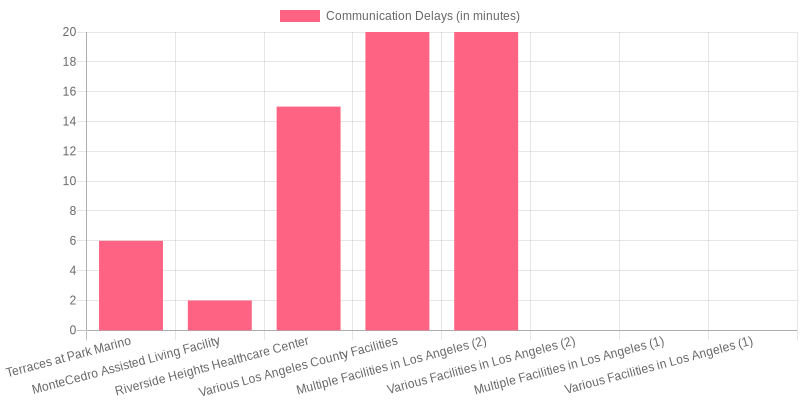
Graph of Evacuation Times and Communication Delays for Elderly Residents
This graph represents the communication delays in evacuation times for several facilities during California’s recent wildfires. The displayed data emphasizes the significant delays many elderly residents experienced during this critical time.
Statistics on Elderly Evacuations During Emergency Situations
The following graph showcases critical statistics regarding elderly evacuations from California during wildfires, highlighting the high percentage of elderly residents in high-risk areas and the challenges faced during evacuations.
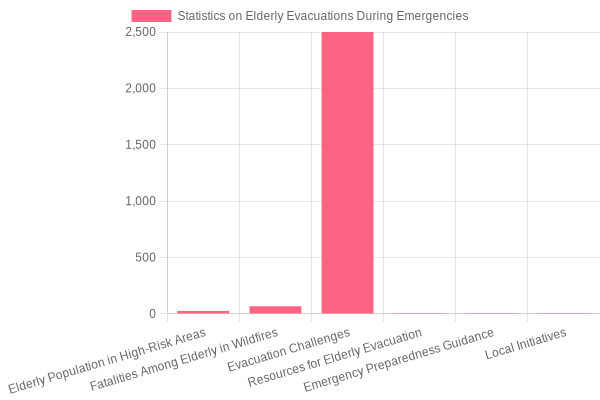
These visual representations underscore the urgency of refining emergency communication protocols and enhancing preparedness for the elderly population in care facilities.