
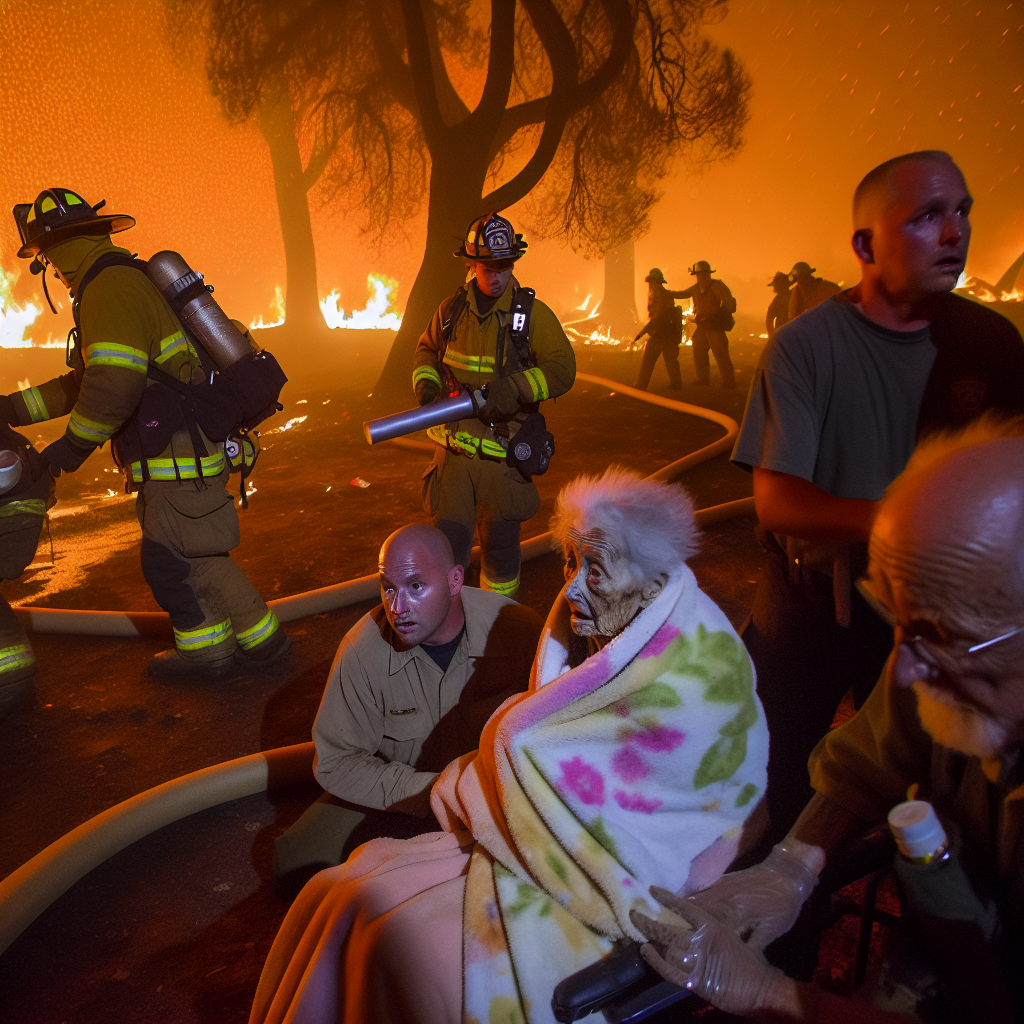
In recent years, California has faced severe wildfires that have consumed thousands of acres. These disasters have revealed major flaws in emergency response protocols. Alarmingly, many vulnerable populations, especially seniors, were left behind in the chaos. Inadequate evacuation plans and poor communication meant that facilities like MonteCedro and The Terraces at Park Marino became tragic examples of a system that failed to protect its most at-risk residents.
The ongoing discussions about California’s wildfire emergency response show the urgent need for better preparedness and accountability. Reports about those left in danger highlight that failures like these must not happen again, as every life matters when facing nature’s fury.
Key Findings from the Investigation into Emergency Planning Lapses
Recent investigations have unveiled alarming failures in emergency planning at MonteCedro in Altadena and The Terraces at Park Marino in Pasadena during the devastating Eaton fire on January 7, 2025, which resulted in the tragic loss of nineteen lives, including eighteen in west Altadena. Reports indicated that elderly residents were left behind as flames rapidly closed in, raising serious concerns about the readiness of these facilities to respond to emergencies.
At MonteCedro, the California Department of Social Services (DSS) cited the facility for not adhering to fundamental health and safety regulations that mandated comprehensive emergency planning. The facility was directed to communicate how they would improve resident and staff training regarding emergency response protocols. The lack of preparedness was starkly evident when vulnerable residents remained in place, putting their lives in jeopardy despite incoming threats from the wildfire.
Conversely, The Terraces faced similar criticism and was cited for failing to uphold regulations that protect residents’ personal rights. The DSS required immediate revisions to their disaster procedures, which underscored a systemic failure in their emergency response strategy. Comments received from the facility suggest they plan to rebuild better, yet the necessity for operational change remains pressing.
Experts like Laura Mosqueda, a professor of family medicine and geriatrics, stressed that the state’s findings failed to capture the sheer extent of the danger to seniors and lacked sufficient oversight measures. She described the situation as reflective of an “egregious fashion” in which resilience against emergencies was handled inadequately. Her insights advocate for rigorous reforms in the standards of care provided to such vulnerable populations.
Meanwhile, John Ward, whose mother resided at MonteCedro, recognized the staff’s commitment to care but expressed disbelief over the failure to execute emergency protocols that could have safeguarded residents during the fire. His experience speaks to the dual narrative of dedicated care amid systemic lapses in crisis management.
These findings highlight a critical need for solid emergency preparedness protocols, training, and infrastructural improvements at senior care facilities to protect against future disasters that threaten such affluent yet vulnerable communities.
| Senior Care Facility | Evacuation Plans | Staff Training | Accountability Measures |
|---|---|---|---|
| MonteCedro | Lacked comprehensive evacuation protocols; residents were left behind during emergencies. | Training was inadequate, as evidenced by lack of preparedness in the Eaton fire. | Cited for not adhering to emergency planning regulations by the California DSS. |
| The Terraces at Park Marino | Similar evacuation failures; required to revise disaster procedures after citations. | Staff training criticized for not meeting essential emergency management standards. | Faced accountability issues, with mandates from the California DSS for operational changes. |
Analyzing Quotes from Laura Mosqueda and John Ward
The actions of senior care facilities during emergencies, especially the California wildfires, have uncovered serious accountability gaps that have drawn strong reactions from experts and family members.
Laura Mosqueda, an advocate for the elderly and a professor of family medicine and geriatrics, emphasized the importance of strong leadership and effective emergency protocols, stating, “Absolutely, it was chaotic because of the fires, and absolutely [assisted-living facilities] have a responsibility to have emergency plans and competent leadership who can follow through.” She highlights the need for these facilities to take their emergency preparedness seriously. When natural disasters strike, they must be equipped to protect their most vulnerable residents.
Mosqueda’s comments underscore that failures in emergency management leave elderly residents at risk. These individuals are not just statistics; they are people with lives that are greatly affected by these breakdowns in care during crises.
In contrast, John Ward, whose mother lived at MonteCedro, recognized the high level of care that staff typically provide, remarking, “The love and care they give for the people there is just fantastic.” However, he was shocked by the absence of effective emergency protocols that could have safeguarded residents during the wildfire. This reveals a painful reality: While caregiving might be exceptional, systemic failures can endanger vulnerable populations.
This duality presents a challenging emotional landscape for families who trust these facilities with their loved ones’ safety. Staff dedication must be matched by effective emergency plans and accountability from facility management.
Both Mosqueda and Ward highlight the critical need for improved emergency planning in senior care facilities. Their insights stress that families must have confidence that their loved ones will be safe during crises. As we look forward, it is essential that these institutions consider the voices of those affected and implement real changes to enhance safety and dignity for elderly residents.
Summary of Statistics on Elderly Evacuations During California Wildfires
The Eaton Fire, which ignited on January 7, 2025, served as a stark reminder of the vulnerabilities faced by elderly residents during emergencies. Of the 19 confirmed fatalities, the median age was 77 years, indicating that many who perished were among the most fragile members of the community. Disturbingly, at least one-third of those involved in the evacuation efforts had mobility impairments, making their evacuation particularly challenging.
Compounding these issues were significant shortcomings in emergency response protocols at several senior care facilities. In many instances, staff abandoned their posts as the crisis escalated, leaving residents without the necessary support to evacuate safely. For instance, at MonteCedro, critical administrative personnel departed the site without ensuring that on-site staff were informed of emergency procedures, creating a chaotic situation for remaining residents who relied on assistance.
In light of these failures, Los Angeles County officials are contemplating the establishment of a registry aimed at better identifying vulnerable individuals, including those with disabilities and mobility challenges, within senior care settings. This initiative is expected to enhance future evacuation efforts by ensuring that first responders have immediate access to essential information about residents in need of urgent assistance during wildfires and other crises.
These statistics and reports underline the urgent necessity for comprehensive disaster preparedness plans that prioritize the safety and evacuation of elderly and disabled populations during wildfires and similar emergencies. Such measures are crucial to preventing tragic outcomes and ensuring that the most vulnerable members of society are adequately protected.
The Eaton Fire Event: A Tragic Reminder of Preparedness Failures
The Eaton Fire, which ignited on January 7, 2025, in Eaton Canyon within the San Gabriel Mountains, became one of the most devastating wildfires in Los Angeles County’s history. Fueled by powerful Santa Ana winds, the fire rapidly spread into foothill communities, notably Altadena.
Casualties and Impacted Areas
The fire resulted in 19 confirmed fatalities, with 18 of these occurring in west Altadena. This area, predominantly inhabited by Black residents, received evacuation orders several hours after those issued to east Altadena. The median age of the deceased was 77, and at least a third had impairments affecting their mobility. Additionally, 22 individuals were reported missing, and over 100,000 residents were evacuated. The fire destroyed 9,418 structures, including 4,356 single-family homes, 77 multi-family buildings, and 123 commercial buildings. Notably, it devastated residential sections of Altadena that had been home to African-American families since the Great Migration, erasing nearly half of all Black households in the area.
Emergency Preparedness Failures in Senior Care Facilities
The fire exposed significant lapses in emergency preparedness within senior care facilities. At the MonteCedro assisted living facility in west Altadena, most staff on duty during the fire had not been trained in emergency procedures. As the fire approached, most administrative personnel and management left the facility and went home, leaving untrained staff to manage the crisis. Consequently, two elderly residents were left behind during the evacuation and were later rescued by deputies. One of these residents, a 100-year-old woman, was found roaming the dark hallways with a walker as flames were visible outside.
Similarly, The Terraces at Park Marino in Pasadena faced challenges during the evacuation. The facility was forced to evacuate quickly amid raining embers and approaching flames. State officials found that at least one resident was left behind and had to be evacuated by the Fire Department, posing an immediate risk to those in care.
Expert Insights and Family Accounts
Laura Mosqueda, a professor of family medicine and geriatrics at USC’s Keck School of Medicine, highlighted the systemic issues revealed by the state’s findings:
“Absolutely it was chaotic because of the fires, and absolutely [assisted-living facilities] have a responsibility to have emergency plans and competent leadership who can follow through. To evacuate and not have a complete list and know you’ve gotten everybody out … is not OK.”
The Mitchell family experienced a profound loss during the fire. Anthony Mitchell Sr., an amputee in his 60s, and his son Justin, who had cerebral palsy, perished in their home. Anthony Mitchell Jr. expressed support for the creation of a disaster registry for vulnerable residents, stating:
“It would have saved my father.”
Statistics and Broader Implications
The fire’s impact on vulnerable populations was stark:
- Of the 19 fatalities, 16 were disabled, elderly, or had limited mobility.
These statistics underscore the critical need for improved emergency preparedness and evacuation planning, especially for senior care facilities and communities with vulnerable populations. The lessons learned from the Eaton fire should catalyze systemic reforms in emergency response protocols to ensure that such tragedies are prevented in the future.
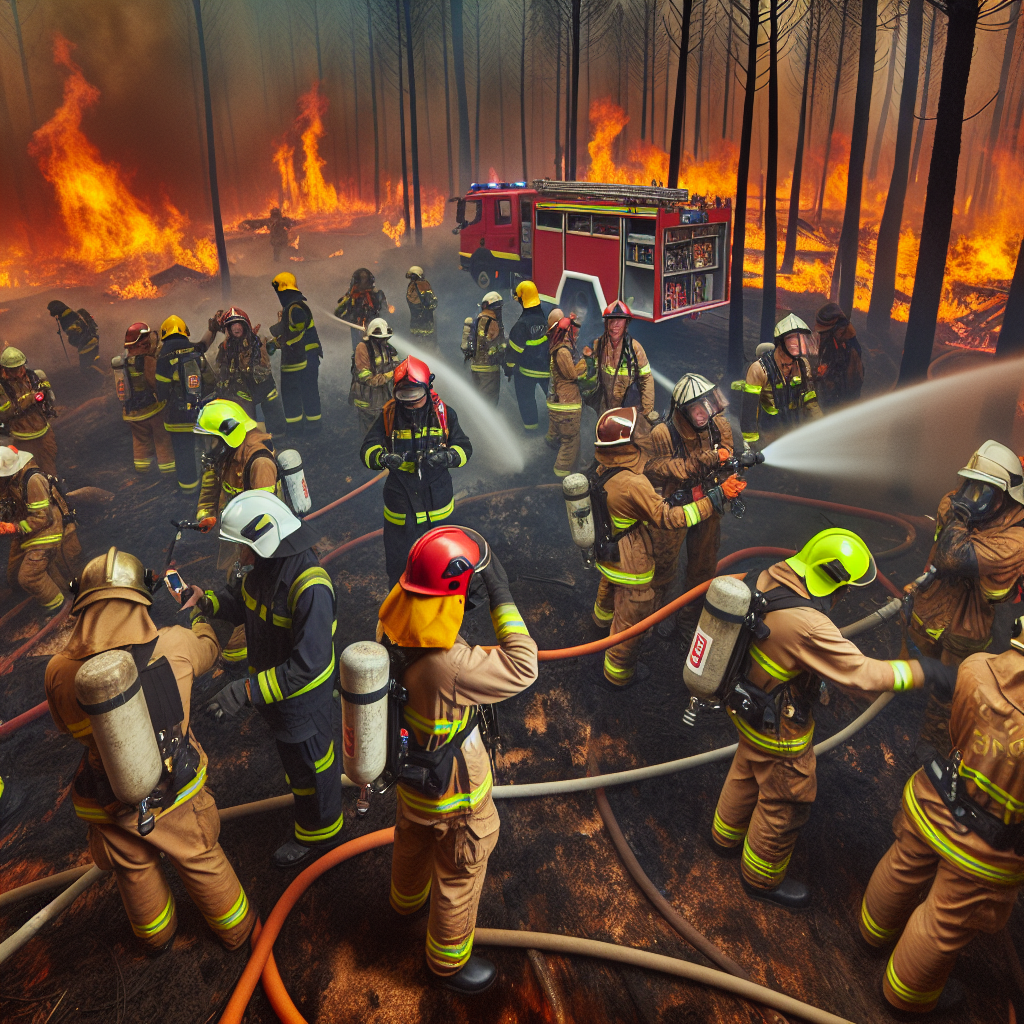
Conclusion
The investigation into the response to the Eaton fire has laid bare the critical failings of emergency preparedness within senior care facilities in California. As the tragic stories of those left behind emerge, it becomes all too clear that the systems designed to protect our most vulnerable populations have faltered under pressure. The failures at MonteCedro and The Terraces at Park Marino are stark reminders of the dire consequences that arise from inadequate evacuation planning and lack of trained personnel during emergencies.
The loss of life, particularly among seniors who faced mobility challenges, underscores an urgent call to implement robust emergency response measures that account for the unique needs of elderly residents. There is an undeniable necessity to improve training protocols for staff, safeguard the accountability of facility management, and ensure that disaster planning encompasses comprehensive evacuation strategies.
Furthermore, the implementation of a disaster registry for vulnerable individuals could potentially streamline evacuation efforts in future crises, ensuring that first responders have access to vital information that could save lives.
As we reflect on these investigative findings, it is crucial to recognize that effective measures must be more than just regulatory checkboxes; they must reflect a genuine commitment to the safety and dignity of all residents in senior care facilities. Moving forward, it is imperative that stakeholders—regulatory bodies, facility operators, and community members alike—collaborate to create a more resilient and accountable system to protect those who cannot protect themselves. The lessons learned from the catastrophic events of the Eaton fire should serve as a catalyst for transformative changes that prioritize the security and well-being of our elderly population.
In conclusion, as we strive for a safer future, it is not only the duty of care facilities to arm themselves with effective emergency plans but also a societal responsibility to acknowledge and act upon the needs of our vulnerable populations during times of disaster.
Appeals Made by MonteCedro and The Terraces Against Their Citations
In the aftermath of the devastating Eaton fire, both MonteCedro and The Terraces at Park Marino appealed the citations issued by the California Department of Social Services (CDSS) following grave lapses in their emergency preparedness protocols. MonteCedro faced criticism for leaving residents behind during the evacuation, specifically citing the case of two elderly residents, including a 100-year-old woman, who were not accounted for during the chaos. In response to the citation, MonteCedro contended that they had implemented corrective measures and emphasized the extraordinary challenges faced during the evacuation process.
Conversely, The Terraces defended their procedures by asserting that they executed their evacuation plan effectively under the circumstances, though they also experienced a citation due to a failure in adhering to personal rights regulations. These appeals underscore a critical aspect of accountability in emergency response; facilities must not only prepare for potential disasters but also be held accountable for the outcomes of their actions during such crises. This dual narrative prompts a reassessment of emergency protocols in senior care facilities and highlights the importance of rigorous oversight to ensure that the vulnerable populations they serve are adequately protected in times of emergency.
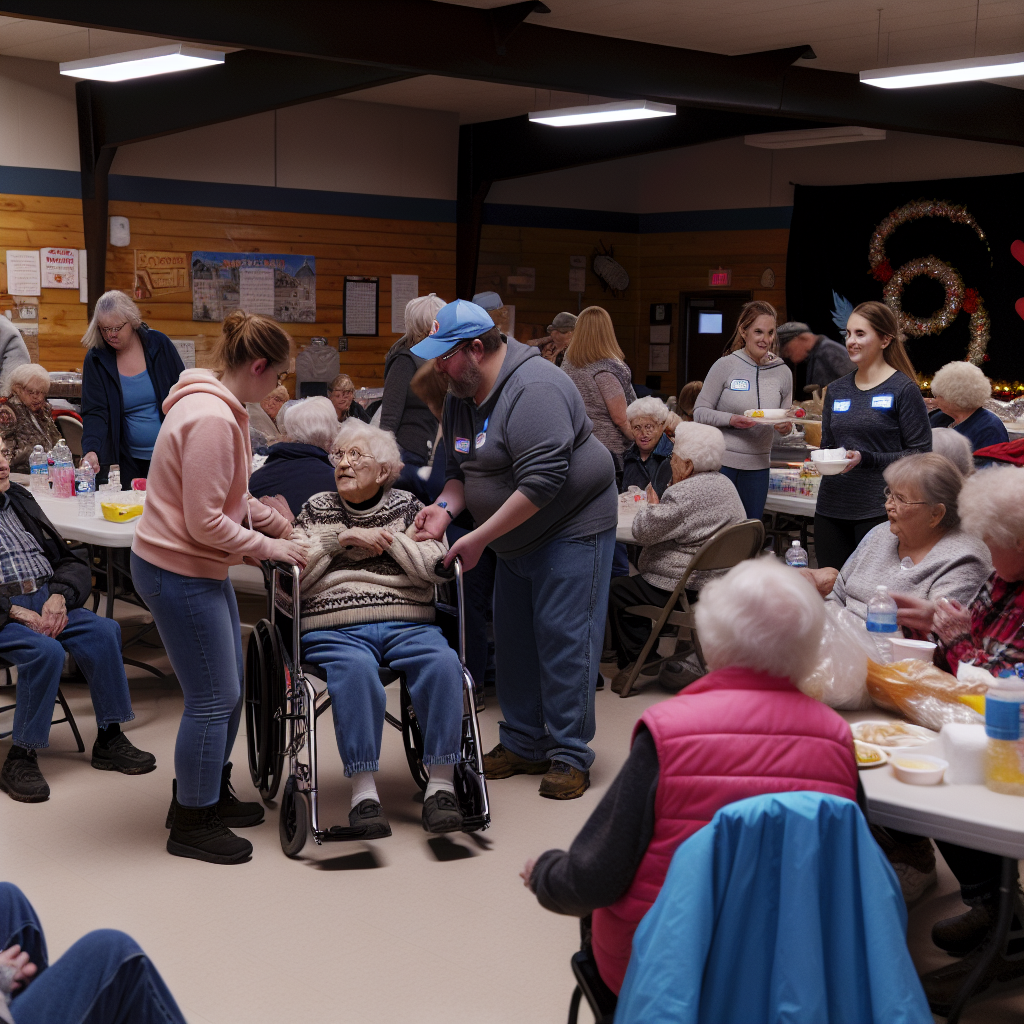

Emergency Response Best Practices
To enhance the effectiveness of emergency responses, especially for vulnerable populations during events like wildfires, several best practices have been identified:
-
Inclusive Evacuation Planning: Ensuring evacuation plans are tailored for individuals with disabilities, language barriers, and those without personal transport. Establish transport networks and special assistance registrations.
Source -
Temporary Fire Refuge Areas (TFRAs): Designate and prepare effectively planned safe areas for residents to take refuge if evacuation is not possible.
Source -
Effective Communication Systems: Use multi-level warning systems that offer information in various languages and ensure it reaches all community members efficiently.
Source -
Collaboration with Authorities: Local emergency plans should align closely with state and federal strategies to optimize resource use and access to assistance during disasters.
Source -
Community Engagement: Involve at-risk populations in disaster planning efforts and collaborate with local organizations to strengthen community recovery networks.
Source
Accountability in California’s Emergency Response
California has implemented a range of regulations and best practices aimed at improving emergency response measures in senior care facilities:
-
Emergency Planning: Mandates for detailed emergency plans tailored to evacuation procedures, sheltering strategies, and operational continuity during crises.
Source -
Staff Training: Facilities must provide regular training and conduct mandatory drills to ensure complete preparedness for various emergency situations.
Source -
Communication Protocols: Establish proper communication systems for alerts and coordination, fostering transparent updates with families regarding residents’ safety.
Source -
Collaboration with Emergency Services: Ties with local emergency responders are crucial for instilling coordinated crisis response techniques.
Source -
Compliance and Accountability: The implementation of legislation, such as AB 3098, emphasizes stringent requirements for emergency preparedness, ensuring accountability.
Source
In recent years, California has faced severe wildfires that have consumed thousands of acres. These disasters have revealed major flaws in emergency response protocols. Alarmingly, many vulnerable populations, especially seniors, were left behind in the chaos. Inadequate evacuation plans and poor communication meant that facilities like MonteCedro and The Terraces at Park Marino became tragic examples of a system that failed to protect its most at-risk residents. The ongoing discussions about California’s wildfire emergency response show the urgent need for better preparedness and accountability. Reports about those left in danger highlight that failures like these must not happen again, as every life matters when facing nature’s fury.
The integration of senior care disaster preparedness into emergency planning cannot be overemphasized. With a growing senior population, ensuring disaster readiness in facilities catering to elderly individuals is critical.
Key Findings from the Investigation into Emergency Planning Lapses
Recent investigations have unveiled alarming failures in emergency planning at MonteCedro in Altadena and The Terraces at Park Marino in Pasadena during the devastating Eaton fire on January 7, 2025. This disaster highlighted the lack of senior care disaster preparedness as it resulted in the tragic loss of nineteen lives, including eighteen in west Altadena. Reports indicated that elderly residents were left behind as flames rapidly closed in, raising serious concerns about the readiness of these facilities to effectively respond to emergencies.
At MonteCedro, the California Department of Social Services (DSS) cited the facility for not adhering to fundamental health and safety regulations that mandated comprehensive emergency planning. The facility was directed to communicate how they would improve resident and staff training regarding emergency response protocols. The lack of preparedness was starkly evident when vulnerable residents remained in place despite incoming threats from the wildfire, indicating a clear deficiency in senior care disaster preparedness practices.
Conversely, The Terraces faced similar criticism and was cited for failing to uphold regulations that protect residents’ personal rights. The DSS required immediate revisions to their disaster procedures, underscoring a systemic failure in their emergency response strategy. Comments received from the facility suggest they plan to rebuild better; however, the necessity for operational change remains pressing.
Experts like Laura Mosqueda, a professor of family medicine and geriatrics, stressed that the state’s findings failed to capture the sheer extent of the danger to seniors and lacked sufficient oversight measures. Her insights advocate for rigorous reforms in the standards of senior care disaster preparedness provided to such vulnerable populations.
Meanwhile, John Ward, whose mother resided at MonteCedro, recognized the staff’s commitment to care but expressed disbelief over the failure to execute emergency protocols that could have safeguarded residents during the fire. His experience speaks to the dual narrative of dedicated care amid systemic lapses in crisis management.
These findings highlight a critical need for solid emergency preparedness protocols, effective training, and infrastructural improvements at senior care facilities to protect against future disasters that threaten such affluent yet vulnerable communities.
Analyzing Quotes from Laura Mosqueda and John Ward
The actions of senior care facilities during emergencies, especially the California wildfires, have uncovered serious accountability gaps that have drawn strong reactions from experts and family members.
Laura Mosqueda, an advocate for the elderly, emphasized the importance of strong leadership and effective emergency protocols, stating, “Absolutely, it was chaotic because of the fires, and absolutely [assisted-living facilities] have a responsibility to have emergency plans and competent leadership who can follow through.” She highlights the need for these facilities to take their senior care disaster preparedness seriously. When natural disasters strike, they must be equipped to protect their most vulnerable residents.
Mosqueda’s comments underscore that failures in emergency management leave elderly residents at risk. These individuals are not just statistics; they are people with lives that are greatly affected by these breakdowns in care during crises.
In contrast, John Ward, whose mother lived at MonteCedro, recognized the high level of care that staff typically provide, remarking, “The love and care they give for the people there is just fantastic.” However, he was shocked by the absence of effective emergency protocols that could have safeguarded residents during the wildfire. This reveals a painful reality: While caregiving might be exceptional, systemic failures can endanger vulnerable populations.
Both Mosqueda and Ward highlight the critical need for improved emergency planning in senior care facilities, emphasizing disaster preparedness as a vital aspect of their operational protocols. Their insights stress that families must have confidence that their loved ones will be safe during crises. As we look forward, it is essential that these institutions consider the voices of those affected and implement real changes to enhance safety and dignity for elderly residents.