

In recent years, particularly during the devastating California wildfires, the critical role of community trust in emergency planning has come into sharp focus. Investigations following these incidents revealed alarming lapses in emergency protocols, especially at facilities like MonteCedro in Altadena and The Terraces at Park Marino in Pasadena.
Here, vulnerable populations, including elderly residents, faced perilous situations when evacuation procedures faltered. One poignant story is that of a family who struggled to evacuate their 97-year-old grandmother, left behind as flames approached her senior living facility. As they raced against time and chaos, they faced the horrifying reality of their loved one potentially being trapped amidst the flames.
With reports of individuals left behind as fires encroached, the urgency to forge reliable emergency plans becomes undeniable. This breakdown in trust not only jeopardizes lives but also calls into question the integrity of the systems meant to protect the most susceptible members of our communities.
Consequently, there is a vital need to examine how we can rebuild that trust and ensure that the lessons learned lead to more effective emergency management strategies in the future.
Imagine the chilling scene: flames licking at the edges of a senior living facility, chaos reigning as smoke fills the air. Reports detail the harrowing moments when vulnerable seniors were left behind, abandoned amidst the chaos of an emergency. As the fire closed in, the sound of sirens became a haunting reminder of a broken system meant to protect them. This heart-wrenching reality reflects a troubling breach of trust between communities and the emergency services designed to safeguard their most fragile members.
Such distressing accounts not only depict the immediate danger to life but also strike at the very core of our belief in community support during the darkest hours. When those we entrust with our care falter, it begs the question: how do we rebuild that trust?

Key Lapses in Emergency Planning
The investigation into the 2025 Eaton fire found serious issues in how senior facilities planned for emergencies. These problems directly affected the safety of residents during the wildfire evacuation.
MonteCedro
- Evacuation Problems:
- Some residents were left behind during the evacuation. Specifically, two elderly individuals were unaccounted for when evacuations started early on January 8, 2025.
- The facility attempted to relocate about 200 residents but lacked a system to keep track of everyone.
- Staff Training Issues:
- The executive director did not properly inform and train staff on emergency procedures, leading to a lack of readiness.
- Many administrative staff were not prepared to handle evacuations, which broke the California Health and Safety Code.
The Terraces at Park Marino
- Communication Failures:
- Staff reported that a resident remained in her room during the fire. This showed a serious failure in communication and evacuation planning.
- Fire crews had to go back to rescue her, highlighting the immediate danger to vulnerable residents.
- Evacuation Challenges:
- Although half of the residents were evacuated, many needed help because of mobility problems.
- The chaotic fire environment put residents at risk and led to official reprimands for the situation.
These failures highlight the need for better emergency plans, proper training for staff, and improved communication to protect residents during crises.
Insights from Experts on Emergency Responsibilities
Expert opinions on emergency preparedness have become increasingly relevant, especially following crisis incidents like the California wildfires.
Dr. Laura Mosqueda emphasizes the urgent need for assisted living facilities to not only have adequate emergency plans but also ensure their execution is reliable and effective. She stated,
“While some residents manage to bring essential items, others arrive without necessities, indicating gaps in preparedness. Caregivers face immense challenges during evacuations, and it is paramount that facilities provide them with the necessary support to ensure the safety of residents.”
Her experience during the Los Angeles wildfires offered crucial insights about the significance of preparedness and systematic planning for the most vulnerable populations.
Meanwhile, John Ward highlighted the serious implications of lapses in emergency management, reflecting on his personal experience:
“They screwed up, it was a bad day for them; they didn’t follow protocol and they should have… Let’s hope that they’ve learned.”
Ward pointed out that while the care quality in these facilities can be commendable, incidents like these bring to light the need for stringent evacuation procedures. His sentiments echo the urgent call for facilities to take these lessons to heart and reinforce their emergency protocols.
These perspectives underscore the shared responsibility of assisted living facilities to uphold their obligations during emergencies, preparing for both routine challenges and unexpected disasters. The experts agree that the heart of safeguarding residents lies in diligent planning, clear communication, and comprehensive training for all staff members involved in disaster response.
Comparison of Emergency Protocols at Senior Facilities
| Facility | Strengths | Weaknesses |
|---|---|---|
| MonteCedro |
|
|
| The Terraces at Park Marino |
|
|
This comparison showcases the emergency protocols in place at both MonteCedro and The Terraces at Park Marino during the crisis of the California wildfires. While both facilities attempted to manage evacuations, significant lapses in their emergency preparedness were evident. These findings highlight crucial areas for improvement in being better equipped to handle future emergencies effectively.
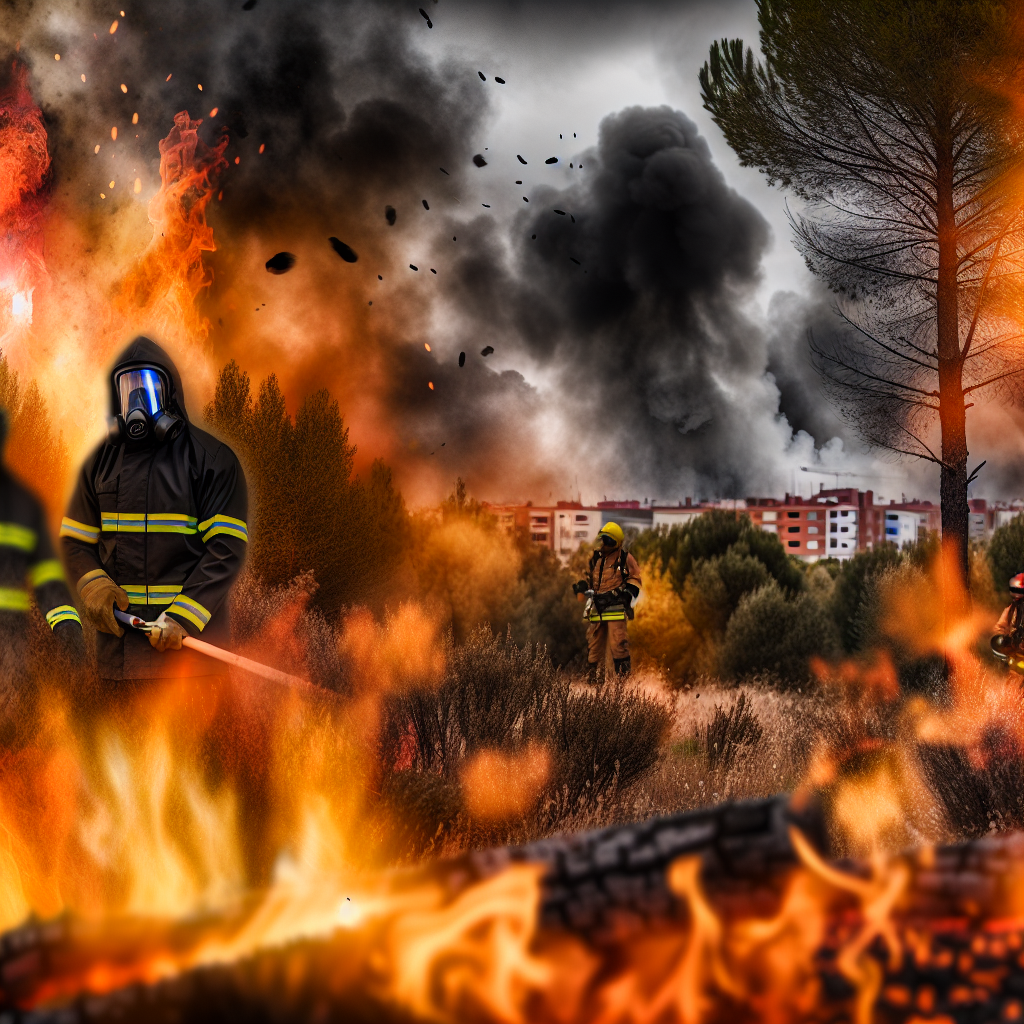
Community Responses to Emergency Planning Failures: Rebuilding Trust in Emergency Management
Following the devastating California wildfires, families and community members expressed heartfelt responses reflecting their emotions around the emergency planning lapses observed in senior care facilities. These sentiments include feelings of anger, betrayal, and fear, significantly impacting the community’s trust in management and emergency protocols.
- Feelings of Anger and Betrayal: Many families reported feeling abandoned when their loved ones were left behind during evacuations. This anger is often directed at the emergency services and facility management for failing to ensure safety procedures were followed. For instance, Jim Benesh, whose 97-year-old mother was overlooked during an evacuation, emphasized that emergency procedures must be updated to guarantee thorough checks on all residents.
- Calls for Accountability: Community members have stressed the necessity for accountability in senior facilities, urging that those responsible for the emergency planning lapses be held accountable. Their testimonies reveal a collective disappointment with the management’s failure to prioritize resident safety during critical times.
- Demand for Systematic Reforms: The urgency for transparent discussions about emergency preparedness is palpable among affected families. There is a growing movement calling for systematic reforms that would bolster safety protocols in senior care facilities to avoid future tragedies. Many community members advocate for more rigorous regulations and hand-in-hand efforts with local governments to ensure that vulnerable populations are adequately protected.
- Inclusivity in Planning: Many voices from the community advocate for the inclusion of affected families in emergency planning discussions moving forward. They argue that participation in preparing for emergencies, rather than merely responding afterward, is crucial for building trust and ensuring safety.
Overall, the heartbreaking experiences from the wildfires have galvanized families and community members, leading to a vigorous call for change. Only through transparency, accountability, and collaboration can trust be rebuilt in the systems intended to protect the most vulnerable members of society.
Conclusion: Cultivating Trust Through Better Planning
The crisis faced by senior care facilities during the California wildfires has laid bare an urgent need for improved emergency planning. As we reflect on the devastating outcomes of inadequate protocols, it is imperative that we commit to fostering a safer environment for our vulnerable populations. Better preparation is not just a matter of compliance; it is a vital step towards rebuilding the trust that was shattered in the wake of recent emergencies.
To tackle these challenges head-on, facilities must begin by implementing comprehensive training programs for their staff, ensuring that every member is well-versed in emergency procedures and capable of executing them effectively. Coupled with this, the establishment of robust communication systems will allow for real-time updates and coordination during crises, minimizing confusion and misplaced trust.
Furthermore, involving residents’ families in emergency planning discussions fosters collaboration and transparency. By creating a dialogue that includes those most affected, facilities can tailor their protocols to meet the specific needs of their communities, making evacuation procedures more effective.
We urge facility administrators, local governments, and community members to collaborate and advocate for these essential reforms. It is time to prioritize safety and establish a culture of preparedness that honors our commitment to protect the most vulnerable among us. Together, we can build a resilient framework that not only safeguards lives but also reinforces the fabric of trust essential to our communities.
Legal Implications and Oversight Changes
The recent lapses in emergency planning at senior living facilities during the California wildfires have triggered significant legal implications and changes in oversight aimed at safeguarding residents’ safety.
Legal Implications
Following the alarming incidents, including abandonment of residents during emergencies, California has strengthened its legal framework regarding elder care. For instance, a recent law adds provisions for legal repercussions under elder abuse statutes, specifically adding “abandonment” as an offense subject to civil penalties that may reach up to $250,000. Facilities failing to uphold emergency protocols now face heightened accountability, underscoring their responsibilities in protecting vulnerable populations [GovTech].
The California Department of Social Services (CDSS) mandates that Residential Care Facilities for the Elderly (RCFEs) establish and maintain comprehensive emergency plans. Failure to comply with the CDSS guidelines—detailed in the California Code of Regulations, Title 22—can lead to significant fines, suspension, and revocation of licenses. Facilities must ensure every aspect of emergency preparedness is met, including evacuation protocols, communication procedures, and sheltering resources for at least 72 hours post-disaster [LegiScan].
Oversight Changes
In response to identified shortcomings, the CDSS has introduced emergency waivers that allow for more flexible licensing requirements during disaster situations, enabling facilities to adapt quickly while maintaining essential services [CDSS]. Additionally, oversight has been increased, with an emphasis on regular inspections to ensure compliance with emergency preparedness laws. Past reports indicated significant safety violations in nursing homes, necessitating a robust monitoring regime to protect residents from future threats [California Healthline].
The legal repercussions and oversight changes highlight the need for senior facilities to not only meet the minimum standards set forth but to actively engage in proactive planning and community collaboration. Navigating these regulations is crucial in rebuilding community trust and ensuring the safety of our most vulnerable citizens during emergencies.
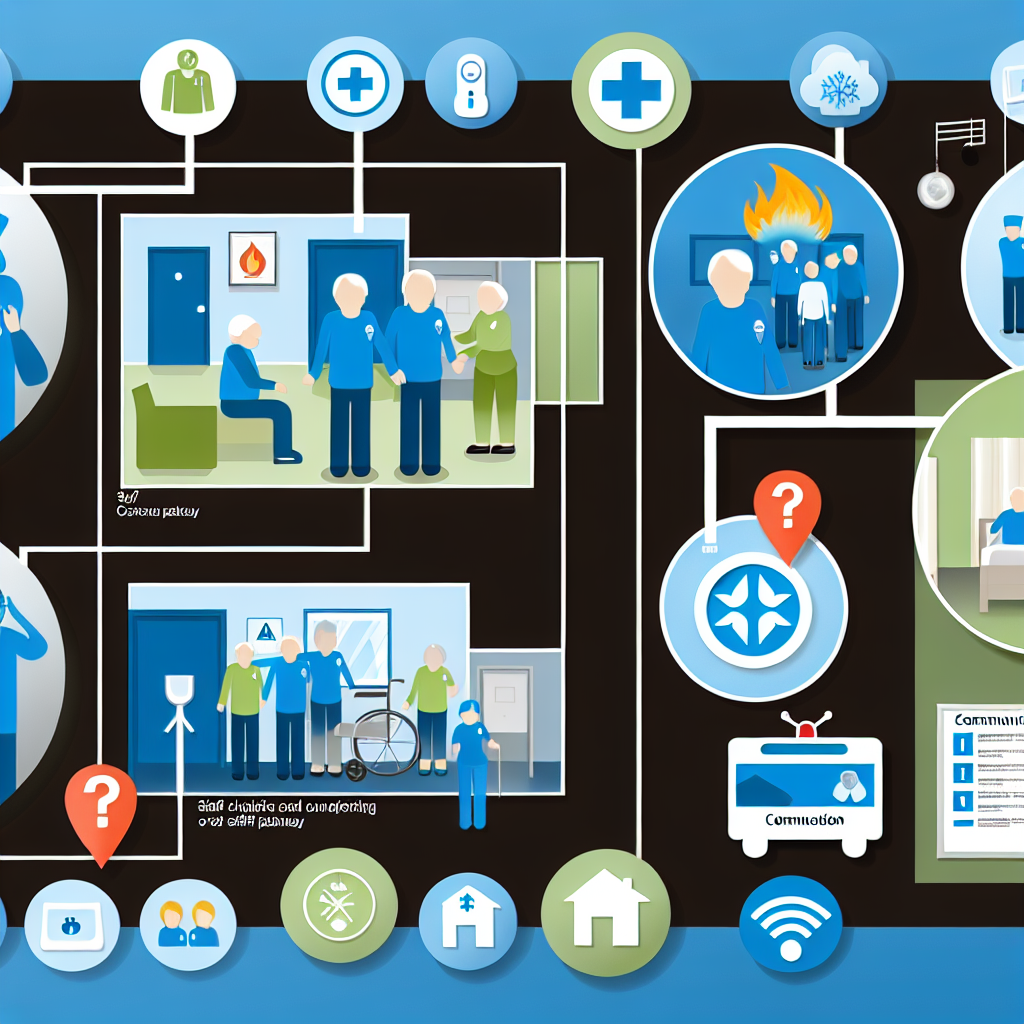
Get Involved: Community Participation in Emergency Planning
As community members, your involvement in local emergency planning is crucial in ensuring the safety of all residents, especially vulnerable populations. Here are some explicit steps you can take to participate in this important process:
- Join Local Emergency Preparedness Committees: Look for community groups focused on emergency management. Participate in meetings, provide your input, and collaborate with local emergency services.
- Attend Workshops and Training Sessions: Many local governments and organizations offer workshops on emergency preparedness. These sessions can equip you with essential skills and knowledge on how to respond effectively during a crisis.
- Volunteer for Emergency Response Organizations: Consider volunteering with organizations such as the American Red Cross or local fire departments. Help with drills, training, and community outreach efforts that educate others on emergency protocols.
- Become a Community Advocate: Use your voice to advocate for comprehensive emergency plans in your community. Reach out to local officials, share your concerns, and suggest improvements based on lessons learned from past incidents.
- Engage with Vulnerable Populations: Reach out to senior citizens and those with disabilities in your neighborhood. Help them understand local emergency plans and how they can prepare themselves for emergencies.
- Promote Emergency Preparedness in Schools: Work with schools to introduce educational programs about emergency preparedness for students, ensuring the next generation understands the importance of safety planning.
- Collaborate with Local Businesses: Encourage local businesses to develop and share their emergency preparedness plans. A community where all entities are engaged in emergency planning is much stronger in times of crisis.
By actively participating in these ways, you can help create a resilient community that is better prepared for future emergencies. Let’s work together to ensure our local emergency plans are robust and inclusive, ultimately enhancing the safety of everyone in our neighborhoods.