
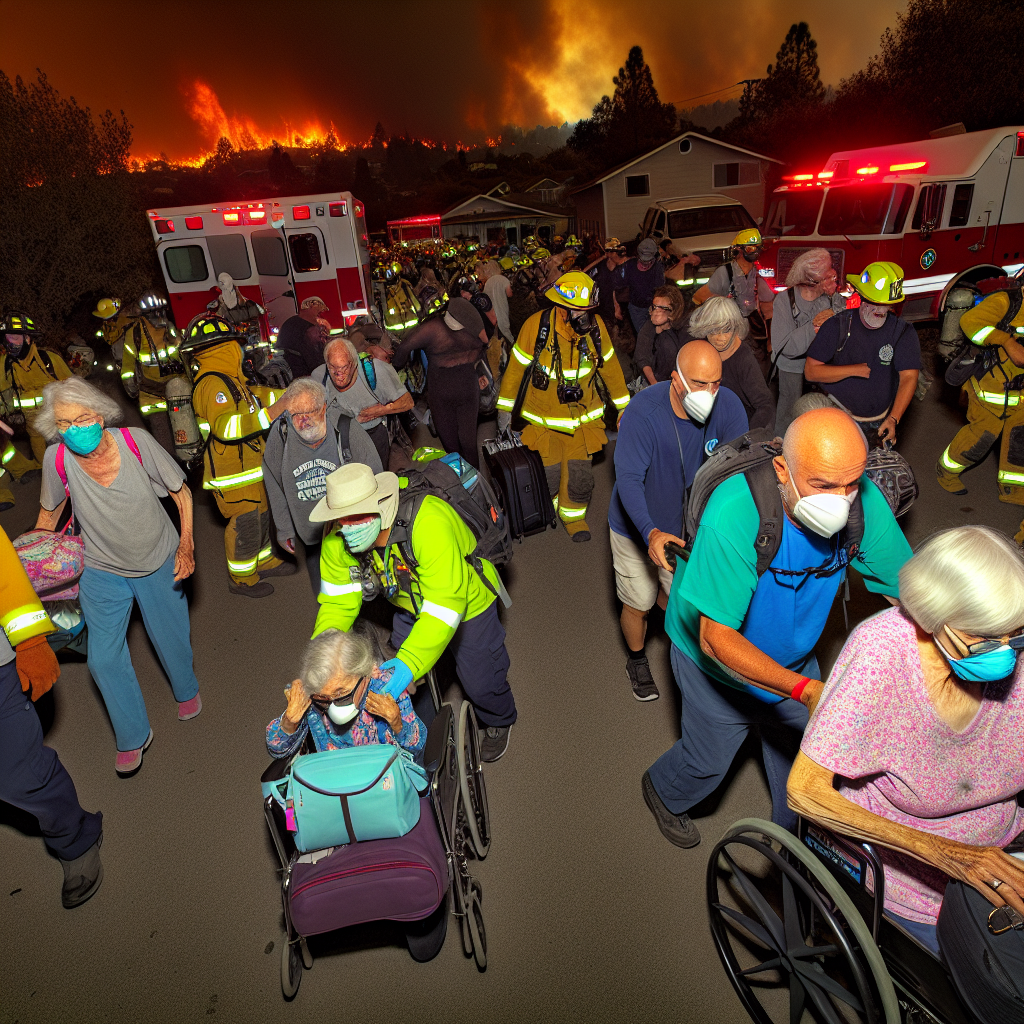
As flames engulfed swathes of land across California, the recent wildfires exposed dire shortcomings in the state’s emergency management systems. The chaos surrounding these infernos was not just a consequence of nature’s wrath but also an alarming revelation of systematic failures. Delayed evacuation alerts left vulnerable communities, particularly seniors in assisted living facilities, trapped as wildfire smoke crowded their homes.
These catastrophic incidents underscore the grave outcomes of California wildfire emergency management failures, where aging infrastructure and miscommunication exacerbated the crisis. In an environment where every second counts, the apparent lapses in emergency protocols highlight an urgent call for reform to protect lives and enhance community resilience against future disasters.

Summary of Key Findings
The recent evaluation of emergency management during the Eaton fire on January 7, 2025, revealed startling deficiencies at MonteCedro in Altadena and The Terraces at Park Marino in Pasadena, each affecting vulnerable elderly residents during a critical evacuation period.
Consequences for Residents:
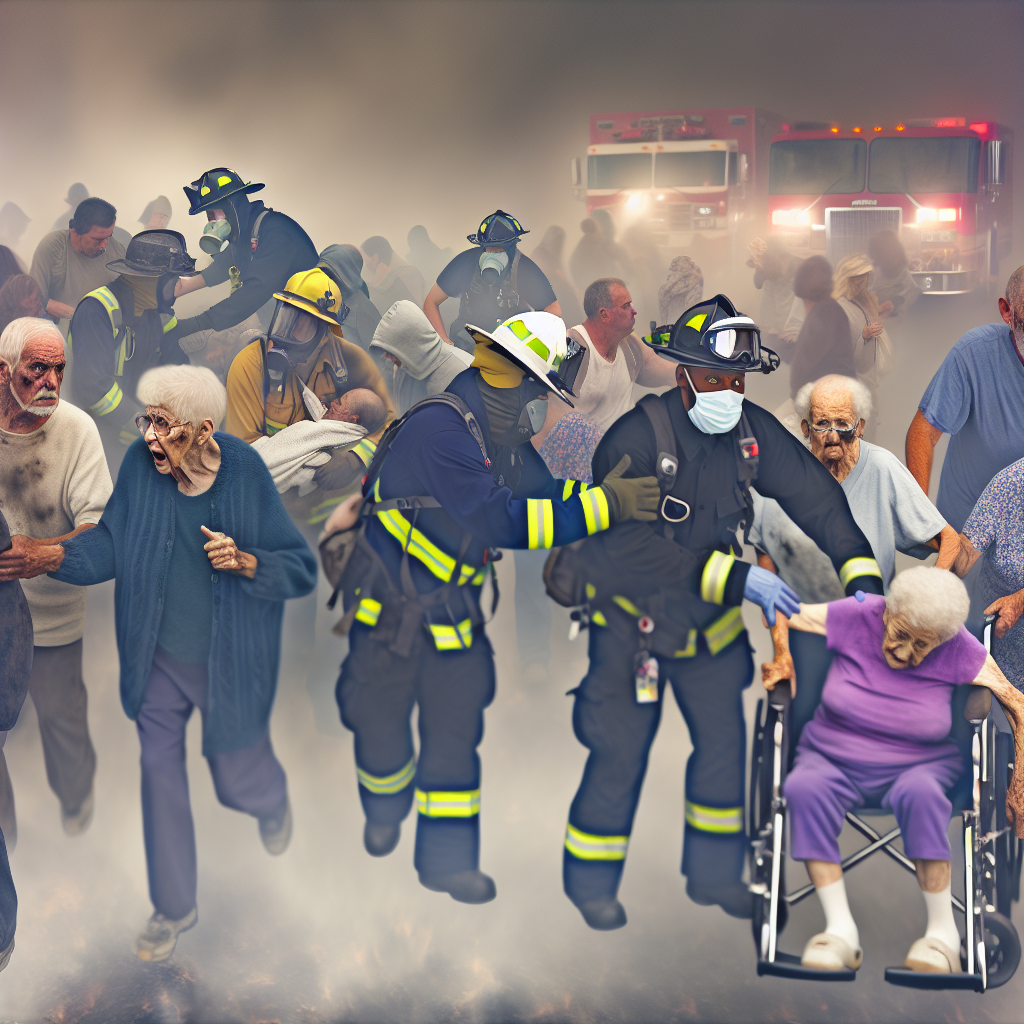
At MonteCedro, although evacuations commenced early in the morning, serious oversight occurred when staff failed to account for two residents amidst the chaos. Tragically, one hundred-year-old resident was discovered wandering the dark halls as flames approached, exposing the lack of effective evacuation protocols. At The Terraces, dramatic footage showed seniors evacuating, some in nightgowns, while at least one resident had to be rescued by firefighters after being left behind, underscoring the urgency and disorganization of their evacuation efforts.
Lapses in Planning and Response:
Both facilities faced scrutiny for severe lapses in their emergency procedures. Investigations found that staff training was alarmingly inadequate. For instance, at MonteCedro, most administrative personnel were uninformed about evacuation procedures, leading to significant delays and confusion. The executive director’s failure to ensure staff were ready before leaving the facility contributed to these oversights, while many on-site workers lacked essential emergency training.
At The Terraces, personnel claimed they followed instructions from fire officials not to reenter the building, which raised serious concerns about the clarity and implementation of their evacuation plans. The facility maintained that they informed fire crews of residents needing assistance, yet these assertions were met with skepticism from investigators.
Regulatory Action and Future Recommendations:
As a consequence of their failures, both MonteCedro and The Terraces have been cited by the California Department of Social Services for violations related to emergency preparedness, particularly highlighting their protocols surrounding resident safety. Both facilities have filed appeals against these findings.
To prevent similar incidents in the future, comprehensive training programs tailored specifically for emergency situations should be implemented across senior facilities. Regular drills that involve local emergency services could significantly enhance preparedness. Furthermore, ongoing assessments of each facility’s emergency plans and procedures should be mandated by regulatory bodies to ensure the safety and well-being of all residents, especially in fire-prone areas.
| Facility | Emergency Planning Measures | Failures During Evacuation | Responses to Failures |
|---|---|---|---|
| MonteCedro | Early evacuations starting at 5 a.m.; involvement of Sheriff’s Department. | Two residents left behind; one found wandering in dark halls. | Lack of staff training; administrative personnel uninformed; delayed roll call at evacuation center. |
| The Terraces at Park Marino | Evacuation directives issued; personnel instructed by fire officials not to reenter the building. | Seniors left behind while evacuating in nightgowns; one resident had to be rescued. | Personnel claimed to have informed firefighters of residents needing assistance; attempts to clarify next steps. |
Eyewitness Accounts: Chaos and Accountability During Evacuations
The insights from emergency experts and firsthand witnesses during the recent California wildfires shed light on the severe chaos and accountability issues that permeated evacuation procedures. Dr. Laura Mosqueda, a professor of family medicine and geriatrics at USC’s Keck School of Medicine, was deeply critical of the systematic failures exhibited during the crisis. She remarked, “Absolutely it was chaotic because of the fires, and absolutely [assisted-living facilities] have a responsibility to have emergency plans and competent leadership who can follow through.” This statement underscores her advocacy for enhanced emergency planning and the adherence to safety protocols focused on safeguarding vulnerable populations, especially seniors.
Dr. Mosqueda provided vivid descriptions of the conditions she observed in evacuation shelters, where elderly evacuees faced numerous challenges, including a lack of adequate medical supplies and immediate health support. Many older adults arrived in desperate conditions—some covered in ash and others wearing nothing but hospital gowns. This scenario highlights a dire need for better emergency management strategies that are tailored specifically to the needs of older populations.
While Dr. Mosqueda’s observations pinpointed essential areas for improvement, coverage around Pasadena Fire Capt. Trey Sorensen’s eyewitness experiences during the evacuations remains less documented. Capt. Sorensen, involved in the firefighting efforts, commented on the necessity of cooperation between fire crews and local facilities. He stated, “That person had called a family member, the family member called dispatch, dispatch let the command post know,” indicating the fragmented communication that plagued the response efforts at various facilities and emphasizing the importance of clear lines of communication in emergencies.
These accounts together illustrate a troubling landscape of inadequate preparedness, particularly in caring for seniors confined to assisted living facilities during natural disasters. The testimonies of individuals like Dr. Mosqueda demand accountability from emergency services and facility managers to ensure that every resident’s safety is prioritized in future evacuation plans.
As California continues to grapple with wildfire threats, lessons drawn from these harrowing experiences must prompt immediate reforms in emergency protocols for the safety and well-being of all residents, especially the most vulnerable.
Statistics on Evacuation Procedures and Their Effectiveness for Disabled and Senior Residents
The California wildfires have consistently underscored critical challenges in the evacuation of vulnerable populations, particularly seniors and individuals with disabilities. Recent data reveals alarming statistics and significant incidents that illustrate not only the effectiveness—or lack thereof—of current evacuation procedures but also the urgent need for improvements in emergency preparedness.
Impact on Disabled and Senior Residents:
During the recent Eaton Fire in January 2025, 17 fatalities were recorded with a median age of 77 years, and more than a third of the victims had mobility impairments. This incident highlighted systemic failures in notifying communities about imminent dangers, as west Altadena did not receive evacuation alerts until nine hours after the fire ignited. This delay was particularly harmful to its predominantly Black community, who faced heightened vulnerabilities. [Los Angeles Times]
Moreover, among the 27 confirmed fatalities in the Altadena Fires, several victims were individuals with disabilities, further illustrating the consequences of ineffective evacuation protocols. [Legal Journal]
In the wake of the Los Angeles Fires, about 2,500 residents in assisted living facilities were evacuated, with many seniors being transported to emergency shelters where their needs were inadequately met. Most of the deceased were found to be elderly and disabled, demonstrating that age and mobility considerably increase the risk of mortality during such disasters. [Viet Fact Check]
Emergency Preparedness and Evacuation Outcomes:
A notable finding from a 2019 audit reported that counties like Ventura and Sonoma had lacking comprehensive emergency plans focused on vulnerable populations. Specifically, Butte and Sonoma counties did not utilize smartphone alert systems, relying instead on outdated communication methods that severely delayed notifications to residents. [Cal Matters]
During evacuations, reports indicated that neighborhoods such as west Altadena received evacuation orders significantly later than others, exposing serious communication disparities. [Wikipedia]
Additionally, there are ongoing efforts in Los Angeles County to create a comprehensive database of disabled residents who may require special assistance during emergencies, aiming to ensure that no one is overlooked in future evacuation scenarios. [Los Angeles Times]
Statistics and Mortality Rates Related to Disability in Disasters:
The United Nations has reported that individuals with disabilities are at a two to four times higher risk of mortality during disasters compared to the general population. A survey highlighted that only 20% of persons with disabilities could evacuate immediately during a crisis, emphasizing the importance of timely alerts and accessible evacuation routes. [Prism Reports]
These statistics reflect the pressing need for targeted reforms in emergency planning, particularly focusing on the unique challenges faced by disabled and senior residents in California’s wildfire-prone areas. Comprehensive employee training, regional coordination with emergency services, and technology-based alert systems are among the essential measures necessary to improve the safety and efficiency of evacuations for vulnerable populations.
Concluding Remarks: Urgent Recommendations for Improved Emergency Management
The recent wildfires have starkly illustrated the critical failings within the emergency management frameworks of senior care facilities. To prevent the dire consequences observed during these disasters, it is imperative that concrete steps are taken to enhance preparedness and response strategies. Below are essential recommendations that should be prioritized:
-
Comprehensive Training Programs
All staff in senior care facilities must undergo rigorous training that specifically addresses emergency situations, particularly fire evacuations. Training exercises should be conducted regularly, simulating real-life scenarios to ensure that all personnel are familiar with their responsibilities and that residents’ needs are prioritized. Involving local emergency services in these drills can significantly enhance readiness and coordination during actual emergencies.
-
Strengthening Regulatory Reforms
Regulatory bodies must take immediate action to enforce stricter compliance with emergency preparedness standards. This includes mandatory assessments of evacuation protocols, staff preparedness, and the adequacy of communication systems in place. Enhanced accountability measures should be established to ensure that facilities are not only compliant but also proactive in their planning and execution of emergency responses.
-
Improved Communication Systems
Developing robust communication channels is critical for ensuring timely alerts and updates to residents and their families. Facilities should incorporate modern technology such as smartphone notifications and automated alerts, which can drastically decrease the response time during emergencies. Regular communication drills should also be a part of the training to ensure everyone knows how to act efficiently when it counts.
-
Community Partnerships and Collaboration
Collaboration between senior care facilities and local emergency response teams must be strengthened. Establishing partnerships can enhance resource sharing and improve the effectiveness of evacuation plans. Community engagement initiatives can also help ensure that residents are educated about emergency protocols, empowering them to take active roles in their safety.
These recommendations must be viewed as urgent priorities. The safety and well-being of seniors in care facilities hang in the balance, and immediate actions are required to facilitate a shift from reactive to proactive emergency management. By addressing these critical areas, we can foster a safer environment that minimizes risk and enhances resilience against future disasters. The lessons learned from the recent wildfires must not be forgotten; they should fuel a commitment to build a more responsive and effective emergency management framework for our most vulnerable populations.
The Impact of the Eaton Fire
In January 2025, the Eaton Fire devastated parts of Los Angeles County, particularly affecting the communities of Altadena, Pasadena, and Sierra Madre. The fire resulted in 19 fatalities, with 18 of the victims residing in west Altadena—a predominantly Black neighborhood that received evacuation orders hours after east Altadena. The blaze destroyed over 9,400 structures and damaged more than 1,000 others.
Failures in Emergency Management
An independent after-action report commissioned by Los Angeles County supervisors identified several critical failures in emergency management during the Eaton Fire:
- Delayed Evacuation Orders: Outdated policies and convoluted communication processes led to significant delays in issuing evacuation warnings. In some cases, residents received alerts only after their homes had already been consumed by the fire.
- Staffing Shortages: The county faced critical staffing shortages, including numerous vacancies in the Sheriff’s Department and an under-resourced Office of Emergency Management. These deficiencies hindered the timely dissemination of evacuation orders and overall emergency response.
- Communication Failures: First responders struggled with unreliable cellular connectivity and inconsistent field reporting methods. The use of various unconnected communication platforms further impaired real-time coordination during the crisis.
In response to these findings, the Los Angeles County Board of Supervisors has committed to reviewing and reforming emergency management policies to enhance public safety and restore trust in the system.
Additionally, the U.S. government filed lawsuits against Southern California Edison (SCE), alleging that the utility’s equipment was responsible for igniting the Eaton Fire. The lawsuits seek damages for negligence and violations of public safety laws.
These events underscore the urgent need for comprehensive reforms in emergency planning and response to prevent future tragedies of this magnitude.
Vulnerabilities in Emergency Response
California’s recent wildfires have starkly highlighted the vulnerabilities in emergency response systems, particularly concerning the evacuation of seniors and disabled residents. These groups face significant challenges during such crises, often resulting in higher fatality rates and underscoring the need for improved preparedness and response strategies.
Statistics and Impact:
- In the January 2025 Southern California firestorms, 28 out of 30 fatalities were individuals over the age of 60 or disabled, with an average age of 77.
- During the 2018 Camp Fire in Paradise, California, 80% of the 85 victims were aged 65 or older, and at least 13 had physical or mental impairments that hindered their evacuation.
Emergency Response Failures:
- An independent report on the January 2025 Eaton and Palisades wildfires revealed that outdated emergency protocols and limited resources critically hampered Los Angeles County’s response. Delays in evacuation alerts and understaffed emergency management teams were significant issues.
- A state audit found that Butte, Sonoma, and Ventura counties lacked adequate plans to alert, evacuate, and shelter residents during emergencies, especially vulnerable groups like seniors and people with disabilities. Of the 114 people killed in natural disasters in these counties over five years, 108 were seniors or had disabilities.
Challenges Faced by Seniors and Disabled Residents:
- Many elderly and disabled individuals struggle to evacuate due to mobility issues, cognitive impairments, or lack of social connections. For instance, during the 2018 Camp Fire, some residents were left stranded as evacuation plans broke down.
- In the 2025 Eaton Fire, residents of a senior care facility were evacuated as the fire approached, highlighting the critical need for timely and effective evacuation plans for such facilities.
Proposed Solutions:
- Los Angeles County officials are considering creating a registry for people with disabilities and other mobility challenges to improve evacuation efforts during future disasters. This initiative aims to ensure that first responders are aware of and can assist those who cannot evacuate themselves.
- The California Governor’s Office of Emergency Services has recommended that counties do more to address the emergency planning and evacuation needs of vulnerable residents, emphasizing the importance of inclusive disaster preparedness.
These incidents underscore the urgent need for comprehensive and inclusive emergency response plans that prioritize the safety of all residents, especially the most vulnerable, during California’s increasingly frequent and severe wildfires.

This image captures the aftermath of wildfires in California, portraying a devastated landscape paired with a strong sense of community support and resilience. It highlights the importance of unity and help in recovery efforts, showcasing individuals coming together to assist each other during this challenging time.
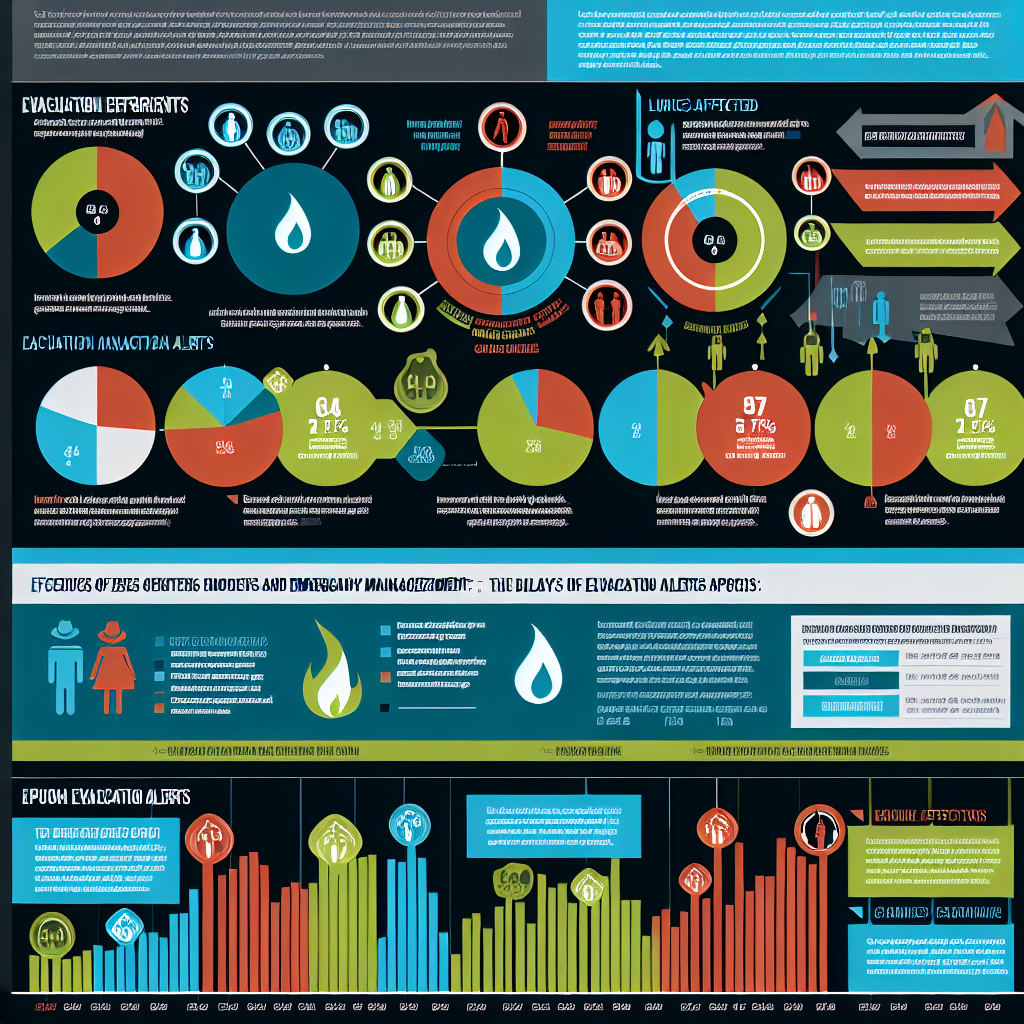
This infographic provides a visual summary of key statistics on evacuation efforts during wildfires, emphasizing timelines, impacts on vulnerable populations, and the effectiveness of emergency management, while also highlighting the consequences of delays in evacuation alerts.