
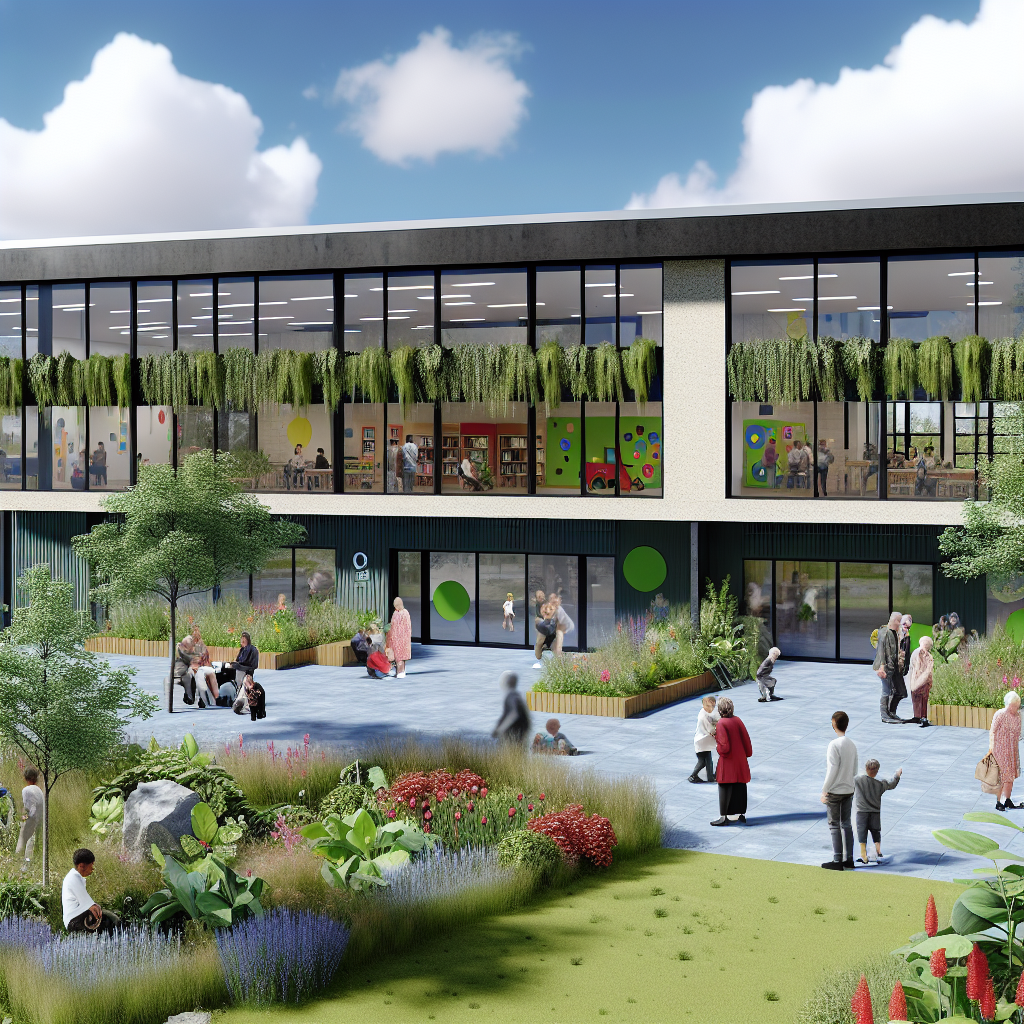
In today’s rapidly evolving world, the design of fire stations is taking on a new urgency—not just as a backdrop for emergency response, but as vital spaces that enhance health and sustainability. Innovative fire station design incorporates biophilic elements that connect firefighters with nature, promoting mental well-being and reducing stress. Such designs are not merely aesthetic; they play a crucial role in cancer-risk reduction by integrating features that minimize exposure to harmful pollutants.
Furthermore, these modern stations are moving beyond their primary function to become community hubs, fostering connectivity and engagement with the neighborhoods they serve. Embracing these advanced design concepts is essential as we look to the future, ensuring our firefighters are supported in their demanding roles while also safeguarding the health of our communities.
This introduction sets the stage for exploring how pioneering designs are reshaping the fire service landscape—transforming structures from functional spaces to sanctuaries of health, safety, and sustainability.
Key Innovations in Fire Station Design
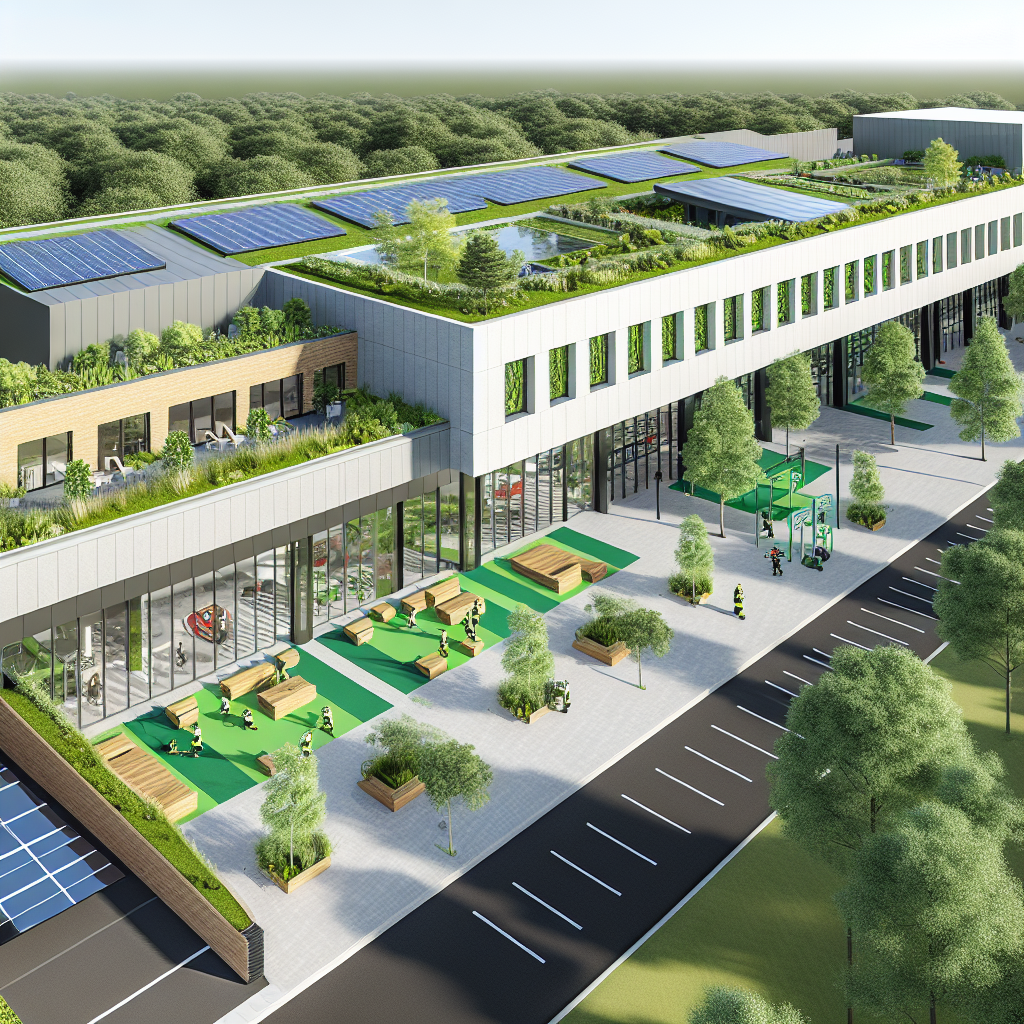
Modern fire station design is increasingly embracing biophilic principles and sustainable construction to enhance firefighter well-being and operational efficiency.
Examples of Biophilic and Sustainable Fire Stations:
- Marion Fire Station No. 1, Iowa: Designed by OPN Architects, this station incorporates biophilic elements to reduce post-traumatic stress disorder (PTSD) among firefighters. Features include a two-story apparatus bay with full-height glass doors for ample daylight, shou sugi ban wood cladding for natural texture, and circadian rhythm-based lighting to support natural sleep cycles. These design choices aim to create a calming environment, promoting relaxation and mental health. [source]
Current Trends in Fire Station Design:
- Biophilic Design Integration: Incorporating natural elements such as plants, natural light, and organic materials into fire stations is becoming more prevalent. This approach not only enhances aesthetic appeal but also supports mental well-being and reduces stress among firefighters. [source]
- Sustainable Construction Practices: Utilizing eco-friendly materials and energy-efficient systems is a growing trend. For instance, the use of cross-laminated timber (CLT) and mass timber provides structural integrity while offering a visual and tactile connection to nature. These materials also contribute to climate resilience due to their carbon-storing properties. [source]
Benefits of Biophilic and Sustainable Design in Fire Stations:
- Enhanced Mental Health: Exposure to natural elements within the built environment has been linked to reduced stress and anxiety levels. Incorporating biophilic design in fire stations can create a more restorative environment, aiding in the mental well-being of firefighters. [source]
- Improved Physical Health: Natural lighting and ventilation can lead to better sleep patterns and overall health. Circadian rhythm-based lighting systems, for example, help synchronize firefighters’ wake-sleep cycles with natural light, reducing physiological and psychological stress. [source]
- Operational Efficiency: Sustainable design elements, such as energy-efficient systems and natural ventilation, can lead to cost savings and improved operational efficiency. Additionally, a well-designed, nature-integrated environment can boost morale and productivity among firefighters. [source]
By integrating biophilic design and sustainable construction practices, modern fire stations are not only enhancing the health and well-being of their occupants but also promoting environmental responsibility and operational effectiveness.
| Fire Station Design | Design Features | Benefits |
|---|---|---|
| Marion Fire Station No. 1 |
|
|
| Phoenix Fire Station 62 |
|
|
| Orange County Fire Authority Station 24 |
|
|
Evidence of Health Benefits from Redesigned Fire Stations
Innovative fire station designs are critically enhancing firefighter health and safety by integrating biophilic elements, improving operational efficiencies, and addressing cancer risk reduction more effectively than ever before.
Biophilic Design Enhancing Mental Health
Biophilic design, which focuses on connecting people with nature, has shown significant mental health benefits. A pivotal example is the Marion Fire Station No. 1 in Iowa, which employs extensive natural materials and large windows to allow abundant daylight into the facility. This design approach has reportedly led to reduced levels of stress and increased cognitive awareness for firefighters. Retired Chief Deb Krebil stated, “This fire station should be the national benchmark for how biophilic design can reduce PTSD in firefighters.” Such insights are supported by research revealing that environments rich in natural elements can diminish anxiety and promote mental well-being, making them essential in high-stress professions like firefighting. [source]
Operational Efficiency Contributing to Health
Modern fire stations, like the Des Moines Fire Department’s Station 11, have incorporated innovative features that significantly improve operational efficiency while prioritizing firefighter health. Designed with individual sleeping pods, customizable alarm systems, and convenient access to washing facilities, these stations aim to enhance sleep quality and overall well-being. Firefighters benefit from reduced fatigue, enabling them to respond more effectively to emergencies. Moreover, logical zoning strategies within the station help in minimizing contamination exposure, fostering a healthier working environment. [source]
Cancer Risk Reduction Strategies
The firefighting profession is afflicted with a higher cancer risk compared to the general populace, with NIOSH data indicating a 9% increase in cancer diagnoses among firefighters. The modern approach to fire station design aims to address these pressing health concerns through advanced decontamination strategies. For instance, the setup at Station 11 integrates sophisticated decontamination systems to ensure that contaminants are thoroughly eliminated before entering residential areas, significantly lowering potential cancer exposure risks. More initiatives, like the National Firefighter Registry for Cancer, represent ongoing efforts to quantify and mitigate cancer-related risks among firefighters, thus enhancing their long-term health outcomes. [source]
In conclusion, the integration of biophilic design, operational efficiencies, and cancer risk mitigation measures in fire station renovations plays a pivotal role in enhancing firefighter health and safety. These innovative designs not only promote better physical environments but also serve as foundational support systems for firefighters navigating the challenges of their demanding roles.
Enhancing Community Connection through Fire Station Design
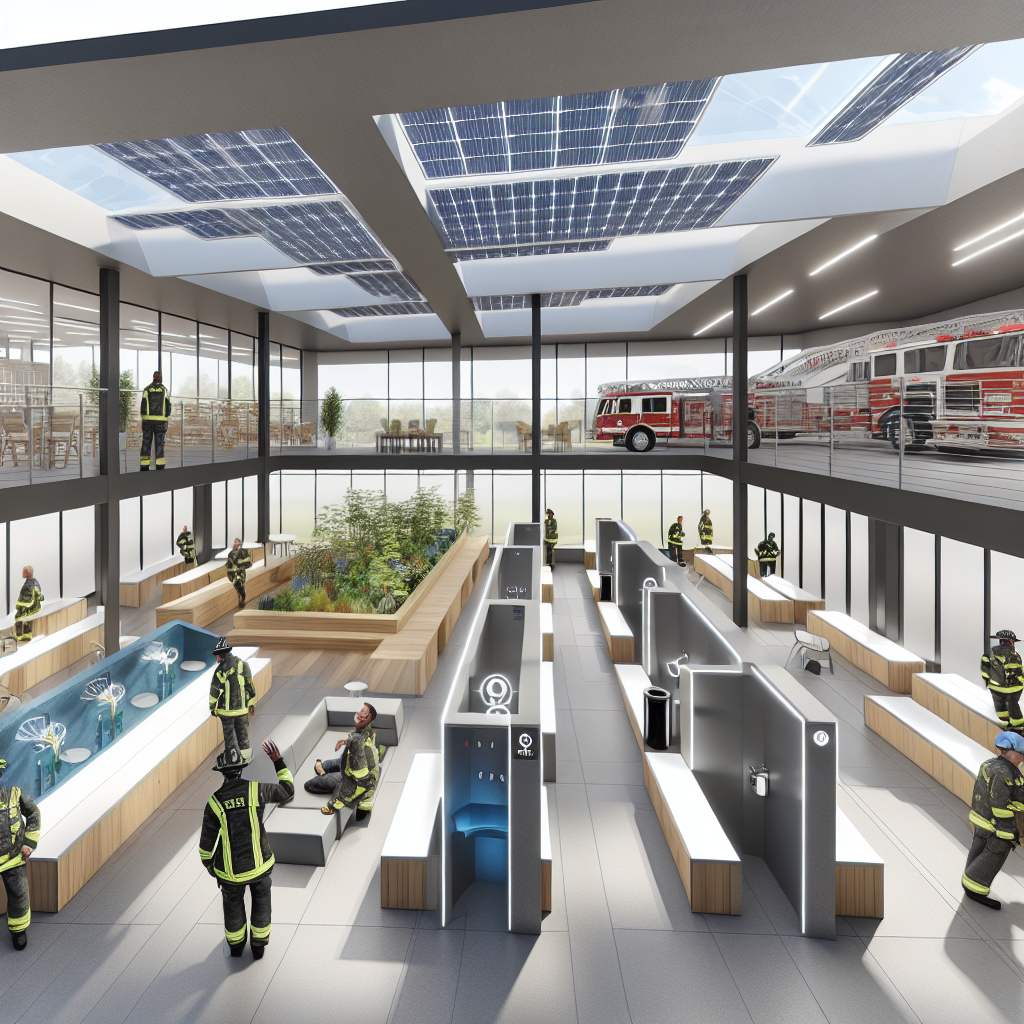
Modern fire station designs are stepping beyond mere functionality to foster community connection and engagement. These designs are thoughtful, incorporating communal spaces, reflecting local aesthetics, and utilizing multipurpose areas that welcome public interaction. Here are some key benefits and examples of how contemporary fire stations are enhancing their roles within communities:
Communal Spaces Enhancing Engagement
Incorporating communal areas within fire stations promotes social interaction among firefighters and strengthens ties with the community. For instance, the Arlington County Fire Station 8 in Virginia features a communal kitchen and dining area with expansive windows offering views of the neighborhood, creating a welcoming atmosphere for both firefighters and residents. As former Phoenix Fire Chief Alan Brunacini noted, “Everything important happens around the kitchen table.”
Reflecting Local Architecture
Designing fire stations that mirror the architectural style of their surroundings helps them blend seamlessly into the community. The City of Hendersonville Fire Station No. 7, for example, was designed with a gabled roof and materials that mimic nearby barns and homes, reinforcing trust and strengthening ties between first responders and the community they serve.
Brent Bauters, senior project manager at Meyer Najem, emphasized the importance of a fire station’s design in community integration, stating, “It really stands out, but it also blends in with the surrounding area.”
Multipurpose Community Rooms
Modern fire stations often include multipurpose rooms open to the public, serving as venues for community events and meetings. The fire station in Kersey, Colorado, features an 80-person community room complete with a full kitchen and AV system, allowing citizens to host events like birthday parties and family reunions, thereby strengthening the connection between the fire department and the community.
Similarly, in Victoria, Minnesota, the updated fire station includes public areas like conference rooms and a main classroom, emphasizing accessibility and community use.
Inclusive and Private Spaces
To promote inclusivity and support the well-being of all firefighters, many new fire stations are incorporating private, gender-neutral sleeping quarters. These spaces encourage diversity while promoting better sleep habits and mental health, making firefighters more effective in their roles.
By integrating community-centric design in fire stations, we can create spaces that not only serve operational needs but also act as vital centers for community engagement and connection, ensuring that the fire department remains an integral part of community life.
Conclusion
As we have explored throughout this article, the evolution of fire station design is profoundly influenced by the integration of health, safety, sustainability, and community connection. Innovations such as biophilic design not only enhance the aesthetic and functional aspects of fire stations but also play a critical role in promoting the mental and physical well-being of firefighters. The inclusion of features aimed at cancer-risk reduction, like sophisticated decontamination systems and natural ventilation, illustrates the commitment to safeguarding those who serve on the front lines.
Moreover, modern fire stations are pivoting towards becoming community hubs, fostering a stronger bond between firefighters and the neighborhoods they serve. The emphasis on communal spaces and local architectural styles exemplifies this shift towards inclusivity and engagement.
Looking forward, it is clear that the future of fire station design will continue to be shaped by these trends. As cities grow and the challenges of firefighting evolve, so too will the designs of these vital structures, ensuring they remain not only functional spaces for emergency response but also sanctuaries of health, safety, and community connection.
Relevant Quotes and Facts to Strengthen the Article
Integrating authoritative quotes and relevant facts throughout our exploration of innovative fire station designs will further emphasize the health benefits, safety advancements, and community connections being fostered in these spaces.
-
Key Quote on Design Improvement
- “See how thoughtful design improves firefighter safety, readiness and long-term health.” This quote encapsulates the ethos of contemporary fire station design, emphasizing the importance of thoughtful architectural choices in supporting firefighter well-being.
-
Expert Insights
- Chief Deb Krebil (Retired) on Marion Fire Station No. 1:
“This fire station should be the national benchmark for how biophilic design can reduce PTSD in firefighters.”
This statement underscores the effectiveness of biophilic design principles in constructing environments conducive to mental health.
- Chief Jeff Buchanan:
“I love it because it’s a new approach. We gotta keep coming at this from a different perspective. We have to keep trying to build resiliency in our firefighters.”
This quote speaks to the innovative spirit driving modern fire station design, reflecting the need for continual adaptation in response to firefighters’ mental and physical health needs.
- Eric Becker, Architectural Designer:
“A thoughtful approach to architectural design can play an important role in relieving workplace stress and promoting mental and emotional well-being.”
This reinforces the critical nature of design in supporting firefighter health.
- Chief Deb Krebil (Retired) on Marion Fire Station No. 1:
-
Innovative Features and Health Benefits
- Fire stations such as the Des Moines Fire Department’s Station 11 incorporate individual sleeping pods and customizable alarm systems aimed at reducing fatigue and improving overall well-being. Fire Marshal Jonathan Lund highlighted the importance of prioritizing health and wellness with,
“We identified that we want carcinogen reduction as a priority, we want the health and wellness of our firefighters to be a priority.”
- The Marion Fire Station emphasizes natural elements that reduce stress and improve cognitive function among firefighters, referencing how features like large windows and natural materials correlate with better mental health outcomes.
- Studies indicate that circadian rhythm-based lighting can improve sleep quality, an essential need for firefighters working irregular hours, thereby linking healthy environments directly to effective response capabilities.
- Fire stations such as the Des Moines Fire Department’s Station 11 incorporate individual sleeping pods and customizable alarm systems aimed at reducing fatigue and improving overall well-being. Fire Marshal Jonathan Lund highlighted the importance of prioritizing health and wellness with,
-
Community Connection Benefits
- The transformation of fire stations into community hubs reinforces their importance. By providing spaces for public events and education, such as CPR training, fire stations foster community relationships and enhance public safety awareness.
- For instance, Firehouse reported that newly designed stations feature communal spaces that improve social interaction and trust within the community, contributing significantly to public engagement in safety initiatives.
By integrating these quotes and facts, the discussion on the future of fire station design will not only draw from real-world examples but also reflect the sentiments of industry professionals. This, in turn, solidifies the arguments for prioritizing firefighter health and community connectivity through innovative design practices.
Optimizing Fire Station Design for SEO
In the evolving realm of fire station design, strategic optimization for search engines is crucial. This involves not just aesthetic and functional considerations but also integrating health-focused elements and sustainable construction practices. By harmoniously incorporating keywords such as “fire station design,” “biophilic design,” “cancer-risk reduction,” “sustainable construction,” “firefighter health,” “community connection,” and “station innovation,” we can improve the article’s visibility and impact.
- Effective Keyword Usage: Place the main keyword early in the content and ensure it appears naturally throughout the copy. Aim for a density of 1-2% to enhance SEO without compromising readability.
- Structured Content: Utilize headings and subheadings effectively, ensuring the main keyword is in the H1 tag and related keywords are sprinkled throughout H2 and H3 tags. This structure not only aids SEO but also enhances user engagement by making the content easier to navigate.
- Engaging Visuals and Links: Incorporate relevant images and videos that support the content, using descriptive alt text that references related keywords. Internal and external linking with keyword-rich anchor text contributes to a richer user experience and improved SEO.
By integrating these SEO strategies into discussions about fire station design, the content becomes more accessible to a wider audience, ultimately promoting a greater understanding of the importance of health and sustainability in contemporary fire stations.