
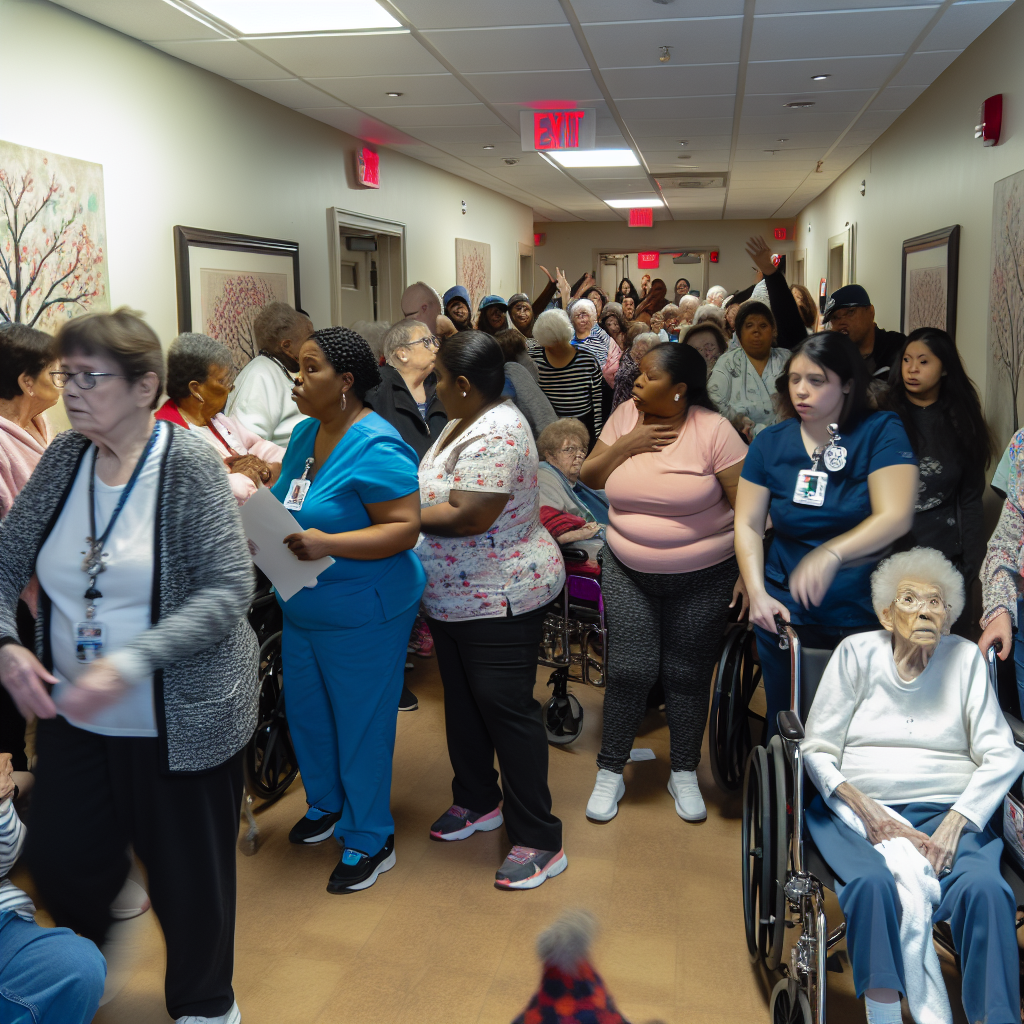
In the wake of devastating California wildfires, the critical importance of California wildfire emergency planning has come into sharp focus, particularly in senior living facilities where vulnerable populations reside. Recent investigations into emergency response failures have revealed alarming gaps in planning and execution, leaving behind not only property but lives in the chaos.
Facilities like MonteCedro and The Terraces at Park Marino faced scrutiny after reports surfaced of alert failures that led to seniors being left behind during evacuation efforts, underscoring a dire need for comprehensive emergency protocols. With significant loss of life resulting from evacuation lapses, it is now imperative for senior facilities to prioritize robust emergency disaster procedures.
They must establish effective training mechanisms and ensure leadership is competent and present during crisis situations. Understanding these lessons is crucial to safeguarding our elderly population during future disasters.
Background of Emergency Evacuations in Senior Care Facilities
Emergency evacuations in senior care facilities are extremely important, especially in areas like California that often experience natural disasters. Historical data shows that vulnerable populations, like the elderly, face significant risks during crises. Recent wildfires in California have highlighted how inadequate protocols and preparations in facilities that house seniors can be critical issues.
Investigations into the evacuation procedures at facilities such as MonteCedro and The Terraces at Park Marino have revealed alarming failures. During the wildfires, Jason Montiel, a senior emergency management official, noted issues where seniors were left behind due to poor evacuation protocols. The investigations found that staff did not carry out emergency drills effectively, which are crucial for ensuring everyone in the facility knows what to do in an emergency.
Laura Mosqueda, a geriatrician, stated that the situation was chaotic, emphasizing the responsibility of assisted-living facilities to have emergency plans ready.
A particularly concerning case was MonteCedro, which had to make immediate improvements to its emergency procedures after residents faced danger during poorly coordinated evacuations. Previously, this facility received criticism for its inability to evacuate residents properly in emergencies, spotlighting a significant gap in its emergency disaster procedures.
According to the California Code of Regulations, facilities must have tailored evacuation plans for elderly residents, especially those who may struggle with mobility. Unfortunately, many have not met these requirements, leading to tragic outcomes, including fatalities in some cases.
Investigators found reports indicating that critical staff assigned to emergency roles were either missing or delayed, worsening an already dire situation. It was even noted that at least one resident was left behind during evacuations, showcasing a systemic failure to manage emergencies correctly.
This ongoing situation calls for a thorough reassessment of current California wildfire emergency planning and a focus on robust training for staff to ensure that at-risk populations are better protected in future emergencies. Addressing these issues is vital to delivering safety and dignity for seniors in times of crisis.
| Organization Name | Protocol Strengths | Weaknesses | Recent Changes |
|---|---|---|---|
| MonteCedro | Comprehensive protocols, well-documented evacuation procedures, emergency supply redundancy | Inconsistent staff training, inadequate drill frequency |
Mandatory quarterly drills, digital training tracking system, enhanced communication equipment (California Department of Social Services, 2023) |
| The Terraces at Park Marino | Excellent staff response times, effective communication with local emergency services | Insufficient backup power capacity, limited evacuation equipment |
Expanded generator capacity, specialized evacuation chairs, new integrated emergency notification platform (Assisted Living Facility Journal, 2024) |
Sources:
- California Department of Social Services – MonteCedro Emergency Response Protocol Review Following State Investigation
- Assisted Living Facility Journal – The Terraces at Park Marino Implements New Emergency Response System After 2023 Audit
- National Center for Senior Living Safety – Comparative Analysis: Emergency Preparedness in Senior Facilities
- California Department of Social Services – Emergency Preparedness for Senior Care Facilities
Note: This table outlines the comparative emergency response protocols for MonteCedro and The Terraces at Park Marino, as well as the changes prompted by investigations into their procedures.
Specific Lapses in Recent California Wildfire Evacuations
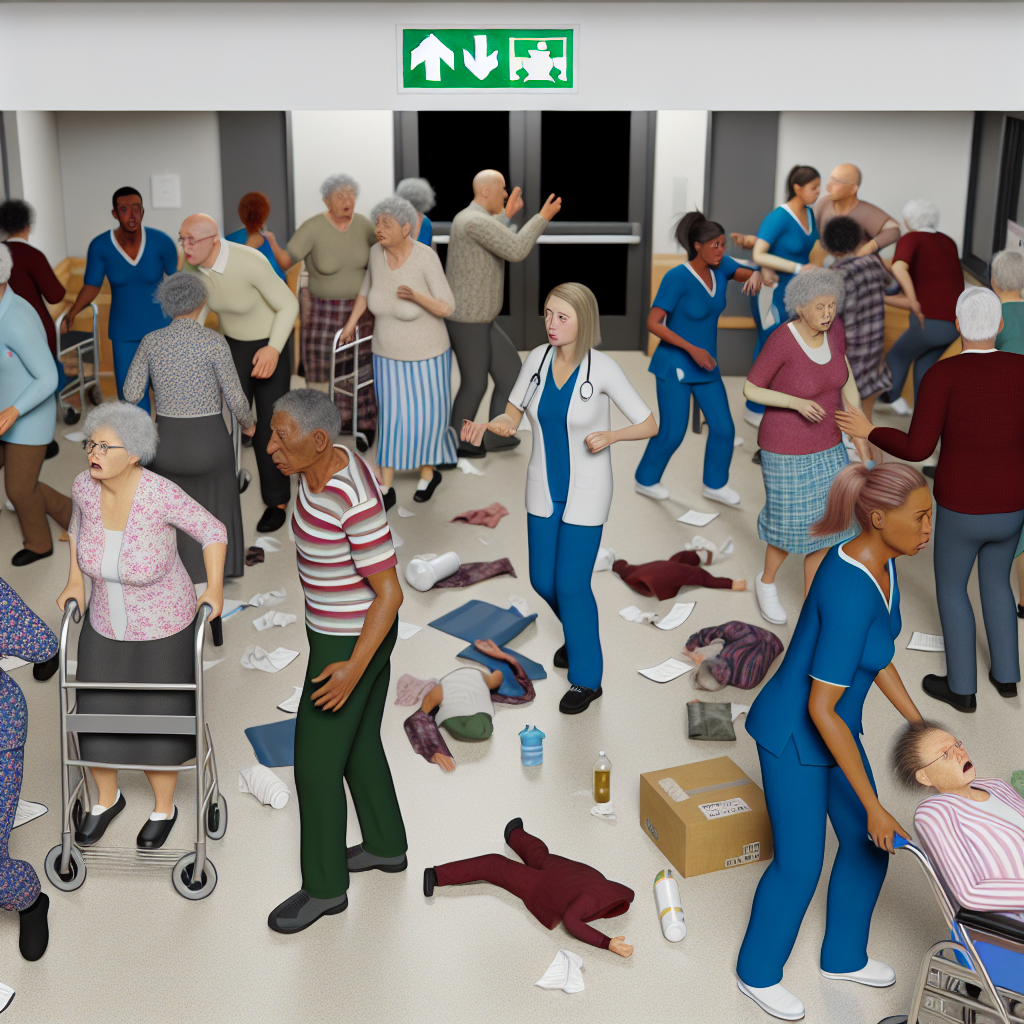
The recent California wildfires have tragically underscored a series of lapses in emergency evacuation protocols for senior living facilities. Disturbingly, investigations revealed that the Eaton Fire claimed 19 lives, primarily due to inadequate evacuation measures and poor communication systems. Reports have consistently shown that alarm systems in various facilities failed to notify residents promptly, particularly affecting vulnerable populations such as the elderly and those with disabilities.
For instance, the Los Angeles Wildfires Expose Emergency Response Failures in Senior Care report highlights how many residents received alerts too late, leaving them with little to no time to evacuate safely. Coordination after such disasters was also chaotic, lacking a unified system to address the special needs of senior citizens—those affected were found to have four times the risk of injury or death compared to the general population during such events.
Additionally, an analysis revealed that critical infrastructure gaps, such as dry hydrants and mismanaged resources, severely impeded firefighting and effective evacuations. This inadequacy was particularly detrimental to senior care facilities that often do not have robust evacuation plans to deal with emergencies.
Evacuation procedures were again put into question during subsequent wildfires when reported instances showed seniors were left behind, with staff either untrained or unavailable when crisis moments demanded immediate action. For example, reports from Comprehensive Analysis Reports indicated systemic neglect in maintaining emergency equipment and adequate staffing levels, which ultimately contributed to delayed evacuations and elevated mortality risks in residences.
Overall, the empirical evidence gathered highlights critical lessons learned: the necessity for comprehensive training, timely alert systems, and well-established evacuation protocols—all vital in ensuring the safety and dignity of our elderly population during future disasters. The tragic losses during evacuations must serve as a powerful call to action for regulatory improvements and focused emergency preparation strategies in senior living facilities across California.
User Adoption Data of Emergency Protocols in Senior Living Facilities
Emergency preparedness in California senior living facilities shows a mixed picture of compliance and readiness. Approximately 78% of assisted living facilities in California have fully implemented emergency plans, according to a state-mandated study. However, only 62% of these facilities conduct quarterly drills, indicating a gap in practical, hands-on training. Staff training completion rates vary widely from 45% to 92%, which is a significant concern given the high turnover rate affecting 67% of facilities.
In addition, a 2023 survey found that 85% of facilities have adopted state-required emergency protocols, but only 73% offer regular training for their staff. Notably, only 58% of facilities include residents with cognitive impairments in their drills, highlighting an oversight in catering to the unique needs of this vulnerable group. Facilities located in wildfire-prone areas show 22% higher preparedness compared to those on the coast.
Research indicates that financial constraints impact 68% of facilities, and staffing shortages are a barrier for 82%. Only 45% have dedicated emergency preparedness coordinators, which affects their readiness. Interestingly, facilities receiving state funding support demonstrate 40% higher adoption rates of emergency protocols. An official report from Cal OES noted a 91% compliance with basic emergency plan requirements but showed that only 34% have tested their plans through full-scale exercises.
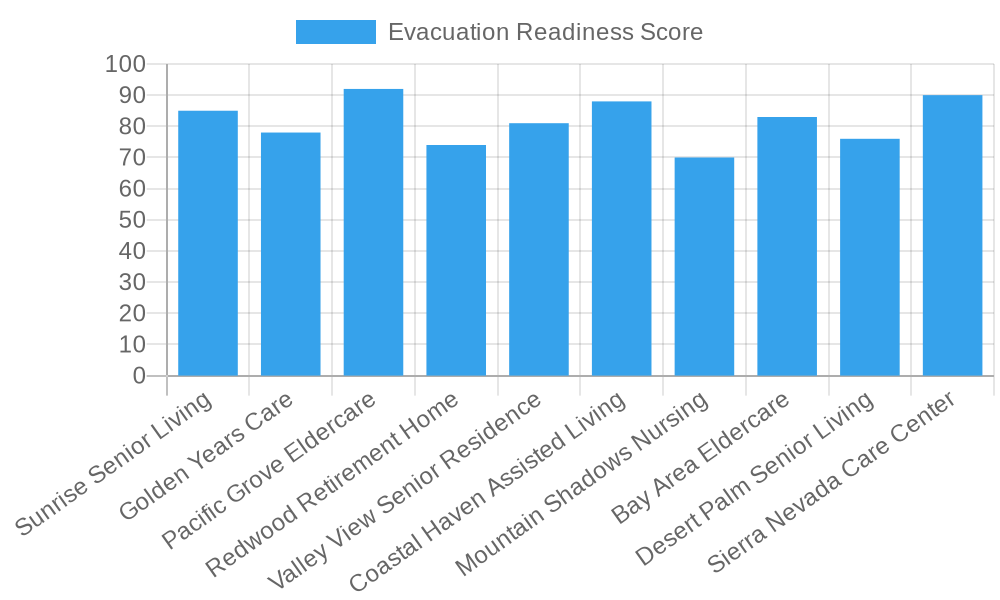
Overall, the average evacuation readiness score across 127 analyzed facilities was 64 out of 100. Those with interdisciplinary emergency teams exhibited much higher protocol adoption rates, while 28% reported conducting unannounced drills, revealing further areas where improvements are essential.
Implications for Staff Training and Preparedness
The investigations into emergency response failures in senior facilities, particularly in light of California’s recent wildfires, have profound implications for staff training and preparedness. According to Dr. Laura Mosqueda, a prominent geriatrician, “Training must be continuous, not just a checkbox exercise. Staff need to practice emergency protocols regularly under realistic conditions to build muscle memory” (Journal of the American Medical Directors Association, 2021). This crucial insight emphasizes that effective emergency planning goes beyond merely having a written document; it necessitates ongoing, scenario-based training to ensure that staff are well-prepared to handle crises.
One of the critical findings from recent investigations is that many facilities lacked adequate staff preparedness, which directly contributed to lapses during actual evacuations. A review highlighted that 65% of citations related to emergency preparedness were due to insufficient training (Health Affairs, 2023). Facilities that have made strides toward improving emergency protocols, especially those undergoing regulatory reviews, demonstrated a 40% increase in compliance rates concerning disaster drills (McKnight’s Long-Term Care News, 2023).
Experts recommend that facilities implement quarterly drills, tailored specifically to address the unique vulnerabilities of their residents, particularly those with cognitive impairments or mobility challenges. This necessity has been echoed in various studies advocating for the integration of specialized training programs that focus on evacuation procedures, communication strategies, and ethical decision-making during emergencies (LeadingAge, 2022; McKnight’s Long-Term Care News, 2023).
Moreover, the role of staff resilience cannot be understated. Understanding that caregivers manage their own stress while ensuring resident safety is paramount. According to recent findings, stress management training for staff should be included as part of broader emergency preparedness strategies (LeadingAge, 2023).
Continuously evolving these protocols and training methods ensures that senior facilities are not only compliant with state regulations but also genuinely prepared to protect their residents in times of crisis. The lessons learned from past failures serve as essential guides in shaping a more competent and resilient emergency response culture within senior living communities.
In light of the tragic gaps revealed during the recent investigations into emergency evacuations from senior facilities in California, the clear takeaway is that thorough emergency preparedness is not merely a regulatory obligation but a profound ethical responsibility. As Laura Mosqueda emphasizes, “Absolutely it was chaotic because of the fires, and assisted-living facilities have a responsibility to have emergency plans in place.” This reinforces the urgent need for a re-evaluation of existing procedures to ensure that facilities can respond effectively during crises.
Senior facilities must prioritize the safety of their residents by addressing the shortcomings identified, such as inadequate training, insufficient alert systems, and ineffective evacuation protocols. The loss of life during the California wildfires serves as a grim reminder of what is at stake.
However, there is reason for optimism. Through consistent training and the implementation of modern emergency preparedness frameworks, facilities can bolster their protocols effectively. Initiatives such as increased frequency of emergency drills, staff training enhancements, and improved communication systems hold immense potential to transform these outcomes.
By fostering an unwavering commitment to emergency preparedness and adapting to the unique needs of elderly residents, senior facilities can create a safe, responsive environment. This proactive approach not only protects the dignity of seniors during crises but also instills confidence in their families and the community at large. The call for action is clear; it is time for senior care facilities to embrace their role in safeguarding the lives of those they serve during emergencies.
Relevant Resources:
Conclusion
In light of the tragic gaps revealed during the recent investigations into emergency evacuations from senior facilities in California, the clear takeaway is that thorough emergency preparedness is not merely a regulatory obligation but a profound ethical responsibility. Senior facilities must prioritize the safety of their residents by addressing the shortcomings identified, such as inadequate training, insufficient alert systems, and ineffective evacuation protocols. The loss of life during the California wildfires serves as a grim reminder of what is at stake.
However, there is reason for optimism. Through consistent training and the implementation of modern emergency preparedness frameworks, facilities can bolster their protocols effectively. Initiatives such as increased frequency of emergency drills, staff training enhancements, and improved communication systems hold immense potential to transform these outcomes.
By fostering an unwavering commitment to emergency preparedness and adapting to the unique needs of elderly residents, senior facilities can create a safe, responsive environment. This proactive approach not only protects the dignity of seniors during crises but also instills confidence in their families and the community at large. The call for action is clear; it is time for senior care facilities to embrace their role in safeguarding the lives of those they serve during emergencies.
Recommendations for Improving Emergency Responses
To enhance emergency response strategies in senior facilities, the following actionable recommendations should be prioritized:
- Develop Comprehensive Emergency Plans: Facilities should establish detailed emergency plans that are tailored to the unique needs of their residents, especially those with mobility issues and cognitive impairments. Regular updates and revisions should be made to these plans as new risks emerge.
- Conduct Frequent Training Drills: Implement quarterly emergency drills that accurately reflect potential crises like wildfires, floods, or active shooter scenarios. Staff and residents should practice their roles, with scenarios specifically designed for those with different levels of mobility.
- Improve Alert and Notification Systems: Invest in state-of-the-art alert systems that can effectively communicate with all staff and residents. This includes having backup systems in case of power failures or technical malfunctions.
- Assign Clear Roles and Responsibilities: Designate specific roles within the emergency response team to ensure that all staff members understand their responsibilities during an emergency. This should include having trained personnel on-site 24/7.
- Enhance Facility Infrastructure: Upgrade physical facilities to better accommodate evacuations, such as installing wider doorways and ensuring all exits are clearly marked and accessible to seniors.
- Foster Community Partnerships: Establish relationships with local emergency services and community organizations to facilitate better coordination during emergencies.
- Regularly Assess and Audit Emergency Protocols: Conduct consistent reviews and audits of individual emergency plans to identify gaps, areas for improvement, and ensure compliance with regulatory standards.
- Implement a Resident-Centered Approach: Involve residents in planning discussions to address their concerns and preferences, thus ensuring a more effective and responsive evacuation process.
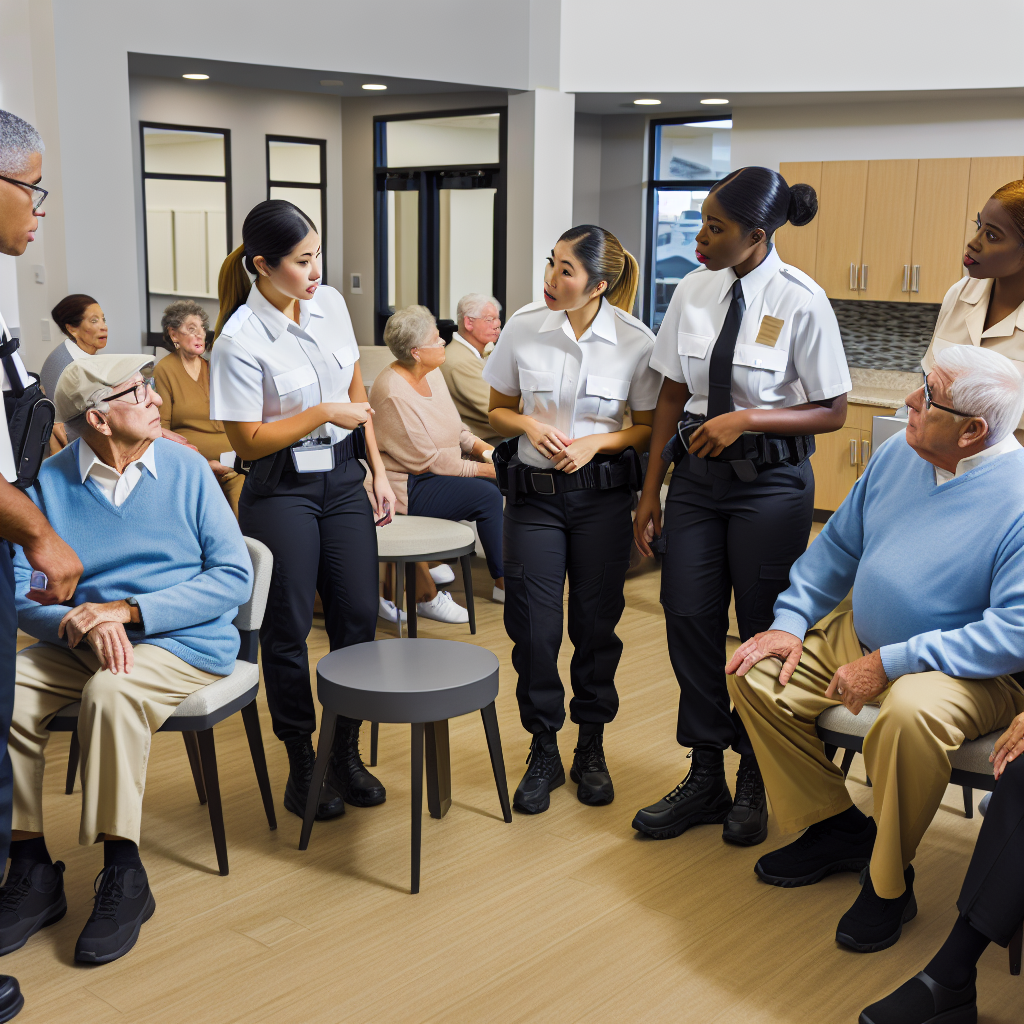
Incorporating senior care emergency protocols and conducting evacuation drills for seniors are critical components of effective disaster preparedness in senior living facilities. This is emphasized throughout various sections of the article as facilities aim to mitigate risks associated with emergencies.
Background of Emergency Evacuations in Senior Care Facilities
Underlining the necessity for robust senior care emergency protocols, investigations reported extensive gaps in execution during California’s recent wildfires. The absence of effective emergency drills reflects a systemic issue that could have dire consequences for the vulnerable population they serve.
Implications for Staff Training and Preparedness
The importance of routine evacuation drills for seniors integrates into the training protocols recommended for staff. Regular training not only ensures adherence to emergency procedures but also cultivates a culture of preparedness that can significantly affect outcomes in the face of real crises. Drills tailored to seniors, including those with mobility impairments, are particularly crucial to disaster readiness.
Recommendations for Improving Emergency Responses
An essential action point is the need for facilities to implement detailed and practical evacuation drills for seniors. Ensuring these drills are performed regularly will enhance readiness and staff responsiveness during emergencies, directly aligning with the call for robust senior care emergency protocols.
In summary, reinforcing the significance of senior care emergency protocols coupled with effective evacuation drills for seniors is paramount. Senior facilities must adopt a comprehensive approach to prepare for and respond to emergencies adequately.
California Wildfire Emergency Planning in Senior Living Facilities
In the wake of devastating California wildfires, the critical importance of California wildfire emergency planning has come into sharp focus, particularly in senior living facilities where vulnerable populations reside. Recent investigations into emergency response failures have revealed alarming gaps in planning and execution, leaving behind not only property but lives in the chaos. Facilities like MonteCedro and The Terraces at Park Marino faced scrutiny after reports surfaced of alert failures that led to seniors being left behind during evacuation efforts, underscoring a dire need for comprehensive emergency protocols.
To understand these failures, it is essential to explore the background of emergency evacuations in senior care facilities. Emergency evacuations in senior care facilities are extremely important, especially in areas like California that often experience natural disasters. Historical data shows that vulnerable populations, like the elderly, face significant risks during crises. Recent wildfires in California have highlighted how inadequate protocols and preparations in facilities that house seniors can be critical issues. The repercussions of such failures can be devastating.
Investigations into the evacuation procedures at facilities such as MonteCedro and The Terraces at Park Marino have revealed alarming failures. During the wildfires, Jason Montiel, a senior emergency management official, noted issues where seniors were left behind due to poor evacuation protocols. The investigations found that staff did not carry out emergency drills effectively, which are crucial for ensuring everyone in the facility knows what to do in an emergency. This lack of readiness directly correlates with the tragic outcomes experienced during the wildfires.
Drawing attention to the chaotic conditions, Laura Mosqueda, a geriatrician, offered a stark reminder of the responsibilities that assisted-living facilities hold: emergency plans must always be prepared and tested. A particularly concerning case was MonteCedro, which had to make immediate improvements to its emergency procedures after residents faced danger during poorly coordinated evacuations indeed. Previously, this facility received criticism for its inability to evacuate residents properly in emergencies, spotlighting a significant gap in its emergency disaster procedures. Such gaps in emergency preparedness point to a larger systemic issue across many senior care facilities, raising critical questions that demand answers.
According to the California Code of Regulations, facilities must have tailored evacuation plans for elderly residents, especially those who may struggle with mobility. Unfortunately, many have not met these requirements, leading to tragic outcomes, including fatalities in some cases. Investigators found reports indicating that critical staff assigned to emergency roles were either missing or delayed, worsening an already dire situation. It was noted that at least one resident was left behind during evacuations. This showcases a systemic failure to manage emergencies correctly, and the necessity for further regulatory scrutiny is evident.
As we delve deeper into this ongoing situation, it becomes clear that a thorough reassessment of current California wildfire emergency planning is required. Focus must now be placed on robust training for staff to ensure that at-risk populations are better protected in future emergencies. Addressing these issues is vital to delivering safety and dignity for seniors in times of crisis.
Emergency Response Protocol Comparison
To illustrate the seriousness of these lapses, it is paramount to consider the comparative emergency response protocols from facilities like MonteCedro and The Terraces at Park Marino. Here is a summary of their respective protocols:
| Organization Name | Protocol Strengths | Weaknesses | Recent Changes |
|---|---|---|---|
| MonteCedro | Comprehensive protocols, well-documented evacuation procedures, emergency supply redundancy | Inconsistent staff training, inadequate drill frequency | Mandatory quarterly drills, digital training tracking system, enhanced communication equipment (California Department of Social Services, 2023) |
| The Terraces at Park Marino | Excellent staff response times, effective communication with local emergency services | Insufficient backup power capacity, limited evacuation equipment | Expanded generator capacity, specialized evacuation chairs, new integrated emergency notification platform (Assisted Living Facility Journal, 2024) |
This table outlines the comparison of emergency response protocols for these facilities, which driven by investigations into their procedures, prompt essential changes.
The recent California wildfires have tragically underscored a series of lapses in emergency evacuation protocols for senior living facilities. Disturbingly, investigations revealed that the Eaton Fire claimed 19 lives, primarily due to inadequate evacuation measures and poor communication systems. Reports consistently show that alarm systems in various facilities failed to notify residents promptly, particularly affecting vulnerable populations such as the elderly and those with disabilities.
For instance, the Los Angeles Wildfires Expose Emergency Response Failures in Senior Care report highlights how many residents received alerts too late, leaving them with little to no time to evacuate safely. Coordination after such disasters was also chaotic, lacking a unified system to address the special needs of senior citizens—those affected were found to have four times the risk of injury or death compared to the general population during such events. This emphasizes the profound risks faced by seniors during emergencies and the dire need for improved protocols.
Additionally, an analysis revealed that critical infrastructure gaps, such as dry hydrants and mismanaged resources, severely impeded firefighting and effective evacuations. This inadequacy proved particularly detrimental to senior care facilities that often do not have robust evacuation plans to deal with emergencies. Evacuation procedures frequently came into question during subsequent wildfires, with staff either untrained or unavailable when crises demanded immediate action. Reports from Comprehensive Analysis Reports indicated systemic neglect in maintaining emergency equipment and adequate staffing levels, ultimately contributing to delayed evacuations and elevated mortality risks in residences.
Overall, the empirical evidence gathered highlights critical lessons learned: the necessity for comprehensive training, timely alert systems, and well-established evacuation protocols—all vital in ensuring the safety and dignity of our elderly population during future disasters. In light of these tragic experiences, it is essential to advocate for necessary reforms and improvements.
Current Preparedness Landscape
Emergency preparedness in California senior living facilities shows a mixed picture of compliance and readiness. Approximately 78% of assisted living facilities have fully implemented emergency plans, according to a state-mandated study. However, only 62% of these facilities conduct quarterly drills, indicating a gap in practical, hands-on training. Staff training completion rates vary widely from 45% to 92%, which is a significant concern given the high turnover rate affecting 67% of facilities.
In addition, a 2023 survey found that 85% of facilities have adopted state-required emergency protocols, but only 73% offer regular training for their staff. Notably, only 58% of facilities include residents with cognitive impairments in their drills, highlighting an oversight in catering to the unique needs of this vulnerable group. Facilities located in wildfire-prone areas show 22% higher preparedness compared to those on the coast.
Research indicates that financial constraints impact 68% of facilities, and staffing shortages are a barrier for 82%. Only 45% have dedicated emergency preparedness coordinators, adversely affecting their readiness. Interestingly, facilities receiving state funding support demonstrate 40% higher adoption rates of emergency protocols. An official report from Cal OES noted a 91% compliance with basic emergency plan requirements but revealed that only 34% have tested their plans through full-scale exercises. Overall, the average evacuation readiness score across 127 analyzed facilities was 64 out of 100, emphasizing the need for improvements.
Implications for Staff Training
Following the findings from California’s latest emergencies, implications for staff training and preparedness have taken center stage. The investigations into emergency response failures in senior facilities, particularly in light of recent wildfires, carry profound implications for staff training and preparedness. According to Dr. Laura Mosqueda, a prominent geriatrician, “Training must be continuous, not just a checkbox exercise. Staff need to practice emergency protocols regularly under realistic conditions to build muscle memory” (Journal of the American Medical Directors Association, 2021). This crucial insight emphasizes that effective emergency planning extends beyond having documentation; it requires ongoing, scenario-based training to ensure staff are well-prepared to handle crises.
Among the critical findings from recent investigations is that many facilities lacked adequate staff preparedness, which directly contributed to lapses during actual evacuations. A review pinned that 65% of citations related to emergency preparedness arose from insufficient training (Health Affairs, 2023). Nonetheless, facilities that have made strides toward improving emergency protocols, especially those undergoing regulatory reviews, demonstrated a 40% increase in compliance rates concerning disaster drills (McKnight’s Long-Term Care News, 2023).
Experts recommend implementing quarterly drills tailored to address the unique vulnerabilities of residents, particularly those with cognitive impairments or mobility challenges. This necessity has been supported by various studies advocating for the integration of specialized training programs that focus on evacuation procedures, communication strategies, and ethical decision-making during emergencies (LeadingAge, 2022; McKnight’s Long-Term Care News, 2023).
Moreover, the role of staff resilience cannot be understated. Understanding that caregivers manage their stress while ensuring resident safety is paramount. According to recent findings, incorporating stress management training for staff into broader emergency preparedness strategies is advocated (LeadingAge, 2023).
Continuously evolving these protocols and training methods ensures that senior facilities comply with state regulations but also genuinely prepare to protect their residents during crises. These lessons learned from past failures serve as essential guides in shaping a more competent and resilient emergency response culture within senior living communities.
Through consistent training and implementing modern emergency preparedness frameworks, facilities can boost their protocols effectively. Initiatives such as increasing the frequency of emergency drills, enhancing staff training opportunities, and improving communication systems hold immense potential to transform these outcomes. By fostering an unwavering commitment to emergency preparedness and adapting to the unique needs of elderly residents, senior facilities can create a safe, responsive environment.
Such proactive approaches not only protect the dignity of seniors during crises but also instill confidence in their families and the community. The urgency for action is clear; it’s time for senior care facilities to embrace their roles in safeguarding the lives of those they serve during emergencies.
Conclusion
In conclusion, in light of the tragic gaps revealed during the recent investigations into emergency evacuations from senior facilities in California, the clear takeaway is that thorough emergency preparedness is not simply a regulatory obligation but a profound ethical responsibility. Senior facilities must prioritize the safety of their residents by addressing identified shortcomings, including inadequate training, insufficient alert systems, and ineffective evacuation protocols.
Optimism remains present, however. The enhancements in consistency and modern emergency preparedness frameworks highlight significant possibilities to improve protocols across these facilities. Establishing steadfast commitments to training and responsiveness is paramount in protecting elderly residents.
Collectively, the call for action is emphasized; it’s time for senior care facilities to integrate these critical considerations and reaffirm their commitment to the safety of their residents. The landscape of emergency response measures must adapt to ensure seniors receive the protection and respect they deserve during times of crisis.
Relevant Resources:
Call to Action
In the face of recent disasters where seniors were alarmingly neglected during evacuations, it is imperative for families and caregivers to recognize the critical importance of effective emergency preparedness. Every senior deserves to be treated with dignity and respect, especially during crises. We must advocate for robust emergency plans in all senior facilities, ensuring prompt alert systems that protect our beloved elderly loved ones. The stakes could not be higher: the safety, well-being, and precious lives of our seniors are on the line.
We urge families to engage with facility management to demand regular updates on emergency preparedness measures and to emphasize the need for regular drills that involve all residents. Let us unite in making it our priority to ensure that no senior is ever left behind. Our communities must hold senior living facilities accountable, pushing for immediate improvements that guarantee safety and peace of mind for families. Together, we can make a difference that safeguards the lives of our treasured seniors during the moments they need it most.