
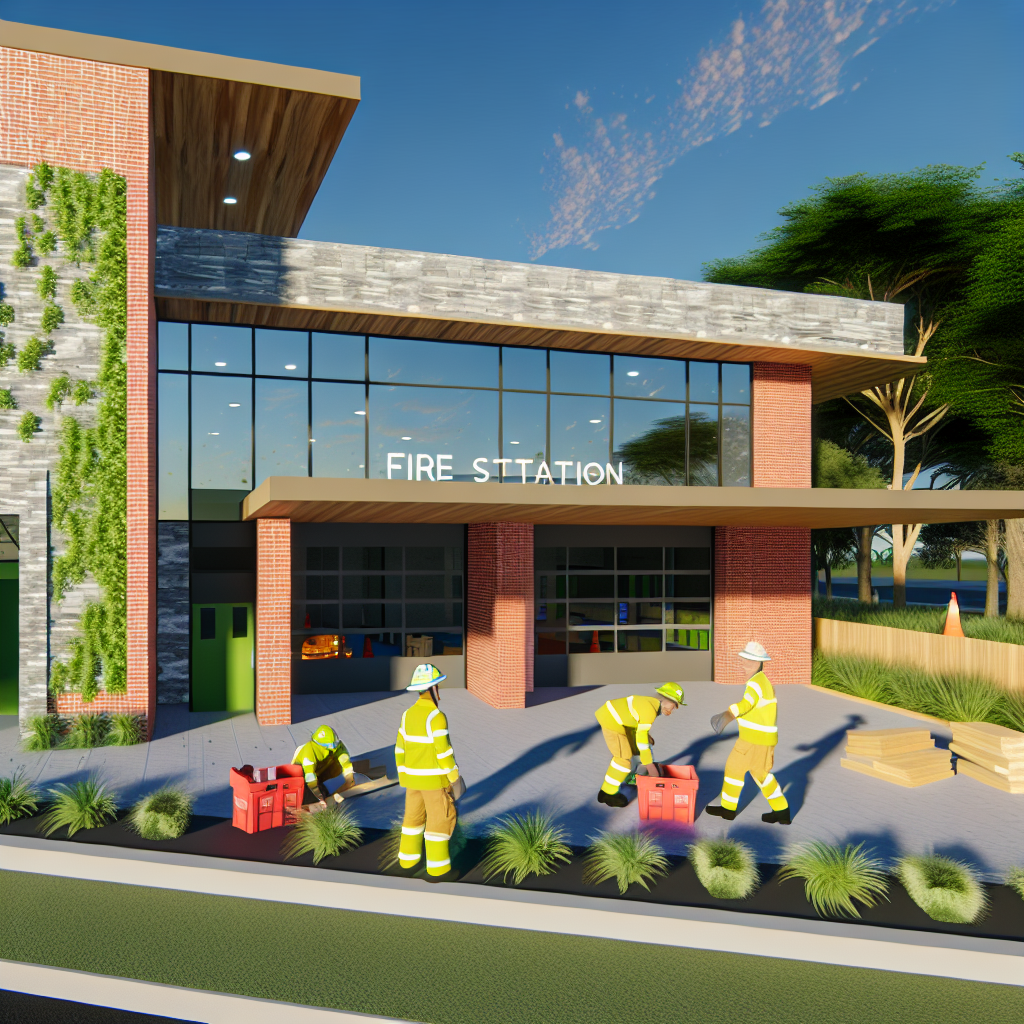
In the heart of every community, fire stations stand as beacons of safety and preparedness, yet many of these vital facilities are facing a stark reality. As of 2020, over 21,000 fire stations across the U.S. were at least 40 years old, with a significant portion in dire need of renovation or replacement. Alarmingly, 43% of these stations report they require upgrades, while more than 27,500 lack essential exhaust emission control systems. This deterioration not only impacts the firefighters who serve daily but also jeopardizes the safety and readiness of the communities they protect.
The engagement and support of local citizens are crucial in advocating for funding and design projects that align with National Fire Protection Association (NFPA) standards. By fostering community awareness and collaboration, stakeholders can strengthen their case for necessary improvements, ensuring that fire stations are equipped to meet contemporary challenges.
Addressing these issues is not just about infrastructure; it is about safeguarding our communities and enhancing the quality of emergency response. Together, we can build a strong foundation for the future, where our heroes have the resources they need to protect us all.
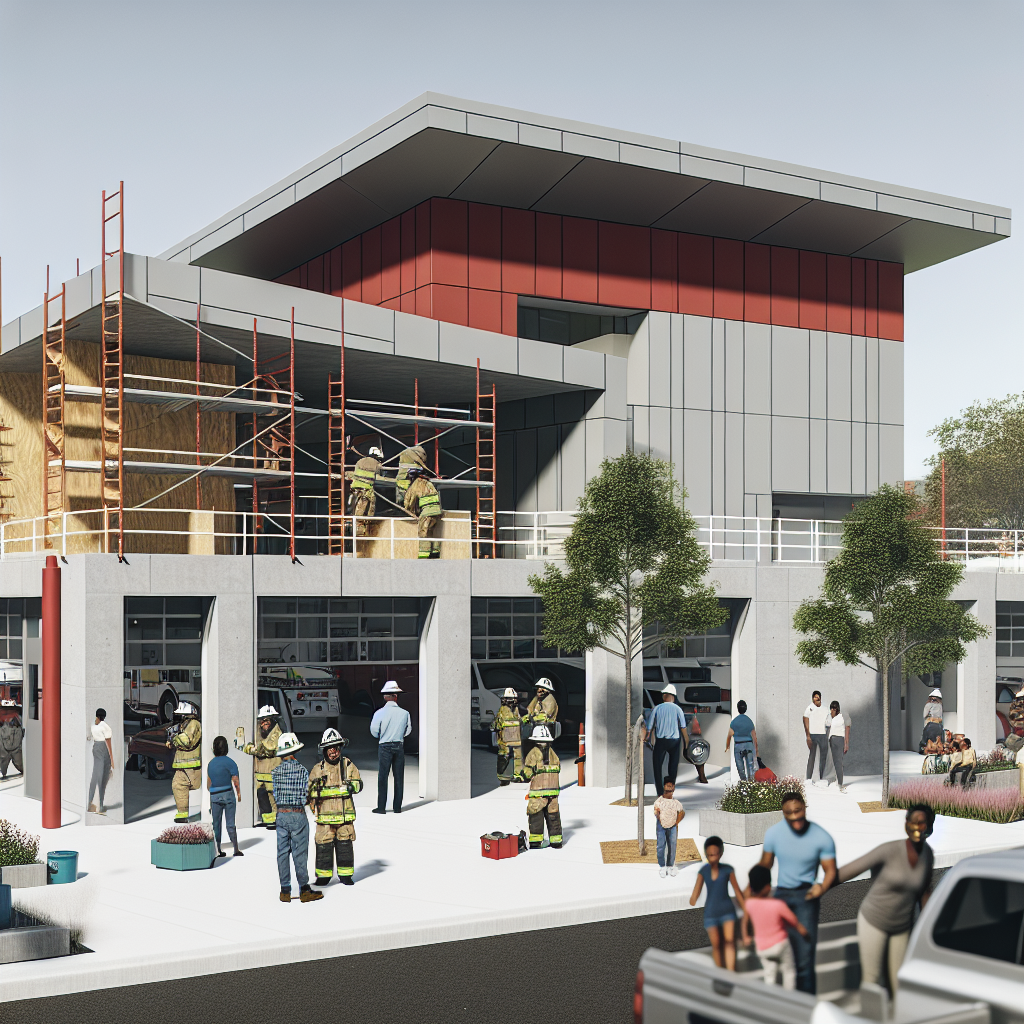
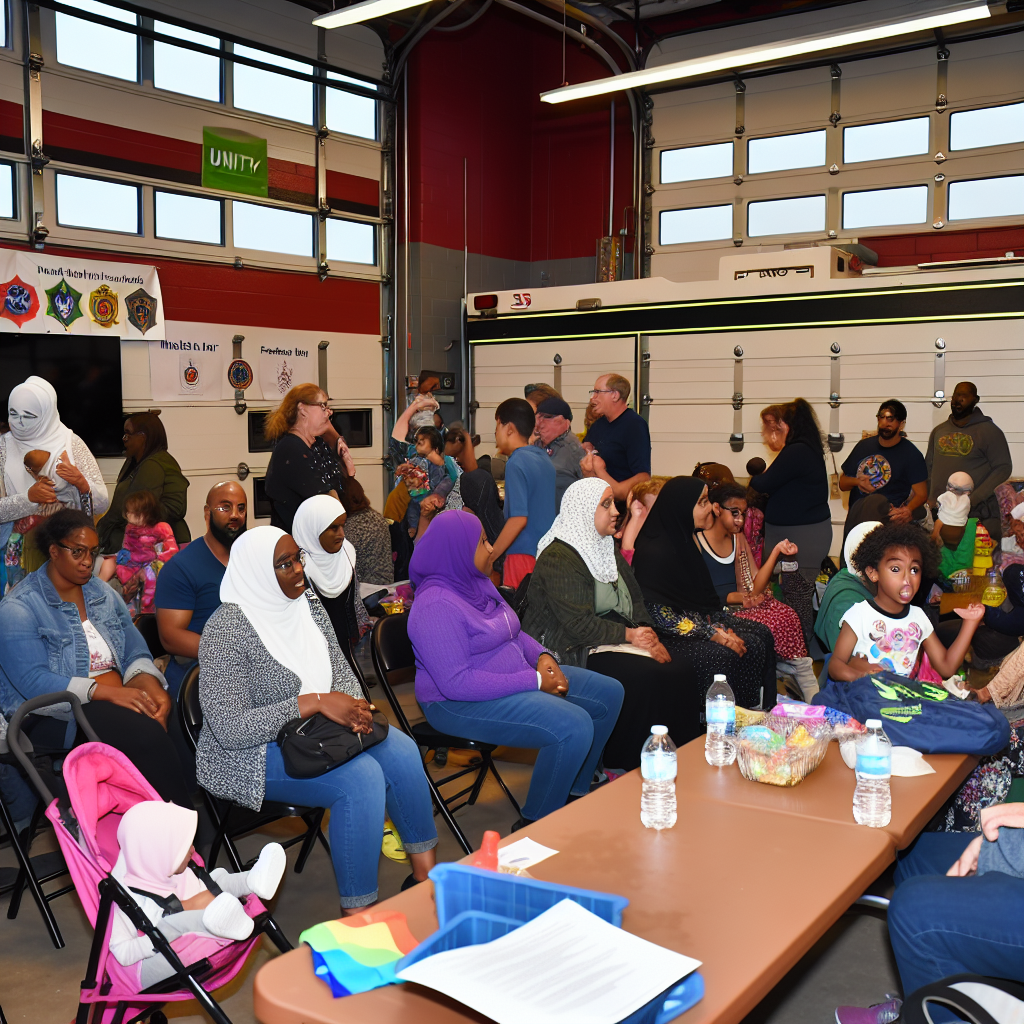
The National Fire Protection Association (NFPA) establishes essential standards that fire departments can use to enhance safety and operational efficiency. These standards not only function as guidelines for internal practices but also serve as critical tools for demonstrating the need for funding. When fire departments align their projects and needs with NFPA standards, they are better equipped to articulate their requirements to stakeholders, making compelling cases for financial support.
Several specific NFPA standards play a vital role in justifying funding requests:
- NFPA 1720 sets essential response time and staffing requirements for volunteer fire departments. Compliance with this standard is a pivotal factor when applying for grants, as it illustrates a community’s need for adequate personnel and resources to meet benchmarks for emergency response time. This standard is often referenced in applications for federal and state grants such as the Assistance to Firefighters Grant (AFG) program, providing documented evidence of staffing deficiencies.
- NFPA 1500 emphasizes protocols for firefighter safety and health programs. Funding applications that demonstrate adherence to NFPA 1500 can seek support for crucial safety equipment and wellness initiatives. Demonstrating a commitment to safety enhances an organization’s credibility and positions it favorably in the eyes of funding bodies.
- NFPA 1901 establishes criteria that new fire apparatus must meet. Departments seeking financial support for necessary vehicle replacements can leverage this standard to justify the inadequacy of existing apparatuses, thereby making a solid case for funding that aligns with recognized safety qualifications.
By leveraging these NFPA standards, fire departments can transform subjective needs into measurable justifications for funding, strengthening their case in front of local, state, and federal funding authorities. Ultimately, the adherence to NFPA guidelines underscores a fire department’s commitment to excellent emergency service, safety, and community well-being.
| Need | Existing Condition |
|---|---|
| Renovations | 43% of stations need renovation or replacement |
| Exhaust emission control systems | 27,500 stations lack exhaust emission control systems |
| Backup power systems | 15,490 stations operate without backup power |
| Accommodations for female firefighters | 25,800 stations do not accommodate female firefighters |
Effective Community Engagement Strategies for Securing Funding
Fire departments that wish to secure funding must engage their communities effectively. Community engagement strategies are about developing relationships with local citizens, demonstrating the department’s needs, and fostering support. Here are key strategies that fire departments can implement:
-
Conduct Comprehensive Assessments
Carrying out needs assessments enables fire departments to collect data and demonstrate their needs clearly. This assessment should compare current facilities and equipment against the National Fire Protection Association (NFPA) standards. By identifying gaps and deficiencies through unbiased observation, departments can present a strong factual basis for funding requests. The quote, “An assessment can help demonstrate need through unbiased observation and comparison to current industry standards,” highlights the importance of this step.
-
Educate the Community
Education is a key strategy for garnering community support. Fire departments should hold informational sessions and outreach programs aimed at informing residents about fire safety, current station conditions, and the implications of inadequate funding. When communities understand the critical role fire stations play in their safety and wellbeing, they are more likely to support funding initiatives. Utilizing social media, newsletters, and community events increases visibility and fosters an informed citizenry.
-
Leverage Local Media
Engaging local media can amplify the fire department’s message. Reports, interviews, and articles in newspapers or on local stations can highlight funding needs and share stories about how the fire department impacts lives. Media coverage can help reach broader audiences, encouraging community members to advocate for necessary funding.
-
Organize Community Engagement Events
Hosting open houses, educational workshops, and community service days allows community members to interact with firefighters and understand their operations. These events foster a sense of connection and allow residents to see first-hand the challenges firefighters face with aging facilities and outdated equipment.
-
Collaborate with Local Organizations
Partnering with local businesses and nonprofits can strengthen community ties and broaden support. Collaborations can lead to sponsorships or joint fundraising efforts, increasing the effectiveness of outreach campaigns.
-
Regular Feedback Mechanisms
Establishing channels for feedback can build trust between fire departments and the community. Surveys or forums can help assess community perceptions and gather insights on their safety priorities. This inclusive approach encourages a sense of ownership among community members regarding their fire department.
The Role of Local Leaders and Organizations in Fire Station Advocacy
Local leaders and organizations play a pivotal role in advocating for fire station funding and supporting the design of new facilities. They are often seen as trusted figures within the community and can facilitate crucial conversations around fire safety, emergency services, and community needs.
Advocacy and Influence
Local leaders can serve as advocates for funding by raising awareness about fire department needs and the importance of modern facilities. Their influence can mobilize community members to take action, whether through attending public meetings, signing petitions, or participating in fundraising activities. Leaders can champion the cause at local government meetings, where budget decisions are made, ensuring that fire station funding is prioritized.
Organizations such as neighborhood associations, local chambers of commerce, and civic groups also amplify these efforts. By leveraging their networks, they can coordinate community events and forums where fire department representatives can articulate their needs, share updates on projects, and educate residents about the impact of well-funded fire stations.
Building Partnerships
Partnerships among local leaders, organizations, and the fire department are essential for effective outreach. For instance, businesses can sponsor community events or contribute to fundraising campaigns aimed at securing funding for fire station improvements. Nonprofits can assist in outreach efforts, using their platforms and expertise to raise awareness and gather support from constituents. Collaborative approaches not only pool resources but also enhance the legitimacy of the request for funding through the visible endorsement of various community sectors.
Importance of Effective Outreach
Effective outreach is strengthened through the presence of local organizations and leaders. They can gather and disseminate information, bridging the gap between fire departments and the community. Engaging in joint campaigns allows for wider dissemination of the mission and vision for enhanced fire services. This collective voice can influence key stakeholders and decision-makers, showcasing community support and urgency for action.
Ultimately, grassroots movements led by local leaders and organizations create a united front that can significantly impact funding decisions. By fostering partnerships and mobilizing community engagement, they can champion fire station initiatives that enhance public safety and trust in emergency services.
Through collaborative efforts, communities can successfully advocate for the necessary resources to build and maintain fire stations that not only serve their present needs but also anticipate future challenges.
Urgent Need for Fire Station Renovations and Modernization
In the United States, the condition of fire stations indicates a critical need for attention and funding. As of 2020, more than 21,000 fire stations were reported to be at least 40 years old. Alarmingly, 43% of these facilities need significant renovation or replacement, posing challenges to both functionality and safety. The aging infrastructure of fire stations can negatively impact the effectiveness of emergency services and the wellbeing of thousands of firefighters who operate within these facilities daily.
Key Statistics
- Aging Infrastructure: Over 21,000 fire stations in the U.S. are 40+ years old, indicating a pressing need for updates to meet safety and operational standards.
- Renovation Demand: Approximately 43% of existing stations require renovations; this statistic highlights the urgency of financial support for infrastructure improvements.
- Lack of Safety Systems: Over 27,500 stations lack proper exhaust emission control systems. Such deficiencies can lead to health risks for firefighters exposed to harmful emissions in their work environment.
- Backup Power Deficiency: Around 15,490 stations lack backup power systems, leaving them vulnerable during power outages, which can jeopardize emergency response times.
- Gender Inclusivity Issues: Approximately 25,800 stations do not have adequate accommodations for female firefighters, creating environments that are not supportive or inclusive of all staff members.
The consequences of these alarming statistics ripple throughout communities, affecting not only the firefighters but also the local population relying on their emergency services. Modernized fire stations can significantly enhance service delivery, response times, and the overall safety of both firefighters and the community they serve.
Credible Sources Illuminate the Urgency
Evidence provided by the National Fire Protection Association (NFPA) states that many fire stations struggle with aging infrastructure, with 40% of them built before 1980. The report from NFPA emphasizes that renovation needs include vital upgrades such as improved ventilation systems to mitigate carcinogen exposure, alongside structural updates necessary for seismic resilience. These enhancements are critical for ensuring the safety and health of first responders, who face various occupational hazards daily. (Source: NFPA)
Additionally, the U.S. Fire Administration (USFA) indicates that approximately 30% of fire stations require major renovations, particularly in rural areas where resources may be more limited. Key concerns highlighted include inadequate systems for exhaust removal, which pose long-term health risks for firefighters, illustrating the urgent need for renovation funding. (Source: USFA)
Moreover, the International Association of Fire Chiefs (IAFC) outlines that modernization efforts focus on resilience against climate-related hazards, reinforcing the idea that investing in fire stations is about more than just repairs; it is about preparing communities for future challenges and bolstering local economies through job creation in construction and improved property values. (Source: IAFC)
Conclusion
The evidence is clear: the increasing needs for renovation and modernization of fire stations throughout the U.S. demand urgent attention and funding. Local communities must rally around these causes, advocating for the necessary resources to enhance fire station conditions for the betterment of public safety and the security of firefighters. By addressing these issues now, we can ensure that our fire departments are equipped and prepared for the challenges of today and the future, safeguarding our communities more effectively than ever before.
Conclusion
The importance of community support in funding fire station projects cannot be overstated. As we have explored, many fire stations across the United States are in a state of disrepair, with a significant number needing urgent renovations. Community involvement plays a crucial role in advocating for these necessary funds, ensuring that the safety of both firefighters and residents is prioritized.
Moreover, adherence to NFPA standards provides a solid framework for fire departments to illustrate their funding needs effectively. By aligning projects with these established safety and operational standards, departments can bolster their proposals for funding and demonstrate their commitment to maintaining high service levels.
Ultimately, modernizing fire stations not only enhances the capabilities of emergency services but also fosters resilience within the community. It results in improved public safety outcomes and strengthens the bond between fire departments and the citizens they serve. Together, by advocating for necessary resources and implementing NFPA standards, we can ensure a safer, more prepared future for everyone.
Additional Resources for Fire Station Funding and Design
For further reading and a deeper understanding of fire station funding, design, and the roles of various standards and assessments, consider exploring the following resources:
-
NFPA 1500: Standard on Fire Department Occupational Safety, Health, and Wellness Program
National Fire Protection Association, 2021
Provides critical guidelines for fire station design, including requirements for facilities, apparatus bays, living quarters, and safety systems, addressing critical design elements essential for firefighter health and safety. -
NFPA 1: Fire Code
National Fire Protection Association, 2021
This code includes comprehensive requirements for fire station construction, location, apparatus room design, and necessary infrastructure to support emergency operations. -
Funding Alternatives for Emergency Services in the Fire Protection District
U.S. Fire Administration, 2015
Examines various funding mechanisms for fire stations, including tax levies, bonds, grants, and public-private partnerships, along with case studies providing practical guidance. -
Community Risk Reduction: A Resource for Fire Departments to Use When Developing a CRR Plan
International Association of Fire Chiefs, 2020
Highlights the importance of community engagement in fire service funding, providing strategies for communicating needs to the public and building support for funding initiatives. -
Fire Station Facility Condition Assessment Guide
Federal Emergency Management Agency, 2019
Offers a methodology for conducting assessments of fire stations, including evaluation criteria for various systems and compliance with current standards. -
Long Beach Celebrates Grand Reopening of Fire Station 14
Official City Announcement, 2025-03-17
A narrative of the $5.5 million renovation funded through Measure A, aimed at enhancing public safety infrastructure. -
Harder Backs Bill to Provide $1 Billion to Build & Improve Nation’s Fire Stations
Congressional Press Release, 2022-07-26
Legislation proposing significant federal grants for fire station construction and repairs, addressing aging infrastructure challenges. -
FY25 Congressionally Directed Spending Projects Requested
Federal Funding Database, 2025-11-11
An overview of funding requests aimed at modernizing an aging fire station in Carroll and Garrett Counties.
Each of these resources offers essential insights that can help stakeholders navigate the complexities of fire station funding and design, further enhancing community engagement and support for these vital facilities.