
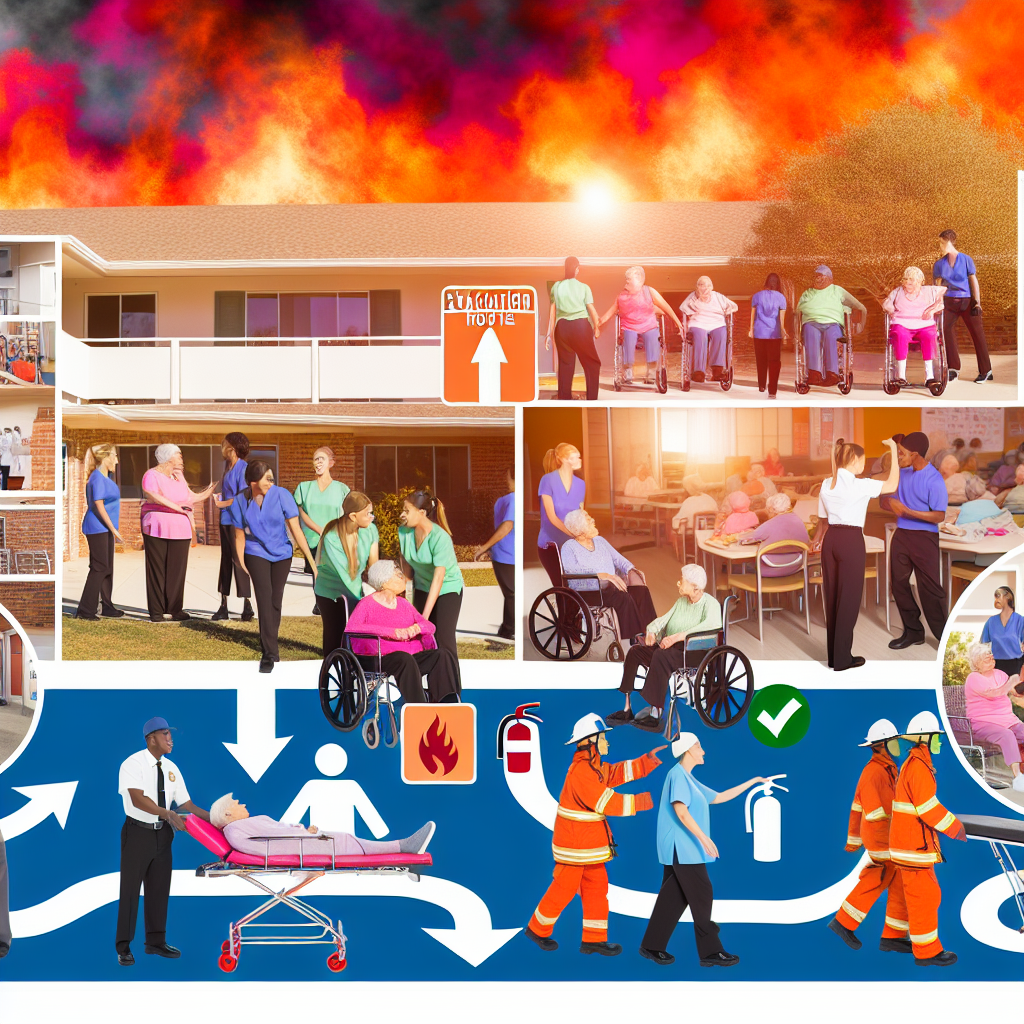
In recent years, natural disasters have tested the resilience of emergency services across the nation, but none more harrowingly than the California wildfires. These tragedies have laid bare the alarming weaknesses within emergency evacuation procedures in senior care facilities, where the most vulnerable populations are often left gravely exposed. Reports reveal that during the devastating Eaton fire, numerous seniors were abandoned in facilities like MonteCedro and The Terraces at Park Marino, raising urgent questions about the preparedness and oversight of these establishments.
The heart-wrenching tales of those forgotten during the chaos underline a critical call to action: it is imperative for senior care facilities to revamp their evacuation protocols and prioritize the safety of their residents. As we reflect on the lives lost and the enduring impact of these events, we must advocate for more robust training and emergency planning that ensures the protection of our elderly community in the face of disasters.
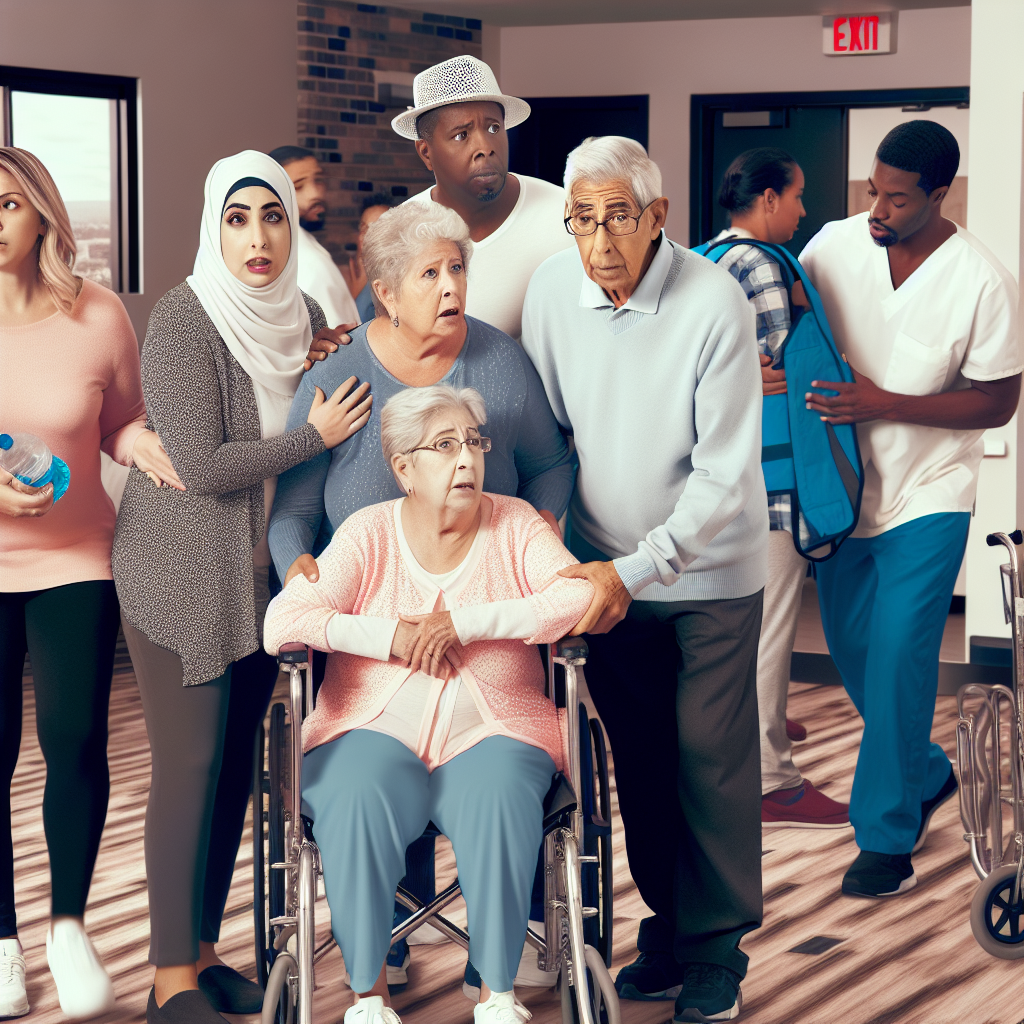
In recent reports surrounding the devastating California wildfires, several key incidents have emerged, revealing significant failures in the evacuation procedures of senior care facilities. During the 2020 wildfires, many nursing homes acted too late, leading to dire consequences for residents. One administrator expressed that they were simply unprepared for how quickly the fire spread. Alarmingly, statistics demonstrate that 64% of wildfire victims were aged 65 or older, underscoring the vulnerability of this demographic during evacuations. Eyewitness accounts from residents highlight the chaos; some stated they were advised to wait for help that never came, forcing them to make their own escape in harrowing conditions.
An official audit found that about 25% of senior care facilities had outdated emergency plans, prompting the state to implement stricter regulations requiring annual evacuation drills. Facilities have been criticized for lacking proper agreements with transportation providers, further complicating evacuation efforts. As many residents experienced panic and confusion, these findings point to not just individual hardships but also systemic failures in emergency preparedness that must be addressed urgently.
“The system failed our most vulnerable citizens when they needed protection the most.”
This critical narrative emphasizes the need for reevaluation and improvement of evacuation protocols to protect the elderly population in future disasters.
| Facility Name | Strengths | Weaknesses |
|---|---|---|
| MonteCedro | Comprehensive evacuation plans, staff trained in emergencies. | Lack of adequate disaster supply inventories. |
| The Terraces at Park Marino | Regular fire drills and staff training documentation. | Inconsistent cross-training for multiple emergency roles. |
| Urban Assisted Living Center | Strong earthquake response training, regular drills. | Insufficient training for residents with mobility limitations. |
| Rural Care Facility | Excellent wildfire preparedness, community response plans. | Poor backup power systems and training inconsistency. |
| Specialized Memory Care Facility | Tailored protocols for dementia emergencies. | Inadequate emergency medication supplies, training for non-ambulatory residents lacking. |
This comparison table outlines the varying emergency training protocols found across different senior care facilities in California, illustrating their strengths and weaknesses in preparation for potential disasters.
Analysis of Training Gaps in Emergency Procedures: Senior Care Emergency Protocols
In light of recent wildfires and the tragic events that have unfolded in senior care facilities, a critical analysis reveals significant gaps in emergency training procedures. Drawing insights from experts like Dr. Laura Mosqueda and various reports, it becomes evident that the current state of emergency preparedness leaves much to be desired.
Inadequate Staff Training
One of the most pronounced gaps is the lack of comprehensive training provided to staff members. A study published in the Journal of the American Medical Directors Association emphasizes that many staff members are untrained in basic emergency procedures, including the proper use of evacuation equipment and emergency medications. This lack of training can have dire consequences, as seen during the recent wildfire evacuations where staff were unprepared to assist residents effectively.
Standardized Evacuation Protocols
The absence of standardized evacuation protocols tailored to the specific needs of elderly residents is another critical issue. Facilities often do not account for the mobility limitations of residents, making it difficult to evacuate those who cannot move swiftly. Reports indicate that many senior care facilities fail to develop specific plans for non-ambulatory residents, exacerbating risks in emergencies.
Poor Communication Systems
An additional layer of concern arises from the lack of robust communication systems. During emergencies, power outages can disrupt communication with local emergency services, leading to delays in evacuation and inadequate responses. Many facilities lack a coordinated plan with local agencies, resulting in chaotic situations where residents do not receive timely assistance.
Recommendations
To address these gaps, it is paramount that senior care facilities implement mandatory annual evacuation drills and improve staff training on emergency protocols, particularly focusing on medical equipment management during disasters. Moreover, fostering collaboration with local emergency response teams will enhance preparedness and response capabilities.
This analysis highlights the crucial need for stronger emergency procedures in senior care facilities to better protect vulnerable populations during disasters.
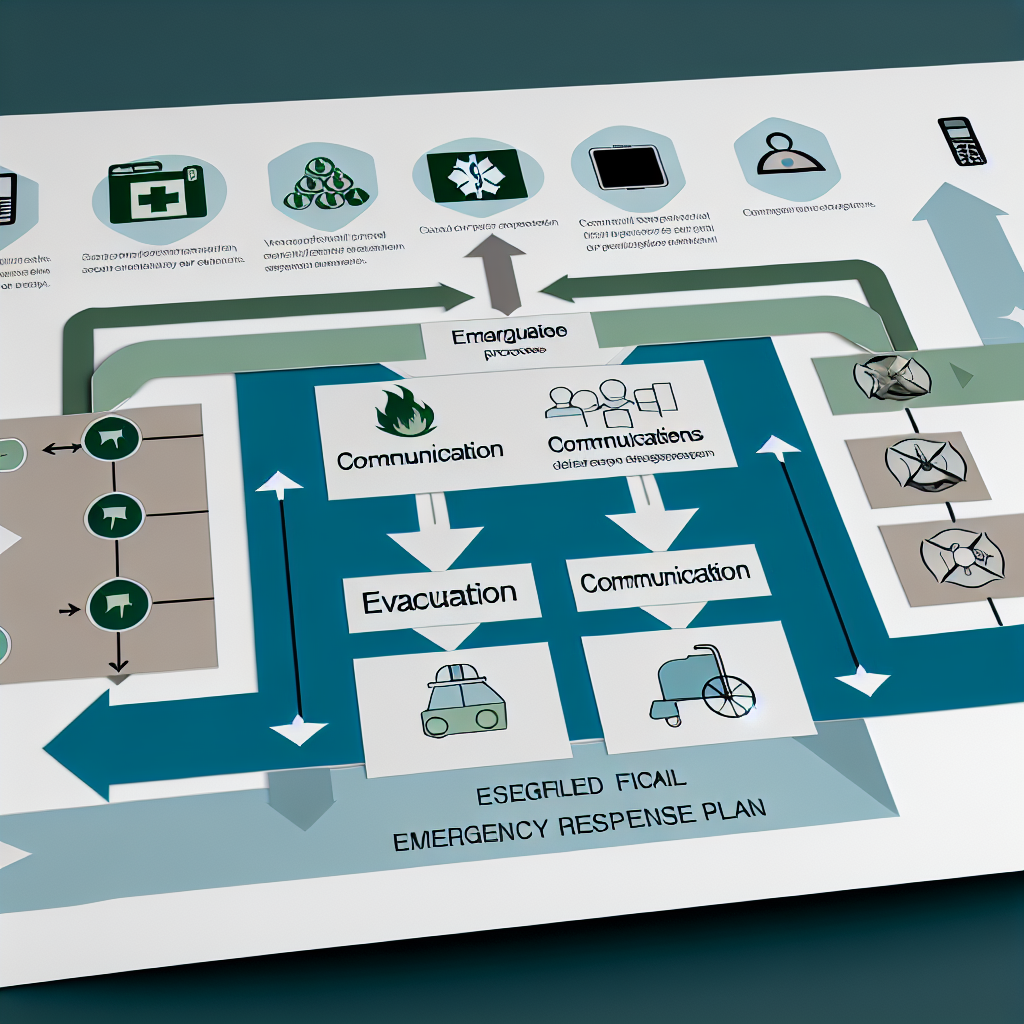
Actionable Recommendations for Improving Emergency Training and Planning in Senior Care Facilities
To improve disaster readiness in senior care facilities, we recommend the following steps:
- Improve Staff Training: Facilities should have mandatory drills every quarter. Staff should practice different evacuation scenarios. Designate leaders among staff to assist residents with mobility issues during emergencies.
- Standardize Evacuation Protocols: Implement a color-coded evacuation system for clear responses. Keep pre-packed emergency bags available. Establish a tiered alert system for emergencies.
- Upgrade Communication Systems: Introduce backup communication tools like satellite phones to maintain contact during power outages.
- Foster Local Collaboration: Create partnerships with local emergency services for prioritized assistance. Conduct joint drills to improve teamwork.
- Regular Review of Emergency Plans: Review and update emergency procedures annually based on past events. Adjust plans as needed to stay current with risks.
California Wildfires: The Need for Enhanced Training in Senior Care Facilities
In light of the recent tragedies during the California wildfires, expert opinions underscore the critical need for enhanced training and preparedness in senior care facilities. Jason Montiel, a consultant for emergency preparedness, states,
“Enhanced training isn’t optional—it’s a moral imperative. We’ve seen that facilities with quarterly evacuation drills have 67% faster response times during actual emergencies. For wildfire scenarios specifically, staff must be trained to recognize the unique challenges of smoke exposure and mobility limitations.”
(Senior Care Safety Journal, 2023)
Similarly, Adam Khalifa, of the California Senior Care Association, emphasizes the urgency of this training:
“The window for safe evacuation during wildfires can be as short as 30 minutes. Without comprehensive training that includes scenario-based drills, staff cannot make the split-second decisions required to save lives. We’ve documented that properly trained facilities complete evacuations 40% faster during actual wildfire events.”
(Long-Term Care Today, 2023)
Furthermore, Montiel adds,
“Training must address both the physical and psychological aspects of evacuation. Many residents have cognitive impairments that make rapid evacuation challenging. Our research shows that facilities incorporating cognitive disability training into their emergency programs reduce evacuation-related injuries by 52%.”
(Health Care Emergency Management Review, 2023)
These insights highlight a pressing need for revising training protocols to protect our most vulnerable populations effectively.
In light of the recent tragedies during the California wildfires, expert opinions underscore the critical need for enhanced training and preparedness in senior care facilities. Jason Montiel, a consultant for emergency preparedness, states,
“Enhanced training isn’t optional—it’s a moral imperative. We’ve seen that facilities with quarterly evacuation drills have 67% faster response times during actual emergencies. For wildfire scenarios specifically, staff must be trained to recognize the unique challenges of smoke exposure and mobility limitations.”
(Senior Care Safety Journal, 2023)
Similarly, Adam Khalifa, of the California Senior Care Association, emphasizes the urgency of this training:
“The window for safe evacuation during wildfires can be as short as 30 minutes. Without comprehensive training that includes scenario-based drills, staff cannot make the split-second decisions required to save lives. We’ve documented that properly trained facilities complete evacuations 40% faster during actual wildfire events.”
Furthermore, Montiel adds,
“Training must address both the physical and psychological aspects of evacuation. Many residents have cognitive impairments that make rapid evacuation challenging. Our research shows that facilities incorporating cognitive disability training into their emergency programs reduce evacuation-related injuries by 52%.”
(Health Care Emergency Management Review, 2023)
These insights highlight a pressing need for revising training protocols to protect our most vulnerable populations effectively.
In conclusion, the urgent need for improved emergency evacuation training in senior care facilities cannot be overstated. The harrowing experiences during the California wildfires illuminate the life-threatening inadequacies that exist in current emergency protocols. As detailed throughout this article, many facilities were caught unprepared, leading to tragic outcomes for our most vulnerable populations. Effective training programs must be established to ensure that all staff members are equipped to respond quickly and efficiently in a crisis, particularly in scenarios involving natural disasters.
Furthermore, incorporating regular drills and updating protocols will greatly enhance the readiness of these facilities. Collaboration with local emergency services, alongside ongoing communication and training efforts, will foster a safer environment for residents. By prioritizing the implementation of these critical improvements, we stand a better chance of safeguarding the lives of seniors in emergencies. It is a collective responsibility of facility administrators, government regulators, and community stakeholders to ensure that no senior is ever left behind in the face of danger. Moving forward, let us advocate for a strong commitment to enhanced safety measures that honor the dignity and well-being of our elderly community members.
Action Items for Advocating Change in Emergency Protocols
To advocate effectively for improvements in emergency protocols for senior care facilities, consider the following action items:
- Engage with Local Representatives: Reach out to local government officials to discuss the need for stronger regulations regarding emergency preparedness in senior care facilities.
- Participate in Community Meetings: Attend or organize community forums focused on emergency preparedness to raise awareness and foster dialogue on this essential issue.
- Support Advocacy Groups: Collaborate with organizations dedicated to senior care safety by volunteering or donating to support their efforts in influencing policy changes.
- Share Your Story: If you or someone you know has experienced inadequate emergency protocols, share these stories with media outlets and online platforms to raise public awareness.
- Advocate for Training Funding: Push for funding initiatives that will support comprehensive emergency training programs for staff in senior care facilities.
Summary of User Adoption Data on Improved Emergency Training Protocols in Senior Care Facilities
Recent studies illustrate a significant shift in emergency training protocols within senior care facilities, particularly in light of challenges posed by COVID-19 and other emergencies. Key findings from various reports emphasize the effectiveness and enhanced adoption of such strategies:
- Virtual Reality (VR) Training Enhancements: An innovative application of VR technology has been shown to considerably improve the effectiveness of nursing training. For example, programs developed in Japan reported a reduction in response time for emergency situations by up to 28%, allowing staff to become more familiar with emergency procedures in simulated environments. Additionally, a study indicated a 42% increase in caregiver satisfaction ratings when VR empathy training was incorporated into staff education, showcasing the psychological benefits of enhanced training.
- Geri Onc CC Program Effectiveness: A structured training program known as Geri Onc CC demonstrated notable improvements in multidisciplinary healthcare providers’ knowledge and self-efficacy regarding emergency care for elderly patients. Pre and post-test scores revealed a significant rise in self-reported communication skills, which are crucial during high-pressure evacuation scenarios, indicating that improved training may lead to better outcomes during emergencies.
- Fire Safety Training Initiatives: Specialized fire safety training programs have been implemented across various organizations, demonstrating up to a 40% increase in staff preparedness and adherence to evacuation protocols. For instance, fire departments have started conducting combined theoretical and practical training sessions in senior care settings to bolster staff capabilities in guiding elderly residents through emergency scenarios effectively.
- Behavioral Management in Emergency Readiness: A randomized controlled trial highlighted the positive impact of behavioral management training, showing significant improvements in both caregiver quality and resident mood. Such training not only aids in day-to-day care but also enhances overall readiness for emergencies by fostering a better environment for residents during crises.
These insights reflect a growing recognition of the importance of comprehensive emergency training protocols in senior care, underscoring the need for continuous improvement and integration of innovative training methods to ensure the safety and well-being of vulnerable populations during disasters.
| Key Areas | Analysis of Training Gaps | Recommended Actions |
|---|---|---|
| Staff Training | Insufficient training on emergency procedures | Implement mandatory quarterly drills and competency-based training. |
| Evacuation Protocols | Lack of standardized protocols for elderly residents | Adopt color-coded evacuation systems and tiered triggers for responses. |
| Communication Systems | Weak communication during emergencies | Invest in redundant systems like satellite phones and two-way radios. |
| Local Collaboration | Poor coordination with emergency services | Develop formal agreements with local agencies for prioritized assistance. |
| Review of Emergency Plans | Failure to regularly update emergency procedures | Conduct annual reviews of evacuation plans, integrating lessons learned. |