
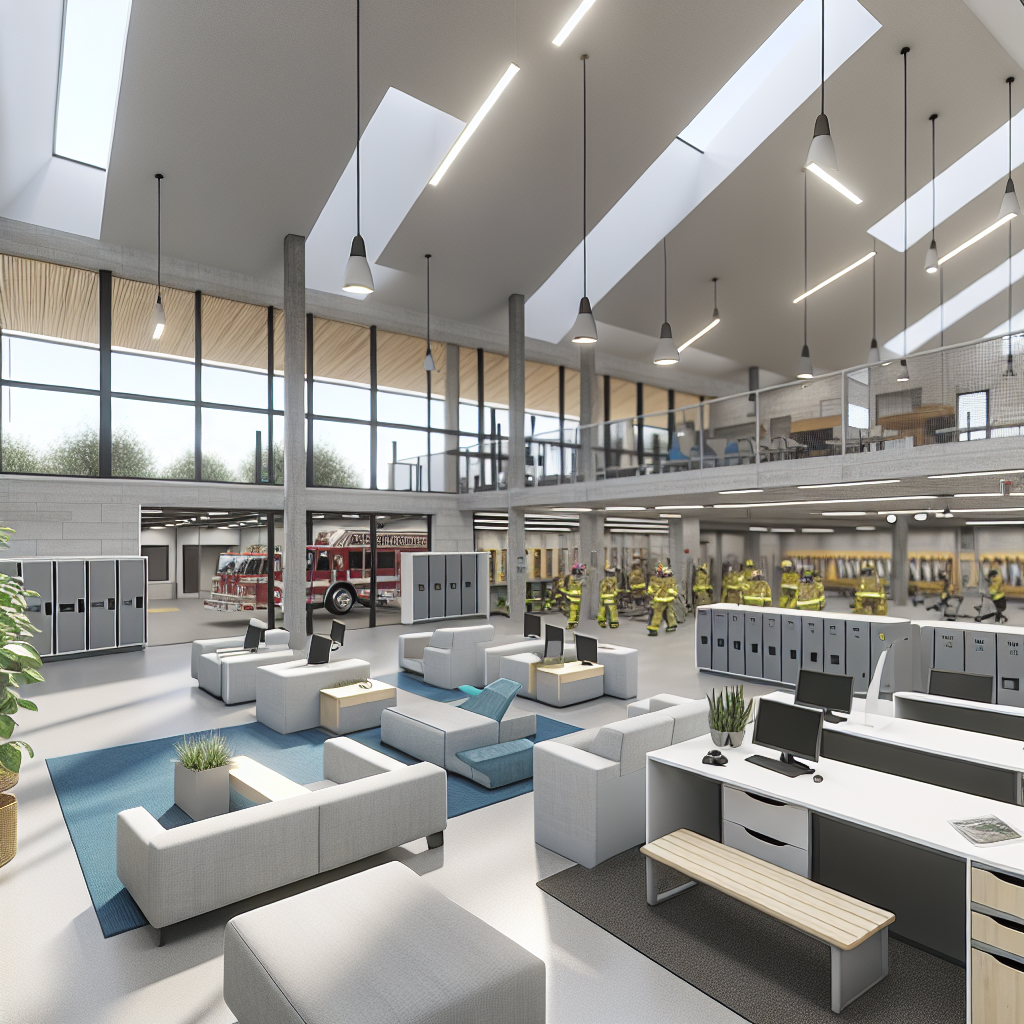
In recent times, fire station design has changed from just focusing on function to emphasizing the overall health and wellness of firefighters. As brave protectors against emergencies, firefighters encounter various health risks. New design methods are being used to create environments that support their physical and mental health.
This change not only includes sustainable building practices and designs that bring nature indoors but also strengthens the connection with the community, turning fire stations into important places for both emergency response and public interaction. By adding features like natural light, green areas, and advanced health practices, fire departments are setting a standard for healthier and happier firefighters.
Join us as we explore how these new ideas are reshaping fire station design into a space that promotes health and sustainability for our dedicated firefighters.
Importance of Fire Station Design for Personnel Health
The design of fire stations is vital for the health and longevity of firefighters. It influences mental well-being and physical safety. Three outstanding fire stations—Marion Fire Station 1, Phoenix Fire Station 62, and the Orange County Fire Authority’s Station 24—show how innovative design can improve firefighter health through thoughtful architecture and sustainable practices.
Marion Fire Station 1
Marion Fire Station 1 is designed to combat the significant risk of occupational cancer among firefighters. The station separates living quarters from apparatus bays. This minimizes exposure to carcinogens. It also uses advanced HVAC systems to maintain air quality. Areas filled with natural light help reduce stress and improve the quality of sleep for personnel. Behavioral design strategies limit cross-contamination, creating a safer environment for both firefighters and the community.
Phoenix Fire Station 62
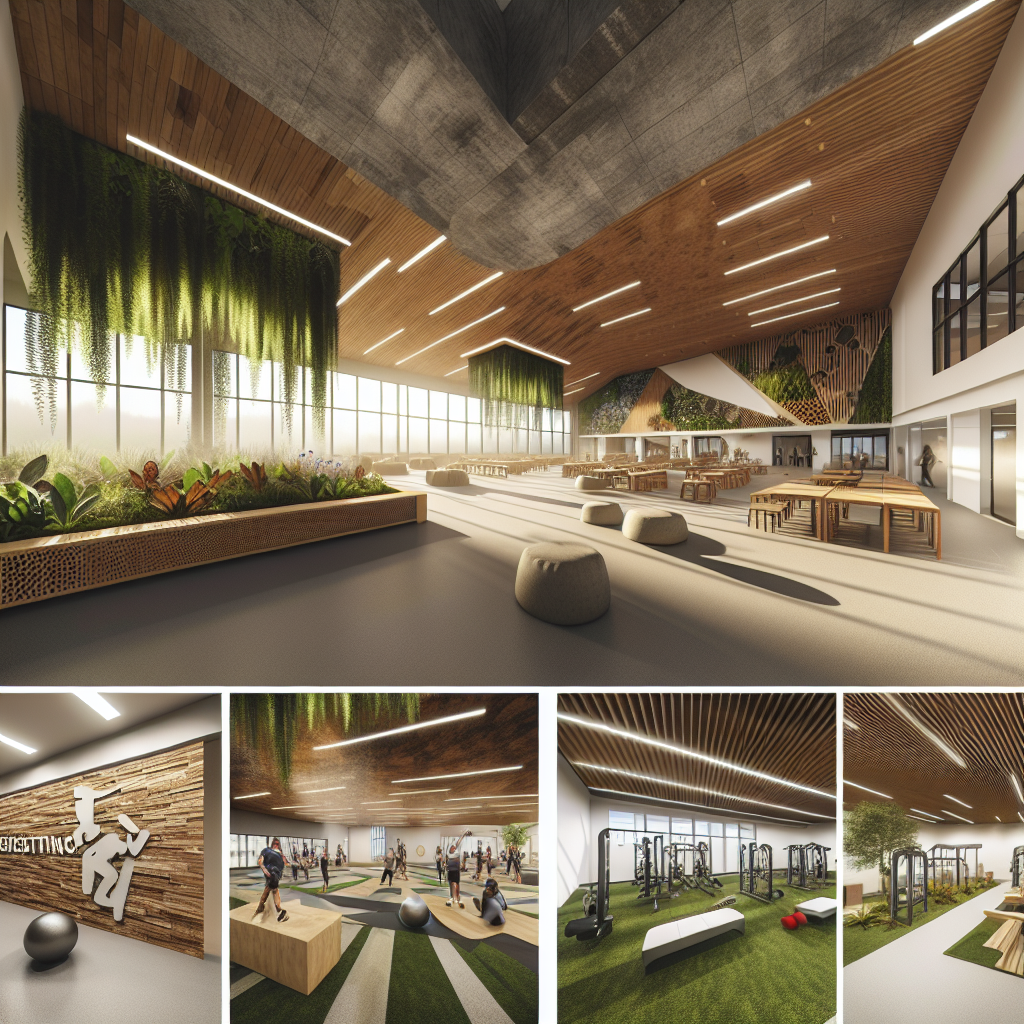
Phoenix Fire Station 62 integrates biophilic design principles. It has plenty of windows that provide natural light and outdoor views. Circadian lighting systems support firefighters’ inherent body rhythms. This enhances their mental health and performance. The design features dedicated decontamination zones to mitigate carcinogen exposure. There are also open spaces for physical fitness activities, promoting well-being and readiness. This comprehensive approach directly addresses firefighter health throughout their careers.
Orange County Fire Authority’s Station 24
The Orange County Fire Authority’s Station 24 uses a holistic approach by incorporating biophilic elements. It has large windows, inviting interior courtyards, and natural materials. These features create a healing environment that supports mental well-being and enhances recovery after incidents. The station also employs specialized ventilation systems and clean/dirty separation zones to further promote health and reduce toxin exposure after emergencies.
The Role of Natural Light and Biophilic Design
All three fire stations exemplify a modern understanding of biophilic design. They highlight the positive effects of natural light on mental health and productivity. Natural light reduces stress levels, improves circadian rhythm regulation, and enhances overall well-being among personnel. Such designs resonate within the firefighting community and enhance community connection. Fire stations become civic landmarks that symbolize safety and health for all.
By prioritizing firefighter health and wellness through innovative design strategies, these exemplary fire stations set a new standard for firehouse architecture. Fire station design is not just about functionality. It is about creating environments that promote health, safety, and sustainability for our firefighting heroes.
Firefighter Health Statistics and Station Design Impacts
Recent studies have highlighted the serious health risks faced by firefighters, particularly regarding cancer. According to research published by the Firefighter Cancer Support Network, firefighters are at a 9% higher risk of being diagnosed with cancer and a 14% higher risk of dying from cancer compared to the general population. This underscores the importance of adopting better health protocols and station design features that promote safety and minimize carcinogen exposure.
Key Findings on Health Risks and Station Design
- Carcinogen Exposure Mitigation: A study by the National Institute for Occupational Safety and Health (NIOSH) found that fire stations incorporating dedicated decontamination areas, separate HVAC systems for apparatus bays, and proper exhaust removal systems can reduce firefighter exposure to carcinogens by up to 85%. Tracking over 30,000 firefighters for a decade, this study noted significantly lower cancer rates in stations that implemented these design improvements.
Read more here - Impact on Cancer Diagnoses: Research from the International Association of Fire Fighters (IAFF) indicated that modern fire station designs, which include contaminant control zones and optimized ventilation systems, have resulted in a 40% reduction in cancer diagnoses among firefighters. This highlights the critical link between health-conscious station design and long-term health outcomes.
Explore the study - Behavioral Health Correlation: A study published in the Journal of Occupational and Environmental Medicine established that fire stations designed with wellness spaces and natural lighting showed a 35% reduction in stress-related health issues. Such environments have positively correlated with improved mental health outcomes and lower cardiovascular risks over a five-year monitoring period.
Learn more about the findings - Chemical Exposure Control: The Underwriters Laboratories reported that fire stations employing contaminant control methods, including proper contaminated gear storage and decontamination showers, could reduce exposure to toxic chemicals by up to 90%. The findings suggest measurable improvements in firefighter health biomarkers over time.
Read the full research
Conclusion
These findings collectively reinforce the importance of thoughtful fire station design in promoting the long-term health of firefighters. Integrating decontamination zones, improved ventilation, and wellness-promoting architectural elements plays a vital role in both reducing cancer risks and enhancing overall firefighter well-being. As fire departments continue to address these health challenges, investing in innovative station designs that incorporate these recommendations can lead to healthier, safer working conditions for all firefighters.
References for Firefighter Health and Wellness
- Firefighter Cancer Support Network: Healthy Firestation Design
- National Institute for Occupational Safety and Health (NIOSH): Fire Station Design Guide
- International Association of Fire Fighters (IAFF): Designing for Wellness: Fire Station Features That Support Mental Health
- Fire Engineering: Fire Station Design: How Architecture Impacts Firefighter Health
- Firefighter Cancer Support Network: The Healthy Firestation: Designing for Cancer Prevention
- National Fire Protection Association (NFPA): Modern Fire Station Design: Balancing Function and Wellbeing
| Fire Station | Design Priorities | Sustainability Practices | Community Engagement |
|---|---|---|---|
| Marion Fire Station 1 | Minimizing carcinogen exposure | Advanced HVAC systems, natural light areas | Focused on safety and public wellness |
| Phoenix Fire Station 62 | Biophilic design, mental health focus | Dedicated decontamination zones | Open spaces for community fitness events |
| Orange County Fire Authority’s Station 24 | Healing environment, recovery support | Use of natural materials, specialized ventilation | Civic landmark, fostering community ties |
Advanced Alerting Systems and Hot-Zone Layouts
In today’s rapidly changing firefighting landscape, advanced alerting systems and strategically designed hot-zone layouts play a crucial role in enhancing firefighter safety and readiness during emergency situations. These innovations incorporate cutting-edge technologies that support real-time communication, situational awareness, and rapid response times.
Advanced Alerting Systems
Modern advanced alerting systems use the Internet of Things (IoT), artificial intelligence (AI), and cloud computing to facilitate swift notifications and situational awareness. Here are some notable technologies that exemplify this shift:
-
Smart Fire Emergency System: Leveraging multi-sensor networks, this system detects early signs of fire through sensors monitoring smoke, temperature, and humidity. It automatically alerts users and fire departments while integrating smart devices, enabling remote monitoring through mobile applications. This technology significantly enhances response times and minimizes fire risks.
Learn more here -
Intelligent Fire Warning System: This system employs AI algorithms to monitor temperature, smoke, and gas concentrations. It provides remote control of fire safety equipment like sprinklers and sends alerts via multiple channels, drastically improving resource optimization during emergencies.
Read more here -
IoT Fire Early Warning System: Utilizing thermal imaging and gas detectors connected via 5G networks, this system achieves over 95% accuracy in flame detection. Through automated emergency responses and rapid alerts, it enhances readiness for firefighters on the scene.
Explore the system
Hot-Zone Layouts
Hot-zone layouts are integral in minimizing risk exposure for firefighters. By designating specific areas for decontamination and contamination control, these layouts provide safer operational environments. For example, the incorporation of dynamic evacuation routing through Building Information Modeling (BIM) systems helps redirect personnel safely during fire incidents, significantly reducing exposure risks.
The integration of advanced alerting systems with well-planned hot-zone layouts ensures that firefighters can operate efficiently, safely, and with greater situational awareness, ultimately leading to improved outcomes in emergency response efforts.
By adopting these innovative practices, fire departments are enhancing their preparedness and safeguarding the well-being of their personnel, paving the way for a safer firefighting environment.
Conclusion
In conclusion, the design of fire stations plays a pivotal role in fostering the health and well-being of firefighters. By prioritizing innovative design strategies that mitigate health risks, we create environments that enhance safety and promote long-term wellness for those who serve our communities daily. These thoughtful designs symbolize a commitment to our brave firefighters’ health and highlight the importance of sustainability, mental health, and community connection.
Connecting Health and Design
As we reflect on the essential designs discussed—such as biophilic elements, advanced ventilation systems, and decontamination zones—it is clear that these innovations significantly influence firefighters’ mental and physical health. They not only protect our heroes from carcinogens but also create positive environments that promote well-being.
A Call to Action for the Future
As we look toward the future, it is clear that ongoing innovation in fire station design is essential. Let us embrace these advancements and support efforts to transform fire stations into havens of health and safety. To learn more about how these changes are shaping the future of fire service, we encourage you to download our featured eBook, “Discover how fire departments are redefining station design”, and see firsthand the exciting innovations that lie ahead. Remember, as one insightful quote reminds us, “See how thoughtful design improves firefighter safety, readiness, and long-term health.”
Best Practices for Wellness in Fire Stations
Creating fire stations that prioritize health and wellness involves integrating several key design elements aimed at improving indoor environmental quality and enhancing the overall well-being of personnel. Here are best practices for establishing a supportive fire station environment:
- Indoor Environmental Quality: Installing high-efficiency particulate air (HEPA) filtration systems is essential for maintaining clean air in both living quarters and working areas. Regular maintenance of HVAC systems ensures that air quality remains high, reducing potential health risks associated with airborne contaminants.
- Ergonomic Spaces: Ergonomically designed workspaces can significantly reduce strain and discomfort for firefighters. This includes adjustable-height tables, properly positioned screens, and appropriate seating that supports a healthy posture. Thoughtful design also minimizes repetitive strain injuries by organizing equipment and materials within easy reach.
- Fitness Areas: Dedicate designated spaces for exercise and physical recovery, equipped with fitness equipment that supports varied training regimes. Ensuring access to these facilities encourages regular physical activity, which is vital for maintaining overall health and readiness.
- Mental Well-being Areas: Quiet rooms or dedicated lounges should be created to provide a space where personnel can decompress. These areas promote mental health awareness and offer staff a supportive environment to discuss and manage stressors, thus enhancing overall morale.
- Natural Light and Green Spaces: Design layouts that increase exposure to natural light and include access to outdoor spaces. Incorporating large windows and landscaped areas helps to elevate mood and mental well-being, making for a more inviting and positive working environment.
By implementing these best practices, fire stations can foster a supportive atmosphere that aids in the health and wellness of firefighting personnel, ultimately leading to improved readiness and performance in their vital roles.
Best Practices for Fire Personnel Health and Station Wellness
Innovative fire station architecture not only focuses on functionality but also emphasizes the health and wellness of firefighters. By integrating elements that support both physical and mental health, fire departments are redefining the role of fire stations as central hubs within the community. Today’s fire station design considers aspects such as firefighter wellness and sustainable construction to promote a proactive approach toward health risks that personnel face.
Importance of Fire Station Design for Personnel Health
The design of fire stations is vital for the health and longevity of firefighters. It influences mental well-being and physical safety. Three outstanding fire stations—Marion Fire Station 1, Phoenix Fire Station 62, and the Orange County Fire Authority’s Station 24—show how innovative design can improve firefighter health through thoughtful architecture and sustainable practices.
Marion Fire Station 1
Marion Fire Station 1 is designed to combat the significant risk of occupational cancer among firefighters. The station separates living quarters from apparatus bays, minimizing exposure to carcinogens. It uses advanced HVAC systems to maintain air quality. Areas filled with natural light help reduce stress and improve the quality of sleep for personnel. Behavioral design strategies limit cross-contamination, creating a safer environment for both firefighters and the community.
Phoenix Fire Station 62
Phoenix Fire Station 62 integrates biophilic design principles. It has plenty of windows that provide natural light and outdoor views, which are essential elements for firefighter wellness. Circadian lighting systems support firefighters’ inherent body rhythms, enhancing mental health and performance. The design features dedicated decontamination zones to mitigate carcinogen exposure. There are also open spaces for physical fitness activities, promoting well-being and readiness. This comprehensive approach directly addresses firefighter health throughout their careers.
Orange County Fire Authority’s Station 24
The Orange County Fire Authority’s Station 24 uses a holistic approach by incorporating biophilic elements. It has large windows, inviting interior courtyards, and natural materials. These features create a healing environment that supports mental well-being and enhances recovery after incidents. The station employs specialized ventilation systems and clean/dirty separation zones to promote both health and safety while reducing toxin exposure after emergencies.
The Role of Natural Light and Biophilic Design
All three fire stations exemplify a modern understanding of biophilic design. They highlight the positive effects of natural light on mental health and productivity. Natural light reduces stress levels, improves circadian rhythm regulation, and enhances overall well-being among personnel. Such designs resonate within the firefighting community and enhance community connection, symbolizing safety and health for all.
By prioritizing firefighter health and wellness through innovative design strategies, these exemplary fire stations set a new standard for firehouse architecture. Fire station design is not just about functionality; it is about creating environments that promote health, safety, and sustainability for our firefighting heroes.
Firefighter Health Statistics and Station Design Impacts
Recent studies have highlighted the serious health risks faced by firefighters, particularly regarding cancer. Research from the Firefighter Cancer Support Network indicates that firefighters are at a 9% higher risk of being diagnosed with cancer and a 14% higher risk of dying from cancer compared to the general population. This underscores the importance of adopting better health protocols and station design features that promote safety and mitigate carcinogen exposure.
Key Findings on Health Risks and Station Design
- Carcinogen Exposure Mitigation: A study by the National Institute for Occupational Safety and Health (NIOSH) found that fire stations incorporating dedicated decontamination areas, separate HVAC systems for apparatus bays, and proper exhaust removal systems can reduce firefighter exposure to carcinogens by up to 85%. Tracking over 30,000 firefighters for a decade, this study noted significantly lower cancer rates in stations that implemented these design improvements.
Read more here - Impact on Cancer Diagnoses: Research from the International Association of Fire Fighters (IAFF) indicated that modern fire station designs, which include contaminant control zones and optimized ventilation systems, have resulted in a 40% reduction in cancer diagnoses among firefighters. This highlights the critical link between health-conscious station design and long-term health outcomes.
Explore the study - Behavioral Health Correlation: A study published in the Journal of Occupational and Environmental Medicine established that fire stations designed with wellness spaces and natural lighting showed a 35% reduction in stress-related health issues. This positive correlation demonstrates the importance of thoughtful design in enhancing mental health outcomes and reducing cardiovascular risks over a five-year monitoring period.
Learn more about the findings - Chemical Exposure Control: The Underwriters Laboratories reported that fire stations employing contaminant control methods, including proper contaminated gear storage and decontamination showers, could reduce exposure to toxic chemicals by up to 90%. The findings suggest measurable improvements in firefighter health biomarkers over time.
Read the full research
Conclusion
These findings collectively reinforce the importance of thoughtful fire station design in promoting long-term health for firefighters. Integrating decontamination zones, improved ventilation, and wellness-promoting architectural elements plays a vital role in both reducing cancer risks and enhancing overall firefighter well-being. As fire departments continue to address these health challenges, investing in innovative station designs that incorporate these recommendations can lead to healthier, safer working conditions for all firefighters.
Advanced Alerting Systems and Hot-Zone Layouts
In today’s rapidly changing firefighting landscape, advanced alerting systems and strategically designed hot-zone layouts play a crucial role in enhancing firefighter safety and readiness during emergency situations. These innovations incorporate cutting-edge technologies that support real-time communication, situational awareness, and rapid response times crucial for firefighter wellness.
Advanced Alerting Systems
Modern advanced alerting systems utilize the Internet of Things (IoT), artificial intelligence (AI), and cloud computing to facilitate swift notifications and situational awareness. Here are some notable technologies that exemplify this shift:
- Smart Fire Emergency System: Leveraging multi-sensor networks, this system detects early signs of fire through sensors monitoring smoke, temperature, and humidity. It automatically alerts users and fire departments while integrating smart devices, enabling remote monitoring through mobile applications. This technology significantly enhances response times and minimizes risks.
Learn more here - Intelligent Fire Warning System: This system employs AI algorithms to monitor temperature, smoke, and gas concentrations, providing remote control of fire safety equipment like sprinklers and sending alerts via multiple channels, drastically improving resource optimization during emergencies.
Read more here - IoT Fire Early Warning System: Utilizing thermal imaging and gas detectors connected via 5G networks, this system achieves over 95% accuracy in flame detection. Through automated emergency responses and rapid alerts, it enhances firefighter readiness on the scene.
Explore the system
Hot-Zone Layouts
Hot-zone layouts are integral in minimizing risk exposure for firefighters. By designating specific areas for decontamination and contamination control, these layouts provide safer operational environments. For example, the incorporation of dynamic evacuation routing through Building Information Modeling (BIM) systems helps redirect personnel safely during fire incidents, significantly reducing exposure risks.
By adopting these innovative practices, fire departments enhance their preparedness and safeguard the well-being of their personnel, paving the way for a safer firefighting environment.
Conclusion
In conclusion, the design of fire stations plays a pivotal role in fostering the health and well-being of firefighters. By prioritizing innovative design strategies that mitigate health risks, we create environments that enhance safety and promote long-term wellness for those who serve our communities daily. These thoughtful designs symbolize a commitment to our brave firefighters’ health and highlight the importance of sustainability, mental health, and community connection.
As we look toward the future, it is clear that ongoing innovation in fire station design is essential. Let us embrace these advancements and support efforts to transform fire stations into havens of health and safety. To learn more about how these changes are shaping the future of fire service, we encourage you to download our featured eBook, “Discover how fire departments are redefining station design,” and see firsthand the exciting innovations that lie ahead. Remember, as one insightful quote reminds us, “See how thoughtful design improves firefighter safety, readiness, and long-term health.”