
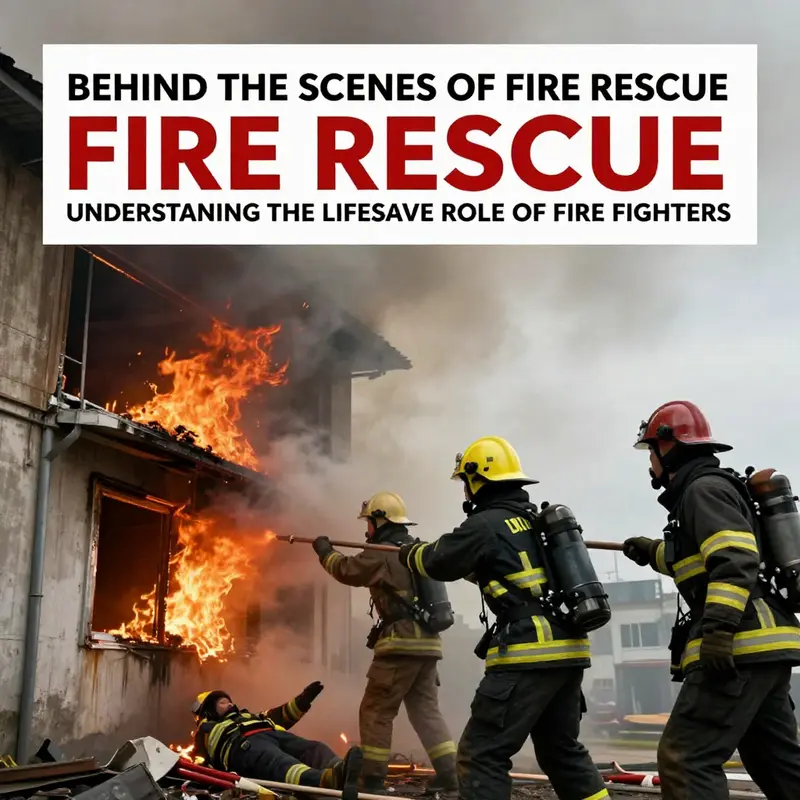
Fire rescue operations play a crucial role in safeguarding lives and property from the dangers of fire and other emergencies. Firefighters are the backbone of these operations, responding swiftly to incidents and executing complex rescue plans under extreme pressure. This article delves into the essential functions of fire rescue personnel, examining their daily responsibilities and operational tactics, followed by a discussion on how their efforts positively impact communities. Each chapter contributes to a comprehensive understanding of fire rescue, showcasing not just the heroics but also the strategic and educational elements that make these operations successful.
From Alarm to Action: Unpacking What Fire Rescue Really Does in the Community
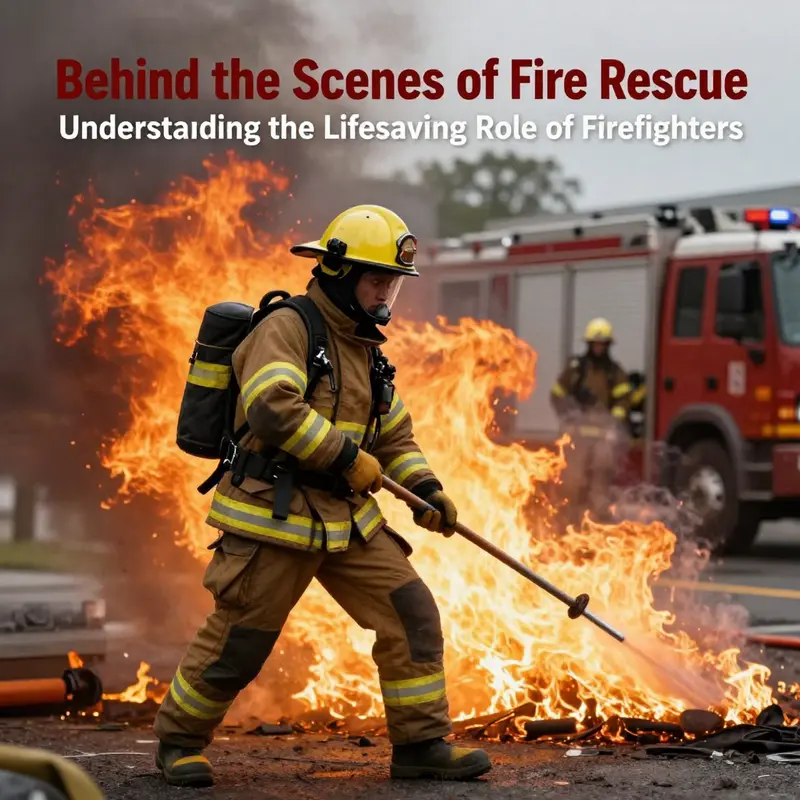
When the siren pierces the morning quiet or splits the night with a red glare, the scene on the street is only the visible edge of a longer, more intricate process. Fire rescue is not a single act but a chorus of coordinated responses that begin the moment an emergency is detected and extend far beyond the flames themselves. At its core, fire rescue is about protecting life and preserving property, yet the duties are broad and often overlap with medical care, public safety, and community resilience. The firefighters who answer the call carry a rigorous blend of training, discipline, and situational judgment. They are not only suppressors of fire but also rescuers, medics, educators, and partners in crime prevention. In many communities, the fire department operates as a front line for emergent health needs and as a catalyst for safety culture, turning high-stakes moments into teachable opportunities that reduce risk long before disaster strikes again.
To understand what fire rescue does, it helps to trace the arc of a typical emergency. It begins with rapid assessment after the dispatch. A first-arriving unit must quickly size up the scene: the structure involved, the likely hazards, the location of occupants, and the safest approach for entry. This assessment informs tactical decisions about whether to ventilate a smoke-filled space, where to deploy hose lines, and how to coordinate with other responding agencies. Suppression is the visible centerpiece—aiming to control and extinguish the flames, to stop the fire from extending, and to protect surrounding exposures. But the suppression mission is inseparable from rescue operations that prioritize human life. Firefighters search for occupants who may be unable to move, navigate through heat and smoke, and use protective gear to shield themselves while they move through debris or unstable structures. The objective is simple in intention, yet complex in execution: reach those in danger, extract them safely, and preserve as much of the environment as possible.
Rescue work expands beyond immediate occupant extraction. Technical rescues address accidents and complex hazards that demand specialized skills and equipment. Vehicle extrication is a common scenario where responders must stabilize the scene, assess structural integrity, and carefully remove trapped individuals without causing further harm. In industrial or domestic settings, responders may confront hazardous materials, leaks, or spills that require containment, safe isolation, and decontamination protocols. The ability to recognize these hazards quickly and to implement protective measures is central to reducing exposure risks for both victims and responders. Technical rescue capabilities are built on a backbone of ongoing training, practice, and adherence to standardized procedures that guide every decision under pressure.
Emergency medical services form a core component of fire rescue in many places. Firefighters often serve as immediate medical responders, providing life-saving care before ambulance teams arrive. They are trained to perform essential life support, pausing to administer CPR, stop bleeding, stabilize trauma, and assess vitals in chaotic environments. The goal is to bridge the gap to more advanced care, ensuring that patients are stable enough to survive transport to a hospital where definitive treatment can proceed. This EMS dimension is not a secondary function; it is woven throughout the response mentality. The first minutes after a collapse or serious injury are critical, and early intervention can dramatically influence outcomes. In practice, this means that firefighters are cross-trained as clinicians of sorts—able to deliver advanced first aid, make rapid triage decisions, and coordinate with paramedics and emergency departments to ensure continuity of care.
Public safety and prevention are equally integral to what fire rescue does. Communities rely on the department not only to respond to incidents but also to reduce the likelihood of them occurring in the first place. Fire prevention involves code enforcement, home safety inspections, and public education initiatives designed to help people understand how to reduce risk in daily life. This proactive work includes teaching families about smoke alarms, creating and practicing escape plans, and offering guidance on safe storage of flammable materials. The educational mission extends to schools, workplaces, and gatherings where people can learn about hazardous situations in a controlled setting and understand how to respond quickly and calmly when alarms sound. In this way, fire rescue becomes a partner in the broader public health effort to foster safer environments rather than merely reacting to danger after it happens.
The tools and equipment of fire rescue are as varied as the emergencies they confront. Fire apparatus range from traditional fire engines with hose lines to aerial devices that provide elevated access and spray capabilities, and from rescue trucks stocked with cutting tools to mobile medical units. The equipment list might include advanced lighting for night operations, thermal imaging devices to see through smoke, and hydraulic tools designed to pry and separate wreckage. Each tool has a purpose, and proficiency with them is cultivated through extensive training. In high-stakes conditions, the ability to select the right tool at the right moment can determine the difference between life and loss. Equally important are the safety practices that govern how responders use their gear: wearing protective ensembles, adhering to air quality standards, and maintaining rigorous checklists to ensure readiness before every shift.
The day-to-day rhythms of fire rescue also involve scene management and teamwork that transcend individual acts of courage. Incident command structures organize responders across agencies, ensuring that information flows quickly and decisions are made with a clear sense of priorities. Communication is the lifeline of the operation: radios crackle with updates from the interior teams, coordinators align the arrival of additional resources, and safety officers monitor conditions to prevent collapses or re-ignition. The social fabric of a rescue operation—trust, coordination, and mutual aid—shapes outcomes as surely as any flame or wave of smoke. The most effective rescues emerge when firefighters, paramedics, police, and sometimes specialized operators work as a unified team, each member contributing expertise to a shared objective: saving lives while minimizing harm to bystanders and responders alike.
Training standards anchor this complex mosaic. Firefighting and rescue are professions defined as much by discipline as by instinct. Real-world competence rests on rigorous, ongoing education that evolves with new hazards, technological advances, and changing urban forms. National standards bodies and professional associations codify the competencies needed to perform across a spectrum of incidents. These guidelines shape recruit education, in-service training, and professional development, ensuring that responders maintain readiness for a broad array of emergencies—from crowded events and apartment fires to wildland encroachment and industrial crises. The consequence of this structure is a workforce that remains adaptable, able to shift from rapid suppression in one scenario to delicate triage in another, often within the same shift. The result is a culture that prioritizes readiness, safety, and the never-ending imperative to learn from every call.
An area that increasingly defines modern fire rescue is the interface with the built environment. As cities grow denser and structures become more complex, responders must contend with high-rise challenges, urban canyons, and evolving architectural materials. The nature of risk shifts with each change in building design and occupancy. Fire prevention programs, therefore, do more than reduce fires; they influence how new structures are planned with safety in mind. Fire rescue services adapt to these changes by refining response tactics, updating training scenarios, and collaborating with designers, builders, and planners to embed safety into the fabric of a community before a siren ever sounds. This proactive posture extends to rural and rural-urban margins as well, where wildland interface zones and limited infrastructure demand resilience strategies that span prevention, suppression, and rapid medical care.
Beyond the immediate scene, fire rescue operators contribute to community resilience in meaningful ways. After the flames are checked and the scene stands down, responders often participate in follow-up care: reunifying families, coordinating with social services, and connecting displaced residents with shelter and resources. They help communities recover by assessing post-incident risks, coordinating with utility providers to secure power and gas lines, and offering debriefings that explain what happened and what next steps will be. In some communities, the department also acts as a hub for reevaluating building safety standards, identifying gaps in prevention programs, and advocating for resources that strengthen the entire emergency response system. This continuity—from urgent action to sustained support—underscores the essential role fire rescue plays: helping people endure and recover, not just survive, the most perilous moments.
To tie these threads back to the broader conversation about what fire rescue does, consider the connective tissue between preparation, response, and prevention. The work is continuous, moving fluidly from risk identification to rapid containment, from life-saving care to public education, and back again to prevention strategies that reduce the need for future interventions. It is a profession defined by problem-solving under pressure, collaboration across disciplines, and an enduring commitment to safeguarding communities. In literature and popular media, the dramatic arc of firefighting often centers on the moment of battle with fire. The reality, however, reveals a longer arc—one that begins long before alarms and extends well after the last ember has cooled. The chapter on what fire rescue does would be incomplete without acknowledging the quieter labors that sustain safety, the persistent education that lowers risk, and the partnerships that keep neighborhoods prepared and resilient.
As we explore these dimensions, we see how fire rescue blurs boundaries between emergency response and public service. It is not solely about extinguishing flames but about enabling safer, healthier communities through a combination of courage, knowledge, and thoughtful stewardship. The force we call “fire rescue” is really a system—complex, collaborative, and adaptive—that leverages human skill, organized process, and community trust to turn danger into a managed, comprehensible event. For readers who seek to see this enterprise in action beyond the adrenaline of the moment, the path often runs through spaces dedicated to sustainability and community health, where the firehouse itself becomes a symbol of preparedness and care. One such facet of this evolution is captured in discussions about sustainable spaces within fire stations, which illustrate how modern departments seek to balance efficiency, wellness, and service to the community. See the concept in depth at the-green-firehouse-creating-sustainable-spaces-for-community-and-health.
In closing, while the imagery of firefighting remains dramatic and compelling, the essence of fire rescue lies in the everyday acts that keep people safer and communities stronger. It is a profession built on rapid judgment, disciplined technique, and a moral commitment to protect those who cannot protect themselves. It is also a continuous process of learning—about buildings, about people, about the evolving threats that confront modern life. The chapter you have followed through these pages aims to illuminate that full spectrum: from the first alarm, through the tense dance of suppression and rescue, to the quiet, purposeful work of prevention and recovery. And as cities grow, as climates shift, and as risks diversify, fire rescue will continue to adapt—holding steady to its core mission while expanding its capacity to keep every community safer tomorrow than it was today.
External reference: https://www.nfpa.org/About-the-NFPA/News-and-Research/What-firefighters-do
In the Line of Heat: The Operational Realities of Fire Rescue—Equipment and Techniques in Action
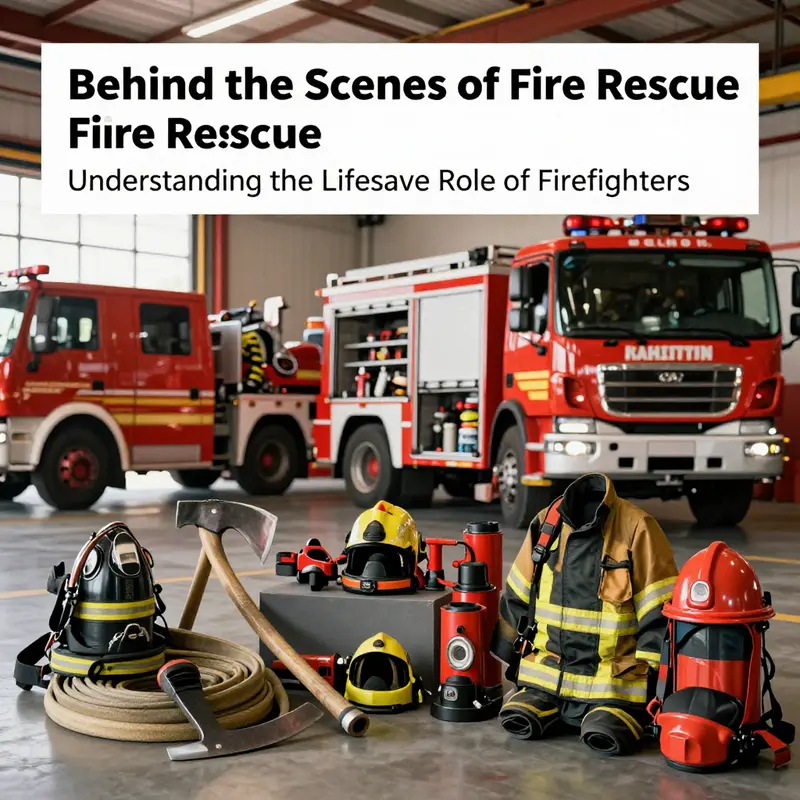
When a fire call comes in, responders face a sequence where gear and tactics meet under pressure. The foundation is PPE: helmets, eye protection, turnout gear, and gloves designed to withstand heat while preserving mobility. Fit and maintenance matter; poor fit or worn insulation can slow actions and increase risk. Beyond protection, water-based suppression relies on hoses, pumps, hydrants, and careful pressure management to move extinguishing agents where they are needed. Rescue work adds another layer, using hydraulics, rams, and cutting tools with trained technique to pry free trapped victims while protecting crews. Coordination is essential: preplanned entry routes, tool handoffs, and continuous reassessment keep the team aligned. Technology like thermal imaging, ventilation strategies, and drones supports judgment but does not replace experience and training. The fleet that brings tools to the scene—engines, ladders, and platforms—must be reliable and adaptable to local conditions. In short, equipment and technique are two halves of a single craft, bonded by training, discipline, and a shared commitment to safety and service.
Guardians Beyond the Blaze: How Fire Rescue Shapes Safer, More Resilient Communities
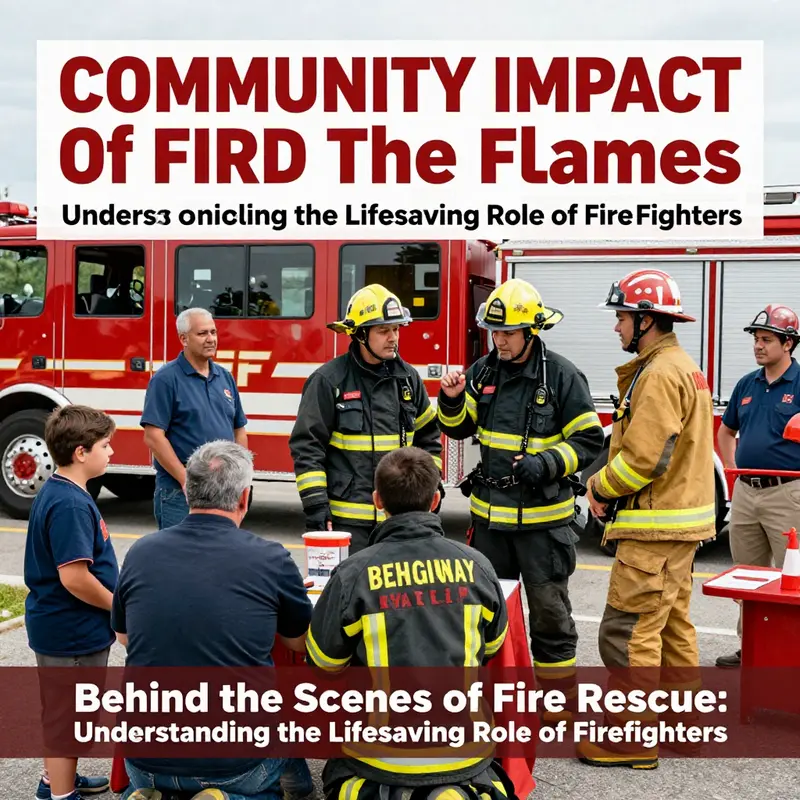
When most people think of fire rescue, they picture sirens, crews rushing toward smoke, and the dramatic rescue that ends with a survivor at a doorway or a high-rise window. Yet the true, everyday work of fire rescue extends far beyond those dramatic moments. It is a continuous, community-centered practice that blends prevention, education, rapid response, and compassionate support. In this sense, fire rescue is less a single act of bravery and more a comprehensive system of protection that builds safety from the ground up. The overarching question what does fire rescue do invites a broader answer: they anticipate trouble before it starts, they equip residents with the tools to manage danger, and they stand as trusted partners in the daily life of a neighborhood. This chapter unfolds that broader frame, tracing how prevention programs, education campaigns, and resilient routines emerge from the daily rhythms of fire rescue work and become a steady contribution to public well-being that outlives any single incident.
Prevention forms the backbone of the modern fire rescue mission. It begins with outreach that meets families where they are, in kitchens and living rooms rather than in fire stations. Home fire safety inspections identify risky electrical wiring, heating practices that can overheat a room, or clutter that blocks exits. When inspectors and trainers work side by side with households to address those findings, the relationship between residents and responders grows from one of fear to one of collaboration. The installation of smoke alarms, often funded or subsidized by the department, creates a measurable safety net that gives people seconds to react when a fire starts. In neighborhoods with limited resources, these preventive steps translate into real, tangible reductions in injuries and fatalities. The prevention work does not stop at alarms and checks; it extends to ongoing education that demystifies fire safety and makes it a shared responsibility across generations. For children, it means lessons that begin with fire science in simple terms and evolve into practical home routines; for the elderly, it means checklists that account for mobility challenges and sensory limitations; for tenants and homeowners alike, it means a plan you can rehearse and adapt as families grow or change.
Addressing root causes is central to sustained safety. Faulty wiring, dangerous space heaters, and blocked egress routes are hazards that do not vanish with a single intervention. Fire rescue agencies often coordinate with electrical safety programs, building inspectors, and landlords to create a continuum of care that targets the most common sources of ignition and exposure. The aim is not merely to extinguish fires but to prevent them from igniting in the first place. In high-risk communities—where structural aging, crowded living conditions, and financial constraints converge—prevention work becomes even more essential. It is in these places that a proactive, neighborhood-scale approach shows its strongest impact. When residents see that responders invest time to reduce risk, trust grows. Trust, in turn, makes it easier to disseminate preparation tools, such as escape plans and warm handoffs to safety resources, and it strengthens the social fabric that supports vulnerable neighbors during emergencies.
The education and prevention ethos extends into everyday life during the hours between alarms. Fire rescue teams often partner with schools, shelters, and community centers to run drills, demonstrations, and workshops. These sessions teach children how to react calmly in a fire, how to recognize the sound of a smoke alarm, and how to call for help. They also cover practical skills such as stop, drop, and roll, how to stay low in smoke, and how to identify two exits when possible. For adults, the training sessions address home safety audits, the safe storage of flammable materials, and the quick steps to shut off gas or electricity if safe access is possible. Beyond the technical knowledge, there is a social education that matters as much as any manual. When residents learn to communicate clearly about hazards, coordinate with neighbors who may need assistance, and practice calm decision-making under pressure, the community as a whole becomes a stronger, more cohesive unit prepared to weather crises together.
This emphasis on prevention and education does not pull fire rescue away from its core response duties; instead, it deepens the effectiveness of every intervention. A well-prepared community can reduce the number of emergencies that demand a large-scale rescue operation. Fewer fires mean fewer complications, faster evacuations, and less strain on medical services. The mutual reinforcement between prevention and response creates a virtuous circle: better preparedness lowers risk, which in turn makes it easier for responders to perform their duties efficiently when alarms finally sound. The long-term benefits ripple through the local economy and health care system by reducing hospital admissions, lowering repair costs, and shortening recovery times for families who do experience a fire. In this way, prevention is not a detached, philanthropic gesture; it is a practical strategy that preserves life, protects property, and sustains the community’s vitality over time.
The human dimension of fire rescue work—its role as a trusted community presence—often emerges most clearly in times of crisis and recovery. Firefighters and rescuers are not only technicians; they are neighbors who carry the memory of a neighborhood’s struggles and triumphs. Their visibility in everyday safety work helps demystify the emergency services and frames them as allies rather than authorities that arrive with sirens and stern faces. This relational trust matters because it shapes whether people will open their doors to a home safety visit, accept a smoke detector, or share concerns about hazards in their surroundings. It also means responders can provide emotional support during crises, bridging the gap between professional response and the human need for reassurance. When families experience a frightening event, the presence of familiar faces who offer a steady, compassionate response can transform a moment of panic into a pathway toward recovery and resilience. The continuity of this relationship—from routine safety checks to the moment of a high-stakes rescue—creates a societal layer that supports mental health, fosters social cohesion, and reinforces civic responsibility.
An important aspect of the community impact lies in how fire rescue services measure and adapt their prevention strategies. Agencies increasingly rely on data to tailor their outreach and assess outcomes. Metrics like the rate of smoke alarm ownership over time, the incidence of residential fires in a given district, and the level of community preparedness before disasters occur become the compass by which programs are steered. The 2025 study in Fire and Rescue Service Community Safety Initiatives emphasizes the value of systematic evaluation: it shows how capturing data on prevention activities, such as home visits and educational sessions, helps authorities justify funding, refine programs, and demonstrate cost-effectiveness to stakeholders. The study’s approach highlights the practical link between what happens in the firehouse and what happens in the living rooms, kitchens, and schools where people live their daily lives. By translating actions on the ground into measurable results, fire rescue agencies turn prevention into accountable public service, not merely a charitable obligation or a civic ritual.
The practical implications of prevention-driven safety extend beyond the immediate community. When a district experiences consistent improvements in safety metrics, the benefits accumulate in public health and social well-being. Fewer injuries from fires mean fewer days lost at work, less burden on emergency medical teams, and lower costs for families repairing damage that could have been avoided. These shifts also influence local policy and budgeting. When leaders see that prevention programs are reducing risk and improving readiness, they are more likely to support sustained funding for home safety inspections, community education, and equipment upgrades. The long arc of impact becomes visible in healthier, more confident neighborhoods where residents feel equipped to protect themselves and each other. In this sense, the work of fire rescue transcends the dramatic rescue narrative; it is an ongoing act of stewardship that cultivates a safer baseline for everyday life.
To connect these strands back to concrete practice, consider how one can orient a community around prevention in ways that feel inclusive and practical. Start with listening: what hazards matter most in a given area, which populations need tailored outreach, and which barriers prevent people from taking preventive steps. From there, design a program that blends home visits with education in schools and community centers, and pair it with tools that make safety actionable—for example, simple checklists, multilingual materials, and a schedule that fits busy family lives. The Green Firehouse concept, which positions the station as a hub for community and health, offers a tangible example of how prevention can become a community asset rather than a solitary response unit. For more on this holistic approach to community-centered fire services, you can explore The Green Firehouse: Creating Sustainable Spaces for Community and Health. The Green Firehouse: Creating Sustainable Spaces for Community and Health.
In the end, the question of what fire rescue does resonates most clearly in the steady, patient work of prevention and community engagement. It is in the home safety checks that catch a dangerous wiring setup before it sparks a blaze, in the smoke alarm campaigns that create a reliable early warning system, and in the school drills that teach the youngest residents to act with calm and clarity. It is in the continuity of relationships—neighbors who trust the responders, responders who listen to concerns, and communities that prepare together for life’s uncertainties. This is the daily, lived impact of fire rescue: not only a response to danger but a continuous investment in collective safety, resilience, and the shared confidence that when danger does arrive, a community that has prepared together will endure and recover more quickly. The broader lesson is clear. Fire rescue does not exist solely to suppress flames; it exists to reduce the fuel that feeds them—through prevention, education, and the steady cultivation of trust that makes safety a shared practice rather than a solitary act.
External reference: https://www.sciencedirect.com/science/article/pii/S1357729825000476
Final thoughts
Fire rescue operations extend far beyond simply extinguishing fires. They encompass a wide range of roles, technical skills, and community engagement that can save lives and prevent disasters. Understanding the scope of fire rescue helps reinforce the importance of supporting such essential services and encourages communities to participate in safety initiatives. By appreciating the critical work firefighters do, we acknowledge their unwavering commitment to protecting our lives and property, thus fostering a safer environment for all.