
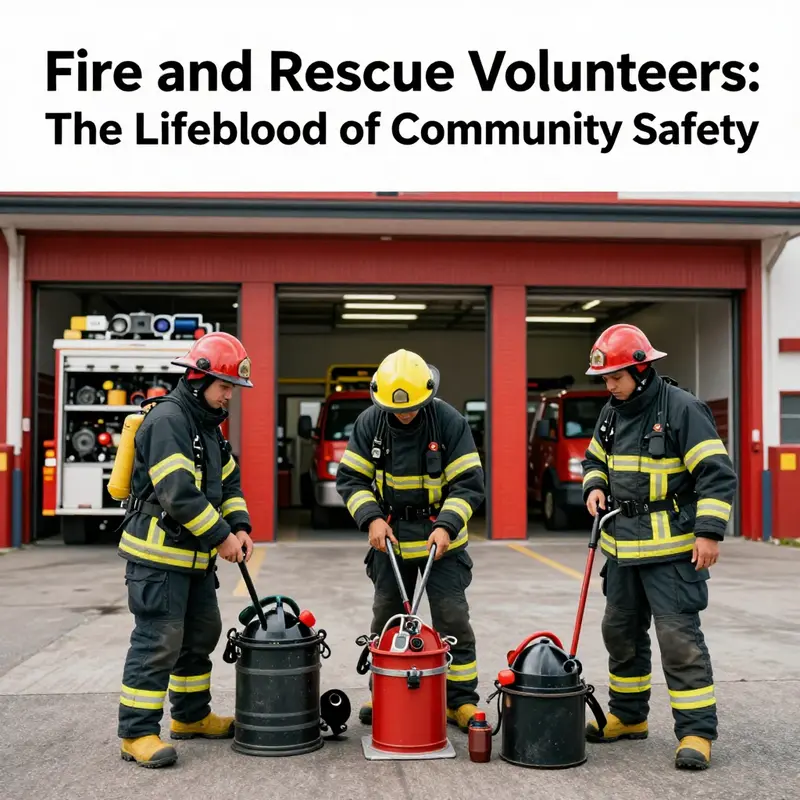
Fire and rescue departments embody a critical pillar of community safety, with volunteers serving as the backbone in many areas, particularly rural regions where full-time staffing is limited. These selfless individuals not only assist in firefighting and emergency response but also engage in various activities that enhance community resilience and safety. Understanding the role of these volunteers illuminates their impact, while appreciating the benefits and challenges they face fosters greater support and involvement. Furthermore, effective training and community engagement strategies ensure these heroes are well-prepared for emergencies. This holistic exploration unveils the contributions of volunteer fire and rescue personnel and emphasizes their significance within our communities.
Guardians on Call: The Global Impact of Volunteer Fire and Rescue Teams
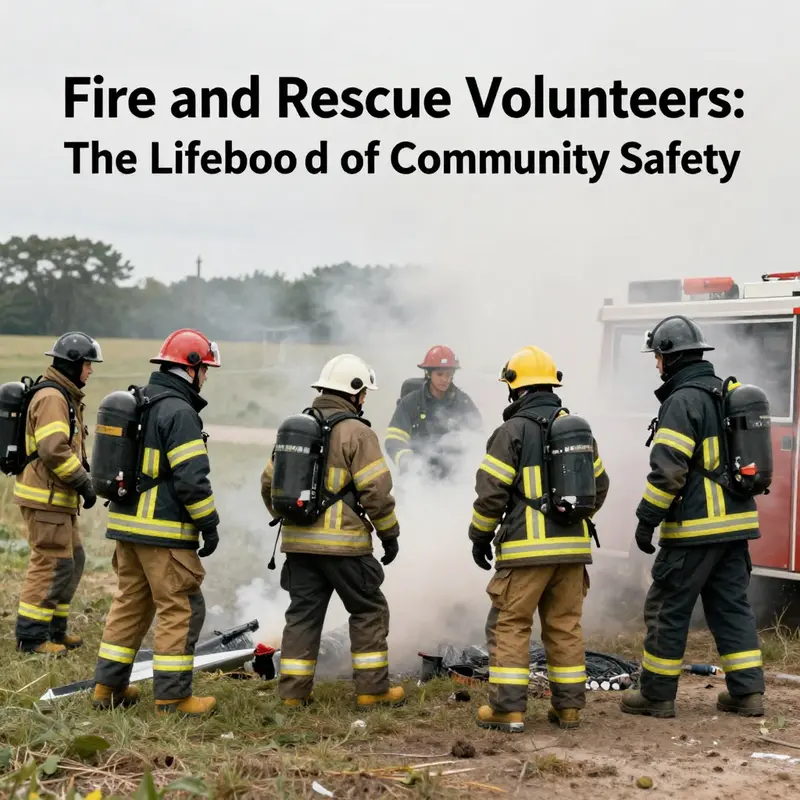
Across every continent and within countless communities, the presence of volunteers within fire and rescue departments forms a quiet but transformative backbone of public safety. These are not merely a spare set of hands; they are a living bridge between everyday life and the high-stakes demands of emergency response. In places where professional staffing may be limited by geography or budget, volunteers expand the reach of the fire service, shortening response times, extending safety education, and infusing neighborhoods with a practical, communal sense of resilience. The chapter that follows unveils how volunteers operate, why they matter, and how innovative models—some born in distant cities—are expanding who can serve, how they learn, and what it means to protect a community when help is only a moment away.
At a structural level, volunteer fire and rescue departments perform a wide spectrum of tasks. They respond to structure fires, yes, but their remit often extends to bush and scrub fires, vehicle crashes requiring extrication, hazardous material incidents, and medical emergencies where minutes can be the difference between life and death. Their presence boosts rapid response, especially in rural or sparsely populated regions where paid staffing cannot always be round-the-clock. Beyond the sirens and the flame-retardant gear, volunteers contribute in quieter but equally vital ways: they maintain and inspect equipment, organize training sessions, draft incident reports, and help with administrative duties that keep a fire department functioning smoothly. They also act as a conduit for public education, presenting at schools, clinics, and community events to teach fire prevention, escape planning, and basic first aid. This multifaceted contribution helps ensure that safety is not only a response to danger but an ongoing, day-to-day discipline embedded in daily life.
What makes volunteers so powerful is not only the speed of a response but the social fabric they weave around a community. People who volunteer often describe a motivation rooted in service—a desire to protect neighbors, friends, and family members from harm. The most frequently cited reason for joining is to help others, to keep people safe during emergencies, and to create a sense of belonging within one’s own town or district. This sense of belonging becomes a durable social asset, building trust and reciprocity across neighborhoods. When a community recognizes a volunteer as a familiar, trusted presence at a local fire station or during a public safety event, that recognition generates social capital: residents are more likely to share hazards they observe, participate in prevention campaigns, and support ongoing safety investments. In this way, volunteers contribute not only to the immediate outcome of a response but to the long arc of community resilience.
Training forms the backbone of a volunteer’s readiness. Although volunteers are not paid for their service, their training is rigorous and comprehensive. It covers firefighting techniques, first aid, emergency medical response, technical rescue, and safety protocols. Training also extends to risk assessment, incident command, and interoperability with professional responders. The goal is to cultivate a cadre that can operate safely and effectively in dynamic and potentially dangerous environments, while also maintaining the humility and discipline that comes with serving a community. The demanding nature of this training often produces a high level of competence that surprises people who view volunteering as a casual commitment. The professional partners with whom volunteers work—paid firefighters, paramedics, and local emergency managers—benefit from that shared training, which fosters trust and coordination during real incidents.
Across borders, volunteerism in fire and rescue is neither rare nor marginal, but rather a recognized and integral element of the emergency response framework. In many parts of the United States, for example, the majority of fire departments rely on volunteers to augment professional staffing, particularly in rural towns where resources are stretched. The statistic—more than 70 percent of fire departments are volunteer-based in certain contexts—speaks to a model in which community members become part of the system that protects them. In Canada and the United Kingdom, volunteers perform duties that mirror those of their paid counterparts, with specializations that include first response to medical calls and prevention outreach in schools and senior centers. Australia and parts of Europe likewise lean on volunteer squads to extend coverage to communities that would otherwise face gaps in safety infrastructure. Each system has its quirks, but the common thread is a recognition that safety is a collective enterprise that thrives when neighbors participate.
What makes the volunteer model particularly compelling in the modern era is the emergence of innovative engagement strategies. New approaches are designed to widen the pool of potential volunteers beyond the traditional pool of former firefighters or retirees. In China, for instance, cities like Chongqing have developed specialized volunteer teams drawn from delivery riders who can navigate dense urban landscapes with speed and familiarity. In Shijiazhuang, Hebei Province, a fire volunteer service team coalesced from shared electric bike maintenance personnel, turning a familiar fleet of city riders into a network capable of early fire detection and rapid reporting. Shanghai has experimented with integrating fire safety volunteer work into neighborhood grid management, weaving fire prevention into the daily routines of residents and local businesses. These models are not about replacing professional responders but about creating an expanded safety ecology where information, early warnings, and preventive actions originate closer to where people live and work.
The value of such models is reinforced by recognition at national levels. A Sichuan province fire service project was honored with a national award, underscoring how well-designed volunteer initiatives can accelerate improvements in public safety outcomes. Awards and formal recognition help sustain volunteer programs by validating the effort, directing funding, and attracting new volunteers who see that their contributions will be acknowledged and valued. The trajectory toward greater recognition of volunteers aligns with broader shifts in public safety—toward prevention, preparedness, and community ownership of safety tasks that used to be the exclusive province of paid responders.
As volunteers contribute across a spectrum of tasks, their role in community education becomes a cornerstone of prevention. Public safety education—home fire safety checks, school visits, workplace training, and neighborhood seminars—helps reduce the incidence and severity of emergencies before they occur. Volunteers often serve as the front line in prevention, offering practical guidance that resonates with local contexts. They can translate fire safety guidelines into actionable steps for households and small businesses, adapting messages to languages, cultures, and the specific hazards present in different areas. This education is not a one-off event but a sustained effort woven into the fabric of a community, creating a culture of vigilance that persists from season to season and year to year.
The breadth of volunteering is also expanding through cross-sector partnerships that leverage non-traditional skills and networks. In many regions, volunteers include elements of transportation and mobility networks, with riders and drivers who can quickly bring first responders to the scene or deliver essential equipment when access is limited. In other places, volunteers bring technical expertise in maintenance and logistics, ensuring that vehicles, gear, and communications equipment are ready for action. The overlap with other public services creates a more integrated public safety ecosystem in which volunteers are not isolated from the daily rhythms of the community but are embedded within them.
The question of what makes a volunteer effective is inseparable from the opportunities they are given to learn, grow, and feel accountable to their communities. The National Volunteer Firefighters Association (NVFA) offers resources that illuminate best practices in recruitment, training, and retention. These resources emphasize that effective volunteering requires clear expectations, ongoing training, proper safety protocols, and channels for feedback. When volunteers see that their work is professional, purposeful, and supported, their commitment deepens, and they are more likely to stay engaged over the long term. This alignment between personal motivation and organizational support fuels a virtuous cycle in which volunteers become not only responders but mentors, educators, and community anchors.
The practical realities of volunteer work also reveal the importance of coordination and safety. Volunteers operate within a structure that binds them to established incident command and communications protocols. They learn to work in teams under the leadership of experienced professionals, to recognize the limits of their training, and to call for backup when a scene evolves beyond initial expectations. This discipline is essential to safeguarding volunteers themselves and ensuring that the broader response remains cohesive and effective. The balance between autonomy and accountability is delicate; it requires ongoing training, regular drills, and transparent oversight. When well managed, it yields a resilient force that can adapt to a range of emergencies—from kitchen fires in suburban homes to wildland fires that threaten miles of forest and communities alike.
The role of volunteers extends beyond the responding firefighter’s mantle. People who join volunteer squads often contribute to the social life of the department as well, offering mentorship to new recruits, organizing community events, or coordinating charitable drives that support families affected by disasters. This social dimension is not incidental; it strengthens the social fabric needed for long-term safety. When communities perceive the fire service as accessible and participatory, residents are more likely to report hazards, pursue home safety improvements, and cooperate with prevention campaigns. The volunteer ethos thus becomes a catalyst for a broader culture of preparedness that can outlast the immediacy of any single incident.
To illustrate how these dynamics play out locally, consider the way volunteer teams integrate with urban governance and neighborhood administration. In Shanghai, for example, the alignment of fire safety with neighborhood grid management means that safety concerns are part of the daily contact points between residents and the city. Fire risk is talked about in kitchen chats, during apartment complex meetings, and in small business associations. Volunteers who understand that cadence can identify risks earlier and mobilize neighbors to take corrective steps—installing smoke detectors, planning escape routes, or storing flammable materials more safely. The result is a proactive posture toward safety that complements the reactive, incident-driven work of professional responders.
The case for volunteers is not about replacing paid staff; it is about expanding capacity, enhancing coverage, and embedding a culture of safety into the daily rhythm of communities. When a rural town witnesses volunteers arriving in minutes for a local alarm, when a school sees volunteers delivering fire prevention talks that are built from familiar, local references, and when professionals acknowledge the value of volunteers’ early detection and community intelligence, a robust partnership emerges. This partnership is the engine behind stronger, more agile emergency services that can respond with speed without compromising safety. The volunteer model thus becomes an adaptable framework for resilience, one that can adjust to changing demographics, urban growth, and the escalating complexity of hazards facing communities today.
The landscape of volunteerism continues to evolve through both formal recognition and informal innovation. A telling example is the integration of non-traditional volunteers, such as delivery riders or bike maintenance workers, into formal safety roles where their mobility, local knowledge, and daily routines align with prevention and early response efforts. These innovations are not merely clever experiments; they reflect a deeper understanding that safety is most effective when it is embedded in the everyday lives of people. When a resident with intimate knowledge of a neighborhood and its routes can quickly report a fire or help organize a neighborhood drill, the entire system gains a level of responsiveness that would be hard to achieve with a conventional, centralized approach alone. The result is a safety net that covers more ground, more quickly, and with greater accessibility for diverse segments of the community.
The potential for growth in volunteer engagement is not limited to urban centers or to regions with high levels of civic organization. It is also relevant to developing contexts where resources are scarce and the urgency of preparedness is high. In many developing countries, volunteer networks are evolving to meet unique local needs. For instance, volunteer teams may be drawn from professional communities that are not traditionally linked to firefighting yet possess complementary skills useful in emergencies—logistics, communications, or electrical maintenance. By leveraging these skill sets, communities can build more versatile and cost-effective safety frameworks that still align with core training and safety standards. The guiding principle remains clear: volunteers are most effective when they are empowered with clear roles, reliable training, and access to consistent leadership and resources.
The journey of volunteers also raises important questions about sustainability and equity. If volunteer pools become highly selective or concentrated in certain demographics, gaps will reappear in other areas. This is why broad-based recruitment, inclusive training, and supportive policies are essential. Programs must address barriers to participation—time constraints, safety concerns, childcare, or transportation—so that a wider spectrum of neighbors can contribute. In doing so, they guard against a narrow definition of who is “fit” to help and instead cultivate a living, inclusive practice of service. In turn, communities gain not only safer streets and homes but a richer social contract in which all residents feel they have a stake and a role in protecting one another.
The momentum around volunteer fire and rescue work suggests that a future built on shared responsibility is not only desirable but feasible. When communities design for inclusivity, practical training, and interoperable operations, they create a system that can adapt to shocks—from back-to-back wildfires to sudden surges in medical calls. The volunteers who emerge from these systems are rarely solitary heroes; they are connected threads in a network of neighbors who know each other, trust each other, and act in concert when danger appears. That is the essence of a resilient public safety culture: a culture that treats protection as a collective act and treats preparedness as an ongoing practice rather than a one-off event.
For anyone seeking to deepen their understanding of how volunteers fit into the broader arc of fire and rescue services, a broader view of innovation and learning is essential. The literature and case studies emerging from various cities show measurable gains when volunteer models are supported with structured training, clear career pathways, and robust governance. These elements help volunteers translate passion into performance, turning good intentions into effective action under pressure. They also help professional departments leverage volunteer strength without compromising on safety or accountability. The stories from Chongqing, Shijiazhuang, and Shanghai are not isolated curiosities; they are exemplars of a broader shift toward a more interconnected, community-centered emergency response paradigm. If one thread unites these examples, it is a shared belief that safety is best realized when communities are empowered to participate actively in prevention, preparation, and response.
As readers reflect on these patterns, they may also consider how to translate them into their own contexts. If the goal is to build stronger neighborhood safety ecosystems, the prescription is not to replicate a model from another country wholesale but to adapt the underlying principles: accessibility, practical training, meaningful roles, and local leadership. The result is a volunteer force that resonates with the values of the communities it serves—values of solidarity, responsibility, and mutual aid. The power of volunteers lies not in their absence of risk but in their willingness to show up, learn, and work alongside professionals to protect lives and safeguard futures. In this sense, volunteers are not peripheral actors in the story of fire and rescue; they are co-authors of a safer, more connected public realm.
To connect this discussion to the broader arc of the article, consider how these human networks intersect with technology, policy, and urban design. When a city invests in volunteer training programs, it also invests in data networks that help volunteers stay informed about hazards and priorities. When communities embrace volunteer-driven prevention campaigns, they create opportunities for schools, workplaces, and neighborhoods to participate in safety as a daily practice. The chapter invites readers to imagine safety as a shared craft—one that blends professional expertise with local knowledge, volunteer commitment with institutional support, and traditional drills with creative, community-informed strategies. The narrative presents more than a description of what volunteers do; it reveals why their presence matters, how their work changes the fabric of safety, and what it takes to sustain a model that honors both service and science.
For those drawn to the intersection of innovation and service, one narrative thread stands out as especially telling: the ongoing work to broaden who can contribute to fire and rescue. In this light, volunteers aren’t just filling gaps; they are expanding the horizon of public safety. They are turning every neighborhood into a potential point of early detection, every local organization into a partner in prevention, and every citizen into a steward of communal security. That is the deeper promise of volunteer-based fire and rescue systems: a resilient, inclusive, and dynamically adaptive approach to safeguarding lives, properties, and the livelihoods that depend on them. In the chapters that follow, this promise becomes a more concrete map of how policy, training, and community engagement can converge to produce safer, more prepared communities across diverse landscapes.
For readers interested in exploring how innovations in safety practice are being documented and shared, a useful resource is the broader conversation about transforming fire services. See this exploration of how museums and public-facing learning spaces are reframing fire safety and rescue as part of community education and culture: Innovation Museum transforming fire services. This line of inquiry helps illuminate how voluntarism and formal expertise can reinforce one another, providing a fuller spectrum of protective capabilities that communities can rely on when danger arises. As this chapter demonstrates, the future of fire and rescue lies not in choosing between volunteers and professionals but in weaving together a tapestry of skills, stories, and shared responsibilities that makes every community safer, more connected, and more capable of facing the unknown together.
External resource: https://www.nvfa.org
Guardians Without Pay: The Promise, Practice, and Perils of Volunteer Fire and Rescue Departments
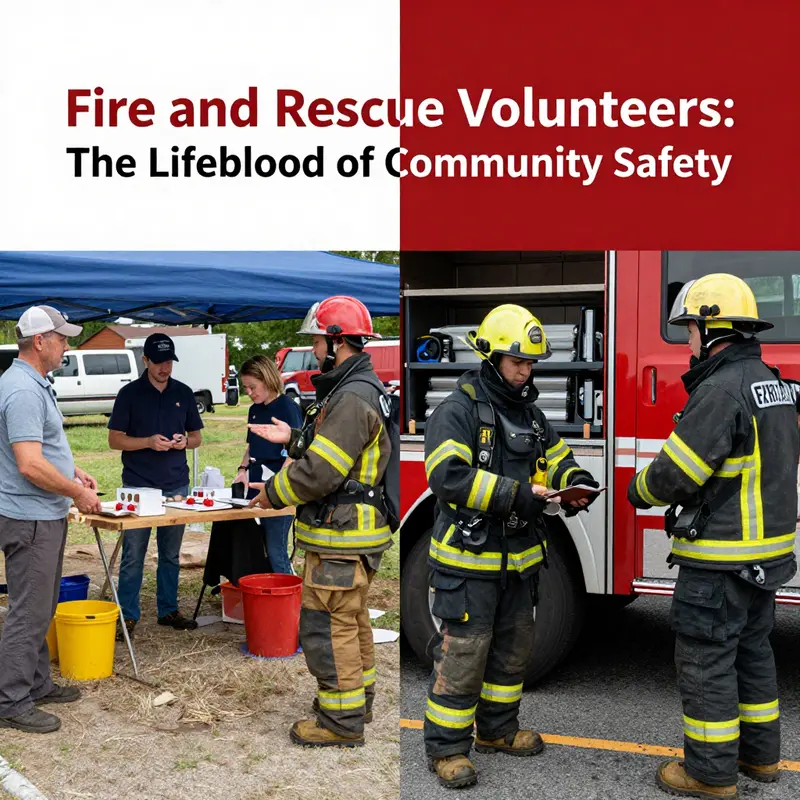
Across towns and countryside, volunteer fire and rescue departments stand as a hinge between fear and safety. They are the quiet local force that mobilizes when a siren interrupts daily life, a force that threads community identity with emergency response. The question of whether fire and rescue should be volunteer, in the sense of a dependable, organized, and professional service, has no single yes or no answer. Instead, it unfolds as a spectrum shaped by geography, resources, culture, and the evolving demands of modern crises. In many places, volunteers are not an optional extra but a core component of the emergency response network. They fill gaps, extend reach, and provide a bridge between professional responders and the residents they serve. They bring a familiar face to emergencies that can otherwise feel distant, a person who knows the local terrain, the neighborhood lanes, and the quiet corners where a fire might take root before it is noticed. In rural and peri-urban areas, where full-time staffing is hard to sustain and population density does not easily justify a large paid squad, volunteers multiply the capacity of the service and preserve the community’s sense of safety and continuity. They train, drill, respond, and then return to their everyday lives, carrying their experiences into schools, clubs, and workplaces, where they teach prevention, raise awareness, and foster a culture of preparedness that can save lives when seconds matter most.
What makes volunteer fire and rescue departments both powerful and essential is the combination of local accountability and professional collaboration. Volunteers often operate at the front line of public safety, engaging in activities that a purely commercial or industrial model would struggle to sustain. They participate in first aid and emergency medical response, learn firefighting techniques, handle hazardous materials scenarios, and practice crisis management under the supervision of experienced career firefighters. The training is rigorous, and the expectations are clear: volunteers must understand safety protocols, risk assessment, and the line between decisive action and hazard. They learn to work in teams that blend the energy and flexibility of volunteers with the discipline and reliability of full-time professionals. When a large incident occurs, the synergy of paid and volunteer personnel can accelerate scene management, improve patient care, and stabilize a developing emergency more quickly than either group could alone. This cooperative model is not merely a convenience; it has proven to be a resilience strategy, especially in regions where resources are finite and emergencies do not respect administrative boundaries.
The benefits of volunteer involvement extend well beyond the immediate rescue. Community engagement, for example, is often heightened in departments that rely on local residents who step forward to serve. Volunteers serve as ambassadors, educators, and role models who demonstrate firsthand how prevention reduces risk. They deliver fire safety programs in schools, businesses, and community centers, translating complex safety concepts into practical steps that families can implement. In doing so, they strengthen the social fabric by reinforcing shared responsibility for neighbors and neighborhoods. Public safety promotion, in turn, is not a one-way transfer of information. It becomes a reciprocal exchange—residents feel heard, and volunteers gain a deeper understanding of local needs, patterns, and the seasonal rhythms that influence risk. This two-way street helps tailor prevention campaigns to specific communities, whether they are aging rural towns with long driving commutes or bustling districts where urban hazards converge with density pressures.
From a skills perspective, volunteers benefit enormously from the range of learning experiences they encounter. First aid training, for instance, equips them to render immediate care that can stabilize a patient until professional medical teams arrive. Firefighting techniques evolve as equipment, tactics, and building materials change, and volunteers keep pace through ongoing drills and supervised practice. Handling hazardous materials, though less common in everyday life, is a critical capability that protects responders and residents alike during incidents involving dangerous substances. Crisis management—coordinating communications, allocating personnel, and maintaining calm under pressure—is perhaps the most transferable skill set. It translates into better teamwork in everyday life, too. The personal and professional growth that accompanies this training often ripples beyond the emergency scene, boosting self-confidence, leadership abilities, and civic engagement across the community. Volunteers may find themselves stepping into leadership roles, mentoring new recruits, or taking part in governance discussions that shape the strategic direction of their departments.
A key attribute of volunteer systems is flexibility. The nature of volunteer work invites a more adaptable schedule than a strictly salaried role might, making it feasible for people balancing work, family, and school commitments to contribute meaningfully. This flexibility, however, comes with its own set of complexities. Training and drills must be scheduled to fit family calendars and work commitments, and responders must be available on short notice during real emergencies. The challenge is to create a cadence that respects volunteers’ time while preserving readiness. When done well, this balance yields a dependable cadre of trained responders who can be mobilized quickly, often with minimal lead time. The result is an emergency response posture that is responsive to the local rhythm of life—a slow pandemic of risk in some pockets of the world and a rapid surge of activity in others, but always anchored by community familiarity and trust.
Of course, volunteer fire and rescue departments confront substantive challenges that test the sustainability of this model. Time commitment remains the most conspicuous impediment. Training, drills, and rescue calls leave emotional and physical footprints. Volunteers juggle personal obligations, demanding jobs, and family responsibilities, all while answering the call to serve during nights and weekends when emergencies do not observe calendars. The physical demands are real and cumulative. Firefighting requires endurance, strength, and the ability to operate in environments that challenge the body and mind. The emotional toll of dealing with injuries, fatalities, and harrowing rescue scenarios can be draining, especially for those who repeatedly confront adversity. Departments must acknowledge and address these pressures by investing in mental health supports, peer support networks, and mechanisms to distribute exposure to traumatic events in a way that preserves resilience.
Equally demanding is the ongoing maintenance of equipment and infrastructure. Rescue tools, protective gear, and vehicles require regular inspection, servicing, and replacement planning. Volunteers who participate in equipment checks gain practical knowledge about the life cycle of gear, the warning signs of wear, and the demands of compliance with safety standards. Yet maintenance consumes time and resources, and in many communities it competes with other essential services for scarce funding. This reality underscores a broader truth: the success of volunteer departments hinges on the broader ecosystem that sustains them—local government support, fundraising initiatives, philanthropic contributions, and regional cooperation. In places where public funding is a steady presence, volunteers can focus more on training and community outreach; in communities where resources are lean, volunteers often shoulder additional responsibilities as budgetary constraints drive creative solutions and adaptive scheduling.
Recruitment and retention are perhaps the most intractable of these challenges. People are drawn to volunteering by a sense of purpose and connection, but the reasons some stay and others leave are varied. The early enthusiasm of new recruits can wane if the demands feel unmanageable or if there is little opportunity for advancement. Rural or underserved areas may face additional hurdles, including geographic isolation, aging volunteer pools, and competing time demands from agriculture, commuting, or family care. Departments that succeed in sustaining a robust volunteer base frequently pursue a multi-faceted strategy: building a welcoming culture, providing clear pathways for advancement, recognizing contributions publicly, and ensuring that the work remains meaningful on a day-to-day basis. Leadership that communicates a transparent vision and demonstrates appreciation for every hour volunteered can transform a daunting obligation into a source of pride and belonging. At times, the solution lies in modernizing recruitment approaches, leveraging social networks, and embedding volunteers within a broader framework of regional partnerships. It is not unusual to see volunteer fire services collaborating with neighboring jurisdictions to share training resources, equipment, and incident management protocols, thereby widening the circle of support and reducing duplication of effort.
The risks inherent to firefighting and rescue work cannot be understated. Volunteers are exposed to hazards that professional responders routinely mitigate through equipment, discipline, and experience. The decision to join a volunteer department carries a responsibility to prepare oneself physically and mentally for the possibility of danger. Comprehensive safety training, adherence to standard operating procedures, and continuous learning are non-negotiable. Risk management becomes a shared duty: volunteers must recognize what they can safely handle and when to escalate to paid staff or specialized teams. Departments mitigate risk through mentorship models, where seasoned volunteers guide newer recruits, and through the establishment of mutual-aid agreements that ensure more experienced units are available to back up the local crew when incidents exceed routine capabilities. This culture of safety—woven through training, discipline, and mutual accountability—serves as a bulwark against the very dangers volunteers face in the line of duty.
The global landscape of volunteer fire services, while diverse in form, reveals striking commonalities. In the United States, volunteer-based departments have deep roots in small towns and rural areas, with a considerable share of the country relying on volunteers to deliver essential fire protection and emergency medical services. Public safety organizations in other regions—ranging from Canada to the United Kingdom, Australia, and parts of Europe—also depend on volunteers to extend the reach of professional responders and to sustain preventative education initiatives. The scale of these commitments varies; some countries emphasize formal recognition and compensation mechanisms for certain roles, while others preserve an ethos of uncompensated service grounded in civic duty. A noteworthy example from global practice is the China Fire Volunteer Action, a government-led initiative that encourages citizens to participate in fire prevention education, early fire fighting, and community safety assistance. This program illustrates how volunteer involvement can be aligned with national safety objectives, not merely as a voluntary pastime but as a structured, policy-supported pathway to enhance resilience and reduce risk.
The implications for communities are profound. When volunteers engage with the public, they help to normalize conversations about safety, preparedness, and prevention. Children learn to recognize fire hazards, families discuss escape plans, and small businesses adopt safer practices because a volunteer firefighter or responder has stepped into the classroom or the neighborhood gathering to share practical knowledge. The social capital that accrues through volunteering—trust, cooperation, and shared purpose—carries economic and health benefits as well. Communities with robust volunteer programs tend to see improved emergency readiness, faster initial responses, and a stronger sense that residents watch out for one another. It is not merely about the immediate incident; it is about building a culture in which safety is a communal responsibility, and every resident feels empowered to contribute to that safety in meaningful, concrete ways.
To connect the local with the broader, a reflective look at the volunteer model invites a consideration of how governments, nonprofit organizations, and communities might collaborate more effectively. The experience of volunteer departments suggests a practical blueprint: invest in sustained training and mentorship, create flexible but accountable scheduling, develop long-term equipment and facility maintenance plans, and nurture a culture of recognition that makes service not only possible but valued. When volunteers perceive that their time and sacrifice are honored and supported, they are more likely to stay engaged, recruit others, and take on leadership roles that sustain the organization across generations. This is not to romanticize the work; the chapter of volunteer service is written in real calls, real tears, and real triumphs. It is a narrative of ordinary people stepping into extraordinary moments, of communities standing together when danger arises, and of a governance ecosystem that respects both the limits and the potential of a volunteer-based public safety model.
In the course of articulating these experiences, it is useful to acknowledge the human stories at the heart of volunteer service. Each responder carries with them a unique tapestry of life—family obligations, professional careers, personal health, and a long arc of learning and service. The balance between these aspects of life and the demands of emergency response is delicate and dynamic. Some volunteers find that their service deepens their sense of purpose and belonging, while others discover that the emotional weight of certain calls becomes a persistent challenge. Departments that recognize and address these human dimensions—through peer support, counseling options, and public acknowledgment—tend to retain volunteers longer and cultivate robust, committed teams. When communities invest in the well-being of their volunteers, they invest in the safety and resilience of the entire region.
The trajectory of volunteer fire and rescue departments is inherently tied to how communities imagine preparedness and response. It requires a shared commitment to training, safety, and collaboration that transcends any one incident. It also invites ongoing reflection on how best to expand access, diversify participation, and ensure equity in who benefits from prevention and protection. This is not merely a technical enterprise of vehicles and hoses; it is a social enterprise that asks, again and again, who is ready to stand watch, who will answer the call, and how the community will sustain the people who do. The chapter of volunteer firefighting, then, is longer than the sum of its parts. It includes the quiet hours of practice, the crowded moments of crisis, and the steady progress of improving systems so that every neighborhood can count on a safer future. In that sense, the volunteer model is not just a patchwork solution to resource gaps. It is an evolving instrument for strengthening civic life, enabling communities to anticipate risk, respond with competence, and recover with a sense of shared purpose. As long as people step forward to serve, and as long as institutions encourage, fund, and learn from that service, volunteer fire and rescue departments will continue to be a meaningful and enduring element of public safety around the world.
For readers who want a concrete example of how this model translates into practice, take a moment to explore the broader conversation about volunteer safety, training, and engagement across communities. The referenced material on volunteer firefighter benefits and challenges offers a grounded overview of what it takes to sustain this work, complementing the wider discussion with practical insights about time management, risk awareness, and community partnerships. That resource underscores the practical realities of volunteering while acknowledging the profound rewards that come from making a tangible difference in people’s lives. In considering whether fire and rescue departments should be volunteer-driven, it is essential to weigh both the measurable outcomes—improved response times, enhanced prevention, and stronger community ties—and the intangible strengths—trust, solidarity, and a shared sense of responsibility that binds neighbors together in times of trouble.
As this chapter weaves through the benefits and challenges, it becomes clear that the value of volunteer fire and rescue departments lies not in an abstract ethic of service alone but in the concrete, everyday acts that build a safer society. The most effective models align local passion with structured governance, ensure robust training and equipment maintenance, and cultivate a supportive environment where hours logged translate into lives saved and communities protected. In this sense, volunteering in fire and rescue is less a substitute for professional staffing and more a complementary, force-multiplying force that amplifies the impact of every professional responder who answers a call. It is, at its core, a testament to what communities can achieve when people choose to give their time, their skills, and their courage to the common good. The relationship between volunteers and the communities they serve is reciprocal: communities receive protection and education; volunteers gain purpose, growth, and belonging. When these elements align, the volunteer model stands as a resilient, adaptable, and essential pillar of public safety—one that continues to evolve in response to new risks, shifting demographics, and the endless complexity of emergencies that touch every corner of the map.
For those examining the broader question of whether fire and rescue departments should be volunteer-driven, the answer is not a universal stamp of approval or disapproval. It is an invitation to recognize the strengths that volunteers bring—local knowledge, flexibility, and a powerful commitment to prevention—and to address the challenges with thoughtful policy, sustainable funding, and a culture of safety that protects both the public and the people who serve. In that spirit, volunteer fire and rescue departments can remain a centerpiece of community resilience, adapting to new landscapes of risk while preserving the human dimension that makes public safety not only an occupation but a shared undertaking. The story of volunteers is, in the end, a story of neighborhoods choosing to stand together, to learn together, and to act when the moment demands courage. It is a narrative worth growing, nurture, and sustaining for generations to come.
Internal link reference: To see a practical discussion that situates these ideas within a wider conversation about engaging communities and building resilience, readers can explore a related discussion in this blog post: left-behind the tragic failures of fire evacuations in senior care facilities. This link offers a focused exploration of how emergency planning and volunteer involvement intersect with vulnerable populations, underscoring the need for inclusive, well-coordinated safety initiatives that volunteers help to advance.
External resource: For a broader, authoritative overview of volunteer firefighter benefits and challenges, see the educational summary provided by Fire Rescue Direct on volunteer roles and expectations in fire services. This external material reinforces the practical dimensions discussed in this chapter and provides additional context for readers seeking to compare different national approaches to volunteer-based safety work. Volunteer firefighter benefits and challenges
Raising the Call: How Structured Training and Deep Community Engagement Shape Volunteer Fire and Rescue
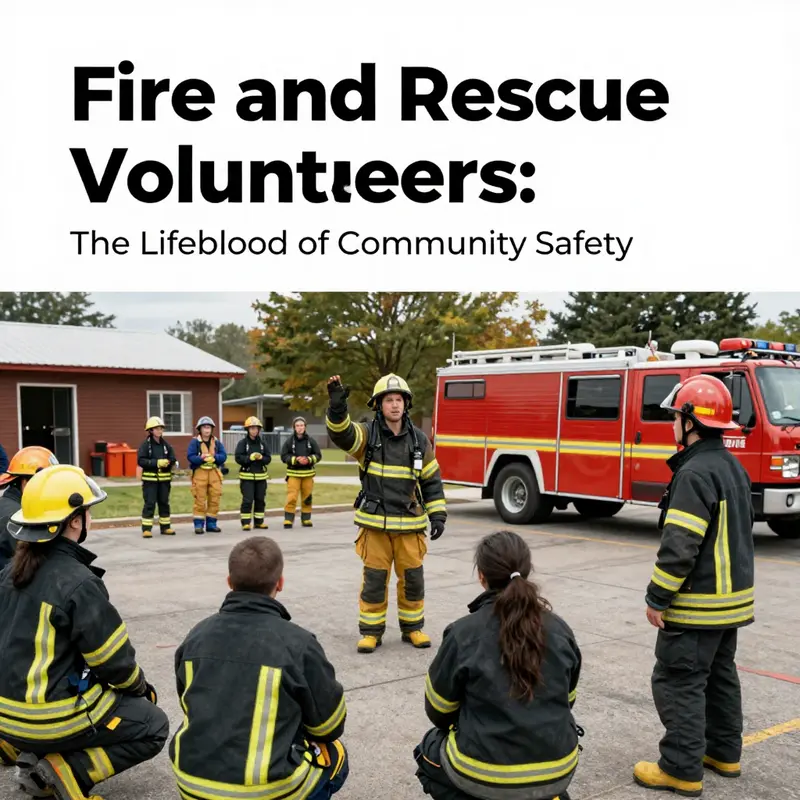
In many places, the first line of defense in a crisis is not a squad of paid professionals but a cadre of volunteers who answer the call with speed, discipline, and a readiness that grows from careful training and relentless community engagement. The question of whether fire and rescue departments should rely on volunteers is not merely about staffing. It is about building a resilient social contract between a community and its protectors, a contract that hinges on consistent training, meaningful participation, and the social trust that volunteers earn as they move from the drill room to the street. Across regions—from rural towns to rapidly expanding peri-urban districts—volunteer fire and rescue forces fill critical gaps when full-time staffing cannot keep pace with demand. They provide not only response capacity but also a form of local intelligence, prevention acumen, and educational presence that professional teams alone cannot always sustain. The real test, therefore, is not whether volunteers exist but how the training and the community relationships that sustain them are designed, delivered, and renewed over time. When those elements align, volunteers do more than respond to emergencies; they help shape safer environments, foster preparedness, and cultivate a culture where safety becomes a shared responsibility rather than a distant ideal.
The case study of the Chifeng Fire Rescue Brigade in Inner Mongolia offers a concrete lens on how training and community engagement can be woven into the fabric of a volunteer program so that it becomes both professional in its standards and deeply rooted in local life. This brigade has moved beyond a simple call-and-response model to develop a structured approach that treats volunteering as a public service with clear aims, measurable outcomes, and a sustainable pipeline of capable, community-minded responders. A centerpiece of their strategy is a comprehensive training program that is both broad in scope and intensely practical in delivery. A dedicated team of publicity and training staff outlines not only the rationale behind engaging volunteers but also how volunteers can draw on their own backgrounds—students, professionals, retirees, and community leaders—to carry fire safety into every corner of the public sphere. The result is a distinctive approach to five-entry fire safety campaigns—Five Enters—that touch five domains of daily life: communities, schools, enterprises, homes, and public places. The goal is not to flood neighborhoods with information but to foster observable changes in behavior, perception, and everyday routines that reduce hazards and improve the odds of safe outcomes when incidents occur.
The Five Enters concept is especially important because it reframes prevention work as a shared mission. Volunteers are not merely adding bodies to an emergency response roster; they become ambassadors who translate complex safety knowledge into accessible actions. The campaign structure encourages volunteers to leverage their personal and professional networks and to tailor messages to the audiences they know best. In practice, this means school safety talks delivered by student volunteers who understand the rhythms of youth life; home visits conducted by volunteers who can speak to the realities of apartment living, single-family homes, and multi-generational households; workplace seminars led by volunteers drawn from local businesses who recognize the unique hazards of industrial and office environments; and public demonstrations staged in markets, libraries, and transit hubs where foot traffic is high. The proximity of these engagements matters as much as their content. The closer the message is to people’s ordinary routines, the more likely it is to be absorbed, replicated, and reinforced with other household and community practices.
The training program at Chifeng covers fundamental fire safety knowledge, preventive measures, methods for extinguishing early-stage fires, and evacuation techniques. It is anchored in real-world case studies that illuminate both successful interventions and missteps to avoid. A special emphasis is placed on practical skills that can be translated into immediate action: identifying common residential fire hazards, conducting neighborhood fire inspections, and guiding residents through the process of three clearances and three closures—clearing flammable materials, clearing blocked exits, and clearing grease from stoves; followed by three closures—closing doors, closing windows, and closing gas valves. The discipline of these steps is reinforced with well-designed handouts that distill essential information into accessible, repeatable commands residents can use in moments of stress. The pedagogy is deliberately hands-on. In one hands-on segment, trainers demonstrate the correct use of dry powder extinguishers with a lift, pull, grip, press sequence, and volunteers practice until the procedure becomes second nature. In another segment, participants walk through a smoky evacuation drill that simulates a real fire environment and teaches the crucial tactic of low-and-slow movement while covering mouths and noses with damp cloths. These drills are not merely about technique; they are about resilience under pressure, about maintaining calm when every sense is assaulted by heat, light, and confusion.
A distinctive feature of the program is its focus on practical integration with daily life. The training is designed to be as accessible as it is rigorous. Lectures on theory are balanced by field sessions in which volunteers perform community fire inspections, identify hazards in specific residential layouts, and practice guidance that families can follow at home. Trainers emphasize a culture of continuous improvement rather than a static compendium of rules. They use reflective debriefs after each exercise, encouraging volunteers to share what felt effective and what did not, and to identify ways to adapt messages for different neighborhoods or social groups. This reflective approach is essential in volunteer work, where volunteers balance their day jobs, family responsibilities, and civic obligations with the demands of training and, occasionally, life-threatening shifts. By normalizing ongoing learning, the brigade reduces the risk of skill drift and helps ensure that volunteers bring current safety knowledge into their community interactions.
As of November 2025, the Chifeng Fire Rescue Brigade had recruited more than 500 volunteers, including over 300 from universities and more than 200 from various sectors of society. This composition matters for more than the arithmetic of manpower. It signals a deliberate attempt to diversify the volunteer base so that it reflects the communities it serves and can draw on a broad spectrum of skills and networks. The university presence brings youth energy, academic curiosity, and a readiness to adopt new safety paradigms and communication methods. Volunteers from other sectors contribute practical experience, professional discipline, and access to established community channels. The brigade does not view this diversity as a mere advantage in recruitment. It sees it as a strength in designing outreach that resonates across social strata, from school-age children and first-time homeowners to small-business owners and retirees who want to remain engaged and useful in their communities.
The development plan for the volunteer workforce acknowledges that recruitment is only the first step. The brigade plans to strengthen its volunteer program by offering targeted training sessions and regularly organizing fire safety service activities. The aim is not simply to create a pool of responders but to achieve regularization and professionalism. This language matters because it captures a shift from volunteerism as a hobby or a charitable gesture to a professionalized network of civic service. Regularization implies standardized competencies, consistent preparedness, and predictable coverage in both routine public-education efforts and emergency response. Professionalism signals a commitment to safety standards, accountability, and a framework for evaluating performance, conducting risk assessments, and applying lessons learned from incidents and drills. In practical terms, this means structured onboarding for new volunteers, ongoing certification-linked refreshers, mentoring from seasoned responders, and partnerships with local authorities to align training with regional safety plans and response protocols.
The community engagement component that accompanies training is equally central. The brigade treats public education not as a one-off event but as a sustained program that inserts safety into everyday life. The Five Enters concept serves as a blueprint for that continuity. By reaching into communities, schools, enterprises, homes, and public places, volunteers become constant presence in the social fabric, not episodic performers at the edge of a crisis. The aim is to cultivate a culture in which people routinely check smoke detectors, keep exits clear, store flammable materials safely, and know how to report fires quickly and accurately. When community members encounter volunteers who know their neighborhoods and speak their language, trust grows. That trust is a crucial currency in emergency response because it affects how quickly residents seek help, how accurately they provide information during a call, and how effectively they cooperate with responders who arrive on the scene.
The broader context reveals that volunteer fire and rescue programs exist worldwide as a vital component of the emergency response ecosystem. In many countries, including the United States, Canada, the United Kingdom, Australia, and parts of Europe, volunteer services are embedded within national frameworks and local governance. In rural and sparsely populated areas, volunteers often carry a heavier share of the workload, stepping in before professional units can fully mobilize or alongside them during extended incidents. The benefits of this arrangement are multiple. Volunteers extend geographic reach, they bring a layer of localized knowledge about housing types, terrain, and community dynamics, and they enable a faster, more widespread public safety education apparatus. Challenges, however, are real. Maintaining a steady pipeline of volunteers requires careful attention to incentives, workload management, and the alignment of training with evolving safety standards. Volunteer systems must navigate questions of funding, scheduling, and risk management, while still preserving the ethos of civic service that motivates people to offer their time without compensation. In practice, the most successful models balance formalized training with meaningful opportunities for community participation, ensuring volunteers see the tangible difference their work makes in the safety and well-being of neighbors.
The Chifeng example also demonstrates how government-led initiatives can create an enabling environment for volunteers to flourish. The program situates volunteer recruitment, training, and public engagement within a framework of public safety education, supportive policy, and transparent accountability. The partnership between volunteers and professional responders is designed to be collaborative rather than hierarchical. Volunteers learn from mentors who are seasoned professionals, and in return, they extend the reach of emergency services by bringing safety education into the very habitats where people live and work. The integration rests on shared standards, clear expectations, and a mutual commitment to the public good. This relationship is not without its tensions. Volunteers may face competing demands from work and family, and professional teams must balance the urgency of incidents with the need to maintain training quality for a large and diverse volunteer base. Yet, when each side respects the other’s strengths, the system becomes more adaptable and more capable of meeting communities where they are.
A key takeaway from the training and community engagement approach is the importance of practical skilling paired with local relevance. The dry practice of lift, pull, grip, press is complemented by situational drills designed to mirror the kinds of settings volunteers encounter in their neighborhoods. For example, the three clearances and three closures translate into checklists that residents can internalize and pass along. The evacuation drills do not merely test a single skill; they stress posture, communication, air management, and the critical habit of moving to safety with minimal exposure to danger. The simulated smoky environment is not an exercise in dramatics; it is a controlled way to build confidence, reduce panic, and reinforce the habit of moving low to the ground—a instinctual response that can save lives when real smoke obscures vision. These are the small, repeated efficiencies that compound into a readiness that looks almost automatic when a real alarm sounds.
The metrics of success in such programs are not only measured by numbers of volunteers or the frequency of drills. They are evidenced in shifts in community behavior, in the rate at which households implement safety measures, and in the level of engagement volunteers sustain over time. The goal of regularization and professionalism is operational as well as cultural: a volunteer force that can reliably supplement professional teams, extend the reach of fire safety education, and reduce the frequency and severity of incidents through prevention and rapid, coordinated response. When communities perceive volunteers as credible, accountable, and integrated into the public safety landscape, the social ecosystem becomes more cohesive. People are more likely to participate in prevention activities, to look out for one another, and to support the institutions that keep them safe.
If this model of training and engagement is to scale beyond a single brigade, it requires intentional design—curriculum that evolves with emerging hazards, protocols that reflect advances in safety science, and governance structures that ensure accountability without turning volunteers into a rigid bureaucracy. It demands partnerships with educational institutions to sustain a pipeline of informed and motivated young people, collaborations with workplaces to embed safety practices in daily operations, and avenues for retirees and community leaders to contribute their time and experience in mentoring and outreach roles. It also calls for investment in tools and environments that make training realistic without compromising safety. Simulation spaces, safe indoor practice facilities, and accessible outdoor drills can all play a part in a comprehensive program, as long as they remain aligned with the core aim: to empower volunteers to act with confidence, competence, and compassion when the worst moment arrives.
Beyond the local and national contexts, the narrative of training and community engagement in volunteer fire and rescue work speaks to a broader truth about public safety. The most effective volunteer systems are not hollow ceremonial roles; they are dynamic, expanding networks of people who see themselves as guardians of their own neighborhoods. They are built through ongoing education, transparent leadership, and a culture that values preparedness as a collective virtue. The officers who design and supervise these programs understand that every hour spent in training multiplies the effectiveness of every hour on call. They know that a well-trained volunteer can stabilize a scene, support first responders, and deliver crucial information to the public in the earliest moments of an incident. They also recognize that volunteers who participate in community education help prevent fires and injuries, a form of social investment that yields dividends long before any emergency occurs.
In sum, the question of whether fire and rescue departments should rely on volunteers is best answered not by a binary yes or no, but by the quality and depth of the training and the strength of the community bonds that sustain volunteers over time. The experience in Chifeng illustrates how a well-conceived training program can carve out space for volunteers to be not only responders but also educators, advocates, and neighbors who share responsibility for safety. The five-entry approach demonstrates that prevention, education, and engagement must be as deliberate as emergency response if volunteer programs are to endure. And the ongoing push toward regularization and professionalism shows that volunteerism in this field is not at odds with professional standards; when designed with discipline and humility, it complements the public safety architecture in potent and lasting ways. The community benefits when volunteers move through well-structured pathways—from recruitment to training to deployment—equipped with knowledge, support, and a sense of shared purpose. The result is a safety culture that is more universal, more resilient, and more deeply rooted in everyday life.
For readers seeking practical inspiration beyond this chapter, a deeper dive into related initiatives and best practices in volunteer training and community engagement can be found on the Innovation Museum Transforming Fire Services resource, which highlights how training cultures evolve in response to new challenges in fire protection and rescue. Innovation Museum Transforming Fire Services.
External resource: https://www.119.gov.cn
Final thoughts
Volunteer firefighters are not just responders; they are community leaders, educators, and vital components of safety networks. Their dual role in emergency response and community outreach not only saves lives but also promotes preparedness and resilience among residents. Emphasizing the importance of both their contributions and the challenges they face leads to a deeper appreciation for these individuals who often work without recognition. As communities continue to evolve, so too must our approaches to supporting and engaging these dedicated volunteers, ensuring that they remain an effective and essential component of fire and rescue operations.