
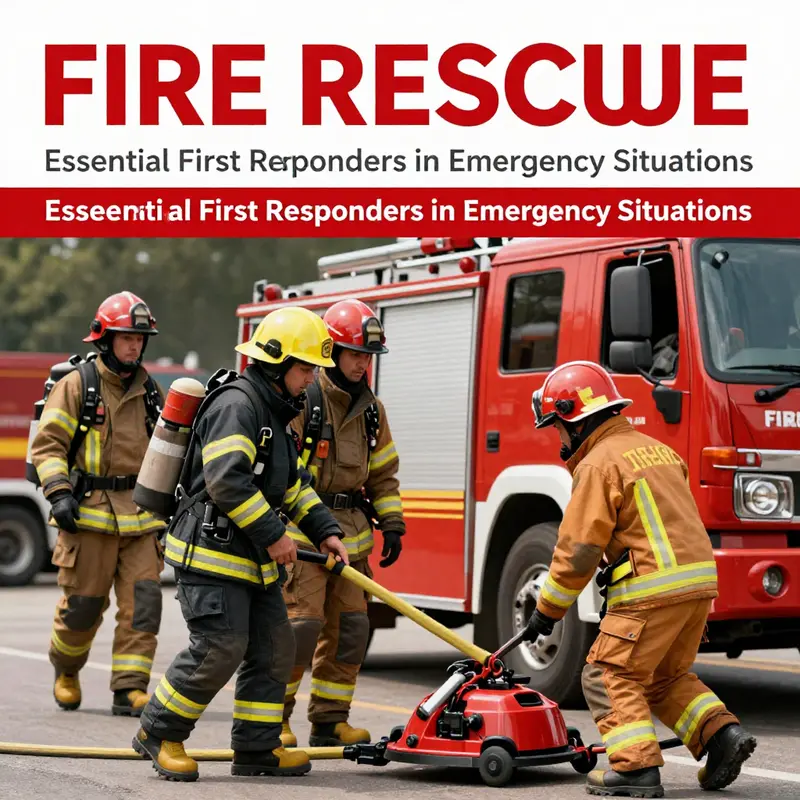
Fire rescue services play a crucial role in the fabric of emergency response systems, acting as the first line of defense during crises. As first responders, firefighters are crucial in mitigating emergencies ranging from fires to medical issues and hazardous incidents. This article explores the fundamental aspects that affirm fire rescue personnel’s status as first responders, encompassing their roles in emergency situations, the legal frameworks supporting this designation, the rigorous training they undergo, the variances in first response roles across different regions, and the overall impact on community safety. Each chapter will systematically unravel these dimensions, underscoring the indispensable position fire rescue services hold in safeguarding public welfare and enhancing community resilience.
First on the Scene: Why Fire Rescue Belongs at the Front of Modern Emergency Systems
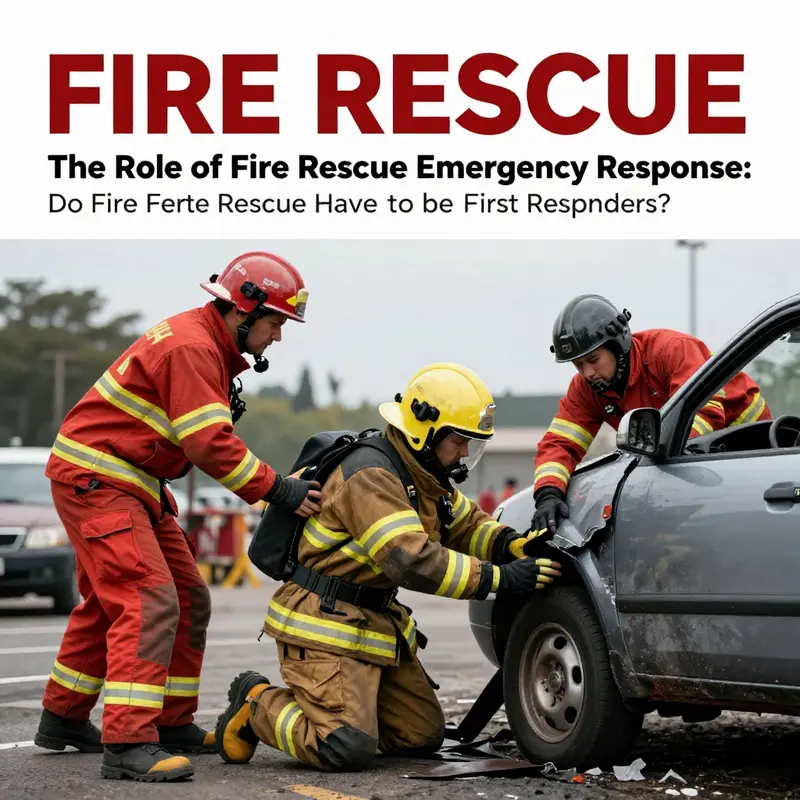
Fire rescue is often the first on the scene not by accident but by design. In most emergencies, the initial actions taken by a trained crew set the trajectory of the response. Fire responders bring a unique blend of speed, tools, and basic medical capability that makes them the most reliable first link in the chain of care. Their priorities at arrival are scene safety, rapid assessment, and the initiation of life saving measures while coordinating with other units. This front line role is reinforced by standard operating procedures, training, and the way modern incident command is organized.
Their gear is designed for versatility. Protective clothing, rapid entry tools, water delivery systems, and basic life support equipment enable them to address both fire and medical crises with equal competence. The same crew that suppresses flames can perform CPR, control bleeding, stabilize patients, or extricate a trapped person. This breadth of capability is why many communities rely on fire departments as the default first responders.
The early leadership at the scene matters. Dispatch informs responders of potential hazards and injuries, and the arriving fire unit translates that information into immediate action: secure the perimeter, begin search and rescue if needed, establish a casualty collection point, and coordinate with EMS as hospital teams are alerted. The initial decisions made within minutes often determine whether outcomes improve or deteriorate.
This approach does not deny the existence of EMS first response in some regions. It acknowledges that in practice, fire rescue teams often serve as the on scene integrators who guide resources, communicate with other agencies, and maintain scene control while care progresses. Their on the ground leadership helps ensure that later arriving specialists can deliver definitive care efficiently.
Beyond the scene, the emphasis on fire rescue as front line influences training, budgeting, and public expectations. Standards from national and international bodies reinforce the idea that first response is not only about fire suppression but about rapid stabilization, hazard mitigation, and the seamless transition to advanced care. Fire services are increasingly integrated into networked emergency systems that include EMS, police, and public health agencies.
In short, fire rescue is frequently the linchpin of the first response. The ability to act quickly, read a scene, and coordinate resources creates the window for successful medical outcomes and hazard control. For communities seeking resilient safety nets, investing in robust fire rescue capabilities is investing in the reliability of the entire emergency system.
null
null
Front Line at the Alarm: Training, Readiness, and the Fire Rescue as First Responders
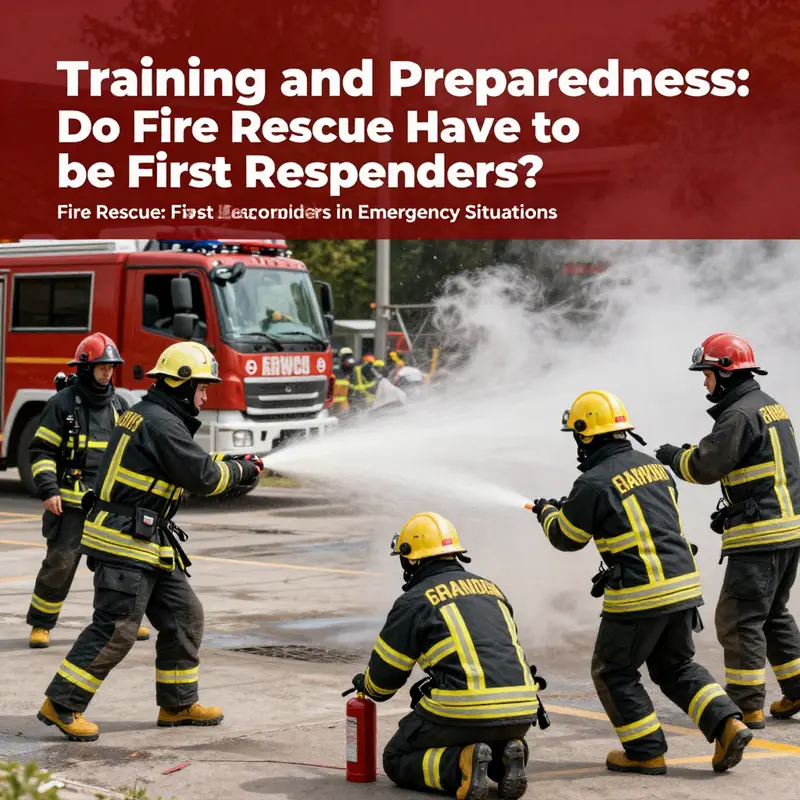
At the heart of any emergency, the first seconds shape the outcome. When alarms sound and lights flash, fire rescue teams surge to the scene, translating dispatch data into real-world action and immediate care. This is not merely about arrival times; it is a test of readiness and the capacity to stabilize a scene while preparing for the next phase of treatment. Fire rescue personnel sit at the threshold between danger and safety, translating the language of alerts into decisive, on-the-ground intervention.
The training that sustains this threshold is deliberate and layered. Responders must be prepared to perform basic life support, establish scene safety, and rapidly assess hazards—well before more specialized teams arrive. Basic Life Support becomes the framework for early decision-making: recognizing emergencies, initiating airway management, controlling bleeding, and prioritizing transport. Yet BLS is only the opening act. Trauma care, multi-casualty triage, and rapid extrication may follow as scenes evolve. The ability to anticipate hazards, maintain situational awareness, and coordinate a safe handoff is as essential as any medical procedure.
Hazardous materials handling further expands the scope of first-responder readiness. HazMat awareness and response require knowledge of protective equipment, perimeter control, and communication with incoming specialists. The goal is to stabilize without causing additional risk, preserving life and reducing environmental impact. This discipline illustrates a broader philosophy: first responders must be prepared for complexity and ambiguity, not just for single, neatly defined incidents. In practice, resilience comes from teamwork, clear roles, and practiced coordination across first responders, EMS, and police.
Certification and formal qualifications provide a structured framework that codifies knowledge and practice. Credentials such as EMT or Paramedic guide medical interventions within legal and regulatory boundaries. National benchmarks set expectations for training progression and continuing education, while firefighting standards ensure responders can perform critical actions under pressure. The interplay between fire suppression, medical care, and incident management embodies first-responder readiness: adapting to the scene’s needs while safeguarding everyone involved.
The human element remains central. Experience teaches humility and adaptability: when a hallway fills with smoke, a quick extraction is essential; when medical conditions dominate the scene, pausing to reassess and handing off to trauma teams is the prudent course. Departments increasingly drill with EMS partners, police, and public health to reinforce a shared language of safety and efficiency. Beyond procedures, a culture of continual improvement—through drills, simulations, and updated guidelines—keeps the front line sharp and capable of evolving threats.
Ultimately, the question is not merely who arrives first, but who is prepared to act with competence and compassion when seconds count. Fire rescue as first responders is a professional identity built on training, teamwork, and the humility to transfer care when appropriate. It is a commitment to the community that demands nothing less than readiness, rapid stabilization, and a clear path to better outcomes for those in danger.
First on the Scene, but Not Always the Standard: A Global Look at Fire Rescue as Primary First Responders
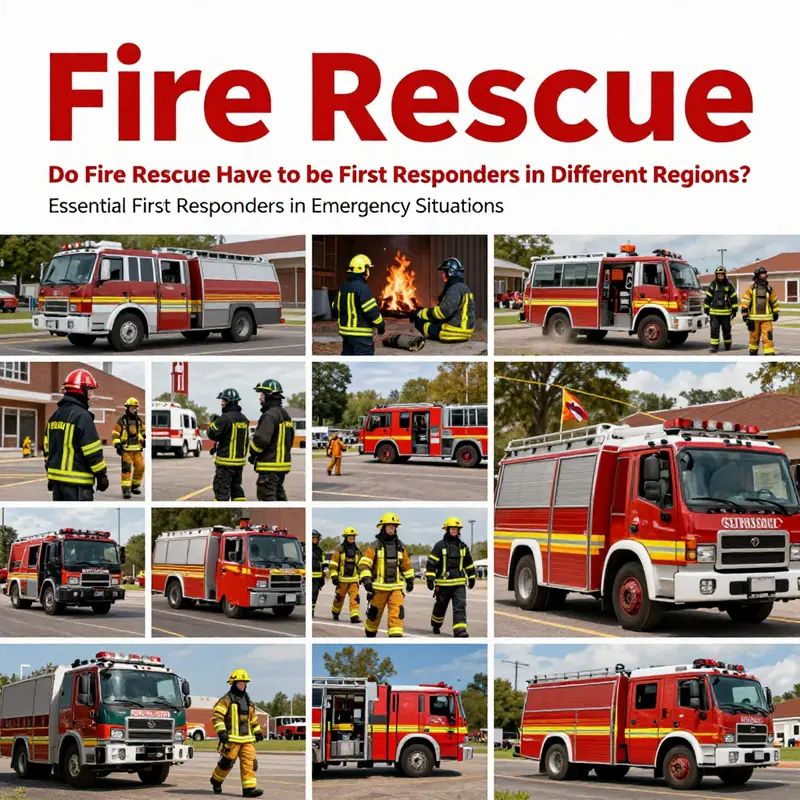
The idea that fire rescue teams are universally the first responders is common, but global emergency response is more varied. In many places, fire and rescue services are among the initial units to arrive and they provide critical on-scene stabilization, basic life support, rapid extrication, and hazard control while EMS and law enforcement arrive. In other regions, local policies or risk profiles prioritize different first responders, with police or medical teams arriving first to triage and coordinate resources before fire services engage in stabilization and rescue. This mix reflects governance structures, geographic realities, and resource availability. Interagency coordination, joint training, and interoperable communication are essential so that the earliest actions maximize safety regardless of which agency arrives first. The takeaway is that the first-responder label is not fixed; it is shaped by jurisdiction, incident type, and the surrounding emergency management architecture. Readers seeking deeper insight can explore how countries balance statutory designations with on-scene pragmatism, ensuring rapid, coordinated responses to diverse threats.
On the Front Line: Why Fire Rescue Must Be Recognized as First Responders and How That Shapes Community Safety
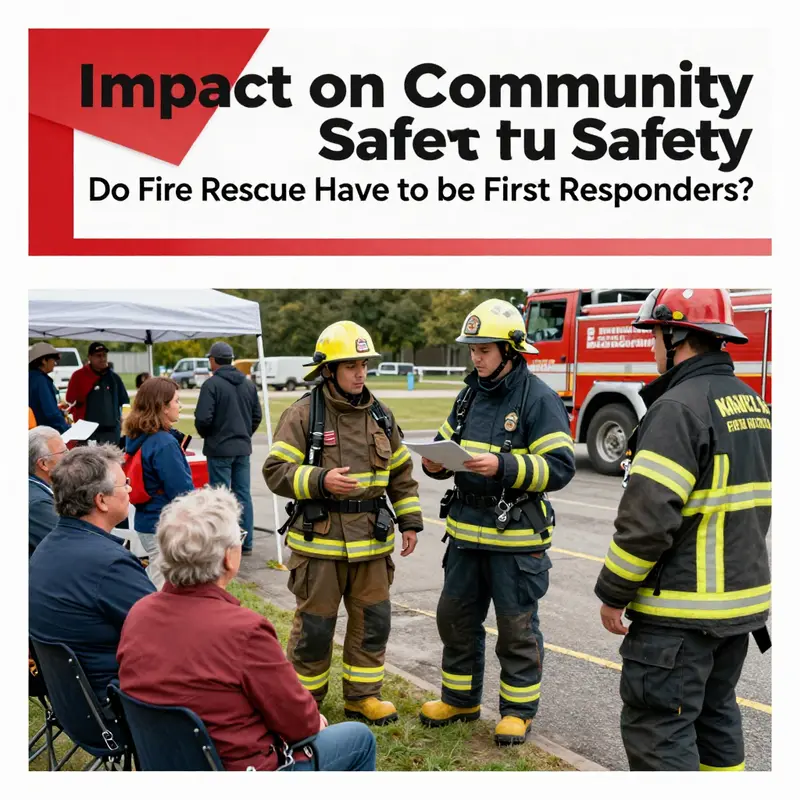
When a siren cuts through the early morning hush or a crash leaves debris in haste, the first wheels to turn are those of fire rescue teams. They arrive before most other responders, and their actions in that narrow window can tilt the outcome from tragedy to survival. The question—do fire rescue have to be first responders?—takes on real meaning when you notice what “first on scene” actually means in a living, breathing community. It is not a trivial label or a ceremonial badge. It is a representation of responsibility, speed, and a repertoire of life-saving skills that communities count on when danger is most acute. The standard definition that many communities adopt mirrors the work of national authorities: first responders are those who can reach an emergency rapidly and begin essential aid. The U.S. Department of Homeland Security, among others, explicitly includes firefighters in this cadre. That inclusion is not merely statutory; it is a recognition of function. Firefighters regularly reach situations where the clock is a decisive factor—fires, vehicle collisions, medical crises, and hazardous material releases demand swift, decisive action before the scene can be turned over to specialists. The initial moment on the ground often shapes what comes after: what gets saved, what stabilizes, and how smoothly the patient transitions to definitive care. The public, in turn, experiences relief and confidence when the nearest team is ready to act immediately, not after a drawn-out call-and-answer process. In this sense, first responder status reflects a public safety philosophy: act fast, stabilize early, and coordinate for the next phase of care.
This reality is not abstract or geographic trivia; it is anchored in the everyday architecture of public safety. In many regions, fire departments serve as the primary first responders for both medical and fire-related incidents, particularly where EMS resources are sparse or stretched thin. Rural and underserved communities often depend on this front-line presence to bridge the gap until advanced medical units arrive. When a person experiences a heart attack, seconds matter. A firefighter-paramedic team can be the difference between a recoverable cardiac event and a prolonged period of anoxia. They arrive with the training to assess, to perform CPR, to deliver early defibrillation, and to initiate airway management when time is critical. The practical impact of swift first contact cannot be overstated. Each minute saved in early intervention is a public health gain, reducing the severity of injuries and the long tail of recovery.
The evolution of fire rescue work further reinforces this front-line role. Fire departments today are often deeply embedded in emergency medical care. The professional arc for many responders has extended beyond battling flames to mastering complex medical procedures that were once the exclusive domain of dedicated EMS units. The National Fire Protection Association highlights a telling trend: more than 90 percent of fire department calls now involve medical emergencies. That figure is not merely a statistic; it signals a systemic shift in where critical care begins and how quickly it starts. It explains why residents see firefighters as the most immediate form of medical care they will encounter in a crisis. When someone suddenly collapses, the first person on the scene—almost always a firefighter—can begin life-saving measures long before transport is arranged. This is not a marginal duty; it is the core of the modern mission for many departments.
With this shift comes a need for integrated practice and shared responsibility. If fire rescue teams are the initial touchpoints for a broad spectrum of emergencies, then their training, equipment, and operational protocols must reflect that dual mission. The dispatch room, the on-scene command, and the hospital handoff are not isolated steps but a continuum. Firefighters trained to manage medical emergencies must be able to work seamlessly with EMTs, paramedics, and hospital personnel. This synergy does not diminish the distinct competencies of EMS; it acknowledges that front-line responders set the trajectory of care by delivering timely stabilization and by initiating the early chain of survival. A well-coordinated front line reduces confusion, saves precious minutes, and lays a clear path for the patient’s journey through definitive care.
The societal dimension of recognizing fire rescue as first responders is equally important. The public relies on the front line not just for rescue from fire, but for relief from medical crises that strike without warning. A fire emergency can quickly become a medical crisis; a vehicle collision can entail severe internal injuries, bleeding, and airway compromise. The overlap between firefighting and emergency medical care is no longer a niche concern but a fundamental feature of community safety. This overlap also shapes how communities invest in people and tools. It motivates ongoing training, regular certification renewals, and the acquisition of equipment that serves both worlds—portable defibrillators, advanced airway devices, and rapid-access protective gear that keeps responders in the field longer, ready to stabilize without compromising safety.
In rural settings, the stakes of first-responder status are even more pronounced. When the nearest advanced life support unit might be hours away, the on-scene actions of a firefighter-paramedic team can determine whether a patient survives long enough to reach hospital care. In these places, the line between first response and definitive care blurs, and the front line becomes a local lifeline. The logic is straightforward: rapid arrival, rapid stabilization, rapid handoff. Public safety hinges on whether this relay can be maintained reliably in all circumstances—from a wildfire edge where smoke reduces visibility to a multi-car pile-up on a distant highway. The same principle governs urban neighborhoods, where high-rise fires, overdose crises, or chemical exposures demand that responders not only enter danger but do so with the clinical acumen to begin treatment immediately.
Policy and planning conversations reflect these realities. When a community recognizes fire rescue as first responders, it invites a broader, more resilient approach to emergency preparedness. There is a case for stronger mutual-aid networks, smarter dispatch strategies, and sustained investment in cross-disciplinary training. It also means recognizing the front line as a shared space where fire, EMS, and police collaborate under unified command to minimize delay and redundancy. The goal is not to elevate one profession above others but to ensure the system functions as a cohesive, capable team from moment of alarm through transport and beyond. In this sense, first-responder status is a practical commitment to coherence, not a political statement about prestige.
To illustrate how this concept translates into practice, consider the value of accessible, up-to-date knowledge about emergency readiness that communities can act on locally. The imperative to prevent gaps in preparedness is particularly vivid in contexts like large-scale wildfires, where the rapid convergence of multiple hazards tests every link in the response chain. Discussions about Emergency Preparedness Gaps in California Wildfires illuminate how communities can organize around the front line, strengthening drills, communication, and evacuation planning in ways that support fire-rescue first-responders and the broader public safety network. Emergency Preparedness Gaps in California Wildfires
As this chapter traces the argument, the practical takeaway is clear: fire rescue personnel are indeed first responders, and their capacity to act swiftly, decisively, and with medical competence on scene is central to community safety. The relationship between arrival time, initial stabilization, and longer-term outcomes forms a reliable predictor of how well a community copes with crises. This reality asks for ongoing commitment—supporting training, ensuring interoperability among agencies, and recognizing the front line as a vital patient pathway from the moment of alarm to hospital care. When residents understand that firefighters are often the first to deliver critical medical interventions as well as fire suppression, the public safety fabric gains clarity and strength. The front line is not a single person or a single mission; it is a coordinated team dedicated to preserving life at every moment of contact.
For readers seeking a broader view on the steady shift of emergency preparedness and response, one can explore additional discussions about gaps in disaster readiness and how communities respond to wildfires and other large-scale events at the local level. External resource: https://www.nfpa.org/News-and-Research/Fact-and-statistics/All-facts-and-statistics/Incident-response
Final thoughts
Fire rescue personnel embody the essence of first responders, with their multifaceted roles vital to ensuring safety and saving lives during emergencies. Their contributions are not only defined by their rapid response but also by the legal frameworks that recognize their importance, the extensive training they undertake, and the collaborative efforts seen across various regions. Furthermore, their engagement with communities fosters a culture of preparedness and resilience. As the vital link in emergency response, understanding and promoting the integral role of fire rescue in our communities can significantly enhance public safety and emergency readiness.