
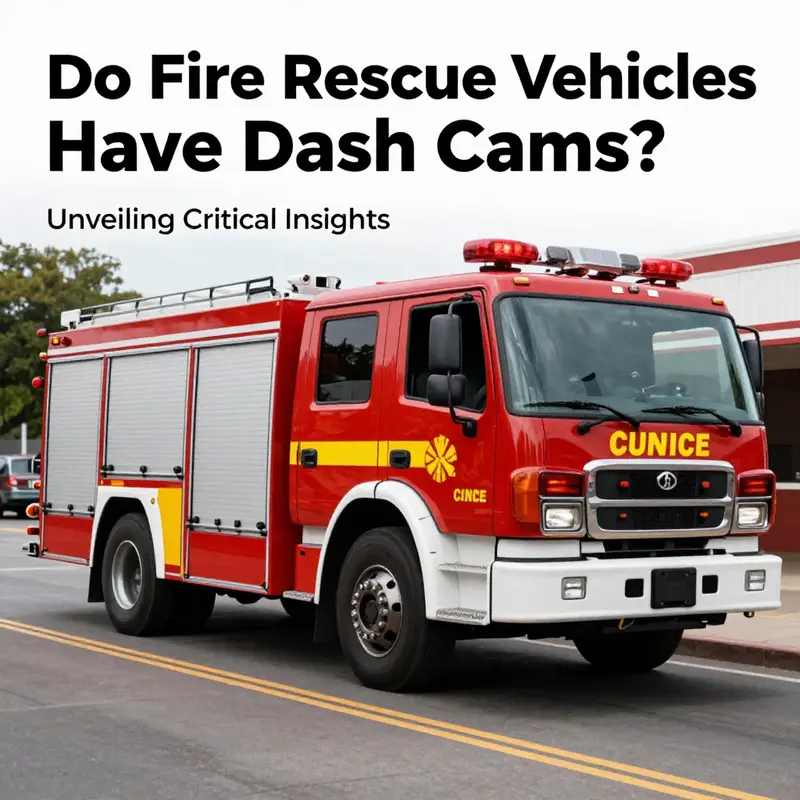
The integration of technology in emergency services is pivotal for enhancing accountability, safety, and operational efficiency. One such technology garnering attention is the dash cam—often seen in personal vehicles but less frequently in fire rescue and emergency medical service (EMS) vehicles. Understanding the current trends, legal implications, technological advancements, and future challenges surrounding the adoption of such systems is essential for community residents, firefighters, educators, and administrators alike. In the following chapters, we delve into the existing landscape of dash cam usage in fire rescue vehicles, the legal considerations impacting their deployment, the emerging technologies enhancing emergency response operations, and the potential for future adoption of dedicated dash cam systems. This comprehensive overview equips stakeholders with valuable insights into the relevance and implications of dash cams in enhancing emergency response capabilities.
Steady Eyes on the Route: Dash Cams and the Evolving Fire Rescue Vehicle Landscape
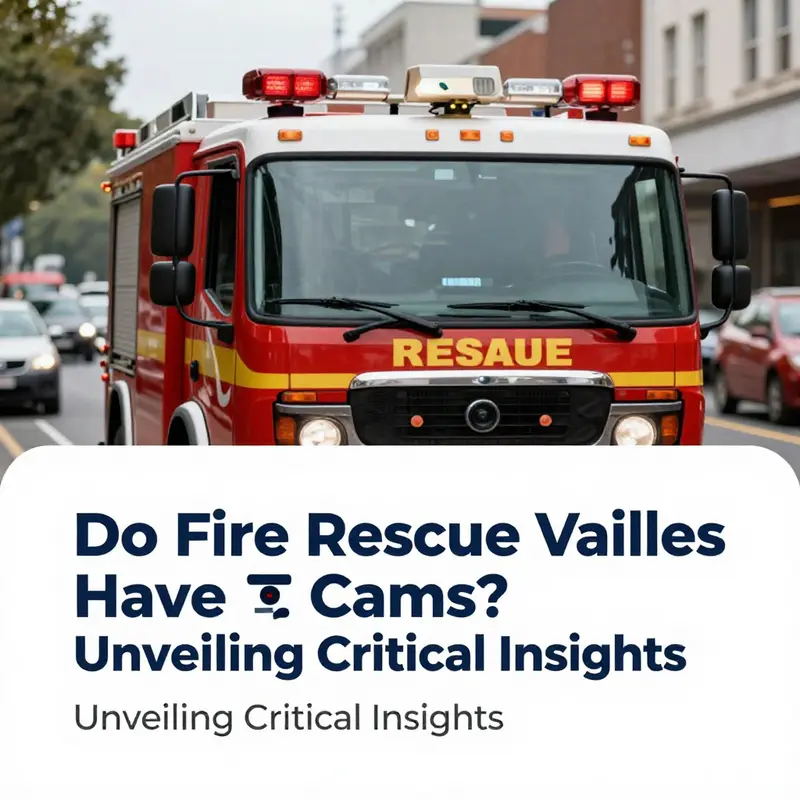
In the data driven world of emergency services, the question of whether fire rescue vehicles carry dash cams is not a simple yes or no. Dash cameras are not a universal standard on fire trucks or EMS ambulances, but modernization is changing that dynamic.
Many departments rely on purpose built in vehicle recording systems that are integrated with dispatch data, GPS traces, and vehicle health information. These systems capture video and sometimes audio of operations, the work of the crew, and moments when patients, bystanders, or other responders are involved.
Footage is typically retained for training, incident review, and internal audits rather than public facing use. Privacy policies and legal considerations shape what is recorded, who can view it, and how long it is kept.
The technical landscape is evolving toward higher resolution capture, including 4K capable units, with adaptive performance to different lighting and harsh road conditions. Hardware and software are designed to resist vibration and weather, while enabling clear retrieval of events during an incident.
A key trend is the integration of video with broader data ecosystems such as telematics, GPS tracking, and incident command software. Synchronized data enables near realtime or rapid post incident analysis to identify bottlenecks, unsafe driving practices, and training opportunities.
The result is improved accountability without compromising patient care, provided there are clear policies governing access, retention, and privacy protections.
Organizations vary in approach, with some adopting modular video add ons and others embedding units during vehicle design. Decisions hinge on cost, operational needs, and the legal and ethical frameworks that apply to recording in public spaces.
As the field matures, the share of departments adopting dash cam style recording is likely to grow, with broader analytics and safer routing, while privacy protections and data governance remain essential.
Eye on the Engine: Navigating the Realities, Rules, and Responsibilities of Dash Cameras on Fire Rescue Vehicles
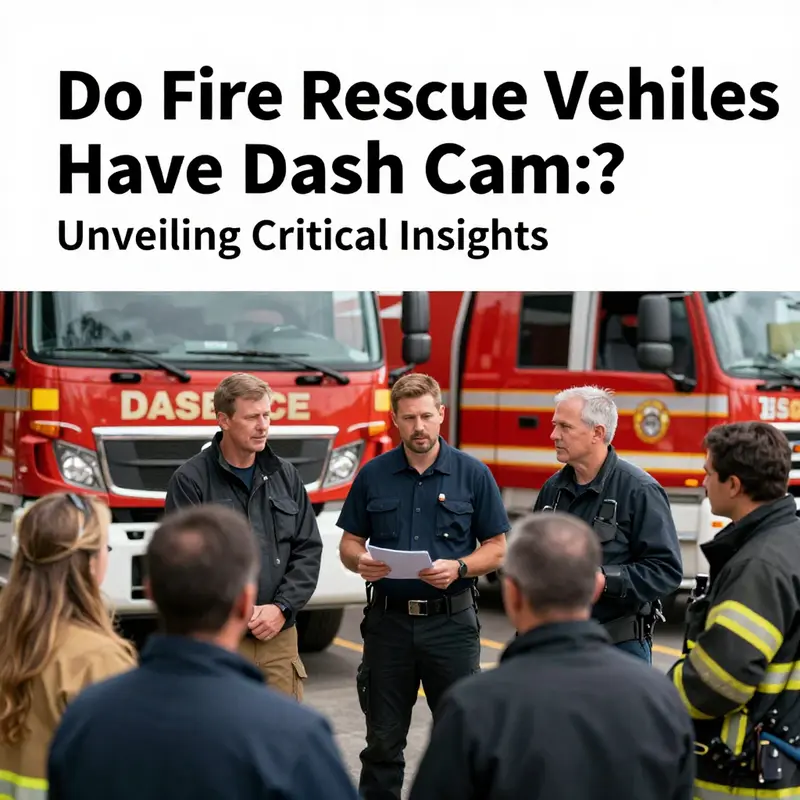
On every run, the fire rescue vehicle becomes a moving stage where speed, uncertainty, and teamwork collide with danger. The question of whether these vehicles carry dash cameras rarely has a simple yes or no answer. Instead, it opens a broader conversation about technology, accountability, and the balance between safety and privacy in high-stakes public service. Fire departments are guardians of life and property, and their use of recording devices reflects a careful calculus: what improves safety and learning without eroding trust or violating rights? The answer, in practice, is nuanced. Dash cameras in the private sector have grown into almost universal tools for protection, proof, and learning. In the realm of fire rescue, however, the technology tends to wear a different hat. Vehicles may not come with consumer style dash cameras as a standard feature, but many departments rely on in-vehicle video systems that serve parallel purposes. These systems are often integrated into fleet management or telematics ecosystems. They capture data that can illuminate driver behavior, vehicle dynamics, and scene interactions, offering a record that supports training, incident review, and internal audits. Yet these recordings are not simply about catching errors; they are about fostering safer operations and more transparent outcomes for communities that rely on firefighters during emergencies.
The distinction between a consumer dash cam and an in-vehicle video recording system matters. A consumer dash cam is typically a standalone device that records forward-facing footage for personal safety or insurance purposes. In contrast, the in-vehicle systems used in public safety settings tend to be part of a broader information architecture. They may pull data from vehicle telemetry, dispatch logs, and radio communications to contextualize a given moment on the street. The cameras themselves may be positioned in ways that optimize coverage of driving, driving conditions, and, when possible, interactions near the scene. They are not mere video curiosities; they are pieces of a larger governance puzzle about how a department learns from every response while safeguarding the privacy of patients, bystanders, and fellow responders.
Legal and ethical considerations sit at the center of any decision to adopt or expand dash cam style capabilities. Jurisdictions differ in how they regulate recording on public safety vehicles, and those regulations are continually evolving as technology outpaces policy. In many places, public safety operations enjoy leeway that recognizes the operational necessity of recording for legitimate purposes such as investigations, training, and accountability. But the practical reality is more textured. Privacy concerns arise whenever recordings may capture private conversations, sensitive medical scenes, or the identifiable faces of bystanders. The ethical tension is not merely about whether to record, but how to record, store, access, and retain those recordings. Departments must design policies that explain when and why footage is captured, who can view it, how long it is kept, and under what circumstances it can be released or used in investigations and courts. These policies are never abstract; they shape the day to day of emergency response, the morale of the crew, and the trust the public places in the fire service.
Admissibility in court is another practical thread. Footage can be powerful evidence in accident investigations, liability reviews, and incident reconstructions. Yet to be rightfully admissible, recordings must adhere to chain of custody protocols and data integrity standards. The systems must preserve a tamper-evident trail from capture through delivery to the courts, with clear documentation of any edits, redactions, or metadata changes. Local evidence rules may govern how long footage can be retained and how it can be disclosed. Departments often work with legal counsel to translate these requirements into operating procedures that align with the realities of field work. In the heat of a high-risk call, it can be tempting to simplify these processes. The best practice, however, is to embed robust, transparent governance before the camera ever starts recording. That governance should address who holds the footage, what can be shared with the public, how it is redacted when needed, and how confidentiality is protected in sensitive scenes.
Ethical considerations extend beyond the courtroom into the culture of the firehouse. Dash cameras and in-vehicle recording systems can promote accountability and protect responders from false allegations by providing an objective record of events. They can also be instruments for learning—capturing near misses, unsafe driving habits, or procedural deviations so that training can target real-world gaps. On the other hand, constant or intrusive surveillance risks eroding trust, magnifying stress, and creating a chilling effect that undermines the willingness of crews to engage openly with training and after-action reviews. Ethical policy design must balance the benefits of evidence with the rights and welfare of those who are recorded. This means implementing clear retention schedules, access controls, and audit trails that prevent misuse while enabling legitimate internal reviews and public accountability where appropriate. It also means considering the psychological impact on responders who know they operate under an ongoing gaze. A well-crafted policy can mitigate anxiety by normalizing the purpose of recording, the limits of access, and the safeguards around sensitive content.
A practical approach to these concerns begins with the question of purpose. What are departments hoping to achieve with in-vehicle video capture? If the aim is to improve driving safety, patient interactions, or incident management, then the policy design should foreground privacy by design. This includes minimizing unnecessary collection, employing strategic camera angles, and ensuring that audio capture is governed by strict consent and disclosure rules whenever feasible. If the purpose is to support investigations, then the systems should be integrated with evidence handling practices that preserve the integrity of the data and facilitate timely, fair review. When the aim is to enhance transparency with the public, departments may adopt disclosure practices that are respectful of patient privacy while offering the community a clearer view of how emergency responses are conducted. Each department must navigate these ambitions in the texture of its own legal and cultural environment, and every policy should reflect a commitment to both safety and dignity.
Policy development is not an isolated exercise. It must align with broader organizational priorities and the evolving role of technology in modern firefighting. For some departments, dash cam style systems are perceived as part of a larger digital modernization effort that includes fleet telematics, dispatch integration, and data analytics. In others, the emphasis remains on maintaining a lean operational footprint while leveraging video only for specific, clearly defined uses. Either way, the process demands thoughtful governance, stakeholder engagement, and ongoing evaluation. Leaders must consider questions such as: How will footage be secured against unauthorized access or tampering? Who will review and interpret the material? What triggers retention or deletion? How will the public be informed about the presence of cameras without compromising sensitive scenes? And how can the organization ensure that the benefits in accountability and training do not come at the expense of the wellbeing and morale of responders? These are not theoretical concerns. They shape the daily rhythms of response, the quality of training programs, and the credibility of the fire service in the eyes of the community it serves.
As technology evolves, the likelihood of broader adoption grows. Dash cam like capabilities may become more common as departments recognize the value of fast, objective records in accident analysis, while simultaneously addressing privacy through cloud governance, selective redaction, and restricted access for lawful purposes only. The path forward is rarely a straight line. It requires a blend of technical capability, policy clarity, and cultural maturity within the department. It also invites collaboration with other public safety agencies, legal professionals, and communities to establish norms that reflect shared values of safety, accountability, and respect for human dignity. The NFPA and other professional bodies provide guidance that helps shape best practices around equipment, policy, and ethics, reminding agencies that technology should support mission success while preserving the rights of those affected by emergencies. Within this landscape, fire departments that pursue dash cam or in-vehicle video initiatives often begin with pilot programs that test coverage, data governance, and workflow integration before scaling up organization-wide. This incremental approach reduces risk, builds trust, and ensures that the technology serves the mission rather than driving it.
In considering how to talk about dash cameras in public narratives, it is useful to connect these deliberations to the broader dialogue about technology in leadership and organizational culture. For readers who want to explore how technology shapes leadership choices, a useful lens is to examine how governance, transparency, and accountability interact with frontline practice. See Impact of technology on fire department leadership for a perspective that situates recording practices within a larger framework of decision-making, risk management, and community trust. That thread helps explain why a department might embrace or resist dash cam usage not merely on the basis of cost or capability, but in light of its influence on morale, public confidence, and the ethical climate of the service. The conversation about dash cams then becomes part of a larger story about how fire services adapt to rapid technological change while remaining anchored in core values.
Ultimately, the question of do fire rescue vehicles have dash cams is not just about hardware or access to footage. It is about governance that respects privacy, supports learning, and preserves the dignity of those involved in emergencies. It is about building systems that can withstand scrutiny in court, in the newsroom, and in the community, while also safeguarding the mental wellbeing of the responders who operate under the weight of responsibility on every call. It is about balancing the immediate need for rapid, accurate information on the road with long-term commitments to ethical stewardship, data protection, and accountability. And it is about recognizing that technology, when thoughtfully deployed, can extend the reach of protection beyond the scene—contributing to better training, safer driving, improved incident understanding, and stronger public trust.
As departments continue to refine their approaches, the path ahead may include more integrated video solutions that blend forward-facing footage with other data streams. The goal will remain clear: to support safer responses, fair investigations, and a culture where learning from every operation strengthens, rather than undermines, the people who answer the call. In the dialogue between safety, privacy, and transparency, dash cameras are not a final verdict but a hinge—one that can swing toward greater accountability or toward greater restraint, depending on how policy, law, and ethics are aligned and enforced. For readers and practitioners, the message is practical and precise: any move toward recording in public safety contexts should be grounded in clear purpose, robust governance, and unwavering respect for the communities and colleagues that rely on the fire service every day. External guidance and ongoing professional discourse, such as the Fire Department Operations Report, offer a compass as agencies navigate these choices. External resource: https://www.nfpa.org/News-and-Research/Publications/Reports/Fire-Department-Operations-Report
Beyond Dash Cams: How Recording Systems in Fire Rescue Vehicles Redefine Transparency, Safety, and Accountability
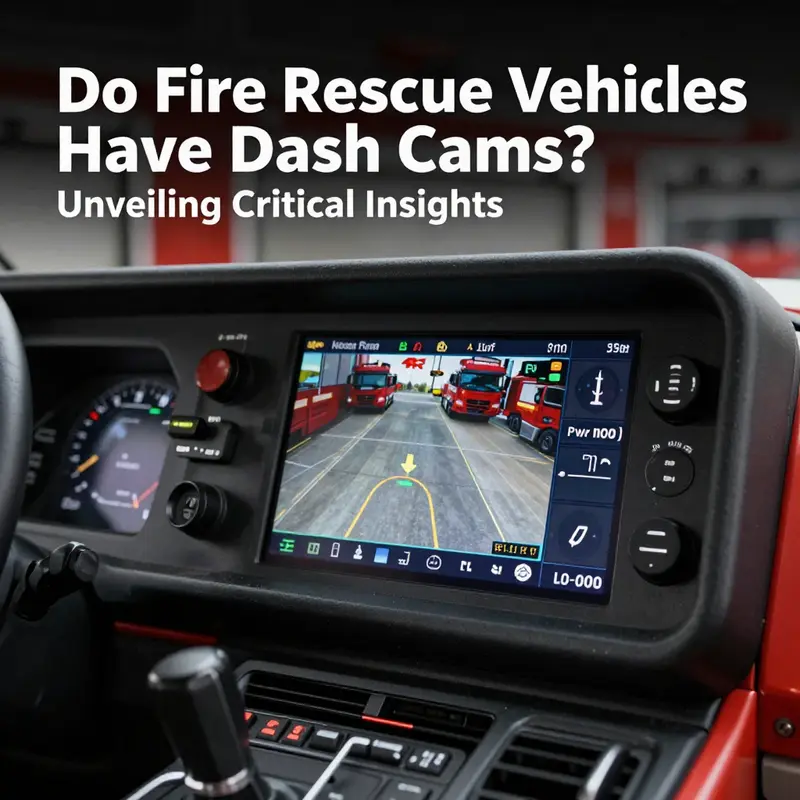
The sight of a fire engine slicing through traffic, sirens wailing, is instantly recognizable. Yet behind the red facade lies a quiet but increasingly important shift in how these vehicles operate once they roll up to a scene. Recording systems are no longer a curiosity or a niche gadget; they are becoming a core component of modern fire rescue operations. The question of whether fire rescue vehicles have dash cams intersects with broader questions about safety, accountability, and learning. While traditional consumer dashcams remain uncommon as a standard feature on fire apparatus, a spectrum of recording technologies now travels with the fleet—from forward-facing cameras integrated into the vehicle to more comprehensive in-vehicle and body-worn camera ecosystems. The evolution of these systems reflects a deliberate balancing act: capturing enough data to improve performance and protect the public, while respecting privacy, legal constraints, and the realities of emergency work.
To understand where recording technology fits in this environment, it helps to distinguish between the familiar notion of a dash cam and the broader landscape of in-vehicle recording that departments increasingly deploy. A dash cam, in its most basic form, is a relatively small, forward-facing device designed to document what happens during a drive. In private cars, dash cams have become common for insurance, liability protection, and post-accident analysis. Fire rescue vehicles, however, operate under different conditions and priorities. They navigate dynamic, high-risk environments, and the footage gathered must be contextualized within the mission—life-saving tasks, patient care, hazardous materials responses, and the safety of bystanders. Because of these factors, many departments do not equip every vehicle with consumer-style dash cams in the strict sense. Instead, they implement in-vehicle recording systems that are purpose-built for fleet management and incident review, often integrated with broader telematics platforms. These systems can capture driver behavior, vehicle operations, and, crucially, the sequence of events at the incident scene, offering a structured, auditable record rather than a standalone video feed.
The rationale for this approach is multifaceted. First, the primary objects of firefighting equipment—ladders, hose lines, medical kits, breathing apparatus—do not depend on camera footage to perform their functions. A camera system must not interfere with access to life-saving gear or obscure the driver’s critical visibility. Second, the operational tempo of a fire response emphasizes rapid deployment, clear communications, and precise navigation through congested streets and unfamiliar neighborhoods. Recording hardware and software must coexist with dispatch networks, radio traffic, and real-time decision-making without introducing new points of failure. Third, there are legitimate concerns about privacy, patient rights, and the ethical use of video in sensitive contexts. Patients and bystanders deserve protections around what is captured and how it is stored or shared. These realities shape how departments approach recording technologies: not as a luxury dash cam on every rig, but as a thoughtful, policy-guided layer of accountability and learning.
Yet the picture is increasingly nuanced. Modern recording systems can do more than simply capture a driver’s view. High-definition video and audio capture the approach, on-scene operations, and the handoffs that occur in the hustle of an emergency. Forward-facing cameras can document traffic interactions, vehicle positioning, and the sequence of events as the apparatus negotiates a scene. Interior cameras can help monitor crew actions in the back of ambulances or within the cab, recording airway management, patient handling, and instrument usage. When paired with GPS, these recordings provide a precise map of where the vehicle traveled and when, which can be invaluable for reconstructing a response in the case of a delay, a near-miss, or a vehicle collision. In real-time operations, data streams can be sent back to the command center, expanding situational awareness beyond what a single officer can observe from the cockpit. This live data capability strengthens coordination, enabling supervisors to monitor progress, adjust routes, and direct resources with greater confidence.
The integration of these elements—HD video, audio, GPS, and real-time streaming—produces a more complete situational picture. A forward-facing camera might capture the moment the fire engine aligns with a hydrant, the exact distance to an obstacle, or the way traffic yielded to a fast-moving apparatus. An interior camera can document the sequence of care delivered to a patient, the maintenance of airway procedures, or the handling of sensitive scenes. When coupled with body-worn cameras worn by responders, the overall perspective becomes even richer. The scene can be viewed from the street, from inside the vehicle, and from the responders’ own vantage points, providing a multi-angle, corroborated account of what occurred. This “complete situational perspective” is more than a convenience; it underpins after-action reviews, training, and accountability.
Advances in artificial intelligence bring another dimension to these systems. AI-powered analytics can process vast streams of video and sensor data to identify critical events automatically. For example, algorithms can detect siren activation patterns, detect abrupt speed changes or sudden stops suggestive of evasive maneuvers, or flag potential collisions with other vehicles or pedestrians at the edge of the frame. Alerts can be generated in near real-time, enabling supervisors to adjust the response or re-route resources before an incident escalates. After-action reviews, too, become more efficient. Event tagging and automated summaries help investigators and trainers focus on sequences of activity—when rapid doors opened, how long a hazardous-material kit remained accessible, or how long it took for a crew to reach a patient. In this way, AI is less about surveillance for its own sake and more about turning raw footage into actionable insights that improve response times, adherence to protocol, and crew safety.
The benefits go beyond performance metrics and compliance. Coverage from multiple angles reduces ambiguity when reconstructing a scene for training, legal inquiries, or insurance considerations. When an incident emerges that requires accountability, a well-managed video record can illuminate what actions were taken and why. The combination of vehicle-mounted cameras, body-worn footage, and cloud-backed storage creates a robust evidentiary trail that can support investigations and public trust. It is no accident that many departments frame their video practices around transparency and continuous improvement. The intention is not to police every step of a responder but to provide a clear, auditable account of what transpired, which can help prevent misinterpretations and foster trust with the communities they serve.
The data management side of this technological frontier deserves attention. Recorded footage often travels from the vehicle to secure storage repositories, frequently in the cloud, where it is protected by encryption and access controls. This redundancy guards against the loss of evidence if a vehicle is damaged or if on-site storage devices fail. It also enables authorized personnel—training officers, investigators, and supervisors—to retrieve relevant segments for reviews without interrupting on-scene operations. Importantly, the move toward cloud-based storage is coupled with rigorous retention policies and redaction practices to protect privacy. Clinics, hospitals, and patients may appear in footage, and a prudent program includes guidelines on how long records are kept, who can view them, and how sensitive information is handled or removed when necessary.
This is where policy becomes central to the technology. Recording systems require clear rules about consent, privacy, and data use. Fire departments must balance their duty to document and learn with individuals’ right to privacy. Bystander and patient footage may be subject to legal protections, and departments often implement redaction, access logs, and role-based permissions to ensure compliance. Policies also cover who owns the data—the department, the city, or the incident command structure—and how long it stays accessible. The stakes are high: mismanagement could undermine public trust or invite legal challenges, but well-crafted policies can turn video into a powerful tool for safety and accountability.
A practical consequence of this balancing act is the shifting role of dash cams within the fire service. Although consumer-style dash cams are not universally standard on fire apparatus, the ecosystem of in-vehicle recording is becoming embedded in many departments’ operations. Implementations vary widely, reflecting local needs, budgets, and regulatory landscapes. Some agencies place greater emphasis on forward-facing cameras for traffic interactions and incident awareness, while others lean toward interior cameras that document care delivery and crew behavior. The most advanced programs treat all these elements as parts of a single, disciplined approach to learning rather than as isolated footage. They integrate data streams with dispatch records, weather information, and incident logs to create a richer, more meaningful record of a response.
As technology matures, the line between dash cams and broader recording systems may blur further. New sensor arrays, higher bandwidth, edge processing, and improved video analytics promise easier integration and more actionable insights without overwhelming responders with data. Importantly, these innovations are not merely about catching mistakes; they are about enabling rapid feedback, safer best practices, and evidence-based training. For example, robust event detection can highlight moments where a crew deviated from standard protocols, not to assign blame, but to identify how training or equipment choices could prevent a repeat. In this sense, the recording systems act as a continuously learning instrument—an external partner in the ongoing effort to refine response strategies and protect both responders and the public.
An often-overlooked dimension is how these systems interact with the broader culture of a fire department. When recording becomes a routine part of daily operations, it can influence behavior in constructive ways. Crews may adopt more deliberate procedures, knowing that their actions are being documented for review. Supervisors gain a clearer understanding of how a response unfolds in real time, which in turn informs coaching and mentorship. The potential benefits extend to vehicle maintenance and safety culture: by analyzing footage of driving practices, departments can identify fatigue, distraction, or risky habits and implement targeted interventions. The cumulative effect is a more thoughtful, safety-oriented approach to every call, from the moment the apparatus leaves the station to the final debrief after return to quarters.
Of course, no technology exists in a vacuum, and there are real constraints. Costs, maintenance, and compatibility with existing fleets shape how quickly recording systems spread. Small departments may face budgetary hurdles that slow adoption, while larger agencies weigh the long-term value against upfront investments. Interoperability is another concern: diverse apparatus from different eras must be able to share data seamlessly for it to be useful in multi-agency responses. In addition, ongoing training of personnel to operate and interpret the systems becomes essential. It is not enough to install cameras and walk away; the full potential comes from disciplined use, careful data governance, and continual process improvement.
One signal of the field’s direction is an increasing emphasis on collaboration and knowledge-sharing about best practices. The broader fire-service ecosystem—training academies, research bodies, and industry events—now features sessions on recording-system design, privacy safeguards, and analytics. These conversations help establish standards that can guide departments as they navigate the patchwork of local regulations and budgets. In parallel, the concept of innovation in fire services—epitomized by initiatives like the Innovation Museum transforming fire services—illustrates how technology, culture, and policy can evolve together to elevate care and safety. This line of thinking encourages readers to see recording systems not as an isolated gadget but as part of a holistic strategy for modern, accountable, and responsive emergency services. Innovation Museum transforming fire services
Ultimately, the trend toward more sophisticated recording systems reflects a shared objective across the fire service: to learn from every incident and to protect both the people they serve and the people who serve. The footage collected can feed ongoing training, inform policy development, and support legal and insurer processes with credible, contextual evidence. When done properly, recording systems become a transparent, defensible, and constructive element of emergency response rather than a punitive afterthought. As departments explore the practicalities—privacy, retention, access controls, data integrity, and cost—they also uncover opportunities to reframe safety and accountability as collaborative, data-driven practices. The modern fire apparatus thus becomes not only a tool for extinguishing flames but also a mobile, intelligent node in a larger network of resilience and learning.
For those seeking deeper grounding in the latest developments in this field, industry literature and case studies offer a rich resource. The broader body of work highlights how advances in recording systems align with evolving expectations of accountability, training, and evidence-supported decision-making. While the specifics of hardware configurations may vary, the guiding principles remain consistent: protect privacy, ensure reliable data capture, enable responsible access, and use recordings to strengthen safety and service quality. As fire departments continue to balance these priorities, the conversation about dash cams evolves into a broader dialogue about how recording systems can meaningfully augment the work of firefighters and EMS personnel on every call.
External resource: https://www.fireengineering.com/technology/advanced-recording-systems-for-fire-rescue-vehicles
Eyes on the Route: Charting the Promise and Peril of Dash Cams in Fire Rescue Fleets
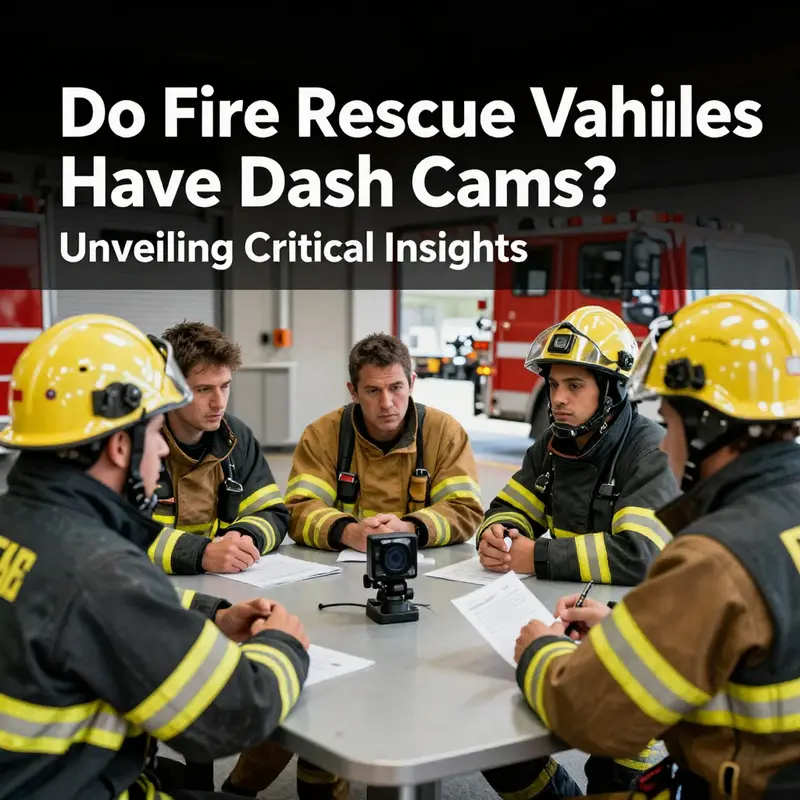
Emergency response fleets move through a world of urgency where every decision, every maneuver, and every second counts. In that world, the question of whether fire rescue vehicles should carry dash cams sits at the intersection of accountability, safety, and practicality. The current landscape shows that dash cams, in the sense we know them from private vehicles, are not standard equipment on fire trucks or EMS ambulances. Departments typically prioritize life-saving gear—ladders, hoses, medical supplies, and critical communications systems—over consumer-grade camera gadgets. Yet the absence of a consumer dash cam does not mean an absence of video capture. Many departments have embraced in-vehicle video recording systems that are integrated into fleet management or telematics platforms. These systems are designed less to document every driving habit for the public and more to support operational needs: driver behavior monitoring, vehicle operation logs, and incident reconstructions that can prove invaluable during training, audits, or investigations. The nuanced distinction matters. A dash cam, as a stand-alone device aimed at broad, continuous recording from a single driver’s perspective, differs from a purpose-built, embedded video system that may have multiple angles, controlled access, and a tighter focus on operational data. The lines between these solutions blur when departments describe their setups as camera-enabled fleets, yet the underlying purpose is clear: capture video that helps departments learn, defend, and improve. The political and legal terrain around such recordings is complex. The presence of video in patient encounters, bystander interactions, or sensitive scenes raises privacy considerations and the need for strict governance. Data storage, retention periods, access controls, redaction protocols, and the possibility of public-records requests all shape whether and how these video assets are used. Fire departments, like many public agencies, must navigate privacy laws, ethical obligations, and the trust of the communities they serve. These concerns mean that any movement toward dash cam-like systems must be deliberate, with clear policies that balance accountability with respect for privacy and medical confidentiality. Still, the momentum for video-enabled safety and transparency grows. Technological advancements are making it easier to deploy rugged, purpose-built recording solutions that withstand the extreme environments fire and rescue crews routinely encounter. The future, though gradual, points toward broader adoption, not as a mere replication of private vehicle tech but as an integrated, mission-ready tool aligned with dispatch workflows, incident documentation, and after-action review. When departments consider this path, they weigh the same core factors that shape any major fleet upgrade: cost, durability, data management, and the practicalities of preserving emergency readiness while protecting privacy. The research landscape reflects a cautious optimism. Dash cams are increasingly recognized for their potential to document how emergency vehicles navigate through traffic, including adherence to traffic laws during high-speed responses. This is not just about assigning blame or defending the department in court; it is about building a transparent record that can support safer operations and credible public communications. In this sense, dash cam concepts are expanding into a broader category of in-vehicle video analytics that can align with training objectives, performance reviews, and continuous improvement programs. The evidence base, including studies published in recent years, suggests that video recordings can illuminate risky driving patterns and help tailor targeted training to reduce the likelihood of preventable incidents. Yet the practical realization of these benefits requires a well-considered architecture that starts from the ground up, rather than relying on off-the-shelf consumer devices. The harsh realities of the fire and rescue environment demand rugged hardware with military-grade durability, thermal resilience, and resistance to dust, vibration, and impact. A consumer dash cam is unlikely to meet the demanding conditions crews face during pararescue, wildfire incidents, or urban rescues. Robust hardware must be designed to withstand extreme temperatures, water exposure, and the relentless vibrations of high-pressure pumps and heavy apparatus. The installation itself is a careful engineering challenge. Fire vehicles are already saturated with essential electrical systems, lighting, communication gear, and specialized equipment bays. Hardwiring new cameras, configuring power management, and ensuring compatibility with existing telematics require skilled technicians and detailed electrical schematics. The financial calculus is nontrivial. Beyond the upfront cost of hardware, agencies must account for installation, ongoing maintenance, software licenses, and data storage. If video streams multiply with multi-camera setups, as many departments envision, the power draw and battery management become even more significant. Power management must be designed to ensure that video capture does not compromise critical systems during battery-sharing events or long, load-heavy shifts. Then there is data governance. The sheer volume of video generated in a single shift could overwhelm storage capacities unless robust solutions are in place. Cloud-based storage with strong encryption, access controls, and clear retention policies is increasingly common, but it introduces concerns about data sovereignty, legal compliance, and the potential for data breaches. Privacy-by-design principles become essential. Policies must cover who can access footage, under what circumstances, and how identifiable information is handled. Redaction workflows, audit trails, and transparent public communication plans help communities understand how video is used. These considerations are not mere afterthoughts; they are the backbone of responsible adoption. This is where the concept of a phased, pilot-based approach proves prudent. Departments might begin with limited, purpose-built implementations—perhaps a single rear-facing camera or a small multi-camera setup in vehicles used in controlled, non-firefighting operations—to assess how video behaves under real-world conditions and how it integrates with incident reporting workflows. Pilot programs can reveal the practicalities of data storage needs, system reliability in extreme temperatures, and the effectiveness of privacy safeguards before a broader rollout. The path to widespread dash cam-like systems is not purely technical; it is deeply organizational. Training becomes a cornerstone—training drivers and officers not only to operate with the cameras but to extract value from the footage through structured debriefs and data-informed coaching. Incident review policies must be crafted to maximize learning while maintaining fairness and due process. In this context, the value of video extends beyond accident analysis. Video can corroborate or clarify actions during complex rescues, document assist calls, and support debriefings that aim to reduce risk in future responses. It can also enrich community relations by providing a transparent account of how responders navigate perilous situations, engage with civilians, and protect life and property. Communities increasingly expect accountability and openness, and video evidence can play a crucial role in meeting that expectation. Still, the vision of comprehensive dash cam coverage must be balanced with the realities of equipment maintenance and operational readiness. Cameras and their associated systems must be designed to minimize maintenance downtime, integrate with fleet management software, and avoid introducing new failure points that could threaten response times or safety. This is where the concept of intelligent camera ecosystems gains traction. Modern designs envision not merely recording, but intelligent processing that can identify events of interest, trigger alerts to supervisors, or prompt automatic data tagging for easier retrieval during investigations. Such capabilities could enable faster after-action reviews and better training outcomes while helping to protect privacy with selective capture and controlled access to sensitive footage. In embracing these possibilities, departments may also consider partnerships with research and training institutions to explore best practices in video capture, analysis, and policy development. Collaborative pilots can help standardize definitions of what constitutes critical footage, common retention schedules, and shared protocols for redaction and redacting personally identifiable information when appropriate. The broader governance framework is equally important. Clear policy language that outlines the purpose of video capture, the rights of individuals who appear in footage, and the permissible uses in investigations, training, and public communications is essential. Governance should also address data ownership—whether the footage belongs to the department, the individual firefighters, or the community—and the circumstances under which footage can be shared publicly. Financial and operational accountability must accompany policy. If dash cam-like systems are pursued, departments should assess the total cost of ownership over the life of a vehicle, considering hardware depreciation, software updates, data storage fees, and eventual retirement or replacement cycles. A holistic business case helps ensure that investments align with core mission objectives: protecting responders, safeguarding the public, and maintaining operational excellence. The promise of dash cam-like technologies in fire rescue fleets also invites a broader discussion about the role of technology in public services. It is not a rejection of the essence of firefighting or EMS work but a recognition that data-informed decision-making can reduce risk, enhance training, and improve accountability. This alignment with modern governance and modern policing of safety responsibilities could also enhance interagency collaboration—sharing best practices, datasets, and evaluated outcomes to elevate standards across jurisdictions. In considering the future, some departments point to models of knowledge transfer and technology adoption that emphasize interoperability, open standards, and scalable architectures. A future-ready system would be designed to grow with the department’s needs, incorporating features like multi-angle capture, event-triggered recording, low-light performance, and robust cybersecurity measures to protect both operational integrity and personal privacy. A forward-looking framework also includes a driver-centric perspective. Cameras should assist, not overwhelm, the operator. Interfaces that present concise, actionable information, with minimal disruption to situational awareness, help ensure that the driver remains focused on the primary mission: saving lives and property. The human element—the judgment and skill of the responders—remains central. Technology should augment, not replace, professional expertise. The nuanced decision about if and when to deploy dash cam-like systems will differ across departments, reflecting local needs, budgets, and risk tolerances. It will likely unfold gradually, with pilots informing policy as much as with hardware capabilities. The path ahead is anchored by the simple, powerful idea that video data, properly captured and responsibly governed, can illuminate the truth of a scene, support accountability, and accelerate learning. For some departments, this may become part of a larger, strategic modernization of fleet operations—an evolution from a purely mechanical set of tools to a data-informed ecosystem that blends video, telematics, and advanced analytics into a coherent operating model. In this sense, the debate over dash cams in fire rescue vehicles is less about a single device and more about a culture of continuous improvement. It touches upon public trust, the integrity of incident reporting, and the shared responsibility to keep responders safe while honoring the privacy rights of those served. The more departments explore this terrain, the more they realize that the question is not simply whether dash cams exist in fire apparatus, but how video captures the truth of a moment while also safeguarding the dignity and rights of patients, bystanders, and crews. A thoughtful approach—one that weighs cost against potential gains, durability against environment, and privacy against transparency—can yield a balanced path forward. It can also embrace the idea that technology, when deployed with deliberate policy and resilient design, strengthens both safety outcomes and public confidence. As with many advances in public service, the most successful implementations will be those that are integrated with existing workflows, supported by rigorous data governance, and guided by a clear, community-centered purpose. In that sense, the quest for dash cam-like systems in fire rescue fleets is not a rejection of tradition but an invitation to enhance safety through disciplined innovation. It invites departments to imagine a future where a camera is not merely a witness to events but a collaborative partner in training, accountability, and better service. To learn from broader, related work and to situate this evolution within a wider discourse on road safety and vehicle responsibility, see the ResearchGate study on dashcams as a tool to enhance road safety. For links to emerging ideas and ongoing conversations about technology in public service leadership, consider exploring resources such as Innovation Museum Transforming Fire Services. The intersection of evidence, policy, and practical deployment continues to shape how we think about dash cams in fire rescue fleets, and it remains an area where cautious experimentation, transparent governance, and clear value propositions can together guide progress. External perspectives from the field of road safety research reinforce the potential benefits of video documentation while reminding us to design systems that respect privacy and uphold public trust. As this dialogue advances, departments will need to balance the aspirational promise of comprehensive, intelligent video capture with the realities of budgets, maintenance, and community expectations. The evolving narrative is not about one more gadget in the apparatus bay; it is about a measured transformation that uses video as a tool for safer travel, more effective training, and stronger accountability across every mile of response. For a broader perspective on dashcams and road safety that informs this discussion, you can consult academic work such as a study published on ResearchGate: Dashcams as a device to increase the road safety level. ResearchGate – Dashcams as a device to increase the road safety level.
Final thoughts
As the landscape of emergency response continues to evolve, understanding the role of technology, particularly dash cams, in fire rescue vehicles becomes increasingly crucial. While traditional dash cameras are not standard in fire and EMS vehicles, many departments are exploring various recording systems to enhance training, accountability, and operational transparency. Legal and ethical considerations play a significant role in determining the feasibility of these systems. With ongoing technological advancements and growing recognition of the value of video evidence, the future may see increased implementation of dedicated systems. Community stakeholders, educators, and emergency personnel must stay informed on these developments to support best practices in emergency management and response.