
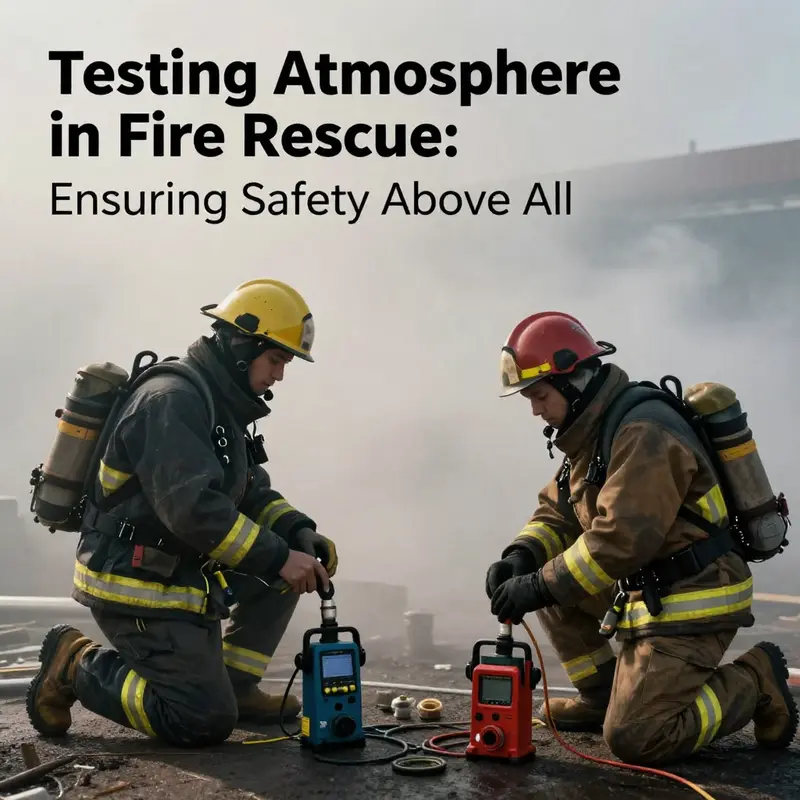
Testing the atmosphere in a fire rescue scenario is paramount to safeguarding both victims and rescuers. Specialized detection equipment plays a crucial role in assessing air quality in hazardous environments, pinpointing dangers such as low oxygen levels, toxic gases, and flammable substances. This article delves into the intricacies of atmosphere testing, highlighting key components such as oxygen analysis, detection of flammable gases, monitoring carbon monoxide, identifying toxic gases, and emphasizing collaborative techniques among responders. Each chapter equips readers with a robust understanding of how these testing protocols enhance safety procedures during rescue operations.
Breath of Danger: Practical Oxygen Testing for Safe Fire Rescue Entry
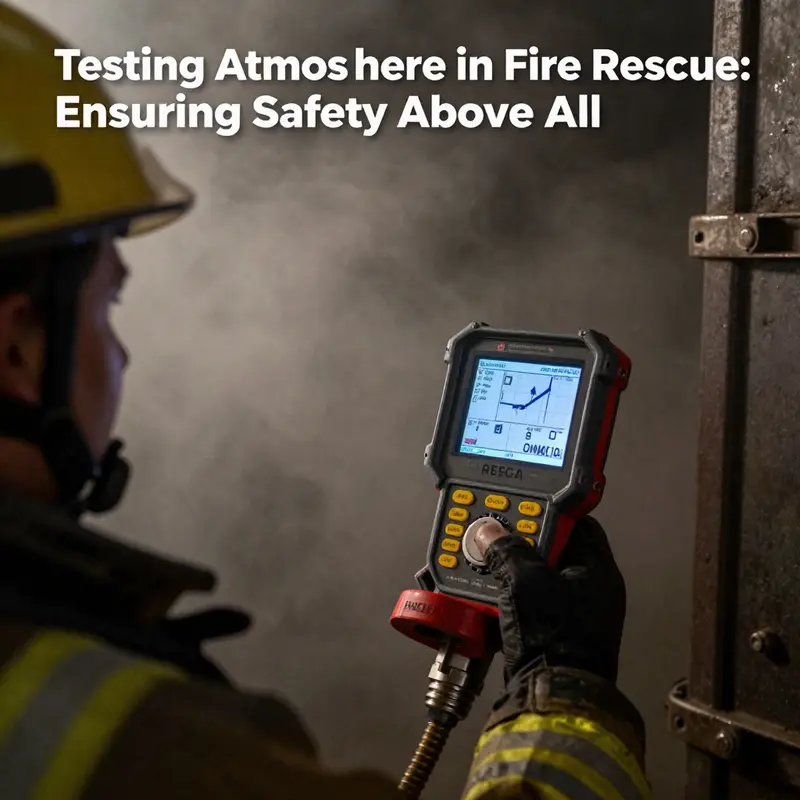
Breath of Danger: Practical Oxygen Testing for Safe Fire Rescue Entry
Understanding oxygen in the atmosphere is central to testing during any fire rescue. Oxygen readings tell rescuers if a space will support life, accelerate combustion, or create an explosive hazard. The first step is simple: measure. Yet practical testing goes far beyond a single number. It requires context, method, and continuous attention. When teams learn to read oxygen trends, they avoid hidden threats and choose the right tools and tactics for rescue.
At the operational level, oxygen testing serves three functions: detect deficiency, detect enrichment, and guide the response. Oxygen below 19.5% is widely accepted as oxygen deficient. Entering such a space without respiratory protection risks asphyxiation. Conversely, oxygen above about 23.5% creates an oxygen-enriched atmosphere. Enrichment dramatically reduces ignition energy and increases flame spread. Both extremes change every decision a team makes, from the need for SCBA to how ventilation is applied.
Multi-gas detectors commonly used in rescues include an oxygen sensor alongside flammable and toxic gas sensors. The oxygen sensor is typically electrochemical. It gives a direct percent reading and triggers alarms when levels cross setpoints. But the sensor alone is not the whole story. Proper testing begins before a team approaches the hazard zone. A calibrated detector performs a quick ‘‘bump test’’ to verify alarms and response. Calibration must match the operating environment, and sensors should be checked for response time and drift. A detector that reacts slowly or reads inaccurately can place responders in harm’s way.
Sampling technique matters as much as equipment quality. Gas stratification in enclosed spaces is common. Oxygen and lighter gases can collect near the ceiling, while heavier gases sink. Rescuers should sample at multiple heights and at likely victim locations. Use an extension probe or remote sampling hose to test beyond doorways and through small openings first. Pull readings from the breathing zone height for humans and again near the ceiling to check enrichment. Repeated checks are necessary when conditions change, such as when ventilation starts or when bodies of fire are disturbed.
Continuous monitoring must be part of the workflow. Atmospheres change during operations. Opening a door, moving debris, or applying positive-pressure ventilation can shift oxygen rapidly. Leave a detector on and visible to the entry team. If possible, designate a team member to watch the readouts and communicate trends. Modern practices favor real-time telemetry where portable monitors stream data back to the command post. That data supports decisions on rotation, ventilation, and whether to withdraw teams.
Interpreting oxygen values requires pairing those readings with other atmospheric data. For example, a normal oxygen percentage with high carbon monoxide indicates incomplete combustion in proximity. A normal oxygen percentage with rising LEL readings could still be dangerous if the oxygen level increases later. Oxygen trends should be read alongside flammable and toxic gas measurements and with an understanding of likely fuel sources and ventilation pathways.
Fatigue and human oxygen consumption affect the operational picture too. Under intense exertion, firefighters increase oxygen demand. Teams performing hard rescue tasks consume more oxygen in their immediate vicinity, which can influence small, enclosed pockets. Fatigue also slows decision-making and increases the need for monitoring and scheduled breaks. Plan work cycles with oxygen testing in mind. Rotate crews before readings edge toward unsafe thresholds, and adjust ventilation to replenish breathable air if safe to do so.
Ventilation is both a tool and a risk. It can restore safe oxygen levels for victims and rescuers. But ventilation can also feed a fire with oxygen or change the movement of toxic gases. An oxygen-rich pocket may disperse and ignite when a door is opened, leading to flashover. Establish controlled, directed ventilation that accounts for current oxygen readings. If oxygen is enriched near the ceiling, consider exhaust ventilation to remove the enriched air and reduce fire intensity. Conversely, if oxygen is deficient, fresh-air inlet ventilation can help, but only if it will not worsen a live fire.
Equipment maintenance and training keep oxygen testing reliable. Sensors age and decalibrate; alarms can fail. Routine maintenance, frequent bump testing, and periodic calibration against certified gas ensure trustworthy readings. Train teams on sensor limitations, like cross-sensitivity and temperature effects. Practice real scenarios with live monitoring so crews learn to act on readings under stress. Include oxygen testing in pre-entry checklists and make it a non-negotiable step before any unprotected entry.
Certain environments demand special attention. Aircraft and confined vehicles can harbor oxygen enrichment from onboard systems. Rescue helicopters, for example, can accumulate oxygen in cabins or compartments when systems leak. Those ‘‘oxygen clouds’’ can fuel rapid, unexpected fires. In such settings, testing must extend beyond ambient air to include pockets near systems and in crevices where enrichment can collect. In structural collapse or confined-space rescues, plan for remote sampling and consider controlled ventilation or inerting strategies before entry.
Documentation and communication transform raw oxygen readings into operational intelligence. Record initial readings, trends, and any corrective actions taken. Pass that information during briefings and handovers. A written timeline helps track when conditions changed and why a tactic was altered. It also supports post-incident review and continuous improvement of testing protocols.
Testing atmosphere oxygen in fire rescue is not a single step. It is a disciplined process that combines correct equipment, proper sampling, continuous monitoring, maintenance, and clear communication. When teams integrate oxygen testing into all phases of an incident, they reduce surprises. They protect victims and rescuers alike. For leaders, technology adoption plays a critical role in improving these capabilities and ensuring safe practices across departments; see this discussion of the broader impact of technology on fire department leadership for related insights.
For specialized cases and research on oxygen accumulation hazards in aircraft and similar settings, consult the detailed study on oxygen risks in rescue helicopters provided by the linked external resource: https://www.ncbi.nlm.nih.gov/pmc/articles/PMC10539876/.
Breath-Safe Surveillance: Real-Time Detection of Flammable Gases for Fire Rescue
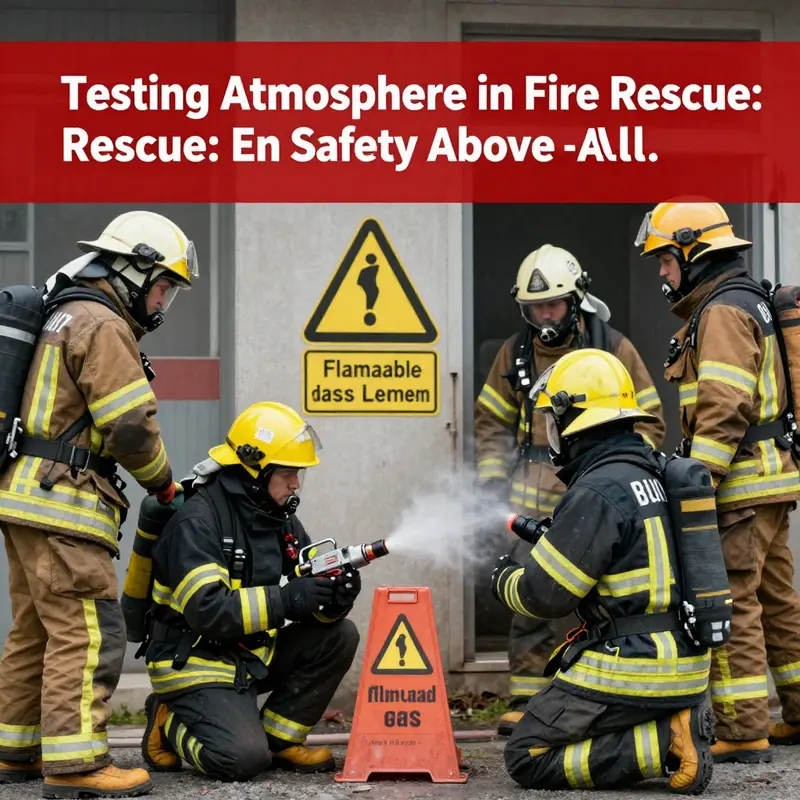
Testing the atmosphere in a fire-rescue operation is a foundational action that shapes entry decisions, ventilation choices, and PPE selection. In environments where heat, smoke, and debris converge, the presence and concentration of gases determine safe entry times and the required level of respiratory protection. Modern practice relies on portable multi-gas detectors and structured field protocols that translate invisible threats into real-time alarms. The four-in-one approach monitors oxygen, flammable gases, carbon monoxide, and other toxicants, providing responders with a clear picture of the hazard landscape. By tracking oxygen levels below 19.5 percent, monitoring combustible gas concentrations relative to the lower explosive limit, and watching for toxic gases like hydrogen sulfide, teams can adapt tactics, isolate hazards, and establish safer egress routes. Integrated systems—combining handheld units with fixed networks—expand situational awareness and maintain a continuous data stream for decision-making. Training emphasizes calibration, bump tests, and regular sensor maintenance to ensure alarms reflect current conditions. In practice, readings guide entry timing, ventilation strategies, and movement, turning sensor data into life-saving choices for victims and responders alike. External reference: Dräger firefighter gas detectors offer a comprehensive overview of portable gas detection in hazardous environments: https://www.draeger.com/en-us/products/gas-detection/firefighter-gas-detectors/
Breath as Boundary: Real-Time Carbon Monoxide Monitoring in Safe Fire Rescue Operations
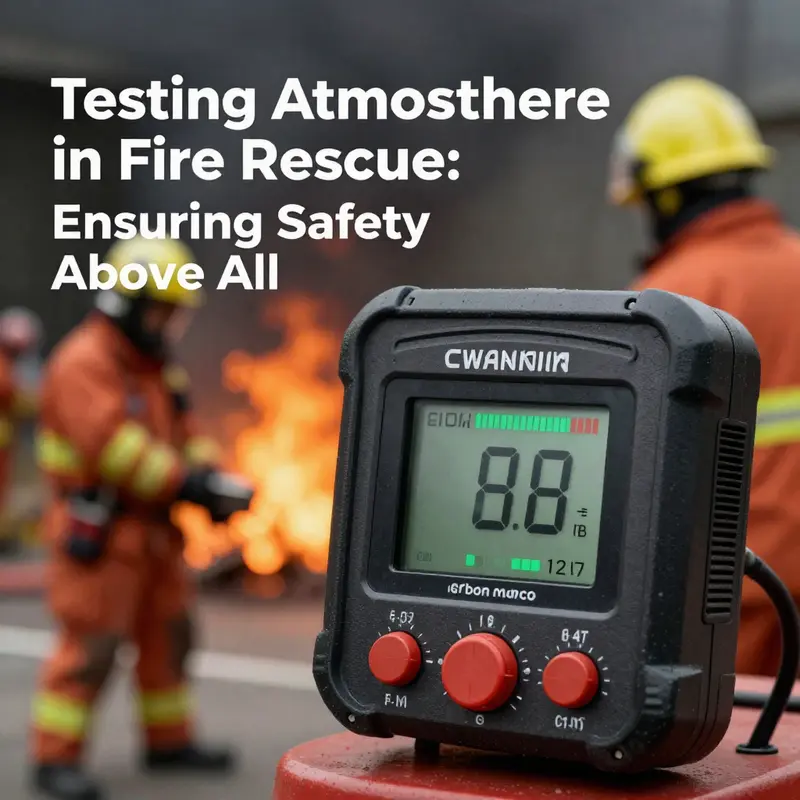
Testing the atmosphere in a fire rescue scenario is a quiet, relentless discipline. It begins long before firefighters step into a hazard zone and continues as a routine heartbeat throughout the operation. Among the invisible dangers that smoke and flame conjure, carbon monoxide stands out as a colorless, odorless antagonist that can render even the bravest responders vulnerable within minutes. The way teams test for CO, along with other atmospheric hazards, shapes every decision from entry to exit, from ventilation to victim extraction. In this work, atmosphere testing is not a single snapshot but a continuous, dynamic stream of information that informs risk management, PPE choices, and tactical pacing. The air first checked is the air around the scene, but soon it becomes the air each rescuer carries in a personal monitor, the small, steadfast gauge that translates unseen hazards into actionable warnings for the team and incident command.
The core tool in this practice is the multi-gas detector, often described in the field as a four-in-one device. It is designed to monitor oxygen, flammable gases, carbon monoxide, and other toxic gases in real time. The emphasis on oxygen is crucial: levels below 19.5 percent define an oxygen-deficient atmosphere that can suffocate the unprotected, forcing a decision to delay entry or to stage a pause while the air is controlled and replenished. Similarly, the detector’s readout for flammable gases is a canary in the room—once the measured concentration climbs toward the lower explosive limit, the risk of ignition escalates, and responders reevaluate ignition sources, ventilation strategies, and their own breathing equipment. CO, that silent partner in every smoke-filled space, becomes a leading indicator of the overall air quality because it grows quickly in environments where incomplete combustion persists, and it can travel with the wind or through stairwells and corridors, tying rooms together in a web of risk.
A robust CO monitoring approach recognizes two layers of protection: ambient, scene-wide measurements and personal, wearable monitoring. Before any entry, the incident commander and the lead safety officer rely on ambient readings to decide whether a room is safe to approach, whether it demands ventilation, or whether it must be treated as a potential zone for controlled access with SCBA usage. As the operation unfolds, individual responders wear personal detectors that continuously relay their exposure status. If a scanner in a doorway blinks with a CO spike or an O2 deficit, the signal is a call to action—alter ventilation plans, rotate teams, or retreat to a safe air reserve. That feedback loop—sensor data feeding into action—keeps the rescue focused on actual conditions, not on fear or assumption.
The six-year glimpse into CO exposure among firefighters paints a sobering picture, yet it also tells a story of progress. The data show substantial CO levels encountered during interventions, underscoring why monitoring cannot be optional. Importantly, there has been a meaningful reduction in exposure time after 2020, a trend attributed to refinements in protocols, equipment, and training. The statistics do not erase risk; they reframe it. They remind us that technology is not a luxury but a lifeline, a way to convert the smoke-filled air into a traceable narrative of safe choices. Real-time monitoring is the hinge that connects risk awareness to controlled risk, and the pivot point at which command decisions become protective rather than prescriptive. In this sense, the detectors do more than warn; they standardize safer practice across diverse incident types, from residential fires to complex urban collapses where CO lingers and shifts with the environment.
The health dimension of CO exposure remains central to how departments train and equip their crews. PPE serves as the shield, yet it cannot erase all risk. Even with the protection of a self-contained breathing apparatus, responders must listen to what their detectors report and monitor early signs of exposure. Long-term service carries a risk of subtle, cumulative effects—headache, memory fluctuations, dizziness—that can arise from repeated, low-level CO encounters. This possibility reinforces the need for medical surveillance, routine fitness-for-duty checks, and a culture of early reporting. The narrative beyond acute poisoning is a reminder that prevention includes medical vigilance, not only scene performance.
Public safety amplifies the stakes. When CO readings reveal a compromised atmosphere, the immediate steps—evacuation, oxygen administration, rapid clearance, and, if necessary, hyperbaric treatment—become not just medical responses but operational commands. The public depends on the same detectors to prevent secondary harm, as CO from a fire can migrate into adjacent spaces and linger after flames have been brought under control. Understanding CO poisoning symptoms—headache, dizziness, confusion, even coma—helps nonprofessionals recognize danger in victims and bystanders alike, guiding them to the safest course of action and reducing the time to definitive care. The chain from sensor to scene to solution is tight and critical; the most advanced detector is only as good as the decisions it informs, and the most decisive actions depend on accurate interpretation of the numbers blinking on a screen.
These considerations become most valuable when they are embedded in the incident command system. The data collected by detectors do more than protect individuals; they shape ventilation strategies, dictate where to deploy fans or exhaust points, and influence safe access routes for search and rescue. They also guide PPE requirements—when a room remains oxygen-deficient or CO-rich, only properly equipped teams proceed, and every move is staged to minimize exposure time. In this climate of accountability, leadership is exercised not by bravado but by disciplined use of technology, by adherence to protocols, and by a shared understanding of what the air demands. For leaders advancing the integration of technology on the fire ground, the lesson is clear: when tools translate hazard into clear, timely decisions, they elevate not just safety, but the entire efficiency and reliability of the mission. This sentiment echoes broader concerns about how technology shapes leadership in fire departments, a theme explored in contemporary discussions about the integration of advanced sensing into command decisions.
As the smoke clears, the final memory of a CO-rich scene is not the number on a meter but the balance it created between urgency and caution. The atmosphere test is the quiet broker of that balance, a mediator between the instinct to save lives and the obligation to preserve them. It is the difference between a rescue that proceeds too slowly and one that is efficient yet unforgiving of complacency. In practice, the best teams treat CO monitoring as a continuous conversation with the air itself—listening, interpreting, and acting in a rhythm that keeps pace with the fire’s unpredictable tempo. The chapter of a successful intervention ends not with the blaze’s defeat alone, but with the certainty that every breath of air inhaled by veterans and civilians alike has been judged against danger and kept within the narrow corridor of safety made possible by reliable detection, disciplined response, and a leadership posture that places protection at the core of every decision. The air is never simply observed; it is stewarded, and the rescue, trained by this atmosphere, advances with confidence toward a safer outcome for all involved.
Breath of Fire: Detecting Toxic Gases and Protecting Lives Through Atmosphere Testing in Rescue Operations
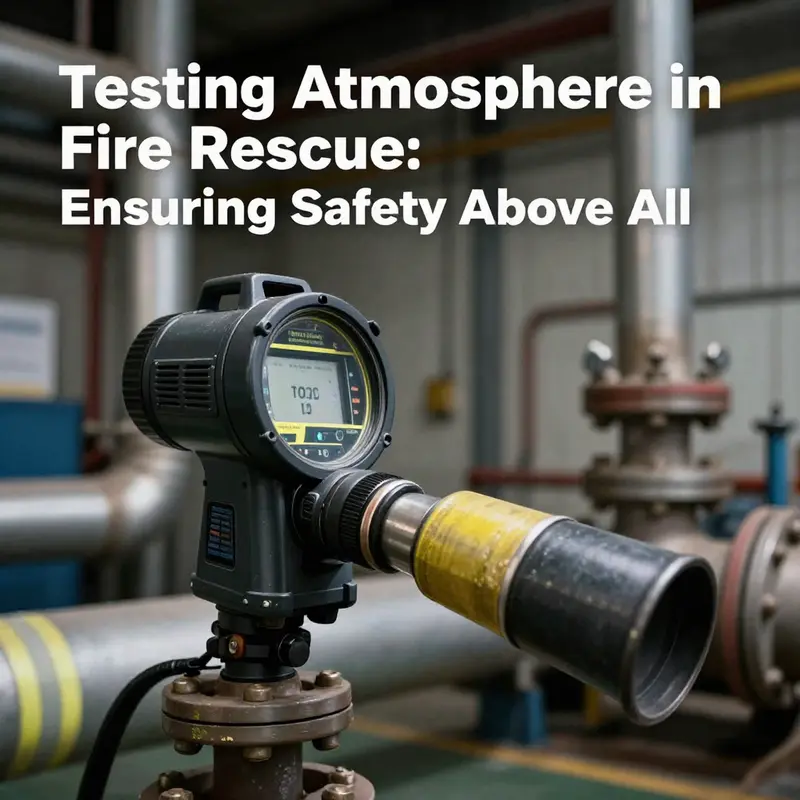
The air inside a fire scene is a layered, shifting threat, a composite of heat, smoke, and a volatile mix of chemicals that can strike without warning. For firefighters and the civilians they strive to save, understanding what rides in the air is not a luxury but a lifeline. Atmosphere testing becomes the hinge on which decisions turn—from whether a room can be entered safely to how ventilation should be applied and what PPE is required for the next move. In many operations, the practical backbone of this testing is the four-in-one gas detector, a compact instrument that distills a situation that could be fatal into a handful of clear alarms and data points. These devices monitor oxygen, combustible gases, and specific toxic species in real time, giving rescuers the power to act decisively rather than react instinctively to danger.
From the moment responders approach a hazard zone, the first rule is to verify the air before entry and to keep monitoring throughout the operation. Oxygen levels below 19.5 percent are a red flag for hypoxia risk, a condition that can render a rescuer unconscious within minutes if breathing apparatus is not used promptly. Equally critical is the measurement of flammable gases. When readings approach a significant fraction of the lower explosive limit, typically around 20 to 25 percent LEL, the risk of ignition or a runaway flame becomes a dynamic and immediate concern. The reason for this vigilance is straightforward: a room that appears calm can hold a dense cloud of fuel that, if sparked, would trap responders inside a deadly envelope with little warning.
Yet, even as oxygen and LEL readings guide entry decisions, toxic gases lurk as silent, invisible threats that can overwhelm the body long before a visible flame does. Carbon monoxide (CO) is the most familiar of these foes to many rescuers. It is colorless, odorless, and insidious, binding to hemoglobin with much higher affinity than oxygen and effectively stealing the body’s oxygen delivery system. In firefighting standards, CO alarms are triggered well before exposure becomes immediately fatal, yet sustained high levels—exceeding a few hundred parts per million—can rapidly convert a routine rescue into a chain of preventable tragedies. The detector’s CO channel is thus a crucial early warning line that prompts not only evacuation but also reevaluation of ventilation, air movement, and the configuration of search patterns.
The chapter’s focus, however, zeroes in on a broader category of danger: toxic gases formed by combustion. Hydrogen cyanide (HCN) stands out for its rapid absorption and profound disruption of cellular respiration. Found in fires that involve synthetic materials such as plastics, foams, and textiles, HCN can present a grave risk even when CO readings are not extraordinarily high. In some situations, HCN toxicity can be significantly more dangerous than CO exposure, with readings rising quickly and effects manifesting within minutes. This makes an accurate, sensitive detection capability essential—not merely a compliance requirement but a solvable problem when responders carry detectors calibrated for multiple toxic species beyond the classic CO/oxygen/LEL triad.
Other gases of concern—sulfur dioxide (SO₂), chlorine (Cl₂), and nitrogen oxides (NOₓ)—often accompany combustion of sulfur-containing materials, chlorinated compounds, or high-temperature reactions. SO₂, a pungent irritant, can inflame airways and complicate breathing even at relatively low concentrations. Chlorine, released from certain construction materials or chemical processes, can cause rapid irritation to eyes, throat, and lungs and, at higher concentrations, pulmonary edema. NOₓ gases contribute to inflammation of the respiratory tract and can exacerbate airway hyperreactivity. Each gas carries its own signature risk profile, and the detector’s ability to identify multiple species simultaneously allows the team to map a hazard landscape that would otherwise require multiple, time-delayed measurements.
Detectors designed for fire-rescue use employ electrochemical sensors for CO, HCN, SO₂, Cl₂, and NOₓ. The four-in-one configuration means responders gain a snapshot of the most dangerous conditions in a single device, which is vital when time is scarce and decisions must be made in fractions of a minute. The detectors provide real-time alarms and digital readouts, and many models also offer trend data showing whether a gas concentration is climbing or receding. This trend information is indispensable when a team attempts to balance immediate life-safety needs with the longer-term risk of recontamination or reappearance of a hazard after ventilation changes.
The operation begins with a cautious, staged approach. Before any entry, a primary scan establishes a baseline across rooms, stairwells, and confined spaces. In collapsed structures, for example, airflow may be limited, and pockets of stagnant air can harbor high concentrations of toxic gases even when ambient readings outside are moderate. The four-in-one detector helps identify pockets where oxygen remains sufficient but toxic gases accumulate, a combination that can still be deadly if a team moves blindly through a doorway that leads into a poorly ventilated compartment. This initial pass is followed by a controlled, systematic entry plan that prioritizes the most likely locations of victims and the spaces with the highest hazard potential, all while keeping continuous monitoring on every channel.
During a rescue, the data becomes a living map. If CO climbs above 500 ppm or HCN readings surpass 50 ppm, segment by segment the team must reassess. The oxygen channel’s signal must be weighed against the LEL and the toxic-gas readings to determine whether safe access routes exist or if a temporary hold, a ventilation strike, or a shift in entry points is warranted. The oxygen reading is not a stand-alone verdict; it must be interpreted in concert with the other sensors. A reading that shows oxygen dipping toward 19 percent or lower combined with moderate CO and rising HCN is a sign that the team should consider postponing interior entries and increasing external ventilation, or deploying breathing apparatus for any necessary interior work.
In practice, the four-in-one detector serves as a constant interlocutor between human judgment and environmental reality. It guides decisions about ventilation strategies—whether to press ahead with mechanical ventilation, to create controlled air exchange by opening or sealing specific pathways, or to introduce fresh air through guided intakes. It informs PPE choices, often dictating the deployment of supplied-air respirators or self-contained breathing apparatus, depending on the severity of readings and the duration of anticipated exposure. The detector’s alarms do not merely warn of danger; they cue operational tempo—whether to press or pause, to advance or retreat, to reallocate teams or redefine interior search corridors.
The responsibility rests on a blend of training, calibration discipline, and situational awareness. Detectors must be calibrated regularly and tested for sensor cross-sensitivity and response time. Firefighters train to read and interpret the data quickly, to understand the relative severity of different gas readings, and to translate those numbers into clear, actionable steps for the team. The value of this practice is easiest to appreciate when considering the human cost of misread conditions: the same gas plume that might signal a safe passage one minute could bloom into a lethal hazard the next if ventilation is inadequate or if a new source of combustion emerges within a sealed compartment.
For those seeking a concise primer on the basics and a reminder of the human stakes, accessible resources and practical overviews are available. A quick, accessible primer can help newcomers connect the dots between sensor readings and on-the-ground decisions. Hello World primer offers a starting point for understanding the simple idea that air quality testing is not a theoretical exercise but a daily, high-stakes routine in rescue operations. See it here: Hello World.
In the end, atmosphere testing in fire rescue is about translating the unseen language of the air into a safe, repeatable sequence of actions. It is a disciplined negotiation with danger—one where sensors, data, and human judgment converge to protect lives. The four-in-one detector is not a gadget but a clinician of the scene, diagnosing the air, guiding the team, and, importantly, signaling when time is right to stay put, ventilate, or move through a doorway. As cases and environments vary—from residential fires to industrial incidents and complex structural collapses—the core principle remains the same: accurate identification of toxic gases through reliable detection instruments is essential for protecting personnel and improving survival rates during fire rescue missions.
External reference: For authoritative standards and detailed thresholds that guide these practices, see the NFPA’s guidelines on fire service operations and safety: https://www.nfpa.org/Code-Development/All-NFPA-Codes-and-Standards/7010-Standard-for-Fire-Service-Operations-Rescue-And-Safety
Coordinated Atmosphere Testing: How Teams, Tech, and Tactics Keep Fire Rescue Air Safe
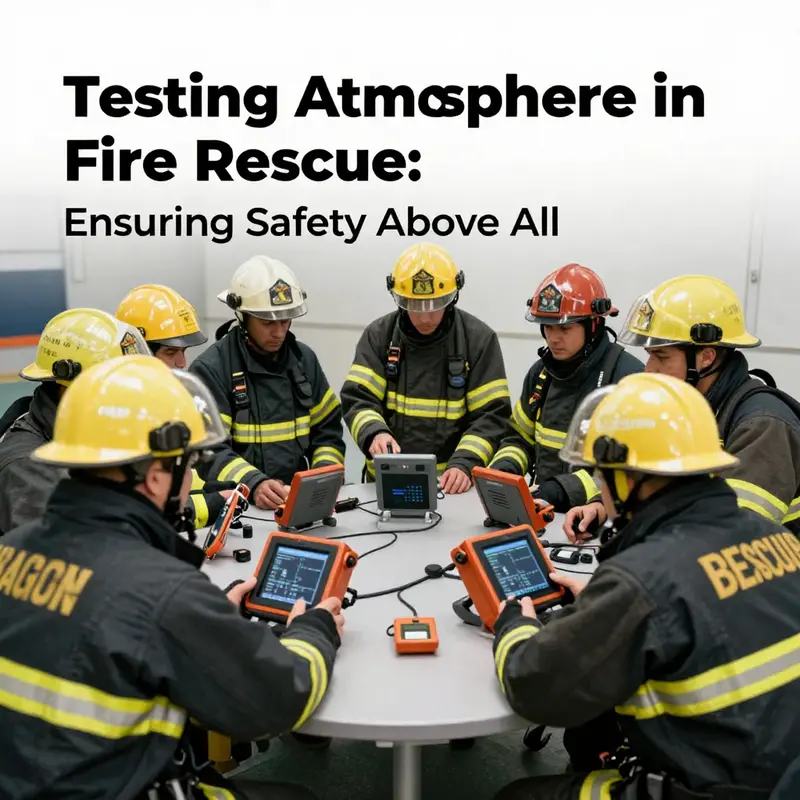
Collaborative atmosphere testing transforms raw sensor readings into safe, actionable choices during fire rescue. In complex incidents, a lone gas reader is not enough. Teams must combine portable multi-gas detection, remote sensing, command-level data flows, and clear operational protocols. That combination creates a living picture of the hazard zone. It lets commanders make decisions about ventilation, entry, and evacuation. It keeps rescuers from stepping into unseen threats.
Portable multi-gas detectors remain the backbone of any testing strategy. These devices monitor oxygen, flammable gas concentrations, carbon monoxide, and other toxic species. When worn on turnout gear or carried on a probe, they provide the immediate, localized readings firefighters rely on. But their power multiplies when their data is shared. Wireless transmission from each device to a central incident system gives the command team a scene-wide view. That view reveals patterns that individual readings hide—gas pockets, oxygen gradients, or rising CO levels near vents.
Data sharing reshapes how teams operate. Instead of guiding entry by a single reading at a doorway, incident commanders can compare readings across multiple points. A low oxygen reading near the floor, coupled with a high flammable gas reading near a ceiling, suggests stratification. The team can then position ventilation to displace flammable vapors while protecting crews from oxygen-deficient pockets. This is how testing becomes tactical: it informs where to cut, where to vent, and which route minimizes exposure.
Integration with command systems also supports continuous monitoring. Atmosphere testing is not a one-time check. Conditions shift as fires evolve and ventilation changes. When detectors stream live data, command receives alerts in real time. This enables immediate changes in tactics. Teams can be withdrawn before exposures reach dangerous levels. Rescue crews can be rotated faster when toxic loads rise. In other words, continuous data enables continuous protection.
A cohesive testing program ties technology to policy. Standardized protocols define acceptable limits and trigger points. These protocols should align with national standards and local regulations. That alignment ensures everyone shares the same thresholds for oxygen deficiency, lower explosive limit (LEL) alarms, and CO or H2S hazards. It also clarifies required PPE and breathing apparatus use. A clear, practiced set of rules reduces hesitation and speeds safe action.
Communication discipline is essential. Real-time data is valuable only if it reaches the right people. Incident communications must carry sensor alerts, their locations, and recommended actions. Radio calls remain primary. Digital dashboards augment radios by visualizing alarm clusters and trends. When commanders and crews use the same terminology, confusion drops and decisions sharpen. Training that simulates these communications, under pressure, is worth the investment.
Redundancy and cross-checks protect against single-point failures. Sensors can fail, and detectors may drift without calibration. Teams should use multiple detection methods when possible. A handheld diffusion detector might be backed by a pumped sampling probe. Remote sensors, such as tethered probes or unmanned aerial units, can sample areas unsafe for personnel. When readings converge from different devices, confidence rises. When they conflict, teams treat the situation conservatively until resolved.
Human factors must guide system design. Data overload is a real risk during high-stress incidents. Dashboards should present only what is necessary. Alarms need prioritization so crews do not ignore them. Visual cues, like maps with color-coded hazard zones, reduce cognitive load. Clear audio cues, distinct for different hazards, speed reaction. Above all, training must include realistic exercises that pair sensor data with tactical choices. Familiar crews respond faster and more reliably.
Interagency cooperation strengthens atmosphere testing at larger incidents. Mutual aid scenarios often mix equipment and procedures from different departments. Pre-planned interoperability—shared communication channels and agreed alarm thresholds—smooths integration. Joint training sessions build trust in each agency’s data and promote common language. When a nearby agency brings an unmanned system to sample a collapsed structure, seamless data integration prevents duplicate work and yields a unified hazard map.
Maintenance, quality assurance, and documentation complete the system. Sensors need calibration, sensor heads must be replaced, and batteries require management. A schedule for pre-shift checks and post-incident inspections reduces the chance of equipment failure at critical moments. Records of atmosphere readings and associated actions also serve legal, medical, and training needs. They document why commands were made and support after-action reviews that improve future responses.
Tactical considerations shape how testing is applied in the field. Before entry, teams should perform a perimeter sweep to identify the dominant hazards. Use continuous monitoring when moving through confined spaces, near salvage operations, or when structural collapse is possible. When ventilation is applied, monitor both intake and exhaust paths. Ventilation can dilute toxic gases but also feed oxygen into a smoldering pocket. Testing before and after venting shows the net effect and prevents unintended escalation.
Technology continues to expand the toolbox. Drones with gas sensors, remote tethered probes, and fixed scene monitors allow sampling of hard-to-reach spaces. These tools reduce risk by keeping people out of immediate danger. Yet technology is an aid, not a replacement for judgment. Command must integrate remote data with observations from crews on scene. When conflicting evidence appears, prioritize human safety and enforce conservative entry rules.
Leadership plays a decisive role in embedding collaborative testing into routine operations. Training, clear SOPs, and investment in interoperable systems create a culture where atmosphere testing is trusted and habitual. For more context on technology’s role in shaping fire service leadership and operations, see the article on Impact of technology on fire department leadership.
Finally, standards anchor all these practices. National guidance such as the NFPA 1500 standard emphasizes continuous atmospheric assessment during firefighting. Aligning local protocols to those standards ensures that decisions rest on consensus best practices and legal guidance. When teams combine robust detection, reliable data sharing, disciplined communications, and strong leadership, atmosphere testing becomes a collaborative force that protects victims and rescuers alike.
For detailed guidance on the NFPA recommendations referenced here, consult the NFPA 1500 handbook: https://www.nfpa.org/Code-Development/All-NFPA-Codes-and-Standards/How-to-Use-the-NFPA-Handbooks/NFPA-1500
Final thoughts
In conclusion, thorough atmosphere testing is an indispensable aspect of fire rescue operations, ensuring the safety of both victims and firefighters. By understanding and applying the principles of oxygen analysis, flammable gas detection, carbon monoxide monitoring, and toxic gas identification, rescuers significantly enhance their safety protocols and operational effectiveness. Additionally, fostering collaboration among emergency responders leads to well-informed and timely decisions which ultimately provide better protection against unforeseen hazards. Knowledge of these testing methods not only serves to prepare fire service personnel but also reassures the community of their safety in times of crisis.