
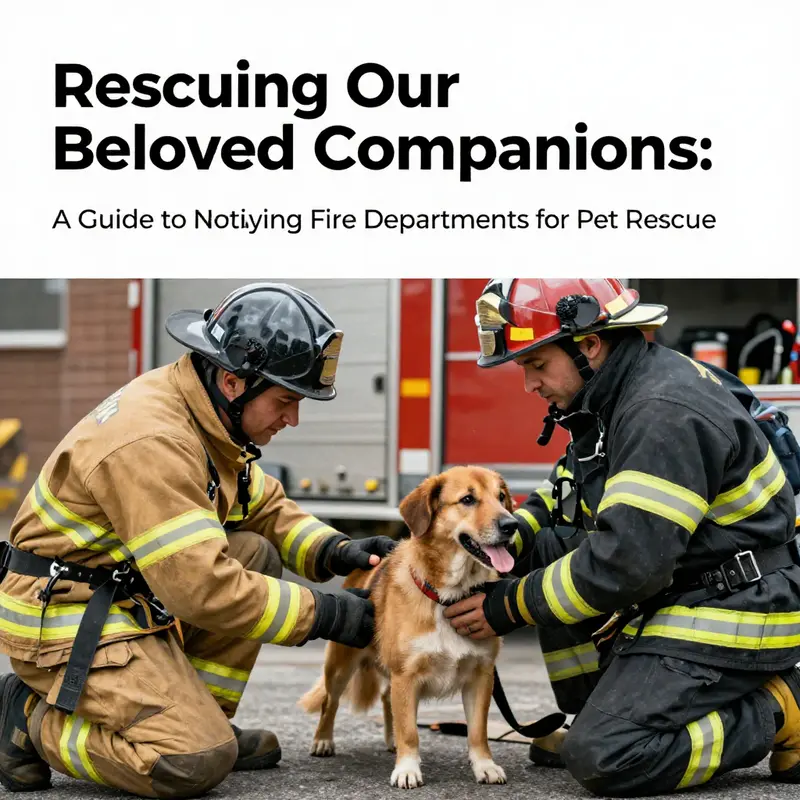
Pet owners often face situations where their beloved animals find themselves in precarious situations needing urgent assistance. Understanding how to effectively communicate with fire departments during a pet rescue scenario is crucial for ensuring the safety and well-being of our pets. This guide provides essential guidelines on notifying fire departments, highlights the limitations in their responsiveness, offers alternative solutions when fire departments cannot assist, and emphasizes preventive measures to mitigate risks for pets. Each chapter delves into these factors, equipping pet owners, community residents, and emergency personnel with the knowledge necessary to navigate these challenging situations.
Called to Help: A Practical Guide to Notifying the Fire Department for Pet Rescue in Emergencies
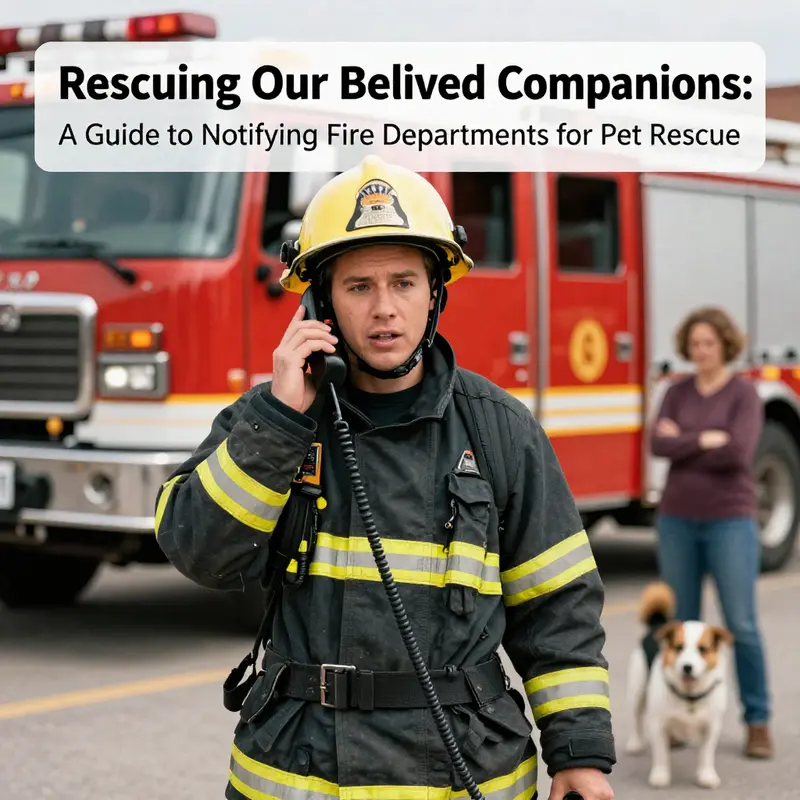
When a pet is in danger, panic can flare up faster than smoke, and the impulse to act is powerful. Yet in the heat of an actual emergency, timing, accuracy, and a clear understanding of who should respond can determine whether a life is saved. This chapter threads together the practical steps, the realities of emergency response, and the humane instincts that drive owners to reach for help. It is not a guarantee that every pet rescue will be prioritized by the fire department, but it is a guide to making a report that is precise, calm, and actionable. It also offers paths for what to do when the fire department cannot respond promptly, and it grounds the reader in preventive measures that reduce the need for last‑minute rescues altogether. In many countries, including China, the emergency number is the gateway to help. There, dialing 119 connects you with fire and rescue services, but the dispatcher’s assessment will still hinge on the same essential questions: Is there an immediate threat to human life or property? Can responders operate safely? How urgent is the animal’s distress? The goal is to present a scenario that is comprehensible to the dispatcher, to minimize ambiguity, and to maximize the odds that the right kind of aid arrives in time. The rules that govern these calls are designed to protect lives first, and to use scarce resources where they can have the greatest impact. As such, the guidance that follows emphasizes clarity, swiftness, and honesty about the circumstances on the ground. It also recognizes the important reality that fire departments may decline non‑emergency animal rescues when there is no direct danger to people or property, or when other emergencies demand attention. This is not a critique of responders; it is a sober acknowledgment of triage in action and a practical framework for pet owners who must navigate a difficult moment with as much composure and foresight as possible.
To begin, imagine a crisis scenario: a cat is stranded on a fifth‑floor balcony railing as wind swirls and dusk presses in. A dog is trapped beneath a toppled beam in a workshop, a space that is dark and narrow. Your first instinct is to call. The second is to speak with precision. Your third is to stay as calm as you can, because the dispatcher is relying on your steadiness to guide the responders. When you call the emergency line, you should state clearly that you are reporting an animal in distress and specify the location with as much detail as possible. The exact words matter. A well‑phrased report can shave precious minutes off the responders’ arrival and reduce the risk to both you and the animal.
The core steps unfold in a familiar sequence, but the emphasis shifts depending on the context and the animal’s condition. First, call emergency services without delay if the situation is urgent. In China, that number is 119. If you are in another country, dial the equivalent emergency number for fire and rescue services. Then, as you connect, speak with the dispatcher as though you are guiding a rescue operation. Explain the animal’s species and approximate size so the responders can bring appropriate equipment. If you know it, mention the animal’s behavior: is it cowering, clawing, howling, or visibly injured? This detail matters because it helps prioritize the response and determines whether additional teams—such as animal control, veterinary teams, or private rescue services—should be alerted in parallel.
Second, provide precise location data. A good report will include the full address, building name or complex, floor number, apartment or room number, and any landmarks that could help a crew locate the scene quickly. If you are dealing with a mid‑building scenario or a complex outdoor space, describe the closest accessible entry point and the safest path for rescuers to reach the animal. The dispatcher may ask you to repeat or reframe details to ensure accuracy, so take a moment to confirm each element aloud. If the animal’s position is dangerous for entry—such as a cat perched on a narrow ledge with gusts of wind or a dog trapped under a heavy beam—note the hazards explicitly. Mention smoke, fire, falling debris, exposed electrical wires, or any risk that responders should plan to mitigate before entry. This information helps responders decide on protective gear, equipment, and whether to stage a safety backup outside the immediate area.
Third, describe the animal’s condition and the surrounding environment. State whether the pet is injured, whether it is bleeding, whether it cannot move, and how long it has been distressed. If there are signs of heat, cold, dehydration, or pain, include those details. The more you can convey about the animal’s distress, the better the chances that responders can match the right level of urgency with the actual needs on scene. If the animal’s location is difficult to reach, indicate whether the animal has a preferred or limited access route or if there are potential escape routes that must be sealed to prevent further danger. The dispatcher will translate your notes into a plan. Some of that plan may involve paramedics or firefighters using protective equipment to approach a hazardous area, so it helps to flag any special considerations right from the start.
Fourth, stay connected and cooperative. If possible, remain on the line or provide a reliable contact number so the dispatcher can reach you for updates or clarifications. A calm, responsive caller is a strong ally to responders who must make fast decisions under pressure. They may request you to confirm the animal’s location again after the first report, or to describe newly observed changes in the animal’s condition. Your steadiness during this exchange can reduce confusion and speed up the process. At times, a dispatcher may guide you through simple steps to keep the animal safe while the rescue is being organized. These can include moving away from danger if it is safe to do so, turning off a gas supply or electricity if you can do so without risking yourself, or placing a barrier to prevent the animal from wandering into a hazardous area.
Fifth, be mindful of jurisdictional limits. In many places, fire departments are primarily tasked with life‑threatening emergencies and major incidents. They may not respond to non‑emergency animal rescues such as a cat stuck in a tree or a dog caught in a fence if there is no immediate risk to human life or property. This does not mean that animals are ignored; rather, it means that responders must triage their scarce resources where the risk to human life is greatest. In such cases, you may be directed to contact animal control, animal welfare organizations, or private rescue services that specialize in pet retrieval. Understanding this reality in advance can save precious time during a crisis. It is also worth noting that, in ongoing emergencies that involve fire, smoke, or structural danger, animal rescue can be addressed as part of the larger incident response. Dispatchers will coordinate priorities accordingly, and you may find yourself connected to a multi‑agency response that includes fire, emergency medical services, and animal welfare partners. This networked approach reflects how cities and regions balance urgency, safety, and compassion when lives—two‑legged and four‑legged—are at risk.
If the situation is clearly non‑emergent for human life, the chapter’s practical advice is to proceed with alternatives in parallel to avoid leaving the animal without care. Reach out to local animal control or animal welfare organizations who routinely handle pet emergencies. Some communities also have private rescue teams with specialized gear and training for climbing or confined‑space retrieves. While these options may involve fees, they can be faster and more specialized for certain scenarios, such as pets perched on ledges or small mammals trapped in restricted spaces. Neighbors, friends, and community networks often mobilize quickly when a credible rescue plan is in place. Having a pre‑arranged list of contacts or a clear step‑by‑step protocol within your household can shave minutes off what can feel like an eternity when you’re watching a frightened animal.
The chapter’s realism rests on a few central truths. First, even when you call the emergency line and provide all the right information, responders may have to refuse a non‑emergency animal rescue to prioritize life safety. This is not a failure of care; it is a reflection of the way emergency services allocate limited resources under pressure. Second, animals do not always wait for the perfect moment to be helped. They react to fear, pain, and confusion, and their behavior can change rapidly. The call then becomes not just about getting someone to the scene, but about shaping a safe, efficient, and humane response. Third, you can influence the outcome by preparing in advance. Identify safe spaces in your home where pets could be confined during storms, fires, or other threats. Secure balconies, windowsills, and access points that could become hazards. Most importantly, practice a simple, repeatable reporting script with your household so that in an actual emergency, everyone knows what to say and do. Practice builds confidence, and confidence saves time when seconds count.
To illustrate how these guidelines function in practice, consider a scenario in which a pet is trapped in a dangerous position that demands careful judgment. Suppose your dog is pinned beneath a fallen beam in a dimened space where the risk from shifting debris is real. You must convey both the danger and the need for immediate access with minimal risk to the responders themselves. You would state the exact location, the hazard, the dog’s distress, and the urgency of freeing the animal without aggravating injuries. At the same time, you would seek guidance on whether responders should be prepared to perform a controlled entry, which may require specialized equipment such as stabilizing tools or protective gear. This is precisely where the dispatcher’s questions become a bridge between your shoulders and the responders’ hands. The goal is to finish a call with a plan that is specific enough to prevent guesswork on arrival but flexible enough to adapt if conditions on the ground rapidly change.
A practical, emotionally intelligent approach to reporting is also worth cultivating. Use calm, concise language and avoid jargon. The dispatcher does not need flowery descriptions; they need facts that can be acted upon. If you are anxious, take a slow breath before you speak and remind yourself to speak clearly, enunciating each important detail. Repeat the most critical items: the location, the animal’s condition, and any hazards. If the animal’s safety depends on someone outside the building entering with a harness or a carrier, note that possibility so responders can prepare accordingly. If you suspect there is an injury, say so, and describe the visible symptoms, such as limping, unwillingness to move, or visible wounds. If possible, provide a contact number for updates, and be ready to relay instructions from the dispatcher to other household members. These micro‑moments of communication accumulate into a more effective rescue operation and can influence whether extra hands are called in or whether a private rescue team is engaged after a prioritization decision is made.
The broader takeaway is that notifying the fire department for a pet in distress is a critical act that sits at the intersection of emergency protocol and compassionate care. It requires a clear vision of the situation, precise information, and a readiness to pursue alternative avenues if the call cannot be converted into on‑scene action right away. It also invites readers to adopt preventive habits that reduce reliance on last‑minute rescues. Keep pets indoors during severe weather, secure windows and balconies, and train household numbers and routines so that in an emergency, the first response is not an improvisation but a practiced sequence. If you sense that a scenario might escalate, prepare a small, portable pet rescue kit in advance: a sturdy carrier, a leash, a blanket, and a few essential identifiers. These tools will not only speed up a potential rescue but also convey to responders that you are organized, cooperative, and ready to work with them to safeguard the animal.
In closing, the issue is not simply about pressing a button and hoping for help. It is about understanding the boundaries of emergency services, recognizing the situations in which a rescue is appropriate, and cultivating the practical habits that make any call more effective. It is about honoring the bond between humans and animals by ensuring that when help is needed, the request is as actionable as it can be. If you want to explore further how emergency reporting interfaces with broader safety practices, you may explore related discussions on fire‑safety literacy and evacuation planning, such as the discussion on historic communication pitfalls in fire evacuations. Accessing broader insights can deepen your preparedness and help you communicate more effectively in a crisis. For a broader perspective on official guidance and procedures, you can consult resources from established fire safety agencies. See the Guangdong Provincial Fire Rescue Corps guidelines for more detail on how animal rescue is integrated into official emergency response protocols in major incidents.
Internal reference for related emergency communication considerations: left-behind the tragic failures of fire evacuations in senior care facilities.
External resource for official guidance: for more information on official guidance on emergency procedures and animal rescues, see the Guangdong Fire Rescue guidelines at https://www.gdfire.gov.cn. This resource illuminates how animal rescue is framed within broader life‑safety priorities and provides context for how local agencies balance pet welfare with human risk during emergencies.
The Boundary of Help: Understanding When and How to Notify Fire Services for Pet Rescue
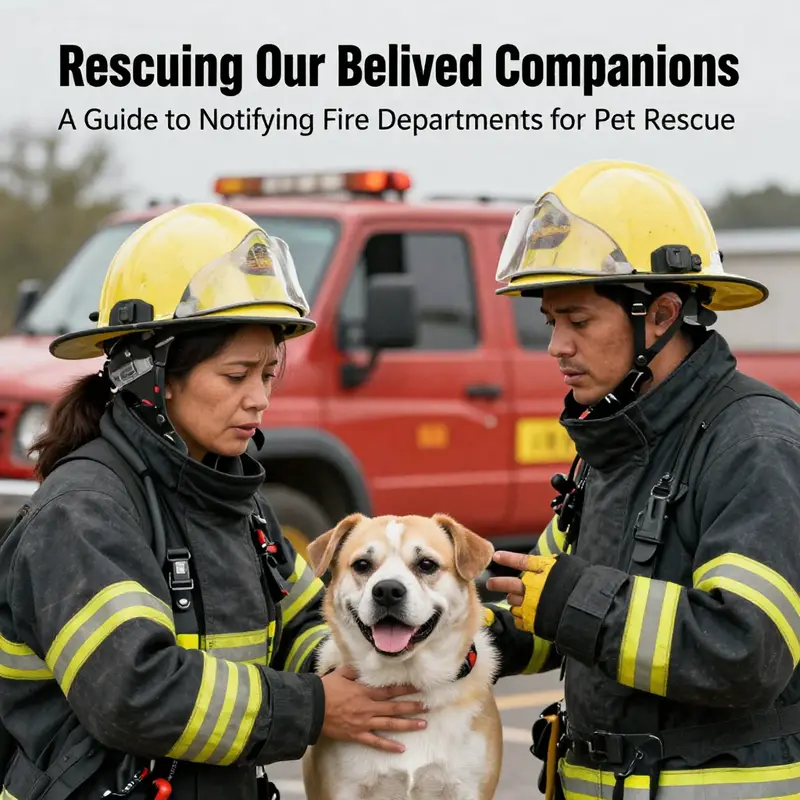
When a beloved pet is imperiled, the instinct to seek help can be as strong as the fear that floods a room during a crisis. Yet the decision to reach out to emergency services is not a simple reflex. It rests on a clear understanding of how fire departments operate, what they are legally required to do, and what alternatives exist when a situation does not perfectly align with life-threatening danger. This chapter explores that terrain with care, tying practical steps to the broader reality that public emergency resources are designed first to safeguard human life and to respond to events that threaten immediate safety or property. In China and many other places, this distinction is codified in policy and law, even as individual firefighters often extend compassion to animals. The result is a nuanced reality we must navigate with composure and clarity, especially when time is of the essence and emotions run high. The aim is not to dampen the urgency of a pet in distress but to channel that urgency into actions that maximize safety for all, including the animal, the caregiver, and the community at large. For readers who want to situate these ideas within a broader policy context, it is useful to consider how emergency systems manage competing demands and how communities can rely on a spectrum of services without overburdening those services in non-life-threatening moments. A related conversation about rebuilding trust in wildfire response can provide additional perspective on how authorities balance rapid action with prudent resource management. rebuilding trust in wildfire response.
The practical reality is simple and sometimes frustrating: fire departments prioritize human life and critical threats. When a pet is trapped behind a barrier, stuck in a precarious position, or in a hazardous environment but there is no direct threat to a person’s life, the response may be deferred or redirected. This does not mean that your concern is ignored; rather, it reflects a system designed to ensure that life-saving capabilities remain available for the situations that truly require them. Understanding this distinction helps pet owners prepare more effectively, reduce unnecessary pressure on emergency lines, and pursue the most appropriate avenues for help. It also reinforces the importance of prevention and planning ahead, because preventing a pet crisis is often more reliable than relying on a last-minute rescue when emergency resources are stretched thin.
Assessing the situation begins the moment danger is detected. A pet that is merely uncomfortable but not in danger should not trigger a fire department response. If your animal is entangled in a life-threatening configuration—immediately at risk of falling, crushed, or exposed to toxic fumes—then the situation crosses a threshold that demands urgent attention. When you call the emergency number, clarity is essential. In China, dial 119 for fire and rescue services. The dispatcher will ask for your location with precision—address, floor, apartment number—and details about the animal type and the exact nature of the danger. A concise description helps responders gauge urgency and mobilize resources appropriately. You may be asked to describe whether the animal shows signs of injury or distress, and to specify any hazards to human occupants or the property. A practical reminder from the guidelines is to present the information calmly and specifically. Instead of saying only that the cat is stuck, you might add where and how the animal is positioned and what environmental factors are present: the fifth-floor balcony, the air conditioning unit, a narrow space, wind conditions, or the presence of smoke. If you can, prepare a short script in advance so the message to the dispatcher is precise and repeatable in an adrenaline-pumped moment.
In this unfolding dynamic, the possibility of rejection is a reality to acknowledge. Fire departments may decline non-emergency pet resues when resources are engaged in more urgent incidents such as active fires, medical emergencies, or structural collapses. National guidelines emphasize that non-life-threatening animal rescues fall outside the core statutory duties of firefighting services under the Fire Control Law in many jurisdictions. Recognizing this helps set expectations and reduces the chance of confusion during a crisis. The key is to avoid placing dispatchers in an impossible choice: asking them to prioritize a non-urgent pet retrieval at the expense of an imminent human threat. When a call falls into the non-emergency category, the dispatcher should clearly explain the situation and direct the caller to more appropriate services. This transparency, while sometimes disappointing, preserves the system’s ability to respond when every second counts for a human in danger.
For those seeking immediate, practical guidance in the moment, the recommended approach is to rely on professional pet rescue services or local animal control when the pet’s life is not at immediate risk. In many places, specialized animal rescue teams and shelters have the training, equipment, and protocols to retrieve a cat from a tree, free a dog from a tangled leash, or remove a small animal from a hazardous environment without tying up emergency responders who need to answer fires or medical emergencies. Private pet rescue providers often charge a fee, but they bring targeted expertise and faster response times in many scenarios. The decision to engage such services can be made in advance of a crisis by researching local resources and agreeing on a plan with neighbors or family members who can help in the moment. Preparation, not improvisation, reduces risk and keeps critical emergency lines free for true emergencies.
In the larger context of community safety, prevention remains the most reliable form of protection for pets. Simple steps can dramatically reduce the likelihood of an animal becoming trapped or distressed in ways that require urgent intervention. Keep pets indoors during storms or high winds, and ensure balconies and windowsills are secure. Regularly inspect doors and gates to prevent accidental escapes. Consider installing barriers or monitoring devices that alert you if your pet is approaching a dangerous edge. Microchips and ID tags improve the odds of a swift reunification if a pet does become separated, and training can help pets respond to cues that reduce risky behavior during frightening events.By integrating these precautions with a clear understanding of when to call emergency services, families can navigate emergencies with calm, informed decision-making.
The operational reality of fire departments and other emergency responders is not a secret flaw but a structured system designed for efficiency and safety. When a true life-threatening scenario exists, 119 or the local emergency number should be used without hesitation. The dispatcher will guide the caller through steps that ensure both the person and the pet remain safe while professional crews are mobilized. If the situation is not life-threatening, residents should turn to animal control, certified pet rescue teams, or trained private responders. This approach preserves the integrity of emergency systems for all who need them most.
A note for readers who may feel overwhelmed by the multitude of rules and possibilities: the core idea is to harmonize your actions with the reality of emergency management while keeping the animal’s welfare at the forefront. Communicate clearly, avoid jam-packing a single call with unnecessary details, and understand the limits of emergency responders. In moments of crisis, the difference between a well-handled call and a delayed response can hinge on the ability to assess urgency with objectivity and to act on a plan that has already been thought through in calm moments.
In closing this examination of urgency and boundaries, remember that the best outcomes arise when communities recognize the boundaries of emergency services while building a robust support network for non-life-threatening pet rescues. This means preparing in advance, knowing whom to call for help, and using emergency resources for what they are best equipped to handle. The emotional pull of saving a distressed animal is strong, but effective action requires clear judgment and the use of the right tool at the right time. If you want to explore broader discussions about how emergency services adapt to complex demands and how communities can foster trust and efficiency in response, you can read more about related challenges in the broader field of wildfire and emergency management. rebuilding trust in wildfire response.
For readers seeking authoritative procedural guidance on emergency procedures in China, refer to the National Fire Rescue Bureau’s official guidelines. These materials provide the framework that informs local practices and helps clarify when a pet rescue request should be treated as urgent versus non-urgent. Keeping this policy perspective in mind helps ensure that your actions during a crisis are aligned with best practices and public safety priorities. You will find comprehensive guidance on proper use of emergency services at the National Fire Rescue Bureau’s website. External references support the emphasis on prioritizing human safety while acknowledging the shared value of animal life and the availability of specialized rescue options outside traditional fire department channels.
In sum, notifying fire services for pet rescue requires a careful balance of urgency, accuracy, and realism about what emergency resources can and cannot do in non-life-threatening scenarios. Preparation—through prevention, knowledge of alternatives, and a reasoned approach to calling—offers the safest path for both pets and people. When the danger is real, act decisively and clearly. When it is not, seek the most appropriate specialized help and keep emergency lines available for those in immediate danger. With thoughtful planning, communities can protect their animal companions without compromising the ability of first responders to save lives when every second counts.
External reference: https://www.119.gov.cn/zhengce/202510/t20251002_3784.html
Beyond the Call: Practical Alternatives When a Fire Department Pet Rescue Isn’t an Option
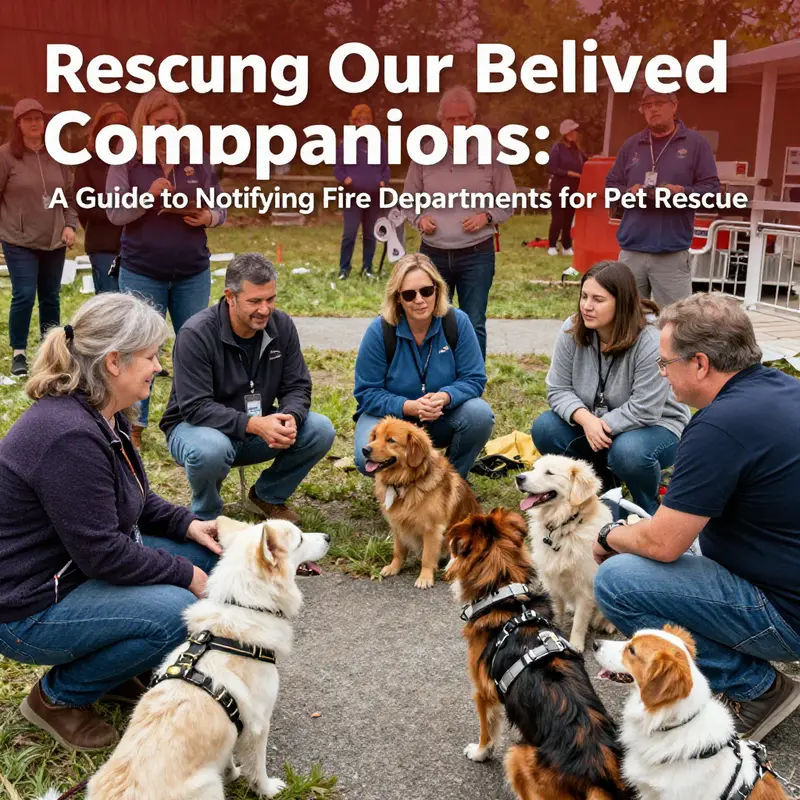
In emergencies, the first impulse is often to call the fire department. Yet in many places the people who answer those lines are trained to prioritize human life and life-threatening hazards first. Pets are beloved and vulnerable, but a non-life-threatening pet rescue can stretch emergency resources and even be declined if the situation does not pose an immediate risk to people or to property. This chapter examines what to do when notifying the fire department for a pet rescue is not possible or not appropriate, and how to build a layered, reliable plan that keeps animals safe without overloading responders. It is not a manual for bypassing help, but a practical guide to preparedness, rapid response, and community coordination that can meaningfully improve outcomes for pets when the clock is ticking and the fire truck may be miles away or unavailable.
To begin, acknowledge a core truth that governs every decision you will make in a crisis: the speed and clarity of your information, not the speed of a response, often determine whether a pet survives. If a pet is in danger because of a fire, a collapse, a fall, or another acute hazard, dialing the emergency number is essential. In China, for example, 119 is the number to call for fire and rescue services. When you call, you should be prepared to convey your location in precise terms, describe the animal and its condition, and explain the nature of the danger. A clear, calm message helps any responders who may arrive later or who are coordinating with responders in other areas. Yet in many incidents the responders may be unable to respond to a non-life-threatening pet rescue. In such moments, a reliable, well-practiced plan outside the fire department becomes not a substitute for emergency services, but an essential complement to them.
The alternatives outlined below form a continuum of readiness. They are not one-off steps but a set of habits that keep pets safer and empower neighbors, family, and communities to act swiftly and safely when danger strikes. The first of these habits is to leverage modern technology without overreliance. Homes today often hold a network of cameras, smart doorbells, and remote-access systems that can serve as a bridge to safety. A well-placed camera system offers real-time visibility into otherwise inaccessible spaces—balconies, attics, crawl spaces, or rooms where a frightened cat might hunker down behind a sofa. If a pet is known to have a preferred hiding place, ensure that cameras can cover it, and that the footage can be shared with trusted neighbors or, in an emergency, with a responder who may be coordinating rescue on the ground. The goal is not to replace hands-on rescue but to buy time, reduce panic, and provide actionable information to those who can help. A practical setup might involve placing cameras at entry points and high risk zones where pets habitually retreat, and arranging secure access so a neighbor or a designated responder can view feeds remotely and relay details back to a dispatcher if needed. This approach is especially valuable when time is short or when the resident is unable to reach the pet because of injury or mobility limits.
Equally important is the prearrangement of trusted emergency contacts. A well-curated circle of neighbors, friends, or family members who know your pet intimately can step in if you are suddenly unable to reach your home. These are people who should have keys or access codes, should understand your pet’s locations, and should be prepared to act quickly. The plan should specify who is responsible for which tasks and how to communicate during the crisis. It is also wise to practice this plan through regular drills, just as you would practice a household fire drill. In a drill, a neighbor might be asked to check a balcony or to retrieve a carrier left near a door. The objective is not to create anxiety but to ensure confidence and familiarity with the steps needed to reach the animal in a controlled and safe manner. In addition, a dedicated contact list reduces the confusion that often arises during an emergency when every second matters.
Identification sits at the heart of any animal rescue strategy. Microchips connect a found pet with its owner when the animal is separated during a disaster or an evacuation. Collars with current ID tags are essential, but microchips provide a backup if a collar falls off or is damaged. The American Veterinary Medical Association and many animal welfare organizations strongly advocate microchipping as a reliable means of reuniting pets with their families after a disaster. Owners should verify the microchip information periodically, ensuring that the registration details are up-to-date and that local clinics or shelters have the correct contact numbers. In the chaos of an emergency, a microchip scan can reveal the owner’s information quickly, which may enable responders to arrange contact or transportation for the pet while the house is secured or the area is evacuated.
Another critical element is a comprehensive emergency pet evacuation plan. Such a plan outlines specific, repeatable steps for moving pets to safety, including transport options, staging areas, and legal or logistical considerations unique to your home. A robust plan should also include a pet emergency kit that travels with you or is kept in a readily accessible location. The kit would typically contain nonperishable pet food, a portable water supply, a collapsible dish, medications with dosing information, a leash or carrier, a towel, a blanket, and important documents such as vaccination records and microchip registration numbers. Practicing the plan at regular intervals builds muscle memory that pays off under stress. It also reduces the likelihood that a frightened pet will bolt away during a chaotic evacuation. The plan should account for all household members, including children or adults with mobility challenges, ensuring roles assign tasks that are appropriate to each person’s abilities.
Beyond individual preparedness, community resources play a vital role. Many cities maintain animal control divisions or dedicated rescue organizations that are trained and equipped to handle pet emergencies. Knowing who to call and how to coordinate with these teams before disaster strikes can be as important as any home preparation. This is where an established relationship with local shelters or rescue groups matters. Rather than scrambling to identify an agency during an emergency, families should research and reach out to the appropriate responders ahead of time, ensuring that contact numbers are readily accessible and that any required intake information is prepared in advance. Significantly, signage and public notices can aid in rapid identification of pets inside a home during a fire or other hazard. Simple, clear signage that states pets inside and the number and type of animals can alert neighbors and responders, prompting quicker, more targeted action without compromising safety.
In addition to formal channels, harnessing community networks through careful, respectful use of social media can supplement but not replace official response. During a crisis, neighbors often observe what is happening from windows or balconies and can relay information quickly to those on the ground or to responders who are coordinating a broader rescue effort. A quick post in a neighborhood group can help locate a neighbor with a spare carrier or a safe route to move a pet away from danger while you secure your own safety. The intent here is to mobilize local goodwill and practical help, not to substitute professional rescue where it is clearly required or where it would put people at risk. The responsible approach recognizes that social networks can accelerate action while still prioritizing professional guidance and established protocols.
To connect these measures to practical outcomes, consider a scenario in which a household is confronted with a sudden apartment fire on a higher floor while a cat remains trapped on a balcony ledge. The resident calls 119, and the dispatcher notes the location and the hazard but communicates that a non-life-threatening pet rescue may require time or specialized equipment beyond immediate fire suppression. In this moment, the prearranged emergency contacts are primed to respond: a neighbor with access, a portable carrier, and a microchip scanner at a local clinic are situated to act. The home cameras provide a live feed and the pet is located clearly on the balcony; the neighbor can then coordinate with a responding animal welfare organization to step in if available. The evacuation plan allows a rapid but controlled transfer of the animal from the hazardous ledge to a safe interior room while firefighters focus on extinguishing the flames. The combined effect is a coordinated response that prioritizes safety while accelerating the pet rescue through preplanned resources rather than improvisation under duress.
These layers of preparation are not about avoiding emergency services. They are about building a resilient ecosystem that can carry the pet through danger even when the fire department cannot be dispatched for a routine rescue. They recognize that official responders must triage based on life risk first and resource availability, and they provide a coherent, practical path forward when the trigger for action is non-life-threatening, or when responders must be dedicated elsewhere. In this sense, the alternatives discussed here are not a loophole but a disciplined complement to the life-saving work of emergency services. They emphasize accountability, communication, and practical know-how that pets and their people can rely on—even in the moments when the siren has not yet arrived or cannot arrive.
To broaden the capability of households to manage pet safety during disasters, consider engaging with local training programs or community workshops that focus on pet evacuation planning and safe handling during emergencies. A structured course can reinforce best practices for animal handling in stressful situations, including how to coax a frightened animal into a carrier, how to keep doors and exits clear, and how to move pets without creating further risk. In regions susceptible to wildfires, floods, or urban fires, small, regular investments in preparedness can yield outsized dividends in both pet welfare and household safety. The aim is to normalize preparedness, turn it into a routine, and ensure that every household has both the inclination and the capacity to act when it matters most.
For readers seeking to strengthen preparedness beyond local resources, a practical step is to view preparedness through the lens of continuity and redundancy. Have a clear plan in writing, practice it, and share it with all household members. Establish simple, repeatable commands that anyone can follow. Keep your pet’s documentation accessible in one place, along with microchip information and emergency contacts. Maintain a compact, pet-specific emergency kit that travels with you or resides in a readily accessible location. Regularly confirm that the kit contents remain fresh and complete, and replace items as needed after drills or real events. Finally, keep open channels of communication with neighbors and local rescue organizations so you can adapt to changing conditions and resources in your city or neighborhood. The goal is not to forecast every possible scenario but to cultivate an adaptive, well-practiced response that preserves life and reduces stress for both pets and their people.
If you are drawn to reading more about gaps in preparedness and how communities can build stronger protections for pets during emergencies, consider exploring resources focused on emergency preparedness gaps in California wildfires. This internal resource offers context for how households can improve readiness in the face of large-scale disasters and how neighbors, shelters, and authorities can coordinate for the best outcomes. Emergency Preparedness Gaps in California Wildfires.
In closing, when the fire department cannot or should not engage in a non-life-threatening pet rescue, a well-constructed plan built on technology, trusted people, clear identification, and practiced procedures can become the decisive factor that keeps a beloved animal safe. It is a multi-layered approach that respects the realities of emergency services, honors the bond between humans and their companions, and mobilizes community assets to act quickly and responsibly. By investing time in prevention, communication, and practice, families equip themselves to respond as a team—human and animal alike—when danger approaches and every moment counts.
External resources and further guidance can broaden a household’s readiness. For an authoritative overview of how to prepare for emergencies affecting pets, see the American Red Cross resource on pets and disasters. This material outlines practical steps for households to protect animals before, during, and after disasters, aligning with the broader aim of keeping pets safe when professional rescue options are limited or delayed.
External resource: https://www.redcross.org/get-help/how-to-prepare-for-emergencies/types-of-emergencies/pets-and-disasters.html
Preventive Readiness and Respectful Notification: Navigating Fire Department Pet Rescue Communications

When a pet is exposed to danger in a fire or other life-threatening emergency, the instinct to seek immediate help can be overwhelming. Yet the reality many fire services face around the world is that their first priority is human life. In China, for example, emergency calls are directed to 119, the fire and rescue number, and responders must triage every situation against the most urgent threats to people. In this context, understanding how to notify the fire department about a pet in distress becomes not only a practical maneuver but also a careful exercise in stewardship of scarce resources. The aim of this chapter is not to promote routine calls for non-life-threatening pet situations, but to illuminate how to prepare, assess, and communicate in a way that protects both people and animals while preserving emergency capacity for true crises. It also foregrounds prevention as a powerful ally. By learning to anticipate hazards, to set up safe environments, and to maintain clear, concise lines of communication, households can reduce the likelihood that a call to emergency services becomes necessary in the first place, while still knowing how to act when a genuine threat looms. In this sense, notification becomes a deliberately designed step in a larger safety system, one that respects human responders and the animals they seek to protect alike.
To begin, a quiet, sober assessment of the situation is essential. Consider whether your pet is truly in immediate danger that threatens life or property. A cat perched on a balcony railing during a strong wind or a dog trapped beneath debris may pose an urgent risk to life, and in such cases, calling the emergency number is appropriate. But the determination is not a gray area of fear alone; it rests on observable criteria: is the animal in distress, is there a real threat to human life or critical infrastructure, and is there a reasonable path to safety without delaying response to other emergencies? This triage mindset mirrors the broader emergency protocols that fire services follow, and it helps ensure that you are not misusing resources on a problem that can be solved through prevention or a different service channel.
If the situation is truly urgent and a life threat is present, a caller should prepare to communicate precisely what is happening and where. In China, dialing 119 requires a clear, structured message. It is not enough to say, “My pet is in trouble.” The dispatcher needs your exact location, the type of animal, and a concise description of the danger. For example: “Hello, I’m at [address], I have a cat stuck on a fifth-floor balcony; it’s frightened, there’s wind, and the animal may fall.” The inclusion of details like floor number, apartment or unit, and the specific hazard helps responders quickly evaluate the scenario and decide whether a rescue operation is feasible under the current conditions. It also prevents misinterpretation of the call as a non-emergency request. A calm, concise voice helps the operator absorb the information accurately, assign the appropriate units, and plan a safe approach. Emotional tension is natural, but keeping to the facts—the animal’s location, the severity of the danger, any injuries, and the surrounding hazards—improves the odds of a timely and appropriate response.
The call script is more than a memory aid; it is a tool that reduces the chance of confusion under stress. A well-structured message becomes part of a safety protocol that households can rehearse, much as families rehearse fire drills. For some people, repeating a simple formula before dialing can lower anxiety and improve clarity. In practice, this means stating your location with street name and apartment number, identifying the animal, and giving context: whether the animal is on a balcony, trapped under debris, or inside a vehicle where heat or confinement poses risk. If a pet is injured or in imminent danger, say so explicitly. The dispatcher can then decide whether a fire unit should respond, whether animal control should be summoned, or whether a non-emergency channel is more appropriate. The goal is not to frighten residents into inaction but to equip them with a practical framework for a dynamic situation.
Unfortunately, there are occasions when fire departments may decline to respond to non-life-threatening pet calls or when resources are stretched thin by other emergencies. The training and operational realities mean that even with a precise report, the outcome can include a polite explanation that the incident does not meet current response criteria. In such moments, the household still benefits from knowing the available alternatives. Local animal control or animal welfare organizations are often equipped to handle pet rescues, especially when human safety is not at immediate risk. The presence of these specialized teams differs by jurisdiction, but the underlying principle remains consistent: the aim is to connect the pet with the right rescuers who can act with appropriate equipment and expertise while not diverting firefighters from more critical tasks. Understanding this helps families prepare an action plan that respects the system as a whole, rather than improvising a response that could complicate or delay the work of responders.
Preparation also means having a practical plan for situations where you cannot make a call yourself or where a call would not be the fastest route to safety. If you live with family members who can speak for you in an emergency, designate a relied-upon person who can communicate quickly and clearly with responders. This is not merely about convenience; it is about preserving a chain of information that remains steady when nerves fray. In households with multiple pets, it helps to designate a “high-value rescue” path: who will approach the animal, who will identify and release a potential escape route, and who will monitor conditions such as heat, smoke, or structural hazards. Such roles can be rehearsed, so that when danger arises, actions are natural responses rather than deliberate questions.
The value of preparation extends beyond the moment of calling. Prevention—often overlooked in the heat of a crisis—can dramatically reduce the need for emergency intervention. Responsible use of heating and insulation appliances stands as a foundational habit. Regular maintenance of heaters and electrical devices helps ensure that devices do not become sources of ignition or sources of dangerous fires. Choosing safety standards-compliant products and scheduling routine checks are simple steps that reduce the overall risk to animals and people alike. When appliances are used properly, the risk of a sudden fire decreases, which in turn lowers the probability that a pet will become trapped or injured in a scenario requiring a fire department response.
Another prevention pillar is turning off electrical devices when you leave the home. It sounds basic, yet it is frequently overlooked in fast-paced routines. Unattended devices can fail or spark, and in a home with curious pets, the consequences can be swift and severe. The discipline of powering down systems—especially those in rooms that pets frequent or where they rest near outlets or cords—contributes to a safer environment. Regularly inspecting cords, outlets, and the placement of heaters or fans helps to identify wear or hazards before they escalate into emergencies. In buildings where pets may roam freely, such as apartments with open floor plans, these precautions take on increased significance. A few minutes of preventive checks each day can prevent a chain of events that would otherwise require notification to emergency services.
The broader story is this: notification is most effective when it is a supported step in a larger safety culture. It is not a substitute for prevention, nor is it a guarantee of a rescue, but it is a critical link between danger and response that, when used wisely, protects both humans and animals. Houses with more robust safety practices—secure balconies, reinforced windows, locked doors, and pet-proofed zones—tend to experience fewer near misses and fewer calls to emergency services related to pets. In those homes, when a pet does encounter danger, the response, if needed, is quicker and more precise because the environment has already been arranged to minimize risk.
Consider the emotional side of pet rescue communications. When a pet is in danger, fear can cloud judgment. It is common to feel anxious about whether calling the fire department might burden responders or worsen the situation. Yet a well-informed, calm report can actually facilitate faster rescue or a safe alternative arrangement. The dispatcher can guide you through what to do while help is on the way, or they can advise on the most appropriate channel to pursue if the risk to human life is not present. This is not about moralizing but about optimizing outcomes for every being involved. The balance between calling and waiting for the right resource is delicate, but the best practice is clear: call when danger is imminent and life-sustaining intervention may be necessary; explore alternatives when the risk is not to human life but to the animal’s welfare or to property.
Throughout this process, the role of prevention is paramount. For households with pets, taking proactive steps to create safe environments is more than a routine courtesy—it is a foundational safety discipline. Clear sight lines around windows and balconies, barrier systems that prevent pets from slipping into risky areas, and reminders about always turning off devices when leaving home all contribute to a lower likelihood of emergencies. Regular practice drills that include a pet’s movement in and out of safe zones can also be valuable. Such drills cultivate a rhythm of calm and efficiency that translates into real-world resilience when an alarm sounds. The more familiar a household becomes with its own safety routines, the less often it will need to engage emergency services for pet-related predicaments, and when it does, the more effective the communication and the response will be.
In this light, the chapter’s core message is not simply about knowing a number to dial. It is a call to integrate notification into a broader cycle of prevention, practice, and partnerships with local responders. It is about recognizing that the most humane and responsible path sometimes involves working with animal control or private rescue services when a non-life-threatening situation arises. It is about understanding the specific criteria that make an incident fit a fire department response and the best alternative pathways when it does not. It is about treating each pet as a member of the family whose safety depends on a shared culture of preparedness and clear, honest communication. And it is about acknowledging that the most powerful thing a caregiver can do is to reduce risk before danger appears—so that if a call to emergency services ever becomes necessary, it can be a precise, efficient, and compassionate intervention.
To connect these ideas to practical resources, consider the broader context of how communities plan for emergencies that involve both people and animals. While formal protocols for every pet scenario may not exist in the publications of all fire departments, there is a growing emphasis on partnerships with animal welfare organizations, shelters, and community groups. These collaborations are designed to ensure that when a pet is in danger, there is a clear path to rescue that respects animal welfare while preserving human safety. The idea of prevention as a shared responsibility is central to resilience. Pet owners benefit from education about risk factors, emergency planning, and how to communicate effectively with responders. Fire departments benefit from better triage information and fewer nonessential calls that can divert resources from true emergencies. In the end, it is a mutual investment in safety and dignity for both humans and their animal companions.
From a practical standpoint, the guidance remains straightforward. If you face an immediate danger to a pet that could threaten human life or property, call the emergency number with a precise, location-based report. If the situation is not life-threatening to people, seek guidance from local animal control or animal welfare organizations, or consult private rescue services that specialize in pet retrieval. As you prepare your household for emergencies, build a simple, repeatable routine: check and secure pet access in high-risk areas, turn off electrical devices when leaving, and keep a ready-to-share plan for responders that includes your pet’s species, breed, behavior, and any medical needs. A well-constructed plan can turn panic into action, enabling you to act decisively while respecting the needs of those who respond to the call.
For those seeking further context on how evacuation planning and sheltering can fail or succeed in real facilities, a related exploration of historical outcomes can be instructive. See the discussion around leadership and evacuation practices in senior-care environments through this case study: Left Behind: Fire Evacuation Failures in Senior Care Facilities. The point of referencing such materials is not to alarm readers but to illustrate how planning for human and animal residents together can inform more robust, humane protocols that minimize the chances of meaningful harm when emergencies occur.
In closing, notification to emergency services for pet rescue should be understood as one tool within a larger safety framework. It is a tool that works best when paired with prevention, preparation, and a clear understanding of when and how to engage the right responders. The path to safety for pets—and the people who care for them—depends on the steady alignment of individual actions, family routines, and community resources. By integrating calm, precise communication with strong preventive habits, households can reduce risk and enhance outcomes, ensuring that when a warning call is necessary, it is concise, accurate, and effective. For official guidance on emergency procedures in China, see the National Fire Rescue Bureau’s resources at https://www.119.gov.cn.
Final thoughts
Understanding the processes and limitations surrounding notified fire departments for pet rescues can significantly impact outcomes during emergencies. By being well-informed about how to present the situation, exploring alternative resources, and taking proactive preventive measures, communities can ensure the safety and well-being of pets. Recognizing that fire departments prioritize human safety while still seeking assistance for our beloved animals allows for better cooperation and responsiveness in crisis situations.