
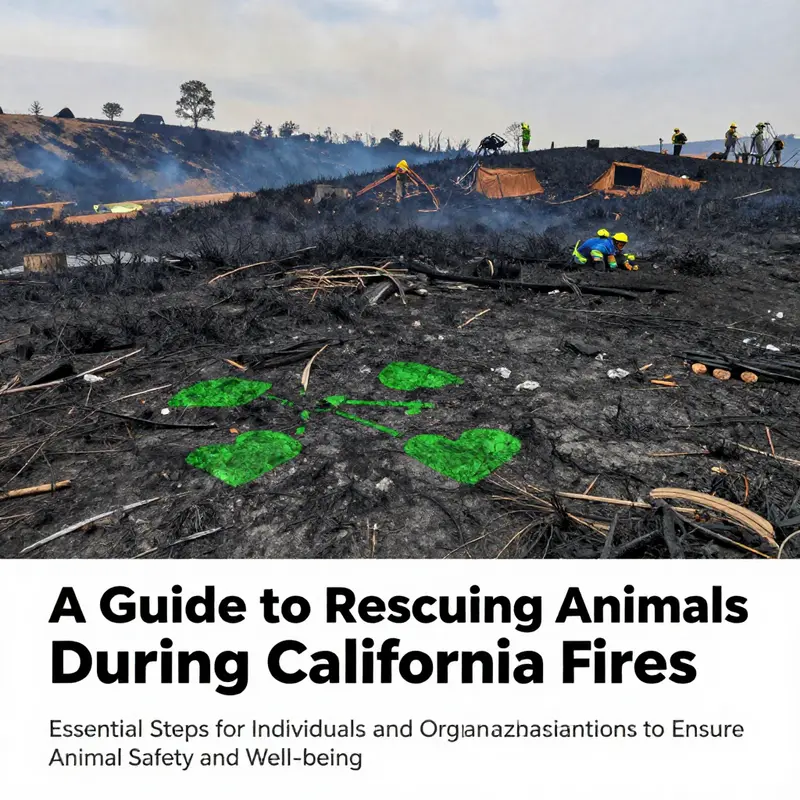
California wildfires present severe dangers not only to human residents but also to countless animals that may find themselves trapped or in peril. As communities continue to battle these devastating fires, the call for effective animal rescue strategies has never been more urgent. This guide aims to equip individuals, firefighters, educators, and community leaders with crucial insights and actionable measures for rescuing animals during such crises. Through understanding and preparation, immediate action steps, and post-fire recovery initiatives, we can collectively make a difference in safeguarding animal lives. Each chapter will delve into specific strategies, from vital preparation techniques to post-disaster reunification efforts, offering a holistic approach to animal rescue during California wildfires.
Building a Lifeline: Comprehensive Preparations for Rescuing Animals in California Wildfire Crises
The challenge of rescuing animals during California wildfires demands not only courage and compassion but also meticulous preparation long before the first smoke rises. This chapter weaves together the intricate strategies and vital considerations that underpin successful rescue operations in the face of fast-approaching flames. It is a detailed exploration of pre-emptive planning, community coordination, emergency response innovations, and a fervent commitment to saving every life that might be caught in nature’s fury.
Our journey begins with the essential understanding that preparation is not a one-time checklist, but an ongoing, evolving process. Owners, rescue teams, veterinary professionals, emergency management services, and local agencies must form a cohesive, resilient network that anticipates challenges well before wildfires strike. At its core, effective preparation is built on the foundation of planning every aspect of animal care during emergencies. This planning starts long before the fire approaches, with developing tailored emergency response plans that clearly outline procedures for relocating animals safely.
Animal owners must create detailed emergency protocols that consider the unique needs of pets, livestock, and other vulnerable species. Every animal, from the smallest cat to the largest horse, requires a specialized plan designed to ensure that, when danger looms, there is no hesitation in taking swift, efficient action. This begins with the simple yet powerful act of ensuring that all animals are identifiable. Updated ID tags, microchips, and a comprehensive registry of each animal’s medical conditions and behavioral characteristics are the first lines of defense in an emergency. When a wildfire approaches, these forms of identification become indispensable in reuniting pets with their families and in ensuring that lost animals receive the appropriate care.
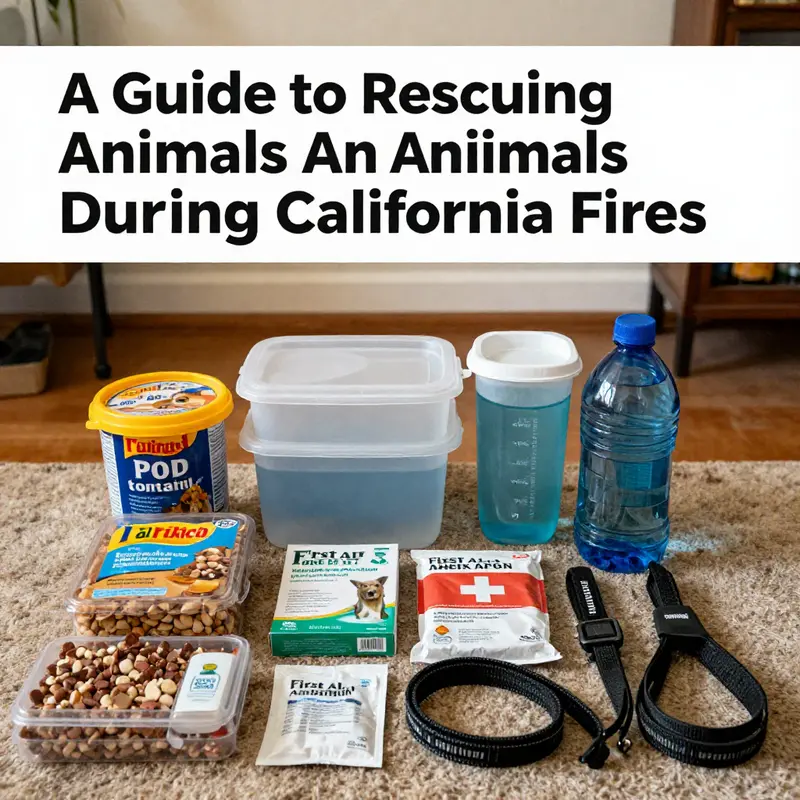
Having a well-stocked emergency kit is another cornerstone of effective rescue preparation. Animal owners should compile a ‘Go Bag’ that contains not only food and water, but also necessary medications, leashes, carriers, and any readily available items that may provide comfort or critical aid during the evacuation process. In an emergency, every minute counts, and a pre-packed kit can mean the difference between a calm evacuation and a chaotic, dangerous scramble. These emergency bags must be maintained with regular updates, ensuring that dietary needs, seasonal weather conditions, and any changes in the animal’s health are accounted for. This proactive measure forms part of a larger tapestry of pre-emptive planning that also involves mapping out safe evacuation routes.
Developing these evacuation routes requires close coordination with local authorities and fire departments. These agencies possess invaluable local knowledge, including the most current information on fire behavior and safe zones. By aligning with these experts, animal owners can designate secure paths and identify shelters that are equipped to care for animals. Established evacuation centers, such as the one at the Los Angeles Equestrian Center, offer a safe haven for a wide range of animals including horses, cows, pigs, sheep, and goats, underscoring the importance of having specialized facilities that cater to different species. Public awareness and community education initiatives are crucial here as well. Residents must be informed not only of the existence of these shelters but also of the steps needed to bring their animals to safety.
Community involvement extends far beyond individual households. Local organizations, humane societies, and volunteer networks form the backbone of rescue operations during wildfires. These groups invest significant time and resources into simulation drills, community training sessions, and educational seminars that focus on animal rescue techniques and safety protocols. For instance, collaborative efforts between volunteer teams and emergency services have demonstrated that systematic planning and rehearsals significantly reduce the stress levels of both animals and their caregivers during actual emergencies. One notable example is the dedicated work of volunteer teams who have perfected methods for safely securing animals in carriers, trailers, or temporary shelters. Their work often goes unnoticed until a crisis strikes, at which point their preparedness is the critical factor that saves lives.
A significant aspect of the preparation process involves setting up temporary shelters. These facilities are not merely distanced safe havens; they are actively designed to cater to the well-being of animals under stress. In these shelters, animals can recover from the shock of evacuation, receive immediate veterinary care, and be closely monitored for any delayed effects of smoke inhalation or burns. Establishing these temporary shelters ahead of time is a task that involves local government, animal care organizations, and even private donors. The logistical challenges can be formidable, as these shelters must be located in areas that are not only safe from the approaching fire but also have the necessary resources to support a large number of animals over an extended period. This might include everything from ensuring ample water supply and ventilation to providing proper spaces for animals to rest within a calm, controlled environment.
Central to the success of these shelters is the availability of veterinary care. Wildfires create a host of unique challenges, with animals suffering from a range of injuries including burns, smoke inhalation, dehydration, and shock. Mobile veterinary units, equipped with state-of-the-art medical supplies, can be rapidly deployed to these emergency shelters. These units are often the first responders to an animal rescue situation, providing critical care to animals before they are transported to more permanent facilities. The integral role of veterinary care underscores the importance of having professionals who are not only skilled in treating fire-related injuries but also trained to handle the stress and behavioral challenges exhibited by animals in crisis. Every moment of delay can reduce the chance of full recovery, adding an element of urgency that permeates every facet of the planning process.
Collaboration with local animal control units and fire departments is another essential element in developing an effective rescue strategy. These agencies work together to identify areas where animals are most vulnerable and prioritize interventions accordingly. Data sharing and mutual support between these entities ensure that rescue operations are integrated and that resources are optimally allocated. For instance, the cooperative efforts documented in several community initiatives have showcased how pre-planned routes and established communication channels can lead to smoother evacuations. When every stakeholder—from local government offices to neighborhood community leaders—plays their part, a system is created wherein animals receive the kind of swift, coordinated aid that can transform the outcome of an emergency situation.
Innovative technology is beginning to play an increasingly important role in these preparations. The utilization of drones and thermal imaging technology offers new possibilities in locating animals that might be trapped in inaccessible areas. Drones can rapidly cover vast tracts of land, transmitting real-time imagery that helps rescue teams pinpoint where animals are located, even in areas where human access is limited. This technology can be a game-changer, particularly in rugged terrains where traditional search methods prove inefficient. However, while technology enhances the effectiveness of rescue operations, it always works best in tandem with the tried-and-tested human element. The expertise of search and rescue teams, honed over years of practical experience, remains indispensable. The convergence of advanced technology with comprehensive manpower is thus an emerging frontier in emergency animal rescue.
In parallel, public awareness campaigns play a vital role in ensuring that every community member is prepared for a wildfire event. These campaigns are designed to educate pet owners and livestock managers on how to assemble emergency kits, create evacuation plans, and even interact with rescue teams during an emergency. By spreading the word through community meetings, social media, and informational brochures, local authorities can significantly reduce panic and ensure that necessary precautions are taken well in advance. One particularly beneficial resource in this respect is the article on California Wildfire Emergency Planning Failures, which provides insights into common pitfalls and practical strategies that can be adopted to avoid them. This kind of open and honest discourse creates an environment where continuous improvement is not only encouraged but expected.
It is important to recognize that the process of preparing for animal rescues amid wildfires is, by necessity, dynamic. As the climate changes and fire patterns evolve, so too must the strategies used to combat these disasters. Lessons learned from past wildfires are continually integrated into training modules and emergency protocols. Regular audits and debriefings following an emergency are valuable for identifying areas for improvement. For instance, after-action reports might reveal that certain evacuation routes are prone to unexpected obstacles or that some shelters are under-equipped to handle particular species. This willingness to adapt, learn, and evolve is perhaps one of the most critical components of robust emergency management.
The human dimension is equally important in the preparation phase. The psychological well-being of both the rescuers and the animals must be taken into account. For many animal owners, the idea of losing a beloved pet in a wildfire is a source of profound distress. This emotional burden can result in decision paralysis when quick thinking is required. Training sessions that also focus on mental preparedness—teaching techniques to remain calm, assess situations clearly, and act decisively can help mitigate these emotional risks. Furthermore, rescue teams often include professionals trained in stress management, ensuring that their interventions are both effective and compassionate.
In this context, every detail matters. The arrangement of the ‘Go Bags’ must be such that items are easily accessible and organized to reduce time wasted during retrieval. The inventory of supplies should be checked periodically, and local emergency coordinators should be made aware of potential shortages in advance. This attention to detail is mirrored in the methodical planning of evacuation routes. Maps are drawn, and contingency plans are updated to reflect any changes in local geography or infrastructure that could affect shelter accessibility. Coordination among different agencies requires regular meetings, shared communication platforms, and an unwavering commitment to a unified goal: the safety and well-being of every animal caught in the path of the flames.
There is also a layer of complexity that involves the integration of citizen science and volunteer information. Many times, bystanders are the first to spot animals in distress and can quickly relay crucial information to emergency services. Community hotlines and social media channels have emerged as powerful tools in these scenarios. When residents report sightings of trapped or injured animals, they provide rescue teams with vital intelligence that can be acted upon promptly. This grassroots involvement, when combined with formal emergency response procedures, forms a comprehensive net of safety that substantially increases the likelihood of rescue success. Every report is treated with urgency, and every tip has the potential to save a life.
As the wildfire season unfolds, coordinated exercises and simulated drills become routine activities. These drills are not mere formalities; they replicate real-life scenarios and test the efficacy of established protocols. In these simulations, every participant—from animal owners to volunteer rescuers—learns to trust the process and the systems that have been put in place. It is during these exercises that weaknesses are discovered and then addressed through additional training, improved communication lines, and this constant, relentless drive towards perfection. It is a humbling reminder that no preparation is ever truly complete, and that complacency can be the greatest enemy in the face of disaster.
In practical terms, the financial and logistical aspects of these preparations cannot be overlooked. Funding is needed to equip shelters, train personnel, and deploy advanced technologies such as drones and mobile veterinary units. Many rescue organizations rely on donations and public support to secure the necessary resources. The cycle of preparation, response, and recovery is intricately linked to the availability of funds as well as the efficient allocation of those resources. Public donations, grant funding from governmental agencies, and partnerships with private companies all contribute to building a safety net that is as comprehensive as it is robust. Every dollar donated or resource shared directly contributes to the safety of animals during these potentially catastrophic events.
Cultural factors also influence the preparation for animal rescue during wildfires. California is home to a wide diversity of animal species along with a population with varied approaches to pet ownership and livestock management. In some communities, traditions of animal care have been passed down through generations, while in others, modern methods and high-tech solutions dominate. This diversity is an asset, as knowledge from a variety of sources can be synthesized into best practices that draw on both historical wisdom and modern innovation. Networking events, conferences, and workshops serve as platforms where experiences are exchanged and common challenges are addressed collaboratively. It is not unusual for a seasoned animal rescuer to share insights that later become standard guidelines in emergency planning manuals.
The emphasis on rigorous preparation extends into the recovery phase as well. Once the immediate threat passes and fires are brought under control, the work of reuniting families with their lost pets and animals begins in earnest. Even after the flames subside, there is no room for complacency. Many animals suffer from lingering effects that require continuous care and monitoring. Temporary shelters transition into rehabilitation centers where veterinary specialists work meticulously to treat burns, respiratory complications, and psychological trauma. The entire spectrum of animal rescue and recovery is, therefore, a continuum that starts with preparation and extends long after the fire has been extinguished.
Integrating all these components into a unified plan requires leadership and vision. Dedicated coordinators at the county and state levels work diligently to bring together diverse groups of stakeholders, forming what can only be described as a lifeline against the destructive forces of wildfire. Their work is often unsung, yet it is this relentless drive to improve, adapt, and prepare that ultimately saves lives. Coordination meetings, frequent updates to rescue protocols, and the incorporation of cutting-edge technology all contribute to building a resilient system capable of responding to the rapidly changing conditions of a wildfire crisis.
Moreover, it is essential to document every step of the planning and response process. Detailed records allow agencies to track what measures were effective and where deficiencies lie. These records become invaluable for post-fire analyses, which in turn inform future preparations. The continual improvement cycle is at the heart of emergency management strategies, ensuring that rescue operations become ever more efficient over time. The commitment to learning from each event, no matter how harrowing, underpins the entire ethos of California’s animal rescue operations.
The comprehensive preparation that underlies successful animal rescues during wildfires is not solely about technical measures or logistical arrangements; it is fundamentally about a shared compassion and an unyielding commitment to protect life. Every plan drafted, every drill conducted, and every resource allocated reflects the collective determination to defend the vulnerable in the face of one of nature’s most unpredictable forces. Animal owners, emergency services, veterinary teams, and community members work in tandem, recognizing that every role is critical and every life has value.
As our understanding of wildfire behavior evolves with technological and scientific advances, so too will the methods of animal rescue and emergency planning. Future initiatives may include even more sophisticated integrations of drone technology, artificial intelligence for predictive risk mapping, and enhanced communication systems that can alert communities in real time. This dynamic and forward-thinking approach ensures that as the challenges become more complex, so too do the solutions that are put in place. Every new idea, every innovative breakthrough in animal rescue operations, is another step toward a safer, more responsive system.
In closing, the essential nature of preparation in rescuing animals from California wildfires cannot be overstated. From the early planning stages to the execution of complex evacuation and sheltering strategies, every layer of this comprehensive approach is designed with one ultimate goal in mind: to protect precious lives in the face of overwhelming natural forces. The lessons learned from past experiences and the constant refinement of strategies form a living framework that guides every rescue operation.
For anyone involved in these efforts or looking to better understand the complexities of emergency animal rescue, the importance of continuous adaptation and community collaboration is crystal clear. Detailed insights and additional resources on comprehensive wildfire response, including strategies for animal rescue, can be found at the California government news release on wildfire response and animal rescue efforts at the end of this chapter: California Wildfire Response and Animal Rescue Efforts.
This dedication to thorough preparation instills a sense of hope and resilience. In a landscape where wildfires pose an ever-present threat, the ability to respond effectively is founded on the human spirit’s willingness to plan, collaborate, and act decisively. The preparation detailed here not only protects animals in times of crisis but also embodies the broader values of community, compassion, and collective responsibility that define the very essence of our society during emergencies.
Rapid Response: Taking Decisive Action to Save Animals Amid California Wildfires
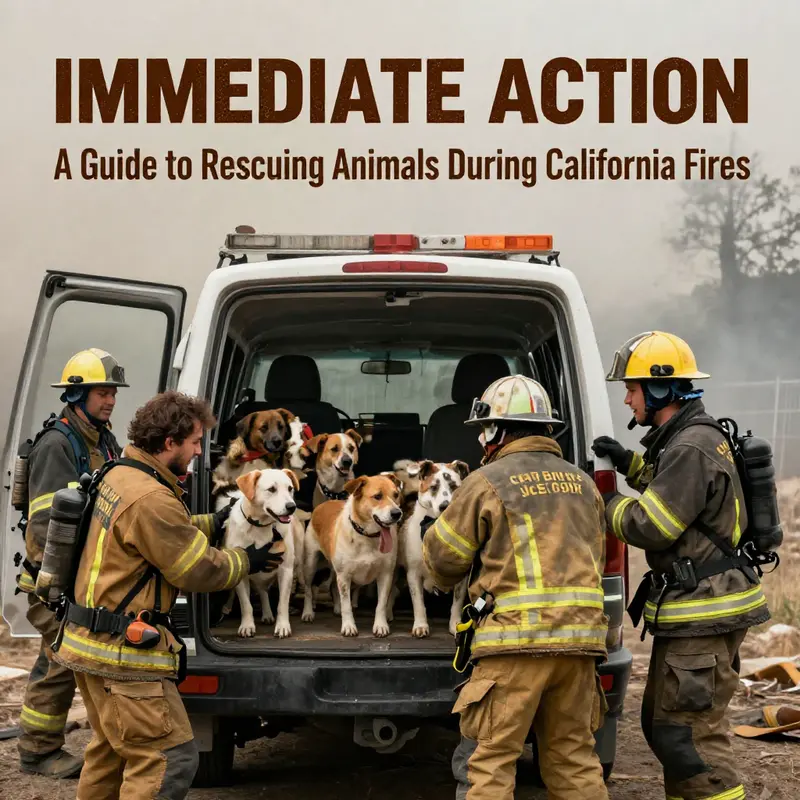
California’s wildfire seasons demand a level of preparedness and swift decision-making that can mean the difference between life and death for the region’s animals. As flames quickly transform serene landscapes into unpredictable infernos, it is imperative that owners, volunteers, and local community members know that immediate action is necessary for safeguarding the lives of pets, livestock, and wildlife. This chapter presents an in-depth narrative that explains how to enact a rapid response plan in the midst of a fire emergency, showing that saving animals is not merely about physical rescue but also about careful planning, understanding behavioral responses, and working in close coordination with emergency services and animal rescue organizations.
At the onset of a wildfire, personal safety must come first. The stress of urgent circumstances can push individuals to take risks that may exacerbate the danger to themselves and the animals they hope to save. Always be mindful that if you find yourself near active flames or heavy smoke, your priority is to avoid exposure to toxic fumes and the unpredictable nature of the fire. While many stories of heroism are told amidst chaos, the harsh reality is that untrained individuals rarely have the resources or knowledge to safely rescue animals from active fire zones. The first step, therefore, is to ensure that you are in a safe location with protective gear if available. Having established an emergency plan beforehand can save valuable seconds in an actual fire, as it typically involves securing your own exit route and knowing where to find emergency vehicles and professional rescuers. The decision to evacuate quickly does not need to be paralyzed by the desire to rescue every animal from harm, but rather to follow established protocols that have been developed in coordination with trusted local rescue agencies.
During a wildfire, every minute counts. If you identify an animal caught in the perimeters of the blaze, you must immediately contact local authorities by dialing emergency services such as 911, or by directly notifying animal control agencies responsible for the affected area. This strategy ensures that trained professionals who are aware of the fire dynamics and have the proper equipment – including thermal imaging, specialized vehicles, and calming techniques for distressed animals – are mobilized promptly. It is important to note that an average person, despite having the best intentions, may be unaware of how different animals behave during high-stress situations. For example, horses might bolt or panic when exposed to sudden chaos, while smaller animals like cats may hide in tight spaces that are less visible, and large livestock may behave unpredictably. Thus, while you observe and report conditions accurately, leave the physical extraction to experts who have honed their skills during previous emergencies.
In many communities, local resources have been organized in anticipation of wildfire emergencies. Organizations dedicated to animal rescue in California are not only equipped with the necessary tools for extraction, but they also have deep knowledge of animal psychology under stress. These rescue teams work in unison with firefighting units. They understand that once a wildfire is confirmed and reached its ignition point, their role becomes more of a supportive function. In these scenarios, personal intervention without proper safety measures can lead to severe consequences. It is during this period that community members can prove invaluable by safeguarding perimeters, directing traffic away from emergency routes, and disseminating timely information to both authorities and the public. Many rescue stories highlight the importance of unity between professional firefighters and volunteer rescue groups in evacuating animals swiftly. By following directions given during emergency broadcasts and keeping communication lines open, every community member becomes part of the larger network dedicated to preserving life.
Emergency communication is critical when time is of the essence. Modern mobile technology makes it easier to broadcast immediate alerts among community members, but these alerts must be precise and devoid of unnecessary details that can slow down a coordinated response. When wildfires begin to spread, local media and official outlets might mention safe evacuation sites and community shelters. It is in these moments that knowing the location of safe havens – such as certified animal shelters or designated evacuation centers – becomes essential. Many of these safe havens have been predetermined before wildfire seasons, complete with the necessary provisions for animals including food, water, medication, and veterinary support. For instance, some established shelters have been used in the past to house animals ranging from household pets to larger animals like horses and cattle. Integrating this information into your emergency plan ensures that even if communication lines are disrupted, pre-recorded plans can guide you to safety.
The psychological well-being of animals must also be a central focus in emergency rescue plans. Animals, like humans, experience shock and distress when exposed to life-threatening conditions. As the fire rages, the pervasive smoke and the crackling sounds can stimulate instinctual fears, causing animals to freeze or even run into greater danger. For pet owners, it is beneficial to have familiar carriers and leashes easily accessible. For livestock and farm animals, secure trailers and designated containment areas reduce the risk of panic-induced injuries. The presence of calm, knowledgeable handlers alongside professionals can significantly mitigate these stress responses. Such handlers often receive specialized training to soothe animals in peril and guide them smoothly to safety. Combining these practical measures with an acute awareness of each animal’s behavioral nuances increases the chances of a safe and efficient rescue.
It is vital not to underestimate the power of preparedness and training. Just as firefighters train vigorously to understand the dynamics of fire, animal owners and community volunteers should also become familiar with emergency response techniques specific to animal rescue. In many regions, local government agencies and animal welfare organizations offer drills and educational seminars to illustrate proper evacuation techniques. Participating in these training sessions can yield life-saving knowledge that is both theoretical and practical. Moreover, hand in hand with preparation comes the need for emotional readiness. The sight of an animal in distress can be overwhelming, and it is important to remember that remaining calm and composed is one of the most effective ways to measure up to the emergency. For individuals who feel compelled to take personal action, a deep understanding of safety protocols and potential hazards reduces the risk of exacerbating dangerous scenarios.
Another integral aspect of immediate action during a wildfire is the robust coordination between various agencies involved in rescue efforts. When a fire is reported, an orchestrated series of responses is set in motion that includes local law enforcement, fire departments, and animal rescue groups. This synergy is fostered by clearly defined roles and responsibilities, where the rescue of animals is integrated into the overall emergency management plans. For example, volunteer rescue teams and community members are often provided with specific instructions on how best to observe and report potential hazards while avoiding direct interference with professional rescue operations. There are numerous documented cases in which passionate volunteers, after witnessing the initial stages of a fire, followed the guidance of professionals and contributed by disseminating real-time information to central command units. It is in these coordinated moments that the overarching goal – the safety of both humans and animals – is achieved. By valuing proper channels of communication and action, the community ensures that the rescue operations benefit from both the speed of local intervention and the expertise of specialized personnel.
In light of the complex situations that wildfires present, it is crucial to emphasize that the role of bystanders remains supportive rather than directly interventionist. If you encounter an animal that appears lost, injured, or in distress, the recommended course is to take note of its location and condition, then immediately reach out to local authorities. Emergency responders rely on accurate and timely reports to dispatch help effectively. It is also advisable to use community social networks to alert others to potential risks, thereby preventing unnecessary personal confrontations with dangerous fire zones. This collective effort strengthens the rescue operation by allowing trained personnel to make informed decisions on the ground. Additionally, donating to local rescue organizations or contributing time to recovery centers can provide a meaningful way to support animals that have already been affected by the wildfire. For those interested in learning more about the pitfalls of unpreparedness during emergencies, additional context can be found through resources such as the detailed discussion on California wildfire emergency planning failures. With every minute that passes, the threat to animal life grows; therefore, effective communication and strategic restraint form the backbone of any rescue effort.
As the wildfire begins to subside and emergency crews work diligently to contain the flames, the focus naturally shifts from rescue to recovery. This transition is a delicate time when many rescued animals enter a phase of rehabilitation and reunification with their families. Much like the initial response phase, the post-fire recovery process calls for careful planning and collaboration, particularly because animals that have been trapped or injured during the blaze require immediate treatment for burn injuries, smoke inhalation, and anxiety caused by the traumatic experience. Veterinary teams equipped with the necessary tools and medicine are mobilized to provide critical care. Moreover, local community centers and shelters prepare temporary refuges that accommodate animals until they can be adequately examined and treated. The protocols established during the rescue phase continue to guide recovery efforts, reinforcing the importance of having a cohesive and collaborative strategy from the very outset.
Recovery also involves extensive coordination for reuniting animals with their rightful owners. In many incidents, pets get separated from their families amid the panic and chaos. Local authorities set up communication channels through which owners can report missing animals, and community social media platforms often serve as vital conduits for reuniting lost pets with their families. These platforms, along with localized alert systems, are crucial for making sure that even in the absence of formal communication avenues, there is a systematic effort in place to address the needs of rescued animals. In many cases, experienced animal rescue groups maintain detailed records of the animals brought in, including identification details such as microchips or ID tags. This record-keeping is critical to ensuring that reunion efforts are handled with efficiency and care, preventing further distress to the animals involved.
The inherent unpredictability of wildfires means that seasoned animal rescuers always advise extreme caution. Although it might be tempting for compassionate individuals to intervene directly, the truth is that the volatile environment of an active fire zone poses considerable risks. Every effort must be focused on ensuring that individuals and animals alike are not exposed to greater harm by premature attempts at direct rescue. Professional rescuers are trained in the safe extraction of animals under the harshest conditions; they use strategies that minimize risk by relying on protective gear, thermal imagery, and an intimate understanding of animal behavior during stressful times. The possibility of exacerbating the danger is always present if a well-intentioned person decides to try to rescue an animal without proper training. Ultimately, by acknowledging the limits of personal intervention and deferring to professionals, the community can ensure that rescuing efforts are both efficient and safe.
The story of animal rescue during California wildfires is one of both urgency and hope. When disaster strikes, the rapid response of individuals guided by thorough preparation can transform the course of an emergency. In the midst of chaos, every careful step taken by knowledgeable community members validates months of planning and training. By understanding the need for immediate action, following clear guidelines to protect personal safety, and ensuring that professional resources are activated as quickly as possible, the community at large forms a network that is capable of mitigating the devastating impacts of wildfires on animal life. The focus remains on preserving life, even when the odds seem insurmountable, and on recognizing that every life rescued is a testament to the collective will to overcome adversity.
Ultimately, rescuing animals from California wildfires calls for a balanced blend of prompt self-preservation, effective collaboration, and strategic restraint. Preparations made well in advance, including the stockpiling of essential pet supplies and clearly delineated evacuation routes, dovetail with real-time analysis of an unfolding emergency. As the flames arise and spread, every moment becomes an opportunity to act in a way that is both measured and decisive. It is the responsibility of every community member to understand the perils involved, to exercise caution in the face of danger, and to trust in the protocols that have been established to ensure that animals – from the smallest pet to the largest farm animal – are not abandoned to the perils of a wildfire.
In closing, there is a universal truth that underlies all rescue efforts during wildfires: the value of life. Animals, which often are silent dependents of our care, deserve the full force of our commitment when disaster looms. The rapid response required in wildfire scenarios is not just about following orders or dispatching alerts—it is about recognizing that every second counts in the pursuit of safety. By staying informed, by remaining calm, and by working closely with professionals, even the most daunting crisis can be met with a structured and compassionate response. For more detailed guidance on specialized rescue initiatives and additional preparedness measures, interested individuals can refer to resources provided by renowned organizations such as ASPCA. When every decision is made with clarity and purpose, the community as a whole becomes a robust line of defense, ready to stand up to nature’s fiercest challenges and to protect the vulnerable lives that depend on us all.
Thus, as you consider the vast and complex challenges presented by California’s wildfires, remember that effective animal rescue is built on the principles of preparedness, prudent action, and unfailing collaboration. Every precaution taken before the fire, every measured response during the blaze, and every careful act of recovery afterwards builds the foundation of a community that truly values life. The narrative of rapid response is not only one of crisis management but also a celebration of human compassion and resilience. In the heart of every emergency lies the potential for renewal and hope – a hope that, with swift and careful action, even the most desperate circumstances can lead to a brighter, safer future for all living beings.
Rebuilding Lives: Comprehensive Strategies for Post-Fire Animal Recovery in California
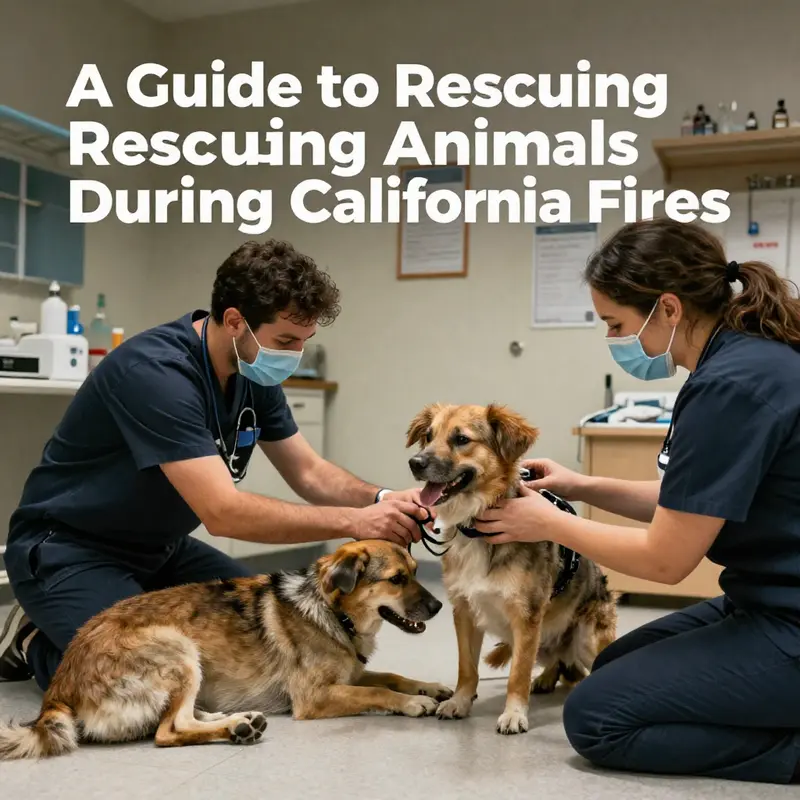
In the wake of a California wildfire, the landscape is not only scarred by burnt trees and disrupted ecosystems but also by the deep emotional and physical toll on the animal communities that call the region home. The process of post-fire recovery transcends simple environmental restoration; it involves a painstaking commitment to reuniting displaced animals with their families, offering immediate medical care to the injured, and reestablishing the habitats essential for a healthy existence. Every life affected by the flames tells its own story of struggle and survival, and these narratives collectively underscore the importance of a well-coordinated, compassionate response that integrates emergency planning with long-term ecosystem restoration.
When the fire subsides, first responders and animal rescue organizations mobilize rapidly. This coordinated effort is not merely about recovering bodies or salvaging the remnants of what once was. It is about addressing the myriad challenges that animals face in the aftermath of devastation. Many wildlife species, both domestic and wild, experience acute stress, dehydration, burns, and respiratory issues from inhaling toxic smoke. The initial hours and days following the fire are critical. During this period, trained veterinarians, rescue groups, and rehabilitation experts work side by side to stabilize injured animals and transport them to specialized care units. The attention provided during these early stages—ranging from ensuring that animals have clean water and nourishment to administering life-saving treatments—can make the difference between quick recovery and long-term disability.
The process is immensely multifaceted. At a micro level, each rescued animal is treated as an individual whose injuries must be addressed with precision and care. However, the broader context requires a systemic approach. Collaboration between local authorities, animal rescue organizations, and environmental agencies is fundamental. For instance, local animal control units and organizations like the Pasadena Humane Society play an essential role in the initial detection and rescue operations. These organizations pool their expertise and resources to locate animals, provide immediate emergency care, and guide them safely to rehabilitation centers. This fluid partnership across multiple agencies is not only about mitigating the effects of a disastrous event; it is about establishing a robust, unified rescue network that can efficiently respond to future emergencies. Interested readers who wish to delve into the complexities of pre-fire planning might find further insights in a detailed article on comprehensive wildfire emergency planning available through this guide.
After the rescue phase, the work shifts to recovery and rehabilitation. This stage is as challenging as it is crucial. The physical wounds of animals must be treated with advanced veterinary techniques, whereas psychological trauma demands gentle, sustained care. Animals that have weathered the intense sensory overload of a wildfire may require periods of isolation, therapeutic care, and gradual reintroduction to safer, more secure environments. Rehabilitation centers and wildlife care facilities become sanctuaries where temporary shelter meets long-term recovery strategies. Under the watchful guidance of veterinary professionals, these centers monitor vital signs meticulously. They administer medication and therapies that address not just physical ailments like burns or smoke inhalation, but also symptoms of severe stress and trauma. Experienced specialists understand that a swift transition from emergency care to rehabilitation can significantly boost an animal’s prospects for a full recovery.
The recovery phase also involves an important educational component for animal owners and community members. Awareness of animal behavior during high-stress events helps foster more effective interactions if a pet or livestock is caught in the path of a wildfire. Knowledge is power, and when communities are equipped with the right information about what to expect and how to act, the overall resilience of the animal population increases. Programs aimed at educating pet owners on topics such as identifying stress in animals, preparing a comprehensive emergency kit that includes food, water, and medical prescriptions, and setting up secure evacuation plans have proven essential. By integrating these measures into everyday planning, communities become better prepared for the unfortunate eventuality of another wildfire, and animals benefit from the collective preparedness of their human guardians.
Beyond immediate rescue and initial recovery, the long-term recovery strategies are both expansive and interdependent. As the firefighting efforts give way to efforts structured around ecological restoration, an equally important focus emerges: the reestablishment of balanced wildlife habitats. Ecosystems do not recover at the same pace as urban structures or roads; they require concerted, targeted interventions in the form of reforestation, habitat reconstruction, and water source rehabilitation. When vegetation is systematically restored, it not only provides the necessary cover and food for displaced animal populations but also helps stabilize soil and regulate the delicate balance of local microclimates. The reintroduction of native plants is vital because these species form the backbone of the natural food web and contribute to a more resilient ecosystem, which in turn supports the sustainable recovery of animal communities.
An effective post-fire plan goes even further by incorporating habitat monitoring and community-based natural resource management. These initiatives are designed to track the progress of ecological recovery with precision. Regular assessments ensure that reforestation projects are successful and that any emerging gaps in the recovery process are promptly addressed. Many regions affected by California wildfires have partnered with local research institutions and volunteer groups to monitor the recovery of both flora and fauna. This ongoing process involves mapping the regrowth of natural habitats, studying shifts in wildlife patterns, and adjusting recovery strategies whenever necessary. Each of these measures underpins a broader strategy that is aimed at creating a balanced, sustainable environment to which animals can safely return.
Many of these recovery efforts are bolstered by the unwavering support of communities and philanthropic organizations. The collective willingness of individuals to donate time, money, and expertise plays an invaluable role in sustaining rescue operations. Volunteers help bridge critical gaps by reporting sightings of lost or injured animals and by offering their skills to support rescue teams. Funding provided by private donors often ensures that essential medical supplies and resources arrive where they are needed most. In some cases, community fundraisers and support drives have directly contributed to the procurement of specialized equipment, such as carriers and transport units, which are used to evacuate nervous or injured animals safely. Such community-driven initiatives exemplify how intertwined human and animal welfare are, especially in times of widespread crisis.
A less immediately visible but deeply significant aspect of post-fire recovery is the gradual process of reuniting animals with their rightful owners. For pet owners whose animals have been separated during the chaos of evacuation, the long wait for reunion can be emotionally taxing. Animal shelters and local rescue organizations often set up dedicated communication channels, including hotlines and social media updates, to facilitate the reuniting process. This period is marked by its own set of challenges as administrators and volunteers sift through countless reports of lost pets, verifying identities through microchip data, kennel records, and community alerts. In these circumstances, reconciliation is seen not just as the successful conclusion of a rescue operation, but also as a critical step in restoring family bonds and re-establishing trust between people and the emergency services that stepped in during the crisis.
Social media and local networks have emerged as powerful allies in the reunification efforts. Through the strategic use of digital platforms, rescue organizations broadcast information on rescued animals with detailed descriptions and photographs. This technological advantage vastly enhances the probability that a lost pet will find its way back to its owner in a timely and efficient manner. Simultaneously, these digital networks help disseminate valuable emergency preparedness information among the community, ensuring that fewer animals are left unaccounted for during subsequent wildfire events.
Long-term recovery is also intrinsically linked to mental health considerations for both the animals and the communities affected. Although the physical scars of a wildfire can be treated with medical intervention and rehabilitation, the psychological wounds may endure. Animals, much like humans, can develop post-traumatic stress symptoms after experiencing such a catastrophic event. Behavior that includes a sudden start at loud noises, reluctance to move freely, or even unusual aggression is not uncommon. Recognizing these signs early on is crucial, and many rehabilitation centers have begun incorporating behavioral therapy into their treatment protocols. These therapies, which often involve gradual socialization and the establishment of a secure environment, help affected animals reclaim their confidence and ease back into their routines. Over time, as animals regain their sense of security and owners are reassured by the progress witnessed during therapy, the overall community spirit strengthens, paving the way for more cohesive recovery initiatives.
A significant element of post-fire animal recovery lies in the restoration of the natural environment itself. Interventions aimed at reestablishing the vegetation cover serve as a beacon of hope for an ecosystem in transformation. Large-scale reforestation projects do more than simply replace lost trees; they lay down the foundational fabric for rebuilding ecosystems. These projects often involve the planting of native tree species that flourish under local climatic conditions, ensuring that they will sustain the wildlife populations over time. Moreover, creating wildlife corridors—continuous stretches of natural habitat that allow animals to move safely between different areas—encourages biodiversity and minimizes the potential for future human-wildlife conflicts. Such corridors are particularly important in fire-prone areas where fragmented habitats can leave animals vulnerable if they are unable to migrate to safer, unburned regions.
The importance of coordinated long-term planning cannot be overstated. As public agencies and non-profit organizations work in tandem to restore biodiversity, they are also focused on developing new strategies to prevent future tragedies. Plans incorporate lessons learned from past emergencies to improve risk assessment, enhance emergency response frameworks, and strengthen community resilience. Drug-resistant infections, escalating numbers of wildfires, and unpredictable weather patterns further underline the need for adaptable and forward-thinking recovery strategies. In this regard, continuous research interfacing ecological science with emergency management is pivotal. Data gathered from past incidents guide improvements in both the methodologies employed during active rescue operations and the strategies deployed for ecosystem rehabilitation. In doing so, every rescue operation not only addresses the immediate aftermath of a wildfire but also contributes to a broader knowledge base that can help fortress communities against similar disasters in the future.
While the physical process of recovery is demanding, there is also an emotional and social dimension that warrants recognition. Communities that have experienced devastating wildfires often join forces not only to rebuild their physical surroundings but also to reforge the bonds of trust that have been strained by the crisis. Community meetings, public forums, and social events facilitate open communication among affected residents, rescuers, and local authorities. This exchange of ideas and experiences is instrumental in mending the social fabric that has been torn apart by the disaster. Moreover, these efforts help to nurture a culture of preparedness and mutual support, where sharing resources and knowledge becomes a cornerstone of local resilience. Such a communal mentality is essential for ensuring that every effort, from the smallest rescue to the largest reforestation project, is executed with an eye toward long-term sustainability and dignity for all living beings involved.
The journey of post-fire recovery for animal communities is thus a rich tapestry of immediate action, methodical rehabilitation, community solidarity, and forward-thinking ecological restoration. Each stage of this process has its own set of challenges, yet the underlying commitment to rebuilding lives—both animal and human—is unwavering. As local agencies, dedicated volunteers, and environmental organizations mobilize in the aftermath of a wildfire, the overarching objective remains clear: to restore balance, promote healing, and ensure that the devastation wrought by the flames gives way to new growth, renewed hope, and a resilient future.
In many respects, the post-fire recovery framework serves as a model for how disaster response can elevate not only immediate survival but also long-term community wellbeing. It underscores the fact that rescuing animals from the perils of wildfires is not solely a matter of emergency response; it is equally a call to reimagine how humans and nature coexist. Rebuilding the habitats that animals depend on forms a crucial part of this vision. As tree canopies gradually return and meadows begin to flourish again, so too does the promise of recovery for every creature touched by the fire. These natural signs of renewal provide the foundation for communities to rebuild their lives with a greater appreciation for the delicate balance between development and nature.
Integrated recovery efforts also provide an opportunity to refine and improve current rescue protocols. Continuous training for rescue teams, investment in updated equipment, and leveraging modern technological tools all contribute to a more robust emergency response system. In this sense, every wildfire becomes a lesson in resilience, inspiring improvements in how the state of California handles natural disasters and the subsequent recovery of both its human and non-human residents. Moreover, as more communities share their experiences and solutions, an evolving network of best practices emerges. This network not only helps in the present but also acts as a critical resource for future generations facing similar challenges.
A testament to the resilience of these communities is the story of how recovery efforts have made significant strides over time. The seamless integration of immediate rescue, meticulous rehabilitation, sustained habitat restoration, and community-driven support has transformed what once seemed like an insurmountable challenge into a living, breathing example of persevering hope. The road to recovery is never simple; it requires steadfast determination, innovative thinking, and an enduring compassion for all living creatures. The collective efforts of individuals, organizations, and local governments ensure that each rescued animal is given not just another chance to thrive, but also the support necessary to begin a new chapter in its life.
This multifaceted approach to rebuilding lives in post-fire California offers a blueprint for managing future crises with enhanced sensitivity, preparedness, and unity. It is a process that respects the memories of what was lost while celebrating the possibility of what can still be achieved. Every rescued animal, every restored habitat, and every renewed community bond is a powerful reminder that in the aftermath of disaster, there is always a chance for rejuvenation and rebirth. The lessons learned here go beyond the immediate actions taken; they foster an enduring culture of preparedness and a deep-seated commitment to the welfare of all the beings that share this land.
For those seeking additional information on wildlife recovery and habitat restoration following these catastrophic events, the official website of the California Department of Fish and Wildlife offers a wealth of resources and guidance. Their insights help shape not only the recovery strategies but also the proactive measures that can reduce the impact of future wildfires on animals.
In the final analysis, the comprehensive strategies for post-fire recovery serve as a cornerstone for a future where animals and humans alike can coexist in a richer, more sustainable environment. Every phase of the recovery process—from rescue operations and rehabilitation to habitat restoration and community engagement—illustrates a relentless pursuit of renewal. It is a journey marked by tremendous challenges, yet one that ultimately reaffirms the resilience and hope inherent in every effort to save and restore life in the wake of nature’s fiercest trials.
Final thoughts
Effectively rescuing animals during California wildfires necessitates a well-rounded approach encompassing preparation, immediate action, and ongoing support. By creating thorough emergency plans, understanding animal behavior, and utilizing community resources, we can improve outcomes for both pets and wildlife affected by these disasters. Moreover, recovery and reunification efforts are crucial in healing the emotional scars of both animals and their owners while restoring a sense of normalcy. Armed with this information, we can mobilize as conscientious and dedicated members of our communities, ensuring that every animal has a fighting chance in the face of a crisis.