
Each year, campfires create warmth and community in the great outdoors, but they can also pose serious threats to animal life. As wildfires and mismanaged campfires can endanger both wild and domesticated animals, understanding how to act swiftly and effectively can be crucial. This guide provides comprehensive information on the preparation needed before a fire occurs, immediate reactions to take when an emergency arises, techniques for safely rescuing animals, and the care required post-rescue. It also explores the behaviors animals might display during such stressful times. By arming community members, educators, and rescue personnel with this knowledge, we can enhance our efforts in safeguarding vulnerable animals in the face of fire-related threats.
Preparation as a Lifeline: Safely Planning to Rescue Animals from Camp Fires
Every campground holds the promise of open skies, crackling flames, and a chance to connect with nature. It also holds the risk that a camp fire can flare beyond control, threatening pets, livestock, and wildlife that share the night with us. In those moments, preparation becomes a lifeline. A calm, practiced plan reduces chaos, protects lives, and keeps the focus on swift, safe action. The heart of rescue in a camp fire scenario is not the dramatic gesture but the quiet discipline that begins long before the alarm sounds. Preparation creates options when the heat rises, and it shields both animals and humans from needless danger.
The first pillar is immediate evacuation planning. Begin with a dedicated pet emergency kit that travels with you. This kit should include the essentials that translate into minutes saved: portable food, a dependable supply of water, any essential medications, and medications that must accompany the animal when leaving. A sturdy leash or carrier is indispensable because it provides control without requiring you to risk close contact with a panicked animal. Identification tags and microchip information must be readily accessible, not locked away in a drawer. The kit should also hold copies of medical records, vaccination history, and prescriptions stored in a durable format. Consider adding a lightweight, weatherproof blanket and a small first aid kit tailored for animals. The aim is not luxury but readiness: a single, clearly organized place where you can grab and go as soon as you hear the first crackle of danger.
Equally vital is an established safe evacuation route. A plan with alternatives matters when smoke cuts visibility or flames cut off a path. Practice makes the plan credible. Practice with your animals helps them learn to trust the directives you issue under pressure. Practice should involve simple, repeated commands and a routine that carries through even when you are tired or anxious. Multiple routes should be mapped, tested, and memorized by every member of the group. When the time comes, every person should know how to transport animals with carriers, harnesses, or leashes and how to move them to a designated safety zone swiftly and calmly. This zone should be fire resistant, ideally on bare soil or gravel, and far enough from the main flame to allow a safe regrouping after the initial exodus.
Within this framework of preparation lies the practical reality of identification and documentation. Microchipping is a backbone of reunification should a pet become separated. Ensure microchips are registered and that contact information is current. Carry id tags on every animal at all times, even if you have microchips. Contemporary shelters and rescue teams rely on up-to-date information to reunite families quickly. Beyond tags and chips, keep digital copies of vaccination records and the animal patient history in the cloud or on a portable drive stored separately from your home. If a disaster interrupts power, access to these records can make the difference between proper care and unnecessary delays. The more you can prove who owns an animal and what medications or treatments they require, the faster a responder can act with accuracy.
Safe confinement and transport form the blueprints for turning preparedness into real assistance during chaos. Secure carriers for cats and small animals, and a harness and leash or a travel crate for dogs that keeps them contained without allowing them the space to bolt through smoke or flame. Having a safe room or area prepared in advance allows you to keep animals contained away from balconies, windows, or other hazards. Before a threat, make sure the space is stocked with the carrier, a cooler with water, a blanket, and a familiar toy or item that can comfort the animal amid the disruption. As you move toward an exit, avoid loose leashes that can become tangled and create additional danger in a crowded area. Practicing loading an animal into a carrier or onto a leash helps reduce the stress of the moment and prevents panic from turning into injury.
The social dimension of rescue cannot be overlooked. Community coordination is a force multiplier when a camp fire threatens a shared space. Know local resources in advance: shelters that accept pets, veterinary clinics on standby, and pet-friendly lodging options should evacuation plans require temporary relocation. Some regions work with animal rescue teams integrated into emergency services, and knowing who to contact ahead of time minimizes delays. Neighbors can become an extension of your plan, each person with a clear role in care and movement of animals. When multiple households share the same campground or adjacent campsites, establish a small network before danger arrives. A night of rehearsal with your group builds trust and reduces confusion when every second counts. The practical upshot is a coordinated march rather than a scramble, with roles assigned to directing animals, providing rear coverage to shield them from heat and smoke, and monitoring the spread of the fire as it evolves.
Mental and physical preparedness underwrites every practical measure. A calm demeanor helps prevent animals from sliding into panic. Panic is contagious; quiet, deliberate movements and soothing tones create a rhythm that animals can imitate. The more you understand how animals respond to stress, the better you can tailor your actions. Some pets may hide when danger is near; others may seek a known shelter such as a tent or vehicle. The key is to stay with the animal and guide it toward safety without chasing or startling it into a flight. This is not about willpower alone but about decoding behavior in real time and adjusting your plan accordingly. It also means training yourself to move with purpose and restraint, taking the fewest steps necessary to reach the exit. Good preparation recognizes that every delay causes more exposure to heat, smoke, and possible injury. During a camp fire, the priority is to minimize exposure while maximizing speed and precision.
An essential thread in this preparation is learning from past failures and translating those lessons into your own routine. Past reports of emergency response shortcomings underscore the real cost of gaps in planning. California wildfire emergency management failures, for example, illustrate how critical it is to anticipate, coordinate, and practice across a spectrum of scenarios. By internalizing those lessons, you aim to close the gaps in your own plan. The emphasis is not on speculation but on proven practice: identify the closest safe zone, rehearse with your pets in and out of their carriers, and ensure that every participant in the plan knows what to do if smoke reduces visibility or the fire advances more quickly than expected. This mindset, grounded in preparation, gives rescues their best chance in the moment when fear can otherwise derail reason.
The preparation described here should always flow back to the specifics of the camp fire setting. The heat isn t a fixed line; it moves with the wind and terrain. Campgrounds often host objects that alter air flow or burn at different rates, from dry brush to wooden structures. Your plan must accommodate these realities. If a sudden shift in wind direction brings hot embers toward your group, you may have to alter routes, switch to a safer zone, or improvise a new transport method while keeping animals calm. The safest path is one you have already walked in training, where you know the terrain, anticipate hazards, and can keep a steady pace even when the ground is treacherous. The professional instinct is not to mimic a television rescue but to balance speed with safety, to honor every animal s distress with restraint, and to maintain the line between readiness and recklessness.
No single rule guarantees success, but a chain of prepared habits does. Carrying an animal emergency kit that travels with you, confirming and updating identification, rehearsing multiple safe routes, ensuring secure confinement, and building a community of support all contribute to a durable framework. This framework allows you to respond to the unpredictable nature of outdoor fires without surrendering your animals to fear. It is a plan that keeps you present, purposeful, and capable of interpreting the evolving scene with clarity. It also recognizes that rescue work in camp settings is as much about prevention as it is about action. The more you reduce the chances that animals become disoriented or separated in the first place, the higher the odds that when danger does arrive, the response will be swift, quiet, and effective. The aim is not to guarantee safety in every case but to tilt the odds toward a rescue that preserves life, dignity, and the chance to reunite after the flames have passed.
For readers seeking a broader perspective on disaster readiness beyond the campground, consider the wide range of resources that emphasize coordinated care and responsible planning. The core message remains consistent: preparedness is inseparable from safety, and safety grows directly from practice. When the moment comes, the plan must be second nature, not a halt in action caused by confusion or fear. A well rehearsed routine, a clear sense of routes and refuges, and a compassionate, controlled approach to animals will yield the best possible outcomes for both creatures and their human companions. The payoff is measured not only in saved lives but in the confidence that you have done everything feasible to protect those who depend on you. And in the longer arc, it reinforces a community ethos where campers learn to look out for one another as part of a shared responsibility to the animals that accompany them on the journey into the wild.
External resources can offer additional frameworks and case studies to deepen the practice of camp fire preparedness. For a broader understanding of disaster preparedness for pets, see the American Veterinary Medical Association s guidance on disaster readiness and response. External and internal perspectives together create a more complete picture of how to keep animals safe when camp fires threaten the landscape and the lives that traverse it.
Swift, Safe, and Humane: Immediate Actions to Rescue Animals from Campfires
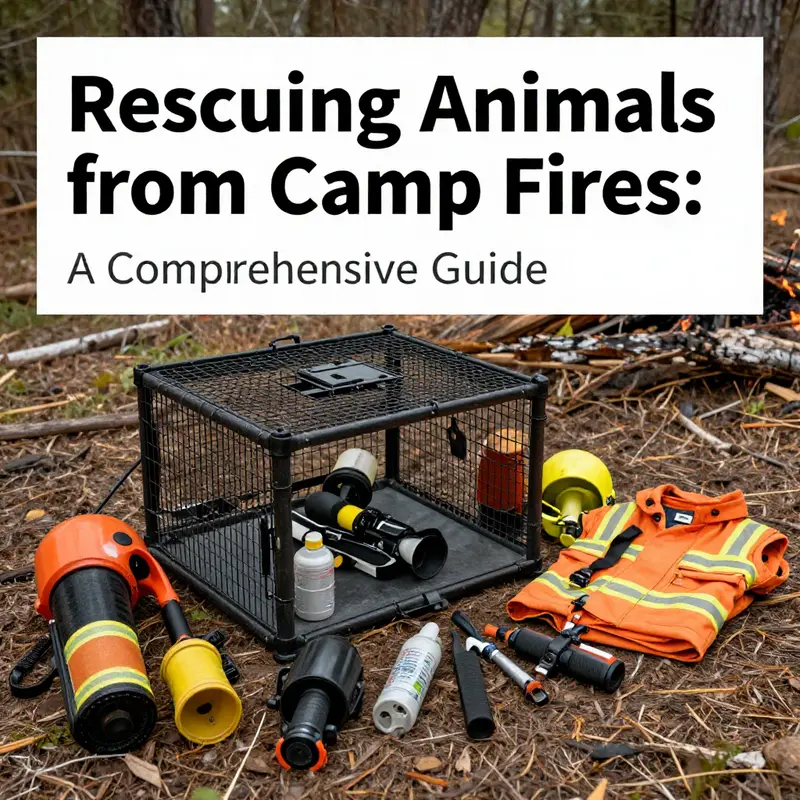
The moment a campfire roars toward danger, the clock begins to run in a different rhythm. Breath shortens, ashes sting the eyes, and the landscape narrows to a single, urgent aim: keep every animal safe. In these moments, preparation becomes action, and action must be guided by a clear, compassionate plan. The chapter that follows threads together the lessons learned from earlier prevention principles with the hard reality of seeing a fire stretch beyond the circle of light. It speaks not only to the thrill of a rescue but to the restraint required when the smoke makes breathing a choice between safety and salvation. When a campfire veers into crisis, the primary creed is simple and stubborn: your safety and the animal’s safety come first. If the risk to you is too great, you back away and call for professional help. Yet where conditions allow for safe intervention, rapid, coordinated action can be the difference between life and tragedy. The most effective immediate responses rest on a few sturdy foundations—recognize the danger, locate the animal, communicate calmly, and deploy the right tools with precision. The stories from past emergencies offer a stark reminder that panic is a contagion that worsens every other hazard. A steady, quiet demeanor not only steadies the rescuer but can soothe a frightened animal that otherwise might bolt into hot coals or burning debris. Even the most frightened creature understands the cadence of a soft voice and familiar commands, if those signals were established before danger arrived. The human terrain around the animal is equally critical. A single calm leader can coordinate a small team, assign clear roles, and keep bystanders from pivoting into chaos. In those crucial minutes, a well-ordered plan reduces risk and increases the odds that a frightened dog or cat will find a genuine path to safety. In practice, that plan begins with three primal checks: is it safe for you to enter the immediate area? Can you see the animal, and is there a feasible route to guide it toward a designated safe zone? If the answer to either question is no, the right instinct is to retreat, regroup, and summon help. The internal calculus is not about bravado but about prudence. It is about avoiding any action that could turn an emergency into a disaster. When conditions permit rescue, the first responders often work with tools and props that extend a person’s reach without compromising safety. A long-handled net, a sturdy blanket, or a harness connected to a leash can bridge the gap between fear and familiarity. The blanket serves multiple purposes: it can shield from embers, provide a soft surface that reduces panic, and give the animal a tangible, nonthreatening object to focus on. The long handle gives distance, which matters in the smoky air that can burn eyes and irritate lungs. If a blanket is used, it should be offered with gentle, non-threatening movements. A slow approach—downwind, if possible—decreases the chance that the animal will bolt toward danger. A calm voice, repeated commands learned in calmer times, and a steady presence can coax the animal toward the exit path rather than into the densest smoke or the most unstable structures. In this moment, the rescue becomes a choreography. One person directs the animal, another provides cover or safety, and a third monitors the evolving fire and communicates changes in wind or flame spread. The division of labor is not a lapse in spontaneity; it is a hedge against the chaos that a fire invites. The team’s gear must be practical and protective. Gloves, eye protection, and flame-resistant clothing offer essential shields if the animal’s flailing paws or a kicked ember finds its way toward skin or eyes. Water or a small fire extinguisher kept nearby can douse quick flare-ups as rescue unfolds. The scenario that follows is not a movie scene; it is a real, fragile moment where mistakes can haunt both human and animal for hours or days. Even after a successful extraction, the work is not done. The goal is to minimize trauma and to secure a path to medical evaluation. The animal may have burns, smoke inhalation, or dehydration. A quick, initial assessment on the scene can identify obvious injuries and guide the next steps. If the animal appears stable but distressed, the safest course is to move to a shaded, calm area away from the center of heat and exhaust. The temperature drop, clean water, and a quiet environment can be as healing as any medical intervention during the first hours after rescue. This is where the narrative of emergency response intersects with the science of animal welfare: even minor injuries can escalate if not promptly addressed. The scene then shifts from extraction to stabilization. A temporary shelter or quiet holding area—one with non-slip surfaces, fresh water, and protection from wind and ash—becomes a makeshift hospital until a veterinarian can examine the animal. The triage is basic but essential: check for burns on paws, ears, and noses; observe for coughing, wheezing, or signs of distress; verify hydration status; and note any signs of shock, such as pale gums or listlessness. These observations guide whether immediate first aid is possible on site or whether the animal should be transported to a more equipped facility. The emotional toll of such rescues is profound. Animals remember the soundscape of their trauma—the crackle of flames, the hiss of escaping air, the thump of collapsing structures—and it leaves an imprint. Humans bear similar marks, often sharing a quiet, stubborn hope that the bond with their pets will endure. The NPR accounts of 2018’s Camp Fire underscore how deeply families are affected by sudden separation and loss, even as rescuers hold out the possibility of reunions in the wake of destruction. The resilience demonstrated by both animals and their people in those narratives offers a powerful counterpoint to fear. Lessons from those events echo in the present practice: the need for rapid, coordinated action; the value of calm, consistent communication; and the necessity of post-rescue care that extends beyond the moment of extraction. In communities that regularly camp and hike, these lessons translate into training and drills, where volunteers, park staff, and campers rehearse the roles that emerge when danger demands quick, precise moves. The human element comes into focus here, too. The most effective rescues occur when volunteers share a common language, outline clear responsibilities, and maintain a culture of safety that prioritizes the animal’s welfare without compromising the rescuer’s well-being. That balance is not accidental. It arises from a disciplined awareness of what can go wrong and a practiced hand at guiding animals through the process of leaving danger behind. To translate this into practical action at a campsite, the social fabric matters as much as the gear. Before the fire flame ever reaches perilous intensity, campers can establish a safe zone that is easy for animals to reach, with clear exit routes and minimal obstacles. They can practice “come” or “leave” cues under controlled conditions, rewarding calm behavior with brief, reassuring praise. Such routines make the first moments of a real incident—when time is most precious—less fraught with fear for the animal and less prone to errors that could escalate risk. The overall message of this chapter is simple and stubborn. Immediate reactions in the face of a campfire emergency must be grounded in safety, guided by calm communication, and executed with the right tools. A humane rescue is not about heroic bravado; it is about the quiet competence that happens when preparation meets practice and when the people present treat every creature as a patient who deserves dignity, protection, and care. As we reflect on the practicalities, it is worth anchoring the discussion in broader emergency-learning resources. For readers who want to connect this chapter to a wider framework of best practices, consider the broader context of fire-management failures and what they reveal about on-the-ground decision-making. This connection is made explicit in a thorough discussion of California wildfire emergency management failures, which offers important cautions about response timing, resource allocation, and interagency coordination that can inform campsite plans and volunteer training. California wildfire emergency management failures. Finally, for those seeking a broader understanding of how communities process and recover from such incidents, the real-world stories of families and animals—their losses, their reunions, and their unwavering hope—are captured in journalistic accounts that accompany this material. The NPR piece detailing the Camp Fire’s impact on pets, their rescues, and the long road to possible reunification serves as a sobering reminder that every successful intervention carries with it a continuation of care, a chain that extends from the field to the shelter and into the hands of a veterinarian and a loving owner. External resource: https://www.npr.org/2018/12/02/673495698/these-dogs-and-cats-survived-the-deadly-camp-fire-will-they-ever-be-reunited
Ember Alarms to Lifelines: Integrated Rescue Tactics for Animals in Campfire Emergencies
When a campfire flickers in the dusk, it can seem merely a gathering of light and warmth. Yet in the span of a heartbeat, that warmth becomes heat, smoke, and imminent danger for animals close by. Rescuing them demands more than courage; it requires a cultivated mindset that blends animal behavior, fire safety, and community logistics into one seamless response. This chapter stitches together practical techniques with the wider lessons learned from real wildfires, translating them into a campground reality where every second counts and every decision can spare pain or save a life. It begins with preparation, for preparedness is the quiet backbone that turns panic into purposeful action. Before danger arrives, campers can designate an escape route for animals, much like the familiar exits found in urban homes. Domesticated animals, whether a loyal dog trotting beside a tent or a stoic herd of livestock grazing near a meadow, should be accustomed to leaving their familiar spaces on cue. Training commands such as come or leave becomes a bridge between routine and emergency, a small repertoire that yields large returns when smoke thickens and the wind shifts. Leashes and harnesses keep animals close while still allowing quick control, especially in crowded campgrounds or brushy perimeters where confusion can trigger frantic bolting. The idea of a safe zone matters as much as a fire pit itself. A fire resistant edge, ideally bare soil or gravel away from the core flame, gives animals a refuge if the situation escalates. Tents and shelters should never shade or straddle the risk line; space between a fire and a sleeping area reduces the chance that a startled animal will race toward danger. These preparations tend to be overlooked because they feel static, yet in a crisis they prove dynamic, transforming uncertain moments into predictable steps. In this sense, preparation becomes a form of trust—between animals and people, between a camp and its surrounding landscape. When the flame grows, that trust translates into action. A multi-layered evacuation and shelter network becomes the central pillar of response. It is not enough to count on a single location as a rescue point. Emergency planners increasingly collaborate with local organizations to establish multiple refuges across a region, so that when a fire advances or a road closes, animals have alternative routes and destinations. The examples from larger wildfire contexts show what is possible: the coexistence of temporary shelters at equestrian centers, humane societies, and designated farms or inns, all ready to receive dogs, cats, domesticated livestock, and even more delicate wildlife. These sites supply shelter, water, food, and basic medical care, while reducing pressure on any one location to absorb an overwhelming influx. The principle is simple but powerful: diversify the path to safety, and you extend the options for survival. In the heat of a crisis, information travels fastest through networks. Social media and online coordination platforms can function as a digital SOS hotline, turning scattered observations into a coherent map of need. Volunteers post sightings of animals, note their locations, and tag rescue teams with the exact routes and timings. This real-time information flow helps responders avoid duplicating effort and leaving animals behind. It also enables the public to contribute in meaningful ways without wading into dangerous zones. The value of this approach is evident in the way professional teams and community volunteers collaborate. A model that blends expertise with local knowledge yields the most effective outcomes. The Valdivia mother-daughter team, mentioned in recent field reports, demonstrates how fearless frontline work can be paired with practical community support. They transport large animals through smoke and obstacles, while livestock merchants bring specialized transport for sheep and poultry from remote settings. This partnership—professional skill paired with community resolve—dramatically increases rescue efficiency and expands the reach of trained responders. The same blend guides the development of layered rescue plans. For portable pets such as cats and dogs, the immediate priority is to evacuate them from their current danger zones. If quick entry is unsafe, responders pivot to relocation when conditions permit, always maintaining calm and minimizing stress. For larger livestock, the approach shifts toward enabling safe transfer when the terrain, weather, and fire behavior allow it. Some animals may not require relocation if their shelters can be reinforced and their access to water and food sustained. In both cases, the emergency operation hinges on clear roles: one person directs the animal, another provides cover and protection, and a third monitors the fire’s spread. Protective gear—gloves, goggles, and flame-resistant clothing—becomes a practical shield for rescuers who must maneuver through heat, smoke, and uneven ground. A long-handled net or a blanket can be used to guide an animal away from flames without direct contact. When feasible, a harness attached to a leash is a humane method to lift or guide a frightened creature to safety while keeping hands and face out of the path of heat. Water or a portable fire extinguisher stands by for small flare-ups that might occur during a rescue, but the priority remains to reach safety with minimal delay and disruption. Post-rescue care is not an afterthought but a continuation of the rescue itself. Animals may carry burns, smoke inhalation, or shock that mask the true extent of injury. A careful visual inspection for burns and signs of respiratory distress becomes essential immediately after extraction. Offering fresh water and moving the animal to a cool, shaded area helps prevent heat stress and ongoing agitation. Veterinary attention should be sought as soon as possible because even minor injuries can deteriorate quickly under stress and exposure to contaminants. The path from rescue to recovery often reveals another layer of complexity: the need for comprehensive sheltering and ongoing care. This is where communities broaden their safety net. The emergency shelter network must maintain a steady supply chain of medicines, food, water, and basic medical care. Online fundraising platforms, similar to those used by humane societies in large wildfires, can mobilize resources rapidly to cover medical costs, transport logistics, and the procurement of essential supplies. Even before a crisis, these systems enable a rapid, scalable response that can adapt to the type of animals involved and the geography of the fire. Understanding animal behavior during fires also helps responders anticipate movement patterns and minimize risk. Animals may instinctively search for enclosed spaces that resemble dens or vehicles—areas they associate with safety and shelter. This drives them toward tents, cars, or dense brush, underscoring the need for a calm, slow approach. A mother animal may push past danger to protect its offspring, a testament to instinct that can complicate evacuation. Vigilance is essential, not to suppress maternal behavior but to recognize its influence on decision-making during a crisis. A calm, soothing tone and deliberate movements reduce the likelihood of triggering panic. The final layers of resilience lie in prevention and community participation. Campers benefit from clear education about pet safety in camp settings, with leash rules and sunset curfews for activities that could draw animals toward danger. The broader public can support wildlife protection initiatives by volunteering or donating to organizations that rescue and rehabilitate animals affected by wildfires. The convergence of preparation, rapid response, and community involvement makes a practical and ethical framework for rescuing animals during campfire emergencies. The work is not just about getting animals out safely; it is about sustaining life in the wake of a disaster, restoring trust between humans and animals, and preserving the social fabric that makes outdoor spaces safe for all. This framework echoes broader lessons about why shelters, outreach, and coordinated networks matter in wildfire contexts. It resonates with established findings on why emergency planning and cross-sector collaboration are essential for safeguarding animals in crisis. For readers seeking a deeper look at the systemic side of these efforts, a broader discussion of California wildfire emergency management failures provides context for how layered, distributed responses improve outcomes. California wildfire emergency management failures. The story of animals rescued and communities aided is not isolated to one fire season; it is a blueprint for how to translate courage into structured, scalable care when the flames circle in on a campsite. The practical takeaway is simple: prepare with care, move with calm, and mobilize a network that can shoulder the burden of rescue, shelter, and support. In this sense, campfire danger becomes not just a threat but a catalyst for stronger, more humane collaboration across volunteers, professionals, and wildlife alike. As new wildfire events unfold, the public narrative continues to evolve, offering lessons learned and reminding us that the most resilient responses emerge when people act with empathy, strategy, and shared responsibility. External context from ongoing coverage of wildfire animal rescues further illuminates how these principles operate in real time, underscoring the urgency and feasibility of coordinated action in diverse environments. For those who want to explore the broader picture of recent field responses and how they translate to campfire settings, see the detailed reporting on wildfires and animal rescues in major outlets. https://www.reuters.com/world/us/california-wildfires-animals-rescued-as-homes-burn-2025-01-13/
Beyond the Ember: Sustaining Health and Hope After Campfire Rescues
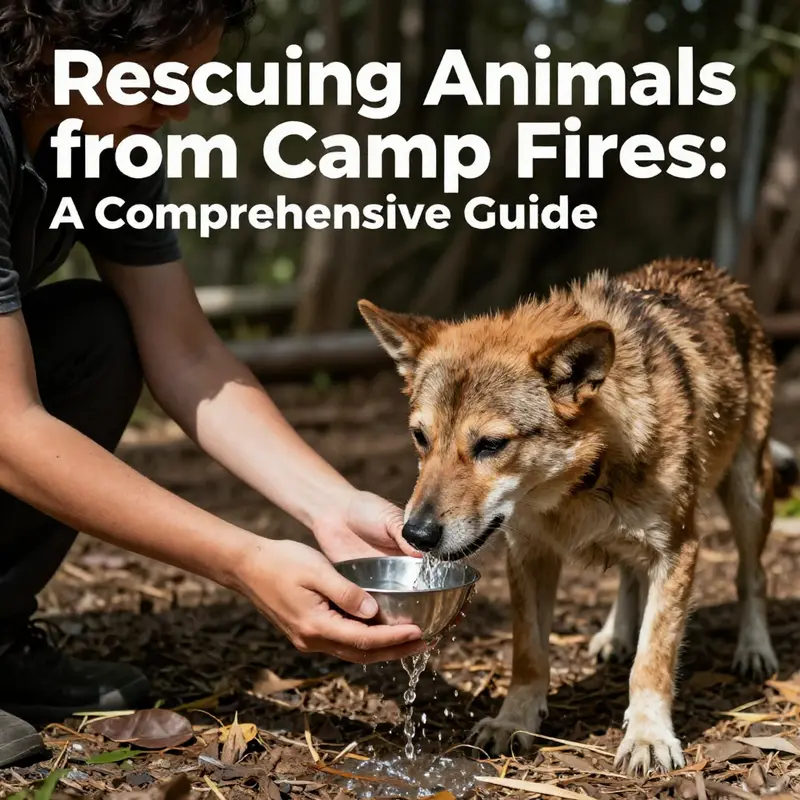
The scene after the fires are contained shifts from urgency to careful, ongoing care. The animal who bolted through ash and fear now stands in a quiet room, eyes wary, body tense, breathing uneven. Post-rescue care becomes the bridge between a dramatic escape and steady recovery. It is built on a mix of medical precision, patient handling, and compassionate storytelling that helps both humans and animals trust again. In the hours and days that follow, responders must balance speed with deliberation, because a body saved from fire can still harbor hidden injuries and a mind scarred by heat, smoke, and loss. The approach to care is practical and humane, transforming a moment of mercy into a durable path back to health and safety, while preserving the bond that made rescue possible in the first place. This is where preparation, response, and recovery converge into a single, continuous act of care that outer walls cannot contain and ash cannot erase.
The immediate aftermath demands a comprehensive evaluation that respects the needs of every species and every edge case. Veterinary triage in a wildfire setting focuses on viability as much as visible harm. The first questions are simple but decisive: Can the animal stand, drink, and protect its airway? Are there burns on the feet, nose, or paw pads that could worsen with movement? Does coughing or wheezing signal inhalation injury or lingering smoke exposure? Each observation informs a plan. Dehydration, common after a high-stress escape, may mask behind a dry mouth and lethargy; yet dehydration can rapidly progress to organ compromise if fluids are delayed. Administering fluids, warming blankets, and ensuring a calm, monitored transport to a veterinary facility become the initial acts of care. Decontamination, when ash clings to fur and fur becomes a carrier for irritants, slows further absorption of toxins and reduces irritants that might inflame airways. The process should be steady and respectful, never coercive. A restrained, gentle approach helps preserve trust and reduces the risk of compounding trauma.
Trauma and stress often travel together in a campfire rescue. A dog that bolted at the crackle of burning twigs or a cat that sheltered in a dense brush pile may bear injuries not immediately obvious. In the field, clinicians search for wounds, contusions, and signs of burn damage on sensitive surfaces such as ears, noses, and paw pads. Alongside physical injuries, the emotional cost can be profound. Fear, confusion, and a sense of dislocation can manifest as aggression, withdrawal, or repetitive behaviors that resemble post-traumatic stress. Addressing these psychological impacts is as essential as mending broken skin. Gentle restraint, a quiet environment, and familiar voices help animals regain a sense of control. A familiar command or reward-based cue—once meaningful in daily life—may become the anchor that helps them feel safe again. Calm, deliberate movements reduce the risk of triggering flight responses, and trained handlers use slow, non-threatening language to guide the animal toward a safe rest area rather than a sudden exit from the room. The human voice, steady eye contact, and soft touch become instruments of reassurance that can rewrite the moment of fear into a safer memory.
The healing path extends far beyond initial stabilization. Long-term recovery requires a structured, holistic plan that weaves medical follow-up, nutrition, and behavioral support into daily life. Ongoing medical monitoring is not a one-time event but a sequence of checks that may unfold over weeks or months. Regular veterinary visits assess wound healing, monitor for delayed complications, and ensure vaccination status remains current, especially if the animal is to be rehomed or reintroduced to other animals. Preventive care assumes renewed importance in post-fire environments where lingering ash and smoke residues can irritate airways, eyes, and skin. A routine that includes eye cleaning, ear care, and dental checks helps prevent secondary infections during a period of vulnerability. Nutrition plays a central role in recovery; a tailored plan based on age, breed, health status, and exposure severity supports tissue repair, weight stabilization, and energy restoration. Higher protein and caloric intake may be warranted, with easily digestible meals to protect the gastrointestinal tract while the body rebuilds itself. Hydration remains a constant need, with fresh water offered frequently and, when necessary, electrolyte solutions to correct losses from vomiting or diarrhea.
Rest is not a passive state but an active, healing component. A stable, predictable environment becomes the soil from which recovery grows. For animals whose nervous systems still tremble after the event, predictable routines soothe the mind and body. Enrichment activities introduced gradually counteract the tendency toward idle anxiety in confinement, providing gentle stimulation that supports cognitive recovery without overwhelming the animal. Gentle scent experiences, slow-paced play, and short, repeated handling sessions help rebuild trust. Social interactions, when appropriate, can foster resilience but must be paced. Some survivors benefit from quiet solitude, while others regain confidence more quickly with a monitored companion. The shelter or foster home becomes a sanctuary where animals learn to relax, explore, and engage with care in a nonthreatening way.
The question of rehoming emerges only after healing begins and a stable routine is established. For pets with owners who have not reclaimed them, adoption or longer-term foster care becomes a necessary option. Rehoming requires careful screening and matching to ensure a successful, lasting placement. Prospective adopters should be evaluated for experience, resources, and the ability to maintain the animal’s new routines and needs. For some wild survivors or animals with incomplete histories, rehabilitation centers may serve as long-term guardians, releasing them back into the environment when feasible or offering sanctuary settings that accommodate specific needs. The process is not merely about finding a home; it is about preserving continuity of care, ongoing medical follow-up, and consistent daily rhythms. This is how the animal learns to trust again, not only in the people who saved them but in the world they inhabit. Each successful placement or sanctuary arrangement becomes a quiet triumph that validates every minute of careful care.
Documentation is the quiet backbone of effective post-rescue work. Each rescue adds a data point to a broader mosaic of disaster response. Shelters record microchip details, veterinary notes, behavior assessments, and progress reports to support reunions and guide future interventions. Clear protocols for sheltering, identification, and communication with guardians speed reunions while ensuring the animal does not disappear into bureaucratic gaps. This practical aspect of care anchors the emotional narrative of rescue in something reliable and repeatable. It is the backbone that keeps compassion sustainable, especially when fires threaten communities again. The human-animal bond, tested by ash and heat, finds footing in the routine that follows every rescue, a routine that can be replicated, scaled, and improved in future incidents.
Lessons from past disasters illuminate what to emphasize in post-rescue practice. Preparedness is not an abstract ideal but a concrete set of actions communities can implement today. Coordinated efforts among animal welfare groups, emergency management agencies, and local volunteers enhance the likelihood that animals survive and eventually thrive. Establishing clear protocols for sheltering, identification, and communication with guardians helps speed reunions and reduces misplacements. Data collected during rescues informs future planning, guiding resource allocation and strategies that save lives in subsequent emergencies. Beyond the practical, there is a moral dimension: a commitment to do no more harm than necessary, to respect animal autonomy, and to honor the ties that bind owners to companions. When these commitments guide practice, recovery becomes a community achievement that endures beyond the smoke and the ash.
As responders, volunteers, and veterinarians reflect on what has happened, a simple truth emerges: healing is a shared journey. The animal carries a survival narrative that belongs to the whole community—firefighters, rescuers, shelter staff, and families who open their homes. The work continues long after the flames are extinguished and the ash is swept away. It continues in careful paw handling, in patient explanations of prognosis to anxious guardians, and in daily choices that determine whether a traumatized animal will rejoin a household or remain in a sanctuary. When done well, post-rescue care becomes a steady chorus of care that helps animals feel safe again, regain physical health, and reengage with life in a way that honors the courage it took to endure. The stories of these animals—whether they find a new family, return to the old one, or discover a sanctuary to call home—are not merely accounts of harm but testimonies of resilience and belonging. The chapter of their lives after the campfire is written not with the blaze but with patient, ongoing attention to health, well-being, and hopeful futures.
For readers seeking a broader theoretical foundation on how disasters affect animals and how best to respond, consider the extended scholarly resource that informs many of these practices: Animals in Disasters – Butterworth-Heinemann. It provides in-depth exploration of preparedness, identification, sheltering, and recovery strategies that support both animal welfare and community resilience. This broader context helps practitioners integrate field actions with long-term outcomes, ensuring that every rescue can contribute to a safer, more humane future. If you want to explore an introduction to how information flows in rescue communities, you can refer to a general primer Hello World.
Further reading and resources also guide ongoing improvement efforts. As communities rebuild after a campfire, the lessons of careful triage, consistent care, and patient attention to psychological healing become a standard that extends beyond a single incident. The aim is not simply to save lives in the moment but to sustain them through stable environments, reliable medical care, and compassionate, informed adoption decisions. In this way, the chapter closes with a practical optimism: even in the wake of devastation, there is a pathway to recovery that honors both the animals who endure and the people who stand with them.
External reading and references: Animals in Disasters – Butterworth-Heinemann
Reading the Smoke: Understanding Animal Behavior to Guide Campfire Rescue
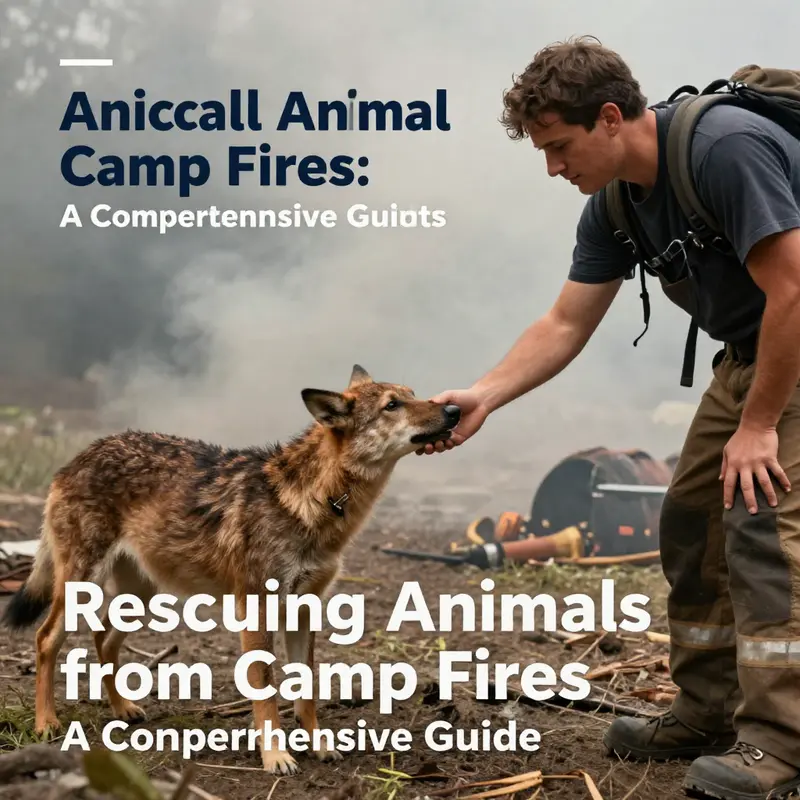
The glow of a campfire is more than a comfort; it can become a barrier between danger and survival for animals whose world is suddenly narrowed to heat, flame, and the scent of smoke. In recent field observations, rescuers have learned that animals act first from instinct and then from the cues they associate with safety. This is not merely a drama of flight and fear; it is a decision tree rooted in sensory input, memory, and the social signals they receive from humans nearby. When a campfire threatens, dogs may surge toward the edge of the clearing, cats may vanish into hidden corners, and livestock may gather behind any available shelter. Understanding these patterns allows rescuers to read the scene quickly, anticipate movements, and align their actions with the animal’s natural priorities rather than wading through chaos. It is in this careful reading of behavior that a rescue becomes precise rather than reckless, efficient rather than exhausting, and ultimately life-saving for animals who may not understand the danger in human terms.
Preparation is the quiet backbone of any successful intervention. Before a campfire is lit, the most important work happens in the days and hours leading up to it. Familiarizing animals with escape routes mirrors the training routines people already rely on in urban settings and indoor environments. A dog that reliably returns on command, a cat that tolerates a harness for short supervised excursions, or livestock conditioned to exit a designated gate when signaled—these are not merely conveniences; they are lifelines. The routine must be practical in a campsite where terrain varies, where uneven ground can trip a rescuer, and where the scent of fuel and sparks raises anxiety. Leashes and harnesses continue to be essential tools near campfires, not as symbols of mistrust but as instruments of rapid control when panic could propel an animal into danger. The goal is not restraint for its own sake but the ability to guide a frightened creature to safety with dignity and minimal stress. A well-planned safe zone matters as much as the fire itself. Fire-resistant ground, such as bare soil or gravel, provides a realistic refuge that reduces the risk of scorched paws and slippery footing. It also offers a clear, visible path to safety for both animals and people. In this planning, the design of your safe space should consider not just proximity to the flames but the animal’s perspective. Tents, shelters, and gear should be placed so animals can retreat without weaving through potentially hazardous zones.
When a fire breaches its boundaries, the order of actions becomes critical. The first imperative is always personal safety. Rescuers cannot help if they themselves become trapped or overwhelmed. The moment the flames advance with a hiss and a crack, it is prudent to step back, assess, and retreat to a safer vantage point if necessary. This sounds antithetical to the impulse to rush forward, yet it is the only responsible course when the risk to rescuers is imminent. From there, a careful assessment follows. Is the animal visible? How close is it to the fire’s edge? Is there a viable route to safety that does not require entering smoke-filled zones? In this moment, tools such as thermal imaging cameras or drones—when available—become invaluable. They provide information without forcing a human into danger, and they help locate animals that may be hiding behind brush, under vehicles, or within collapsed structures. The aim is to minimize exposure to heat and smoke while maximizing the likelihood of a successful capture or guiding the animal toward a predesignated exit. Throughout this stage, the rescuer’s voice matters. Sudden movements or loud commands can trigger a flight response that sends an animal running toward danger. Instead, a calm, steady tone, accompanied by familiar cues, can steady nerves and guide movement toward safety. The psychological dimension matters as much as the physical one; the animal’s memory of prior calm interactions with humans may be the difference between a panicked sprint and a measured, hopeful approach.
The actual rescue, when it becomes necessary, relies on a blend of technique, patience, and teamwork. Long-handled nets, blankets, and harness attachments remain among the most effective implements, especially when there is spare distance between the animal and the flames. A blanket can be used not only to shield but to envelop, conferring a sense of security as the animal’s movement slows. The blanket should be used with care, never to trap or terrify, but to calm and guide. A leash and harness can then provide the final trail to safety without direct contact with heat. Where crowds gather, clear roles help prevent chaos. One person directs the animal with quiet cues; another provides cover or protection from shifting embers; a third monitors the fire’s spread and reports back. Protective gear for rescuers—gloves, goggles, and flame-resistant clothing—remains essential. Water or a fire extinguisher can douse small flare-ups that arise during a rescue, preventing a secondary emergency as the animal is removed from danger. The emphasis is on controlled, incremental progress rather than a dramatic sprint that could end with burns on both sides. The rescue is a choreography—one that respects the animal’s pace, the rescuer’s limits, and the unpredictable nature of a campfire’s spread.
After a creature reaches safety, the work shifts to care and observation. Animals emerging from smoke or heat may appear unharmed, but burns, smoke inhalation, and shock can lie beneath a calm exterior. A quick but careful examination is warranted: check for signs of coughing, wheezing, labored breathing, or lethargy. Even minor injuries can worsen rapidly, particularly for small or elderly animals. Fresh water, shade, and a cool area are essential in the immediate post-rescue stage to prevent heat stress. The environment should provide a comfortable distance from residual heat and lingering smoke, allowing the animal to decompress while the body recovers from adrenaline surges. Veterinary attention becomes critical as soon as possible, because veterinarians can detect injuries that are not immediately obvious and provide interventions to prevent complications. The best practice is to coordinate with a local animal clinic or wildlife rehabilitator promptly, emphasizing that timing matters more than appearance in these scenarios. The emotional dimension of rescue should not be overlooked. The bond between animals and humans—built on trust and calm, predictable behavior—can influence the animal’s willingness to seek help and recover. Even the manner of contact with the animal after rescue can have long-lasting effects on its sense of safety, so gentle handling and a reassuring voice go a long way toward a positive recovery.
Beyond the individual rescue, understanding the broader behavioral patterns that emerge during fires informs how communities prepare for and respond to emergencies. Animals often seek shelter in enclosed spaces they recognize as safe—often garages, basements, or the interior of vehicles—when the smoke thickens and light fails. This tendency sometimes mirrors the behavior of domesticated companions who instinctively gravitate toward the familiar, reinforcing the importance of pre-fire training that makes the safe route efficient and second nature. In some cases, maternal instincts drive animals to risk themselves to protect young, a factor that rescues must anticipate when approaching a known or suspected breeding pair or a litter. These insights echo broader findings in animal psychology: stable environments, consistent human behavior, and predictable routines significantly reduce stress in frightened animals. Firefighters and volunteers, wearing protective gear, often project a sense of safety and stability that helps animals stay calm enough to be guided toward safety. The physiological adrenaline response observed in distressed animals is a double-edged sword. It can temporarily enhance endurance and resilience, enabling a creature to withstand heat and smoke long enough for rescue, but it can also lead to lasting fatigue or respiratory strain if the animal remains exposed for too long. Recognizing when to withdraw and regroup is as important as the initial response.
The practical implications of these observations extend to prevention and community education. Campers can benefit from creating partnerships with local rescue organizations and fire departments to develop clear, tested protocols for pet safety at campsites. Education about leash use near fire pits, designated safe zones, and rapid evacuation routes helps reduce the risk of harm. Parks and campsites can implement rules that emphasize keeping pets on leashes and avoiding campfires near animal enclosures or heavy brush. Volunteers and wildlife protection initiatives play a crucial role in reinforcing these norms, offering training and resources that empower families and groups to act effectively when a fire begins to threaten animal lives. Such measures do not merely reduce harm; they improve the overall resilience of communities in the face of wildfires and other emergencies. The intersection of compassionate care and disciplined response is the core of a humane, scientifically informed approach to disaster relief. The emotional connection between rescuers and animals—built on patience, empathy, and a disciplined method—drives a practice that combines science with care, ensuring that every action is aimed at preserving life while minimizing risk.
Finally, the lessons embedded in these practices connect to larger conversations about preparedness and collective responsibility. The evidence from field observations underscores how important it is to treat animal behavior not as a mystery but as a set of predictable cues that, when understood, guide safer decisions for everyone involved. The integration of behavioral insights into emergency response protocols can refine search patterns, improve the efficiency of rescues, and save more animals from the ravages of campfires and wildfires. It also reinforces the value of calm, consistent human conduct in the midst of danger, a trait that reduces stress for frightened animals and for the people who feel the weight of responsibility on their shoulders. As communities grow more conscious of these dynamics, the chapters that follow can elaborate on practical drills, cross-agency coordination, and the building blocks of a culture that places animal welfare at the center of disaster response. For readers seeking a broader framework on how systems navigate these challenges, consider the broader lessons drawn from emergency management discussions and field experiences. California wildfire emergency management failures offer a sobering reminder that preparedness without execution is insufficient, while the real-world stories of rescues demonstrate how knowledge, when applied with care, can alter outcomes in the most volatile moments. For further insights into animal behavior during wildfires, refer to National Geographic’s exploration of how animals respond to such crises: https://www.nationalgeographic.com/animals/article/animal-behavior-wildfires-response.
Final thoughts
Fire safety is a shared responsibility that extends to the welfare of animals we live alongside, whether they are pets or wildlife. By integrating preparation, immediate responses, rescue techniques, and post-rescue care, we can better protect these vulnerable beings from the dangers posed by campfires and wildfires alike. Together, through education and proactive measures, we can ensure that our outings into nature do not compromise the lives of our fellow inhabitants, reinforcing a culture of compassion and readiness in the face of emergencies.