
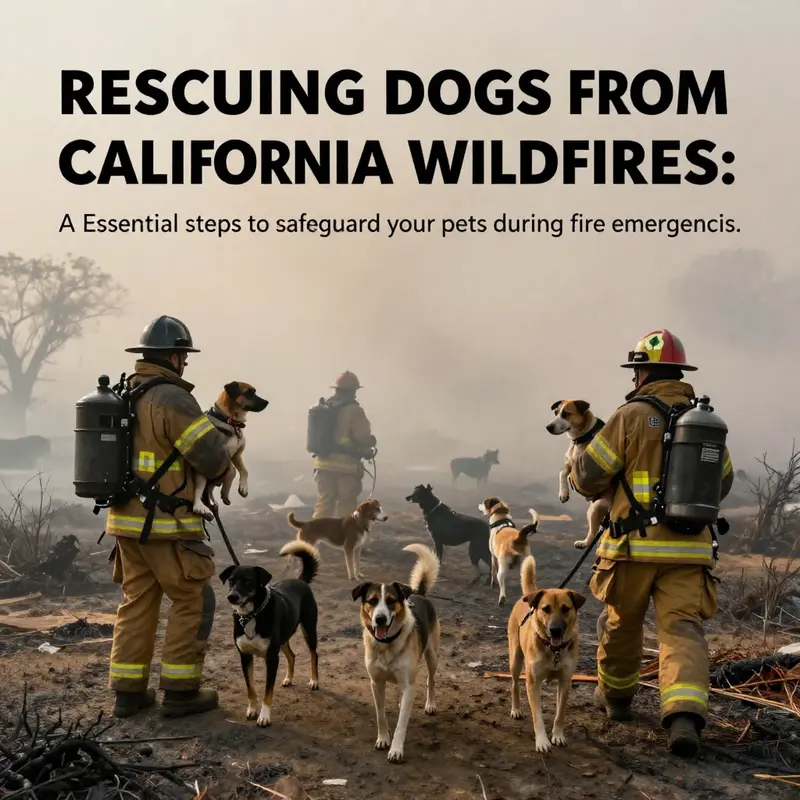
As California faces increasing wildfire threats, safeguarding our beloved pets has never been more critical. Every year, wildfires devastate communities, and the urgency to evacuate becomes paramount. This urgency isn’t limited to human safety; our dogs’ safety also hangs in the balance. The following chapters provide a structured approach to effectively rescue dogs, emphasizing immediate evacuation protocols, preparing essential emergency kits, and the process for recovering lost dogs in post-fire scenarios. Each chapter will empower dog owners, emergency responders, and community leaders to act swiftly and efficiently when every moment counts.
Navigating the Flames: A Comprehensive Guide to Saving Your Canine Companions During California Wildfires
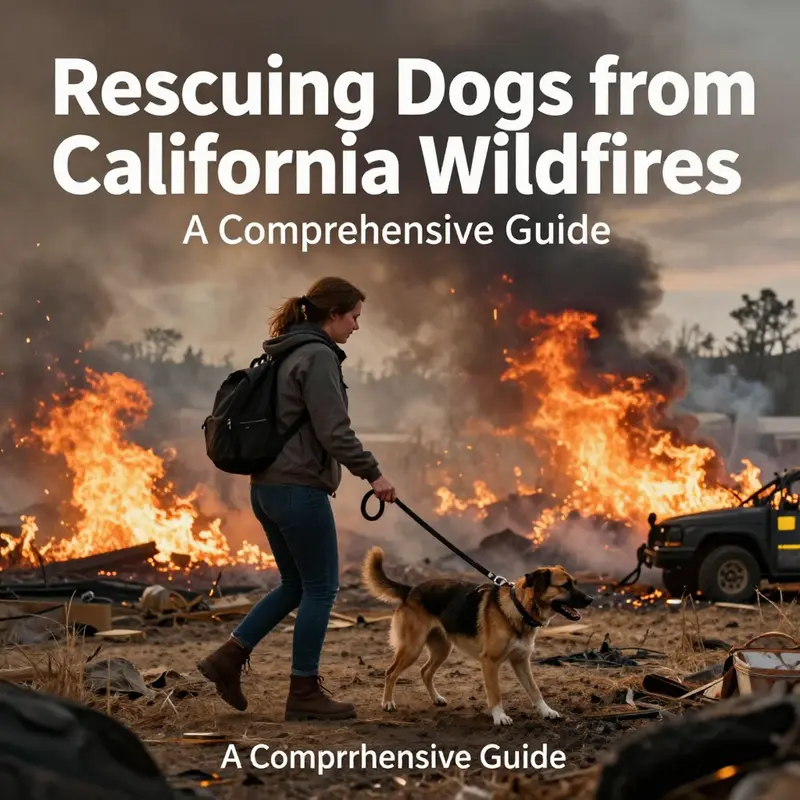
When the threat of a raging wildfire looms over California, every second counts. The safety of your beloved dog becomes paramount as you balance haste with careful planning. In these moments of crisis, the clear objective is to rescue your canine companion while ensuring your own safety. Preparing in advance is crucial and when the sirens sound, the choices made in those fleeting moments can mean the difference between life and tragedy.
Rapid response keeps panic at bay and can be the key to avoiding disaster. Even before the first smoky tendril drifts into the sky, families are encouraged to prepare an emergency kit specifically designed for pets. Imagine a sturdy, reliable carrier, a supply of premium food and water for at least three days, a strong leash and harness, and a set of medications accompanied by vital medical records. Including a current photograph of your dog and its vaccination history can prove invaluable if the unexpected separation takes place. The emphasis on thorough planning is underlined by multiple rescue stories across wildfire-prone communities. Every pet owner must arm themselves with this foresight so that avoidance of chaos becomes possible in the face of nature’s fury.
The chaos that accompanies a wildfire requires every owner to be deliberate and unyielding in their actions. Many accounts from previous fire seasons describe frantic escapes with dogs clutched in arms or nestled safely in carriers. The moment a wildfire warning is issued, time is extremely limited. Local authorities often stress that hesitation can lead to irreversible consequences. With roads quickly becoming impassable, having multiple escape routes planned in advance can make a dramatic difference. Research indicates that sticking to familiar, well-traveled paths that have been pre-assessed for safety is crucial since secondary hazards such as falling debris or sudden shifts in wind direction may block one or several routes. Emergency preparedness is not just a theoretical exercise but a necessary habit ingrained through repeated drills and situational awareness.
In many communities, pet evacuation is intertwined with broader emergency response measures. Firefighters, police, and emergency support teams have all worked together in times of crisis, often risking their own safety to secure pets. Stories circulate about courageous first responders who, even amid the chaos of collapsing structures and billowing smoke, managed to rescue frightened dogs. In one particularly heart-wrenching incident, a firefighter’s quick thinking ensured that a scared dog was led to safety from a smoke-filled home. These accounts serve as a powerful reminder that every life is valued, and while the owner’s bond with their pet is deeply personal, the community, in its resilience and solidarity, rallies to save both human and animal lives alike.
One of the most effective strategies is seamless coordination with local emergency services and organizations that specialize in animal rescue. Being aware of regional resources and support networks significantly increases the likelihood of a safe evacuation. For anyone who may be in a position where self-evacuation is impossible, contacting official animal control or emergency shelters is imperative. Many of these shelters, including volunteer foster groups, are on standby to offer temporary refuge to displaced pets. Detailed planning guidelines on this subject are available through dedicated rescue organizations such as the group detailed on this webpage: California Wildfire Emergency Planning Failures. The ease of reaching out to these establishments can facilitate a smoother and more organized evacuation process when every second counts.
In the midst of a wildfire, the physical obstacles are only part of the challenge; environmental hazards such as thick smoke, aggressive heat, and unstable structures multiply the risk factors. When faced with these dangers, sheltering in place might become a temporary necessity. In those dire circumstances, securing an interior part of your residence – a room with a window, away from the direct path of the flames – could provide the brief window of time needed for safe rescue. Preparing a space with barriers to keep out smoke, such as damp towels or blankets, helps to secure an environment where both you and your dog can await rescue. Maintaining a calm presence is essential, and speaking in soothing tones to your dog can help reduce its anxiety despite the surrounding chaos.
Even while trapped indoors, the consequences of smoke inhalation pose a severe risk. Dogs are particularly vulnerable, and even short exposure to toxic fumes can result in respiratory distress or other health complications. In scenarios where ventilation is compromised, specialized pet-grade smoke masks or N95-style coverings for animals may become vital life-saving measures. Veterinarians advise that any dog showing signs of distress, such as coughing, labored breathing, or discolored gums, must receive immediate medical attention. After a fire has subsided, a professional check-up is essential even if your pet appears to have survived with minimal visible injuries. Such vigilance ensures that delayed effects are identified and treated at the earliest opportunity.
Evacuation is not merely about physical movement; it is as much an emotional undertaking. The bond between a pet and its owner is unbreakable, and separating from a beloved animal during a natural disaster can exact a steep emotional toll. The psychological impact on both the pet and its owner may linger long after the threat subsides. Many survivors recount the relief of seeing their dogs safely by their side amid the chaos of fleeing flames. This emotional connection also propels owners to act without hesitation. These moments of distress forge new strengths and reinforce the importance of mental preparedness in disaster scenarios. The very act of leaving behind a familiar setting, no matter how cherished, is tempered by the survival instinct that drives both humans and animals to seek safety at all costs.
The practical aspects of safely transporting your dog during an evacuation are equally important as mental fortitude. When time is of the essence, enlisting prior training for your pet can be invaluable as confusion and panic begin to set in. A well-trained dog will ideally follow commands even under stress. It also benefits the owner if the pet is accustomed to a carrier or harness and responds calmly when secured. During transit, it is advisable to secure dogs in the back seat of a vehicle to minimize distractions and reduce the risk of injury from sudden stops. Familiarity with the safe zones in your vehicle and prearranged spots especially designed for pets can help prevent panic-induced attempts to jump from the car. This simple foresight helps eliminate additional hazards during one of the most volatile moments a family can face.
Beyond the initial escape, the journey to safety involves navigating unpredictable terrain and potential secondary hazards. Road closures and blocked exits are commonly reported during large-scale wildfires. The mental readiness to switch routes on a moment’s notice can be as important as technical preparation. Firefighters and authorities sometimes instruct that under no circumstances is it advisable to return to previously evacuated areas until they have been cleared by experts. This shifting landscape calls for a disciplined approach and adherence to the emergency plans previously developed. It remains crucial to remain in constant contact with local authorities for updates on road conditions and safe corridors.
Equally challenging are the decisions made immediately after a safe evacuation has been achieved. The initial relief of escaping the immediate danger is soon replaced by the reality of post-evacuation coordination and recovery. In the aftermath of a wildfire, displaced pets require extensive care. Animal shelters and temporary rescue facilities become sanctuaries where pets can receive medical attention, nourishment, and the comfort of human care. The overwhelming number of displaced animals during a wildfire season demands efficient communication between pet owners, rescue services, and local authorities. Every pet recovered from the clutches of disaster is a testament to a community that refuses to give in to the devastation of fire.
The responsibility does not end with the safe removal of a pet from immediate danger. The unexpected and sometimes subtle signs of trauma may only surface once the physical threat is mitigated. It is important to monitor your dog’s behavior for lingering stress and physical symptoms such as an irregular heartbeat or difficulty breathing. A visit to a trusted veterinarian is usually mandated to rule out any serious complications from smoke inhalation or heat exposure. Likewise, the psychological well-being of your pet is paramount. Owners should remain observant for signs of anxiety or disorientation, understanding that the traumatic experience may have lasting effects. Consistent reassurance, a calm environment, and familiarity can help restore a sense of normalcy to your pet’s life.
At its heart, the process of safeguarding a dog during a California wildfire is deeply human. It is characterized by a commitment to preparedness, an unyielding dedication to action, and an enduring empathy that sees every animal as a member of the family. Detailed planning and practice are not just routines to check off on a list; they are the lifelines that link hope to survival. From early planning and assembling an emergency kit to executing a rapid evacuation and then coping with the aftermath, every step demands clear-headed resolve and unwavering determination.
It is not uncommon for families to share their harrowing stories once they have found refuge. In one narrative, a woman recounted how she had bundled her dog into its travel crate while the skies darkened with smoke. Despite the terror gripping her heart, she maintained a resolute focus on safely navigating the congested and chaotic highways to an emergency shelter. Stories like hers remind us that even in our darkest moments, there exists the potential for heroes to arise from ordinary people. The decision to prioritize one’s pet is more than just an act of love—it is a reaffirmation of the intrinsic bond that animals share with the people who care for them.
Throughout the ordeal, communication remains a critical tool in coordinating a successful rescue. Modern technology now offers numerous ways to contact local responders, receive alerts, and even track the movements of emergency vehicles. Smart devices and dedicated mobile applications streamline communication channels among community members, local government, and rescue teams. In a scenario where every moment is precious, clear and concise updates help ensure that your evacuation plan is executed flawlessly. The blend of traditional emergency protocols with modern technology is an evolving practice that enhances the efficiency and safety of wildfire responses.
The role of first responders cannot be understated. These individuals work under unprecedented pressure, often risking their lives to save both people and animals. Numerous accounts have highlighted the bravery of these responders who, with sirens wailing and flames licking at the edges of danger, have stopped to help a stranded pet or guide an owner away from an immediate threat. It is common to hear firefighters speak softly to a frightened dog, offering calming words as they usher it to safety. Their dedication and service are emblematic of a profound professional and emotional commitment that resonates deeply within the fabric of the community.
It is during these testing times that one truly appreciates the role of community and mutual support. Neighbors often band together to share resources, exchange vital information regarding escape routes, and provide temporary shelter to those in need. This collective spirit of care can be a beacon of hope amid the chaos, reinforcing the idea that no one faces the crisis in isolation. The shared experience of fleeing a disaster can forge lifelong bonds with others who similarly risked everything to ensure that every life, canine or human, was accounted for.
As the immediate danger passes and the fire event recedes into memory, attention turns to long-term recovery and healing. Rehabilitation for pets is as critical as rebuilding human lives. In the weeks following an evacuation, many animal shelters and volunteer organizations offer services designed to help rebuild the sense of security that was shattered. Support groups for pet owners, counseling sessions, and veterinary follow-ups integrate to form a comprehensive network of care designed to mend both visible and invisible scars. The transition from a state of emergency to one of stability is gradual and demands continual vigilance and support. It is a journey of healing, both for the dog that endured unimaginable stress and for the owner whose heart was heavy with the burden of loss and survival.
During this recovery phase, practical considerations often merge with emotional recovery. Many communities have initiated training and preparedness workshops following a wildfire season, aiming to equip pet owners with the skills and strategies needed for future emergencies. These sessions cover topics ranging from safe handling during evacuations to understanding the nuances of pet behavior under stress. They also provide clear instructions on how to conduct routine checks and create simpler evacuation routes that factor in the needs of animals. In attending these sessions, pet owners become active participants in building a more resilient community, where prevention and preparedness can mitigate the impact of future disasters.
The lessons learned from each wildfire event have a profound influence on future preventive measures. Authorities and animal rescue organizations continuously refine their strategies, often incorporating direct feedback from those who have experienced the chaos firsthand. Many projects have been initiated to develop better emergency communication systems and more robust support structures for rescuing pets. These ongoing efforts reflect a societal commitment to learning from past errors and improving safety protocols. As technology improves and community networks expand, the hope is that no pet will ever again be left behind in the wake of disaster.
In the midst of chaos, there are moments of brilliant clarity. Every family that is able to secure their dog and make it to safety adds another success story to the annals of wildfire rescue. These accounts are filled with both sorrow and hope—a bittersweet reminder of what has been lost and what has been saved through determination and courage. The true measure of an evacuation is not merely the safe transfer from danger to safety, but the sustained care and compassion that follows once the immediate threat has been overcome.
These experiences bring into focus a broader reality: preparedness and compassion must coexist with swift action. Each step, from assembling the emergency kit to reviewing multiple evacuation routes, forms a tapestry of resilience that strengthens the community as a whole. The hardships endured during wildfires ultimately unite people who may have never met before, all connected by the shared determination to protect the lives of those who depend on them. For many, the journey through the flames is not just a physical escape, but also an emotional passage that redefines what it means to care for another being without condition.
As the embers cool and the scars left by the disaster slowly fade, the memories of that fateful day serve as a lifelong reminder. In the quiet hours following the fury of the blaze, pet owners begin the long process of rebuilding trust and reclaiming their spaces. It is common to see dusty homes and spent guardians accompanying dogs that are gradually learning to navigate a changed world. The community’s efforts to rebuild infrastructure and improve emergency protocols reflect a hope that the lessons of the past will empower future generations. The grieving process is intermingled with gratitude, and while the physical landscape may bear the marks of devastation, the human spirit remains unbroken.
For those seeking additional guidance and resources on the matters of emergency planning and response during wildfires, it is wise to refer to trusted external sources that have been instrumental in shaping response strategies. Official updates and detailed safety recommendations are made available on websites maintained by state agencies. In these moments of uncertainty and upheaval, knowing exactly where to turn for assurances and help can be the strongest support. For further authoritative information and to review the latest state recommendations, visit CAL FIRE’s official website.
In the end, the process of rescuing a dog from the cataclysm of a California wildfire is multi-layered and intricately tied to the spirit of survival and love. Each life saved is an affirmation of commitment to family values and the broader, inherent duty to care for all living beings. Through thoughtful planning, rigorous execution, and compassionate recovery, pet owners can navigate the flames with determination and dignity. The challenges are formidable and the stakes high, yet the inevitable bond between owner and dog provides a guiding light that pushes one to overcome even the most daunting obstacles. In every act of rescue, in every moment of fear and relief, the unspoken promise remains: that nothing is more precious than the love between a human and their faithful dog.
This narrative not only explains how to prepare and act during a wildfire but also reflects on the resilience and fortitude required in times of crisis. It is a call to action for all pet owners to embrace preparedness as a way of life, to invest in the necessary training and supplies, and to engage actively with the broader emergency response community. The lessons learned on the frontlines of disaster shape our everyday lives and stress the importance of always being ready. In the smoky haze of a California wildfire, the unwavering bond with your pet serves as both an inspiration and a lifeline. By following these carefully laid-out strategies and maintaining an alert, prepared state of mind, you forge a path through the flames that honors life, nurtures hope, and ultimately leads to safety for both you and your cherished companion.
Emergency Kit for Dogs During California Wildfires
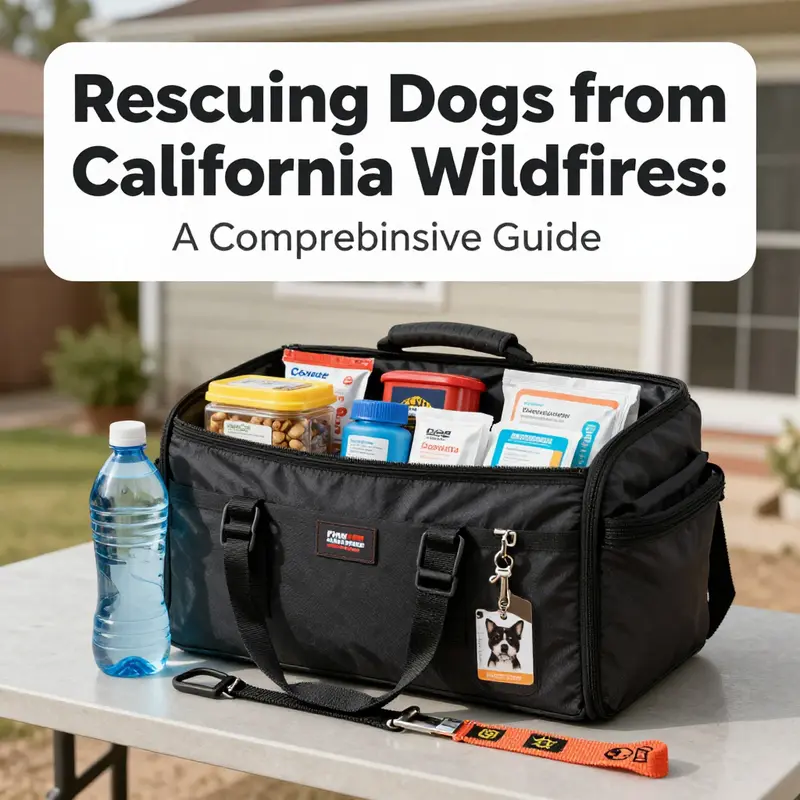
When a wildfire threatens your home, a well‑stocked emergency kit can be the difference between life and loss for your dog. California’s fire season moves quickly, so every second counts and having everything your pet needs in a portable container is essential.
Core Elements of the Kit
- Identification – A recent photo of your dog, a copy of vaccination records, and a medical history sheet. Attach a collar with a tag that includes your up‑to‑date phone number.
- Food & Water – At least three days of dry kibble (sealed in airtight bags) and bottled water. Include a lightweight, collapsible bowl.
- Leash, Harness & Carrier – A spare leash and harness, plus a sturdy carrier or crate that your dog is already comfortable with.
- First‑Aid Supplies – Sterile gauze, non‑stick pads, antiseptic wipes, antibiotic ointment, tweezers, blunt scissors, a digital thermometer, and any prescription medications your dog requires. Add burn‑specific ointment and a reusable cold pack.
- Comfort Items – A familiar blanket, a favorite toy, or an article of clothing that carries your scent to help reduce anxiety.
- Tools & Miscellaneous – Small flashlight with extra batteries, multi‑tool, pet‑safe insect repellent, and a printed list of pet‑friendly shelters and evacuation routes.
Preparation Steps
- Container: Choose a durable, waterproof tote or backpack that can be grabbed quickly and fits under a door or in a car trunk.
- Location: Store the kit near the front door, in the garage, and keep a duplicate in your vehicle.
- Practice: Conduct regular evacuation drills with your dog, using the carrier and the kit items so the process becomes familiar.
- Maintenance: Check the kit monthly. Rotate food before expiration, replace water bottles, update medical records after vet visits, and refresh comfort items.
Community & Resources
- Identify local shelters that accept pets and note their contact information.
- Join neighborhood pet‑preparedness groups or volunteer with rescue organizations to share tips and resources.
- Review guidelines from the ASPCA’s pet disaster preparedness guide (https://www.aspca.org/pet-care/animal-emergency-preparedness) and stay informed about regional fire alerts.
By assembling and regularly updating this kit, you create a portable safety net that ensures your dog has food, water, medical care, identification, and emotional comfort—even when chaos erupts. In the critical moments of a wildfire evacuation, that preparedness can turn a frantic scramble into a coordinated rescue, giving your loyal companion the best chance to survive and reunite with you.
Rescuing Canine Lives Amid the Flames: Reuniting California’s Lost Dogs After Wildfires
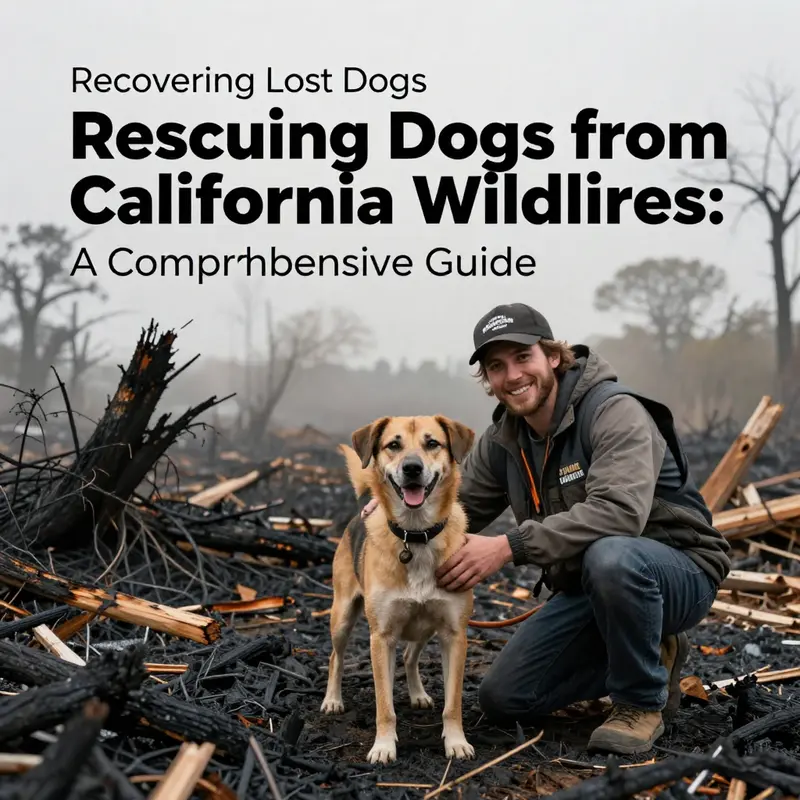
California’s wildfires are a force that leaves no corner of the state untouched, and when they strike, the fate of many lives—human and animal alike—hangs in the balance. In the midst of roaring flames and billowing smoke, the rescue of dogs takes on an urgency and poignancy that touches every member of the community. In recent events, courageous pet owners and first responders have risked everything not only to save lives but to restore hope in moments of despair. In this chapter, we delve deeply into the challenges of recovering lost dogs in the wake of these catastrophic events, examining how rapid response, preparedness, and community solidarity can bridge the gap between loss and reunion.
Wildfires in California are notorious for their speed and unpredictability. For dog owners, the call to evacuate becomes a harrowing reality as the inferno draws closer. It is a time when every second matters, and every decision can mean the difference between life and death. Pet owners, clutching their furry friends, rush through smoke-filled streets and congested highways, every frantic heartbeat echoing the universal pledge: never leave a dog behind. As the flames consume entire neighborhoods, rescuers recount poignant stories of dogs found waiting at the remnants of their once-beloved homes, holding onto hope that their owners might return. Their loyalty and love drive rescue efforts that continue long after the fire has burned out.
The urgency for a swift evacuation is underscored by accounts of harrowing escapes. In some scenes, owners are seen carrying their pets firmly in arms or securely harnessed on leashes, slashing through debris and dodging obstacles along uncertain routes. Preparing for such emergencies requires more than haste alone—it demands forethought. Many pet owners now keep a pre-packed emergency kit that includes food, water, medications, and even a recent photo of their dog to aid identification should separation occur. This level of readiness, built on years of lessons learned from past disasters, plays a crucial role when chaos reigns.
When wildfires erupt, thorough planning often proves a lifeline. Pet owners are urged to know multiple escape routes from their communities, ensuring that when a primary road is obliterated by flames or blocked by debris, a secondary plan is in place. This approach is central to reducing delays and ensuring that rescue efforts are not hampered by the unpredictable movements of fire. At times, natural barriers and fallen trees create hazardous conditions. Yet, it is through a combination of strategic planning and rapid response that many dogs have been saved from the jaws of disaster. The chilling reality is that every moment lost in hesitation could mean that a loyal companion is lost forever.
The community’s response to these disasters plays a significant role in the recovery of lost dogs. Across cities such as Los Angeles and Pasadena, emergency shelters become temporary safe havens for animals displaced by the flames. Local organizations and volunteer groups mobilize in record time, transforming animal shelters into bustling centers of rescue and rehabilitation. In one notable example, an animal shelter in Los Angeles saw a massive influx of pets. Volunteers, including rescue groomers with expertise in handling traumatized dogs, worked tirelessly to clean, comfort, and care for these scared animals. One rescue groomer, Lisa Janay Hernandez, shared her determination and compassion when she stated that every dog would be given an opportunity for a fresh start.
Not many evenings pass without an update from the field. In Pasadena, rescue teams discovered a five-day-old puppy trapped under rubble from a collapsed building. The puppy, with burned ears and visibly weak, had borne the brunt of the fire’s fury. Once located, the puppy was rushed to an intensive care unit set up at a local shelter, where veterinarians worked night and day to stabilize it. Such dramatic tales capture the extraordinary lengths to which rescuers will go—a blend of medical skill, emotional fortitude, and a deep commitment to the welfare of every animal affected by the wildfires.
It is not only individual pet owners and local groups who contribute to the rescue mission; first responders play an essential role in this grand effort. Firefighters and police officers, often risking their own safety, are trained to respond to emergencies involving both people and animals. Anecdotes of heroic rescues from burning buildings remind us that every saved life is a victory. In one dramatic incident, first responders were seen rescuing a toddler and her dog from a perilously burning apartment, an event that underscored the interdependence of human and animal survival when confronting nature’s wrath. These courageous acts, sometimes recorded and shared widely, are heart-wrenching and inspiring in equal measure.
However, the aftermath of wildfires brings its own set of challenges. After the flames subside and the smoke clears, many dogs that were once safely evacuated or intently waiting by the site of their home are suddenly lost in the confusion. The landscape is unrecognizable, and the familiar becomes a maze of charred remnants and harsh new realities. Recovery in these situations requires an unwavering determination to reconnect lost dogs with their families.
Authorities advise that when a dog is missing, pet owners should begin a comprehensive search of the immediate area around their former home. Often, dogs remain nearby, lingering in the environment where they feel safe—even if that space has transformed into something unrecognizable. The bond between a dog and its owner often guides the animal to remain close to home. In such search efforts, local animal shelters and rescue organizations become crucial partners. There are now digital platforms and mobile apps, such as PawBoost, specifically designed to aid in reuniting missing pets with their families. These resources have become essential in the post-fire recovery process, offering hope and a tangible means of reuniting the lost with the loved ones they belong to.
Community-led initiatives have also been vital in these recovery efforts. Across California, compassionate citizens have stepped forward to offer foster care or even adopt dogs that have been orphaned by circumstance. A notable initiative arose when many individuals volunteered as temporary foster caregivers, providing warmth, care, and a safe environment for dogs until they could be permanently reunited with their families. The selflessness of these volunteers and local organizations has been a beacon of hope in communities marred by loss and destruction.
The coordination between official agencies and community groups is a complex and delicate process. Authorities, recognizing that there may be gaps in official evacuation and recovery plans, have increasingly leaned on community networks to help manage the surge of displaced animals. One such instance involved a collective effort that was documented in an article from a local news outlet, which discussed how shortcomings in official evacuation protocols led to the formation of makeshift rescue squads. These squads, composed of local volunteers and emergency personnel, passed on vital information regarding lost dogs and coordinated efforts to guide them back safely. The spirit of cooperation between communities and official services is highlighted in reports of dogs being found and reunited with their owners, often against overwhelming odds.
Central to these efforts is the need for reliable communication. In the chaos of a wildfire, traditional communication channels can become overwhelmed. In response, many communities have invested in establishing backup systems, such as dedicated phone lines and community bulletin boards, to keep information flowing. Emergency apps have also surged in popularity, providing not only alerts about wildfires but also updates on animal rescue efforts. This enhanced communication has allowed both individuals and organizations to respond faster and more effectively, ensuring that every call for help is heard and every lost dog has a chance of being found.
The tale of recovery goes beyond the immediate rescue—it is also about rebuilding trust and hope within communities. Each rescued dog is a symbol of resilience and love. As the recovery process unfolds, the stories of these animals serve as a reminder of the enduring human connection with our canine companions. They also underscore the importance of meticulous emergency planning and the strength that arises from community solidarity. Many volunteers have shared that spending time caring for these dogs has helped them cope with their own feelings of loss and fear. Working together in the wake of calamity creates a bond between all involved—a bond that proves essential in healing both the visible scars on the land and the hidden emotional wounds that persist long after the fires end.
Even with the best-laid plans, challenges in reuniting dogs with their families continue to emerge. The physical barriers left in the wake of destruction are not easily overcome. Streets may be blocked by fallen trees, and landmarks once familiar may have vanished completely. In such cases, search efforts extend over larger areas, often guided by local volunteers or even aerial surveys conducted by emergency services. The search for a lost dog can involve hours, sometimes even days, of careful observation and systematic tracking. Yet, the determination of pet owners is unyielding; every scrap of evidence, every paw print in the ash, is meticulously investigated in the hope of a joyful reunion.
This phase of recovery is both technically challenging and deeply emotional. It is during these periods that modern technology steps in to fill the gaps. Social media platforms, community networks, and even local radio stations play a significant role in disseminating information about found dogs. A single post with a clear photograph and description can lead to a rapid response from someone who recognizes the animal. For instance, one viral social media post led to the safe recovery of several stray dogs that had been sighted near the ruins of their homes. The digital age has transformed how rescue operations are coordinated, proving that even in the darkest moments, technology can be a tool of compassion and connection.
The delicate process of reuniting lost dogs with their families is not without its obstacles. In some instances, dogs that have been separated from their owners may exhibit altered behaviors as a result of the trauma. They may be shy or exceptionally cautious around strangers, requiring time, patience, and often professional help to regain their trust. Animal behaviorists and veterinarians have been working tirelessly to rehabilitate these animals. Their efforts include providing psychological support, gentle socialization, and in some cases, targeted training programs designed to help dogs overcome the emotional scars of their ordeal. The road to recovery is long and fraught with challenges, but every small improvement is a victory in itself.
In addition to providing direct care, the aftermath of wildfires has seen the creation of dedicated recovery centers. These centers not only offer temporary shelter but also serve as hubs for coordinating long-term reunification efforts. Here, veterinarians, social workers, and volunteers work side by side, collecting microchip data, reconciling records, and ensuring that every animal is accounted for. The meticulous nature of their work cannot be overstated. Each record is a lifeline, a possibility for a home, and a reason to press on despite the overwhelming odds. The hard-earned lessons from each wildfire further refine these procedures, making subsequent rescues more efficient and comprehensive.
A critical part of the narrative is the involvement of official resources that provide much-needed support during these crises. Local animal control authorities and shelters have formed partnerships with community groups to broaden the reach of rescue efforts. For those pet owners unable to evacuate immediately, hotlines and emergency contact centers are now a lifeline to prompt action. Much emphasis is placed on ensuring that information flows seamlessly between on-ground rescuers and command centers. One such initiative can be explored further through a detailed account provided by a local resource on evacuation failures and subsequent recovery efforts, which highlights both the successes and shortcomings of current systems. It is through these evaluations that authorities continue to improve protocols and ensure that every lost canine is given the best possible chance of returning home.
The personal accounts of pet owners weave a heartfelt narrative of loss and hope. Many have shared trembling recollections of days spent in uncertainty, haunted by the silence in a house once rich with the sound of wagging tails and joyful barks. For some, the search lasted days, with each moment stretching into an eternity as they combed through neighborhoods, searching for familiar eyes shining in the dust. Every found dog reignites the belief that love and loyalty persist, even in the aftermath of devastation. The emotional toll is immense, yet the resilience seen in these individuals is a testament to the strength of the human-animal bond.
As the recovery phase extends, there is also a significant focus on healing and rebuilding community spirit. In neighborhoods scarred by fire, community meetings and support groups have emerged as venues where pets and their families share their experiences and offer each other solace. These gatherings serve not just as forums for sharing stories but as platforms for planning future preventive measures. They discuss the pressing need for better evacuation strategies, improved support systems, and the integration of animal rescue plans within broader emergency protocols.
Among the many challenges faced, one common thread remains: the profound responsibility of ensuring that dogs are not only rescued from immediate danger but are also provided with the care necessary for a complete recovery. The physical healing process, which can involve treating burns, respiratory complications, and other fire-induced injuries, is supported by veterinary experts who work in tandem with rescue organizations. Their work involves meticulous examinations, surgeries when necessary, and prolonged rehabilitation sessions. The cooperation between medical professionals and animal rescuers is a shining example of how interdisciplinary collaboration can transform tragedy into recovery.
Emotional support is equally crucial. Many of the recovered dogs show symptoms of post-traumatic stress after their ordeal. The sound of sirens, the flash of emergency lights, or even the sight of smoke clouds can trigger anxious responses. Rescuers and animal caretakers use gentle, consistent interactions to help these animals find comfort and security. Over time, trust is rebuilt, and the dogs begin to show signs of relief—a wagging tail, a playful look in their eyes, or a cautious step toward familiar faces. These small victories fuel the continued drive toward reunification and restoration.
In recounting these events, it is impossible to ignore the broader picture these individual rescues illustrate. California’s wildfire crises have exposed vulnerabilities in emergency preparedness that extend to all facets of community safety. The repeated need to evacuate both humans and pets highlights a gap in disaster planning that must be addressed. As experts review the responses and rebuild protocols, there is hope that future incidents will see even more effective coordination and fewer heart-wrenching separations. The lessons learned from each calamitous event forge a path to better preparedness and more resilient communities, where every life—human and animal—is safeguarded with unwavering dedication.
The road to recovery, while beset with hurdles, is a journey of hope, resilience, and transformative collaboration. It is a story that does not end with the extinguishing of the flames, but continues in the rebuilding of a community’s spirit and the reuniting of bonds almost broken by disaster. The sacrifice, love, and relentless determination of those involved in rescuing these canine lives serve as an enduring symbol of humanity’s capacity to care. Even as neighborhoods face the daunting task of starting over brick by brick, the recovery of lost dogs reminds us that every rescued life is a testament to hope emerging from adversity.
In the final analysis, the recovery of lost dogs from California wildfires is a multifaceted endeavor. It is built on swift evacuation, meticulous planning, unyielding community collaboration, and the heartfelt involvement of individuals who refuse to let despair overwhelm duty and love. Each rescued dog, whether found sheltering amid ruin or located through persistent searching, is a beacon of hope. These success stories forge a path forward, inspiring improvements in emergency protocols and community support infrastructures.
As California continues to confront wildfire challenges, the collaborative spirit evidenced in these rescues offers a blueprint for the future. The integration of technological advances, community networks, and official emergency services ensures that no pet will be simply forgotten in the chaos of disaster. The combined efforts of volunteers, local authorities, and pet owners, as well as the invaluable lessons drawn from past failures, are steadily transforming the rescue landscape. Every lesson learned is evidence that, even under the most dire circumstances, compassion prevails—guiding rescued dogs back to the arms of their families.
For those seeking further insights into the human and animal aspects of wildfires, consider exploring the detailed narrative found in the New York Times account of a California wildfire evacuation. This external resource offers a deeper look at the challenges faced on the ground and celebrates the heroics of those who step forward when disaster strikes.
In these stories of survival, loss, and triumphant reunion, the journey of recovering lost dogs becomes far more than a rescue operation—it evolves into a narrative about the unbreakable bond between guardians and their cherished companions. With every dog reunited with its owner, there is a reaffirmation of the values that underpin a community built on love, sacrifice, and resilience. The flames may leave scars on the land, but the human spirit, buoyed by compassion and determination, continues to illuminate even the darkest hours. In each step taken toward recovery, California writes its own story of redemption and hope, a story in which lost dogs find their way home, and every rescue is a promise fulfilled.
This enduring effort, woven through with threads of courage and community solidarity, ensures that even as California endures the fury of wildfires, it also embraces the gentle power of healing. Rescuing canine lives in the heart of calamity is not merely an act of duty—it is a rallying cry for better preparedness and a testament to the steadfast love that unites us all. As the embers cool and the recovery work begins, every rescued dog stands as a vibrant symbol of hope reborn from the fire.
Final thoughts
The emphasis on preparedness and rapid response can make the difference between life and death for our canine companions during wildfires. Evacuating your dogs swiftly without delay, ensuring you are equipped with an emergency kit, and knowing how to search for lost pets post-fire are crucial components of a comprehensive safety plan. The collective effort of pet owners, emergency responders, and community members can lead to successful rescue operations that save lives. Remember: in a crisis, every second counts—be proactive, and safeguard your pets.