
Introduction
In an era where reality television often blurs the lines between fact and fiction, one pressing question looms over the gripping series, “LA Fire and Rescue”: is it truly a reflection of real-life operations, or is it merely scripted entertainment? As viewers become captivated by the heroics and challenges faced by first responders in Los Angeles, it raises significant inquiries about the authenticity of their portrayed experiences. Are the dramatic rescues genuine, or meticulously crafted for cinematic impact? This exploration into the show challenges us to dissect the representation of reality within its narrative and understand the implications of dramatization in emergency services. Our in-depth look will delve beyond the surface, analyzing not just the portrayal of firefighting in Los Angeles but also the broader significance of how such shows can influence public perception of these heroic professions. Join us as we navigate the complexities of reality in “LA Fire and Rescue” and uncover the truth behind the firehouse doors.
Common Public Perceptions About Reality TV Firefighting Shows
Many viewers form opinions about reality television, especially in the context of emergency services shows like LA Fire and Rescue. Here are some common assumptions and perceptions about their authenticity:
- Scripted Content: Many believe that the events are staged or scripted for dramatic effect.
- Exaggerated Situations: There’s a perception that producers exaggerate scenarios to boost ratings.
- Inaccurate Representation: Viewers often feel that reality shows misrepresent the day-to-day realities of firefighting.
- Character Stereotypes: Shows may reinforce stereotypes about firefighters, making them seem overly heroic or reckless.
- Cinematographic Focus: The focus on cinematography can lead audiences to believe the show prioritizes entertainment over education.
These assumptions set the stage for a deeper examination of whether shows like LA Fire and Rescue are truly scripted. For an insight into related topics, learn more here.
Historical Background of LA Fire and Rescue
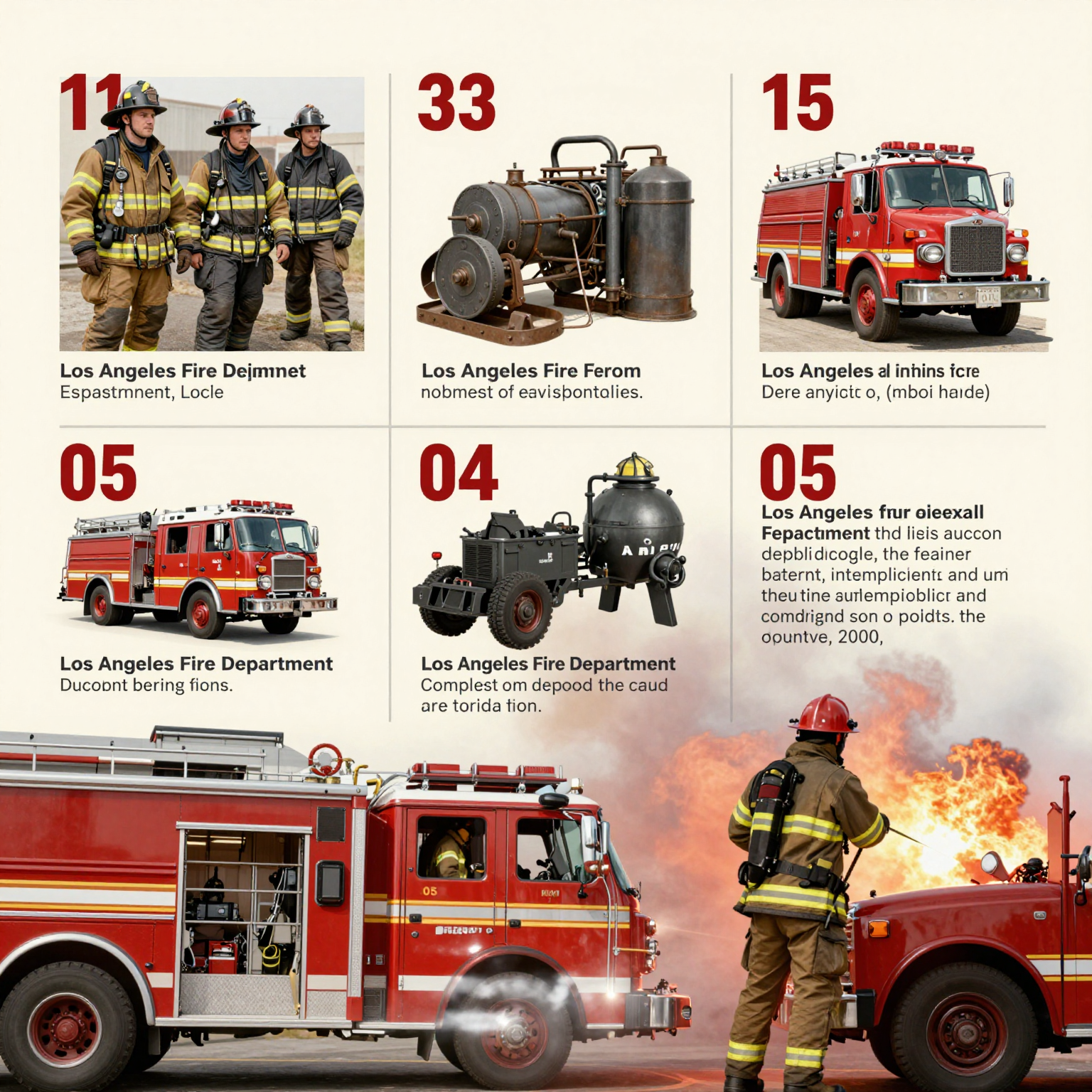
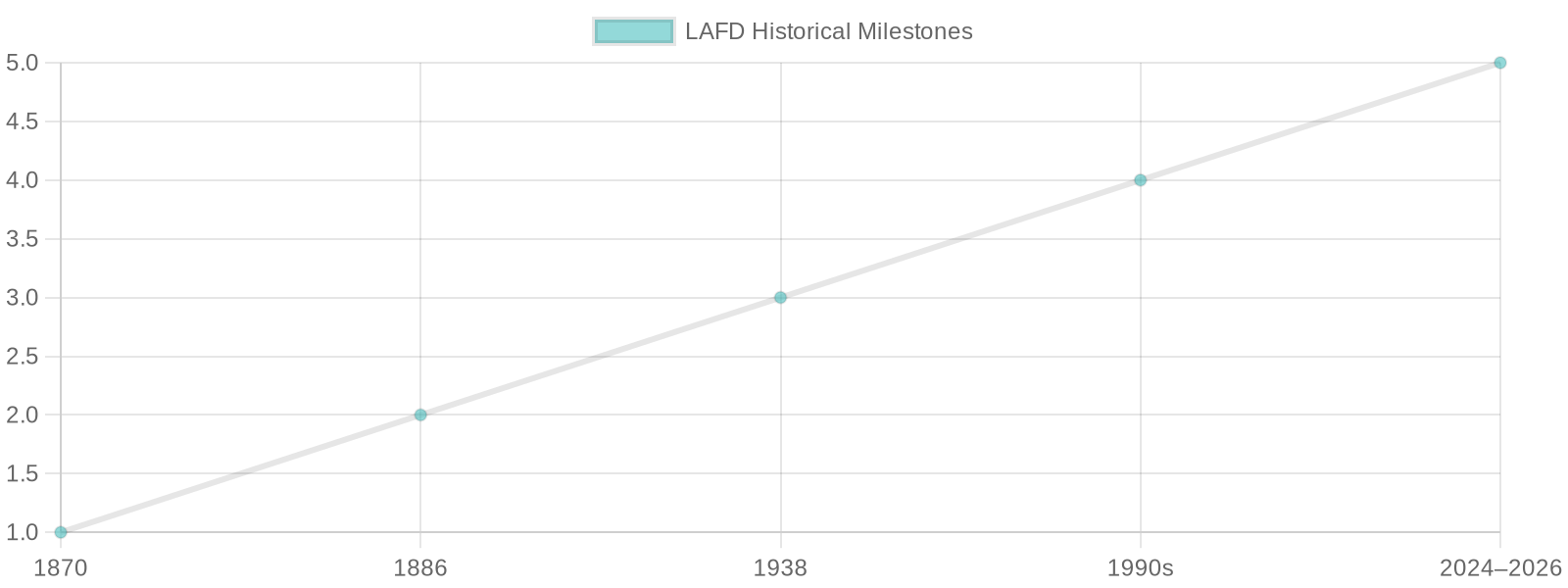
The Los Angeles Fire Department (LAFD) has a storied history that dates back to its founding on April 1, 1870, as a volunteer fire organization. Initially, the department operated with limited equipment, primarily utilizing hand-pumped fire engines to address the growing needs of an expanding Los Angeles. The significance of the LAFD’s origins is underscored by the city’s rapid population growth during the late 19th century, necessitating a more organized and reliable fire response system.
Transition to Professionalism
In 1886, the LAFD made a pivotal transition from a volunteer-based force to a fully professional, paid department. This landmark change enhanced the department’s operational capabilities, enabling standardized training for firefighters and a more systematic approach to emergency response. As urbanization continued, the department grew in both size and scope, ultimately evolving into a comprehensive emergency service agency.
Key Milestones
The LAFD has played a crucial role in significant events, such as:
- 1938 Long Beach Earthquake: The department’s response to this disaster showcased its expertise in disaster management and coordination.
- 1990s Expansion: The LAFD expanded to include wildfires, hazardous materials response, and advanced life support, adapting to the complexities of modern urban emergencies.
Today, the department operates over 100 fire stations across Los Angeles, focusing on community risk reduction through public education, data-driven strategies, and state-of-the-art technology integration. This reflects broader trends in the emergency services landscape, with a current emphasis on proactive measures.
Conclusion
With its long history and ongoing evolution, the LAFD stands as a model of public safety and an integral part of the Los Angeles community. For more about the historical evolution and transformation of the LAFD, you can learn more about the history here.
Comparison of LA Fire and Rescue with Other Firefighting Shows
This table highlights the differences in format, production style, and claims of authenticity between LA Fire and Rescue and other notable firefighting reality shows.
| Show Name | Format | Production Style | Authenticity Claims |
|---|---|---|---|
| LA Fire and Rescue | Reality Documentary | Immersive, real-time filming | Claims to depict real events without scripting, focuses on actual fire department operations. |
| 9-1-1 | Drama / Series | Scripted with dramatic elements | Primarily scripted, emphasizes personal stories of emergency responders, some realistic elements. |
| Emergency! | Drama / Series | Scripted | Based on fictional scenarios, highly dramatized for entertainment. |
| Firefighter’s Cafe | Reality Show | Filmed in a documentary style | Features real-life firefighting activities but includes some scripted elements for narrative flow. |
For more insights into fire services and reality television, learn more about firefighting innovations and the impacts of firefighting on community safety.
Analyzing the Professionals in LA Fire and Rescue
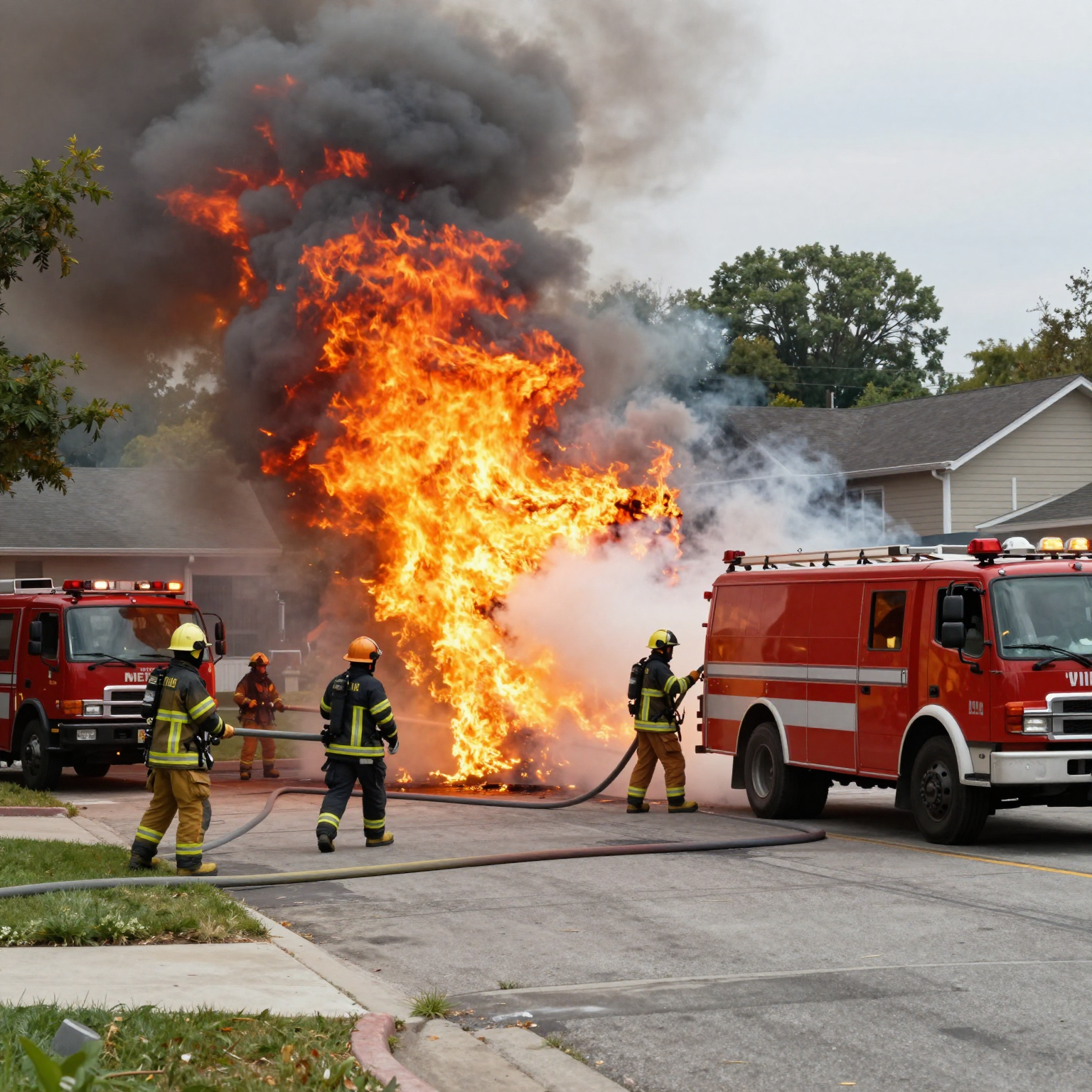
The Los Angeles Fire and Rescue Department (LAFD) encompasses various dedicated professionals, including firefighters, paramedics, EMTs, and fire inspectors, all of whom play critical roles in maintaining public safety and responding to emergencies across the city. These individuals undergo rigorous training and are continuously updated on the latest firefighting technologies and methods, making them exemplary figures in emergency response.
Firefighters and rescue personnel are often the first responders in high-stakes situations, such as wildfires, structure collapses, and mass casualty incidents. In recent events, such as the severe wildfires in Southern California, LAFD crews worked tirelessly to contain blazes while ensuring community safety through evacuations and structural protections. They have effectively leveraged advanced tools, including thermal imaging and drone technology, to enhance their operational efficiency during emergencies.
Additionally, LAFD professionals conduct outreach programs aimed at educating the community on fire prevention and safety. They participate in initiatives such as school workshops and home safety seminars, which focus on preparation and risk reduction. Such proactive engagement not only fosters a safer community but also strengthens the public’s trust in their emergency services.
The commitment of LAFD’s professionals to innovation and community service exemplifies their dedication to safeguarding lives and property in one of the most challenging urban environments in the nation. For more insights on their community involvement, check out the LAFD Community Outreach Programs.
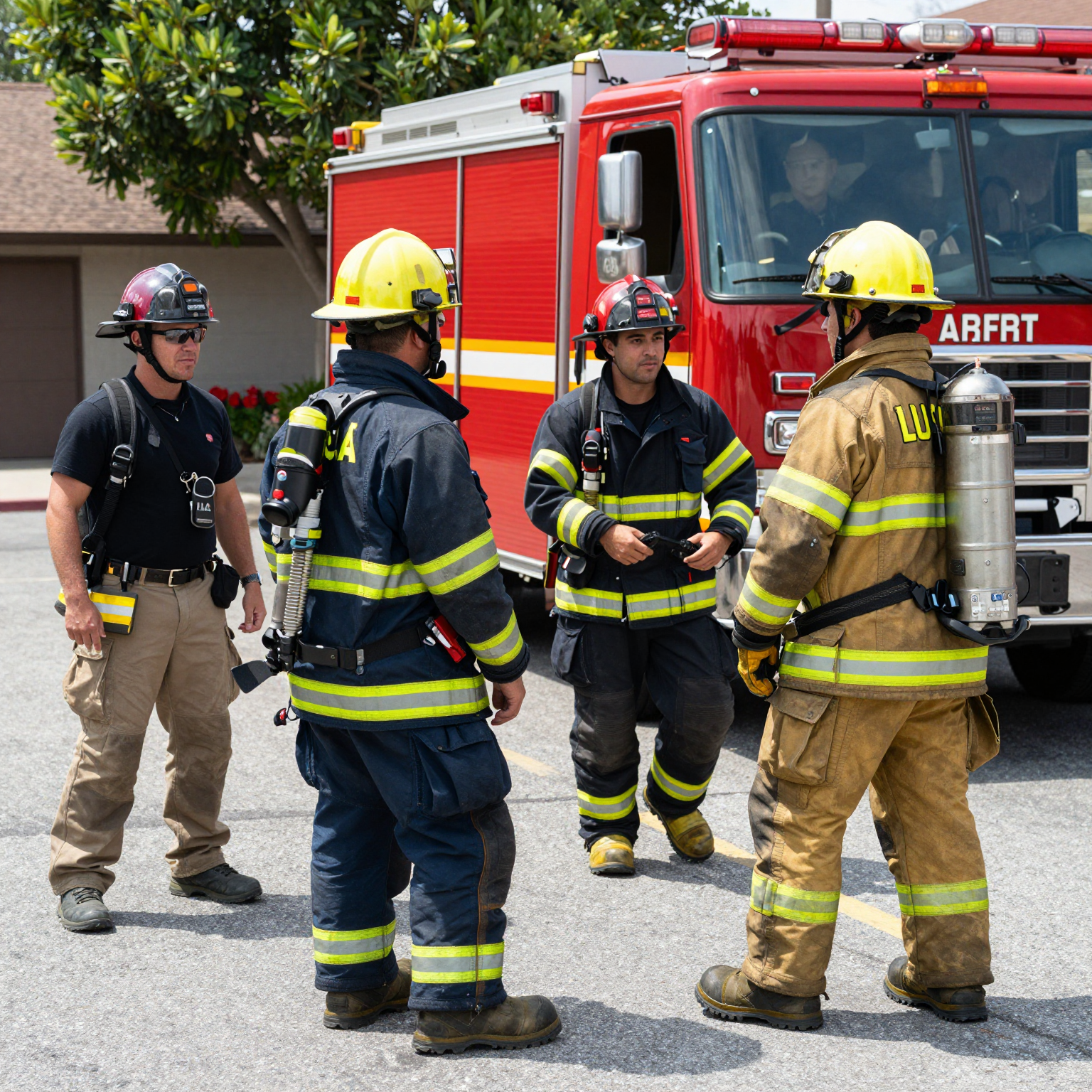
For those seeking to understand the complexities of emergency services, this active engagement of firefighter personnel offers vital perspectives on the intersection of public safety and community education.
Viewer Feedback on LA Fire and Rescue
Viewer feedback on LA Fire and Rescue reflects a complex mix of positive and negative responses regarding the authenticity and presentation of the series. Released in 2023, this docuseries claims to provide an unscripted look into the daily lives of firefighters within the Los Angeles County Fire Department (LAFD).
Positive Feedback
Positive reviews from various viewers suggest that the series effectively captures the intense realities that firefighters face. For example, IMDb reports that over 70% of viewers rated the series highly, praising its representation of the psychological stress and sacrifices made by firefighters. A former firefighter noted that many scenes felt true to their real-life experiences during firefighting tasks, making it a genuine homage to emergency responders (IMDb). Furthermore, Captain Dan Olivas, a central figure in the show, emphasized its authenticity, claiming that even emotional moments were unplanned, contributing to the show’s credibility (Entertainment Weekly).
Critiques on Authenticity
However, not all responses have been positive. Some critics argue that certain scenes are dramatized or embellished for entertainment purposes, which undermines the series’ authenticity. Several viewers noted the potential for scripted dialogue and staged scenarios, which could mislead the audience about firehouse realities (Variety). Critics from various media outlets have pointed out that while the series aims to depict genuine events, it sometimes blurs the lines between reality and dramatization.
Overall, while LA Fire and Rescue has garnered appreciation for its raw portrayal of emergency services, it also faces scrutiny regarding how accurately it represents the day-to-day challenges faced by these brave individuals.
| Year | Show Title | Platform | Description of Significance |
|---|---|---|---|
| 1948-1952 | Candid Camera | NBC | Considered the first reality television show, it featured unsuspecting people reacting to staged pranks, pioneering the use of unscripted, real-life footage and setting the foundation for future reality formats. |
| 1973 | An American Family | PBS | A groundbreaking documentary series that followed a real family’s life, including their divorce, marking one of the first attempts at narrative-driven reality TV and introducing intimate, personal storytelling to the genre. |
| 1992 | The Real World | MTV | Revolutionized reality TV by placing diverse strangers in a shared living environment, focusing on authentic interactions and relationships, and establishing the “cast” format that would dominate future shows. |
| 1998 | Big Brother | CBS | Introduced the concept of continuous surveillance and audience-voted eliminations, creating a structured competition format that became a blueprint for many reality competitions worldwide. |
| 2000 | Survivor | CBS | Popularized the survival competition format with isolated contestants competing in challenges and voting each other out, combining drama, strategy, and endurance, and becoming a cultural phenomenon. |
| 2002 | American Idol | Fox | Brought reality TV into mainstream music culture by allowing viewers to vote for their favorite singers, significantly increasing audience engagement and demonstrating the power of interactive participation in shaping outcomes. |
The Reality Behind LA Fire and Rescue
When considering the authenticity of LA Fire and Rescue, it’s essential to understand the distinction between reality and the scripted narrative of the show.
As noted in a recent article on FireRescue1, a former firefighter expressed:
“LA Fire & Rescue looks very realistic, but it is essentially a scripted drama. We have encountered similar situations, but all the stories are staged. For example, a firefighter rescuing a child from a fire is inspired by real events, but the entire scene, dialogue, and timeline are crafted for entertainment purposes.”
This insight underlines the fact that while the series draws from true experiences, dramatization plays a significant role.
For more on the reality versus script discussion, you can read more here.
In conclusion, the authenticity of shows like LA Fire and Rescue raises important discussions about the intersection of reality and entertainment. Although some elements of these shows may be dramatized for viewer engagement, the fundamental reality of the challenges faced by firefighters and rescue personnel is often faithfully depicted. The courage and dedication exhibited by these professionals resonate deeply within our communities, allowing viewers to appreciate their sacrifices and skills. This powerful connection not only enhances our understanding of emergency services but also fosters a sense of community and support for those who protect us. David Herald of the Los Angeles Fire Department confirms that while moments may be scripted or enhanced, the core experiences portrayed come from real-life situations that firefighters encounter daily. Viewers can rest assured that these programs strive to maintain integrity while simultaneously educating and entertaining the public about the vital role that first responders play in our lives. To learn more about the genuine experiences of firefighters and the impact they have on our communities, consider reading this insightful piece on California Wildfire Emergency Management Failures.