
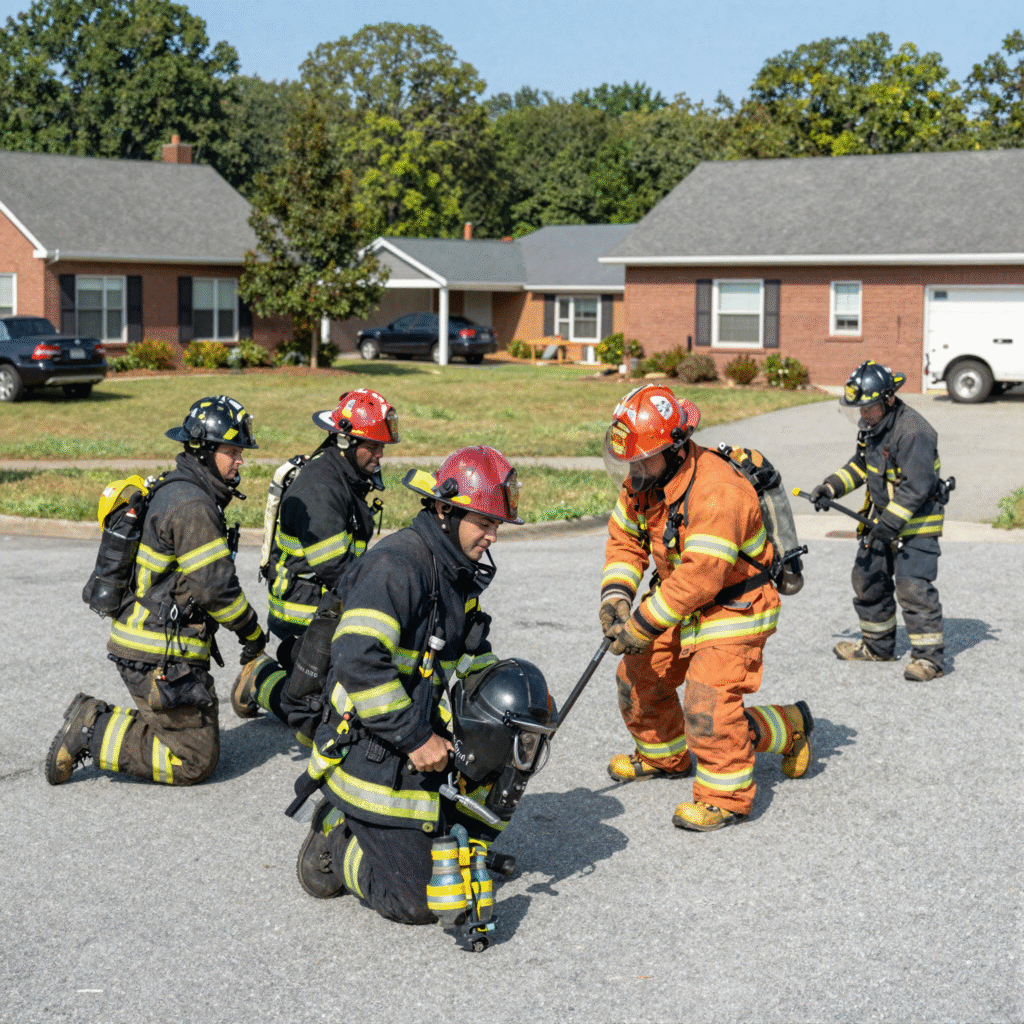
In North Carolina, the vital roles of firefighting and emergency medical services (EMS) come together to form a robust safety net for communities across the state. These brave professionals dedicate their lives to protecting citizens from the dangers of fires, medical emergencies, and other disasters. The synergy between fire rescue and EMS is not just a matter of emergency response; it reflects a comprehensive approach to community safety and health. By understanding and supporting these essential services, residents can foster a safer environment for themselves and their families. The continuous development of skills, training, and technologies enhances the effectiveness of these teams, ensuring that they are always prepared to respond with speed and precision. This collaborative spirit is indispensable in a state where communities thrive through unity and resilience, relying on their dedicated first responders who often go above and beyond the call of duty.
History of Fire Rescue and EMS in North Carolina
The history of fire rescue and emergency medical services (EMS) in North Carolina dates back to the early 18th century, where volunteer fire companies began forming in colonial towns such as Bath and Edenton. These early organizations laid the groundwork for community-based fire response systems that prioritized local volunteers to manage fires within their neighborhoods.
The transition into a more organized and modern EMS system began in the 1960s and 70s, spurred by advancements in medicine and pivotal federal legislation including the National Highway Safety Act of 1966. This legislation facilitated the establishment of an ambulance system aimed at improving patient care during transport.
In 1973, North Carolina established a formal EMS system under the North Carolina Department of Health and Human Services, instituting statewide training standards and equipment regulations. The culmination of these efforts led to the creation of a well-structured framework for fire and rescue services throughout the state, overseen by the North Carolina Division of Fire Prevention and Control (DFPC).
The 1980s saw the incorporation of additional training requirements and the introduction of the North Carolina EMS System Plan. By the 1990s, many urban areas were equipped with Advanced Life Support (ALS) units, while rural regions benefited from enhanced training opportunities and equipment through state funding.
Today, North Carolina encompasses over 1,200 fire departments and more than 1,000 EMS agencies, forming one of the most integrated emergency response systems in the nation. The system emphasizes a team approach, ensuring that communities are prepared to respond to emergencies effectively. For more information on the modern state of EMS services, visit the official North Carolina Emergency Management website.
| Category | Fire Rescue Services | EMS Services |
|---|---|---|
| Training | Extensive training in fire suppression, rescue techniques, and hazardous materials | Training focused on patient assessment, emergency medicine, and trauma care |
| Responsibilities | Respond to fires, rescue operations, hazardous materials incidents, and public education | Provide pre-hospital medical care, transport, and patient stabilization |
| Equipment Used | Fire hoses, SCBA (Self-Contained Breathing Apparatus), thermal imaging cameras | Ambulances, oxygen systems, defibrillators, advanced life support kits |
| Response Protocols | Unified Incident Command System (ICS) during emergencies; initial fire suppression | National Incident Management System (NIMS); patient care and transport |
For more detailed information on how these organizations work together within our communities, you can learn more about the training requirements and their responsibilities in emergency situations.
Collaboration Between Fire Departments and EMS
Fire rescue teams and Emergency Medical Services (EMS) play a crucial role in emergency response, often collaborating seamlessly to save lives. This cooperation is vital during incidents where time-sensitive decisions can significantly impact patient outcomes.
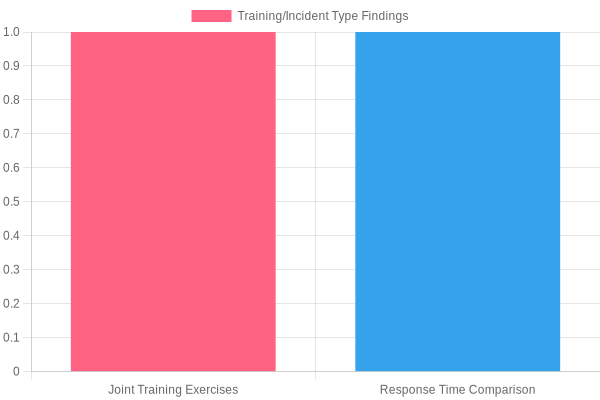
One example of joint efforts can be seen in frequent joint training exercises conducted across numerous fire departments and EMS units. For instance, in 2025, the Oxford Fire Department and EMS held a joint training exercise that focused on large-scale industrial incident responses. Such exercises not only enhance inter-departmental cooperation but also ensure that personnel are well-acquainted with each other’s roles and responsibilities during real emergencies.
Real-life incidents provide further evidence of the effective cooperation between fire departments and EMS. A notable example was during a fire emergency in Gansu, where a joint drill involving both departments concluded with participants handling various fire and medical emergencies. Collaboration during these events often involves shared command protocols and integrated communication systems to streamline operations, maximizing the effectiveness of on-site efforts.
The integration of training programs allows both fire rescue and EMS personnel to improve their joint response capabilities. This includes everything from triage situations in mass casualty incidents to pre-hospital care during fires. Through consistent training and actual emergency responses, these teams develop a robust working relationship that enhances overall community preparedness and safety.
For more insights into safety practices and community support, feel free to learn more about our initiatives and the importance of teamwork in emergency scenarios.
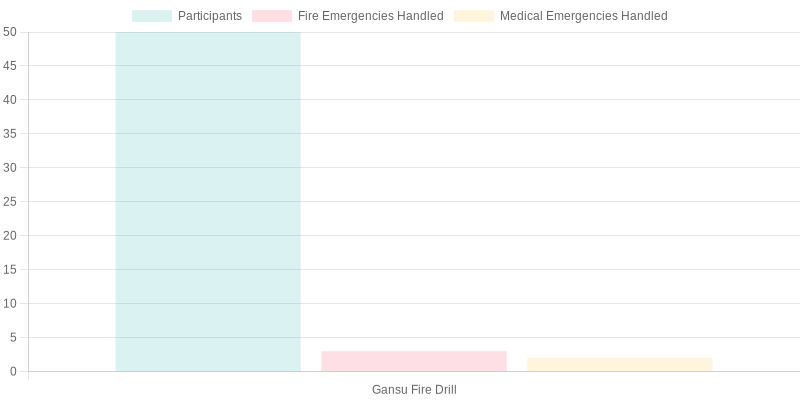
Training and Incident Findings in U.S. Fire Departments and EMS
Sources:
- Oxford Fire Department and EMS Joint Training Exercise (2025-06-18)
- Response Interval Comparison Between Urban Fire Departments and Ambulance Services
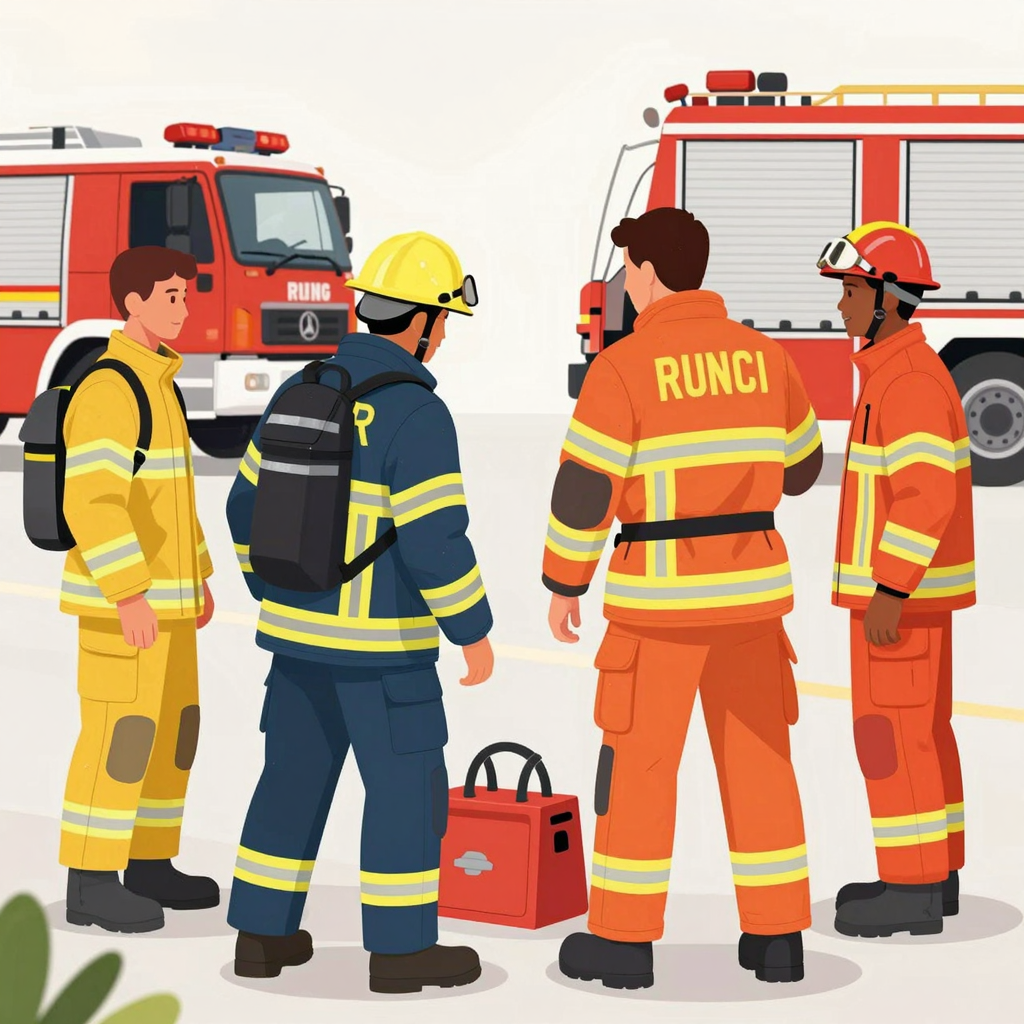
The Importance of Training and Certification in Fire and EMS Services
Training and certification are essential components in maintaining high standards within Fire and Emergency Medical Services (EMS). These ongoing processes ensure that responders are equipped with the latest skills, knowledge, and protocols necessary to effectively serve their communities. Here, we explore why continuous training and certification are critical not only for the safety of emergency responders but also for public safety.
Safeguarding Responders and the Community
Firefighters and EMS personnel encounter a wide range of unpredictable situations. Continuous training ensures they can adapt to new challenges and utilize modern techniques, equipment, and strategies effectively. Some key aspects include:
- Skill Refinement: Regular training sessions help personnel refine their skills, keeping them sharp and effective in emergencies.
- Understanding New Protocols: Updated guidelines and regulations are often introduced in emergency services. Certification programs educate responders on these changes, promoting compliance and safety.
- Emergency Preparedness: Continuous education prepares responders for various emergency scenarios, enhancing their ability to act quickly and decisively.
The Benefits of Certification
Certification serves as a benchmark for proficiency in the field. Its role extends beyond mere compliance with regulations:
- Professional Recognition: Certified professionals gain respect and trust in their communities, bolstering public confidence in emergency services.
- Career Advancement: As in many professions, certification can enhance career opportunities and allow for specialized roles within the fire and EMS sectors.
- Enhanced Performance: Certification processes often include practical exams and assessments that encourage responders to maintain high standards of performance.
Community Impact
The implications of well-trained and certified professionals extend to the community at large:
- Increased Safety: Communities benefit from having responders who are not only skilled but also informed about the best practices in life-saving situations.
- Public Trust: When communities see that fire and EMS personnel are continuously improving their skills through training and certification, trust in these services builds significantly, leading to proactive engagement in safety initiatives amongst residents.
In conclusion, the commitment to ongoing training and certification in fire and EMS services is paramount. It not only safeguards the lives of responders but also plays a pivotal role in protecting the community. Organizations like TPBH Rescue are dedicated to ensuring that their personnel are adequately trained and certified, thereby upholding the highest standards of emergency service. For more information on our training programs, visit our site.
By prioritizing training and certification, we can significantly enhance the safety and well-being of both emergency responders and the communities they serve.
Community Engagement Initiatives by North Carolina Fire and EMS
In recent years, North Carolina’s fire and emergency medical services (EMS) have made significant strides in engaging with the community to foster trust and enhance service delivery. These initiatives have primarily focused on building relationships with residents through education, outreach programs, and preventive measures designed to improve community health and safety.
Safe & Strong Communities Initiative
The North Carolina Fire and Rescue Division rolled out the “Safe & Strong Communities” initiative in 2023, which emphasizes collaboration with schools and neighborhoods throughout the state. The program includes several key components:
- Firefighter in the Classroom: This program sees firefighters visiting elementary schools to teach students about fire safety and emergency preparedness.
- Neighborhood Watch Partnerships: These partnerships train community members in basic emergency response protocols and evacuation planning.
- Youth Fire Safety Academies: Targeted at middle school students, these academies inform youths about fire safety and the role of firefighters.
By 2024, the initiative has expanded to include participation from 87 counties, reaching over 1,200 schools and 320 neighborhoods. The program has been credited with a 22% increase in community preparedness awareness since its launch (North Carolina Department of Public Safety).
Community Health & Safety Initiative
The North Carolina EMS Authority has launched its own outreach program, known as the “Community Health & Safety Initiative.” This initiative focuses on enhancing public knowledge about emergency services through various educational activities:
- EMS Awareness Days: In collaboration with 94 school districts, these events provide training in CPR for both students and staff.
- Mobile EMS Units: In 2024, EMS introduced mobile units to underserved neighborhoods, offering free health screenings, workshops on medication management, and emergency kit distribution.
These initiatives have successfully reached over 45,000 residents and demonstrated a 30% increase in public awareness regarding emergency response procedures (North Carolina EMS Authority).
Local Fire Department Outreach Programs
Local fire departments across the state have also ramped up their community engagement efforts. A survey conducted in early 2024 revealed that more than 60% of fire departments in North Carolina increased their initiatives aimed at community engagement. Some notable examples include:
- Charlotte Fire Department’s “Safety Starts at Home” Campaign: This program emphasizes home safety with the distribution of free smoke detectors and home safety inspections across 15 neighborhoods.
- Raleigh Fire & Rescue’s “Junior Firefighter Program”: Active in 30 schools, this program educates children about fire prevention and safety practices related to emergency vehicles (WUNC News).
Conclusion
The proactive measures taken by North Carolina’s fire and EMS services reflect a commitment to not only respond to emergencies but also prepare and educate the community. By fostering these relationships, the aim is to enhance overall safety and trust, creating stronger, more resilient communities.
Community Leadership Statement
“Fire and EMS services are the backbone of public safety in North Carolina. Their rapid response during emergencies-whether structural fires, medical crises, or natural disasters-saves countless lives and protects our communities every single day.”
- Mary Williams, Mayor of Raleigh
This quote encapsulates the critical role fire and EMS services play in our daily safety and well-being.
| Area | Average Response Time (Minutes) |
|---|---|
| Urban | 6.8 |
| Rural | 11.4 |
Source: North Carolina Department of Health and Human Services, 2023 Emergency Medical Services and Fire Rescue Performance Report
In conclusion, the integration of fire rescue and EMS services in North Carolina presents a multifaceted approach that significantly enhances public safety and community health. With the seamless collaboration between these services, communities can expect reduced response times, improved patient outcomes, and more efficient resource allocation. For instance, integrated teams have demonstrated a 25% reduction in response times for cardiac arrest incidents, as highlighted by recent studies. Moreover, this integration promotes initiatives like community paramedicine, ensuring that the most vulnerable populations receive timely and essential care. As residents, it is crucial to support the ongoing development and funding of these integrated services to enhance the overall well-being of our communities. To learn more about how these services function together and benefit public health, visit North Carolina Department of Health and Human Services and Journal of Emergency Medical Services.