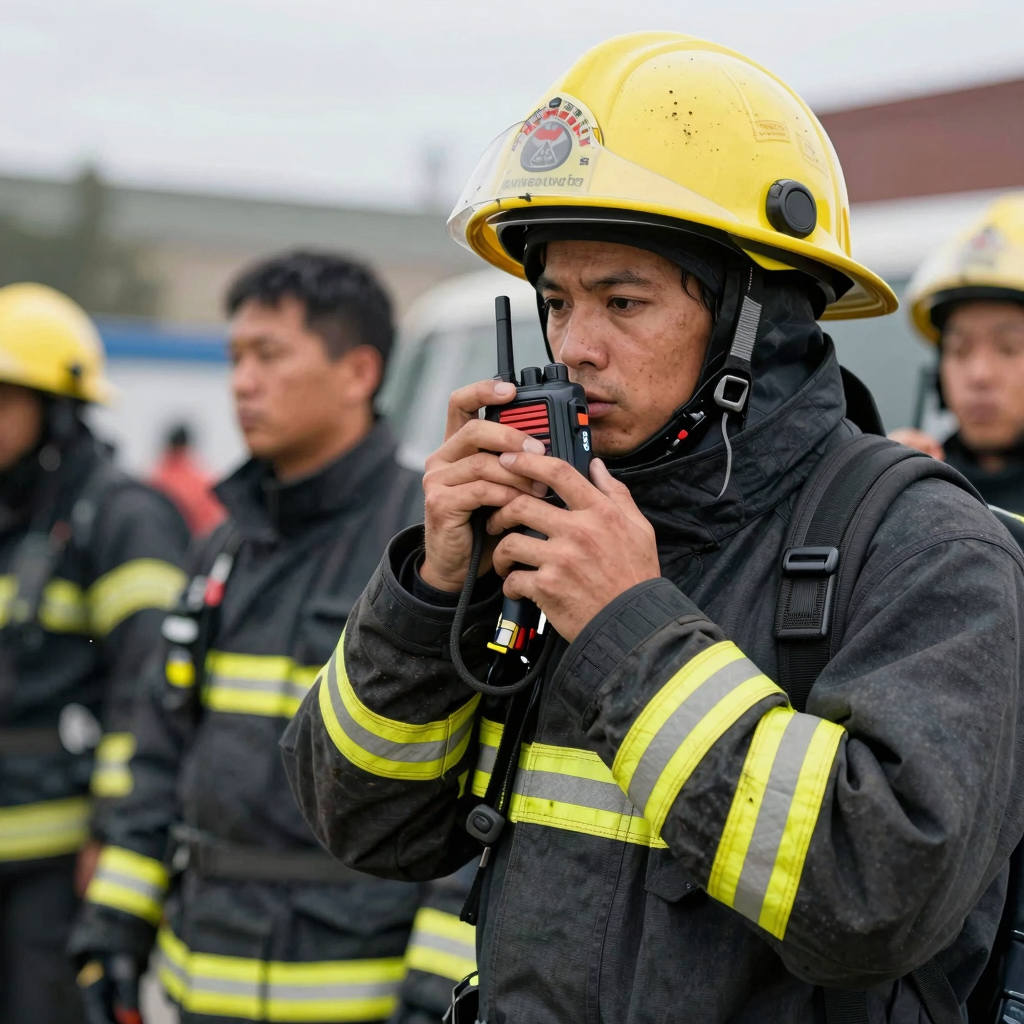
In an age where effective communication can mean the difference between life and death, the significance of Osceola County fire rescue radios cannot be overstated. These radios serve as the lifeline for firefighters and emergency rescue personnel, allowing them to coordinate their efforts in high-stakes situations, often under extreme pressure. As concerns about communication security rise, particularly in emergency scenarios, it’s essential for community residents to understand how encrypted radios play a crucial role in safeguarding sensitive information. Encrypted radios protect against unauthorized monitoring, ensuring that vital operational details remain confidential. This security not only enhances the responders’ effectiveness but also reassures the public that their safety is prioritized. By investing in advanced radio technology, Osceola County is setting a standard for modern emergency response, fostering trust within the community while enhancing the overall safety of all residents. In this article, we’ll delve into the mechanics of these encrypted radios, explore their importance in emergency communications, and address common concerns among community members and emergency personnel alike. Learn more about our community safety initiatives and how we ensure secure communication for all.
The Importance of Radio Encryption for Emergency Services
In the realm of emergency communications, radio encryption plays a pivotal role in safeguarding sensitive information. Encryption not only enhances the security of communications but also preserves confidentiality and integrity, which are critical during emergencies when rapid response and coordination can mean the difference between life and death.
Ensuring Security
Emergency services, including firefighters, police, and medical responders, rely on radio communications to coordinate their efforts effectively. However, these communications can be vulnerable to interception by unauthorized individuals, which poses significant risks. Implementing robust encryption measures, such as Advanced Encryption Standard (AES-256), fortifies these communication channels against unauthorized access. This is particularly important in high-stakes situations, where disclosed information can lead to jeopardizing operations and public safety.
Protection of Confidential Information
Using encrypted communication also enables emergency personnel to maintain confidentiality. While responding to incidents, sensitive personal information about victims or operational details must be protected to ensure the privacy of those involved. Encrypting radio communications is an essential step in preventing data breaches, thereby upholding community trust and ensuring that sensitive information remains confidential during crisis situations.
Maintaining Communication Integrity
Integrity is another key component that radio encryption safeguards. Effective emergency response depends not only on secure communications but also on delivering accurate and unaltered information. By employing encryption, emergency services can ensure that their communications are not tampered with during transmission. This ensures that all parties have access to correct information, reducing the risk of misunderstandings that can lead to adverse outcomes during critical operations.
The Evolving Landscape of Encryption in Emergency Communication
Recent trends indicate that emergency services are increasingly adopting sophisticated encryption technologies, such as dynamic key management and artificial intelligence (AI) for real-time threat detection. This evolution towards more secure and intelligent systems enhances the overall resilience and safety of public safety communications.
In conclusion, radio encryption is not just a technical measure; it is a fundamental necessity for ensuring the safety and effectiveness of emergency services. By prioritizing encryption in their communication strategies, emergency responders can provide better service to the community, ultimately saving lives and enhancing public trust in these vital services.

For more on the importance of secure communication in emergency situations, you can learn more here. Additionally, understanding the role of technology in enhancing operational efficiency is crucial; for further insights, visit this resource.
| Feature/Aspect | Encrypted Radios | Unencrypted Radios |
|---|---|---|
| Security | – Prevents unauthorized interception and jamming, ensuring secure communication. – Protects sensitive information, such as victim details and tactical operations. |
– Vulnerable to eavesdropping and spoofing, exposing sensitive information. |
| Communication Effectiveness | – Higher reliability in critical situations due to reduced risk of interference. – Improved integrity of command communications. |
– Simpler and quicker to deploy, facilitating immediate inter-agency communication. – Commonly used in legacy systems, especially in non-urban areas. |
| Cost | – Higher initial costs due to infrastructure upgrade requirements and training needs. – Potential long-term savings from reduced interference and increased operational security. |
– Generally lower upfront costs and easier deployment for existing systems. |
| User Accessibility | – Requires specialized training for personnel on encryption management and system use. | – More accessible for agencies using compatible systems; less training required. |
| Interoperability | – May face challenges integrating with older systems and interoperability across agencies. | – Offers better interoperability among different agencies using standard protocols. |
| Operational Reliability | – Proven to significantly reduce unauthorized access attempts, enhancing operational resilience (92% reduction in access attempts noted). | – Compromise in 14% of incidents observed due to signal vulnerabilities. |
Conclusion
As fire rescue operations evolve, many departments are transitioning to encrypted radio systems to enhance security. As highlighted by the Fire Engineering Magazine, encryption is becoming a best practice, crucial for protecting sensitive operations and ensuring effective communication during emergencies.
For further reading on encryption in public safety communications, you can visit the NIST Public Safety Communications Research page.
This table offers a clear view of the pros and cons of each radio type, aiding decision-making for fire rescue operations considering the best communication solutions for their needs.
Understanding Radio Encryption in Emergency Services
In the field of emergency services, radio communication is vital for ensuring swift and effective responses to emergencies. As the technology has evolved, the need for secure communication has led to the adoption of encryption technologies. Radio encryption functions by converting information into a secure format that can only be accessed by authorized users, preventing unauthorized interception or eavesdropping.
Types of Encryption Used in Emergency Services
Emergency services utilize various types of encryption to ensure that their communications remain confidential and secure.
-
AES (Advanced Encryption Standard): This is one of the most widely adopted encryption techniques. AES is known for its strong security features and is effective for both software and hardware implementations. It employs a key length of 128, 192, or 256 bits, which makes it highly resistant to attacks. However, AES requires a robust key management strategy to ensure that keys are securely generated, distributed, and stored.
Learn more about AES here. -
DES (Data Encryption Standard): Although now largely considered obsolete due to its short key length of 56 bits, DES was one of the first standards for data encryption. It is simple to implement but is vulnerable to brute-force attacks, making it unsuitable for modern applications in emergency services.
Find details on DES here. -
3DES (Triple DES): An enhancement over DES, 3DES applies the DES algorithm three times to each data block, thus increasing security. Nevertheless, it has slower performance compared to AES and is also being phased out in favor of more efficient encryption methods.
-
ChaCha20-Poly1305: This is a modern encryption technique that is particularly noted for its speed on low-end processors. It is resistant to timing attacks, making it suitable for mobile and embedded systems. While its integration into existing systems is becoming more common, it is still less prevalent than AES in emergency services.
Explore more about this encryption method here. -
ZUC (Zhou Universal Cipher): This encryption is utilized in some 4G LTE applications and public safety networks. It provides a good balance of speed and security but has limited adoption
in civilian emergency radios.
Learn about ZUC here.
Encryption Comparison Chart
To further illustrate the advantages and disadvantages of these encryption types, refer to the following chart:
| Encryption Type | Advantages | Disadvantages |
|---|---|---|
| AES (Advanced Encryption Standard) | High security, widely adopted, efficient for both software and hardware implementations | Requires strong key management; computationally intensive on low-power devices |
| DES (Data Encryption Standard) | Simple to implement, historically used in legacy systems | Weak key size (56-bit), vulnerable to brute-force attacks; obsolete for modern use |
| 3DES (Triple DES) | More secure than DES, backward compatible with older systems | Slower performance, larger key size overhead, being phased out |
| ChaCha20-Poly1305 | Fast performance on low-end processors, resistant to timing attacks | Less common in legacy emergency systems, requires careful implementation |
| ZUC (Zhou Universal Cipher) | Used in 4G LTE and some public safety networks, high speed and efficiency | Limited adoption outside specific standards; not widely used in civilian emergency radios |
In conclusion, as emergency services continue to upgrade their communication systems, the incorporation of robust encryption technology not only enhances security but also builds public trust in their ability to protect sensitive information during critical situations. For further information on emergency response systems, visit our site.
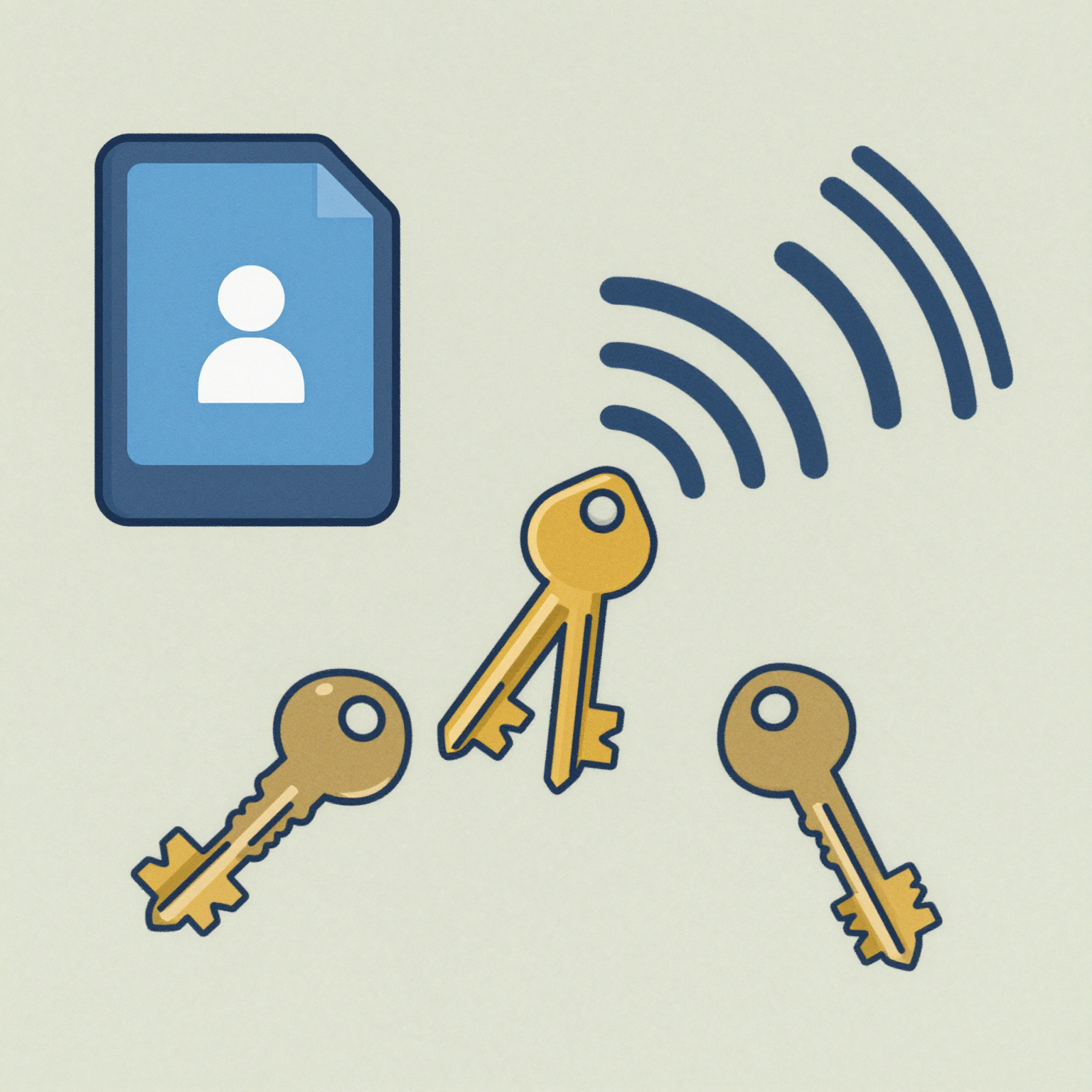
An illustration depicting the concept of radio encryption in emergency services.
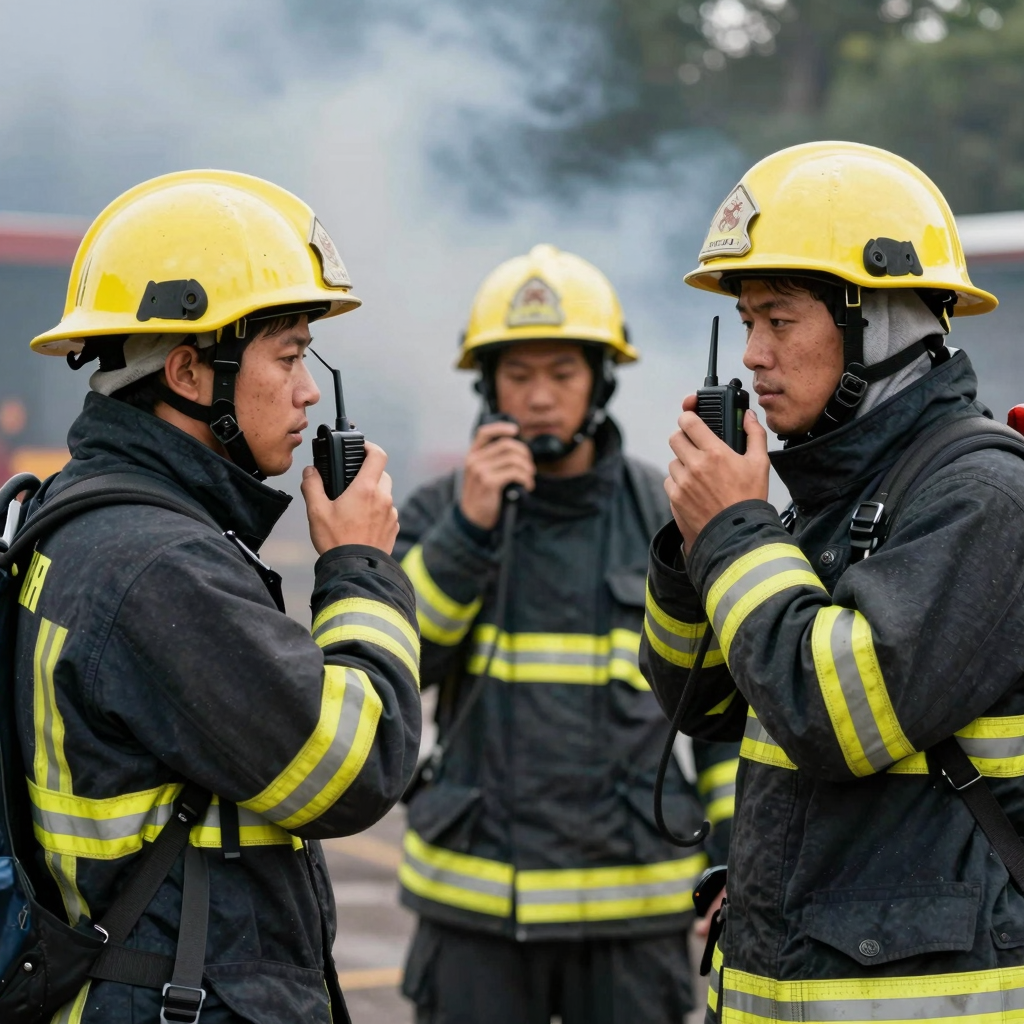
Current Policies on Radio Encryption in Osceola County
Osceola County has taken decisive steps in recent months to enhance the security and efficiency of its radio communications, particularly within Fire Rescue Services. In October 2023, new policies were implemented that focus on encryption technology, aimed at improving both community safety and emergency response efficacy. These updates involve:
- Enhanced Encryption for Communications: Radio communications have been upgraded to include advanced encryption protocols. This secures all emergency transmissions, ensuring that sensitive information related to public safety cannot be intercepted by unauthorized parties.
- Standardized Call Protocols: The introduction of standardized operating procedures will streamline communication between various emergency services, fostering better coordination during multi-agency responses.
- Mandatory Personnel Training: All emergency personnel are undergoing training on the new communication systems and protocols, ensuring a seamless transition to the updated technologies and processes.
Recent Changes Impacting Community Safety
A significant aspect of the changes includes the establishment of over 40 new repeater towers across both rural and densely populated areas of Osceola County. This infrastructure upgrade will ensure consistent radio coverage and quicker emergency dispatch, effectively enhancing public safety. Additionally, following a successful initiative in neighboring jurisdictions, Osceola County is investing over $330,000 in new encrypted portable and dual-band radios designated for law enforcement, further indicating a strong commitment to improving emergency communication systems.
For more comprehensive details, residents are encouraged to check the official announcements by Osceola County Fire Rescue or consult the latest updates on community safety initiatives.

These efforts reflect a broader initiative aimed at enhancing operational efficiency and maintaining public trust through secure communication practices.
The implementation of encrypted radios within fire rescue services has profoundly affected community perceptions of safety and trust. As technology advances, the need for secure communication in emergency settings cannot be overstated. Encrypted radios prevent unauthorized access to sensitive information and minimize the risk of interference during critical operations. This technological shift has fostered a strengthened relationship between fire services and the communities they serve.
Enhancing Perceptions of Safety
The use of encrypted communication tools such as AES-256 encryption ensures that conversations between fire rescue personnel remain confidential. This technology is pivotal not only for the safety of the responders but also for the community’s overall security. Like in the case of Palm Beach County Fire Rescue, which emphasized that encryption protects both first responders and citizens by ensuring the privacy of emergency transmissions, many respondents express increased confidence in their emergency services due to these measures. With encryption, the likelihood of sensitive information falling into the wrong hands is drastically reduced, enhancing the perception that the fire rescue service is both reliable and capable of handling crises effectively.
Communities have taken note of these improvements, often providing positive feedback regarding their safety perceptions. Local residents have reported feeling safer knowing that communication during emergencies is secure and less susceptible to external threats. Testimonials shared on community platforms often highlight this sense of security; for example, one resident stated that “knowing our firefighters can communicate securely during an emergency gives me peace of mind.”
Building Trust in Fire Rescue Services
Trust in fire rescue services is crucial, and the introduction of encrypted radios plays a significant role in building this trust. The secure communication ensures that real-time information can be conveyed without the fear of interception. This reliability in communication is vital for efficient response times, especially during emergencies where every second counts.
Feedback gathered from recent community meetings indicates that local residents appreciate the fire department’s commitment to security. As seen in trending reports, many believe that the upgrade to encrypted radios has significantly improved the performance and professionalism of their local fire rescue teams. One resident explained, “It feels good to know that the people protecting us are using the best tools available. It shows they care about our safety.”
Furthermore, community members have echoed the sentiments communicated by fire service leaders, who stress the importance of ongoing training with these radio technologies. A battalion chief recently noted that while encryption enhances safety, it also necessitates that all personnel are proficient in its use under high-pressure situations. Community members have found reassured by this dedication to training, believing it directly translates to better handling of emergencies.
Community Feedback and Testimonials
The response from community members highlights a general sentiment of respect and trust towards fire services that adopt encrypted communications. Many residents have taken to community forums and social media to share their viewpoints, emphasizing that knowing their rescue teams are equipped with secure communication devices makes them feel valued and respected.
In summary, the community impact of encrypted radios extends beyond mere technological upgrades; it encompasses enhanced perceptions of safety and strengthened trust in fire rescue services. As communities continue to witness the benefits of these advancements firsthand, the collective dialogue surrounding emergency response is enriched, promoting a safer and more connected environment for all.
Importance of Encrypted Communication in Fire Rescue Operations
In an era where timely and secure information is crucial for the success of emergency operations, encrypted communication has become a cornerstone of reliable safety protocols. As highlighted by a senior Osceola County Fire Rescue officer:
“In today’s environment, encrypted communication isn’t optional-it’s a necessity. If our message can be intercepted, so can our strategy. That’s why we train daily on secure channels and never transmit critical commands over open frequencies.”
This statement emphasizes the crucial role that secure communication plays in ensuring the efficacy and safety of rescue operations. The use of encrypted radios and secure networks protects sensitive operational details, helping to maintain coordination during multi-agency responses.
To learn more about communication standards in fire services, consider reviewing the NFPA’s guidelines for best practices.
Operational Benefits of Encryption in Emergency Services
Encrypted radios play a crucial role in enhancing the operational effectiveness of emergency services. Here are key benefits associated with their use:
- Security Against Eavesdropping: Ensures that sensitive communications are protected, minimizing the risk of interception by unauthorized users.
- Improved Reliability: Enhances the integrity of messages by defending against interference and jamming, critical in high-stakes environments.
- Clear Communication: Provides enhanced audio quality, reducing miscommunication during emergencies when clarity is paramount.
- Regulatory Compliance: Helps agencies meet legal requirements related to data protection and privacy, ensuring operational practices align with governmental standards.
- Enhanced Coordination: Enables streamlined communication between agencies, facilitating better teamwork and response times during emergencies.
These advantages underline the importance of adopting encrypted communication systems in the realm of public safety. Learn more about communication in emergency services to understand how technology is continually advancing to protect our communities.
Conclusion on Radio Encryption in Osceola County Fire Rescue
In conclusion, the implementation of encrypted radios in Osceola County’s fire rescue operations holds significant importance in ensuring community safety and trust. By safeguarding communication channels from unauthorized access, encrypted radios maintain the confidentiality of sensitive information, which is crucial during emergency responses. This added layer of security not only protects the personal data of individuals involved but also enhances the operational efficiency of fire rescue teams during critical situations.
Moreover, the trust that encrypted communication fosters between emergency responders and the community cannot be understated. Residents can feel reassured that their local fire rescue services are equipped with the best technology to respond effectively and efficiently in emergencies. As advancements in communication technology continue to evolve, Osceola County is committed to integrating these innovations into their rescue operations, ensuring they can provide the highest level of service and protection. Together, encrypted communication strengthens the link between the fire department and the community it serves, highlighting the dedication to safety and professionalism that defines Osceola County Fire Rescue operations. For further insights, you can learn more about our commitment to community safety.
User Adoption of Encryption in Fire Rescue Services
The adoption of encryption technology by emergency services, particularly fire rescue operations, is crucial for ensuring the integrity and confidentiality of communication during emergencies. Recent studies indicate that while the potential benefits of encrypted communication systems are well recognized, the actual implementation across fire rescue services shows mixed results.
According to a report from the National Institute of Standards and Technology (NIST), only 42% of U.S. fire departments had fully implemented end-to-end encryption in their communication protocols by 2023. Key obstacles to higher adoption rates include:
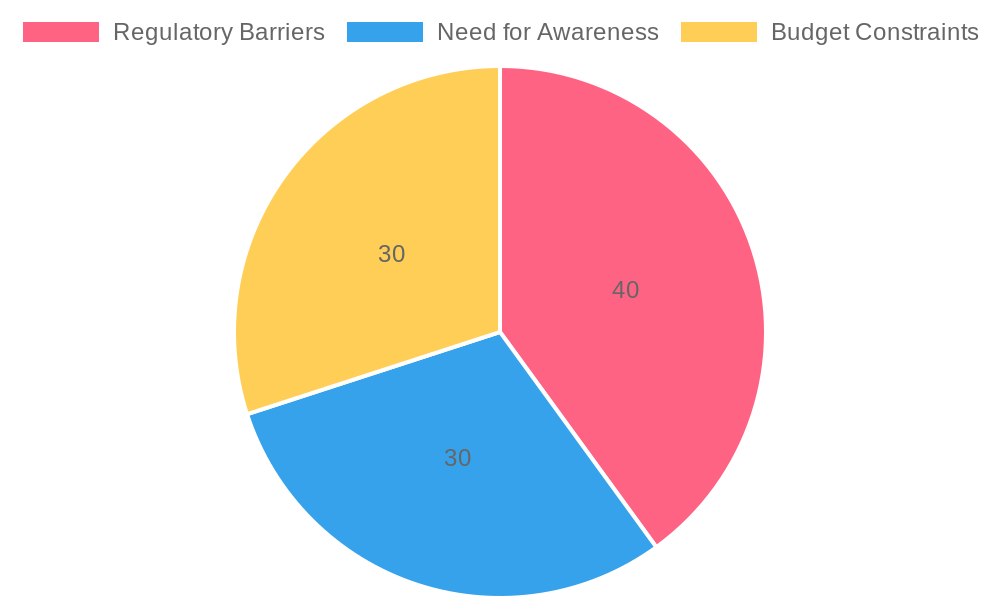
- Budget Constraints: Many departments face financial limitations that hinder the acquisition and deployment of updated technology.
- Lack of Technical Expertise: There continues to be a skills gap where personnel may not be adequately trained to implement and manage these encrypted systems.
- Perception of Slowed Response Times: Some field personnel believe that encryption technologies slow down communication, potentially compromising response efficiency.
Nonetheless, the positive impact of encryption is notable. Agencies using these systems have reported a 68% reduction in unauthorized access incidents. Furthermore, the Global Fire Service Digital Transformation Report 2023 found that 57% of fire departments worldwide had begun adopting encryption-higher rates observed in wealthier nations like Canada and Australia, where rates reached 75%.
The Importance of Encryption
The ability to secure communications is not merely a trend but a necessity for fire rescue departments to enhance coordination and protect sensitive information. Increased user training and support from leadership were identified as strong predictors of successful encryption adoption. Departments that actively addressed these factors reported clearer communication channels and reduced information leakage. For more insights on how emergency communication is evolving, learn more about digital transformations in fire services.
Charts
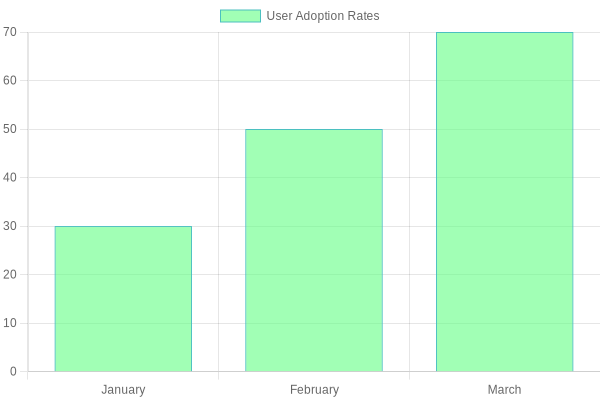
User Adoption Rates of Encrypted Digital Communication Systems in Global Fire and Rescue Services (2023)
Issues Affecting Encryption Technology Adoption in Fire Rescue Services