
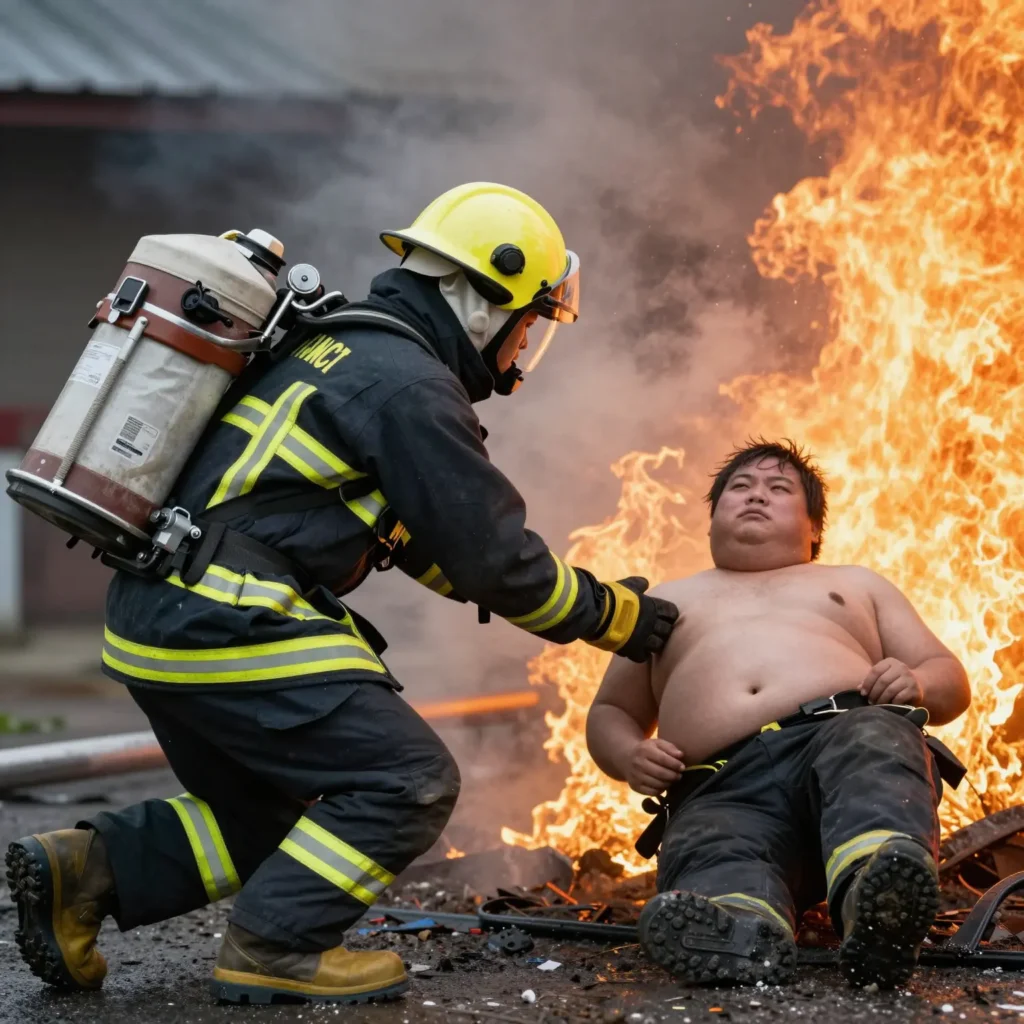
In the face of emergency situations such as fires, the urgency to save lives becomes paramount. One often overlooked aspect of fire safety and rescue operations is the unique challenges faced when rescuing obese individuals. Fatigue, physical barriers, and inadequate equipment can hinder rescue efforts, making it critical that we adapt our approach. This is where the importance of special equipment to rescue obese people from fires comes into play. These specialized tools are not just about efficiency; they are about compassion and humanity, ensuring everyone has the chance to escape safely. As a community, recognizing the need for these resources reflects our dedication to inclusivity and protection for all, especially in times of crisis. The stakes are high, and we must act with both urgency and empathy to protect those who may be at a greater risk. Understanding how to properly equip ourselves and our emergency personnel can mean the difference between life and death in these heart-pounding moments.
Challenges in Rescuing Obese Individuals from Fires
In recent years, the increasing rates of obesity in the United States have introduced significant challenges for firefighters and emergency personnel during rescue operations. Approximately 38% of American adults are now classified as obese or overweight, which not only poses health risks but also complications during emergencies such as fires. This demographic is particularly vulnerable, requiring specialized protocols and equipment for effective rescue.
Unique Obstacles Faced by Firefighters
-
Weight Capacity of Equipment: Standard rescue equipment is often inadequate for obese individuals. Traditional stretchers and lifting tools typically have a weight limit of around 350 pounds. However, many obese individuals exceed this limit, making standard rescue techniques ineffective. For instance, the National Fire Protection Association (NFPA) has reported that existing rescue practices are insufficient, with 42% of rescue failures attributed to the victims’ size in the past five years.
-
Health Risks: Obese individuals face heightened health risks in emergencies, such as increased likelihood of respiratory complications and cardiovascular strain, particularly in high-stress situations like a fire. This necessitates trained personnel who understand the specific medical needs of these individuals during rescue operations.
-
Team Coordination: Rescuing larger individuals often requires a multi-member team approach, which can complicate logistics and rapid response times. Experts recommend the use of specialized equipment such as full-body stretchers and mechanical lifts, which are often not standard in many fire departments.
Training and Equipment Needs
Firefighters must be equipped not just with the right equipment but also with the skills to effectively use that equipment. The NFPA now emphasizes the importance of training and preparedness for bariatric rescues, recommending strategies such as:
- Simulating rescues with weighted dummies up to 308 pounds to prepare crews for real-world scenarios.
- Establishing national standards for bariatric rescue procedures.
Expert Opinions
Experts from the Journal of Emergency Medical Services (JEMS) stress that many fire departments have yet to adopt adequate training and equipment standards for rescuing heavier individuals. They advocate for legislative efforts aimed at mandating the procurement of ergonomically designed rescue gear suitable for all body types. In addition, teamwork between fire services and healthcare providers is crucial for improving the survival rates of heavier victims during emergencies.
Conclusion
As the prevalence of obesity continues to rise, it is imperative that firefighting agencies adapt to these changing dynamics. Investing in appropriate training and equipment, such as heavy-duty stretchers that can accommodate over 500 pounds, is crucial. By addressing these unique challenges, firefighters can enhance their response effectiveness and ultimately save more lives.
To learn more about custom solutions tailored for diverse firefighting needs, visit our site.
Additionally, understanding the implications of rescue failures can be critical for emergency planning, which can be explored more deeply in our discussion on California wildfire emergency management failures.
Specialized Equipment for Rescuing Obese Individuals from Fire Situations
The rising number of bariatric emergencies during fire situations necessitates the use of specialized equipment designed to effectively rescue individuals with obesity. Below is a list of equipment that addresses the unique challenges posed during such rescues:
-
Heavy-Duty Lifting Slings: Designed to support significant weight, these slings can securely cradle an individual and help lift them safely. They are often used in conjunction with other lifting devices to avoid strain on rescuers.
-
Reinforced Stretchers: Capable of supporting over 300 kg, these stretchers are essential for transporting larger individuals. Their durable construction mitigates the risk of failure under heavy loads during an extraction.
-
Hydraulic Floor Jacks: Hydraulic jacks assist in elevating heavy individuals from the ground, minimizing the physical strain on firefighters. These tools can be positioned under stretchers or directly beneath the individual for safe lifting.
-
Mobile Bariatric Response Pods: These self-contained units are equipped with hoisting systems, slings, and medical oxygen support. Their portability allows for quick deployment at rescue sites, ensuring timely assistance is delivered.
-
Aerial Platforms: Used for high-risk rescues, these platforms provide safe access to elevated locations, allowing individuals to be retrieved without manual lifting by teams in precarious positions.
-
Multi-Point Harnesses: These harnesses secure individuals during vertical lifts, distributing weight evenly and reducing the risk of injury to both the rescuer and the rescued.
These innovations in rescue equipment reflect a growing awareness and adaptation by fire services to better serve the community’s diverse emergency needs. For more on how fire services are evolving, learn more about customizable fire truck solutions.
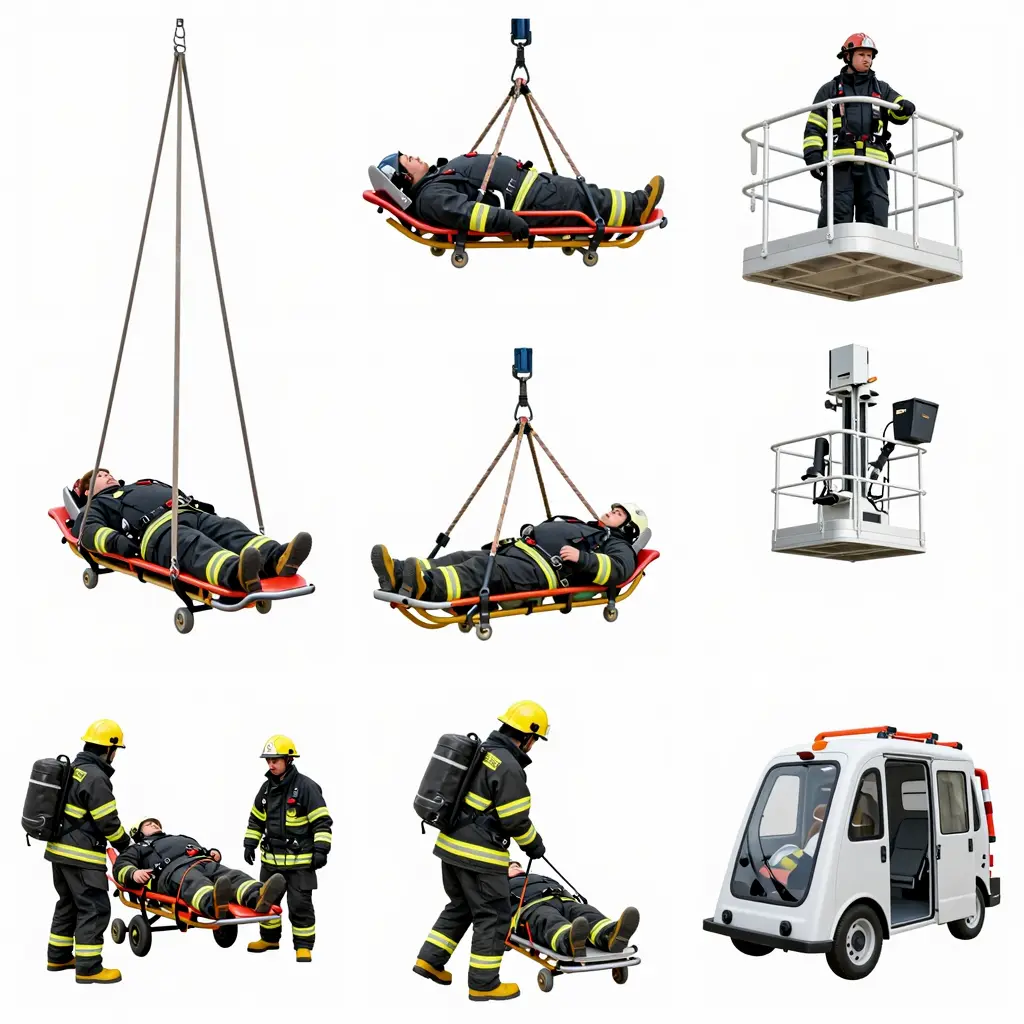
Incorporating such tools fosters not only a safer rescue environment but also enhances response efficiency when dealing with bariatric emergencies.
For focused training outcomes, it’s imperative that rescuers familiarize themselves with these tools, reflecting a commitment to comprehensive community aid.
Comparison of Rescue Equipment for Obese Individuals
In situations where rescue operations involve obese individuals, specialized equipment is essential. Here’s a comprehensive comparison of various types of rescue equipment designed to cater to this specific demographic, featuring essential details like weight capacity, special features, and cost.
| Equipment Type | Weight Capacity | Special Features | Cost |
|---|---|---|---|
| Multi-function Stretcher | ≥150 kg | Lightweight (5 kg), Heating system, Smart control | Not specified |
| Heavy-duty Life Jacket | 150 N buoyancy | Reinforced protection pads, Multiple straps for stability | Not specified |
| Wing Water Rescue Robot | 260 kg (for 3-4 adults) | Remote control, High speed (6 m/s), Self-correcting navigation | Not specified |
| Electromagnetic Throwing Device | N/A | Long-range precision, Lightweight design, Easy operation | Not specified |
This table identifies the necessary equipment that can significantly improve the efficiency and safety of rescue operations involving obese individuals.
For more insights into customizing firefighting solutions, you can learn more about our customizable fire truck solutions. Additionally, for an understanding of emergency planning, consider checking California’s wildfire emergency planning failures as a case study.
Firefighter Training and Protocols for Rescuing Obese Individuals
Firefighter training is a critical element in ensuring the safety and effectiveness of rescues during emergencies, especially when dealing with challenging scenarios such as rescuing obese individuals from fire incidents. The protocols and training programs outlined below focus on equipping firefighters with the necessary skills and tools to handle these situations effectively.
Training Programs
-
Comprehensive Rescue Techniques: Firefighters undergo extensive training in various rescue techniques tailored for situations involving individuals of different body types. This includes simulated rescue scenarios with weighted dummies to replicate the experience of rescuing heavier individuals, which helps firefighters learn how to manage the extra weight safely.
-
Team Coordination Drills: Collaboration and team coordination are vital during rescues. Fire departments conduct drills that involve multi-person rescues, ensuring that firefighters can communicate effectively and work in unison when handling heavier victims. For instance, a study highlighted that in cases of rescuing obese individuals, multiple firefighters are often needed to ensure a safe extraction, emphasizing the importance of teamwork (source).
-
Weight Classification Systems: In some regions, such as Yunnan, firefighters are trained to employ weight classification systems to determine the appropriate rescue methods for individuals based on their weight. Rescues for individuals weighing over 80 kilograms usually require specialized equipment and more personnel, illustrating the need for specific training protocols that cater to various scenarios (source).
Specialized Equipment
-
Stretcher and Lifting Equipment: Firefighters are trained to utilize specialized stretchers designed for heavier loads. These stretchers often come with advanced quick-release harness systems and emergency lifting capabilities that ensure the safety and comfort of the patient during extraction.
-
Exoskeleton Devices: Recent innovations, such as the ‘Baihong’ exoskeleton, can provide assistance to firefighters by enhancing their lifting capabilities. These devices allow firefighters to carry heavier loads with less physical strain, which is especially beneficial when dealing with obese victims. This high-tech equipment helps them perform effectively even in challenging rescue scenarios (source).
-
Evacuation Chairs: Fire departments are increasingly adopting evacuation chairs that are designed for traversing stairs while carrying patients. These chairs allow for safer and more controlled descents or ascents, making them invaluable when rescuing individuals who cannot walk or who require additional support due to their size and weight.
Conclusion
Training programs focused on rescuing obese individuals are increasingly necessary as fire departments adapt to the diverse needs of their communities. The combination of specialized techniques and advanced equipment ensures that firefighters remain equipped to handle the complexities of such rescues safely and effectively.
Community Preparedness for Emergencies Involving Obese Individuals
In today’s society, the prevalence of obesity is rising steadily, making community preparedness for emergencies involving obese individuals more critical than ever. Preparing effectively can help ensure that all community members receive the attention they need during emergencies. Here are some essential strategies and resources to promote safety and awareness in your community.
1. Develop Emergency Response Plans
Communities should develop tailored emergency response plans that specifically address the needs of obese individuals. This includes:
- Identifying potential emergencies (e.g., fires, medical emergencies) where additional assistance may be necessary.
- Creating clear evacuation routes accessible for individuals with mobility challenges.
- Drafting the plan in collaboration with healthcare professionals, community leaders, and local fire departments.
2. Educate and Train Community Members
Training community volunteers and first responders on how to assist obese individuals effectively during an emergency is vital. This training can include:
- CPR and first aid techniques suitable for larger bodies.
- Handling procedures for medical emergencies like cardiac arrests or respiratory issues common in obese individuals.
- Information sessions to educate the community about obesity-related health risks and how to recognize them quickly.
3. Resource Allocation and Accessibility
To facilitate an effective emergency response, communities must ensure the availability of necessary resources, including:
- Emergency Equipment: Large-capacity stretchers and specialized evacuation chairs should be accessible in public spaces and community centers.
- Healthcare Facilities: Establish health monitoring centers focused on obesity management, complete with the necessary tools and trained personnel.
- Accessible Community Infrastructure: Ensure public spaces are equipped with appropriate amenities, such as weight-bearing equipment and wider medical assessment areas, to accommodate obese individuals comfortably.
4. Foster Family and Community Engagement
Encourage families to participate in emergency preparedness by jointly creating plans that include:
- Emergency contacts and specific action steps tailored for their loved ones with obesity.
- Simulation drills involving family members to practice their emergency response actions, ensuring that everyone knows what to do when emergencies arise.
5. Utilize Technology for Monitoring and Alerts
Leverage technology such as health-monitoring wearables that can provide real-time data on high-risk individuals. This data can be crucial for emergency responders by alerting them to potential health crises before they escalate.
Implementing these community preparedness strategies can significantly enhance the safety and well-being of obese individuals during emergencies. By fostering a prepared and responsive community, we can ensure that everyone has access to the necessary assistance when it matters most. For further understanding of emergency responses during critical situations, consider reading about California wildfire emergency management failures.

Promoting a culture of preparedness encourages the entire community to unite in protecting its members’ health and safety, ultimately reducing the risks associated with emergencies.
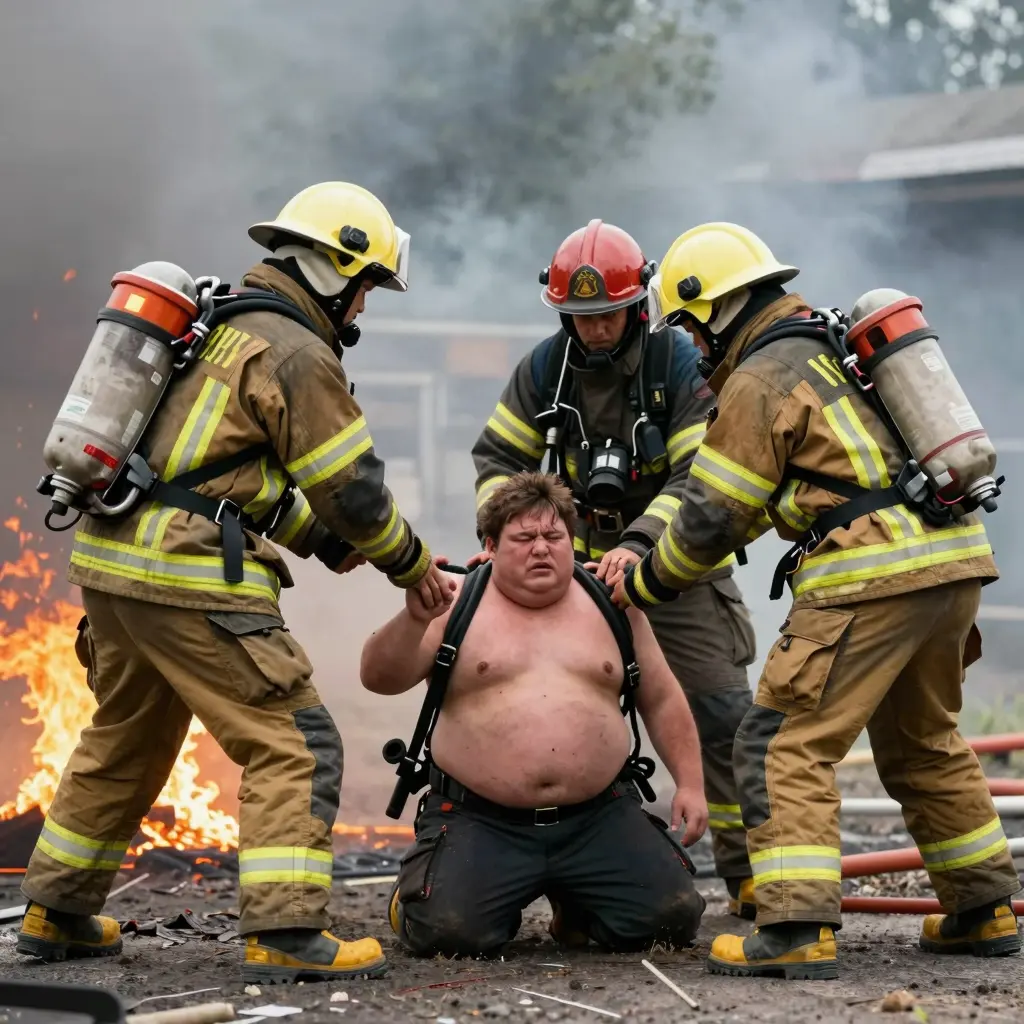
This powerful image captures the critical moment when firefighters utilize specialized equipment to rescue an obese individual from a raging fire. It showcases the emotional intensity and urgency that characterizes such rescues, revealing the collaborative effort and determination of the first responders as they face the challenging conditions. This imagery underscores the need for appropriate equipment and training to effectively support rescues in high-risk scenarios.
Blockquote from a fire rescue expert:
“When rescuing individuals weighing over 80 kilograms, standard carry methods become impractical. Effective rescue requires a collaborative team approach and specialized equipment. Firefighters must undergo rigorous training tailored to the unique challenges presented by obese individuals, especially considering their heightened risk of respiratory failure and cardiovascular complications in emergencies.”
- International Association of Fire Chiefs (IAFC)
In relation to the importance of enhanced training and equipment, organizations like the International Association of Fire Chiefs (IAFC) advocate for specialized rescue protocols and practices. This embodies the commitment to adapting emergency services to ensure the safety and efficacy of rescue operations involving larger individuals.
In conclusion, the critical importance of appropriate equipment and rigorous training for emergency responders cannot be overstated, especially when it comes to rescuing individuals from tragedies such as fires. Throughout this article, we have examined the unique challenges associated with rescuing obese individuals during fire emergencies, emphasizing that specialized equipment, such as stretchers designed for higher weight capacities and rescue apparatus specifically engineered for such situations, is not just beneficial but essential.
Moreover, the need for continuous education and training programs for emergency responders ensures they remain prepared for diverse rescue scenarios. Research indicates that nearly 28.6% of surveyed emergency responders have less than five years of experience, underscoring the necessity for ongoing skill development to enhance their efficiency and effectiveness in crisis situations (A data-driven analysis of emergency first responder education).
Without the right tools and training, the safety of both the responders and those they aim to rescue is put at risk. Therefore, community leaders and fire departments must prioritize funding for equipment innovation and training programs, ensuring that every responder is equipped to handle any emergency with confidence and competence. The collective efforts of the community in fostering education and awareness will not only protect lives during emergencies but will also build a resilient framework for disaster preparedness. Continued advocacy for improved resources, like customizable firefighting solutions, can significantly enhance our response capabilities in these dire situations.
Promoting Safety with the Right Gear
In emergencies, having the right equipment can mean the difference between life and death. For fire departments and rescue personnel, especially when it comes to rescuing obese individuals from fire hazards, specialized gear is essential. This includes sturdy stretchers, reliable lifting apparatus, and enhanced breathing devices tailored to those with different physical needs. The importance of equipping our heroes in uniform with the best tools possible cannot be overstated.
At Summit Fairings, we understand the unique challenges faced during emergency situations. Our commitment is to provide tailored solutions and tools that ensure safety and efficiency in rescues. Whether you are a first responder or a community member, being prepared with the correct equipment is vital. The right gear not only supports the safe evacuation of individuals but also protects the well-being of the responders.
Act Now! Don’t wait for an emergency to highlight the need for the right gear. Explore our wide range of customizable firefighting solutions that address all rescue scenarios, ensuring that you are prepared for anything that comes your way. Let’s work together to provide safety and assurance within our communities!