
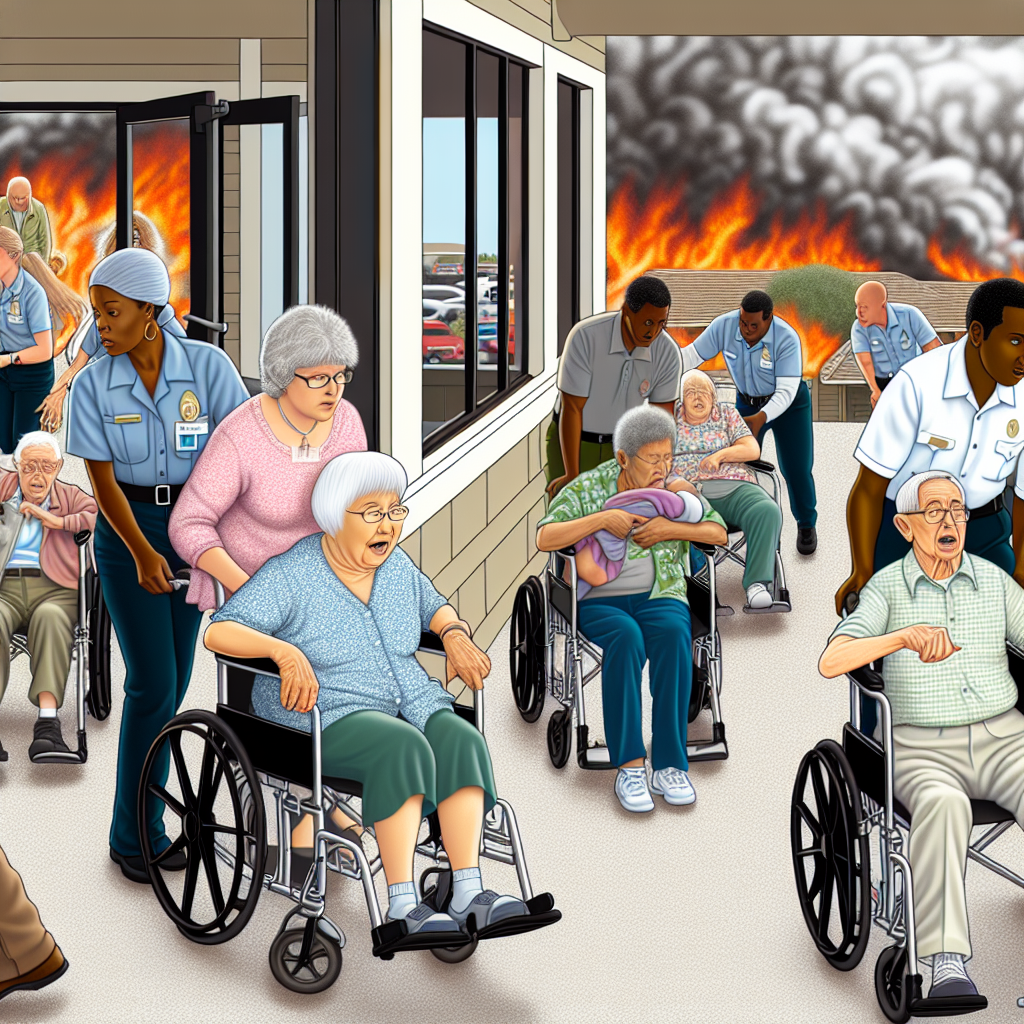
In recent years, California has faced devastating wildfires that have underscored the urgent need for effective emergency preparedness, particularly in senior care facilities. The tragic events surrounding the Eaton fire, where serious lapses in emergency protocols were highlighted, reveal a critical gap in the safety measures that should protect some of our most vulnerable populations.
Reports from investigations into facilities like MonteCedro and The Terraces at Park Marino have raised alarms, indicating that these institutions failed to alert residents adequately, leaving some behind as flames approached. It is imperative that facilities prioritize comprehensive training for their staff and implement robust emergency alerts.
As the wildfire season intensifies, ensuring resident safety must be at the forefront of all emergency plans, making it crucial for senior care facilities to act swiftly and decisively to protect the lives they are entrusted with.
Recent reports investigating the emergency planning failures during the Eaton fire reveal alarming shortcomings at senior care facilities like MonteCedro in Altadena and The Terraces at Park Marino in Pasadena. At MonteCedro, a critical lapse occurred when staff did not follow established emergency protocols, leading to two elderly women being left behind during the evacuation. One of these women, a 100-year-old resident, was later found wandering the building as flames approached. This incident highlights a broader issue; the executive director departed the facility without ensuring that all staff were informed of the evacuation plan, and the majority of personnel lacked adequate training in emergency procedures.
Similarly, The Terraces at Park Marino experienced serious failures during the evacuation. Though staff initially assured that all residents were out safely, it was later discovered that one resident had been left behind in her room, necessitating intervention from the Fire Department for her rescue. Pasadena Fire Captain Trey Sorensen described the dire circumstances during the evacuation, emphasizing the critical responsibility of assisted-living facilities to ensure resident safety in emergencies.
These troubling incidents underscore the inadequacy of emergency preparedness and training at facilities like MonteCedro and The Terraces at Park Marino. Laura Mosqueda, a well-known advocate for senior care standards, emphasized the necessity of accountability, stating, “Absolutely it was chaotic because of the fires, and absolutely [assisted-living facilities] have a responsibility to have emergency plans and competent leadership who can follow through.” The implications of such lapses are severe, revealing a pressing need for immediate improvements in emergency management practices in senior care facilities.
| Aspect | MonteCedro | The Terraces at Park Marino |
|---|---|---|
| Staff Training | All staff reportedly trained in emergency procedures. Training includes evacuation protocols. |
Staff trained in emergency procedures. Training includes evacuation protocols. |
| Evacuation Protocols | Evacuation process led and controlled by L.A. County Fire and Sheriff’s Department. Facility staff responsible for executing evacuation plans. |
Evacuation process coordinated with Pasadena Fire Department. Facility staff responsible for executing evacuation plans. |
| Incident Outcomes | During the Eaton fire evacuations, two residents were left behind due to failure to follow evacuation procedures. One resident, aged 100, was found roaming the dark hallways with a walker as flames were visible outside. Facility cited for violating California Health and Safety code; required to provide information on subsequent resident and staff training. |
During the Eaton fire evacuations, at least one resident was left behind and had to be evacuated by the Fire Department. A resident on the third floor was evacuated only after a responsible party called police, who relayed the location to fire officials. Facility cited for procedural missteps; staff found to have corrected deficiencies and complied with regulations. |
This table draws attention to the significant areas of improvement needed in emergency preparedness and response protocols at both MonteCedro and The Terraces at Park Marino. Immediate actions are essential to enhance safety for residents in these facilities during such critical incidents.
Personal Stories and Anecdotes from the Wildfires
The recent wildfires in California have not only wreaked havoc on the landscape but have profoundly impacted the lives of residents in senior care facilities. Families have shared their harrowing experiences during evacuations, shining a light on the human aspect of these emergencies.
One resident of The Terraces at Park Marino described the chaos of evacuation day. With thick smoke filling the air, the staff scrambled to move 93 residents, many of whom required assistance. Although everyone was eventually evacuated, the facility suffered significant damage, and the emotional scars remain deep. As the community gathers to support each other, hopes for rebuilding and better preparedness are strong.
At MonteCedro, the experience of a 100-year-old resident left behind during the Eaton fire shocked many. The woman was found wandering the building as flames approached, reminding the community of the grave consequences of poor emergency preparation. John Ward, her son, later reflected on the incident:
“They screwed up, it was a bad day for them; they didn’t follow protocol and they should have. … Other than that, they’re great.”
Such sentiments illustrate the frustration and love families have for these facilities, underlining the complexities of accountability in crisis situations. The emotional toll of these events is profound; Pierre LaBerge, another evacuee, described his fear as he evacuated:
“It was spooky. The sky is all smoky and fiery, and people are walking around, not knowing what to do.”
In another instance, Barb Nesbett’s family faced significant challenges in the wake of evacuations. After her parents were separated during the chaos, it took days for Barb to understand their situation fully. Her frustration was palpable when she recounted:
“It was days before a staffer called me… She felt just awful that no one had gotten back to me.”
This situation highlights the need for improved communication and organization during emergencies. As experts have noted, the emotional impacts of disasters can lead to lasting trauma, especially among older adults. The mental health ramifications of the wildfires extend far beyond the flames, calling for a greater emphasis on comprehensive planning and support mechanisms for these vulnerable populations.
These personal accounts serve as stark reminders of the urgent need for facilities to prioritize emergency preparedness and ensure that no resident is ever left behind again.
Other Personal Accounts Highlighting Emotional Impact:
-
Linda Chang recounted the harrowing experience of evacuating her 92-year-old mother from a nursing home threatened by wildfires:
“It was a terrifying experience. The smoke was thick, and we were worried about her safety every minute. The staff did their best, but the whole situation was very stressful.”
-
Melissa Rivers described the rapid spread of the Pacific Palisades fire, stating:
“The fire was still a canyon away, but you could clearly see the flames.”
-
Staff members at an assisted living facility emphasized the urgency during evacuations:
“It didn’t matter who it was. Nobody’s dying.”
- Aaron Samson and his father-in-law narrowly escaped the wildfires, needing to flee on foot due to immobilized traffic, showcasing the chaos of the situation.
These personal accounts serve as stark reminders of the urgent need for facilities to prioritize emergency preparedness and ensure that no resident is ever left behind again, alongside the emotional impact of these tragedies.
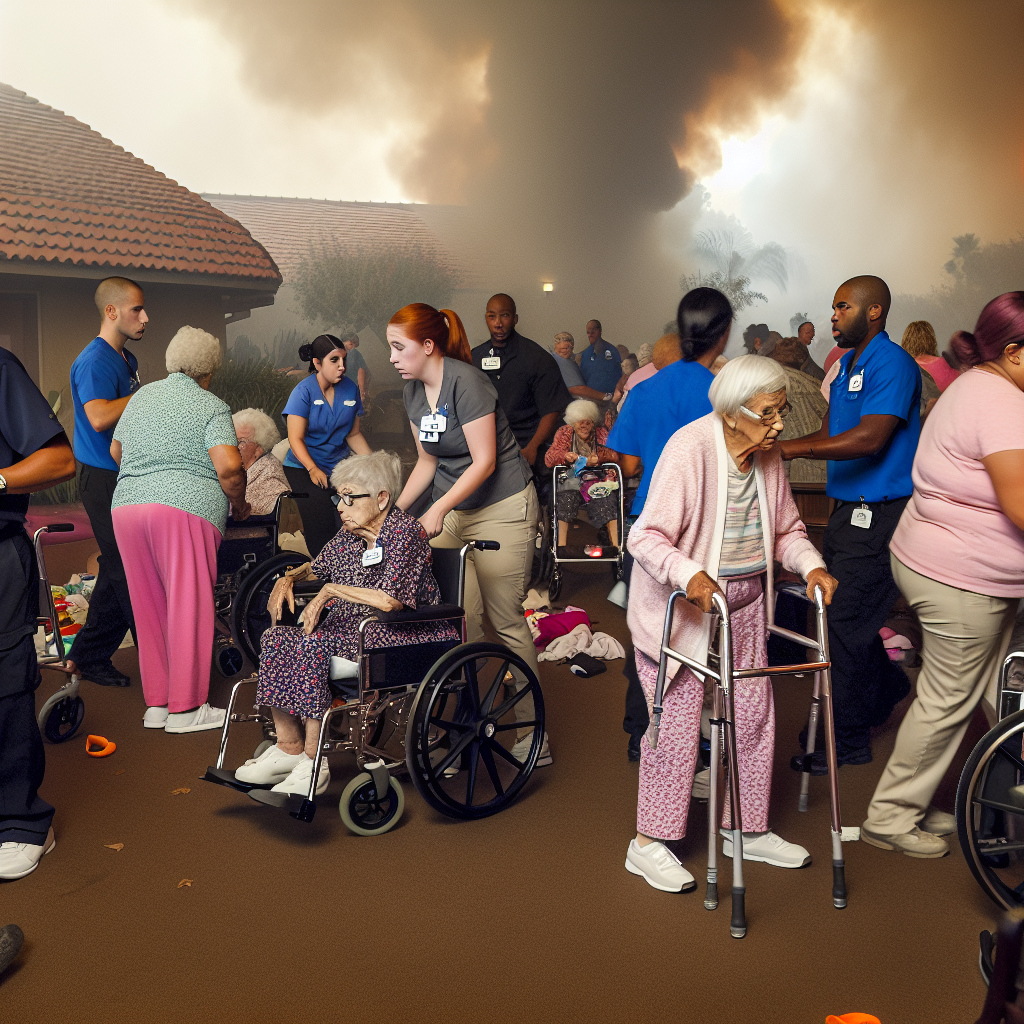
The Critical Importance of Staff Training in Emergency Procedures
The importance of effective staff training in emergency procedures cannot be overstated, particularly in senior care facilities where the safety of vulnerable populations is at stake. Following the tragic fire incidents in California, including the Eaton Fire, the urgency for robust training programs became starkly evident. According to a study, while 76% of California facilities had designated trainers for emergency preparedness, only 50% provided training quarterly. This highlights a concerning gap in regularity and possibly effectiveness.
Training isn’t just about knowing evacuation routes; it is about preparing staff to manage the emotional and psychological needs of residents during emergencies. Dr. Andrea Miles emphasizes the need for staff to provide emotional support to reduce panic among residents, noting that untrained staff can exacerbate anxiety during chaotic evacuations. These social and emotional aspects are crucial for maintaining the well-being of residents.
The ramifications of inadequate training were glaring in incidents such as the Eaton and Tubbs Fires, where residents suffered immensely due to staff not following proper emergency protocols. The aftermath has led to calls for improved training measures, including quarterly drills, collaboration with local emergency services, and training that focuses on emotional support for residents during crises. Enhancing these areas is essential for fostering a safer environment in senior care facilities.
Current User Adoption Data for Emergency Alert Systems in Senior Care Facilities
The adoption of emergency alert systems in senior care facilities is gaining momentum, fueled by technological advancements and the increasing aging population. Here’s a summary of the current trends, challenges, and insights related to user adoption data:
Current Trends and Statistics
- Market Growth: The global medical alert systems market is projected to grow significantly, valued at approximately $9.05 billion in 2023 and expected to reach around $18.71 billion by 2032, with a compound annual growth rate (CAGR) of 8.45%. This growth indicates rising interest and investment in emergency preparedness technologies.
- Technological Integration: In 2023, about 64% of newly launched medical alert products incorporated smart analytics for enhanced fall detection and emergency response management. Moreover, wearable device adoption among seniors aged 65-80 saw a remarkable increase of 48% between 2022 and 2023, highlighting a trend towards more sophisticated and responsive systems.
- Home-Based Users: Home-based users comprised 47.7% of the medical alert systems market share in 2023. This trend underscores a preference for aging in place, driving demand for more accessible emergency solutions that can work in users’ homes.
Areas for Improvement in Implementation
- Cost Barriers: High initial and ongoing costs pose significant hurdles for adoption. Standalone devices often range from $100 to $300, with monthly subscription fees between $20 and $50. These financial burdens can be prohibitive for seniors, particularly those on fixed incomes.
- Privacy Concerns: Approximately 43% of potential users express concerns about privacy and data security. These systems collect sensitive health information, which can deter acceptance amongst seniors due to fears regarding data misuse.
- Stigma and Usability: Many seniors relate the use of emergency alert systems to the admission of frailty, which can delay their adoption. Additionally, issues around technical complexity and usability—such as unclear button configurations—can lead to accidental alerts, leading to frustration among users.
Insights from Relevant Studies
- A significant study involving 2,643 elderly residents of Boston using Personal Emergency Response Systems (PERS) between 2011 and 2015 indicated that falls accounted for 43.2% of incidents. The study found an increase in hospital admissions among users, with hospital readmission rates rising significantly at 90 days (from 27.7% to 34.5%) and at 180 days (from 38.3% to 43.9%). This highlights the importance of timely alert systems to handle emergencies effectively.
- Furthermore, research into AI and IoT integration in healthcare suggests that AI-based medical alert systems are set to dominate 62% of the market by 2027, enhancing functions like predictive analytics and real-time monitoring. As of 2023, AI-based predictive alerting systems were featured in 58% of new product releases, significantly reducing false alarm rates by 34%.
In conclusion, while there has been a notable rise in the adoption of emergency alert systems in senior care facilities, it is crucial to address prevailing issues such as cost, privacy, stigma, and usability to optimize implementation and improve the overall effectiveness of these essential safety technologies.
Lessons Learned and Best Practices for Emergency Preparedness in Senior Care Facilities
The devastating wildfires in California have underscored the importance of robust emergency preparedness strategies in senior care facilities. Several lessons can be derived from the recent incidents, highlighting best practices that can enhance safety and ensure residents’ well-being during crises.
1. Comprehensive Emergency Training
One of the most critical lessons from the recent wildfires is the need for comprehensive training for all staff members involved in emergency response. Staff must be well-versed in the facility’s emergency protocols, including evacuation procedures, communication strategies, and resident management during evacuations. Regular drills should be implemented to reinforce this training, ensuring that staff can efficiently execute the plan under stress.
2. Effective Communication Systems
Strong communication channels are vital for successful evacuations. Facilities must establish reliable alert systems to ensure that all staff and residents receive timely and appropriate notifications in emergencies. This includes utilizing multiple communication methods, such as phone alerts, intercom announcements, and visual alerts for those with hearing impairments.
3. Collaboration with Local Emergency Services
Senior care facilities should foster strong relationships with local emergency services, such as fire departments and police. Engaging these entities in training exercises enables staff to understand local response protocols and ensures that first responders are familiar with the facility layout and specific resident needs.
4. Personalized Emergency Plans
Each resident is unique, necessitating individualized emergency plans that consider their specific health conditions and mobility levels. Facilities should maintain updated information about residents’ needs and ensure this information is readily accessible during emergencies.
5. Post-Evacuation Support
After evacuations, attention should be given to the emotional and psychological well-being of residents. Providing support services, including counseling and follow-up care, can help mitigate the long-lasting effects of trauma experienced during emergencies.
These insights emphasize the need for senior care facilities to prioritize emergency preparedness comprehensively. By implementing these best practices, facilities can better safeguard residents, ensuring their safety and security during crises, ultimately fostering an environment of trust and care.

Conclusion: The Imperative for Improved Emergency Protocols
The urgent need for enhanced emergency protocols and training in senior care facilities cannot be overstated. Recent events, particularly the tragic failures during the Eaton fire, have starkly illustrated how vulnerable our elderly population can be in crises. The harrowing accounts of residents left behind and the chaos that ensued during evacuations serve as a powerful reminder of the potential consequences of insufficient preparedness.
Improved training for staff is crucial to ensure that they are equipped not only with the knowledge of evacuation procedures but also with the ability to manage the emotional and psychological needs of residents in distressing situations. The chaotic experiences reported by families, such as the alarming left-behind incidents, demonstrate that facilities must take proactive steps to implement comprehensive training drills regularly.
Moreover, establishing effective communication systems is pivotal in maintaining safety and clarity during emergencies. Facilities must ensure that all residents and staff receive timely alerts and that emergency plans are not only written but rehearsed until they become second nature. Collaboration with local emergency services is also essential to foster understanding and preparedness for unique facility needs.
As our population continues to age, the responsibility of senior care facilities to protect their residents grows. It is vital for these establishments to prioritize creating personalized emergency plans that cater to the diverse needs of their residents.
The emotional toll on families and residents during such chaotic moments can be profound, making it essential that no one is left behind in future emergencies. By strengthening emergency protocols and providing consistent training, facilities can significantly improve their readiness to respond to crises, ensuring the safety and well-being of their most vulnerable residents. The time for action is now, in the hopes of safeguarding lives today and in the future.
By taking these lessons to heart and implementing comprehensive safety measures, senior care facilities can not only rectify past mistakes but also cultivate an environment of trust, safety, and care that all residents deserve.
Optimizing Emergency Preparedness for Seniors: Essential Strategies for Senior Care Facilities
In recent years, California has faced devastating wildfires that have underscored the urgent need for effective emergency preparedness, particularly in senior care facilities. The tragic events surrounding the Eaton fire, where serious lapses in emergency protocols were highlighted, reveal a critical gap in the safety measures that should protect some of our most vulnerable populations. Reports from investigations into facilities like MonteCedro and The Terraces at Park Marino have raised alarms, indicating that these institutions failed to alert residents adequately, leaving some behind as flames approached. It is imperative that facilities prioritize comprehensive training for their staff and implement robust emergency alerts. As the wildfire season intensifies, ensuring resident safety must be at the forefront of all emergency plans, making it crucial for senior care facilities to act swiftly and decisively to protect the lives they are entrusted with.
Recent Reports: Alarming Failures in Emergency Preparedness
Recent reports investigating the emergency planning failures during the Eaton fire reveal alarming shortcomings at senior care facilities like MonteCedro in Altadena and The Terraces at Park Marino in Pasadena. At MonteCedro, a critical lapse occurred when staff did not follow established emergency protocols, leading to two elderly women being left behind during the evacuation. One of these women, a 100-year-old resident, was later found wandering the building as flames approached. This incident highlights a broader issue; the executive director departed the facility without ensuring that all staff were informed of the evacuation plan, and the majority of personnel lacked adequate training in emergency procedures.
Similarly, The Terraces at Park Marino experienced serious failures during the evacuation. Though staff initially assured that all residents were out safely, it was later discovered that one resident had been left behind in her room, necessitating intervention from the Fire Department for her rescue. Pasadena Fire Captain Trey Sorensen described the dire circumstances during the evacuation, emphasizing the critical responsibility of assisted-living facilities to ensure resident safety in emergencies.
These troubling incidents underscore the inadequacy of emergency preparedness and training at facilities like MonteCedro and The Terraces at Park Marino. Laura Mosqueda, a well-known advocate for senior care standards, emphasized the necessity of accountability, stating, “Absolutely it was chaotic because of the fires, and absolutely [assisted-living facilities] have a responsibility to have emergency plans and competent leadership who can follow through.” The implications of such lapses are severe, revealing a pressing need for immediate improvements in emergency management practices in senior care facilities.
The Significance of Staff Training in Emergency Protocols
The critical importance of staff training in emergency procedures cannot be overstated, particularly in senior care facilities where the safety of vulnerable populations is at stake. Following the tragic fire incidents in California, including the Eaton Fire, the urgency for robust training programs became starkly evident. According to a study, while 76% of California facilities had designated trainers for emergency preparedness, only 50% provided training quarterly. This highlights a concerning gap in regularity and possibly effectiveness.
Training isn’t just about knowing evacuation routes; it is about preparing staff to manage the emotional and psychological needs of residents during emergencies. Dr. Andrea Miles emphasizes the need for staff to provide emotional support to reduce panic among residents, noting that untrained staff can exacerbate anxiety during chaotic evacuations. These social and emotional aspects are crucial for maintaining the well-being of residents.
The ramifications of inadequate training were glaring in incidents such as the Eaton and Tubbs Fires, where residents suffered immensely due to staff not following proper emergency protocols. The aftermath has led to calls for improved training measures, including quarterly drills, collaboration with local emergency services, and training that focuses on emotional support for residents during crises. Enhancing these areas is essential for fostering a safer environment in senior care facilities.
Best Practices for Wildfire Safety in Senior Care Facilities
The implementation of effective wildfire safety measures in senior care facilities is essential to protecting vulnerable populations. Key best practices include:
| Best Practice | Description |
|---|---|
| Comprehensive Emergency Plans | Develop detailed plans that address potential hazards, including wildfires, encompassing risk assessments and resource management. |
| Staff Training and Regular Drills | Conduct regular training sessions and quarterly drills for staff on fire safety procedures including the R.A.C.E. protocol (Rescue, Alarm, Contain, Extinguish). |
| Resident Evacuation Plans | Create evacuation plans that consider residents’ mobility limitations and cognitive impairments, ensuring essential items are included. |
| Collaboration with Emergency Services | Foster partnerships with local emergency management agencies, fire departments, and neighboring facilities to improve coordination during emergencies. |
| Communication Protocols | Establish clear communication channels to keep staff, residents, and families informed during emergencies, utilizing multiple methods for effective communication. |
| Regular Inspections | Conduct routine inspections of the facility to identify and address potential fire hazards, ensuring fire safety equipment is maintained. |
Emergency Preparedness: A Top Priority for Seniors
The importance of emergency preparedness for seniors in facilities during wildfire and other emergencies cannot be overstated. Specific considerations include:
- Comprehensive Emergency Plans: Facilities must develop and regularly update emergency plans that cover all potential hazards, including wildfires, with clear protocols on evacuations and communications in place.
- Emergency Supply Kits: Well-stocked emergency kits are crucial and should contain essential supplies sufficient for at least three days, including medications and food.
- Regular Training and Drills: Regular training sessions and emergency drills ensure that staff are familiar with procedures and can respond swiftly when real events occur.
- Collaboration with Local Agencies: Establishing partnerships with local emergency services enhances readiness and response capabilities in emergencies.
These preparations are particularly timely given the challenges faced after significant events like Hurricane Ida, where many facilities were unprepared, highlighting the dire need for structured emergency protocols.
By prioritizing comprehensive emergency preparedness, senior living facilities can significantly reduce risks and ensure the safety and well-being of their residents during wildfires and other emergencies.
Emergency Preparedness Key Statistics Summary
| Category | Statistic/Information | Source |
|---|---|---|
| Staff Training | 72.76% of healthcare workers lacked adequate fire safety knowledge; 73.15% had inadequate knowledge of emergency preparedness. | Fire safety knowledge and emergency preparedness assessment among health care workers at three hospitals in Kunene region, Namibia |
| Evacuation Procedures | 77% of skilled nursing facilities in high-risk areas faced challenges in planning emergency preparedness activities. | Emergency Preparedness in Senior Care Organizations |
| Fire Incidents | Between 2012 and June 2017, Taiwan reported 14 fires in nursing homes resulting in 27 deaths and 167 injuries, primarily from arson and electrical fires. | Effectiveness of Advanced Fire Prevention and Emergency Response Training at Nursing Homes |
| Regulatory Requirements | Facilities must conduct annual full-scale evacuation drills and provide emergency preparedness training at least every two years. | Emergency Preparedness/Evacuation Planning for Health Care Facilities in NYS |
| Past Incidents | In 2003, two nursing home fires resulted in 16 patient deaths each in Hartford, CT, and Nashville, TN. | Emergency Preparedness: Path to Safety |
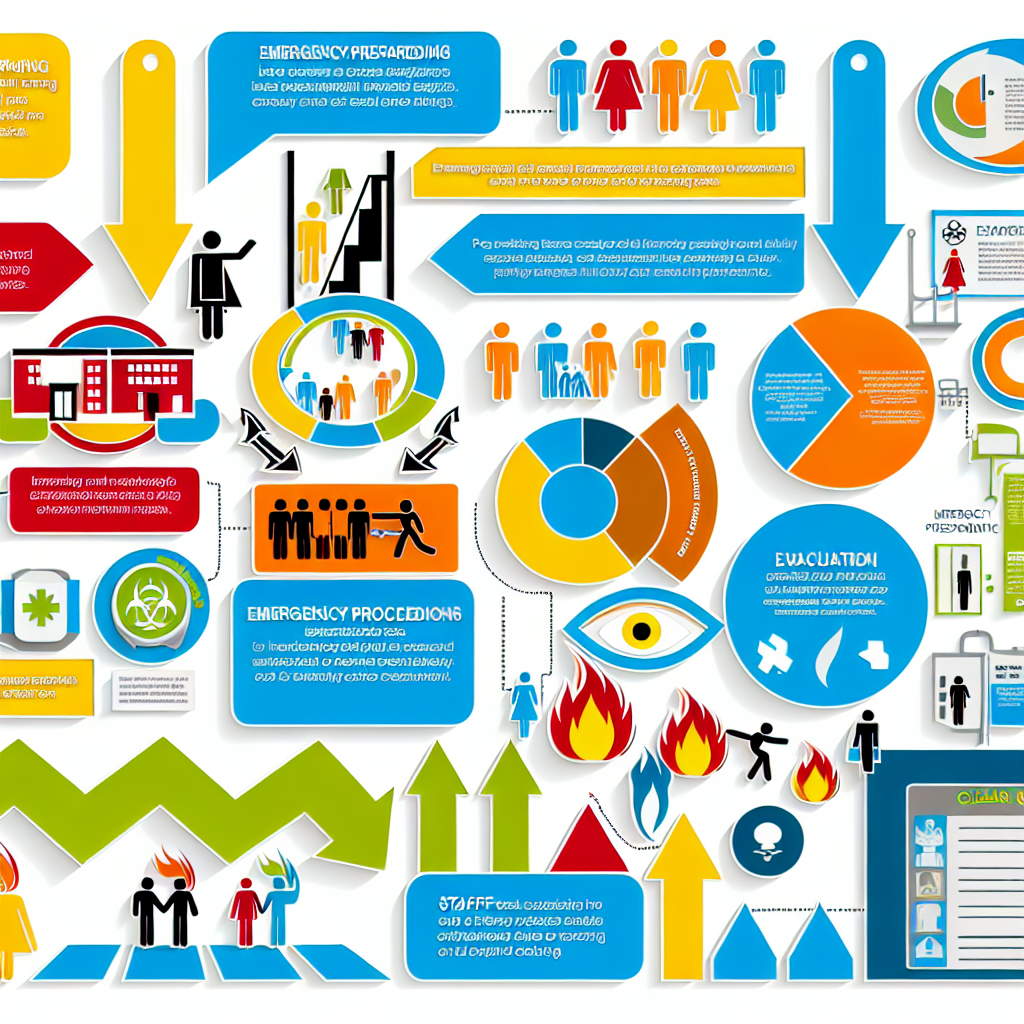
This image summarizes key statistics in emergency preparedness related to senior care facilities.
These statistics underscore the importance of comprehensive training, effective evacuation planning, and adherence to regulatory requirements to enhance fire safety and emergency preparedness in senior care facilities.
The Critical Importance of Staff Training in Emergency Procedures
Effective staff training in emergency procedures is crucial, especially in senior care facilities where resident safety is a priority. Recent tragic incidents in California, including the Eaton Fire, have highlighted the importance of strong training programs. While 76% of California facilities have designated trainers for emergency preparedness, only 50% conduct training regularly. This shows a worrying gap in consistent training.
Training involves more than just knowing evacuation routes. It prepares staff to handle the emotional and psychological needs of residents during emergencies. Dr. Andrea Miles emphasizes that staff must provide emotional support to help lessen residents’ panic. Untrained staff may increase anxiety during chaotic situations, which can greatly affect resident well-being.
The consequences of insufficient training became clear during the Eaton and Tubbs Fires. Residents faced serious challenges because staff did not follow proper emergency protocols. These events have led to demands for better training, which includes scheduling frequent drills, working closely with local emergency services, and focusing on emotional support during crises. Improving these training aspects is essential for creating a safer environment in senior care facilities.
For best practices in emergency training specifically aimed at assisted-living facilities, refer to the comprehensive guide provided by the Florida Health Care Association. They outline critical measures for effective preparedness training, including structured approaches to emergency exercises and staff training protocols. This guide can enhance the safety and preparedness of senior care facilities greatly.
Read more at Emergency Preparedness Training and Exercise Guide for Nursing Homes.