
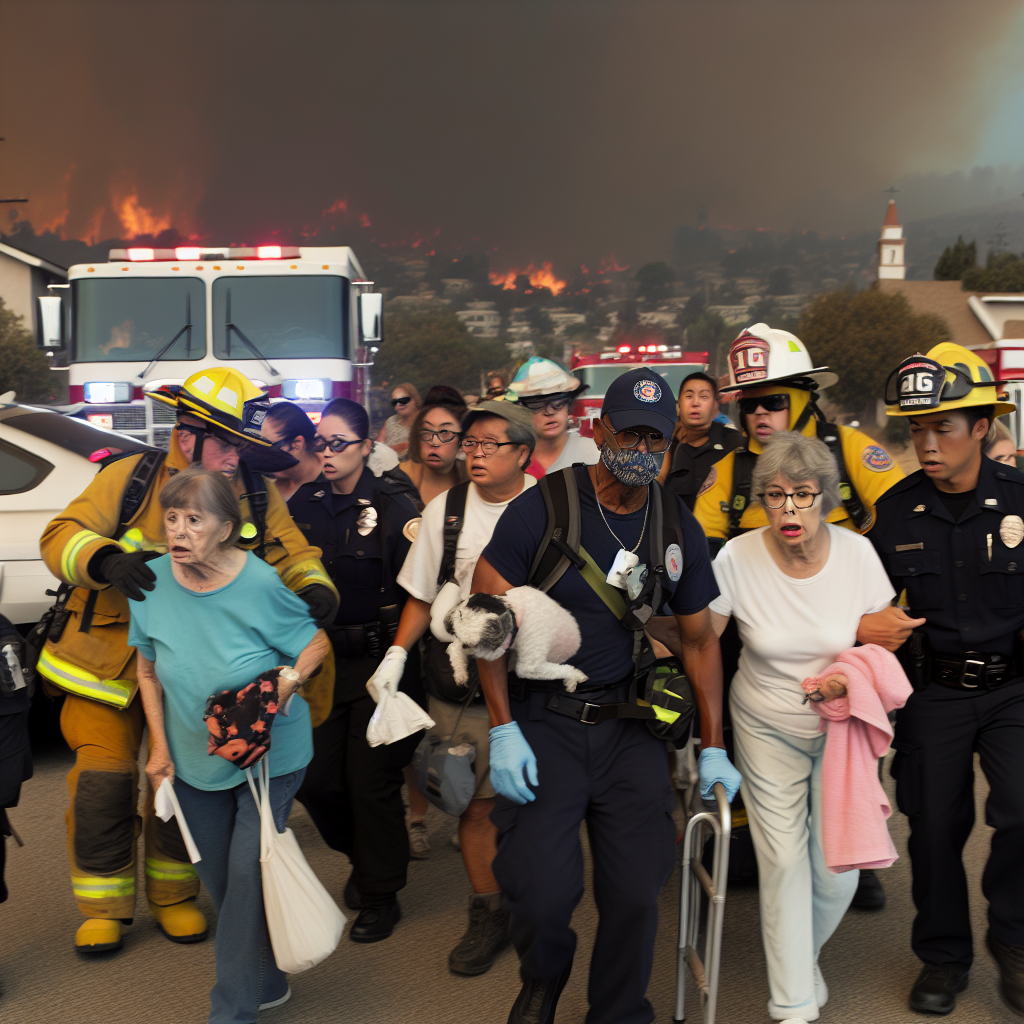
As flames danced ominously on the outskirts of Altadena, the oppressive heat and chaos engulfed everything in their path. Maria, an elderly resident of MonteCedro, sat alone in her room, her heart racing as the urgent sirens blared in the distance. The evacuation notice had been issued, but the frantic calls for help seemed to fade amidst the roar of the wildfire. Her frail hands trembled as she picked up the phone, her only connection to a world rapidly descending into panic.
Her mind raced through the stories of bravery she had read in her youth—the tales of heroes rising to the occasion. But this was no fairy tale; this was her reality. As she looked out her window, the brilliant glow of the approaching flames illuminated the darkening sky, providing a stark reminder of the danger closing in. Despite being aware of her surroundings, she felt an overwhelming sense of isolation as firefighters and rescue teams rushed past without knowing she was alone in her room.
Hours passed, and Maria’s courage began to wane. Just as despair started to take hold, the sound of boots approached her door. It was a deputy, one of the brave souls sent to rescue those left behind. With urgency in their voice, they assured her that they would get her to safety. This moment of hope amidst the chaos serves not only as a testament to human resilience but also as a stark reminder of the critical failures in emergency planning that allowed her and others to be forgotten, underscoring the need for reform in the California wildfire emergency response.
Overview of California Wildfire Emergency Response – Eaton Fire
The Eaton Fire in January 2025 posed a significant challenge for emergency response teams and highlighted serious shortcomings in planning, particularly for vulnerable groups like seniors. The fire burned about 14,021 acres near Altadena and Pasadena, leading to 19 fatalities, with most of them in west Altadena. In addition to the tragic loss of life, the fire caused substantial damage, affecting over 1,071 structures.
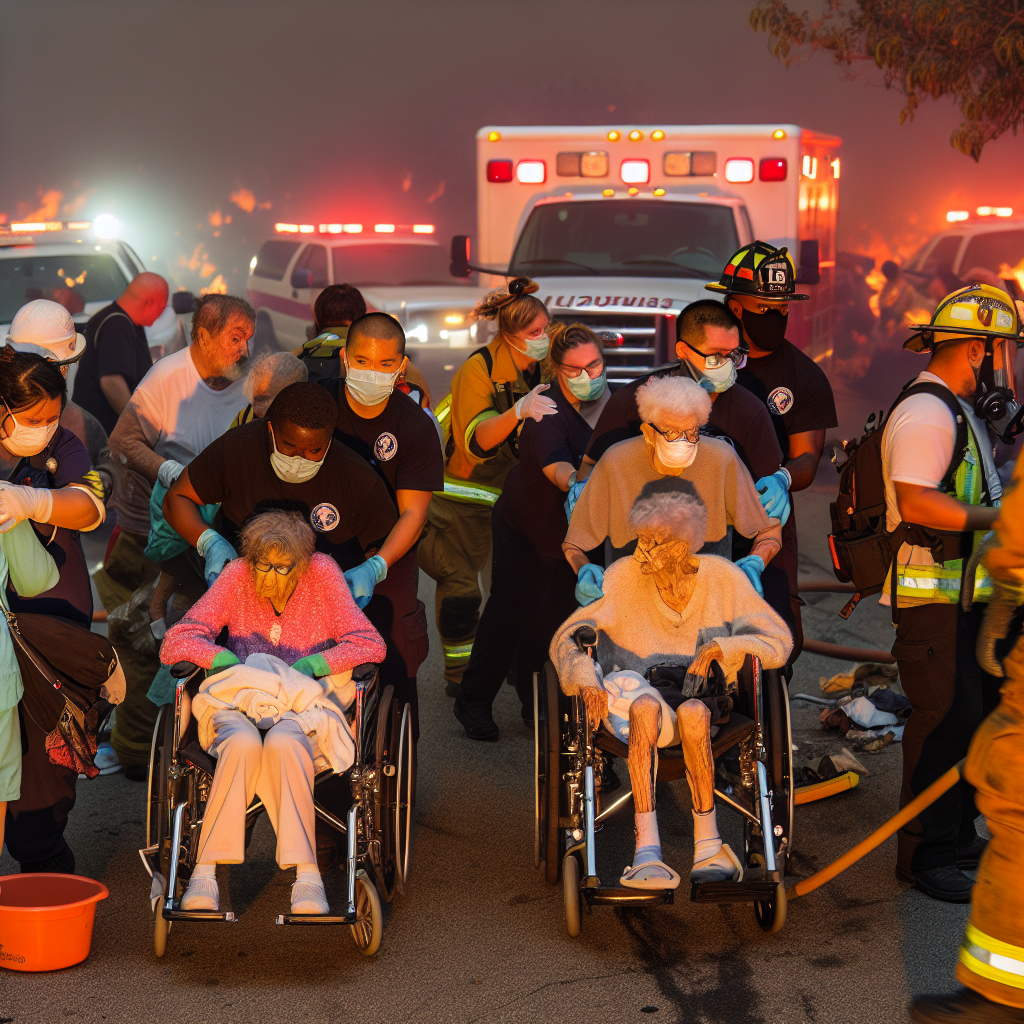
Senior care facilities, particularly MonteCedro and The Terraces at Park Marino, faced major difficulties during the evacuation. Even with evacuation orders in place, chaos ensued because of poor communication and a lack of clear emergency actions. While around 200 seniors were evacuated from MonteCedro to the Pasadena Convention Center, investigators later discovered that two residents had been left behind. This mistake resulted from inadequate emergency training and the absence of key personnel at the time of the evacuation, raising concerns about the planning in place for emergencies.
In addition, an independent report criticized outdated emergency alert systems that delayed critical notifications during the fire, further complicating the chaotic situation. Although over 100,000 people were evacuated in the initial hours, many elderly residents faced additional obstacles due to limited access to technology and mobility challenges, making evacuations particularly difficult for them. Emergency personnel, including sheriff’s deputies and firefighters, performed heroic efforts to reach and rescue individuals, navigating dangerous areas to ensure safety.
The catastrophic winds, which reached up to 90 mph, also worsened the evacuation process, as they intensified the fire and hampered rescue operations for senior care residents needing urgent assistance. Investigators noted that both MonteCedro and The Terraces failed to maintain adequate emergency plans, including a reliable recall list of staff. This oversight raised important questions about how well the facilities catered to seniors and disabled individuals during emergencies. The California Department of Social Services mandated significant improvements to emergency training and protocols as a result of these failures.
Key Findings Related to Emergency Response
- Nineteen fatalities occurred during the Eaton Fire, significantly impacting vulnerable seniors.
- Major deficiencies in emergency protocols were identified at senior care facilities.
- Two residents were left behind at MonteCedro due to a lack of staff training.
- Around 200 seniors were evacuated from MonteCedro, but communication issues hampered overall effectiveness.
- Emergency alert systems were outdated, delaying vital notifications and endangering lives.
- High winds complicated evacuation efforts by elevating the fire’s intensity.
- Investigators found health code violations at senior care facilities, highlighting systemic issues.
Moving forward, California’s emergency management protocols must be revised to better address the needs of vulnerable populations, so the shortcomings exposed by the Eaton Fire can significantly inform future planning.
Summary of User Adoption Data Related to Emergency Planning in California
The wildfires in California, particularly the Eaton fire in January 2025, have drawn serious scrutiny to emergency planning and evacuation procedures, exposing critical failures in the system, especially regarding senior facilities. Specifically, during the Eaton fire, evacuation protocols failed notably as two elderly residents were left behind at MonteCedro. State investigations subsequent to the incident revealed that these facilities had violated Health and Safety codes, resulting in orders for enhanced training for the staff.
A report from the county fire department identified a significant gap in timely evacuation alerts, which directly contributed to delays in rescues and evacuations. The fire tragically claimed 17 lives in Altadena, many of whom were elderly or disabled, underscoring the urgent need for improved emergency planning tailored to vulnerable populations.
Furthermore, a broader critique of evacuation plans highlighted that many senior care facilities lacked proper protocols, leading to stranded individuals during evacuation. Recent audits, including a state auditor report, indicated that no counties had conducted thorough assessments of the needs of their vulnerable populations, including seniors and those with disabilities. This lack of foresight complicated evacuation strategies and revealed a systemic failure that persisted despite past disasters.
The continuing deficiencies within California’s emergency management system warrant immediate reform. The experiences during the Eaton fire, along with similar incidents, signify an urgent call to action to better prepare for and protect the needs of vulnerable populations in future wildfire events.
Critical Alert Failures During the Eaton Fire
The Eaton fire served as a grim reminder of the critical lapses in alert systems and emergency response protocols, particularly in senior care facilities such as MonteCedro and The Terraces at Park Marino. Throughout the disaster, systemic failures hindered adequate evacuations, leaving vulnerable individuals at the mercy of the flames.
At MonteCedro, state investigators found that two elderly residents were left behind when evacuation orders were issued. A 100-year-old woman and another resident were neglected due to the inadequately trained staff who failed to follow emergency procedures. Laura Mosqueda, a geriatrics professor at USC, emphasized the severity of the situation, stating, “To evacuate and not have a complete list and know you’ve gotten everybody out … is not OK.” This alarming oversight stems from a lack of proper emergency planning and preparedness, illustrating the dangerous consequences of complacency in senior care facilities.
Similarly, The Terraces at Park Marino experienced fundamental flaws in its emergency protocol, resulting in one resident being left behind, who required rescue from firefighters after an incomplete evacuation process. Investigators noted that most night-shift staff lacked emergency training and that there was poor leadership as staff members failed to ensure accountability in evacuations. This chaotic environment contributed to the mismanagement of evacuations during the high-stress situation, putting lives at risk.
Reports from the California Department of Social Services revealed that both facilities were cited for violating health codes and for their inability to maintain complete lists of residents, further exacerbating the risks during the fire. The investigations highlighted that many staff members were unprepared for emergencies and lacked instruction on how to respond effectively, which left many vulnerable seniors without the assistance they desperately needed.
In the aftermath of the Eaton fire, experts agree that immediate reforms are necessary to rectify these systemic failures. Survivors and community advocates are demanding accountability and substantial changes to emergency management protocols to protect those who are most at risk in future disasters. The tragic circumstances encountered at MonteCedro and The Terraces at Park Marino exemplify a pressing need for enhanced preparedness and response strategies in California’s senior care facilities in the face of wildfire threats.
Improvements in Emergency Response Post-Eaton Fire
Following the tragic outcomes of the Eaton fire, various studies and reports have emerged emphasizing advancements in emergency response protocols:
- Elderly were abandoned at senior facilities during Eaton fire. Regulators slam operators – Reports from the California Department of Social Services highlighted the lapses at MonteCedro and The Terraces and ordered significant improvements in training and emergency planning.
- Senior Living Facility Staff Went Home as Eaton Fire Approached, State Probe Shows – Investigations revealed inadequate emergency training for staff, prompting facilities to enhance their emergency preparedness protocols.
- Calif. cites two senior homes after residents left behind during deadly Eaton fire evacuations – The California Department of Social Services mandated updates to emergency plans and training.
- Eaton Fire: A Comprehensive Look at Its Impact and Lessons Learned – This report discusses the challenges faced and the changes made towards improved community alert systems and training.
- Rep. Chu Urges Adoption of Eaton Fire Emergency Response Reforms – Advocacy for the adoption of recommendations to reform evacuation warnings, emphasizing timely alerts to ensure better preparedness for vulnerable populations.
These reports reflect the critical need for systemic changes in emergency response protocols that prioritize the safety of the most vulnerable during disasters, emphasizing enhanced training, robust emergency plans, and effective communication strategies.
| Facility | Strengths | Weaknesses |
|---|---|---|
| MonteCedro |
|
|
| The Terraces at Park Marino |
|
|
Heroic Rescues During the Wildfire Evacuation
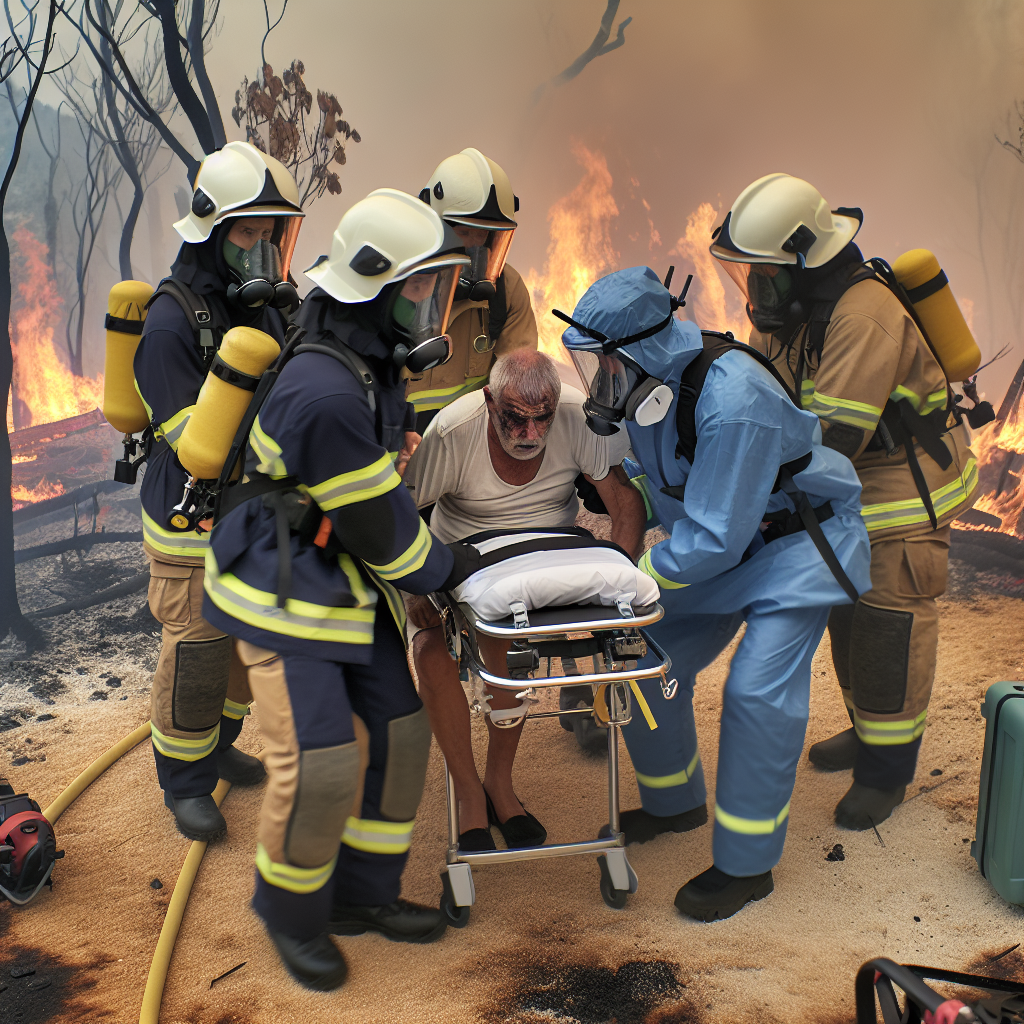
Amidst the chaos of the Eaton Fire in Altadena, stories of courage and selflessness emerged as first responders and community members rallied to save lives. One harrowing account involves Los Angeles County Sheriff’s Deputies John Alkonis and Nicholas Martinez, who conducted door-to-door evacuations. During one of their daring rescues, they entered a burning home to assist a 100-year-old woman who exclaimed, “Don’t lose me!” Footage captured by their body cameras shows them urgently searching for any remaining residents within the inferno. Their actions exemplified not only bravery but incredible compassion, illustrating the gravity of their mission under extreme pressure.
Similarly, at The Terraces at Park Marino, chaos reigned as smoke and flames threatened the senior facility. Ten courageous staff members, alongside first responders, worked tirelessly to ensure that all 93 residents were evacuated safely from the facility, often entering rooms filled with thick smoke. Medication Technician Zion Brown played a pivotal role, deftly coordinating the rescue amidst overwhelming conditions. Later, residents expressed heartfelt gratitude upon reuniting after being kept in temporary shelters, emphasizing the bond forged in such traumatic times.
Pasadena Police Officer Chrystian Banuelos further embodied the spirit of dedication by carrying vulnerable seniors to safety through walls of heat and smoke. His heroic actions were immortalized in a New York Times photograph, which garnered widespread acclaim for showcasing the bravery of those who put their lives on the line for others.
These individual acts of heroism during California’s wildfire evacuations are poignant reminders of the strength of community and the indomitable human spirit that shines through in moments of peril. As families were torn apart by the blaze, first responders emerged as true heroes, reminding us all that even in the darkest times, compassion and courage prevail.
Conclusions and Future Recommendations
The tragic events of the Eaton Fire have revealed glaring deficiencies in the emergency response protocols, particularly those impacting vulnerable populations such as the elderly. Key insights gained from the analysis of the situation underscore the urgent need for comprehensive reforms in emergency planning and execution. The fact that two residents were left behind at MonteCedro highlights the severe inadequacies in the evacuation procedures and the vital importance of maintaining accurate and accessible evacuation lists at all times.
To advance emergency preparedness and response, several actionable recommendations can be proposed:
- Enhancing Staff Training: Emergency response training must be prioritized within senior care facilities. This includes regular drills and comprehensive training programs tailored specifically for staff to understand their roles during emergencies, ensuring that each team member is equipped to act swiftly and efficiently.
- Implementing Robust Communication Systems: Updated emergency alert systems are crucial. Facilities should invest in reliable technologies that cater to seniors who may lack technical know-how or mobility, ensuring timely notifications to all residents—especially those who may be isolated or hard of hearing.
- Creating Inclusive Emergency Plans: Emergency plans must be extended to explicitly consider the needs of vulnerable populations. This includes developing adaptable procedures that account for the mobility impairments of the elderly and ensuring accessibility to resources for everyone involved in the evacuation process.
- Conducting Regular Evaluations: Government agencies and facility owners should conduct frequent evaluations of their emergency response strategies, involving third-party assessments to identify potential gaps and strengths in existing protocols.
- Engaging Community Resources: Local governments and emergency management agencies should foster robust partnerships with community organizations dedicated to serving vulnerable populations. This can facilitate better resource allocation and ensure that vulnerable residents have support systems during emergencies.
The lessons learned from the Eaton Fire must catalyze a shift towards stronger collaborative practices in emergency management, ensuring that the safety of our most vulnerable residents is prioritized during future wildfire crises.
Quotes on Emergency Response Failures During the Eaton Fire
The devastating impacts of the Eaton Fire have prompted critical reflections from those directly involved in the response and recovery efforts. Laura Mosqueda, a professor of family medicine and geriatrics at USC, expressed the urgent need for better emergency planning in assisted living facilities, stating, “Absolutely it was chaotic because of the fires, and absolutely [assisted-living facilities] have a responsibility to have emergency plans and competent leadership who can follow through.” She emphasized that evacuating without a complete resident list is unacceptable and reflects severe preparedness flaws.
John Ward, whose mother was left behind at MonteCedro, acknowledged the facility’s overall quality of care but criticized its failure during the emergency. He stated, “The love and care they give for the people there is just fantastic. They screwed up, it was a bad day for them; they didn’t follow protocol and they should have.”
James Rothrock, CEO of Episcopal Communities & Services, noted the challenges faced during the evacuation, affirming that staff were trained in emergencies but acknowledged that immediate steps were necessary for protocol reinforcement. He affirmed, “Our singular goal was the safe evacuation of every resident, and we worked closely with the Sheriff’s and Fire Departments.”
Pasadena Fire Captain Trey Sorensen described the evacuations as life-or-death, detailing the chaotic nature of the events and how delays in alerts complicated the situation. He noted, “Every moment counted for those left behind, and we had to navigate intense conditions to ensure safety.”
These insights underscore the urgent need for systemic reforms in the emergency response protocols to adequately protect vulnerable populations during future wildfires.
| Statistic | Data |
|---|---|
| Total acreage burned | 14,021 acres |
| Total fatalities | 19 |
| Fatalities in west Altadena | 18 |
| Total structures damaged | 1,071 |
| Seniors successfully evacuated from MonteCedro | 200 |
| Residents left behind during evacuation | 2 |
| Residents evacuated from The Terraces at Park Marino | 93 |
Overview of California Wildfire Emergency Response – Senior Care Facility Evacuation – Eaton Fire
The Eaton Fire in January 2025 posed a significant challenge for emergency response teams and highlighted serious shortcomings in planning, particularly for vulnerable groups like seniors. The fire burned about 14,021 acres near Altadena and Pasadena, leading to 19 fatalities, with most of them in west Altadena. In addition to the tragic loss of life, the fire caused substantial damage, affecting over 1,071 structures.
Senior care facilities, particularly MonteCedro and The Terraces at Park Marino, faced major difficulties during the evacuation. Even with evacuation orders in place, chaos ensued because of poor communication and a lack of clear emergency actions. While around 200 seniors were evacuated from MonteCedro to the Pasadena Convention Center, investigators later discovered that two residents had been left behind. This mistake resulted from inadequate emergency training and the absence of key personnel at the time of the evacuation, raising concerns about the planning in place for emergencies.
In addition, an independent report criticized outdated emergency alert systems that delayed critical notifications during the fire, further complicating the chaotic situation. Although over 100,000 people were evacuated in the initial hours, many elderly residents faced additional obstacles due to limited access to technology and mobility challenges, making evacuations particularly difficult for them. Emergency personnel, including sheriff’s deputies and firefighters, performed heroic efforts to reach and rescue individuals, navigating dangerous areas to ensure safety.
The catastrophic winds, which reached up to 90 mph, also worsened the evacuation process, as they intensified the fire and hampered rescue operations for senior care residents needing urgent assistance. Investigators noted that both MonteCedro and The Terraces failed to maintain adequate emergency plans, including a reliable recall list of staff. This oversight raised important questions about how well the facilities catered to seniors and disabled individuals during emergencies. The California Department of Social Services mandated significant improvements to emergency training and protocols as a result of these failures.