
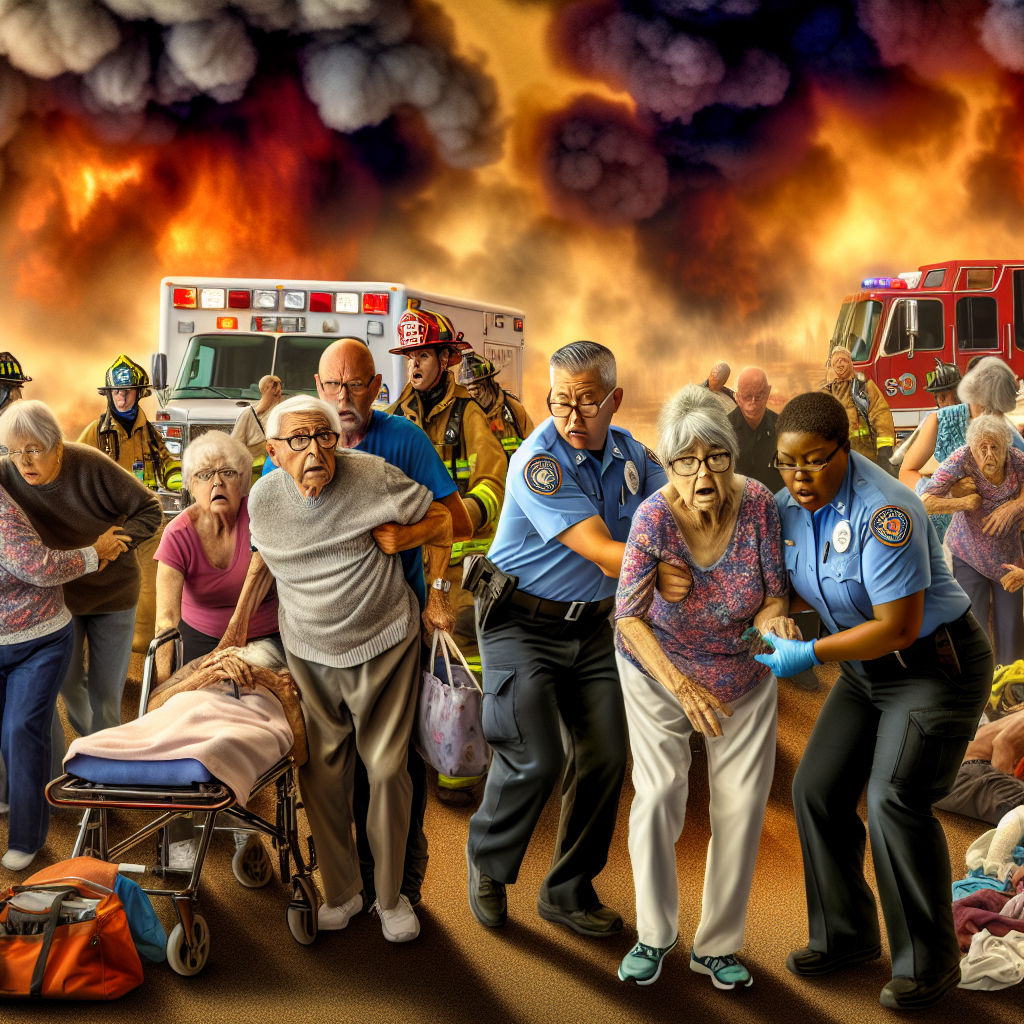
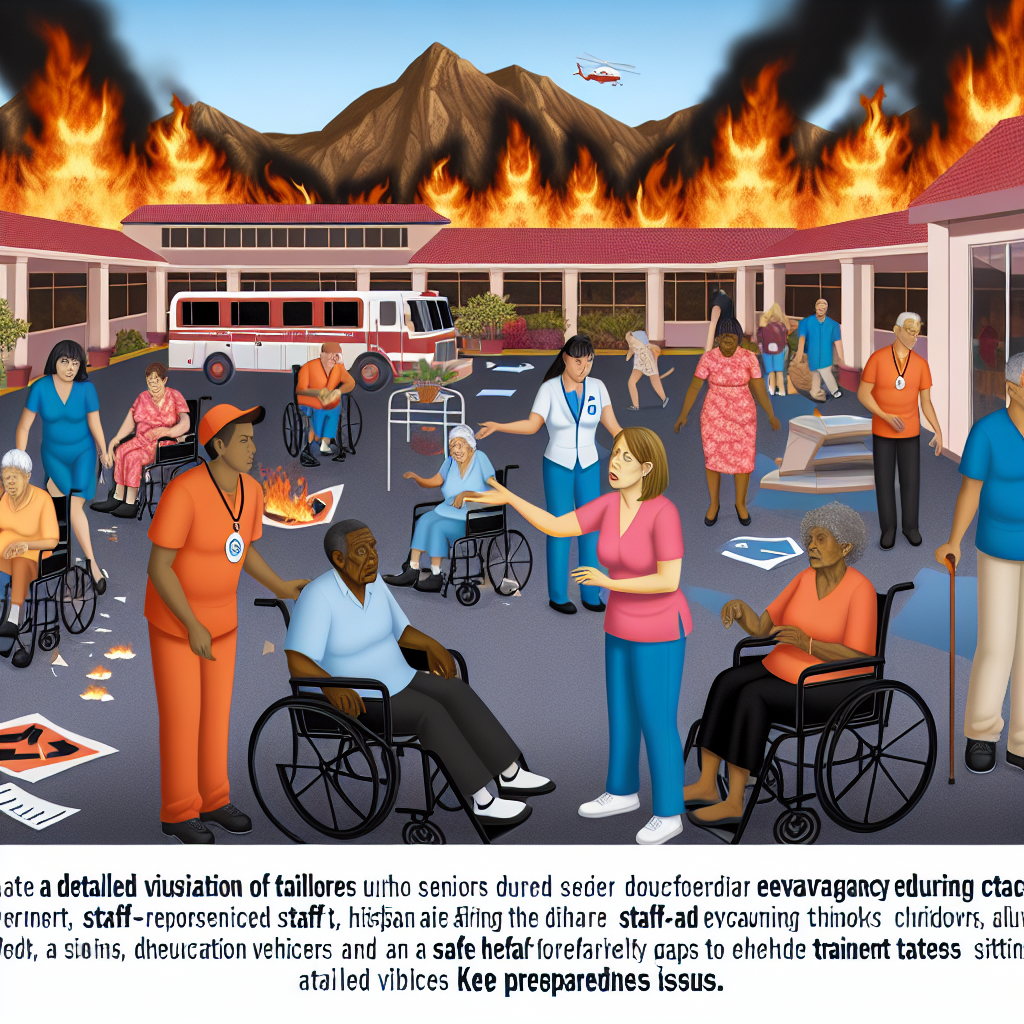
In recent years, the horrors of California wildfire emergencies have become alarmingly vivid, particularly for vulnerable populations such as seniors residing in care facilities. The catastrophic events surrounding the wildfires have underscored a glaring need for robust emergency preparedness measures and updated protocols, especially following alarming reports indicating that elderly residents were left behind in evacuation efforts.
The tragic cases of seniors at MonteCedro and The Terraces at Park Marino, where staff failed to execute effective evacuation procedures, serve as a stark reminder that organizational learning from crisis situations is not just a best practice—it is a lifeline.
As we delve into the dynamics of California wildfire emergency response, we must consider how these unfortunate incidents can drive essential improvements in staff training and emergency protocols. By analyzing recent failures and identifying ways to fortify preparedness strategies, the goal is to ensure that senior care facilities can respond effectively and safeguard the lives of their residents in future emergencies.
Investigation Findings
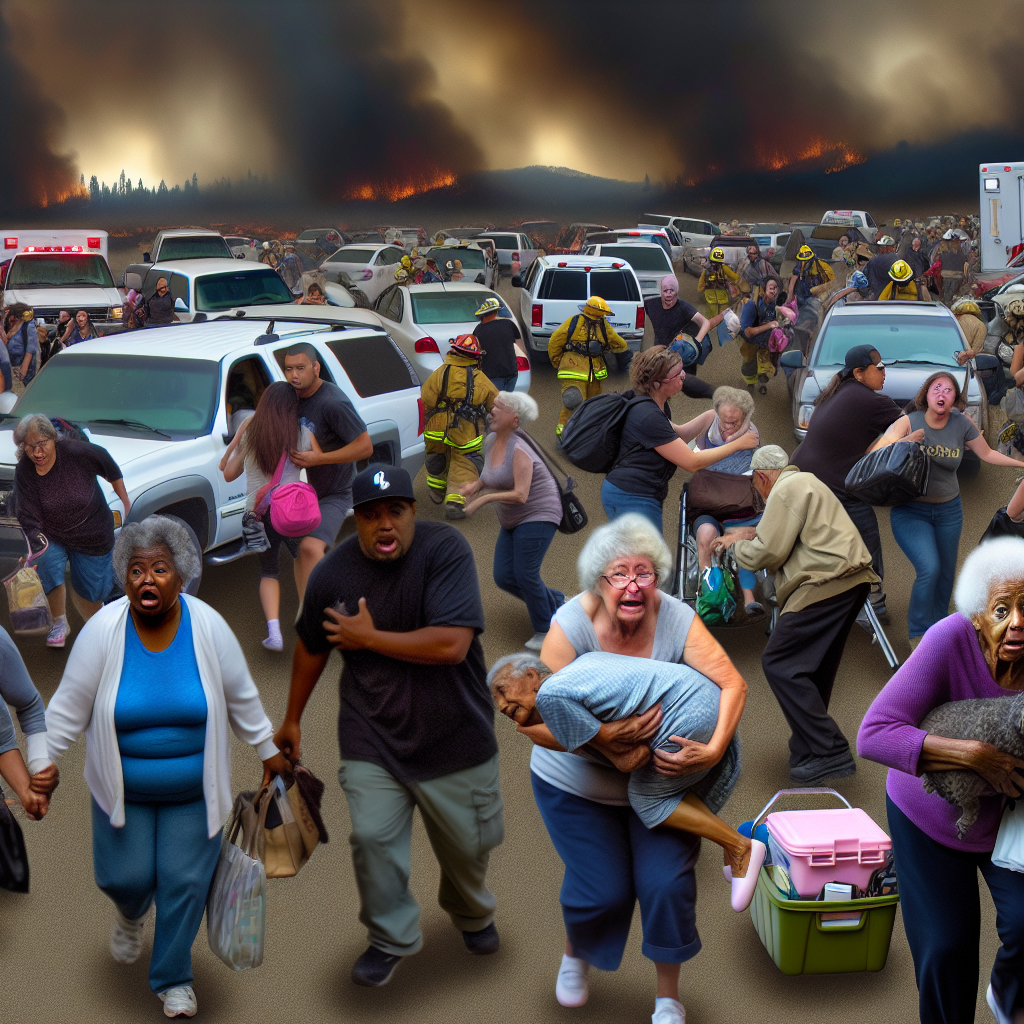
The investigation into emergency planning failures at MonteCedro and The Terraces at Park Marino revealed serious issues that contributed to the tragic outcomes of the Eaton Fire in January 2025. The fire led to the heartbreaking loss of nineteen lives, including two elderly women who were left behind during evacuation. These findings highlight not only the human cost of poor emergency preparation but also problems with staff training and following protocols.
At MonteCedro, a lack of preparedness became clear when two elderly residents, including a 100-year-old woman, were inadvertently abandoned during the evacuation chaos. Around 5 a.m. on January 8, as the flames closed in, staff began moving approximately two hundred residents. However, the executive director left without confirming that all residents were accounted for, violating evacuation procedures. Laura Mosqueda, an important voice after the fire, stated, “To evacuate and not have a complete list and know you’ve gotten everybody out … is not OK.” Unfortunately, one woman was found wandering the dark hallways with a walker as the fire approached the facility.
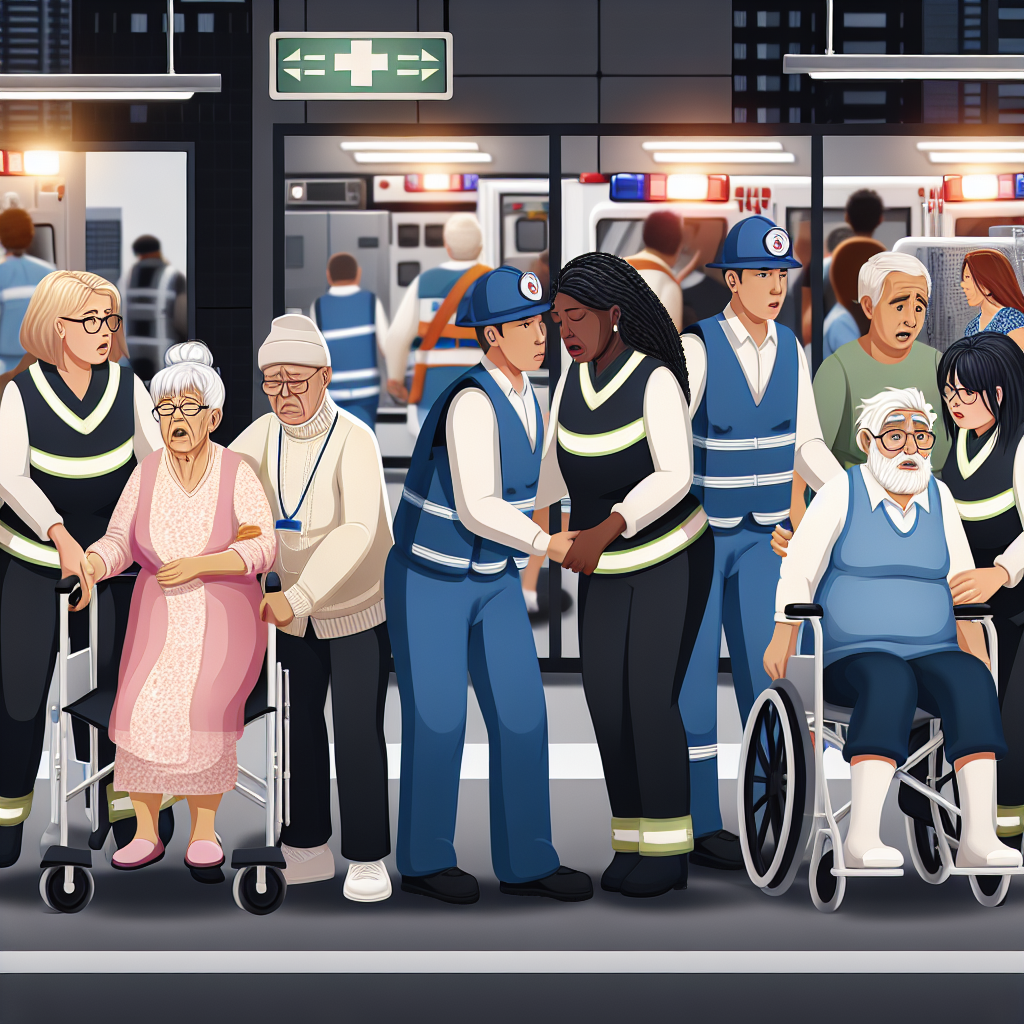
Similarly, The Terraces at Park Marino faced scrutiny when reports revealed that at least one resident was left behind. The California Department of Social Services (DSS) cited this as an immediate risk to resident safety. While the facility claimed it followed its evacuation plan under difficult conditions, the situation suggests a troubling pattern. The facility appealed the DSS’s findings, arguing that its actions were appropriate given the circumstances, but many believe that the evidence tells a different story.
The DSS report highlighted that many staff at MonteCedro did not have sufficient emergency training, especially around evacuation protocols and resident safety measures. Adam Khalifa, a facility representative, claimed, “The record is clear: our team worked in concert with the first responders to perform a mass evacuation under very difficult circumstances.” Nevertheless, the primary challenge lies in ensuring that the staff is well-trained and follows emergency protocols to prevent future tragedies.
The shocking results of the Eaton Fire reveal a critical need to reevaluate and improve emergency preparedness in senior care facilities. Investing in thorough training programs and establishing better emergency protocols is essential to avoid similar incidents that result in loss of life in future emergencies.
Perspectives on Emergency Response Failures
The devastating aftermath of the California wildfires has sparked critical conversations about emergency preparedness, particularly concerning vulnerable senior populations in care facilities. Two poignant quotes from Laura Mosqueda and Adam Khalifa highlight the emotional and ethical stakes involved in these tragic events.
Laura Mosqueda, a vocal advocate for senior safety, stated,
“To evacuate and not have a complete list and know you’ve gotten everybody out … is not OK.”
Her statement encapsulates the profound responsibility caregivers have to ensure the safety of seniors in their charge. This emphasizes the notion that complete accountability during emergencies is non-negotiable. The abandonment of elderly individuals during evacuation not only represents a systemic failure but also evokes a strong emotional reaction from the community. It underscores the urgent need for facilities to have comprehensive plans in place that prioritize thorough checks and accountability to prevent such dire outcomes.
On the flip side, Adam Khalifa’s assertion that
“The record is clear: our team worked in concert with the first responders to perform a mass evacuation under very difficult circumstances.”
reflects an attempt to contextualize the challenges faced during emergencies. While he acknowledges the difficulties of the situation, his perspective also raises questions about the preparedness and training of staff, particularly when they are called to act under pressure. It signifies that despite any collaboration with emergency services, the fundamental issue remains: if staff are inadequately trained or if protocols are lacking, even the best intentions can lead to tragic outcomes.
The varying viewpoints of Mosqueda and Khalifa serve to highlight a larger discussion about the emotional weight of responsibility in emergency scenarios. The fear and anxiety experienced by residents and their families during such crises are palpable. The reality of elderly individuals being left behind not only sparks outrage but also implores a collective reevaluation of existing evacuation strategies. These statements reflect not just individual experiences but the systemic issues within senior care facilities that need urgent addressing at every level.
In conclusion, it is imperative that senior care facilities take heed of these insights. To honor the memories of those lost and to prevent future tragedies, leadership must prioritize robust emergency preparedness training, thorough evacuation protocol adherence, and ongoing drills. Only through learning from these painful experiences can we hope to protect those who rely on us the most during such catastrophic events.
| Facility Name | Staff Training | Emergency Procedure Citations | Residents Left Behind |
|---|---|---|---|
| MonteCedro | Most staff lacked adequate emergency training; the executive director left without ensuring accountability. | Cited for failing to follow evacuation procedures; insufficient emergency recall protocols. | Two residents, including a 100-year-old woman, were left behind during the evacuation. |
| The Terraces at Park Marino | Staff claimed to have complied with legal obligations; however, some staff failed to ensure all residents were evacuated. | Cited for leaving at least one resident behind; emergency procedure adherence questioned. | At least one resident left in room; had to be rescued by Fire Department. |
Impact on Senior Residents
The impact on senior residents left behind during California wildfires is profound and multifaceted. The immediate consequences were tragic, with reports confirming that two elderly women became victims of evacuation failures, highlighting their vulnerability amidst chaos. For many seniors, the experience of abandonment during emergencies can lead to lasting psychological trauma, contributing to anxiety and fears associated with future disasters. The evacuation failures at facilities such as MonteCedro and The Terraces at Park Marino underscore pressing issues in emergency planning protocols, revealing systemic deficiencies in staff training and preparedness that can have disastrous implications for the safety of residents.
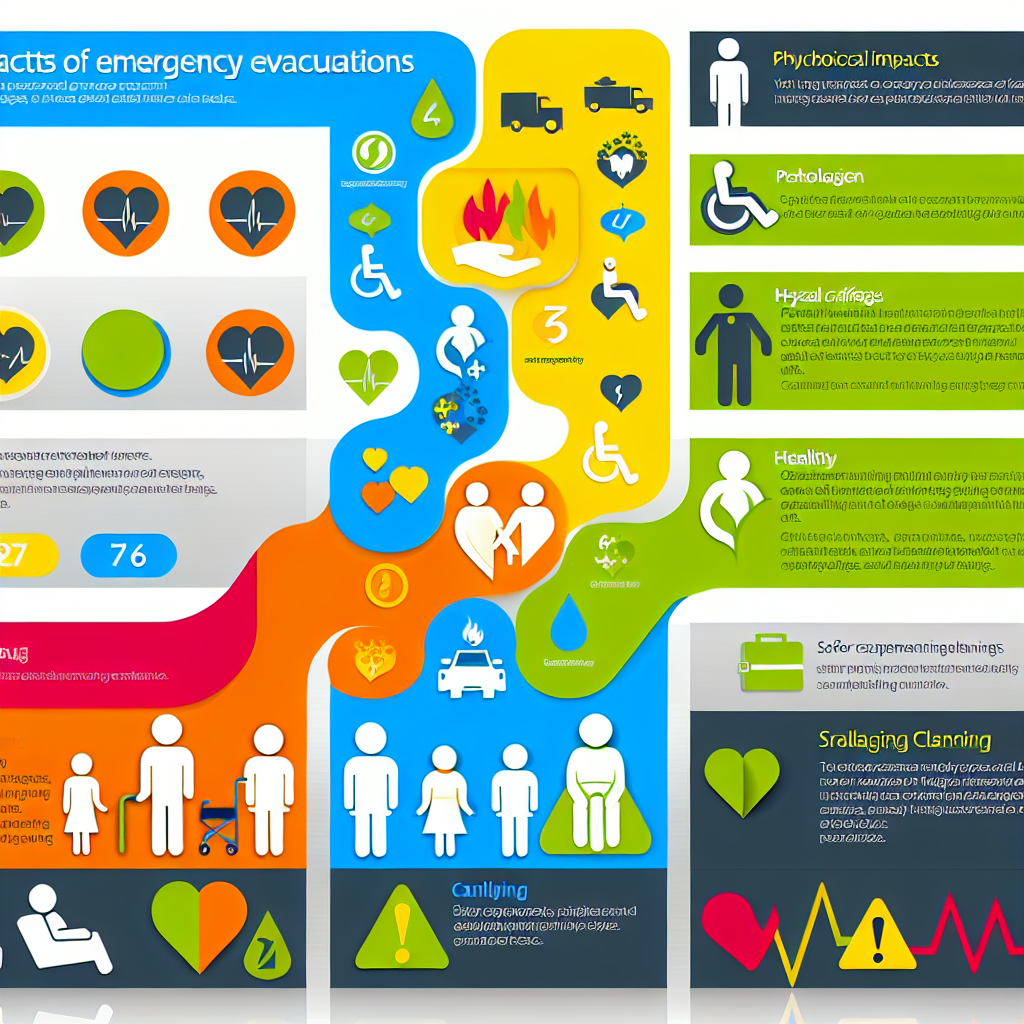
Emergency evacuations during wildfires pose significant psychological and physical challenges for seniors. Understanding these impacts, along with implementing effective strategies, is crucial for enhancing safety and well-being in senior care facilities.
Psychological and Physical Impacts on Seniors During Emergency Evacuations
Older adults are disproportionately affected by disasters, experiencing higher mortality and morbidity rates compared to the general population. For instance, during Hurricane Katrina, individuals aged 60 and above constituted approximately 15% of the affected population but accounted for 75% of the deaths. This heightened vulnerability is often due to chronic health conditions, mobility limitations, and the disruption of essential medical services during emergencies.
Psychologically, seniors may exhibit increased anxiety, depression, and confusion during and after evacuations. The loss of familiar environments and routines can exacerbate cognitive impairments, leading to prolonged behavioral issues. Studies have shown that the absence of structured post-evacuation counseling is associated with prolonged behavioral issues in 30% of residents.
Strategies for Improvement in Senior Care Facility Emergencies
- Personalized Evacuation Plans: Developing individualized evacuation plans that consider each resident’s cognitive and physical needs can reduce distress and facilitate smoother transitions during emergencies.
- Regular Training and Drills: Conducting frequent emergency drills ensures that both staff and residents are familiar with evacuation procedures, reducing panic and confusion during actual events. These exercises build confidence and readiness among all participants.
- Effective Communication Systems: Implementing robust communication protocols, including multiple channels like intercoms, two-way radios, and emergency alert systems, ensures timely dissemination of information during crises. Establishing clear communication plans with residents’ families and local emergency services is also vital.
- Collaboration with Local Authorities: Partnering with local emergency services facilitates coordinated responses and ensures that evacuation plans are comprehensive and effective. This collaboration can include joint training sessions and shared resources.
Best Practices for Enhancing Senior Safety During Crises
- Health and Safety Prioritization: Regular health assessments and the implementation of safety measures within living environments, such as removing tripping hazards and ensuring proper lighting, can significantly reduce risks during emergencies.
- Leveraging Technology: Utilizing digital tools for emergency alerts and communication, such as messaging apps and automated notifications, ensures timely updates for residents and their families. Advanced security and monitoring systems can also enhance safety and preparedness.
- Community Engagement: Encouraging seniors to participate in social groups and community disaster preparedness workshops can increase their confidence and self-efficacy in handling emergencies. Such involvement fosters a sense of community and mutual support.
By addressing the unique needs of seniors through personalized planning, regular training, effective communication, and community collaboration, senior care facilities can significantly enhance the safety and well-being of their residents during emergencies. Ultimately, investing in comprehensive training programs and establishing thorough emergency protocols will be essential to prevent similar incidents that lead to the loss of life in future emergencies.
Conclusion
The tragic outcomes of the California wildfires serve as a profound lesson in emergency response failures, particularly regarding the safety and well-being of senior residents in care facilities. The harrowing experiences of vulnerable individuals left behind during evacuation efforts have illuminated critical gaps in emergency preparedness protocols. As we reflect on these events, it is clear that there are essential changes that must be implemented to prevent similar tragedies in the future.
First and foremost, it is imperative that emergency protocols be updated and rigorously applied to ensure the comprehensive safety of all residents. This includes instituting thorough training programs for staff members to guarantee that they understand the specific needs of senior residents during emergencies. A focus on both physical preparedness and emotional support can significantly enhance the evacuation process and improve outcomes for those most at risk.
Moreover, there is a pressing necessity for heightened awareness surrounding the unique challenges faced by seniors in crisis situations. Facilities must cultivate a culture of compassion and accountability, where the safety of every resident is a top priority, especially in high-stakes scenarios. Regular drills and updated evacuation plans involving all staff members can foster a sense of urgency and commitment to ensuring that no senior is left behind.
In closing, the lessons learned from the California wildfire responses are not merely a reflection of past failures but a call to action. By embracing these insights and implementing constructive changes, senior care facilities can significantly enhance their preparedness, ultimately safeguarding the lives entrusting them during calamities. Let these painful experiences motivate us to enact necessary reforms that ensure no elder is forgotten in moments of peril, fostering a secure environment for our most vulnerable populations.
Summary of User Feedback on Emergency Preparedness in Senior Care Facilities
Recent feedback from users, including residents and families of seniors in care facilities, has highlighted pressing concerns regarding emergency preparedness. In context of the California wildfires, these sentiments echo failures seen in specific incidents like the Eaton Fire.
Common Concerns:
- Evacuation Challenges: Instances of chaotic evacuations, with reports like that of a 97-year-old woman being left behind during a facility evacuation, emphasizing the critical need for better evacuation procedures.
- Communication Breakdowns: Poor communication between senior living facilities, families, and emergency services has led to confusion and raised anxiety levels amongst families during emergencies.
- Staffing Shortages: Many facilities face acute staffing shortages which are exacerbated during emergencies, hindering effective execution of emergency plans.
Suggestions for Improvement:
- Enhanced Training and Drills: Regular training, including the involvement of local first responders in drills, could ensure staff consistency and preparedness.
- Improved Communication Systems: Investing in technologies for real-time communication and coordination during emergencies may alleviate chaos.
- Community Collaboration: Building relations with local emergency services to improve readiness and response time.
- Personal Preparedness: Increasing awareness among residents about creating personal emergency plans, supported by resources like guides from the California Department of Aging, has also been recommended.
Statistics on Emergency Response Failures During California Wildfires
Emergency response failures during California wildfires have consistently jeopardized the safety of vulnerable populations, including seniors in care facilities. Recent reports and statistics illustrate these urgent concerns:
- 2025 Los Angeles County Wildfires: An independent report revealed that outdated emergency protocols and limited resources severely hampered responses to the Eaton and Palisades wildfires. Key issues included delays in evacuation alerts and ineffective communication processes, putting vulnerable populations at risk.
- Evacuation Efforts: In January 2025, significant evacuations occurred where over 35 senior care facilities were affected, leading to displaced residents. Such incidents underline the challenges in executing effective evacuation plans during emergencies, as highlighted by the destruction of facilities like Pasadena Park Healthcare & Wellness Center and The Terraces at Park Marino.
- 2017 Northern California Wildfires: Staff at Villa Capri and Varenna left residents unattended during evacuations. In one instance, three residents were abandoned, demonstrating critical failures in emergency preparedness and the devastating consequences that can ensue.
- Health Risks for Seniors: A concerning study indicated that 21% of individuals experienced health-related harms due to delays in medical care amidst evacuations. Moreover, 53% of seniors using electrically-powered medical devices were not enrolled in prioritization programs for power shutoff alerts, exacerbating health risks during such emergencies.
- Behind Left During Evacuations: Instances of improper evacuation procedures highlight ongoing vulnerabilities. Nearly 1,000 nursing home and residential care facility residents were evacuated in January 2025, yet reports surfaced of individuals being left behind, emphasizing the necessity for more robust emergency preparedness.
These statistics serve as a poignant reminder of the glaring need for improvements in emergency protocols within senior care facilities.
Revised Article with SEO Optimizations for Senior Safety and Evacuation Procedures
In recent years, the horrors of California wildfire emergencies have become alarmingly vivid, particularly for vulnerable populations such as seniors residing in care facilities. The catastrophic events surrounding the wildfires have underscored a glaring need for robust emergency preparedness measures and updated protocols, especially following alarming reports indicating that elderly residents were left behind in evacuation efforts. The tragic cases of seniors at MonteCedro and The Terraces at Park Marino, where staff failed to execute effective evacuation procedures, serve as a stark reminder that organizational learning from crisis situations is not just a best practice—it is a lifeline for senior safety. As we delve into the dynamics of California wildfire emergency response, we must consider how these unfortunate incidents can drive essential improvements in staff training and emergency protocols. By analyzing recent failures and identifying ways to fortify preparedness strategies, the goal is to ensure that senior care facilities can respond effectively and safeguard the lives of their residents in future emergencies.
Investigation Findings
The investigation into emergency planning failures at MonteCedro and The Terraces at Park Marino revealed serious issues that contributed to the tragic outcomes of the Eaton Fire in January 2025. The fire led to the heartbreaking loss of nineteen lives, including two elderly women who were left behind during evacuation procedures. These findings highlight not only the human cost of poor emergency preparation but also problems with staff training and following protocols.
At MonteCedro, a lack of preparedness became clear when two elderly residents, including a 100-year-old woman, were inadvertently abandoned during the evacuation chaos. Around 5 a.m. on January 8, as the flames closed in, staff began moving approximately two hundred residents. However, the executive director left without confirming that all residents were accounted for, violating evacuation procedures and representing a major failure in crisis management. Laura Mosqueda, an important voice after the fire, stated, “To evacuate and not have a complete list and know you’ve gotten everybody out … is not OK.” Unfortunately, one woman was found wandering the dark hallways with a walker as the fire approached the facility.
Similarly, The Terraces at Park Marino faced scrutiny when reports revealed that at least one resident was left behind. The California Department of Social Services (DSS) cited this as an immediate risk to resident safety. While the facility claimed it followed its evacuation plan under difficult conditions, the situation suggests a troubling pattern. The facility appealed the DSS’s findings, arguing that its actions were appropriate given the circumstances, but many believe that the evidence tells a different story.
The DSS report highlighted that many staff at MonteCedro did not have sufficient emergency training, especially around evacuation protocols and resident safety measures. Adam Khalifa, a facility representative, claimed, “The record is clear: our team worked in concert with the first responders to perform a mass evacuation under very difficult circumstances.” Nevertheless, the primary challenge lies in ensuring that the staff is well-trained and follows emergency protocols to prevent future tragedies.
Perspectives on Emergency Response Failures
The devastating aftermath of the California wildfires has sparked critical conversations about emergency preparedness, particularly concerning vulnerable senior populations in care facilities. Two poignant quotes from Laura Mosqueda and Adam Khalifa highlight the emotional and ethical stakes involved in these tragic events.
Laura Mosqueda, a vocal advocate for senior safety in emergency protocols, stated, “To evacuate and not have a complete list and know you’ve gotten everybody out … is not OK.” Her statement encapsulates the profound responsibility caregivers have to ensure the safety of seniors in their charge. This emphasizes the notion that complete accountability during emergencies is non-negotiable. The abandonment of elderly individuals during evacuation procedures not only represents a systemic failure but also evokes a strong emotional reaction from the community. It underscores the urgent need for facilities to have comprehensive plans in place that prioritize thorough checks and accountability to prevent such dire outcomes.
On the flip side, Adam Khalifa’s assertion that “The record is clear: our team worked in concert with the first responders to perform a mass evacuation under very difficult circumstances” reflects an attempt to contextualize the challenges faced during emergencies. While he acknowledges the difficulties of the situation, his perspective also raises questions about the preparedness and training of staff, particularly when they are called to act under pressure. It signifies that despite any collaboration with emergency services, the fundamental issue remains: if staff are inadequately trained or if protocols are lacking, even the best intentions can lead to tragic outcomes.
Impact on Senior Residents
The impact on senior residents left behind during California wildfires is profound and multifaceted. The immediate consequences were tragic, with reports confirming that two elderly women became victims of evacuation failures, highlighting their vulnerability amidst chaos. For many seniors, the experience of abandonment during emergencies can lead to lasting psychological trauma, contributing to anxiety and fears associated with future disasters. The evacuation failures at facilities such as MonteCedro and The Terraces at Park Marino underscore pressing issues in emergency planning procedures, revealing systemic deficiencies in staff training and preparedness that can have disastrous implications for the safety of residents.
Conclusion
In conclusion, the tragic outcomes of the California wildfires serve as a profound lesson in emergency response failures, particularly regarding the safety and well-being of senior residents in care facilities. The harrowing experiences of vulnerable individuals left behind during evacuation efforts illuminate critical gaps in emergency preparedness protocols. As we reflect on these events, it is clear that there are essential changes that must be implemented to prevent similar tragedies in the future.
First and foremost, it is imperative that evacuation procedures be updated and rigorously applied to ensure the comprehensive safety of all residents involved. This includes instituting thorough training programs for staff members to guarantee that they understand the specific needs of senior residents during emergencies. A focus on both physical preparedness and emotional support can significantly enhance the evacuation process and improve outcomes for those most at risk.
Moreover, there is a pressing necessity for heightened awareness surrounding the unique challenges faced by seniors in crisis situations. Facilities must cultivate a culture of compassion and accountability, where the safety of every resident is a top priority, especially in high-stakes scenarios. Regular drills and updated evacuation plans involving all staff members can foster a sense of urgency and commitment to ensuring that no senior is left behind.
Ultimately, the lessons learned from the California wildfire responses are not merely a reflection of past failures but a call to action for improved crisis management strategies focused on senior safety. By embracing these insights and implementing constructive changes, senior care facilities can significantly enhance their preparedness, ultimately safeguarding the lives of those entrusting them during calamities. Let these painful experiences motivate us to enact necessary reforms that ensure no elder is forgotten in moments of peril, fostering a secure environment for our most vulnerable populations.