

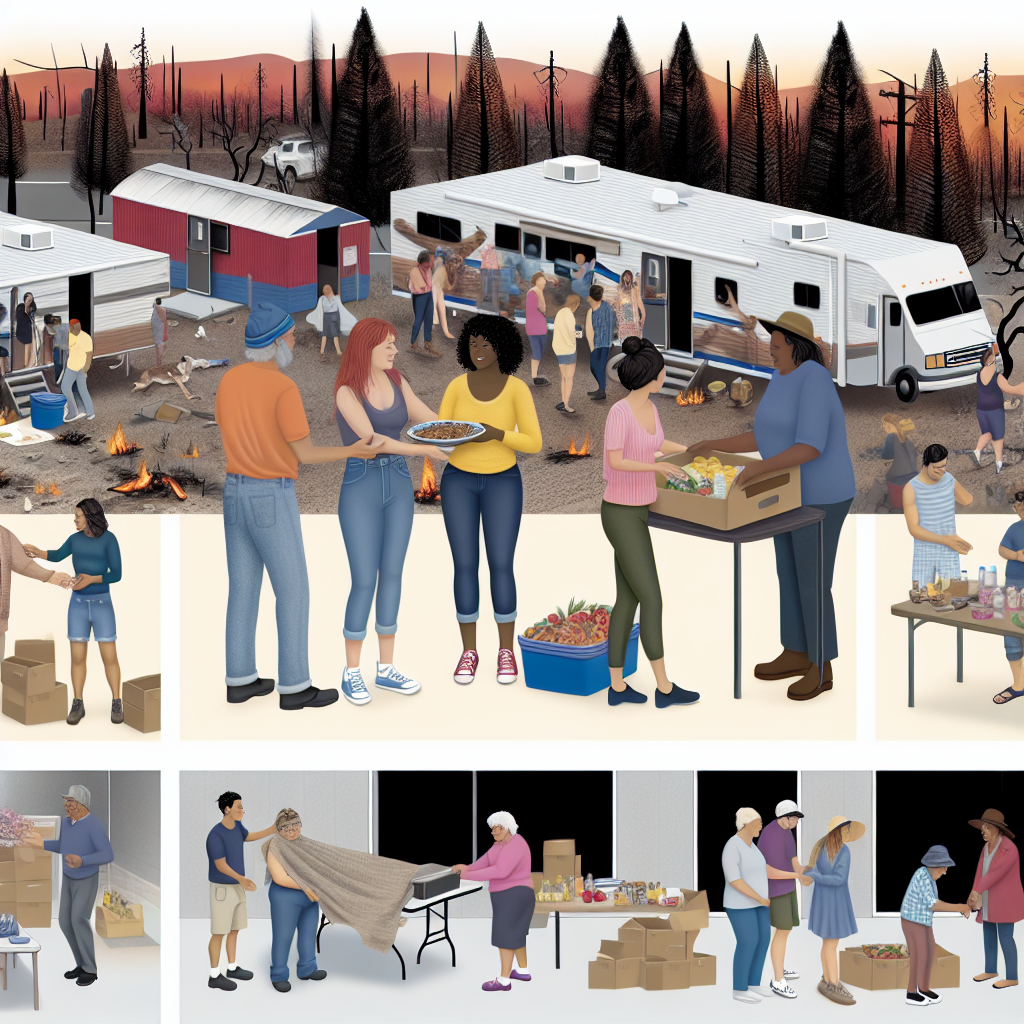
In the aftermath of the California wildfires, the importance of robust community resilience and effective emergency planning has never been clearer. These devastating events brought to light critical vulnerabilities in our communal systems, particularly affecting the most vulnerable populations, such as the elderly. Reports indicate serious lapses in emergency planning and execution that led to tragic outcomes, such as residents being left behind in senior facilities during evacuation efforts.
This highlights not only the immediate consequences of inadequate preparedness but also underscores the necessity for a unified community advocacy approach post-crisis. The failures in the California wildfire emergency planning serve as a stark reminder that without diligent preparation and strong advocacy for at-risk populations, communities can suffer immensely during disasters.
By analyzing these failures, we can glean valuable insights to enhance future emergency planning efforts, ensure a proper resource allocation, and fortify community resilience in the face of adversity. In doing so, we also advocate for the rights and safety of those who are most vulnerable, fostering a stronger, more prepared society overall.
Real-World Implications of Failures in Emergency Planning
The implications of failures in emergency planning are tragically significant, particularly for vulnerable populations such as the elderly residing in senior care facilities. These facilities have a paramount responsibility to protect those entrusted to their care. Lapses in emergency preparedness can lead to devastating outcomes.
Loss of Life and Emotional Trauma
Instances of inadequate emergency planning have resulted in the tragic loss of life and emotional trauma for families and care providers. Notable examples include:
- The Quakers Hill Nursing Home fire in Sydney, which claimed 11 residents’ lives.
- The L’Isle-Verte nursing home fire in Quebec, resulting in 32 fatalities.
These events leave not only a physical void but also deep emotional scars that can persist long after the crisis has ended. Families are left to grapple with grief, while survivors often face psychological struggles, compounded by fears related to their safety in future emergencies.
Systemic Inadequacies in Training and Oversight
The systemic inadequacies in emergency training and oversight in senior care facilities must be critically examined. A significant 2023 report by the U.S. Department of Health and Human Services revealed:
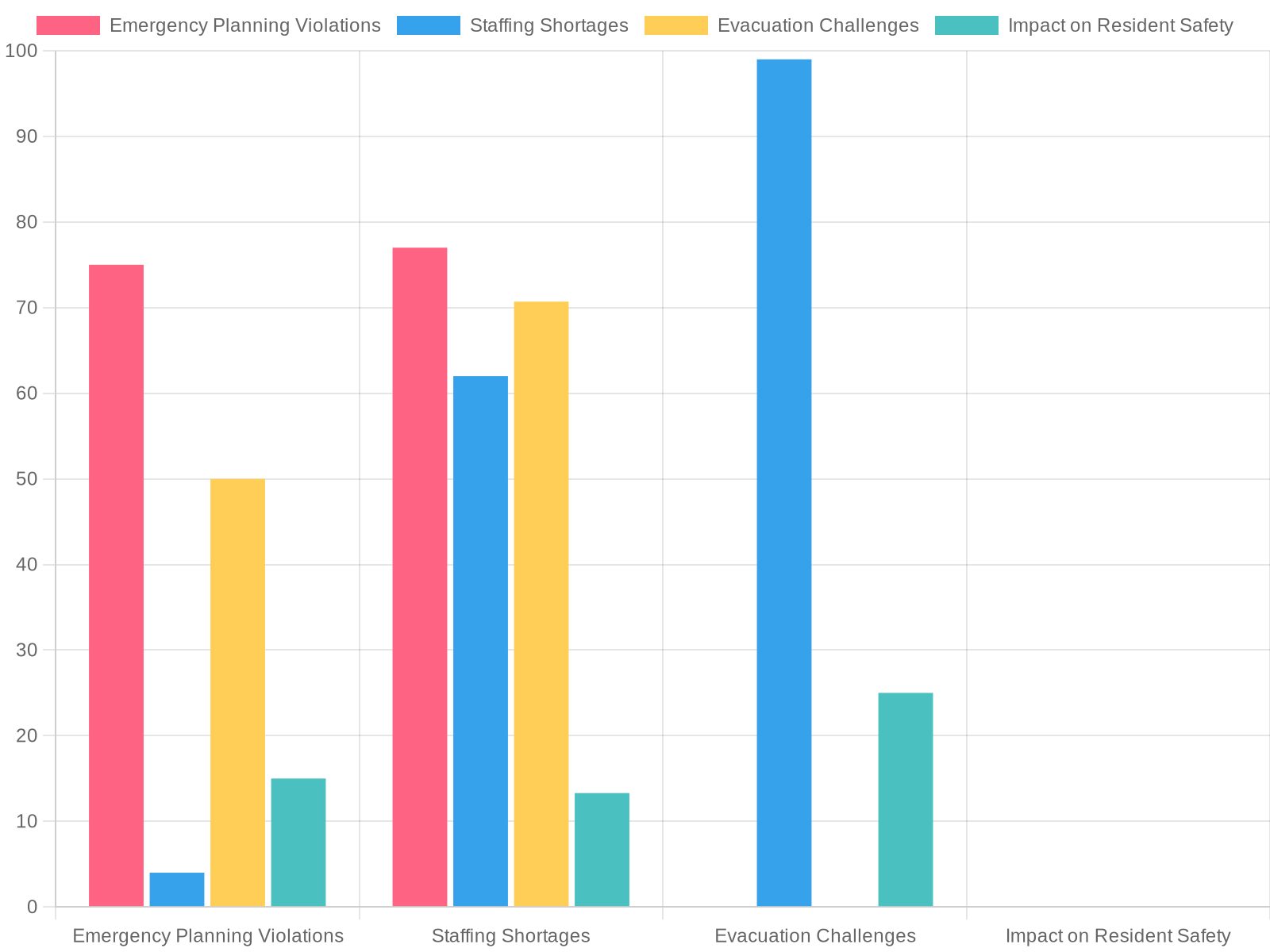
- While most nursing homes adhered to federal preparedness requirements, around 77% faced challenges in providing adequate resident care during emergencies.
- Common issues included staffing shortages and the logistics of transporting residents during evacuations.
Furthermore, investigations revealed alarming lapses in basic emergency preparations, such as the lack of:
- Evacuation plans for residents using wheelchairs.
- Effective communication channels necessary for timely notifications.
These findings highlight the need for comprehensive training programs and active engagement with local emergency services to enhance preparedness.
Broader Social Responsibilities
Senior care facilities bear a broader social responsibility to safeguard vulnerable populations during emergencies. A stark illustration of this was the sudden closure of Northview Village Nursing Home in St. Louis, which displaced over 170 residents without adequate notice. Residents were relocated without their personal belongings or medical records, causing distress for families trying to locate their loved ones.
These incidents accentuate the critical need for facilities to fulfill their social duties by ensuring thorough preparation and clear communication channels during crises.
In conclusion, the ramifications of failures in emergency planning within senior care facilities extend beyond immediate physical danger. These failures can lead to tragic loss of life, intense emotional trauma, highlight systemic training deficiencies, and reveal significant social responsibilities that require addressing to protect vulnerable populations effectively.
It is imperative that we advocate for robust emergency preparedness frameworks to ensure that such failures are not repeated in the future.
| Facility Name | Residents Affected | Recorded Violations | Incident Details |
|---|---|---|---|
| MonteCedro | 2 | Violated California Health and Safety Code | Staff failed to follow emergency procedures; two residents were left behind, including a 100-year-old woman. |
| The Terraces at Park Marino | 1 | Violated California Code of Regulations regarding personal rights | At least one resident was left behind and had to be evacuated by the Fire Department. |
Emergency Planning Failures at MonteCedro and The Terraces at Park Marino
The emergency planning failures at MonteCedro and The Terraces at Park Marino during the Eaton fire expose significant vulnerabilities in senior care facilities, particularly concerning their evacuation procedures. Reports and investigations by the California Department of Social Services reveal alarming lapses at both facilities.
MonteCedro
During the catastrophic Eaton fire on January 7, 2025, MonteCedro’s emergency response was marred by mismanagement. Staff members failed to implement established emergency protocols effectively, leading to the abandonment of two residents, including a frail 100-year-old woman. The facility’s executive director left without adequately informing on-site staff of the evacuation procedures, further amplifying the chaos. Most administrative personnel lacked necessary emergency training, which contributed to the slow response. Consequently, it took hours before staff realized the residents were missing. Later, deputies found them inside, one seen wandering the halls amid the rising flames.
The Terraces at Park Marino
At The Terraces at Park Marino, similar shortcomings marred evacuation efforts. At least one resident was abandoned while staff struggled with unsafe and chaotic evacuation attempts. This facility was also cited for violating safety protocols, which is indicative of the systemic issues affecting emergency readiness in senior care environments. Both facilities contested their citations, hinting at larger issues regarding accountability and training.
These events underline a critical need for rectifying emergency preparedness protocols to protect vulnerable populations better. Continuous evaluation and improvement of these systems are essential to avoid repeat tragedies in the future.
Advocacy for Change: Improving Emergency Planning in Senior Care Facilities
In the wake of recent crises, advocacy efforts aimed at improving emergency planning and frameworks for senior care facilities in California have taken center stage. Understanding the vulnerabilities exposed during these emergencies, many communities have instituted successful strategies that not only enhance safety but also empower residents and their families.
Legislative Action and Compliance
Following Hurricane Ida in New Orleans, legislation was enacted requiring independent living facilities to formulate disaster response plans. Advocates are pushing for this model in California, suggesting that state laws need to enforce compliance with emergency preparedness standards, including the installation of backup generators and requiring adequate staffing during emergencies. This proactive legislative action aims to ensure that all senior care facilities are prepared to face any unforeseen disaster.
Collaborations with Local Authorities
Communication and strategic planning with local emergency services are pivotal. Facilities can enhance their preparedness by forming collaborations with fire departments, police, and healthcare services. Regular joint drills and training sessions not only improve the facilities’ response capabilities but also ensure that staff members are equipped to handle emergency situations effectively. By establishing a unified community response, the safety of the residents can be significantly bolstered.
Community Engagement
Another effective strategy revolves around community engagement. California has rolled out the Emergency Preparedness Guide for Older Adults, accessible in multiple languages. This initiative encourages families to be involved in their loved ones’ emergency preparedness, fostering a supportive network that enhances the effectiveness of the care facilities during actual emergencies. Such initiatives are essential for building trust and ensuring that residents feel safe and supported.
Continuous Improvement through Training
Regular training and emergency drills should be institutionalized within senior care facilities. Studies have shown that consistent practice not only prepares staff but also helps to familiarize residents with emergency protocols. This focus on continuous improvement creates a culture of preparedness where every individual is aware of their role in the event of a crisis.
Leveraging Technology
Lastly, technology plays a critical role in modernizing emergency preparedness strategies. Facilities can utilize advanced communication systems to ensure that staff and residents are informed during an emergency. Implementing monitoring systems can also help by providing real-time data about the status of residents, thereby allowing for a timely and efficient response.
Advocacy for change in emergency planning frameworks for senior care facilities is vital. By learning from post-crisis experiences in other communities, California can enhance its readiness and ensure that vulnerable populations receive the protection they deserve in times of crisis.
Insights from Industry Experts
Expert opinions are essential in understanding the urgent need for reform in emergency planning for senior care facilities. Dr. David Marcozzi, a former director of the federal emergency preparedness program for healthcare, asserted, “If you have not implemented and exercised plans, they are paper tigers.” This statement emphasizes that simply having written plans is insufficient without practical implementation.
Patricia McGinnis, the executive director of California Advocates for Nursing Home Reform, also raised critical concerns, noting, “There is undoubtedly little, if any, enforcement of the laws since we see the same tragedies repeated time and again.” This highlights the chronic issues faced by facilities in adhering to emergency planning regulations.
Families affected by the Eaton fire have voiced their distress. John Ward, whose mother was abandoned at MonteCedro, stated the necessity for an emergency family notification system, pointing to a significant gap in current protocols. Reports of similar experiences from others further stress the pressing requirement for systemic review and improvements within senior care emergency responses.
These expert insights and personal testimonies underline the critical call for reforms to protect vulnerable populations effectively during crises.
The tragic events surrounding the California wildfires have exposed critical gaps in emergency planning, particularly for vulnerable populations residing in senior care facilities. These incidents serve as a wake-up call, highlighting the urgent need for comprehensive reform in how we approach disaster preparedness. Advocacy for change must become a priority, focusing on implementing stringent emergency protocols and fostering robust communication strategies among facilities, families, and local authorities.
Community involvement is key to ensuring that every individual is aware of their roles and responsibilities during crises. By prioritizing emergency training and establishing cooperation with local emergency services, we can build resilient networks capable of safeguarding those who are most vulnerable. The lessons learned from these wildfires emphasize that an effective response requires not only planning but also a proactive stance on community advocacy to ensure that no one is left behind in times of disaster. It is incumbent upon all of us—governments, facilities, and community members—to unite and implement the strategies necessary to protect vulnerable populations and prepare adequately for future emergencies.
Potential Policy Changes for Emergency Preparedness in Senior Care Facilities
The California wildfires underscored the urgent need for reform in emergency planning, specifically within senior care facilities. Here are several potential policy changes that could significantly enhance emergency procedures and oversight in these facilities:
Comprehensive Emergency Plans
To improve emergency readiness, residential care facilities for the elderly should be mandated to develop comprehensive emergency and disaster plans. These plans must detail evacuation procedures, methods for ensuring self-reliance for at least 72 hours post-emergency, and specific transportation needs for residents during evacuations. This is in line with recent amendments to Health and Safety Code Section 1569.695, which pushes facilities to create solid frameworks for crisis situations.
Mandatory Staff Training
Standardized training protocols for all staff members must be established. Facilities should be required to conduct regular training sessions focused on emergency response, evacuation procedures, and effective communication strategies. This proactive approach will prepare staff to act decisively and responsibly during emergencies, ensuring the safety and well-being of residents.
Enhanced Communication Channels
Developing robust communication channels among staff, residents, and emergency services is crucial. Facilities should implement systems that ensure timely notifications during crises, preventing confusion and enabling quick action when emergencies arise. Moreover, residents and their families should be educated about these communication protocols to foster a sense of security.
Collaborations with Local Emergency Services
Direct collaboration with local emergency services, including fire and police departments, should be prioritized. Establishing regular joint drills and training with these agencies will enhance the facilities’ preparedness and integration into community emergency response strategies. This collaboration helps ensure that both staff and emergency responders are familiar with the facility’s layout and specific challenges.
Regular Compliance Audits
Implementing regular audits to ensure compliance with established safety standards and emergency preparedness plans is essential. State oversight needs to be strengthened, providing evaluations of facilities’ adherence to emergency protocols. These audits would not only ensure accountability but also motivate facilities to maintain high safety and preparedness standards.
Legislative Advocacy
Increasing legislative advocacy to protect vulnerable populations in senior care facilities ensures that necessary policies are implemented and enforced. Efforts should focus on not only establishing regulations but also enforcing compliance with them, thereby preventing the repetition of past failures.
California has begun implementing such measures, with the establishment of the Long-Term Care Facility Access Policy Workgroup that aims to create a balanced approach between emergency preparedness and the health needs of residents. By prioritizing these potential changes, California can enhance its emergency preparedness, ensuring that vulnerable senior populations are protected in future crises.
Enhancing Emergency Preparedness and Advocacy for Vulnerable Populations in Senior Care Facilities
The tragic events surrounding the California wildfires have exposed critical gaps in emergency planning, particularly for vulnerable populations residing in senior care facilities. These incidents serve as a wake-up call, highlighting the urgent need for comprehensive reform in how we approach disaster preparedness, especially concerning senior care emergency preparedness. Advocacy for change must become a priority, focusing on implementing stringent emergency protocols and fostering robust communication strategies among facilities, families, and local authorities.
Key Vulnerabilities Highlighted
Reports and investigations reveal alarming gaps in disaster preparedness, indicating that only 29% of older adults surveyed reported having comprehensive emergency plans. Furthermore, those with chronic health issues or disabilities remain at heightened risk, especially during emergencies like wildfires. This emphasizes the necessity for a unified community advocacy approach post-crisis, particularly for understanding and protecting vulnerable populations.
Comprehensive Emergency Plans for Senior Care Facilities
To improve emergency readiness in senior care facilities, comprehensive plans must be developed. These should outline evacuation procedures and ensure that facilities prepare to be self-sufficient for at least 72 hours, including adequate emergency supplies and accessible communication tools. According to recent legislation, these plans must be put into action to create solid frameworks for crisis situations.
Advocacy for Mandatory Staff Training and Collaboration
Advocacy efforts are also crucial for instituting mandatory training for staff in emergency responses, evacuations, and communication. Establishing regular collaboration and joint drills with local emergency services will further enhance preparation and ensure that the needs of vulnerable populations are specifically addressed.
Community Involvement as a Strategy
Community engagement, such as California’s Emergency Preparedness Guide for Older Adults, is essential. The initiative encourages families to be proactive regarding their loved ones’ emergency preparedness, fostering a supportive network that enhances the effectiveness of care facilities.
Final Remarks
It is incumbent upon all of us—governments, facilities, and community members—to unite and implement the strategies necessary to protect vulnerable populations and prepare adequately for future emergencies. The lessons learned from the California wildfires emphasize the importance of advocacy for robust emergency preparedness frameworks to ensure that such failures are not repeated in the future.
Potential Policy Changes for Emergency Preparedness in Senior Care Facilities
The California wildfires underscored the urgent need for reform in emergency planning specifically within senior care facilities. Here are several potential policy changes that could significantly enhance emergency procedures and oversight in these facilities:
- Comprehensive Emergency Plans: Facilities should develop detailed disaster response plans, addressing various disaster scenarios, evacuation protocols, and resident transportation needs.
- Mandatory Staff Training: Standardized training protocols must be established, ensuring regular training sessions for staff on emergency response and effective communication strategies.
- Enhanced Communication Channels: Developing robust systems for timely notifications during emergencies can prevent confusion and enable quick action. Educating residents and families on these protocols is also crucial.
- Collaborations with Local Emergency Services: Regular joint training with local responders can enhance the integration of facilities into community emergency response strategies.
- Regular Compliance Audits: Implementing audits to ensure compliance with emergency preparedness standards will hold facilities accountable and promote higher safety levels.
- Legislative Advocacy: Increasing efforts to establish, implement, and enforce regulations that protect vulnerable populations in senior care facilities is essential for change.
By prioritizing these potential changes, California can enhance its emergency preparedness, ensuring that vulnerable senior populations receive the protection they deserve in times of crisis.
Insights from Industry Experts
Expert opinions are essential in understanding the urgent need for reform in emergency planning for senior care facilities. Dr. David Marcozzi, a former director of the federal emergency preparedness program for healthcare, asserted, “If you have not implemented and exercised plans, they are paper tigers.” This statement emphasizes that simply having written plans is insufficient without practical implementation.
Patricia McGinnis, the executive director of California Advocates for Nursing Home Reform, also raised critical concerns, noting, “There is undoubtedly little, if any, enforcement of the laws since we see the same tragedies repeated time and again.” This highlights the chronic issues faced by facilities in adhering to emergency planning regulations.
Transitional Reflection
The analysis of expert opinions on emergency planning is crucial, but it gains deeper significance when anchored in the real-world implications of these insights. As we transition from insights provided by industry experts to the sobering accounts of emergency planning failures, it is imperative to understand how these inadequacies manifest in the real lives of those affected. Thus, we must now delve into the heart-wrenching tales that highlight these systemic issues, setting the stage for our exploration of accountability and responsibility in senior care facilities.
Families affected by the Eaton fire have voiced their distress. John Ward, whose mother was abandoned at MonteCedro, stated the necessity for an emergency family notification system, pointing to a significant gap in current protocols.
These expert insights and personal testimonies underline the critical call for reforms to protect vulnerable populations effectively during crises.
Emergency Planning Failures at MonteCedro and The Terraces at Park Marino
The emergency planning failures at MonteCedro and The Terraces at Park Marino during the Eaton fire expose significant vulnerabilities in senior care facilities, particularly concerning their evacuation procedures. Reports and investigations by the California Department of Social Services reveal alarming lapses at both facilities.
MonteCedro
During the catastrophic Eaton fire on January 7, 2025, MonteCedro’s emergency response was marred by mismanagement. Staff members failed to implement established emergency protocols effectively, leading to the abandonment of two residents, including a frail 100-year-old woman. The facility’s executive director left without adequately informing on-site staff of the evacuation procedures, further amplifying the chaos. Most administrative personnel lacked necessary emergency training, which contributed to the slow response. Consequently, it took hours before staff realized the residents were missing. Later, deputies found them inside, one seen wandering the halls amid the rising flames.
The Terraces at Park Marino
At The Terraces at Park Marino, similar shortcomings marred evacuation efforts. At least one resident was abandoned while staff struggled with unsafe and chaotic evacuation attempts. This facility was also cited for violating safety protocols, which is indicative of the systemic issues affecting emergency readiness in senior care environments. Both facilities contested their citations, hinting at larger issues regarding accountability and training.
Transitional Reflection
The stark realities uncovered in the analysis of emergency planning failures present a compelling case for immediate action and reform. Having established the gravity of the situation, we must now shift our focus toward advocacy for change. This involves not only acknowledging the heartbreaking accounts of individuals and families affected but also outlining the necessary steps forward. With community voices demanding accountability and improvement, the time for action is now—let’s explore the avenues for meaningful change that can help ensure the safety of all residents in senior care facilities.