
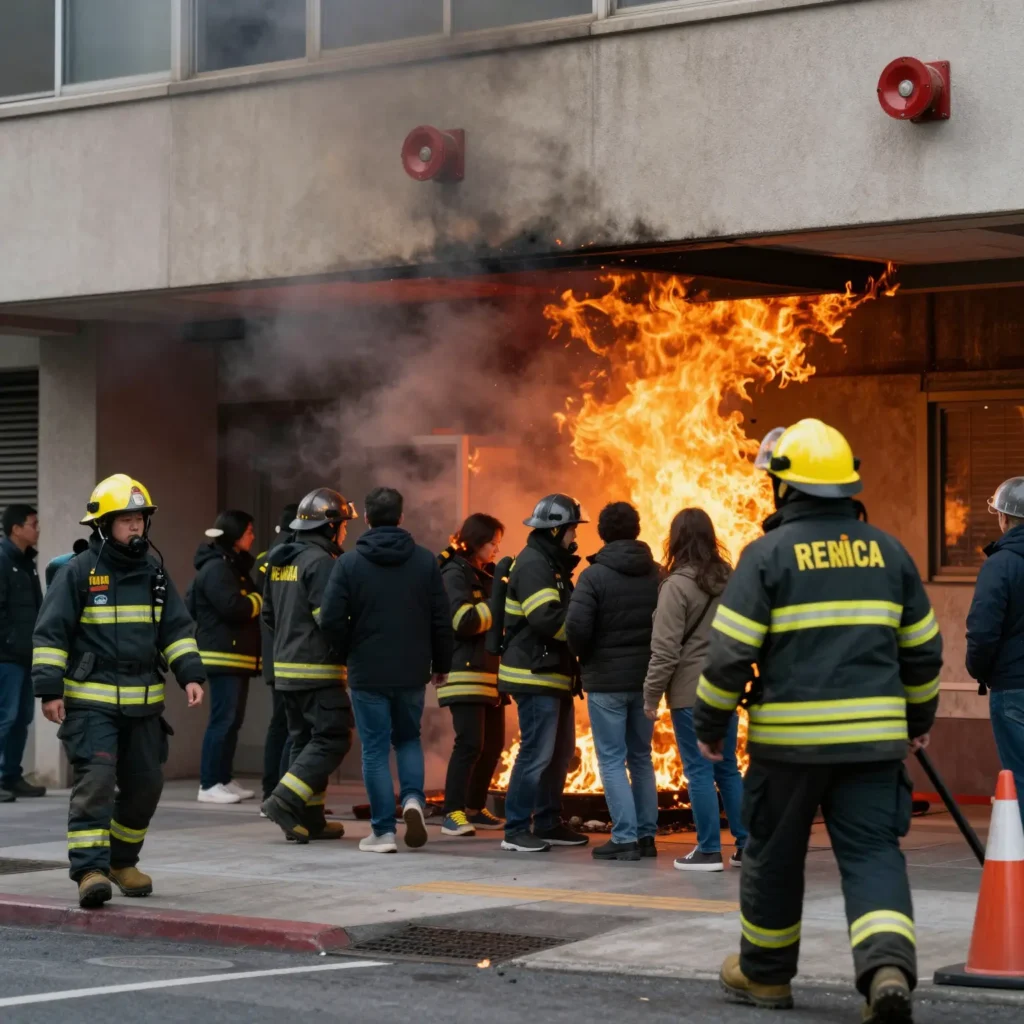
In the face of a fire emergency, the presence of a functional fire alarm system is not merely a precaution but a critical lifeline. Fire alarms serve as the first line of defense, alerting occupants to the terrifying threat before it escalates, thereby enabling a swift exit and potentially saving lives. Research shows that having a working fire alarm reduces the risk of death in a fire by nearly 50%. Yet, a haunting dilemma arises in such scenarios: should one activate the fire alarm before attempting to rescue those in danger? This issue weighs heavily on the minds of first responders and civilians alike, as the instinct to save lives often competes with the urgent need to warn others. This decision is compounded by the complexities of fire dynamics-every second accounts for the imminent spread of flames and toxic gases, intensifying the stakes involved. In navigating this intricate balance between action and alertness, understanding the purpose and function of fire alarms becomes paramount. Together, we must examine the array of challenges presented in emergency situations and the pivotal role that fire alarms play in safeguarding lives. For further insights into emergency management during fire incidents, learn more about planning failures and approaches to enhance community preparedness.
The Role of Fire Alarms in Emergency Situations
Fire alarms are integral to the fire safety protocols within any building, playing a crucial role in the early detection of smoke, heat, or flames. Their primary function is to alert occupants of a potential fire, enabling them to evacuate safely before conditions worsen. In buildings ranging from residential to commercial facilities, fire alarms are not only legal requirements but essential life-saving tools.
Necessity of Fire Alarms in Providing Early Warnings
Fire alarms dramatically enhance safety by providing early warnings that can prevent catastrophic losses. According to the National Fire Protection Association, about 1,450 fire deaths occur annually in homes lacking functional smoke alarms. Notably, approximately two-thirds of all fire-related fatalities take place in homes without these essential devices.
In buildings equipped with fire alarms, the risk of dying in a home fire is reduced by about 50% when alarms are present. This life-saving potential emphasizes the necessity of ensuring that fire alarm systems are maintained and operational at all times. Prompt actions upon alarm activation can mean the difference between life and death for occupants.
Consequences of Not Activating Fire Alarms
Failing to activate fire alarms can have dire consequences. In incidents where alarms are not triggered or fail to operate, the likelihood of severe injuries or fatalities increases significantly. With the absence of an early warning system, occupants might become trapped or disoriented, unable to escape the building before smoke fills the area or the flames spread uncontrollably. Furthermore, fire alarm systems are critical not only for occupant safety but also for facilitating the swift response of fire services, which can mitigate property damage and prevent a fire from spreading to adjacent structures.
Effectiveness of Fire Alarms in Statistical Perspective
To illustrate the effectiveness of fire alarms, consider the following statistics:
| Statistic Description | Value | Source |
|---|---|---|
| Percentage of fire deaths in homes without functioning smoke alarms | Approximately 60% | Fire Training Bucks |
| Death rate in homes without smoke alarms | 5.3 per 100,000 people | World Metrics |
| Death rate in homes with functioning smoke alarms | 2.9 per 100,000 people | World Metrics |
| Estimated reduction in fire deaths with working smoke alarms | 36% reduction | Home Grail |
| Percentage of home fire deaths in homes with fully functioning smoke alarms | 3% | Zipdo |

These findings showcase the critical importance of having functioning fire alarms during emergencies. It is vital for the general public, community residents, and emergency personnel to understand the implications of these devices, advocating for their installation and maintenance to safeguard lives and infrastructure.
“Smoke alarms cut the risk of dying in a home fire in half.”
- National Fire Protection Association (NFPA)
Activating fire alarms is a critical step during emergencies. Fire safety experts, such as those from the NFPA, emphasize the importance of detecting fires early to ensure timely action. They cite that, with working smoke alarms, the risk of dying in a home fire is significantly reduced. In fact, according to some estimates, this reduction can be as high as 60% when alarms are properly installed and maintained. The activation of fire alarms not only alerts those present but also facilitates the necessary responses from emergency services, thus saving lives and minimizing property damage.
Learn more about emergency planning failures
Learn about senior care evacuation failures during wildfires
Pros and Cons of Activating the Fire Alarm Before Attempting Rescue
Pros
- Alerts Emergency Services: Activating the alarm notifies fire departments, ensuring professional rescue teams are dispatched promptly to handle the situation. This can significantly reduce potential harm during an emergency.
- Promotes Evacuation: By activating the fire alarm, you prompt building occupants to evacuate, reducing the chance of additional casualties.
- Improved Coordination: Initiating the alarm streamlines rescue operations, allowing emergency services to coordinate effectively with bystanders for safer rescues.
- Legal Compliance: Many jurisdictions require alarm activation as part of fire safety regulations before any rescue attempts, which can protect individuals against legal repercussions.
Cons
- Delay in Rescue Efforts: In some situations, activating the alarm might cause a delay, preventing immediate action that could save lives, especially if people are still trapped.
- False Alarms: There’s always a possibility that alarms could be triggered unnecessarily, leading to panic and causing confusion among occupants, potentially jeopardizing the rescue effort.
- Diminishes Initiative: Individuals might hesitate to act without the alarm being triggered, resulting in missed opportunities to assist those in immediate danger.
In emergency scenarios, weighing these pros and cons is vital. For further details on effective fire safety practices, you can learn more about fire safety guidelines.
Legal Implications of Activating Fire Alarms
In situations where activating a fire alarm is necessary, understanding the legal obligations and consequences is vital for both emergency responders and residents. Fire codes and regulations exist to ensure safety and effective response in emergencies, and failing to comply can lead to severe ramifications.
Responsibilities of Emergency Responders
Emergency responders, including firefighters and paramedics, have legal obligations dictated by various fire codes, such as the National Fire Protection Association (NFPA) standards. For instance, NFPA 72 addresses the installation and performance requirements for fire alarm systems and stresses the need for regular maintenance and tests to ensure functionality. If a fire alarm is not functioning properly due to negligence, responders may face liability issues if their failure to act leads to tragic outcomes.
Consequences of Activation
Residents also bear responsibilities when deciding to activate a fire alarm. According to local fire codes, knowingly activating a fire alarm without cause could result in penalties. For example, California law stipulates that unauthorized use of a fire alarm system can incur fines and other legal actions. This legal framework serves to discourage frivolous alarms which may interfere with real emergencies.
Balancing Safety and Legal Compliance
The decision to activate a fire alarm should typically prioritize safety and compliance with established regulations. Residents and emergency personnel must work together to ensure efficient alert systems are in place, such as observing protocols outlined by organizations like LegalClarity to notify authorities promptly when specific emergencies arise.
Additionally, organizations need to implement well-defined strategies that guide responders in fire alarm situations. Ultimately, while ensuring personal safety remains paramount, awareness of the legal implications serves to foster responsible actions that benefit the broader community.
Conclusion
In conclusion, understanding the legal implications when activating fire alarms is crucial for both emergency responders and residents. By adhering to fire codes and regulations, they can ensure not only personal safety but also compliance with the law, reducing potential liabilities in emergencies. More details can be found through resources like NFPA.
Should You Activate the Fire Alarm Before Rescuing People?
Understanding the dynamics and outcomes associated with fire alarms during rescue operations can help individuals and professionals make informed decisions in emergencies. Recent experiences and studies illustrate both the necessity and complications surrounding the activation of fire alarms.
User Experiences
-
Rescue Operations Enhanced by Fire Alarms: An incident reported by the Boston Globe highlighted the successful rescue of a mother and her two children from a two-alarm fire in Boston. The visual smoke alarm led to the timely activation of rescue protocols, allowing firefighters to navigate to the affected area before the situation escalated further. This underscores the critical role that functional fire alarm systems play in facilitating rescues, prompting occupants to prepare for evacuation swiftly.
-
False Alarms Strain Resources: Conversely, a significant increase in false fire alarms-up 30% since 2020 as noted by National World-has introduced challenges for emergency services. Firefighters often respond to these alarms only to find no fire, which can strain resources and delay responses to genuine emergencies. Such scenarios indicate that while fire alarms are essential, minimizing false alarms is crucial for effective rescue operations.
-
Fire Alarm Protocols in Hotels: In a safety guide discussed by The New York Times, fire alarms are emphasized as instrumental in guiding hotel guests during emergencies. Understanding and acting on alarm signals can significantly enhance the chances of safe evacuations, illustrating another layer of how preparedness and technology can improve rescue outcomes.
Conclusion
While the decision to activate a fire alarm should consider the situation’s specific context, the evidence clearly supports the activation of alarms in genuine emergencies. Fire alarms not only alert occupants but also provide critical information to rescue teams, enhancing overall safety protocols. Therefore, activating fire alarms before attempting rescues is often a prudent choice.
| Building Type | Before Alarm Activation | After Alarm Activation |
|---|---|---|
| Commercial | – Ensure all occupants are aware of the fire alarm system. |
- Conduct regular fire drills and training sessions. | – Evacuate the building immediately according to the emergency plan.
- Notify firefighters if safe to do so. |
| Residential | – Install smoke detectors/alarms and regularly test them. - Educate family members about evacuation routes. | – Exit the building safely and help others if possible.
- Call emergency services once in a safe location. |
| Educational | – Regularly practice evacuation drills with students. - Make sure all exits are clear and accessible. | – Ensure all students are accounted for in a safe location.
- Report the alarm to fire department if needed post-evacuation. |
In conclusion, the importance of activating fire alarms prior to initiating rescue operations cannot be overstated. Fire alarms serve as a critical first line of defense in enhancing safety by alerting occupants to imminent danger, thereby significantly reducing the risk of fatalities. As highlighted by the National Fire Protection Association, smoke alarms can cut the risk of dying in a home fire by half, motivating timely evacuations and ensuring that potential rescues are executed without unnecessary peril. Furthermore, research indicates that effective fire alarm systems improve response times and outcomes during emergencies, as discussed in the article on emergency response strategies on LinkedIn.
In light of this, community preparedness plays an equally vital role in mitigating fire risks. Engaging residents in fire safety education and preparedness strategies fosters a proactive approach to fire risks, as emphasized by the Wildfire Risk Mitigation Strategies. This underscores the notion that by working together, communities can enhance their resilience against fire hazards. Combining comprehensive fire alarm systems with strong community engagement not only prioritizes individual safety but also cultivates a culture of precaution that can save lives during emergencies. As we move forward, let us prioritize both alarm systems and community preparedness to create safer living environments for all.

Call to Action: Assess Your Fire Safety Protocols
As we navigate our daily lives, the importance of fire safety can often be overlooked. It’s crucial for every member of the community to take personal responsibility for safety measures. Take a moment today to assess your fire safety protocols systematically and ensure that you’re prepared for any emergency situation. This includes checking your fire alarm systems to guarantee they’re functional. Remember, a battery check can make the difference between safety and disaster!
Engage with your family and colleagues, educating them about the proper use of fire alarms and escape routes. Community safety begins at home; together we can foster a culture of preparedness. For more insights on emergency planning, check out our article on California Wildfire Emergency Planning Failures and steps towards effective community safety plans.