
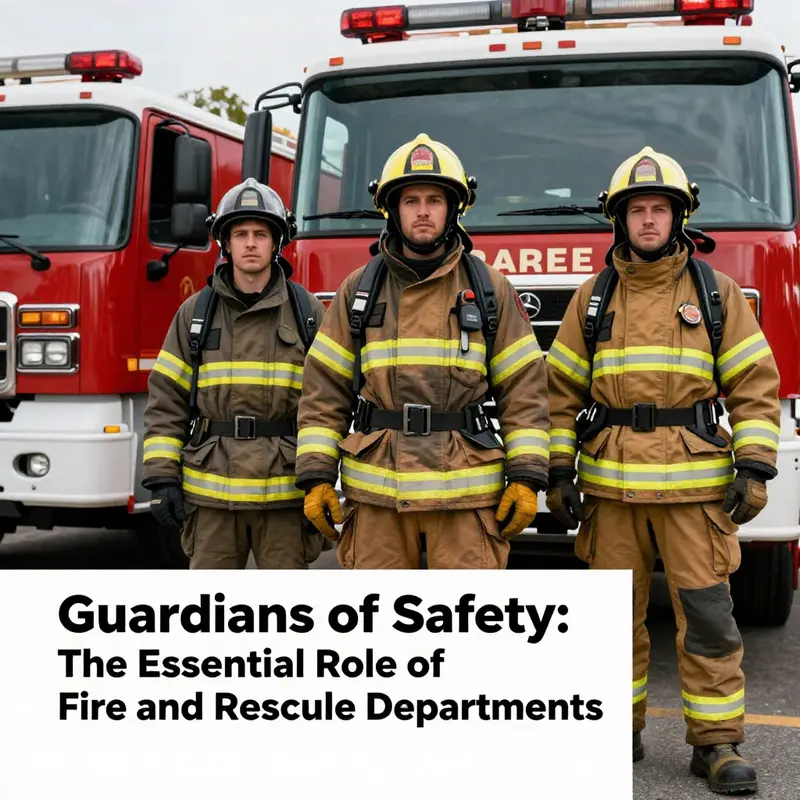
Fire and Rescue Departments serve as vital lifelines, providing emergency response and disaster management to protect lives and property. These specialized agencies are not only responsible for firefighting but also for delivering medical services, executing rescue operations, and addressing hazardous material incidents. This article explores their roles and responsibilities, organizational structure, integration with emergency services, technological advancements, and public education initiatives, illustrating the comprehensive scope of their impact on communities.
Guardians in Action: The Roles and Responsibilities of Modern Fire and Rescue Departments
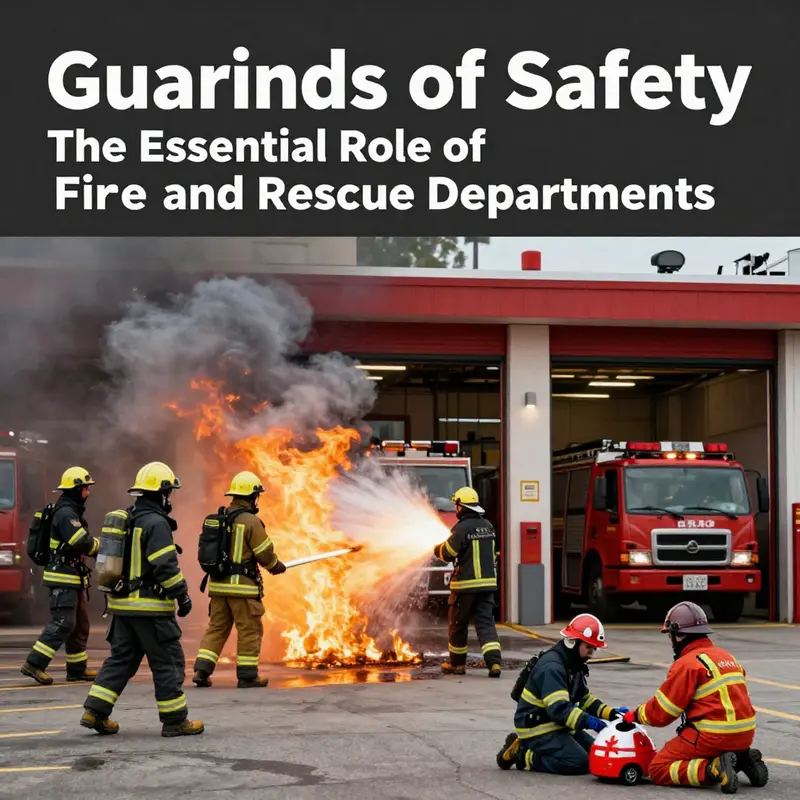
A fire and rescue department is more than a response unit that arrives with sirens and ladders. It operates as a core pillar of a country’s public safety infrastructure, a versatile force built to protect lives, property, and the environment across a spectrum of crises. In the context of a national emergency management system, these departments are not mere firefighting brigades but integrated, professional organizations whose duties weave together prevention, response, regulation, training, and community engagement. The modern department frames public safety as a continuum rather than a sequence of isolated events, linking preparedness with rapid action and learning from every incident to tighten the safety net for society at large. Within this broader frame, a clear map of roles emerges—one that aligns with national mandates, local realities, and evolving threats that demand speed, coordination, and adaptability. The chapters that follow in this article explore how that map is drawn in practice, with particular attention to China’s national system as it has been defined and refined in recent official documents through early 2026. Yet the underlying logic travels beyond borders: the same principles of comprehensive emergency management, disciplined leadership, and integrated service delivery shape fire and rescue work around the world. The result is a workforce that embodies a core public trust—first on scene, then throughout the long arc of recovery and learning that follows every crisis. In pursuing this mission, fire and rescue departments balance dual imperatives: decisive action in the moment and deliberate, preventive governance that reduces the likelihood of emergencies altogether. The work begins long before a siren sounds and continues long after the last flame is gone. It flows from a commitment to prevention as a foundational strategy, to a robust framework for emergency response, and to a culture of continuous improvement that elevates every unit from a local fire station to a national command and control system. A practical picture of this balance helps illuminate the department’s responsibilities in daily life as well as in extreme scenarios, showing how policy, training, technology, and public partnership cohere to form an effective emergency management architecture. In this sense, the fire and rescue department is not simply a service—it is a system forged to anticipate risk, compress response times, and sustain resilience across communities, industries, and landscapes. The scope of its work touches urban cores and rural outposts alike, and it extends into the most specialized domains of disaster response, such as hazardous material incidents, high-angle rescues, and complex structural collapses. The department’s reach in China reflects a national consolidation of leadership and oversight, while still requiring local adaptability. The National Fire Rescue Agency’s mandate specifies that the department performs comprehensive rescue duties, including firefighting, special disaster rescue, and coordination across natural and accident disasters. This confidence in a unified approach rests on a carefully engineered cascade of capabilities: from frontline firefighters and supervisors at local stations to command centers that orchestrate multiagency responses. Command and dispatch are more than logistics; they are the nerve center of an entire emergency ecosystem. When a call comes in, trained personnel assess risk, allocate specialized teams, and, if needed, mobilize partners in flood control, earthquake response, or mine safety. The goal is speed without sacrifice, a balance achieved through drills, standardized procedures, and a command culture that emphasizes safety, accountability, and decisive leadership. The value of this preparation becomes evident in large-scale events, where multiple agencies must operate under a single, coordinated framework to prevent duplication of effort and to ensure that scarce resources—personnel, equipment, and time—are applied where they are most needed. In practice, core emergency response and rescue operations demand a broad spectrum of competencies. Firefighting technologies must be deployed effectively in urban, rural, forest, and grassland settings, each with distinct challenges—from high-rise evacuations to wildfire containment on rugged terrain. Yet firefighting is only part of the picture. Departments must also manage specialized disaster responses, including the unpredictable aftershocks of earthquakes, floods that threaten entrenched communities, landslides that cut off access, and transportation accidents where victims require rapid extrication and medical care. The department’s authority to lead and coordinate rescue actions, as stated in national mandates, rests on a clear organizational framework and regular, realistic exercises that test every link in the response chain. Equally critical is the prevention-first philosophy that guides day-to-day interactions with the public. Fire prevention and safety supervision involve routine inspections, targeted campaigns in high-risk environments, and consistent enforcement of safety standards across government agencies, enterprises, and institutions. Fire investigations and accident analysis further anchor accountability, providing the evidence needed to determine causes, assign liability when appropriate, and close gaps that might otherwise reappear in future incidents. In China, this preventive stance is embedded in the Fire Law, which ties fire safety to broader social and economic planning. Through this lens, the department’s role expands beyond suppression to shaping safer buildings, workplaces, and communities. The leadership and management of firefighting forces represent the third cornerstone of the department’s responsibilities. This includes developing, training, and equipping both national and local components of the firefighting system. The national strategy aims to build a capable, adaptable force that can respond to immediate crises while sustaining a pipeline of skilled professionals through academies, curricula, and hands-on drills. At the local level, detachments such as the Shuicheng District Fire Rescue Detachment illustrate how strategic planning, station readiness, and routine maintenance translate into operational reliability. Regular drills, equipment checks, and succession planning ensure that stations remain responsive in the face of evolving risks. The integration and coordination of firefighting with other emergency services reflect a modern understanding of risk management. Disasters are rarely the product of a single hazard, so joint training and cross-agency rescue mechanisms become essential. Partnerships with flood control, drought relief, mine safety, and other specialized teams enhance the effectiveness of large-scale responses, where synchronized actions help prevent cascading failures across services. The Shuicheng example, with its cross-regional emergency linkage mandate, demonstrates a unified command structure that can scale across jurisdictions and time zones, a model increasingly reflected in national plans for integrated emergency management. Public education and community engagement constitute another vital pillar. Fire safety knowledge must permeate schools, workplaces, and households, transforming citizens from passive bystanders into informed participants in prevention and self-rescue. The Fire Law obliges governments and organizations to weave fire safety into education and public communication. This deliberate community orientation turns every inspection, school visit, or public drill into a learning opportunity that strengthens resilience. Policy development and implementation complete the cycle, as departments contribute to local fire regulations, strategic plans, and annual work programs that align with broader regional ambitions. The long view matters: modern fire and rescue departments develop and maintain strategic priorities that harmonize safety with social and economic goals, ensuring that investments in prevention, training, and equipment yield enduring benefits for citizens and businesses alike. The integration of technology into leadership and operations marks an increasingly influential strand of contemporary practice. Decision-makers now rely on data analytics, real-time monitoring, and simulation-based training to sharpen judgments under pressure. Technology’s role in fire department leadership is not just about gadgets; it encompasses the discipline to translate information into safer deployments, more precise risk assessments, and stronger organizational learning. For a concise perspective on this evolution, see discussions around technology’s influence on leadership in the fire service. Technology’s role in fire department leadership. As the field continues to evolve, this integration helps translate a national framework into agile, locally relevant responses, ensuring that a unified system remains responsive to diverse communities and climates. The case of Hangzhou’s Recovery Fire Medical Emergency Joint Response Point—the first of its kind to be located inside a fire station—illustrates how modern departments embrace co-location and cross-functional workflows to shorten response times and deliver seamless care. The initiative, highlighted in recent reporting, shows how a unified front for 119 and 120 can reduce delays and improve outcomes by coordinating ambulance and fire services under a single operational umbrella. This kind of innovation speaks to a broader trend: the fusion of firefighting and medical response within a single, tightly integrated emergency management framework. Practically, it means protocols, training, and on-vehicle equipment must be oriented toward rapid multi-disciplinary actions, not rigid separations between agencies. The implications reach beyond faster rescues; they influence how public expectations are managed, how resources are allocated across regions, and how policymakers shape the law to support integrated operations. Across these layers—response, prevention, leadership, integration, education, policy, and innovation—the fire and rescue department shapes a resilient social contract. Citizens expect quick, capable responses when danger looms; they also expect ongoing commitments to reduce risk before it arrives. In return, departments must sustain rigorous training, robust governance, and transparent accountability. The national system in China, with its explicit mandate to coordinate across natural and accident disasters and its emphasis on prevention and professional development, offers a coherent blueprint for building and maintaining such resilience. Yet the core logic remains universal: fire and rescue work is as much about people as it is about pipes, pumps, and propellants. It rests on leadership that can see the big picture while guiding front-line crews through immediate pressures. It relies on regulation that incentivizes safety without stifling innovation. It requires continuous learning—through investigations, drills, feedback loops, and public engagement—that keeps the system honest, adaptable, and capable of taking on new threats with confidence. As communities confront increasing complexity—from urban density to climate-driven disasters—the fire and rescue department stands as a living mechanism for safeguarding life, safeguarding property, and sustaining the security of everyday routines. External observers may compare systems, but the underlying aim is consistent: to ensure that when the worst happens, the response is swift, coordinated, and humane, preserving not only lives but hope for the future. For readers seeking a deeper understanding of the formal responsibilities and national policy underpinnings, the official framework and mandates provide authoritative context and a concrete reference point to ground this discussion in contemporary practice. External reference: https://www.12350.gov.cn/xxgk/zwgk/202601/t20260113_18987.html
Inside the Chain of Response: The Organizational Architecture of Fire and Rescue Departments
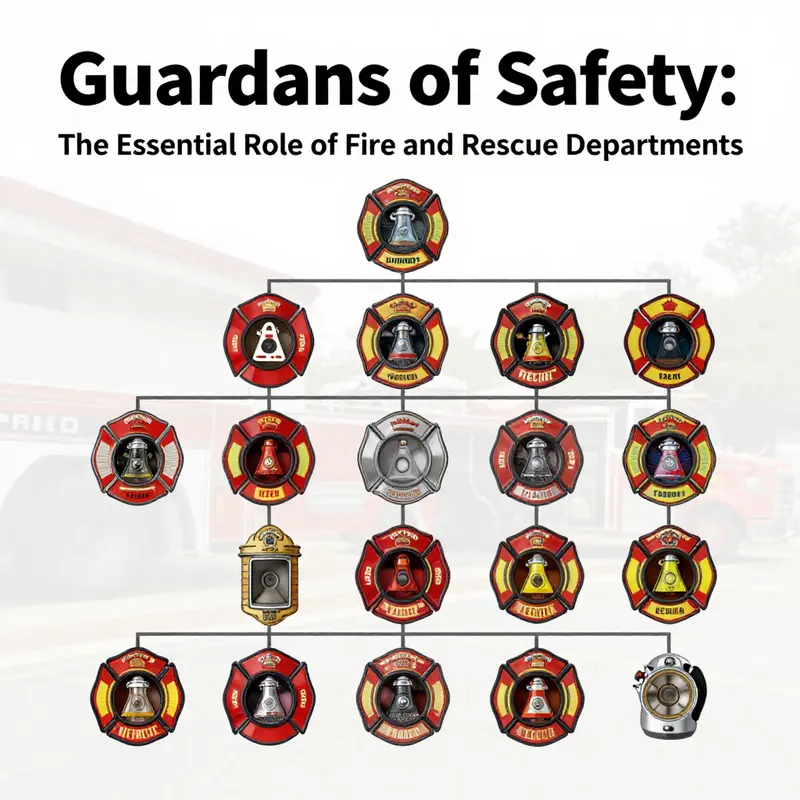
The organizational architecture of a Fire and Rescue Department is more than a map of roles; it is a living system designed to turn risk into coordinated action. In cities and regions that face a spectrum of hazards, the department must function as a single, adaptable organism. It absorbs data from every corner of the urban and rural landscape, translates that data into priorities, and mobilizes the right mix of people and equipment at the right moment. This is not merely about firefighting; it is about an integrated way of thinking where fire, medical care, hazardous materials incidents, and natural disasters are managed within the same framework of leadership, training, and technology. The modern department owes much of its effectiveness to a carefully conceived division of labor that preserves flexibility while preserving clarity of command when weeks or even moments determine outcomes.
At the operational core sits the Command Center, a nerve center that receives alerts, conducts real-time risk assessment, and coordinates the deployment of resources across incidents and shifts. The dispatching process is more than responding to alarms; it is a constant prioritization exercise that balances the urgency of a structural fire with the needs of a person in a medical crisis or the complexities of a potential HazMat release. The Command Center integrates data streams from sensors, dispatch partners, and field units, transforming scattered signals into actionable commands. This capability is essential for multi-agency cooperation where fire, EMS, police, and civil defense must move in synchrony to avoid redundancy and maximize impact. In nations pursuing a more cohesive emergency management approach, the National Operational Center often acts as the overarching monitor, aligning local actions with national strategy and ensuring that decisions at the field level can scale when disasters expand.
Within the firefighting and rescue domain, the department builds its strength around a division that plans, trains for, and conducts the core response to fires of all kinds and the diverse rescue operations that follow. Structural fires demand precise tactics and disciplined execution, while wildland and industrial fires require enduring stamina and specialized approaches. This division also oversees the coordination of both professional crews and local volunteers, recognizing that the most effective responses frequently depend on mobilizing a broader community of responders who bring local knowledge and quick mobilization to the scene. Regular drills, scenario-based exercises, and after-action reviews keep this division sharp, enabling teams to shift tactics as conditions on the ground evolve. The aim is not to create a rigid hierarchy but to sustain a shared understanding of how to adapt quickly while maintaining safety, accountability, and efficiency in the heat of the moment.
A specialized disaster response division sits a step beyond routine firefighting. Its remit includes responses to earthquakes, floods, typhoons, landslides, and other natural or complex disasters. This unit coordinates with nuclear, biological, and chemical incident teams when those scenarios arise, ensuring there is a clear chain of collaboration with other professional responders and with community-based groups that can augment formal capabilities. The work here is about bridging gaps between immediate rescue needs and long-term recovery planning. It means preplanning with community stakeholders, establishing joint training protocols, and creating flexible response frameworks that can be scaled or contracted as the incident landscape shifts. In many high-risk regions, this division also plays a central role in public communication and risk mitigation, sharing timely information with residents to support protective actions and reduce harm.
Technology and communications form another pillar of the architecture: the Emergency Communications and Technology Division governs the reliability of crisis-era communications, sustains the integrity of data flows, and guides the department through digital transformation. Modern emergency services depend on resilient networks, from satellite links to mobile command posts, and on data-driven tools that illuminate risk patterns and support proactive prevention. Smart monitoring systems, AI-assisted risk prediction, and real-time data sharing platforms enable commanders to see the big picture while maintaining precision at the operational level. This division is also charged with driving innovation in fire prevention technologies and in product safety standards, ensuring that new devices, materials, and configurations meet stringent safety criteria. The upshot is a more connected, more transparent, and more agile department that can anticipate hazards rather than merely react to them.
The personnel and training administration is the backbone of capability. It governs recruitment, certification, credentialing, and career progression for firefighters and officers. It also ensures that the workforce has access to robust training pipelines, whether through dedicated fire academies or through modern, ongoing professional development programs. A well-structured training regime cultivates not just technical prowess but the judgment and teamwork that define effective emergency response. Regular performance evaluation and transparent career paths help sustain morale and retention, essential factors in maintaining a resilient, experienced force capable of weathering extended crises.
Public safety also depends on the discipline of fire safety supervision and law enforcement. This division enforces fire safety regulations, conducts inspections across urban and rural environments, investigates causes of fires, and analyzes loss data to refine prevention strategies. It is the part of the department that moves beyond the scene of an incident to shape the conditions that reduce risk in the first place. Public awareness campaigns, home and workplace fire prevention programs, and targeted inspections contribute to a culture of safety that reduces the frequency and severity of emergencies. The emphasis here is on proactive protection—identifying hazards before they ignite, and ensuring that built environments support safe egress, proper alarm systems, and well-maintained electrical and storage practices.
The administrative office handles the internal mechanics that keep the department functioning. Logistics, budgeting, information management, and security are all housed here, ensuring that field teams can operate without bureaucratic friction. The administrative streamlines cross-border cooperation and interagency collaboration, recognizing that emergencies do not respect jurisdictional boundaries. Finally, the fire investigation and public affairs division closes the loop between cause, accountability, and community trust. Forensic investigations into major fire incidents help uncover failure points and inform prevention and response improvements. Simultaneously, the public affairs arm manages media relations and the dissemination of transparent reports and statistics—an essential element of accountability that keeps communities informed and confidence intact during and after crises.
Taken together, this functional model reflects a broader shift toward an integrated, multi-hazard emergency management system. The National Operational Center, where it exists, serves as the central nerve for crisis management, coordinating multi-agency responses and aligning local actions with national risk reduction strategies. Early warning and awareness systems units play a crucial role in proactive risk mitigation, linking communities with alerts, preparedness guidance, and protective actions before a situation escalates. A telling example of how these ideas take shape on the ground can be seen in Hangzhou, where the Recovery Fire Medical Emergency Joint Response Point was launched in December 2025—the first in the city to be located inside a fire station. This configuration enables ambulances and fire trucks to respond simultaneously to incidents involving injuries or trapped individuals, slashing response times and reinforcing the logic that speed and coordination are inseparable from effectiveness in modern emergency service delivery. It is one of several indicators that fire and rescue services are moving beyond silos toward a more unified front, in which 119 and 120 operate as a single command and care continuum.
Within this evolving landscape, the chapters that follow will consider how these structural elements translate into everyday practice, how leadership at every level cultivates interoperability, and how communities can engage with and benefit from a department that treats preparedness as an ongoing, shared enterprise. The idea is not to prescribe a one-size-fits-all template but to illuminate the essential features of a resilient architecture: clear authority coupled with local flexibility, routine training that becomes instinct through repetition, and technology that expands the reach of human judgment rather than replaces it. For readers who want to explore the deeper optics of innovation and organizational learning in fire and rescue services, one can turn to explorations of how institutions are reimagining their spaces, workflows, and collaborations—such as the transformations discussed in the Innovation Museum Transforming Fire Services, which captures how museums of practice translate experimentation into improved field outcomes.
External resource: https://www.xinhuanet.com/english/2026-01/29/c_1310545767.htm
Coordinated Shields: Interlocking Fire, Rescue, and Emergency Services for Rapid, Unified Response
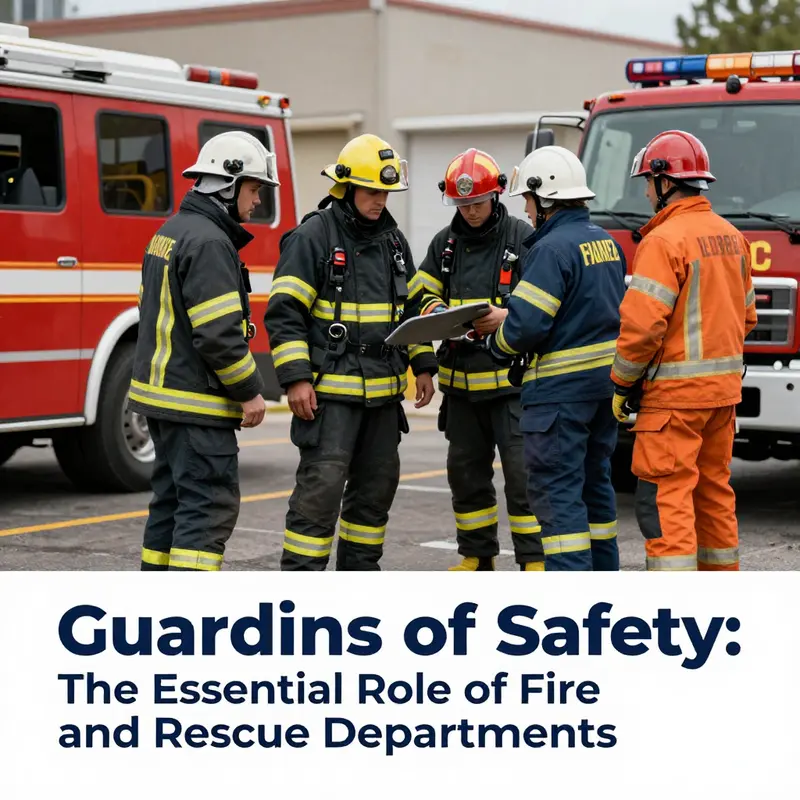
Integrated emergency response is not a single act of firefighting but a coordinated system that links frontline actions with medical care, law enforcement, shelter, and social support. In Hong Kong, the Fire and Rescue Department (FRD) is part of a broader emergency-management framework where District Offices and inter-departmental desks help translate field actions into a continuum of care for victims. When a major incident unfolds, the priority shifts from containment to relief: quick triage, rapid medical attention, safe evacuation, and timely access to shelter and cash assistance.
Key to this integration is a shared operating picture and clearly defined roles: who leads, who supports, and how resources are allocated across districts. This reduces duplication, shortens decision cycles, and builds public trust because the response appears coherent and predictable even under pressure.
Globally, the trend toward joint fire and medical response points to faster outcomes and more humane care. When responders train together, share equipment, and rely on interoperable communication, patients reach care faster and communities feel protected. The FRD’s routine collaboration with EMS, police, welfare agencies, and municipal services demonstrates how governance structures can preserve specialized skills while creating an adaptable, resilient service network.
For readers, the takeaway is that modernization is not about replacing specialists but about weaving them into a common fabric of response that treats emergencies as shared problems with shared solutions.
Technological Frontiers in the Fire and Rescue Department: Redefining Response, Rescue, and Safety
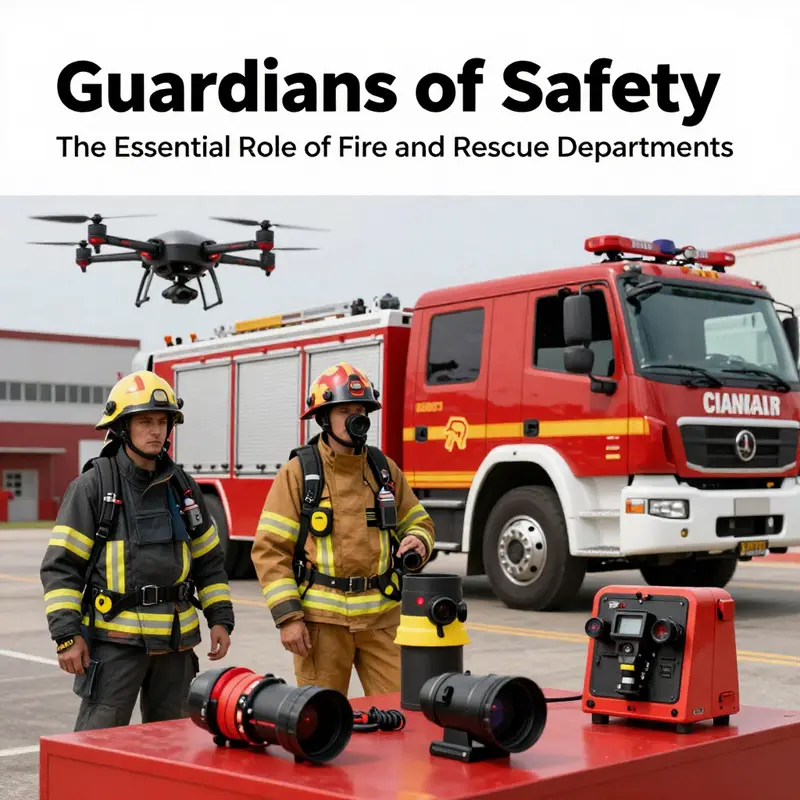
The Fire and Rescue Department stands at a pivotal edge where courage, training, and policy intersect with the rapid evolution of technology. In the years 2025 and 2026, the pace of change has accelerated from incremental upgrades to integrated systems that blend unmanned platforms, digital intelligence, and advanced materials into a cohesive public-safety ecosystem. This shift is not merely about faster engines or shinier gear; it is about rethinking what a response looks like, how teams operate under pressure, and how communities are protected in an era of complex hazards. Fire and rescue missions now unfold within a fabric of data streams, autonomous machines, and adaptive equipment that amplify human judgment while reducing exposure to danger. At its core, technology is extending the reach of responders, enabling them to see further, act more precisely, and coordinate with unprecedented clarity, even when conventional networks falter. The result is a capability that encompasses fire suppression, medical care, technical rescue, HazMat containment, and disaster response, all under one umbrella that emphasizes speed, safety, and resilience for civilians and responders alike. The integration of these advances is reshaping not only what responders do, but how they are trained, how they plan for risk, and how they communicate with the communities they serve. Across the spectrum of incidents—from high-rise fires to flood rescues and chemical releases—the modern department increasingly operates as a dynamic, data-driven entity that can anticipate problems, adapt to evolving scenes, and deliver life-saving interventions at scales previously unimaginable. The trend toward a unified fire and rescue front is clear: the 119 and 120 systems are converging, and the result is a more seamless, more resilient approach to emergencies that could once only be imagined in tactical drills and disaster simulations.
Unmanned rescue equipment and swarm operations have become one of the most striking indicators of this transformation. The newest multi-task teams are built around reconnaissance drones equipped with infrared thermal imaging and gas detectors, capable of navigating tight spaces with precise positioning. These aerial scouts feed real-time temperature maps, gas readings, and structural assessments to the incident commander, enabling safer entry decisions. On the ground, firefighting and breaching robots can withstand extreme heat and employ high-pressure water or foam systems together with heavy-duty robotic arms to breach barriers and create defensive lines. In practice, this means responders can open a path toward trapped victims without exposing themselves to radiant heat or toxic atmospheres. Quadruped robotic systems, designed to endure searing environments, complement these capabilities by carrying lightweight, yet potent tools through rubble or smoke and by delivering targeted suppressants to choke points that would otherwise funnel heat and flames upward. While not a substitute for people, these machines extend human reach and compensate for the limits of physical endurance in dangerous settings. The most ambitious demonstrations involve coordinated swarms: tethered and untethered drones working in concert to create an aerial mesh that supports both reconnaissance and payload delivery. In drills, formations have reached significant distances quickly, with precision that reduces the risk of collateral damage and accelerates critical decisions. Even when networks fail, tethered systems can establish robust communications networks, creating an emergency backbone for data, voice, and location information that keeps teams connected as the scene evolves. This aerial-rescue architecture forms a comprehensive framework for rapid assessment and action, where unmanned systems populate the space between initial notification and the arrival of human teams, making the entire operation safer and more predictable.
The wearables and protective ensembles accompanying these capabilities are evolving as well. Personal gear has grown lighter and smarter, driven by advances in materials science and biomechanics. Titanium alloy exoskeletons, weighing a fraction of earlier generations, now provide auxiliary strength for climbers and rescuers, enabling them to carry heavier loads with less fatigue. Hydraulic joints reduce the physical strain associated with vertical movements and extended operations, sustaining performance for longer periods. In parallel, inflatable rescue devices are being redesigned for river and flood rescues, with sealed chambers and rapid deployment that can carry substantial payloads while maintaining buoyancy and stability in turbulent waters. These systems are paired with AR-enabled helmets that integrate infrared imaging and situational data streams, letting a rescuer visualize hidden victims and transmit vital signs and breathing status back to command centers. Such visibility is a game changer on smoke-filled floors or in collapsing structures, where human eyes can be blinded by heat and darkness. Real-time tracking of personnel, including location and physiological metrics, feeds directly into a command platform, offering an ongoing picture of who is where and how they are faring when every breath could be a life-or-death decision. The result is a more cohesive, safer team that can push forward with confidence rather than intuition alone.
Advances in materials and protective technologies are equally transformative. Fire-resistant suits now withstand higher temperatures and more aggressive environments, while anti-icing gear broadens the window for safe operation in cold and wet conditions. The field is witnessing the emergence of graphene-based coatings and nano-enhanced glass that bolster passive fire protection in buildings, reducing the thermal load on occupants and improving the performance of passive barriers. Simultaneously, micro-powered detectors harvest energy from ambient light and other sources to achieve long lifespans and reduce maintenance demands. These detectors, connected through robust networks, deliver early warnings with far fewer false alarms and greater confidence that a fire’s earliest signs will be detected, even in hard-to-reach locations. Taken together, these passive protections and active sensors form a layered defense that keeps communities safer and responders more informed as fires grow and spread.
On the command side, the evolution continues toward intelligent, predictive capabilities. Suppression methodologies have grown more sophisticated, with foam systems that deliver rapidly over extended distances and complex geometry. Technologies that seal vertical cable shafts can block the so-called chimney effect, impeding fires as they attempt to move upward through shafts and conduits. Environmental considerations are now integral to selection, allowing responders to tailor suppressants to the specific fire profile while minimizing ecological impact. The most transformative shifts occur in the digital command room: Building Information Modeling (BIM) and Geographic Information Systems (GIS) are merged into unified tools that render dynamic, three-dimensional representations of a fire protection ecosystem. Digital twins extend this concept by simulating real-time status across equipment, water supply, and personnel positions, then overlaying this information on the actual scene. In this way, what was once a plan in a briefing becomes an evolving, interactive map that guides decisions in milliseconds. Artificial intelligence adds another layer by analyzing historical incidents, current weather conditions, and live sensor data to forecast fire spread with impressive accuracy. The result is a transition from a purely reactive posture to a more proactive, anticipatory mode of operation that can reduce damage and save lives even before flames fully take hold.
A growing priority across these developments is sustainability and energy resilience. The department is beginning to field hydrogen-powered vehicles, solar-powered drones, and energy storage systems that align with broader decarbonization goals. These options improve reliability in remote or austere environments and contribute to a broader social mission of reducing environmental impact without compromising readiness. The most public demonstration of capability in recent years—a high-reach platform with extraordinary reach and stability—illustrates a future where aerial and ground-based systems operate as coequal partners in large-scale incidents. While this kind of capability is resource-intensive, the aspiration is clear: to enable rapid, controlled, and safe responses to complex hazards that demand both breadth and depth of reach. The overarching message is simple: technology is not a gadget box; it is a disciplined framework that enlarges the safety envelope for communities, making every response faster, smarter, and more humane.
This transformation is already surfacing in practical, day-to-day realities. For instance, a modern response may begin with a drone-based triage that identifies hot zones and trapped victims, followed by ground teams that deploy protective barriers and carefully coordinated bursts of foam to control combustion. Meanwhile, AR-assisted crews may ascend stairwells with real-time casualty locations and breathing-status feeds, guiding extraction routes while a robotic breaching unit clears obstacles ahead of them. In the control room, a digital twin of the scene evolves as new data streams arrive, offering a continuously updated picture of where to allocate scarce resources, when to deploy additional teams, and how to safeguard water supplies in long-duration operations. The convergence of unmanned platforms, smart gear, advanced materials, and intelligent command systems marks a shift from isolated tools toward a holistic, resilient system that can adapt to diverse crises—from urban conflagrations and industrial accidents to flood events and large-scale earthquakes.
For readers seeking a tangible glimpse of how such innovations are presented and discussed within the professional community, a closer look at the broader evolution of fire services can be found in discussions around innovation hubs and museums dedicated to advancing fire safety. These insights underscore how public safety organizations are not static institutions but living ecosystems that continuously reinvent themselves to meet new hazards. A representative example of this ongoing discourse can be accessed through an industry resource that showcases how museums and research centers illuminate the path from traditional firefighting to modern, technology-enabled practice. Innovation Museum Transforming Fire Services offers a narrative about knowledge transfer, prototype testing, and the cultural shift required to embrace autonomous systems and data-driven decision making. This line of inquiry helps connect the technical detail of devices and platforms with the human factors that ultimately determine whether a new capability saves lives in the field. The chapter’s trajectory mirrors this broader trajectory: a move toward integrated, anticipatory, and sustainable emergency response that places human safety at the center of every technical achievement.
As with all such progress, responsible implementation matters as much as capability. The literature and practice emphasize not only what can be deployed but how to train for it, how to protect responders from new risks introduced by automation, and how to ensure accountability within rapid, high-stakes environments. Ethical considerations—privacy in data collection, the potential for overreliance on automation, and the need for rigorous maintenance and testing—remain essential to ensure that these gains translate into real-world safety. The chapter’s forward gaze, therefore, is not merely about more gadgets; it is about building an integrated culture that blends human judgment with machine precision, where continuous learning, robust maintenance, and community trust are the linchpins of progress. In this sense, technology acts as force multiplier, not a substitute for the courage, discipline, and teamwork that define the fire and rescue profession. The future is not a single device or a single technique, but a living system in which every layer—from PPE to software to fieldcraft—reinforces the others, creating a safer world for those who risk their lives to protect it. External reference: https://www.xinhuanet.com/english/2026-01/29/c_1310545767.htm
Educating for Readiness: How Fire and Rescue Departments Build Community Resilience Through Public Education
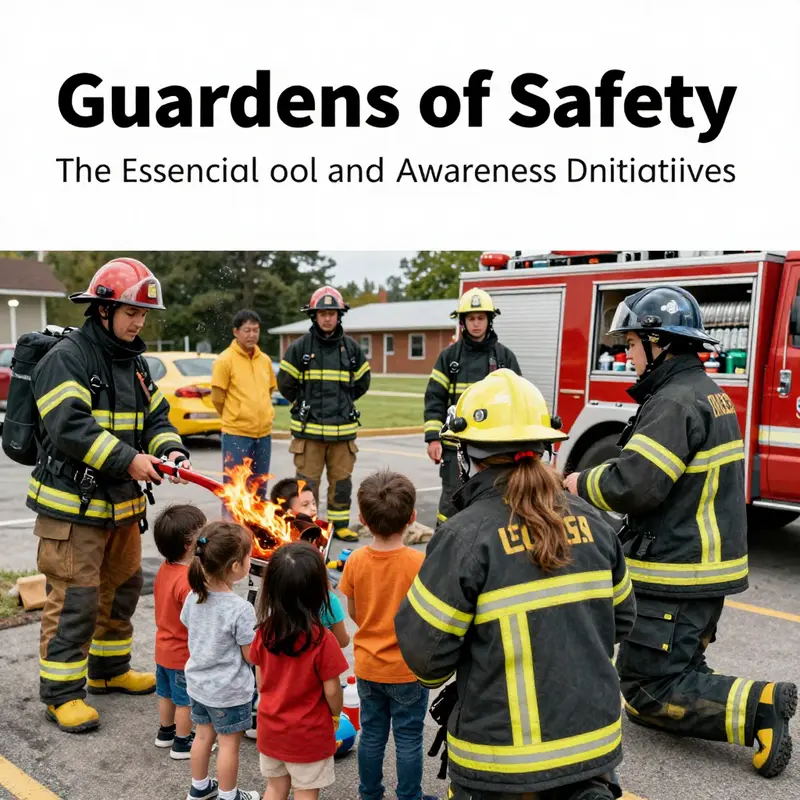
Public safety is built through prevention, preparation, and partnership. This chapter explains how fire and rescue services use public education to foster a culture of readiness, empower communities, and improve outcomes during emergencies. It highlights programs, audiences, channels, and indicators that show how education translates into safer homes, schools, and workplaces.
Final thoughts
The role of Fire and Rescue Departments is indispensable in ensuring community safety and resilience. Their multifaceted responsibilities encompass firefighting, medical emergencies, and public education, all of which are crucial for minimizing risks and enhancing preparedness. As these departments continue to integrate with other emergency services and adopt technological advancements, their capability to respond effectively grows, ultimately safeguarding lives and property. Engaging with local fire and rescue initiatives helps foster a culture of safety and preparedness within communities, empowering individuals to act decisively in emergencies.