

In today’s rapidly evolving world, the haunting specter of press repression looms large, especially in crisis zones where the truth often gets buried under the weight of authoritarianism. The case of Sonia Dahmani embodies this struggle. Currently imprisoned in Manouba Prison, her health is deteriorating under inhumane conditions, battling chronic illnesses like diabetes and hypertension, all while serving a nearly five-year sentence under the controversial cybercrime Decree-Law 54. The chilling reality is that Sonia’s plight showcases a broader narrative, one where journalists face judicial harassment simply for their relentless pursuit of truth. With international advocacy groups like the Committee to Protect Journalists rallying for her release, the call to action is more urgent than ever. We must not stand idly by as the fundamental right to free expression is trampled – for in Sonia’s voice lies the echoes of countless others fighting against oppression.
As we shift our focus to Sonia Dahmani’s background and the circumstances surrounding her arrest, it is essential to understand the critical context of her situation. Sonia Dahmani is a prominent political commentator in Tunisia, known for her critical stance against the government. On May 11, 2024, she was arrested under allegations related to cybercrime, stemming from her writings which violate the controversial Decree-Law 54. Currently serving a sentence of nearly five years, she faces additional charges that could lead to an extra 20-year prison term.
During her detention in Manouba Prison, Dahmani’s health has significantly declined, suffering from diabetes and high blood pressure exacerbated by the harsh prison conditions. Her deteriorating health becomes a pressing humanitarian concern, as access to adequate medical care is severely limited in such facilities. Her imprisonment has far-reaching implications for press freedom in Tunisia, highlighting the pervasive risks for journalists under authoritarian rule. The case of Sonia Dahmani raises alarms about the adherence to international human rights standards, as advocacy organizations are calling on the Tunisian authorities to release her, emphasizing the need to protect free expression. The broader ramifications of her case serve as a stark reminder of the ongoing struggle journalists face in crisis zones, where their voices are often silenced in the name of political control.
“Every day feels like a battle for my dignity and my future.” – Sonia Dahmani
Expressing the profound struggle and severity of her plight from detention, this powerful quote encapsulates the daily reality faced by this courageous journalist as she confronts injustice and fights for her rights under oppressive conditions.
Sonia Dahmani: Background and Arrest
Sonia Dahmani is a prominent political commentator in Tunisia, known for her critical stance against the government. On May 11, 2024, she was arrested under allegations related to cybercrime, stemming from her writings which violate the controversial Decree-Law 54. Currently serving a sentence of nearly five years, she faces additional charges that could lead to an extra 20-year prison term.
Deteriorating Health Conditions
During her detention in Manouba Prison, Dahmani’s health has significantly declined, suffering from diabetes and high blood pressure exacerbated by the harsh prison conditions. Her deteriorating health becomes a pressing humanitarian concern, as access to adequate medical care is severely limited in such facilities.
Implications for Press Freedom
Her imprisonment has far-reaching implications for press freedom in Tunisia, highlighting the pervasive risks for journalists under authoritarian rule. The case of Sonia Dahmani raises alarms about the adherence to international human rights standards, as advocacy organizations are calling on the Tunisian authorities to release her, emphasizing the need to protect free expression. The broader ramifications of her case serve as a stark reminder of the ongoing struggle journalists face in crisis zones, where their voices are often silenced in the name of political control.
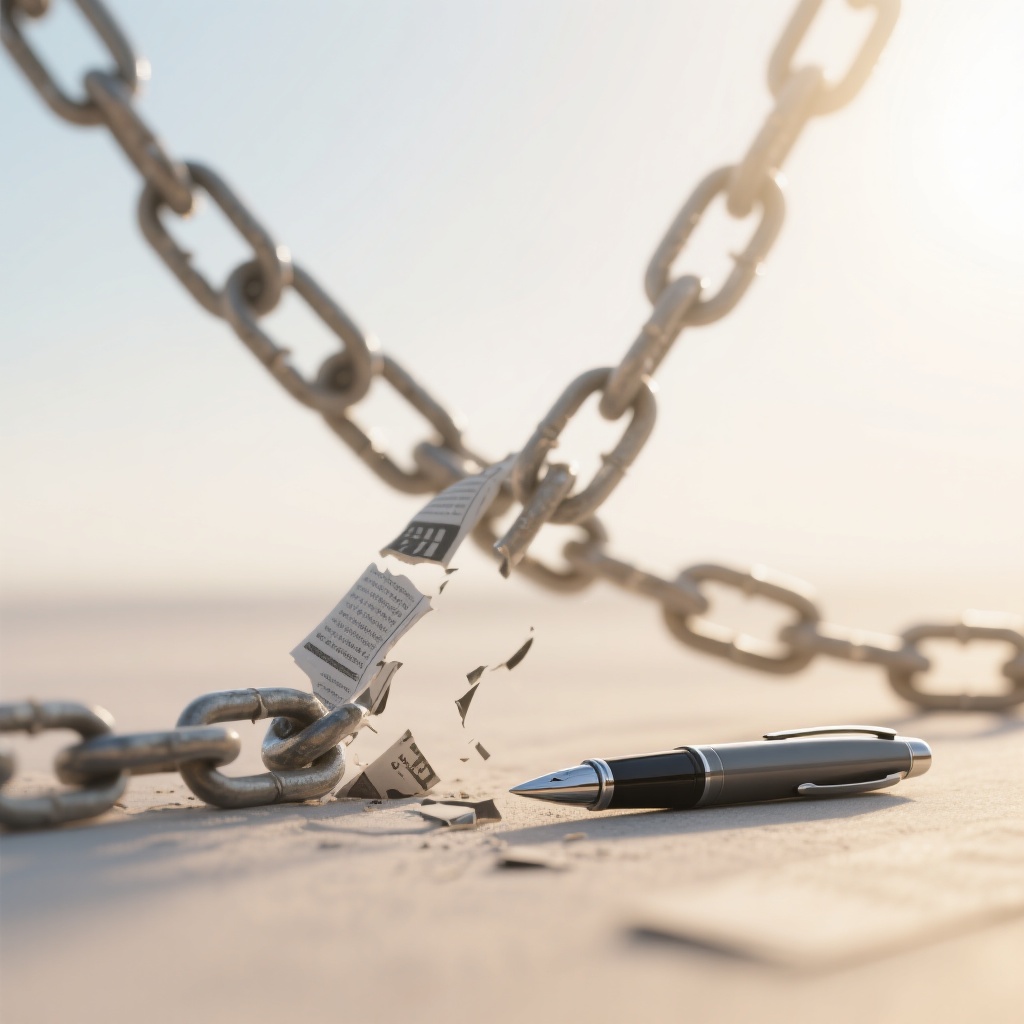
An image symbolizing press freedom, featuring a broken chain with a pen on the ground, representing the liberation of expression through journalism.
The Committee to Protect Journalists (CPJ) has firmly condemned the imprisonment of journalist Sonia Dahmani, describing it as a blatant attack on press freedom. Arrested on May 11, 2024, due to allegations of spreading false information and defamation linked to her commentary on television, Dahmani’s detention is viewed by CPJ as a politically motivated move to silence dissent against the Tunisian government. Her conviction under the controversial cybercrime Decree-Law 54 has heightened concerns about the judicial harassment faced by journalists in Tunisia, exemplifying a broader pattern of repression against critics of the government.
Dahmani is currently serving a nearly five-year sentence, but has additionally been threatened with up to twenty more years for other charges that remain pending. Reports indicate that her health is deteriorating significantly due to her imprisonment; she suffers from chronic conditions such as diabetes and high blood pressure, exacerbated by the poor conditions in Manouba Prison where she is incarcerated. CPJ has highlighted the urgent need for her to receive adequate medical care—a fundamental right that has been violated in her case.
In light of these severe violations of press freedom and human rights, CPJ is calling for immediate and unconditional international intervention. They urge global bodies, including the United Nations and relevant human rights organizations, to put pressure on Tunisian authorities to release Dahmani and to uphold their obligation to protect freedom of expression. The case of Sonia Dahmani serves as a crucial reminder of the risks journalists face in repressive regimes and the important role that international advocacy plays in protecting their rights.
Health Statistics in Prisons
Understanding the health conditions that Sonia Dahmani faces during her imprisonment necessitates looking at broader statistics regarding the prevalence of chronic health issues among incarcerated individuals, particularly in Tunisian prisons. Recent studies reveal alarming rates of non-communicable diseases among prisoners, which exacerbate the struggles of individuals like Dahmani.
A cross-sectional study conducted within Tunisian prisons found that 28.4% of inmates suffer from hypertension and 12.6% from diabetes. These figures starkly contrast with general population rates, signaling a significant health crisis exacerbated by factors such as overcrowded living conditions and inadequate access to healthcare services (PubMed, 2021).
Furthermore, a comprehensive scoping review indicated that non-communicable diseases like hypertension and diabetes affect 20-35% and 8-15% of prisoners, respectively, across various North African and Middle Eastern prisons. This is primarily attributed to structural barriers, including lack of medical resources and unsatisfactory nutritional standards within the correctional facilities (BMC Public Health, 2020).
Reports from the World Health Organization (WHO) also emphasize the gravity of this issue, noting chronic illnesses are poorly managed in prisons, with estimates suggesting that 25-30% of prisoners are affected by hypertension. Systematic screening for these conditions is particularly lacking, further endangering the health of many inmates (WHO, 2022).
Such statistics illuminate the dire health risks faced by those incarcerated, including Sonia Dahmani, underscoring the critical need for improved medical care and health interventions in prison settings.
Dahmani’s deteriorating health, compounded by diabetes and high blood pressure, is indicative of a much larger crisis affecting prisoners, illustrating the urgent need for international advocacy and humane treatment for those behind bars.
| Health Condition | Imprisoned Journalists Percentage | General Inmate Population Percentage | Notes on Healthcare Access in Prisons |
|---|---|---|---|
| Hypertension | Approximately 30% | 18-30% | Chronic conditions are often untreated due to inadequate care. |
| Diabetes | Approximately 12% | 8-12% | Many prisoners lack consistent access to medical professionals. |
| Tuberculosis | Not specified | Up to 3x higher than general population | Poor sanitation leads to higher disease rates. |
| Hepatitis C | Not specified | 2x higher than general population | Access to testing and treatment is limited. |
Conclusion and Call to Action
As we reflect on the harrowing case of Sonia Dahmani, it becomes evident that her struggle is not just a solitary plight but a reflection of the broader battle for press freedom across the globe. The ongoing harassment she faces is emblematic of the threats that many journalists endure in oppressive regimes. It is vital that we recognize the critical juncture at which we stand. The silence surrounding her detention only serves to embolden those who seek to stifle free expression and manipulate narratives for their own gain.
Now is the time for each of us to take action. We cannot afford to remain passive observers in this crisis. We must elevate our voices in solidarity with Sonia and journalists everywhere who fight for the truth at great personal risk. Here are a few ways you can make a difference:
- Advocate: Use your platform to share Sonia’s story. Write to your local representatives, urging them to call on Tunisian authorities to release Sonia Dahmani and uphold press freedom.
- Support: Join or contribute to organizations like the Committee to Protect Journalists that work tirelessly to protect journalists and advocate for their rights.
- Educate: Stay informed about the issues surrounding press freedom and share this knowledge within your community to foster understanding and support for journalists facing persecution.
Together, we can amplify the call for justice and accountability. The fate of Sonia Dahmani is intertwined with the integrity of journalistic freedoms worldwide. Let us stand resolutely for the principles of free expression and ensure that such acts of repression do not go unanswered. We must act now, for Sonia, for all journalists at risk, and for the very essence of democracy itself.
Organizations Advocating for Press Freedom
In the fight for press freedom, various organizations stand out for their vital roles in advocating for the rights and safety of journalists across the globe. Here are some key organizations that offer support, protection, and advocacy for journalists like Sonia Dahmani:
| Organization | Description | Website |
|---|---|---|
| Committee to Protect Journalists (CPJ) | An independent, nonprofit organization that promotes press freedom worldwide and defends journalists’ rights. CPJ provides direct assistance, documents attacks, and advocates for justice in cases of journalist killings. | cpj.org |
| Reporters Without Borders (RSF) | An international nonprofit defending the right to information and fighting censorship. They provide material assistance to journalists in danger and publish the annual World Press Freedom Index. | rsf.org |
| International Press Institute (IPI) | A global network dedicated to promoting and protecting press freedom, monitoring violations, and providing safety training for journalists in conflict zones. | ipi.media |
| International Federation of Journalists (IFJ) | The world’s largest organization of journalists representing over 600,000 media professionals. IFJ campaigns for press freedom, social justice, and provides emergency assistance through its Safety Fund. | ifj.org |
| Article 19 | An international human rights organization that defends freedom of expression and information, fighting against censorship and promoting transparency. | article19.org |
These organizations collectively work to defend the rights of journalists and promote a free press, providing necessary support in times of crisis. Their advocacy is crucial in ensuring that the voices of journalists, like Sonia Dahmani, are heard and that their rights are protected in the face of oppression.
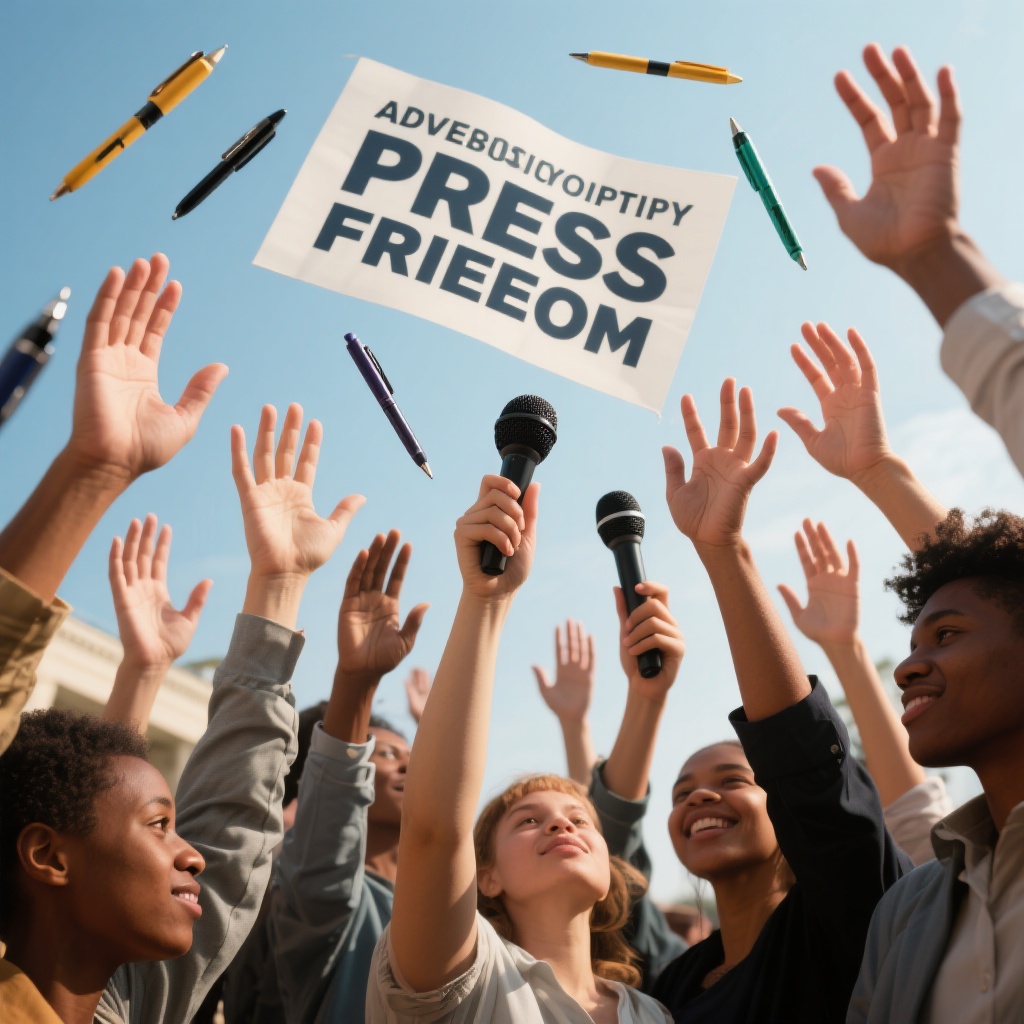
An image representing advocacy for press freedom, showing a diverse group of hands raised, with symbols of freedom such as pens and microphones included.
Overview of the Threats to Journalists
The imprisonment of Sonia Dahmani serves as a crucial indicator of the threats journalists face, particularly in authoritarian regimes. The following points summarize the various dimensions of this crisis:
- Political Motivation: Many arrests, including Dahmani’s, are driven by political motives, targeting those who speak out against the government.
- Judicial Harassment: Journalists often face legal action merely for expressing dissenting opinions, which undermines the justice system.
- Health Risks: Poor health conditions in detention further compound the vulnerabilities of imprisoned journalists.
The Role of International Organizations
In the fight to protect press freedom, various international organizations are taking action to advocate for journalists like Sonia Dahmani. Their roles include:
- Monitoring Violations: Organizations like CPJ monitor human rights abuses against journalists.
- Providing Support: Many organizations offer direct assistance to imprisoned journalists, including legal and medical support.
- Raising Awareness: Global advocacy campaigns work to inform the public and pressure authorities to uphold human rights and free speech.
This structured approach to presenting the information enhances reader engagement and comprehension, making the article more accessible to those skimming for key points.
Introduction
In today’s rapidly evolving world, the haunting specter of press freedom repression looms large, especially in crisis zones where the truth often gets buried under the weight of authoritarianism. The case of Sonia Dahmani embodies this struggle. Currently imprisoned in Manouba Prison, her health is deteriorating under inhumane conditions, battling chronic illnesses like diabetes and hypertension, all while serving a nearly five-year sentence under the controversial cybercrime Decree-Law 54. The chilling reality is that Sonia’s plight showcases a broader narrative, one where journalists face judicial harassment simply for their relentless pursuit of truth. With international advocacy groups like the Committee to Protect Journalists rallying for her release, the call to action is more urgent than ever. We must not stand idly by as the fundamental right to free expression is trampled – for in Sonia’s voice lies the echoes of countless others fighting against oppression.
Sonia Dahmani: Background and Arrest
Sonia Dahmani is a prominent political commentator in Tunisia, known for her critical stance against the government. On May 11, 2024, she was arrested under allegations related to cybercrime, stemming from her writings which violate the controversial Decree-Law 54. Currently serving a sentence of nearly five years, she faces additional charges that could lead to an extra 20-year prison term.
Deteriorating Health Conditions
During her detention in Manouba Prison, Dahmani’s health has significantly declined, suffering from diabetes and high blood pressure exacerbated by the harsh prison conditions. Her deteriorating health becomes a pressing humanitarian concern, as access to adequate medical care is severely limited in such facilities.
Press Freedom in Tunisia: Implications
Her imprisonment has far-reaching implications for press freedom in Tunisia, highlighting the pervasive risks for journalists under authoritarian rule. The case of Sonia Dahmani raises alarms about the adherence to international human rights standards, as advocacy organizations are calling on the Tunisian authorities to release her, emphasizing the need to protect free expression. The broader ramifications of her case serve as a stark reminder of the ongoing struggle journalists face in crisis zones, where their voices are often silenced in the name of political control.
| Health Condition | Imprisoned Journalists Percentage | General Inmate Population Percentage | Notes on Healthcare Access in Prisons |
|---|---|---|---|
| Hypertension | Approximately 30% | 18-30% | Chronic conditions are often untreated due to inadequate care. |
| Diabetes | Approximately 12% | 8-12% | Many prisoners lack consistent access to medical professionals. |
| Tuberculosis | Not specified | Up to 3x higher than general population | Poor sanitation leads to higher disease rates. |
| Hepatitis C | Not specified | 2x higher than general population | Access to testing and treatment is limited. |
Conclusion and Call to Action
As we reflect on the harrowing case of Sonia Dahmani, it becomes evident that her struggle is not just a solitary plight but a reflection of the broader battle for press freedom across the globe. The ongoing harassment she faces is emblematic of the threats that many journalists endure in oppressive regimes. It is vital that we recognize the critical juncture at which we stand. The silence surrounding her detention only serves to embolden those who seek to stifle free expression and manipulate narratives for their own gain.
Now is the time for each of us to take action. We cannot afford to remain passive observers in this crisis. We must elevate our voices in solidarity with Sonia and journalists everywhere who fight for the truth at great personal risk.