
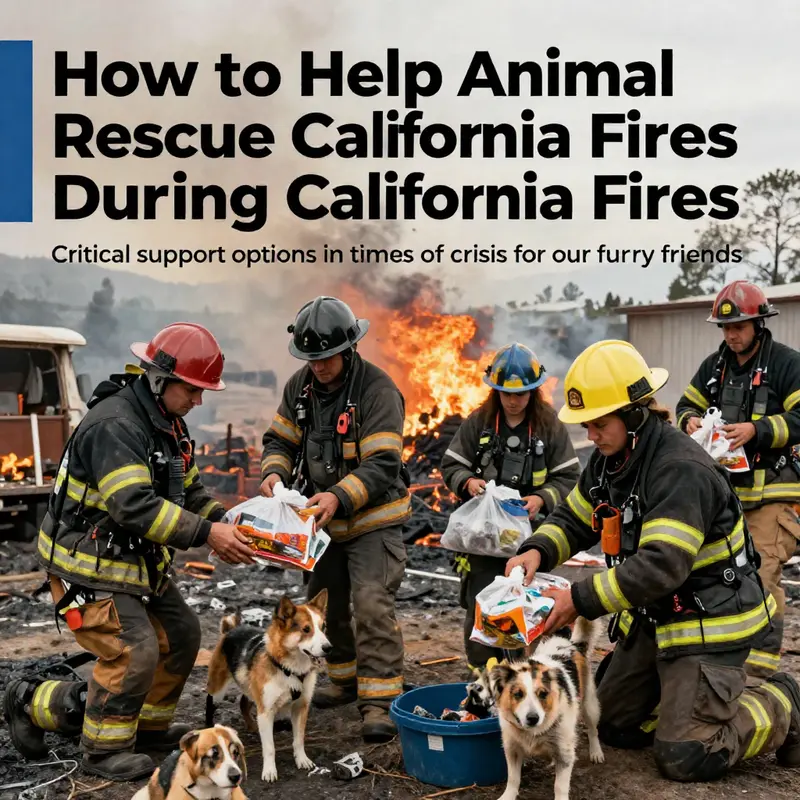
The devastating impact of California wildfires goes beyond human loss; animal rescues are especially at risk. As communities face the immediate effects, our beloved pets and wildlife find themselves vulnerable and in desperate need of assistance. From financial support to fostering displaced animals, there are various ways individuals and organizations can contribute to the efforts of animal rescues during these challenging times. This article will outline actionable strategies, including financial donations to reputable organizations, supply donations, volunteering time effectively, and the vital role of fostering animals in crisis. By engaging in these efforts, we not only address the immediate needs of these animals but also foster a sense of community and resilience.
Empowering Animal Rescues: A Comprehensive Financial Lifeline Amid California Wildfires
When California wildfires rage across vast landscapes, the destruction is not limited to human communities alone. Animal rescues face a distinct challenge: protecting and nurturing our four‐legged friends and wild creatures whose lives are caught in the path of devastation. In moments when flames surge and smoke covers the sky, the urgency of a coordinated financial response becomes apparent. The intricate web of support hinges on donations, grants, crowdfunding, and long-term planning initiatives—a lifeline for animals in distress. This chapter explains in detail the various financial mechanisms that can enable rescue organizations to continue their critical work during and after wildfires.
Financial support serves as the backbone of rescue operations. Money enables organizations to supply veterinary care, food, water, shelter, and transportation. Without immediate funds, even the most determined rescue groups may struggle to secure basic necessities for the animals they care for. With every contribution, donors play a vital role. Whether giving large amounts or small donations, each dollar helps sustain operations under extreme circumstances.
The quickest way to provide support is through financial donations to trusted rescue organizations. In recent years, several key groups have demonstrated outstanding effectiveness in tackling the challenges posed by California wildfires. When donations are directed to these organizations, they are rapidly allocated to purchase essential supplies such as food, medications, and equipment needed for urgent medical procedures and safe animal transport. This direct flow of money eliminates delays and ensures that animals receive help when needed the most.
Emergency disaster relief grants have bolstered these efforts significantly. Agencies such as the Federal Emergency Management Agency (FEMA) have provisions that, in disaster circumstances, extend their individual assistance programs to include pet-related expenses. In states like California, additional supplemental programs have emerged that reimburse costs associated with rescue operations and temporary sheltering of animals. While FEMA’s main mission centers on human safety and recovery, these specific provisions underscore the importance of animals in the overall picture of community resilience. The effective use of these grants is crucial, as they can cover not just immediate food and shelter needs but also the transportation and medical treatment costs that arise during emergencies.
Another pillar of financial support is offered by nonprofit foundations and private philanthropists. Foundations focus their efforts on rapid response, ensuring that rescue groups have immediate access to funds. For example, specialized disaster response programs provide quick-turnaround grants that can mean the difference between life and death for an injured animal. These funds are especially important when rescue operations require the transport of dozens or even hundreds of animals out of high-risk areas. When rescue teams secure funds from nonprofit foundations, they can deploy mobile veterinary clinics to wild areas, supply emergency shelter kits, and finance the logistical complexities of evacuation. Such initiatives are vital in making sure that the animals’ needs are met swiftly and efficiently.
Crowdfunding offers another avenue where financial support can be harnessed rapidly. In today’s digital age, stories of animal rescues spread fast on social media platforms. Local rescue groups often turn to platforms like GoFundMe or GiveForward to reach a wider audience. Through these platforms, the public can contribute directly to causes that resonate with their compassion. These online campaigns frequently share detailed accounts of the challenges they face, from covering the fuel costs for evacuation trucks to purchasing specialized medical supplies needed to treat burn injuries. The direct appeal of real-life stories compels many to donate, sometimes even surpassing the initial financial target of the campaign. Crowdfunding not only garners immediate financial support, but it also spreads awareness of the larger crisis. For those interested in emergency planning for wildfires, further insights can be read on topics such as the challenges in rescue operations during wildfire emergencies here. The power of a collective response is evident, as these campaigns harness the energy of compassionate citizens and local heroes, building a bridge between affected rescue groups and donors from across the nation.
Long-term recovery and preparedness also depend heavily on consistent funding. Beyond the immediate crisis response, financial initiatives that focus on future disasters help organizations build stronger, more resilient systems. In California, state-level programs geared towards animal emergency preparedness have made significant strides. These programs allocate recurring funds for planning, equipment upgrades, and specialized staff training. With improved infrastructure and long-term financial planning, rescue organizations can better prepare for and respond to future wildfire events, reducing the overall harm to vulnerable animals. The idea is to make each financial injection not just a response to a current emergency, but an investment in a safer, more efficient future for animal rescues. Such programs help create dedicated reserve funds that support continuous training, purchase of resilient shelter materials, and modernizing rescue vehicles with essential capabilities.
Financial support channels also include efforts coordinated by animal welfare associations. The American Humane Association, for instance, plays a significant role in channeling disaster relief funding. Their Disaster Relief Fund is designed to deliver immediate assistance for animal shelters and rescue teams. Contributions to these funds are pooled and then quickly allocated to the groups that need them most, ensuring that there is no gap between the moment of disaster and the commencement of rescue operations. The rapid disbursement of funds means that when emergency teams are on the ground, they have the necessary supplies to care for injured and displaced animals.
It is important to note that while financial donations are critical, transparency and accountability remain paramount. Donors need assurance that their contributions are used effectively and reach the intended cause. Many rescue organizations have embraced advanced tracking systems that monitor the flow of funds and the impact of every dollar spent. This not only reassures donors but also bolsters future fundraising efforts by showcasing detailed reports on outcomes achieved thanks to public contributions. Financial accountability becomes a win-win scenario that builds trust between the donors and the organizations working under the intense pressures of wildfire emergencies.
In addition to external donations and grants, internal fundraising campaigns carried out by local animal rescues create a powerful sense of community. Local efforts not only bring in much-needed funds, but they also foster communal solidarity. Community members organize charity events, benefit concerts, and local auctions. These grassroots initiatives deepen the connection between the public and local rescue groups. In many cases, charitable events serve as a catalyst for additional, non-monetary support as well, ranging from volunteer commitments to donations of supplies. Such initiatives underline that while financial contributions are essential, the spirit of communal compassion is equally vital. These community-driven efforts sometimes address immediate needs that cannot wait for larger funds to be allocated.
The ripple effects of financial support travel far beyond the immediate rescue operation. When funds are available, rescue coordinators can invest in better equipment, enhanced training for sub-teams, and even new rescue vehicles that are equipped for rapid deployment. With such investments, animal rescues not only respond more efficiently during a disaster, but they also build capacity for prevention and early response. As the frequency and intensity of wildfires increase due to climate challenges, these investments become critical. Preparing for future emergencies means that organizations can reduce animal suffering before it escalates into a major crisis. Funds directed toward these initiatives represent proactive steps that align with a broader vision: building resilient communities where both humans and animals thrive in the face of adversity.
Financial outreach also extends to fostering programs that offer temporary, safe homes for rescued animals. Many rescue organizations rely on the generosity of foster families who provide shelter until permanent arrangements can be made. Although fostering is often done out of love and compassion, it too requires funding. Agencies use donations to cover the costs associated with veterinary care, feeding, and other necessities for animals in foster care. As the crisis unfolds, the need for these programs becomes even more apparent, especially when evacuation centers become overwhelmed. Every successful foster arrangement relieves pressure on shelters and offers a bridge to recovery for the animals. In cases where funds support the costs involved in temporarily housing animals, the direct impact on their well-being is tremendous. The continuity of care provided by foster families often becomes the cornerstone of successful recovery efforts, turning what might have been a transient moment of rescue into a lasting legacy of compassion and care.
Moreover, financial support for animal rescues is not limited solely to the immediate purchase of goods and services. Some donations focus on strategic investments such as technological advancements and research. Innovations in rescue operations have led to better communication systems, more effective fire-proof shelters, and the development of mobile apps that help connect animals with local foster families quickly. Financial backing for research can also lead to advanced veterinary treatments that address injuries specific to wildfire incidents, such as burns and smoke inhalation. These investments in technology and research open up new avenues for mitigating the harm inflicted by natural disasters, ensuring that animal rescues have access to state-of-the-art resources in their fight against wildfire threats.
In every fire emergency, decision-makers must weigh the very real needs of immediate rescue against the necessity for long-term planning. The integration of various financial sources ensures that animal rescues do not remain vulnerable after the immediate crisis passes. A well-funded rescue operation, underpinned by diversified revenue sources, is the best strategy to safeguard animal lives today and in the future. The continuity of operations through overlapping financial resources is critical to maintaining an ongoing support system for animal rescues in California. Each funding source—be it from federal grants, nonprofit foundations, crowdfunding, or community events—plays a unique role in ensuring that every aspect of rescue operations is financially sound and fully equipped to handle emergencies.
An essential aspect of these financial support mechanisms is the level of coordination they necessitate. Rescues often work in tandem with multiple funding agencies to ensure that their operations remain seamless. For instance, while a rescue may obtain immediate funds through a crowdfunding initiative, it might simultaneously apply for emergency disaster relief grants to secure longer-term operational costs. This dual strategy ensures that rescue groups are not left scrambling for funds shortly after receiving an emergency donation. The careful coordination and timely application for various grants and external funds mark the operational excellence that many California animal rescues strive to achieve during wildfire seasons.
The responsibility of ensuring that donations are effective does not rest solely with the rescue organizations. Donors also play an active role by researching and verifying that their contributions go to reputable agencies. This emphasis on due diligence helps maintain the integrity of financial support channels. In turn, well-managed donations empower these organizations to optimize their rescue efforts. Transparency and prompt reporting, often made available online, enable donors to see the tangible impacts of their contributions. Over time, this transparent exchange strengthens the bond between the public and rescue groups, fostering a supportive ecosystem that benefits all parties involved.
Beyond the purely administrative and operational aspects, the symbolic nature of financial support carries immense weight. When donors contribute, they are not just providing money; they are offering hope. For many rescue teams, every financial contribution reinforces their dedicated mission and sparks renewed determination to overcome the challenges in front of them. This infusion of hope is sometimes the most critical asset, inspiring countless rescue workers to continue their brave efforts amid immense adversity.
This intertwined system of financial assistance—from emergency grants and nonprofit initiatives to everyday crowdfunding efforts—illustrates that every dollar matters. The complex nature of wildfire emergencies means that firefighting and rescue efforts must remain agile, adaptive, and resourceful. By embracing a multi-sourced funding strategy, animal rescues in California are better equipped to face the unpredictable challenges of wildfires. Every act of generosity, whether a large donation or small contribution, collectively builds an unshakeable foundation that holds up the efforts to protect animals from the encroaching flames.
In summary, the financial support options available for animal rescues during California wildfires form a comprehensive lifeline. By funneling money into emergency disaster relief grants, attractively reaching out to nonprofit foundations and private donors, harnessing the power of crowdfunding, and ensuring long-term financial resilience with state-level initiatives, the rescue community is well-equipped to face each emergency head-on. Each of these financial channels works in harmony to ensure that rescues receive timely aid to cover immediate needs while also planning for a safer, prepared future. As we look to a future where climate change may increase the frequency of wildfires, sustaining and expanding these financial support systems becomes not just a matter of immediate relief but also a long-term strategy for resilience.
For those inspired to contribute further and gain a deeper understanding of the financial strategies employed in wildfire rescue operations, further details can be found at the Petco Foundation Disaster Response Program (https://www.petcofoundation.org/disaster-response-program). In this era of unprecedented natural challenges, a unified and comprehensive financial strategy remains one of the most effective tools in safeguarding animal lives against the relentless force of wildfires. Every contribution, every grant, and every act of financial support writes a chapter of hope, ensuring that countless animals receive the care and compassion they deserve when they need it most.
Empowering California Animal Rescues Through Essential Supply Donations Amid Wildfires
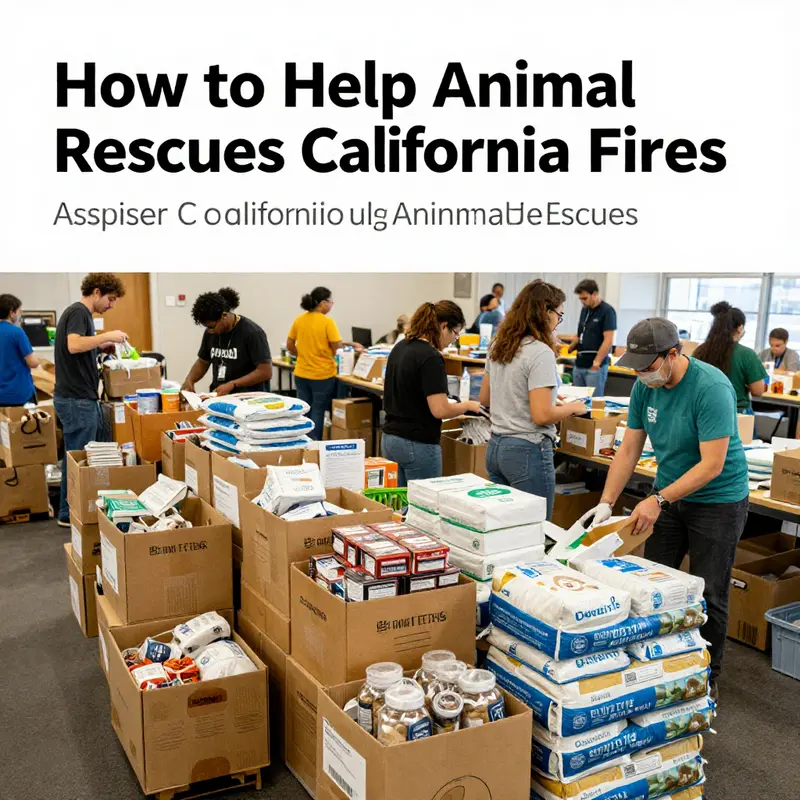
California’s wildfires have unleashed a level of devastation that reverberates far beyond the immediate destruction of homes and property. In the heart of this crisis, animal rescue organizations work tirelessly to save lives, mend shattered futures, and bring hope to animals caught in the path of disaster. One of the most direct, impactful ways to assist these organizations is through supply donations, an effort that touches every aspect of emergency response and recovery. The ongoing wildfires, particularly in regions like Los Angeles and surrounding communities, have left many animals injured and displaced. Over 400 animals have been rescued by dedicated teams, often bearing the scars of burns, respiratory challenges from smoke inhalation, and psychological trauma caused by the dislocation from their familiar environments. These challenges underscore an urgent need: adequately equipped rescue centers must stockpile essential supplies, ranging from food to medical necessities, to ensure that no animal is left to suffer due to a lack of critical resources.
For animal rescue organizations operating on the frontlines of this turmoil, the influx of animals in need creates immense pressure on limited shelter spaces. Pasadena Humane, a key player in these rescue efforts, finds itself inundated with cases where animals arrive with severe injuries that require immediate attention. The demands of these situations extend far beyond immediate medical intervention. Shelters must secure a consistent supply of nutritious food, fresh water, clean bedding, and appropriate toys to stimulate an animal’s recovery mindset. Equally important is the procurement of medical supplies such as bandages, antibiotics, and pain relievers that play an essential role in the rehabilitation process. By providing these critical supplies through donations, supporters directly contribute to reducing the operational burdens on overwhelmed facilities.
In a crisis where every minute counts, effective supply donations not only improve the day-to-day operations of rescue shelters but also provide a morale boost to the care teams who work under harrowing conditions. Volunteers and professionals alike depend on reliable sources of essential goods to facilitate proper care. Their ability to administer treatment promptly, offer adequate shelter, and ensure that each rescued animal is comfortable hinges on the availability of supplies. When donors choose to contribute resources that are immediately usable, such generosity creates a tangible difference. It goes beyond simple charity—it’s a partnership in resilience and a testament to the shared values that bind communities during times of crisis.
The process of donating these essential supplies begins with understanding the specific needs of the rescue facilities in the hardest-hit areas. As conditions evolve rapidly during wildfire emergencies, the list of required supplies is subject to change based on on-the-ground assessments by rescue coordinators and veterinarians. Today, many organizations offer updated wishlist inventories on their official websites, providing potential donors with the most current information. Items such as high-quality pet food, both wet and dry, cater to the specific dietary needs of rescued animals suffering from stress-induced loss of appetite or those requiring a specialized nutritional protocol for recovery. Furthermore, water is a vital component. For animals that might have been exposed to extreme heat or dehydration, freshly donated water is nothing short of lifesaving.
Beyond food and water, the less glamorous yet crucial supplies such as cat litter, dog waste bags, and bedding materials aid in establishing a sanitary, comfortable shelter environment. A positive recovery atmosphere is not solely dependent on medical care but also on the assurance that every animal experiences a sense of calm and safety. The psychological implications of displacement cannot be understated, and providing materials that contribute to a comforting environment is an important aspect of the overall treatment plan. This detailed scrutiny of every supply need demonstrates how each donation, be it a seemingly small bag of cat litter or a box of fresh pet food, plays an indispensable role in the overall welfare of the rescued animals.
Animal rescue centers, particularly in the wake of regional wildfires, function as hubs of both medical intervention and emotional solace. Volunteers at centers like Pasadena Humane work every hour to stabilize injuries and restore hope, relying on donated supplies to bridge the gap between rescue and recovery. Supplies are used to not only treat wounds but also manage the stress and trauma experienced by the animals. The importance of maintaining clean, well-equipped environments cannot be overstated, as sanitized, safe surroundings significantly reduce the risk of further complications or infections that can arise in compromised animals. It is in these moments of acute need that the connection between donor and recipient becomes most tangible—a simple donated item can be the difference between a prolonged recovery and a swift turnaround back to a healthier state.
Moreover, the role of supply donations extends to the administrative and logistical realms of animal rescue efforts. Beyond direct care, many organizations depend on volunteers to sort and distribute the influx of donations. This ensures that supplies are allocated efficiently, reaching the areas where they are needed most. The administrative support often tied to these initiatives must work in tandem with frontline medical teams to strategize the deployment of resources. It is not uncommon to see teams meticulously cataloging incoming shipments, ensuring that nothing goes to waste and that every item is utilized to its fullest potential. Such structured coordination underscores how modern rescue operations are as much about logistics as they are about compassion.
The benefits of supply donations reach far beyond immediate disaster response. They also empower the community, uniting various stakeholders under a common goal of compassion and resilience. Business owners, local residents, and national advocates all find common ground in supporting animal rescue operations. In addition to contributing physical items, donors provide an emotional boost, a reinforcement of community solidarity that helps build a platform for long-term recovery. The shared commitment to caring for vulnerable animals during crises fosters a culture of volunteerism and mutual aid that extends well beyond the immediate aftermath of wildfires.
Listeners have often recounted how a small donation not only provides necessary supplies but also signals hope to rescue teams and volunteers who are battling overwhelming odds day in and day out. The ripple effect of each contribution underscores an essential truth: in every act of giving, there is a reaffirmation of our collective responsibility toward living creatures who depend on us in their times of need. Supplying essential goods to shelters is not just about meeting material needs, but also about ensuring that rescue operations are supported, that recovery timelines are shortened, and that trust is maintained between rescuers and their generous supporters. Though the scale of these efforts can seem overwhelming, every donation, every item of food or medical supply, creates a more secure foundation for animal care during catastrophic events.
One must also consider the broader implications of a well-oiled supply chain in times of emergency. As wildfire seasons lengthen and intensify, enhancing the logistics and infrastructure behind supply donations becomes a critical factor in ensuring timely responses. Animal rescue organizations have started to adopt strategies that streamline donations, including the use of digital platforms where donors can track the needs of shelters in real time. This increased transparency boosts public confidence and motivates an even wider base of support. As rescue organizations work with suppliers to secure bulk essentials at discounted rates, they ensure that funds are not only used immediately but also make a lasting impact by reducing the overall operational costs. The synergy between digital donation portals and traditional fundraising campaigns represents a modern approach to crisis management—one that serves as a model for other disaster relief efforts.
In this era of rapid change and unforeseen challenges, communities are finding innovative ways to bridge the gap between want and need. Supply donations for animal rescues exemplify this spirit of innovation and collective resilience. Today’s donors are not just providing materials; they are investing in a system designed to respond flexibly to the immediate and evolving demands of wildfire crises. They also play a role in preparing rescue centers for future challenges by contributing towards sustainable setups that can be quickly mobilized when disaster strikes. The infusion of modern technologies and methods into the logistics of supply donations further amplifies the impact of every generous contribution by cutting down on delays and optimizing resource distributions.
The human stories interwoven with these efforts add a rich layer of meaning to every donation. Many animal rescue workers describe their roles as extensions of a broader community ethos—a celebration of compassion where human kindness and animal welfare converge. Personal narratives of triumph, resilience, and hope circulate among the volunteers who get to see firsthand the transformative power of donated supplies. Stories abound of animals that, after receiving the care made possible by these contributions, go on to become symbols of recovery and love. In these accounts, each gift transcends its material value, symbolizing a broader commitment to nurture life even amidst calamity.
The coordinated response between supply donations and emergency planning is not without its challenges. There are often gaps between the surge in demand and the availability of critical supplies. In times when wildfires escalate unexpectedly, the need for immediate, scalable solutions is paramount. This reality has led organizations to reassess and recalibrate their emergency response strategies. By working closely with community partners and local government agencies, animal rescue facilities are now better positioned to forecast inventory requirements, reducing preventable shortages that can impede care. In some cases, rescue groups have even partnered with local businesses to establish pre-arranged supply lines that can be activated the moment a warning is issued, ensuring that no time is wasted in the scramble to support overwhelmed shelters.
The collaborative spirit demonstrated through these supply donations is emblematic of a wider movement toward community empowerment, where every stakeholder plays a vital role. Whether through financial contributions, the donation of tangible supplies, or volunteer time that supports logistical projects, the collective effort remains central. For community members seeking to get involved beyond monetary donations, there are countless opportunities to volunteer or provide temporary foster care, ensuring that not only are the rescued animals cared for, but that the operational load on professionals is equally shared. This multifaceted approach reflects the understanding that effective disaster response is built on many tiers of community engagement.
A remarkable example of such collaboration can be seen in the way local volunteer teams and rescue organizations have adapted their approaches in response to the wildfires. By embracing flexible donation systems and leveraging modern communication platforms, they foster an ecosystem where supplies flow seamlessly from donors to those on the frontlines of animal rescue. This community-integrated solution not only mitigates the immediate impacts of the crisis but also lays the foundation for improved emergency preparedness in the future. For a deeper exploration of some of the logistical challenges involved in wildfire scenarios, readers may find interesting insights in the discussion on California wildfire emergency planning failures, which delves into this intricate issue further.
As the wildfire season continues to evolve with unpredictable force, the role of supply donations remains a beacon of hope for both animals and their rescuers. Each online fundraiser, every collection of supplies dropped off at a local shelter, and all individual acts of kindness contribute to building a resilient network of care, support, and recovery. At its core, the transformation driven by supply donations is not merely an act of charity—it is a holistic response to an emergency that reverberates throughout the community. It stands as a powerful reminder that, even amid natural disasters and overwhelming adversity, the shared compassion and unity of purpose in supporting life remains our greatest asset.
For those looking to contribute in ways that provide the most immediate relief, financial donations offer flexibility and rapid deployment of critical resources. However, as the narrative has shown, the donation of physical supplies is equally crucial. By focusing on the nuanced needs of the rescue efforts—ensuring that each animal receives the appropriate dietary, medicinal, and comfort-related supplies—donors help build an ecosystem of resilience that carries communities through even the darkest hours of crisis. As the struggle against wildfires continues, donors and rescuers form an inseparable bond, one that is founded on shared determination and the unwavering belief that every life is worth saving.
For further support and additional details regarding the urgent supply needs during these wildfire emergencies, please consider visiting the official website of Pasadena Humane at https://www.pasadenahumane.org. Their efforts serve as a living example of how coordinated, well-planned supply donations can galvanize a community and offer vulnerable animals a fighting chance at recovery and a hopeful future.
Embracing the Call to Action: How Dedicated Volunteers Transform Animal Rescue Efforts Amid California Wildfires
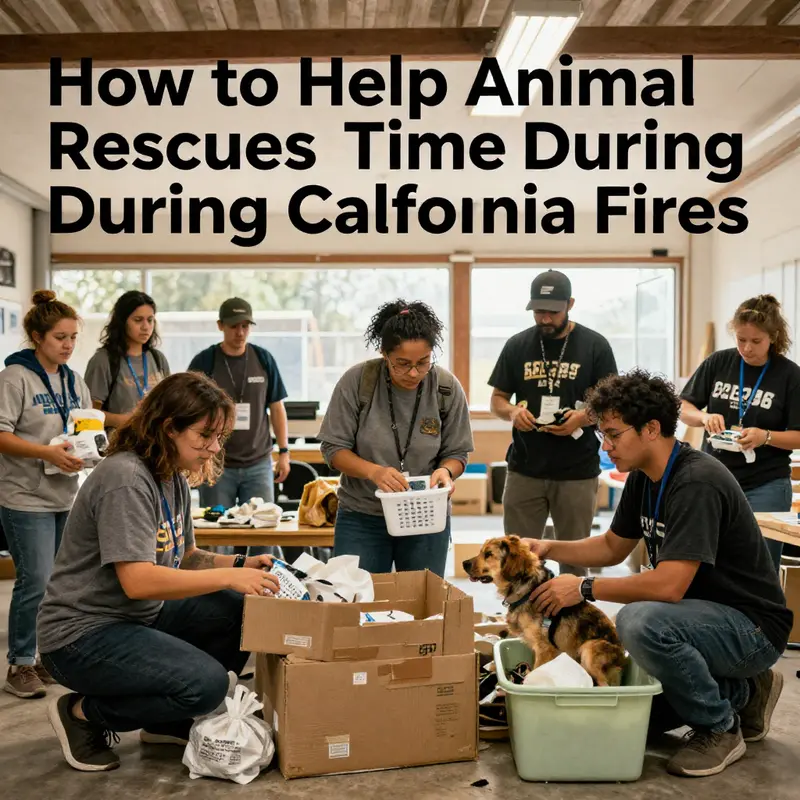
In the heart of California, where wildfires sweep across the landscape with devastating force, a community of dedicated volunteers stands as a beacon of hope for the animals caught in the inferno. When flames reduce familiar landscapes to ash and turmoil, pets, livestock, and wildlife are displaced from their safe havens, their usual comforts replaced by the uncertainty of shelter and survival. In these moments of crisis, the role of volunteer rescuers becomes indispensable. Volunteers are not merely helpers; they are lifelines in a situation where every second counts, providing the support, empathy, and manpower that professional responders alone cannot supply.
Volunteering in the midst of a wildfire emergency involves much more than showing up in uniform or lending a hand; it is a calling that requires preparation, resilience, and a strong sense of commitment. The act of volunteering transforms a personal desire to help into a structured, community-based effort that focusses on saving lives and restoring hope. Volunteers serve in numerous capacities, from assisting in the management of shelter operations to sorting donated supplies, from offering comfort to the injured animals to coordinating with emergency responders. The breadth of tasks demands flexibility, quick thinking, and above all, a deep-seated passion for animal welfare.
Amid the chaos of rapidly unfolding events, many volunteers find themselves drawn to the forefront of rescue operations. Their responsibilities may include helping to locate animals that have been separated from their owners or injured in the blaze, handling logistics such as transporting animals to temporary shelters, and even providing basic first aid under challenging conditions. For many, the work is emotionally taxing; watching animals in distress can be heart-wrenching, yet it is this very compassion that fuels volunteers to go above and beyond. The act of volunteerism here is a dynamic combination of physical labor and emotional engagement, where the urgency of the situation calls for a high degree of personal sacrifice and hard-won resilience.
While the frontline rescue efforts require specialized training and expertise, there is a myriad of supportive activities that volunteers can undertake before, during, and after the height of the wildfire crisis. Organizing supply drives is one such example. Many animal rescue organizations maintain wish lists that outline their immediate needs, including pet food, water, bedding, and critical medical supplies. Volunteers frequently help in receiving, sorting, and distributing these donations to ensure that no resource goes to waste, and that every animal in need is given appropriate care. Their contributions extend to the back-end operations of rescue shelters, where administrative duties and logistical support are equally essential to a coordinated relief effort.
The journey to effective volunteer participation begins long before the first flames are spotted on the horizon. Prospective volunteers are urged to proactively engage with local rescue groups, attend training sessions, and familiarize themselves with emergency protocols. Establishing these relationships ahead of time ensures that when disaster strikes, the community of helpers is already well-prepared to step into critical roles without delay. This spirit of preparedness is not only a safeguard for the animals but also a protective measure for the volunteers themselves. It minimizes the risk of injury by ensuring that those who volunteer do so armed with the proper techniques and safety procedures. In many cases, organizations conduct workshops and drills that simulate emergency conditions, providing volunteers with a realistic picture of the challenges they may face and building a resilient team ready to take action when needed.
The practical aspects of volunteer work are as important as the emotional and psychological ones. Safety is a paramount concern; volunteers are always advised to avoid entering active fire zones or areas where the threat of encroaching flames still exists. Instead, they operate in secured perimeters established by professional emergency services. By following strict guidelines and wearing appropriate personal protective equipment, volunteers help minimize the dangers while still playing a vital role in the rescue process. For many, the decision to focus on administrative support, foster care, or managing donation logistics is as valuable as undertaking direct rescue efforts.
Beyond physical participation, volunteers also help to nurture a sense of community among those affected by wildfires. In the wake of disaster, the emotional scars borne by pet owners and rescue personnel alike can be deep. Volunteers provide comfort to traumatized animals while also lending a compassionate ear to those who are coping with loss and upheaval. As someone who has taken on volunteer responsibilities, the experience is as much about providing emotional solace as it is about performing technical rescue tasks. Stories emerge of individuals working tirelessly with nothing but the hope that their contributions will help an animal find safety. One such story recounts a volunteer who spent hours comforting a frightened dog in a temporary shelter, her gentle words and soft touch offering a measure of peace amid the turmoil. These acts of kindness serve as vital reminders of the humanity that underpins even the most chaotic of circumstances.
In the network of efforts that converge during a wildfire crisis, volunteer coordination is fundamental. Many communities have established volunteer hubs that operate as centralized points where individuals can sign up for tasks that suit their skills and interests. This integration of volunteer work not only ensures that all necessary roles are filled but also fosters an environment of cooperative teamwork. A robust system of communication among volunteers, rescue organizations, and emergency responders is indispensable. For instance, a volunteer who is an expert in handling logistics might coordinate with a team that is setting up temporary foster homes for displaced animals, ensuring that the essential needs of both animals and volunteer caregivers are met simultaneously.
An often-overlooked aspect of volunteer work is the continuing support that is needed long after the primary wildfire has been contained. Many rescued animals require ongoing care, rehabilitation, and, in some circumstances, the eventual process of reuniting with their owners. Volunteers therefore also serve as long-term caregivers by offering temporary foster homes. The act of fostering not only helps reduce the burden on overstretched rescue shelters but also provides critical one-on-one care for animals in recovery. The transformation from a state of crisis to one of healing is gradual, and each volunteer fosters a relationship built on trust and compassion that is instrumental during the rebuilding phase. It is in these quiet moments of care—feeding, walking, and simply being present—that the true impact of volunteer work comes to light.
Navigating the logistical labyrinth of volunteer efforts during wildfires requires both strategic planning and heartfelt initiative. Many volunteers join networks that extend beyond their local communities, connecting with individuals from different regions to share both resources and insights. This collaborative spirit reinforces the idea that volunteer work in times of crisis is not a solitary endeavor but a combined force that bridges gaps between organizations, scientists, veterinarians, and everyday citizens. Each contributed hour represents a commitment to a larger mission, one that not only mitigates the immediate dangers posed by wildfires but also contributes to a broader plan of disaster resilience and animal welfare.
Moreover, volunteering in such high-stakes environments encourages the development of new skills and the refinement of existing ones. From learning effective communication strategies during emergencies to acquiring techniques in handling distressed animals, the experience equips volunteers with a toolkit that can be applied in future crises. Veterans of wildfire rescues often speak of the transformational nature of their work, noting that the lessons learned extend far beyond the technical aspects of emergency response. The determination to help, the ability to manage stress under extreme conditions, and the newfound appreciation for community cohesion are invaluable rewards that shape volunteers’ lives long after the flames have died down.
As the wildfire seasons in California continue to challenge the resilience of both human and animal populations, the call for capable, compassionate volunteers grows louder. The importance of volunteer work is underscored not merely by the scales of devastation encountered during such disasters but by the undeniable impact that each volunteer has on saving a life, offering hope, and laying the groundwork for eventual recovery. The act of volunteering is transformational: it empowers individuals to transition from passive observers to active participants in a life-saving mission.
To fully appreciate the significance of volunteer work in these settings, one must also consider the broader ecosystem of animal rescue organizations and emergency services. These agencies operate under tremendous pressure, often facing shortages of resources and manpower that the relentless pace of wildfires exacerbates. Volunteers help bridge this gap by bringing in not only additional hands but also the diverse skills that come from a community united by a common purpose. By choosing to volunteer, you become part of a network that values compassion, resilience, and preparedness—a network that understands that every life saved is a victory against adversity. It is a commitment to a shared future where proactive measures and coordinated response efforts create a safety net for those who cannot speak for themselves.
Many experienced volunteers advise newcomers to start with tasks that feel manageable and gradually expand their roles as they grow more comfortable with the challenges. It may be as simple as studying the emergency response plan of a local shelter or assisting in the organization of supply shipments. Over time, these small yet significant efforts accumulate, forming the backbone of community resilience during wildfire crises. It is not uncommon to find volunteers who, after their initial involvement, take on leadership roles, training new recruits and helping to refine operational strategies. The ripple effect of a single volunteer’s dedication can elevate an entire operation, ensuring that each link in the chain is strong, responsive, and well-prepared.
The process of becoming an effective volunteer also involves a commitment to lifelong learning. Workshops, online training modules, and hands-on experiences serve as stepping stones towards mastery in emergency animal care and rescue operations. For anyone who has ever considered stepping into this vital role, there are countless resources available to ensure you are well-equipped for the journey ahead. A brief look at guides on volunteer preparations and the challenges of wildfire response reinforces the point that preparedness is a continuous, evolving process. Aspiring volunteers can start by exploring simple steps to get involved, which outline initial actions and set clear expectations about the demands of the role.
In addition to formal training sessions, the wisdom of those who have faced fire emergencies provides another layer of education. Through shared experiences and open forums, volunteers learn about the emotional challenges of working in disaster zones and how to manage stress, fatigue, and sometimes overwhelming grief. These collective experiences help build a support network that extends well beyond the immediate crisis, proving invaluable during the long weeks and months that can follow a major disaster. In these quieter moments of reflection and camaraderie, the ties that bind volunteers are reinforced, creating a resilient community that is ready to answer the call whenever duty beckons again.
Moreover, the far-reaching impact of volunteering is evident not only in the immediate relief provided to affected animals but also in the subsequent ripple effects on community morale. Families displaced by wildfires often find solace in knowing that dedicated volunteers are safeguarding the well-being of their beloved pets until they can be reunited. The art of volunteering is intimately linked with advocacy; when volunteers share their experiences with friends and family, they raise awareness about the importance of preparedness and the need for continuous community support. In a climate where misinformation can easily spread, accurate, compassionate narratives serve as a counterbalance. Each story of a rescued animal, every account of a volunteer’s kind gesture, builds trust in the systems set in place to protect those who are most vulnerable.
The call for volunteers is not just about engaging in crisis response—it is a call to embody the best of human nature. As challenges mount in the wake of relentless wildfires, the determination to stand up for those who cannot defend themselves creates a powerful legacy of unity and care. The lessons learned on the ground serve not only the immediate needs of rescue operations but also pave the way for stronger, more responsive systems in the future. With vigilance, preparedness, and compassionate action, volunteers help build a future where every animal, regardless of circumstance, is given a chance to thrive.
For those considering joining this noble effort, the journey begins with a single step. By volunteering your time, you are embracing the opportunity to contribute to a cause that is as urgent as it is meaningful. Your commitment can be the difference between despair and hope, loss and recovery. As you train, prepare, and eventually step into the field, know that you are part of an enduring tradition of courage and compassion—a collective effort that transforms the landscape of animal rescue during one of California’s most critical times. For further guidance and detailed information on getting involved with animal rescue efforts during wildfire emergencies, visit the ASPCA’s dedicated volunteer resource at Learn more about how you can volunteer with animal rescue efforts during wildfires from the ASPCA’s official website.
In conclusion, the role of dedicated volunteers in California’s wildfire rescues extends far beyond menial tasks or temporary relief measures. It is a profound act of solidarity that weaves together individual compassion, community resilience, and the unwavering belief that every life matters. Volunteers not only provide critical support in moments of crisis but also help to establish robust networks of care that stand the test of time. Their selfless service serves as a reminder that even in the midst of nature’s most formidable challenges, the human spirit remains unyielding in its commitment to protect and nurture those in need. As wildfires continue to test the strength of communities across California, the ongoing dedication of volunteers ensures that hope, recovery, and healing remain within reach—for every animal, every family, and every corner of a state rebuilding its future one compassionate act at a time.
A Lifeline of Love: Fostering Rescued Animals in the Wake of California Wildfires
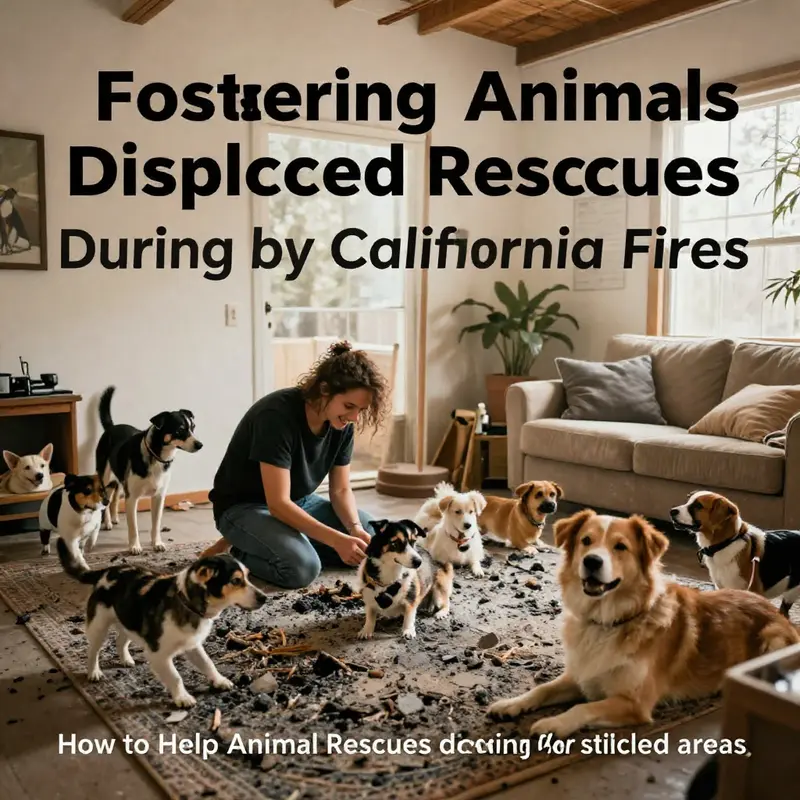
The California wildfires have left behind a trail of devastation not only for families and communities but also for the countless animals caught in the path of danger. In neighborhoods turned to ash and forests smoldering under relentless flames, animals—both domestic pets and native wildlife—have been uprooted from their familiar lives and habitats. Amid the chaos and loss, a beacon of hope emerges in the form of fostering. Across the state, animal rescue organizations and compassionate individuals are rallying together to care for rescued animals, providing safe havens of temporary love and support. This chapter explores the transformative role of fostering during crises, detailing the personal stories, community efforts, and practical guidance that allow these displaced lives to begin their road to recovery.
In the immediate aftermath of the wildfires, animal shelters in Southern California experienced an overwhelming influx of displaced pets and wildlife. Many rescued animals arrive traumatized, their fur soiled with ash and eyes filled with fear, a stark reminder of the life they abruptly left behind. The immense challenges faced by shelters, such as Pasadena Humane, have driven rescue organizations to seek alternative solutions and partnerships. Fostering has emerged as a crucial tool that not only offers temporary shelter but also provides the animals with an environment where they can start healing. Volunteers who open their homes create a network of care that cushions the animals from further distress, enabling professional rescue teams to focus on the bulk of the response while community members address long-term rehabilitation and socialization.
Stories of compassion and resilience quickly began to surface. In one unforgettable example, a pet groomer named Lisa Genae Hernandez stepped beyond her usual role and became a “rescue beautician” when she encountered a group of dogs covered in ash and grime. With deliberate care, she bathed them, trimmed their matted fur, and offered gentle words of reassurance. Her ability to transform despair into hope was evident not only in the physical transformation of the animals but also in the warmth that radiated from each newly cleaned face. Such personal acts of kindness reveal how fostering extends beyond shelter—it is about restoring dignity, trust, and joy to lives that have been marred by disaster. Each foster home provides not just a space but a healing environment where these animals learn that safety and love can be found again, even in the midst of overwhelming crisis.
Yet, fostering is no small feat. Many individuals stepping into the role of a temporary caretaker undergo a steep learning curve. They must absorb guidelines on safe animal handling, clear communication with rescue coordinators, and the intricacies of administering often complex post-rescue care. In California, where the severity of the fires sometimes makes roads impassable and conditions unpredictable, fostering offers a relatively sheltered responsibility. Volunteers are urged to avoid active fire zones and to adhere strictly to safety protocols, ensuring that their efforts do not inadvertently compromise professional rescue operations. The efforts require not only personal commitment but also coordination with already overextended animal care networks, creating an environment where every foster home plays a critical role in the larger strategy of disaster response and recovery.
Animal foster care in the wake of the California fires is a powerful demonstration of community solidarity. In regions like Los Angeles and surrounding counties, families joined neighbors in setting aside personal challenges to nurture animals in need. Many foster caregivers, despite juggling their own hardships, embrace the responsibility wholeheartedly because they comprehend that this is more than temporary shelter—it is a lifeline that can turn despair into possibility. Fostering reconnects animals with a sense of belonging; in cleaner, calmer surroundings and under the attentive watch of caring hosts, pets learn to overcome their fear and gradually reclaim the trust lost during the tumult of the disaster. Moreover, this commitment to fostering alleviates overcrowding in emergency shelters, allowing rescue agencies to redirect resources to those who require immediate and specialized interventions.
Indeed, the scientific and emotional benefits of fostering for traumatized animals have been well documented. In a nurturing foster home, animals experience not only a reduction in physical stress but also a slow rebuilding of their emotional wellbeing. The warmth of a kind touch, the steady rhythm of daily routines, and the consistent care provided by volunteers enable them to recover from the intense stress of abrupt displacement and environmental shock. Many fostering families report that the animals, once too scared to interact even with familiar faces, gradually become more sociable and trusting. As they adapt to their new surroundings, these animals show marked improvements in both physical health and mental stability, reinforcing the critical value of temporary nurturing environments.
Often, foster homes become spaces where stories of hope are written on every wall. For instance, in Burbank, a series of videos posted on social media captured the dramatic scenes of cages loaded onto planes for transporting pets out of dangerous areas. Yet even in the midst of such orchestrated chaos, individuals lined up to volunteer as fosters, offering to give temporary sanctuary to lost companions. These efforts are emblematic of a broader movement where community altruism intersects with the urgent needs of disaster response. The heartfelt decisions to provide homes—sometimes for weeks or months—underscore the power of foster care to mend not only the lives of animals but also to knit together communities in resilience and shared humanity. Such initiatives are also bolstered by broader support, including online campaigns and guides that offer practical advice for those considering fostering. More can be learned about related community support systems by exploring information available from organizations that detail these rescue initiatives, such as further rescue initiatives.
In addition to the practical aspects of fostering, there is a profound emotional element that underpins this work. Animals that have survived fires bear visible scars—burnt ears, matted fur, and physical injuries—and invisible traumas that manifest as anxiety and withdrawal. Foster caregivers not only provide physical shelter but also become part of a critical rehabilitation process that addresses these deep-seated issues. Many rescue teams work alongside veterinarians and behavioral specialists to craft recovery programs tailored to each animal’s needs. The fostering environment often serves as the first stepping stone in this journey, as it permits the animals to experience a multistage recovery where initial physical care evolves into long-term emotional support. Over time, many of these animals show significant improvements, reintegrating into family life, finding new homes, or eventually returning to rehabilitation centers where they learn to overcome their fearful past.
A particularly heartwarming example of the impact of fostering involves a tiny five-day-old puppy found among the rubble of a collapsed building in Pasadena. Severely injured and burned, the puppy’s survival was uncertain. However, thanks to the rapid response from local rescue teams, the animal was brought to a foster home where it received intensive medical attention, round-the-clock care, and the gentle patience necessary for recovery. Today, that puppy’s progress stands as a testament to the resilience of animals and the transformative power of compassionate foster care. The story resonates deeply within the community, inspiring others to consider opening their homes and hearts for animals in dire need. This singular rescue highlights how fostering, even in the smallest of gestures, can catalyze lasting changes in lives burdened by fire-induced trauma.
The evolving roles of animal rescue organizations underscore the critical need for fostering even as traditional shelters struggle to cope with overwhelming demand. Many agencies have had to rapidly reassign their resources, and fostering has become the preferred method of ensuring that animals are cared for in a safe, adaptable manner. These agencies coordinate meticulously, matching each animal with a foster family that is capable of addressing the specific needs of that animal. In many cases, fostering arrangements are not indefinite—a temporary phase designed to bridge the gap until permanent homes can be found or until the shelters can safely accommodate the animals once more. This dynamic system relies heavily on thorough vetting, clear communication, and the willingness of foster families to adapt to the unpredictable pace of recovery missions. It is the combination of professional expertise and widespread community involvement that makes fostering a linchpin in the overall strategy to help animals displaced by disaster.
For potential foster caregivers, the process often begins with a simple yet profound step: reaching out to local rescue organizations or visiting official websites to sign up. These organizations provide detailed guidelines and support structures to ensure that even novices can offer safe, nurturing environments. The initial training can be surprisingly accessible; volunteer orientations usually involve practical advice on handling animals with special needs, administering medications, and recognizing signs of post-traumatic stress. Many organizations also offer hotlines and online forums where foster caregivers can share their experiences and seek advice. Such support networks create a shared sense of purpose among community members who may be new to animal rescue but are inspired by a strong desire to help rebuild lives shattered by wildfires.
Beyond individual actions, the fostering movement is buoyed by the power of social media and community outreach. Responsible sharing of verified information has enabled many individuals to quickly learn about emergency shelters and the types of support most needed. Platforms like Instagram, Facebook, and Twitter have served as real-time updates, where rescuers post urgent calls for help, stories of animals in distress, and successful rehabilitation narratives. The combination of digital connectivity and ground-level action creates an ecosystem where fostering can flourish. As supporters share their personal journeys and milestones achieved by the animals in their care, others are inspired to contribute—whether by offering temporary homes, donating essential supplies, or volunteering time for non-emergency tasks. This synergy between online and offline support is particularly important during long-term crises, where sustained community involvement is necessary to maintain momentum in recovery efforts.
Fostering animals displaced by wildfires is not without its challenges. Many foster families grapple with the emotional toll of caring for animals that have experienced severe physical and emotional trauma. It is a responsibility that demands patience, empathy, and a resilient spirit. The uncertainties of disaster recovery—fluctuating numbers of animals needing care, evolving guidelines, and even the potential return of wildfires—can sometimes overwhelm even the most committed volunteers. In many cases, it is the shared burden within fostering networks that eases individual strains; foster caregivers regularly turn to one another for encouragement, advice, and simply a compassionate ear. Their collective resolve transforms an otherwise daunting ordeal into a journey marked by moments of hope, resilience, and deep community connection. The ongoing dialogue between professional rescue agencies and volunteer foster families helps smooth out the often turbulent process of disaster recovery, ensuring that each animal receives both immediate and sustained care.
Equally important is the role of fostering in bridging the gap between immediate rescue operations and long-term animal care. While emergency response teams concentrate on rapid extraction and intervention, foster families provide the environment necessary for healing and gradual rehabilitation. The nature of foster care—flexible, personalized, and emotionally supportive—allows animals to adapt at their own pace, a crucial factor in effectively countering the severe trauma inflicted by wildfires. As these animals begin to thrive under temporary care, the foster system paves the way for eventual permanent rehoming. The experience often leaves lasting impressions on both the animals and the families involved, solidifying a communal bond that underscores the shared responsibility in times of disaster. In many instances, this bond evolves beyond a temporary arrangement; former foster animals are often adopted permanently by the very families who helped them recover, transforming crisis intervention into a long-term life-changing relationship.
For those considering stepping into the role of a foster caregiver, there are practical steps to ensure a safe and supportive experience for both the animal and the handler. It starts with an honest evaluation of one’s capacity to commit time, space, and resources to a temporarily displaced pet. Organizations typically require a brief orientation and may provide initial supplies and detailed care plans, ensuring that the foster home is adequately prepared. Moreover, fostering is a collaborative effort that depends on clear communication with rescue coordinators who monitor the ongoing condition of the animals. Foster caregivers are provided with contact information, emergency protocols, and regular updates on the broader recovery efforts. In this way, every foster home becomes an integral part of a larger network united by compassion and focused on overcoming the enormity of wildfires’ destructive impact.
The stories emerging from these rescue efforts offer a powerful reminder of the unwavering strength of community solidarity. Each rescued animal is more than a victim of circumstance; it is a testament to the human capacity for care and redemption even in the darkest moments. The dedication of foster caregivers—whose homes become temporary sanctuaries filled with hope, tender care, and renewed trust—illustrates how resilience is forged through collective action. From the tiniest puppy rescued from a collapsed building to groups of dogs airlifted to safety, every story contributes to a narrative of recovery and second chances. The holistic approach that integrates professional rescue operations with community-based fostering brings together technical expertise, emotional intelligence, and shared humanity into one seamless effort.
As communities continue to heal from the physical scars of the wildfires, they also rebuild the emotional and social fabric that binds them together. Fostering, in this context, transcends its function as a mere stopgap measure; it emerges as a symbol of hope, renewal, and the restorative power of love. Each heartwarming reunion and every incremental step forward in the recovery of a frightened animal reaffirms the importance of safe haven networks during times of crisis. The fostering experience instills a deep, personal sense of responsibility among participants and inspires broader community engagement. Moreover, it creates a powerful ripple effect: families and individuals who once received help are now motivated to extend the same kindness to others, thus perpetuating a cycle of resilience that strengthens the entire network of animal rescue efforts.
In the wake of the California wildfires, fostering has become a lifeline that offers more than just temporary shelter—it provides a safe space where trust can be rebuilt and future hope can take root. For many animals, the journey from fear and despair to recovery is long and filled with setbacks, but the compassionate dedication of foster caregivers ensures that each step, however small, is a victory. Every moment spent comforting a trembling animal, every day devoted to administering care, and every act of kindness contributes significantly to the broader mission of healing a community in crisis. As rescue operations evolve and recovery plans are implemented, the crucial role of fostering remains unchallenged in its ability to nurture, rejuvenate, and ultimately transform lives.
For readers inspired by the stories of recovery and the vital role of fostering in these trying times, exploring more about how such efforts integrate into larger community rescue strategies is worthwhile. Additional insights and stories, along with practical guidance on how to participate, can be found by visiting resources on rescue initiatives. The journey is challenging, yet each act of fostering reaffirms the belief that in the face of disaster there is always room for compassion and renewal. For further information on wildlife rescue efforts, please visit the California Department of Fish and Wildlife at this link.
Final thoughts
The aftermath of California wildfires creates enormous hardship for both humans and animals. By participating in financial donations, supply drives, volunteering efforts, and fostering, community members can significantly impact the lives of vulnerable animals. Each chapter of this guide illuminated vital methods to aid animal rescues, emphasizing our collective responsibility to protect and care for those who cannot speak for themselves. Together, we can make a substantial difference and bring hope to countless animals during their most challenging times.