
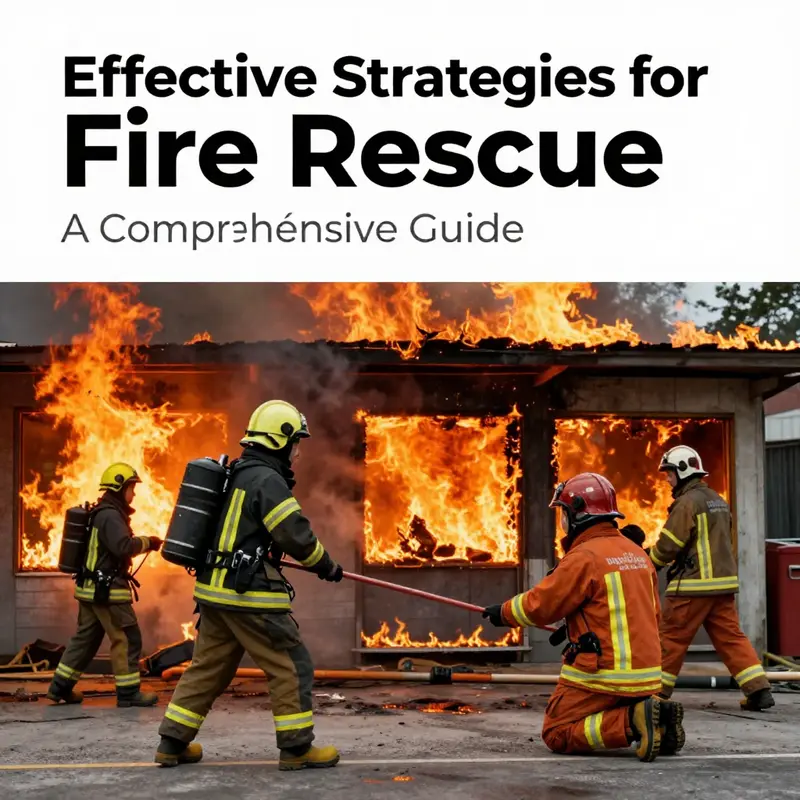
Fire emergencies are unpredictable and can escalate rapidly, making quick and decisive actions critical for saving lives. Understanding how to effectively rescue a person from a fire involves a blend of immediate response actions, safe evacuation techniques, and providing emotional support to victims. In this guide, community residents, firefighters, and educators will learn the necessary steps to take in an emergency situation, ensuring not only their safety but also that of others. Each chapter delves into crucial aspects that contribute to a holistic approach to fire rescue.
Act with Precision: Mastering the Initial Response in Fire Rescue Scenarios
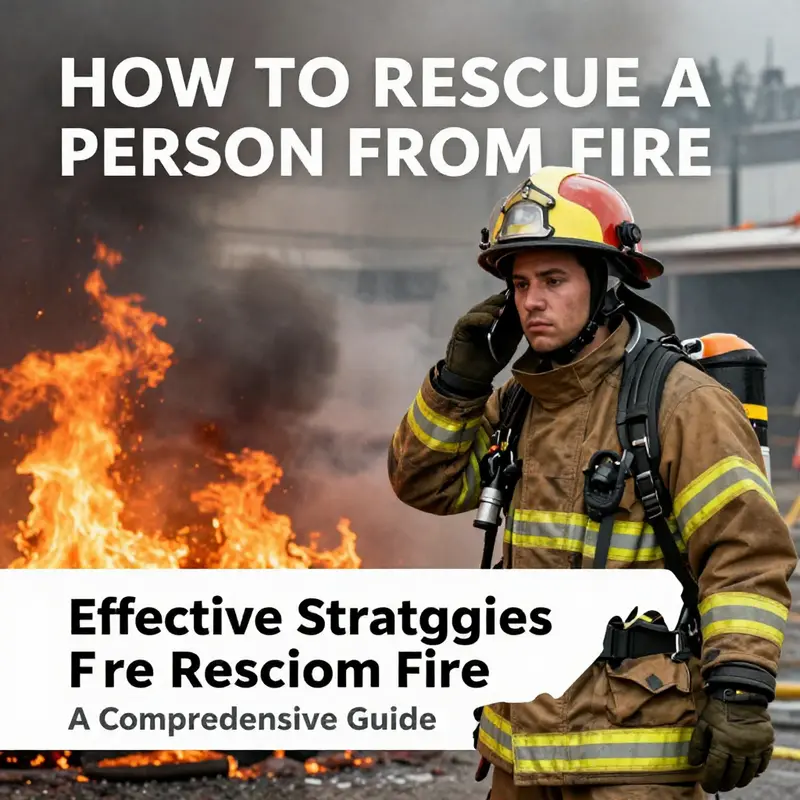
Act with Precision: Mastering the Initial Response in Fire Rescue Scenarios
When a fire erupts and seconds matter, every moment counts. The initial response is not simply about rushing in; it is about deliberate, coordinated action. In these life‐or‐death circumstances, your ability to balance urgency with caution lays the foundation for a safe and effective rescue, both for the individual trapped and for yourself. An effective rescue begins with a clear mind and unwavering resolve—a commitment to following established guidelines even when panic threatens to take over.
Imagine standing outside a burning building, the heat radiating from the flames, the air thick with acrid smoke. It is in this instance that the necessity of a cool head becomes paramount. The first thought must be to summon professional help. Calling emergency services is the bedrock upon which all other rescue efforts are built. In many regions, dialing the designated fire emergency number, such as 119 in China, quickly mobilizes trained firefighters to the scene. By providing precise information—the exact location, the scale of the fire, and whether any person is trapped—you help ensure that the response is both swift and appropriately scaled to the situation.
After alerting emergency responders, the next step is a rapid yet careful assessment of the scene. This assessment is critical because fire behaves in unpredictable ways. Even if there is a strong desire to help, the environment may present hazards that are not immediately visible. The heat emanating from a closed door, the swirling smoke billowing from a window, or even the faint sound of crackling flames all signal imminent danger. If the door is hot to the touch or if thick smoke is seeping from underneath, this should be seen as a clear indication that the structure is not safe. In such cases, direct intervention should be deferred until professionals arrive.
The cornerstone of safety in these hazardous situations is the understanding that your personal well-being is non-negotiable. “You cannot save someone if you become a victim yourself” is more than just a saying—it’s a fundamental rule in emergency response. The simple act of calling for help and giving accurate details can mean the difference between life and death. Once you have initiated the call, your actions must allow the firefighters the clarity needed to approach the situation with their specialized equipment and training. Every moment spent devising do-it-yourself rescue methods in a hazardous environment potentially endangers another life.
In instances where the environment might allow for measured intervention, it is essential to adhere strictly to safe evacuation techniques. If you determine that you can safely assist someone trapped inside, do so by following time-tested procedures. First, approach the situation with extreme caution. Before entering any structure, check the temperature of the door and nearby surfaces; if they are hot, step back immediately. If the environment appears manageable—with limited smoke and the door feels cool—it may be possible to guide the victim to safety.
However, direct intervention should only be attempted under ideal conditions. If the smoke is minimal and visibility is adequate, encourage the trapped person to remain calm and breathe slowly. Advise them to keep low to the ground, as the cleaner air near the floor can be a temporary refuge from toxic fumes. In this context, using a damp cloth or towel to cover the nose and mouth is vital in reducing the inhalation of harmful particles. It is important to emphasize that any attempt to physically move the victim should be gentle and supportive, guiding rather than pulling, as abrupt actions can result in further injury.
In some cases, the victim might be unable to move on their own due to injuries or shock. For those who have received proper training in rescue techniques, carrying methods such as a back carry, shoulder carry, or arms-in-hands carry can help move the person to a safer area. Yet, even these methods require a clear path of egress—a route that is free of obstacles and hazards. The idea is to create a steady escape plan that not only considers the victim but also guarantees the rescuer’s safe passage out of the danger zone. It is essential to emphasize that if there is any doubt about the safety of the passage, no rescue, however noble, should be attempted. The rescue effort must be coordinated so that there is always an accessible route back to safety.
Often in high-rise structures, a person may be trapped on an upper floor with no easily accessible exit path. While the thought of using improvised tools like ropes or sheets might seem like a viable option, it is generally recommended only for individuals who have been specifically trained in these techniques. In these scenarios, securing the makeshift rope to a robust fixture such as a window frame or a metal pipe may provide a temporary lifeline. Nevertheless, the risk of falling or the rope giving way is significant. Even if all conditions seem favorable, hesitation is the better part of valor when lives are at stake. The inherent risks of such maneuvers underscore the necessity of deferring to firefighters, whose equipment is designed for these circumstances.
Beyond the physical techniques of rescue, managing the psychological state of both the victim and bystanders is of paramount importance. A fire often leaves those inside overwhelmed by fear and panic. The rescuer’s demeanor can have a remarkable calming effect. Speaking in clear, firm tones without resorting to harsh or hurried commands helps to instill a sense of safety. Simple, reassuring phrases can encourage cooperation and make the victim more compliant with the evacuation instructions. Moreover, non-verbal cues, such as steady eye contact and confident gestures, play an important role in reducing panic. The aim is to create an environment in which the trapped individual feels both seen and supported, further helping them to overcome the instinctual urge to freeze in the face of danger.
An equally significant element in this early stage of the response is the implementation of what is sometimes called the “stay put” strategy. For those who are not in a position to physically rescue someone from a burning structure, communication becomes the primary tool. Informing the arriving firefighters about the precise location of the trapped person can save precious minutes. This can be achieved through clear descriptions of the building’s layout or by highlighting recognizable landmarks near the fire. In some cases, if you find yourself within the building but in a safe area, it may be best to remain where you are, secure the room, and signal to the rescuers through a window or open door. Simple actions—such as breaking a window to attract attention or utilizing a mobile phone’s light—can serve as alerts for the rescue team.
In addition to these immediate physical and communication measures, it is crucial to consider the role of environmental factors. Fires often produce unpredictable currents of heat and smoke, and these can change the dynamics of the scene in a matter of seconds. As such, if you are assisting in the evacuation, keep a constant check on your surroundings. Small changes in the intensity of flames or the direction of smoke can signal a sudden escalation in danger. In these instances, it is important to balance the need to continue assisting others with the imperative of personal safety. One must maintain situational awareness at all times, understanding that while every moment may feel critical for the victim, getting caught in an escalated situation could diminish your ability to help anyone at all.
In some instances, if the structure is compromised to an extent where entry is impossible, your role shifts to that of a guide. By remaining at a safe distance, you can provide firefighters with continuous updates on the situation. This not only helps in planning a safe entry route but also reduces the chaos that might result from uninformed crowd movements. Maintaining communication with bystanders is equally important. A steady and authoritative voice—free from the panic that often accompanies such events—can help in organizing a calmer, more orderly evacuation. This role of the rescuer transforms from a direct physical intervention to that of a coordinator who ensures that those affected leave the danger zone in a systematic manner.
The steps for safe evacuation suggest that even when direct physical intervention is possible, it should always be executed with precision and caution. For example, guiding a person through fire exits or stairwells demands that you keep your movement deliberate and steady. Avoid the temptation of using elevators or escalators, as these can quickly become death traps in a rapidly developing fire. It is advisable to move as slowly as safety permits, reminding the evacuee to keep their head low and maintain a position that avoids the thickest concentrations of smoke. Every step has to be taken with deliberate care and with the constant awareness that the environment is volatile.
In circumstances where the environment allows you to safely approach the victim, the actual mechanics of the rescue must be executed smoothly. A common mistake is to attempt to drag or pull the victim, which can lead to physical injuries or even secondary accidents. Instead, use a method of guided support that encourages the victim to move alongside you. Often, the victim’s muscle memory in a state of panic might betray them, causing them to resist. A calm and steady approach, paired with hands-on guidance, is key. Additionally, if the situation necessitates the use of improvised tools such as a makeshift rope, ensure that every step is double-checked for stability. It is advisable to reserve these high-risk maneuvers for scenarios where all other safer options have been exhausted.
While every rescue effort is aimed at saving lives, equally paramount is the continuity of safety throughout the process. Before you take any action, it is essential to consider potential hazards not only for the victim but also for anyone assisting in the evacuation. Protective measures such as wearing suitable clothing or using available safety gear can provide a critical buffer against heat and smoke. In many cases, rescuers may not have access to full firefighting gear, but a damp cloth over the face, for example, can reduce the intake of toxic particles and offer a modicum of protection. Because the blaze not only threatens through direct flame but also through the inhalation of dangerous fumes, these precautionary measures are indispensable.
The environment of a fire is one where every decision is intertwined with risk. As such, the decision to attempt a rescue must always be anchored in a realistic appraisal of the situation. It is common for individuals, moved by adrenaline and empathy, to underestimate the dangers inherent in a fire. It is precisely in this context that the precepts of the “stay put” strategy and of strict procedural adherence become so crucial. By knowing when to hold back and when to act, you are not only preserving your own safety but also ensuring that the help you provide is sustainable and does not lead to further casualties.
It is not merely the technical skills of evacuation and rescue that determine the outcome of these emergencies; it is also the mental resilience of the individuals involved. Both the rescuer and the victim can experience significant psychological distress when faced with the threat of fire. The initial moments of crisis are often marked by a surge of fear, confusion, and disorientation which, if left unchecked, can result in catastrophic decisions. Practicing calm communication under duress is a skill that significantly increases the odds of a successful rescue. The ability to speak in clear, measured tones, provide succinct directions, and offer reassurance is as critical as any physical technique. In fact, many modern training programs for emergency response place a significant emphasis on the psychological components of a rescue scenario, ensuring that individuals are better prepared to manage stress and maintain clarity during emergencies.
The integrated approach to the initial response in a fire rescue scenario means that every action—from the moment you hear the alarm to the point where professional firefighters take control—must be anchored in safety and precision. Over the course of the unfolding event, you might find yourself moving from one role to another: first a caller for help, then an observer, then perhaps an active guide assisting the evacuee, and even a communicator coordinating with authorities. Each role is vital, and transitioning between them smoothly can help reduce chaos in an environment that is inherently unpredictable.
For example, consider a situation where you find yourself in a building with multiple floors and smoke filling the corridors. The immediate step might be to confine yourself in a room with a window, sealing off any gaps with wet towels to keep the smoke at bay. Meanwhile, if you are aware of someone trapped in another part of the building, using clear and concise language to describe their location to the firefighters can be a lifesaver. It is in these moments of crisis that the synergy between physical safety measures and effective communication becomes truly apparent. It also underscores a principle that is often repeated in emergency protocols: never enter a situation where your own life is at risk, for the best outcome is achieved when everyone stays as safe as possible until professional help can intervene.
There is also an important consideration related to the external factors that often compound a fire emergency. Environmental conditions such as wind direction, building layout, and even the availability of water sources can all influence the dynamics of the rescue. Under these circumstances, having a pre-emptive understanding of fire behavior and building safety protocols is invaluable. In many instances, local authorities provide specific guidelines tailored to different types of structures, and being familiar with these protocols can greatly assist in making split-second decisions.
Practical training and drills are recommended so that when the moment arrives, the response is almost instinctual. Regular practice in assessing danger, communicating effectively, and executing rescue procedures can make a profound difference during an actual emergency. Even if you are not a professional rescuer, participating in community training sessions can help refine your reaction times and decision-making skills when confronted with a fire. The wisdom of experienced firefighters and emergency responders should not be underestimated—they routinely handle situations that demand both calmness and an unwavering focus on procedural safety.
It is also critical to understand that your role in an emergency may change as the situation evolves. Initially, you might be directly involved in the rescue process, but as soon as the firefighting team arrives and takes control, your focus may shift to supporting them by providing updated information and staying clear of dangerous areas. Becoming a reliable point of communication between the trapped victim and the professionals on the scene can prove invaluable; clear, concise updates about the progress of the rescue or any shifts in the fire’s behavior can help the responders plan their next move effectively.
In such chaotic environments, every detail matters. A minor lapse in judgment—such as failing to notice a change in the behavior of the fire or overlooking an emerging smoke pattern—can have dire consequences. Hence, a heightened state of alertness throughout the duration of the emergency is essential. Each step, no matter how small it may seem, contributes to the overall strategy that aims to preserve life. In these circumstances, relying on previous training and maintaining a balanced mix of courage and caution is the ultimate safeguard.
For those who wish to delve deeper into the broader context of fire emergencies and learn from past scenarios, additional insights can be found in analyses of actual fire events. One recommended resource is an article on California wildfire emergency planning failures, which chronicles several instances where timely and well-coordinated responses made a significant difference. Such detailed reviews not only provide historical context but also emphasize the importance of meticulous planning and adherence to safety protocols in fire evacuation scenarios.
In the end, the journey from the onset of a fire to the moment of rescue is one marked by intense pressures and split-second decisions. The initial response actions—the call for help, the quick assessment of the scene, the precise execution of evacuation techniques, and the calm, collected communication—form the cornerstone of an effective rescue. While passion and empathy drive the desire to intervene, it is the adherence to systematic, practiced measures that ultimately saves lives.
Every element of the rescue process, from the measured use of protective gear to the controlled guidance of a panicked victim, must be founded on a deep respect for the unpredictable nature of fire. This respect transforms natural impulses into deliberate, life-affirming actions. It teaches us that rescuing someone from a fire is as much an exercise in self-preservation as it is in heroism. Only by maintaining this balance—courage tempered by caution, empathy guided by protocol—can one truly master the initial response required in fire rescue scenarios.
For more detailed guidance on the principles of safe fire rescue and the dynamic behavior of fire during emergencies, refer to the comprehensive guidelines provided by the National Fire Protection Association. Their insights offer crucial, updated recommendations that complement the strategies discussed here. Explore the full range of their expert advice at NFPA Guidelines.
In summary, mastering the initial response in a fire emergency requires a blend of rapid decision-making, rigorous adherence to safety protocols, and continuous effective communication. It is a process that evolves in real time, demanding that the rescuer constantly evaluate both the immediate hazards and the changing dynamics of the environment. With each measured step, from calling for help to guiding the victim to safety, lives are not only preserved but also the foundation is laid for a safer community. The blend of strategy, skill, and swift action is what ultimately transforms a chaotic moment into one of hope and lifesaving intervention. Stay alert, stay safe, and remember that every action taken in those critical first moments is crucial in the fight against fire emergencies.
Navigating the Inferno: Mastering Safe Evacuation Techniques in Fire Rescue
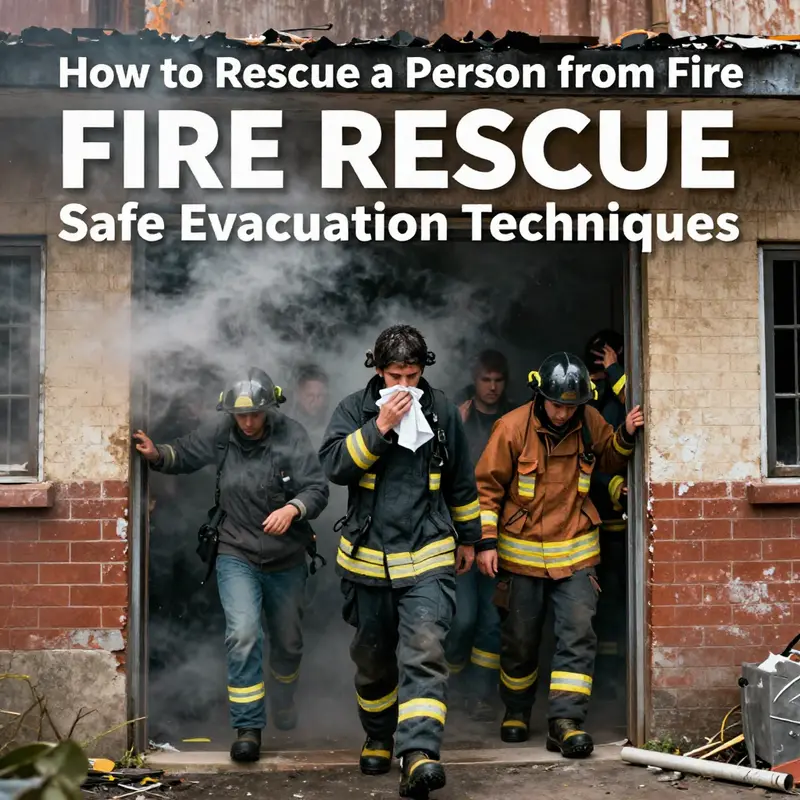
When faced with the terrifying reality of a fire, every second counts and every decision can be the difference between life and death—not just for those trapped inside, but also for those who attempt to rescue them. In the midst of chaos, it is critical to remember that a resolute, calm mind and strict adherence to safety protocols are the key ingredients in executing a successful evacuation. This chapter offers a comprehensive narrative on how to safely rescue a person from fire by delving into detailed strategies that prioritize personal safety, effective communication, and tactical evacuation methods.
Every rescue incident begins with a clear-headed assessment of the situation. In the early moments of a blazing emergency, when smoke billows and flames threaten to consume everything in their path, a potential rescuer must first step back and critically evaluate the environment. Assessing the scene means determining whether the fire is contained or spreading rapidly, confirming the presence of obstacles such as blocked hallways or closed doors, and recognizing the type of fire encountered. These initial observations are crucial because while adrenaline pushes you to leap into action, a methodical evaluation ensures that you do not compromise your own safety. The word of caution here cannot be stressed enough: you cannot save anyone if you fall victim to the same peril. It is essential to call emergency services immediately—dialing the appropriate emergency number, for example, 119 in China—so that professional firefighters, trained to handle such dangerous scenarios, arrive quickly and efficiently. Even as you assess the situation, communicate vital details about the location, the extent of the fire, and any persons trapped inside. This initial reporting sets the stage for a coordinated rescue response.
Once the scene has been evaluated and help is on its way, the focus shifts to the application of safe and effective evacuation techniques. One of the most critical strategies is to keep a low profile—literally. As smoke tends to rise, the air near the floor is usually clearer, cooler, and less toxic. Rescuers should encourage everyone involved to crawl or stoop so that the inhalation of toxic fumes is minimized. The importance of this low-to-the-ground movement cannot be overemphasized. In many fire incidents, it is this very tactic that has saved countless lives by reducing exposure to hazardous smoke and chemicals. Additionally, covering the mouth and nose with a damp cloth or towel is a simple yet effective measure to filter out particulates and lessen the risk of severe respiratory distress.
Attire also plays a significant role in ensuring the well-being of a rescuer. If protective clothing is available, it should be donned immediately. Fire-resistant gear can provide an additional layer of defense against the extreme temperatures and radiant heat generated by the fire. However, it is important to steer clear of synthetic materials that might melt upon exposure to high heat. In the absence of specialized gear, improvised measures—like wrapping natural fabrics around the body—may slightly improve one’s chances of withstand the intense environment. Equally important is to be cautious when touching surfaces that might have been heated by the flames. Hot metal handles and door knobs can cause severe burns and should be tested lightly before any firm grip is attempted. Every precaution in terms of physical protection can contribute to an increased probability of both the rescuer and the victim emerging unscathed.
Communication forms the backbone of a calm rescue operation, particularly in high-stress circumstances where panic can quickly lead to chaos and confusion. A calm, clear voice helps to soothe the person being rescued, which is crucial when fear and disorientation set in. When guiding an individual to safety, it is vital to explain each step in simple terms. Rescuers should instruct them to remain close, keep low to the ground, and avoid running erratically. This clear, steady guidance not only prevents further injury but also instills a sense of control amidst the overwhelming distraction of a fire. Additionally, using hand gestures or other non-verbal signals can be incredibly useful, especially when thick smoke makes verbal communication difficult. Calm, measured instructions help maintain order and ensure that both the rescuer and the victim move together in a controlled manner.
In situations where direct physical rescue becomes necessary, employing appropriate techniques is paramount. If the individual in peril is conscious and able to assist, they should be guided to walk with the rescuer rather than being carried immediately. However, if the victim has lost consciousness or is too weak to move independently, choosing the right carrying method is crucial. Techniques such as the back carry, shoulder carry, or the arms-in-hands carry have been validated in rescue training. Each method has its own set of guidelines to ensure that the victim’s head and neck are supported, and that the rescuer does not incur injury while trying to save another life. It is essential to remember that transferring a person requires both physical strength and proper technique; the rescuer must remain vigilant to avoid situations where the victim’s weight might jeopardize their balance or create new hazards for themselves.
An important consideration during rescue operations is the testing of doors before opening them. In a fire, a door’s surface can provide critical information about the presence of flame or extreme heat behind it. Rescuers are advised to use the back of their hand to gently test the door’s temperature. If the door is noticeably hot, it may indicate that the fire is too close to the other side, and opening it could worsen the fire or accelerate the spread of smoke. In such cases, it is wiser to seek alternative means of escape, such as finding a window or retreating to a safer area where professional firefighters can reach. This seemingly small detail—a simple temperature check—can save both the rescuer and the victim from an unforeseen blast of heat or a sudden flare-up, underscoring that a cautious approach is indispensable in life-threatening environments.
No discussion of rescue operations would be complete without emphasizing the importance of utilizing safe routes. When evacuating a burning building, designated emergency exits and stairways should be the only routes considered. Elevators, while convenient under normal circumstances, can fail or trap occupants during a fire, exposing them to even greater danger. In many modern buildings, emergency signage clearly indicates the safest exit routes, and these signs should be followed without deviation. It is also critical to have awareness of the building’s layout beforehand if possible—knowing where fire escapes are located can make a dramatic difference in the efficiency of an evacuation.
At times when the usual exit paths are blocked, or when obstacles force one to improvise, certain rescue techniques prove invaluable. One such method involves the use of household items like bed sheets or ropes to create a makeshift lifeline. By securely tying sheets together and anchoring them to sturdy fixtures, a rescuer can provide a controlled descent for someone trapped higher up in the building. This technique, while not ideal, is sometimes the only available option when conventional escape routes have been compromised by the advancing flames. Every such improvised action must be carried out with meticulous care, ensuring that the improvised rope or lifeline is robust enough to bear the weight of the individual being rescued. Such moments call not only for quick thinking, but also for technical know-how and a steady hand under pressure.
Yet, even as these strategies come into play, the overarching instruction remains: do not allow the hero complex to override common sense and personal safety. The adage, “You cannot save someone if you become a victim yourself,” must be etched into the mind of every potential rescuer. This principle reinforces the notion that immediate actions such as calling emergency services and guiding victims from a safe distance have their own critical importance. In the unpredictable chaos of a fire, there are instances when waiting for professionals and providing directions from a safe vantage point is the best—and sometimes the only—option available. It is often in these moments of uncertainty that a rescuer’s dedication to self-preservation ensures that they have the capacity to help more people in the long run. Indeed, the safest rescuer remains in the picture to assist multiple victims over time, rather than risking their life on a single, hazardous attempt.
An integral aspect of a successful rescue is maintaining an efficient system of communication not only with the victim but also with any bystanders who might assist in the escape. The coordination of efforts can greatly enhance the speed and efficiency of an evacuation. By directing individuals to follow clear and consistent instructions, chaos tends to subside, paving the way for a systematic exit from the building. While the immediacy of a fire can compel many to panic, the calm and composed demeanor of a rescuer can serve as a foundation upon which cooperation is built. As the victim listens and follows instructions, a sense of order is restored, and the atmosphere gradually shifts from one of desperation to purposeful collaboration. This shift is critical when the stakes are as high as they are in a fire emergency.
Rescuers should also keep in mind that every situation is different. Variations in building structure, fire intensity, and the physical condition of those involved necessitate a flexible, situation-dependent approach. For instance, a multi-story building may present additional hazards that require specialized techniques such as the use of fire escapes or strategically placed ladders. In scenarios where the victim is located on an upper floor but staircases are compromised, the use of a rope system to guide the victim down can be implemented if conditions allow. Every possible course of action should be weighed in terms of risk, and only those that expose the rescuer to a minimum level of danger should be considered. These decisions are never made in a vacuum; they require the rescuer to constantly update their knowledge of the situation as it evolves, ensuring that each step taken is informed by the latest sensory input and situational awareness.
In some cases, especially when dealing with vulnerable populations such as the elderly, children, or individuals with physical disabilities, the rescuer must operate with an added degree of sensitivity and care. The psychological state of the victim can have a profound impact on the success of the evacuation. Fear and panic are natural responses to extreme danger, and they can lead to irrational behavior that may hinder the escape process. Here, the rescuer’s role as a calm, guiding presence becomes even more critical. By offering steady reassurance and clear, concise instructions, the rescuer helps to dissipate the fear that might be overwhelming those in distress. Simple phrases, spoken in a firm yet compassionate tone, can instill confidence and facilitate compliance. In these moments, every word matters, and each instruction provided helps to weave a fabric of trust and order that can carry both the rescuer and the victim to safety.
It is not uncommon during an evacuation for the rescuer to face additional obstacles beyond the immediate threat of the fire. Structural instabilities, falling debris, and unexpected flare-ups can turn an already dangerous situation into an even more perilous one. In these situations, the rescuer must be prepared to improvise and adapt on the fly. For example, if a door becomes jammed or a hallway is blocked by fallen objects, it may be necessary to identify alternate escape routes quickly. This requires an intimate understanding of the building’s layout and a keen eye for potential hazards that might not be immediately obvious. The ability to swiftly redirect the course of the rescue without allowing panic to settle in is a hallmark of effective emergency response. This adaptability is what separates a calculated rescue operation from one that is prone to disaster.
In the modern age, advances in technology have begun to play a supportive role in rescue operations. While not a replacement for the essential principles of fire safety and rescue, these technological innovations help to fill gaps in emergency response. For example, digital communication tools allow rescuers to relay real-time updates to emergency services and coordinate with other first responders more effectively. Similarly, modern buildings equipped with smart sensors can provide instant alerts about changes in temperature or air quality, giving rescuers early warnings of potential escalations in fire behavior. Despite these advances, however, the core tenets of fire rescue remain grounded in common sense, thorough training, and an unwavering commitment to personal safety. It is also important to note that the availability of such technology can vary widely, and in many circumstances, the classic rules of technical rescue—informed by decades of experience—still apply.
The strategic use of available resources can further empower a rescuer in moments of dire need. For instance, an innovative approach taken by some fire rescue teams involves integrating customized equipment that addresses the unique challenges faced during evacuations. Among such resources, specialized tools for descending from high floors using ropes or ladders can be critical. Even in resource-limited settings, simple items such as bed sheets, durable clothing, or even a sturdy branch can be repurposed into lifesaving implements. In our modern era, detailed guides on tailoring such emergency solutions are available and can be explored to better equip oneself for unexpected calamities. One such helpful resource can be found through this insightful overview of customized fire truck solutions, which, while focused on firefighting vehicles, underscores the broader theme of adaptability in emergency response. Through creative application and resourcefulness, everyday objects transform into critical tools that contribute significantly to the success of a rescue operation.
After the immediate danger has been mitigated, attention must shift to after-rescue care—a phase that is as critical as the rescue itself. Victims of fire not only require physical medical aid such as first aid or CPR in cases of breathing complications, but they may also need immediate psychological support due to the trauma experienced during the event. Rescuers are advised to monitor the condition of those they have assisted until professional medical help arrives. Ensuring that the person is in a position where they can breathe freely, remain warm if necessary, and avoid further injury is paramount. The period immediately following the rescue is a vulnerable time and must be managed with sensitivity. This is when even a well-executed rescue can be undermined by complications if the victim’s health deteriorates due to shock or exposure to lingering smoke. Continuous reassurances, proper positioning, and, if needed, the administration of first aid can help stabilize the victim until paramedics take over.
A significant part of building competence in fire rescue operations lies in thorough training and the continual updating of skills. Regular drills and simulated fire events can condition individuals to respond swiftly and effectively under pressure. These exercises not only enhance coordination among team members but also reinforce the understanding that no two fire emergencies are exactly alike. The training process emphasizes that situational awareness, rapid assessment, and flexibility are as vital as any piece of technical knowledge. The synthesis of these skills, when applied in the crucible of a real emergency, often marks the difference between a measured rescue and a catastrophic failure. Accordingly, both professional rescuers and laypersons who might be called upon to assist in an emergency benefit immensely from continuous practice and education.
Maintaining safety during an emergency rescue from a fire is multifaceted, involving both physical techniques and an unwavering commitment to methodology. The critical strategies discussed—from assessing danger and employing protective measures to utilizing both conventional and improvised evacuation tactics—form a well-rounded approach that remains relevant across diverse scenarios. The underlying message is one of relentless attention to personal safety combined with a proactive stance in safeguarding others. Rescuers must balance impulsive heroics with well-informed tactics; the efficacy of any rescue operation hinges on keeping oneself safe while extending help to another.
In conclusion, the story of each fire rescue is one of split-second decisions, calculated risks, and the resolute strength of the human spirit in the face of overwhelming danger. By adopting systematic procedures such as remaining low to the ground, testing doors before entry, and ensuring clear, calm communication, rescuers set the stage for a successful evacuation. Each step—from the initial shock of emergency to the meticulous guidance of a nervous victim—demonstrates that fire rescue is as much about measured judgment as it is about physical capability. The narrative that unfolds during a rescue is not one of heroic abandon but of disciplined adherence to proven guidelines that have saved countless lives.
For those seeking to deepen their understanding of fire safety and refined rescue techniques, reputable organizations such as the National Fire Protection Association (NFPA) offer detailed insights and guidelines that continue to shape modern rescue operations. Embracing these principles while remaining adaptive to the unique challenges of every blaze is the true mark of an effective rescuer.
By internalizing these comprehensive techniques, aspiring rescuers and bystanders alike can transform moments of potential tragedy into powerful demonstrations of courage, prudence, and solidarity. The flame may roar and the smoke may thicken, but with a steadfast commitment to safety and a clear strategy for emergency evacuation, hope can always be found amid the inferno.
For more detailed techniques and guidelines on fire safety, please consider visiting the resources provided by the National Fire Protection Association.
Compassionate Rescue: The Vital Role of Psychological Support During Fire Emergencies
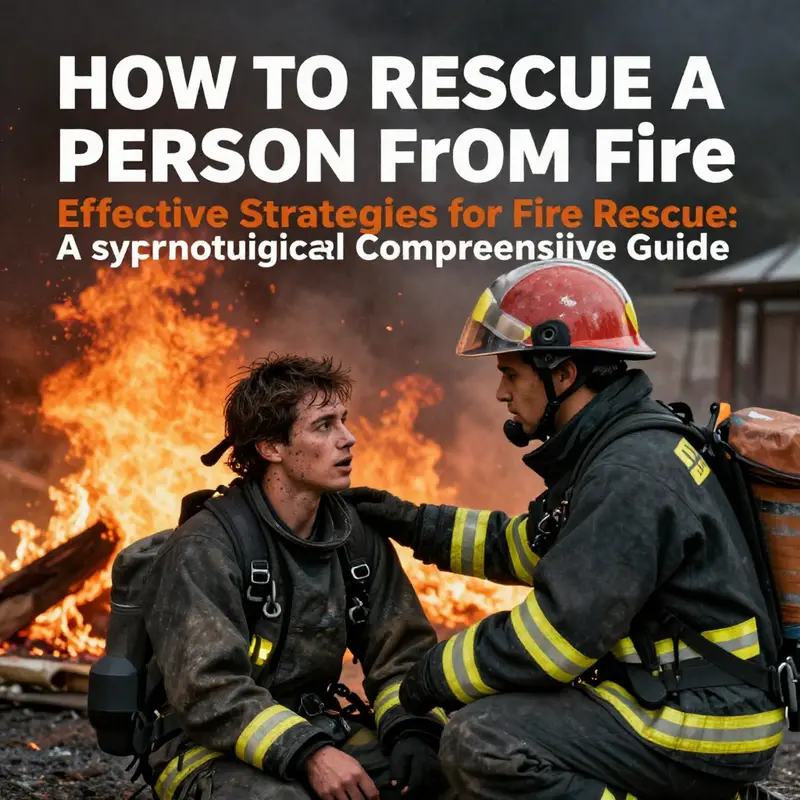
When every second counts during a fire emergency, the actions you take can mean the difference between life and death—not only in alleviating physical dangers but also in providing urgent psychological reassurance to those caught in peril. In the midst of billowing smoke and roaring flames, the stress and terror can leave a lasting scar on both the victim and their loved ones. This chapter explores how rescuers can deliver not just timely physical aid, but also offer compassionate psychological support that nurtures calm amid chaos.
At the very outset of any fire incident, it is essential to remember that your own safety must be preserved. Effective rescue operations begin with a calm, deliberate mindset. As you approach the crisis, you must first assess the situation with clear-headed judgment. An environment that is rife with rapidly changing hazards demands that you adhere meticulously to safety principles. Begin by calling out for professional assistance—in many regions this may involve dialing a dedicated emergency number. For instance, in China, dialing 119 sends a prompt alert to trained firefighters who can rapidly mobilize the resources necessary to dampen the inferno and extract entrapped victims.
Entering a burning structure is one of the most perilous endeavors you may ever undertake. It calls for not only physical courage but also the mental fortitude to help assuage the panic of those in distress. Often, individuals trapped in a fire find their thoughts racing uncontrollably as fear overtakes their reason. The immediate goal of a rescuer, therefore, is to bridge that dangerous gap between chaos and calm by using measured words and steady, confident actions. When you step forward with the clear intent to both guide and protect, a subtle, reassuring message is sent to those who are overwhelmed by the incident.
If you are in a position to act, always begin by shielding yourself against the dangers present in the environment. Simple measures such as covering your nose and mouth with a damp cloth can prove lifesaving. This precaution minimizes the inhalation of smoke, which, aside from its immediate toxicity, can exacerbate panic and disorientation. Maintaining a low profile—both literally, by staying close to the ground where the air is less contaminated, and figuratively, by keeping your composure—ensures you can navigate through smoke-filled corridors with greater clarity and directional sense.
As you guide a victim towards safety, your communication becomes one of the most powerful tools at your disposal. In these critical moments, clear, concise dialogue is essential. Use a soft, reassuring tone that conveys both empathy and assurance. Break down your instructions into simple, manageable commands. For example, you might say, “Stay close to me,” or “We are going to head out slowly.” Such purposeful phrases serve dual purposes: they instruct the victim on practical escape routes while also soothing the emotional turmoil that accompanies a fire emergency.
Often, an effective means to calm the distressed is to maintain warm and direct eye contact. This act of personal connection reassures the victim that they are not abandoned in their struggle. It fosters a sense of trust and builds the foundation upon which further rescue and recovery can proceed. In situations where the environment is exceptionally chaotic or the noise from the fire and collapsing structures makes verbal communication challenging, simple hand signals may complement your spoken instructions effectively. If you are interested in refining such techniques, you might explore strategies related to effective crisis communication found in resources like the guidance provided in effective communication in crisis situations for further insights.
Once the rescued individual is safely beyond the immediate dangers of the blaze, the next critical phase is to address any physical injuries and provide immediate psychological first aid. In the instants following a rescue, the victim’s elevated stress levels can result in symptoms such as rapid heart rate, shallow breathing, and disorientation. These physical symptoms are closely tied to psychological responses, as the mind battles the overwhelming instinct to flee or freeze in the face of danger. The process of calming down usually involves a mix of gentle reassurance and gradual reorientation to the safety of a secured area.
It is during this delicate period that the first layer of psychological support becomes paramount. Begin by assuring the individual that the immediate threat has passed and that help is on its way. Let your presence and your calm demeanor serve as anchors in the swirling storm of emotions. A simple yet effective method is to speak in a measured voice, affirming, “You are safe now; we are here together.” This assurance not only helps to allay the immediate panic but also lays the groundwork for further emotional recovery, ensuring that the trauma does not cement itself into long-lasting psychological injury.
Being present and listening can have a profound effect on the mindset of a fire victim. At times, a listener who does not rush to ask complex questions may help the victim process events at their own pace. Allow for silence when necessary and avoid pressing for details that might force the individual to relive the moment. Instead, offer gentle prompts if the victim wishes to speak about what they experienced. The process of sharing, even if fragmentation of memory, contributes to diminishing the overwhelming sense of isolation and fear so often associated with traumatic events.
Beyond immediate rescue efforts, long-term psychological recovery deserves equal emphasis. The shock of a violent event, such as a fire, does not simply vanish once the flames are extinguished. In many cases, survivors can develop lingering issues like Post-Traumatic Stress Disorder (PTSD), anxiety, or depression. These conditions may not manifest until days, weeks, or even months after the incident. Recognizing that fire rescue is about both preserving life in the moment and safeguarding mental health in the long term, it is essential to recommend follow-up care and ongoing support. Experts stress the importance of early psychological intervention, which can help mitigate the lasting impact of trauma. Crisis counseling and debriefing sessions have been shown to alleviate the emotional burdens that victims carry once their physical wounds have healed.
The role of psychological support does not end with satisfying the victim’s immediate reactions. Instead, it extends into long-term strategies for mental health resilience. For many survivors, the abrupt transition from the terror of the event to the return to daily routines can be jarring. The fear of recurrence, flashbacks, and underlying anxiety may penetrate even the safest environments. Therefore, it is crucial to guide survivors toward professional help as soon as it becomes feasible. This might involve referring them to mental health services where structured approaches, including Cognitive Behavioral Therapy (CBT), can assist in unpicking the strands of trauma that have intertwined during the crisis.
In addition to professional mental health care, community support networks play a vital role in the healing process. Friends, family, neighbors, and even community organizations can offer a compassionate ear and a supportive environment, helping the victim rebuild their sense of normalcy. Sharing experiences, even in a group setting, can validate feelings and diminish the sense of isolation. It is not uncommon to find that communal gatherings and group counseling sessions become a beacon of hope for those whose trust in their own resilience has been shaken by the chaos of a fire. Rescuers, too, sometimes need emotional debriefing after such high-pressure situations to prevent secondary trauma and burnout.
Throughout the rescue operation, the message remains clear: the rescuer must serve as a bastion of steadfast resolve. By prioritizing clear communication and empathetic interaction, you lay the foundation for a recovery process that goes well beyond the initial rescue. One of the essential components of this support is the preservation of dignity. Victims, who may have felt helpless or panicked during their ordeal, require a gentle reminder that they are more than their moment of crisis. Reinforcing their inherent value is instrumental in helping them see past the immediate horror and begin the journey towards long-term recovery.
In many fire emergencies, quick thinking and rapid response are inherently linked with the ability to stay composed. This composure functions as a kind of counterbalance to the disorienting effects of panic, both for the rescuer and the victim. Retaining control in the face of crisis not only improves the odds of a successful physical rescue but also instills the confidence necessary for the victim to process the experience in a healthier manner. You might find it useful to reflect on the story of Liuli, a delivery courier who risked his own safety to rescue an elderly man during a severe fire in Guangdong. Liuli’s story not only highlights the incredible bravery that can be summoned in such dire circumstances, but also exemplifies how a calm, resolute approach can transform terror into hope, paving the way for both immediate physical escape and the enduring reassurance that accompanies compassionate rescue.
While every fire situation carries its own set of challenges and obstacles, the universal truth remains that the psychological well-being of the victim is as vital as their physical safety. When a fire strikes, the internal landscape of a survivor is overhauled by a cascade of stress hormones and overwhelming emotions. To counteract this, the rescuer’s mission must extend beyond the narrow confines of simply pulling someone from the flames. You are tasked with re-establishing a sense of control and normality in an environment that has just been turned upside down by chaos. The calm, steady tone of a rescuer can be the lifeline that pulls a victim back from the brink of panic-induced despair.
It is also important to subtly integrate supportive physical measures that reinforce psychological comfort. When guiding a victim to safety, small gestures—such as offering a gentle pat on the back, ensuring they are comfortably seated once out of danger, or even wrapping them in a blanket—can provide an immense sense of security. The combined weight of physical and psychological tender care is instrumental in bridging the gap between emergency rescue and long-term recovery.
A critical aspect of psychological support is the validation of the victim’s emotions. The feelings of shock, fear, and even guilt that might arise in the aftermath of a fire must be acknowledged as natural responses to an extraordinary situation. As a rescuer, you should avoid dismissing these emotions as trivial; instead, recognize that each tear shed or moment of hesitation is part of the process of coming to terms with an overwhelming experience. This acknowledgment fosters trust and encourages the victim to lean on you as a source of stability during an uncertain time.
As days turn into weeks following the incident, efforts to maintain psychological support must evolve and adapt. Survivors often experience intermittent waves of distress long after the physical threat has receded. It is during such periods that the foundational support provided at the scene can either serve as a stepping stone to recovery or a reminder of unresolved trauma. This is why early intervention from mental health professionals is essential. Their expertise can chart out a course toward recovery through tailored programs designed specifically for trauma survivors. When a victim feels that their inner turmoil is being taken seriously and addressed consistently, they are much more likely to regain a sense of normalcy and trust in the future.
The power of empathetic communication cannot be underestimated in these circumstances. In moments when words seem to fail, the mere act of being present, listening without judgment, and acknowledging the individual’s pain forms the cornerstone of successful psychological recovery. Rescuers must be trained not only in the physical techniques of extraction and first aid but also in the subtle art of emotional validation. This dual expertise ensures that in the wake of a fire, no victim feels abandoned in their struggle.
Furthermore, building resilience often involves reinforcing the idea that while the fire may have shattered the immediate surroundings, it has not destroyed the spirit of those affected. Encouraging survivors to gradually reintroduce routine activities, reconnect with loved ones, and even seek out community support can prove invaluable. By framing the recovery process as a shared journey, the rescuer helps to shift the focus from the traumatic event to the possibility of renewal and healing. In the days that follow, community centers, support groups, and follow-up counseling sessions become sanctuaries where survivors can slowly rebuild the shattered pieces of their lives.
Practical measures may also be introduced to help survivors manage anxiety triggered by memories of the fire. Breathing exercises, meditation, and even light physical activities can offer some relief. It is important for rescues and subsequent care providers to communicate that recovery is seldom linear and that setbacks are a natural part of the healing process. With time, what initially seemed insurmountable can be transformed into manageable challenges that the individual gradually learns to overcome.
In addition to these emotional and physical supports, public education holds a central place in enhancing psychological resilience in the wake of fire disasters. Communities that are well-informed about the nature of emergencies and the tactics employed during rescue operations tend to be more resilient. Public drills, educational seminars, and informational campaigns can demystify the rescue process and prepare citizens to manage both the physical and psychological stresses of a fire emergency. When individuals understand the systematic approach behind the rescue and recovery process—including how professionals are trained to manage crises—it fosters trust and reduces the potential for panic.
A further dimension that warrants attention is the importance of follow-up assessments. Over the weeks and months after an incident, survivors should be periodically evaluated for lingering signs of stress or trauma. In many cases, specialized crisis intervention teams can conduct these assessments and connect individuals with additional support if necessary. This kind of long-term follow-up is essential not only for the immediate victims but also for families and communities impacted by the event. The overarching aim is to ensure that no one is left to cope with their emotional aftermath in isolation.
In conclusion, the journey from fire emergency to full recovery encapsulates far more than the act of physical rescue. It is a multi-layered endeavor that demands both the fortitude to brave immediate dangers and the compassion to soothe deep-seated emotional wounds. By maintaining a dual focus on both physical extraction and psychological reassurance, rescuers set in motion the process of holistic recovery—a process wherein each reassuring word, every calm gesture, and every timely intervention builds the foundation of long-term healing.
The methods outlined in this chapter underscore that rescuing a person from a fire is as much about restoring hope and dignity as it is about extinguishing flames. Remember, your role as a rescuer encompasses providing a steady, compassionate presence in the midst of disaster. This integrated approach not only preserves lives but also mends the invisible wounds that a traumatic event can leave behind. For further guidance on crisis intervention and early psychological support strategies, interested readers may consult the Crisis Counseling Program provided by the U.S. Department of Health and Human Services, which offers additional insights into fostering recovery after emergency events.
This unified perspective on rescue operations, wherein immediate physical intervention is seamlessly interwoven with long-term psychological care, is essential. It reaffirms that effective rescue is a blend of tactical acumen and genuine empathy. In facing one of the most challenging emergencies imaginable, those who act with both strength and kindness epitomize what it means to be a true lifesaver. Their dedication not only saves lives in the moment but also paves the way for enduring recovery and an eventual return to normalcy. In these critical moments, every word spoken, every gesture made, and every action taken resonates far beyond the immediate crisis, providing a beacon of hope and a promise of new beginnings.
In embracing the profound responsibility of rescuing a person from fire, remember that the essence of true heroism lies in the capacity to nurture calm amid chaos. It is the compassionate intertwining of physical intervention and psychological support that forms the foundation for a successful recovery. While the raging inferno may threaten destruction, a steady heart and a considerate touch can rebuild the shattered fragments of hope. Every effort to reassure, every moment spent in empathetic dialogue, contributes not only to immediate escape from danger but also to the long, arduous journey towards emotional healing. Stand firm, be gentle, and let your actions speak volumes that even in the midst of flames, humanity and compassion can light the path to recovery.
Final thoughts
In conclusion, understanding how to rescue someone from a fire requires not only knowledge of immediate actions and safe evacuation techniques but also the critical aspect of providing psychological support. Fire emergencies demand quick thinking and adherence to safety protocols to protect both rescuers and victims alike. By embracing these insights and strategies, community members, emergency responders, and educators can act confidently and responsibly in critical situations, contributing to effective rescue efforts.