
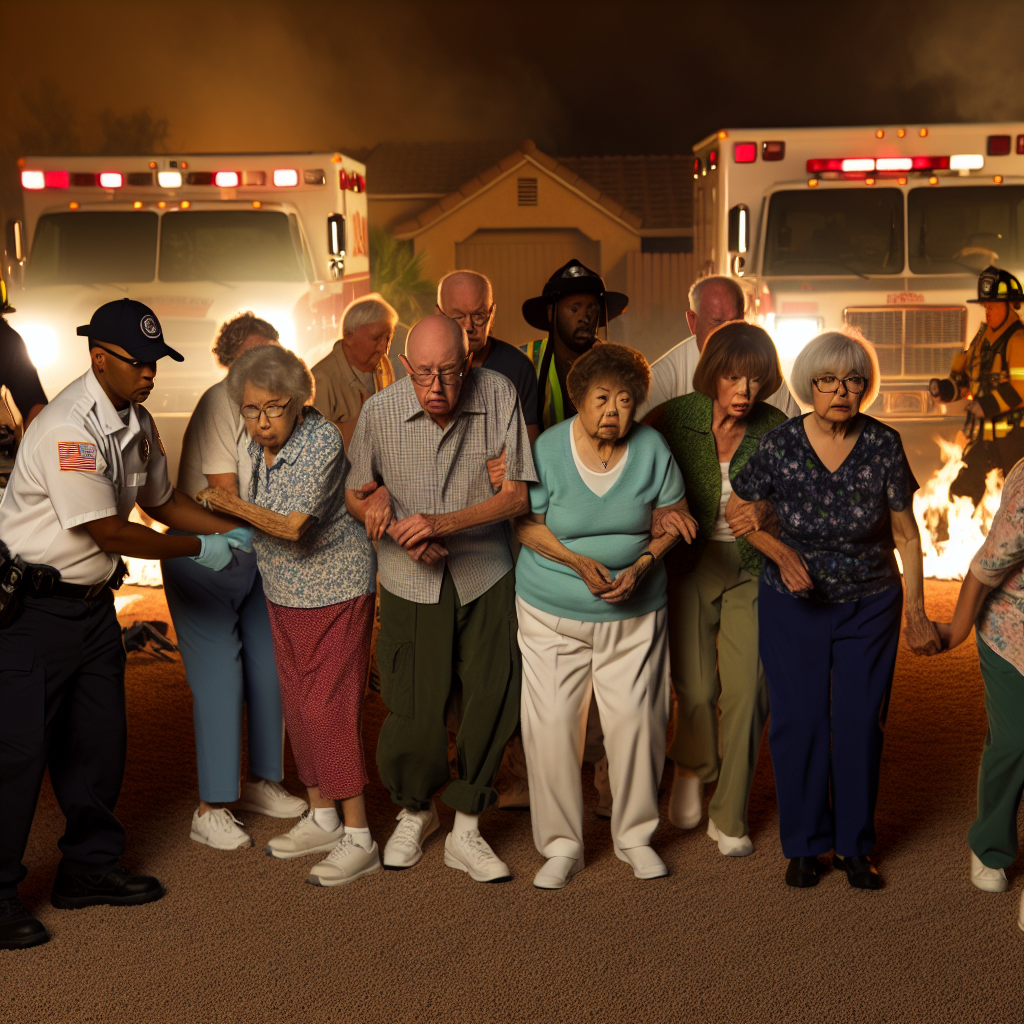
In recent years, the intensity and frequency of wildfires in California have not only tested the resilience of its communities but have also exposed a multitude of failures in emergency response protocols. The chaos unfolding during evacuations, especially in senior care facilities, raises urgent questions about preparedness and accountability.
Tragically, the loss of nineteen lives during the Eaton fire—including vulnerable elderly individuals left behind—illustrates the dire consequences of inadequate planning and execution. As we explore the lapses surrounding these evacuations, it becomes clear that a critical reevaluation of emergency management strategies is essential to protect those most at risk during these devastating events.
During the harrowing evacuation amidst the California wildfires, chaos reigned as staff and volunteers scrambled to respond to the rapidly escalating crisis. Laura Mosqueda, a professor of family medicine and geriatrics, poignantly captured the turmoil of the situation, stating, “Absolutely it was chaotic because of the fires, and absolutely [assisted-living facilities] have a responsibility to have emergency plans and competent leadership who can follow through.” The urgency of the matter was compounded by the realization that incomplete evacuations left elderly residents vulnerable to the exodus of smoke and flames.
Emotions ran high as caregivers faced overwhelming anxiety. Mosqueda further elucidated the severity of the chaos: “To evacuate and not have a complete list and know you’ve gotten everybody out … is not OK.” The fear was palpable, as staff not only had to navigate the physical dangers posed by the fire but also manage the emotional weight of ensuring that each resident was accounted for. Tragically, the lack of preparedness resulted in the heartbreaking loss of lives and left lasting psychological scars on those who were tasked with protecting the most vulnerable.
During the discussions surrounding emergency planning lapses at MonteCedro and The Terraces at Park Marino, there is a clear lack of adherence to established fire safety protocols, which are essential in protecting vulnerable populations such as the elderly during emergencies. Investigations into the chaos during the Eaton fire have revealed that these facilities did not adequately prepare their staff and residents for potential disasters, raising urgent concerns about their emergency management strategies.
The tragic outcomes witnessed emphasize the need for improved elderly care during emergencies. For instance, during the evacuation of MonteCedro, the absence of a comprehensive emergency plan resulted in two elderly residents being left behind. This critical lapse in evacuation protocol not only endangered their lives but also highlighted the facility’s inability to implement effective fire safety measures necessary to ensure the safety of its residents.
Emergency Planning Lapses
The findings from the California Department of Social Services illustrate a need for a systematic overhaul of how emergency planning is approached in senior care facilities. Facilities must be held accountable to fire safety protocols that protect residents during evacuations, especially during high-risk periods like wildfires.
- At The Terraces at Park Marino, the emergency response was criticized for failing to account for the unique needs of elderly residents, leading to delays and incomplete evacuations. This negligence underlines the vital importance of integrating fire safety protocols in their emergency planning to ensure all residents’ safety.
In conclusion, the stark reality presented by the Eaton fire reinforces the need for a reevaluation of emergency preparedness in senior living facilities, with a heightened focus on both fire safety protocols and the specific needs of elderly care during emergencies. Implementing these changes is imperative not only to contribute to effective disaster management but also to preserve the lives of our most vulnerable populations.
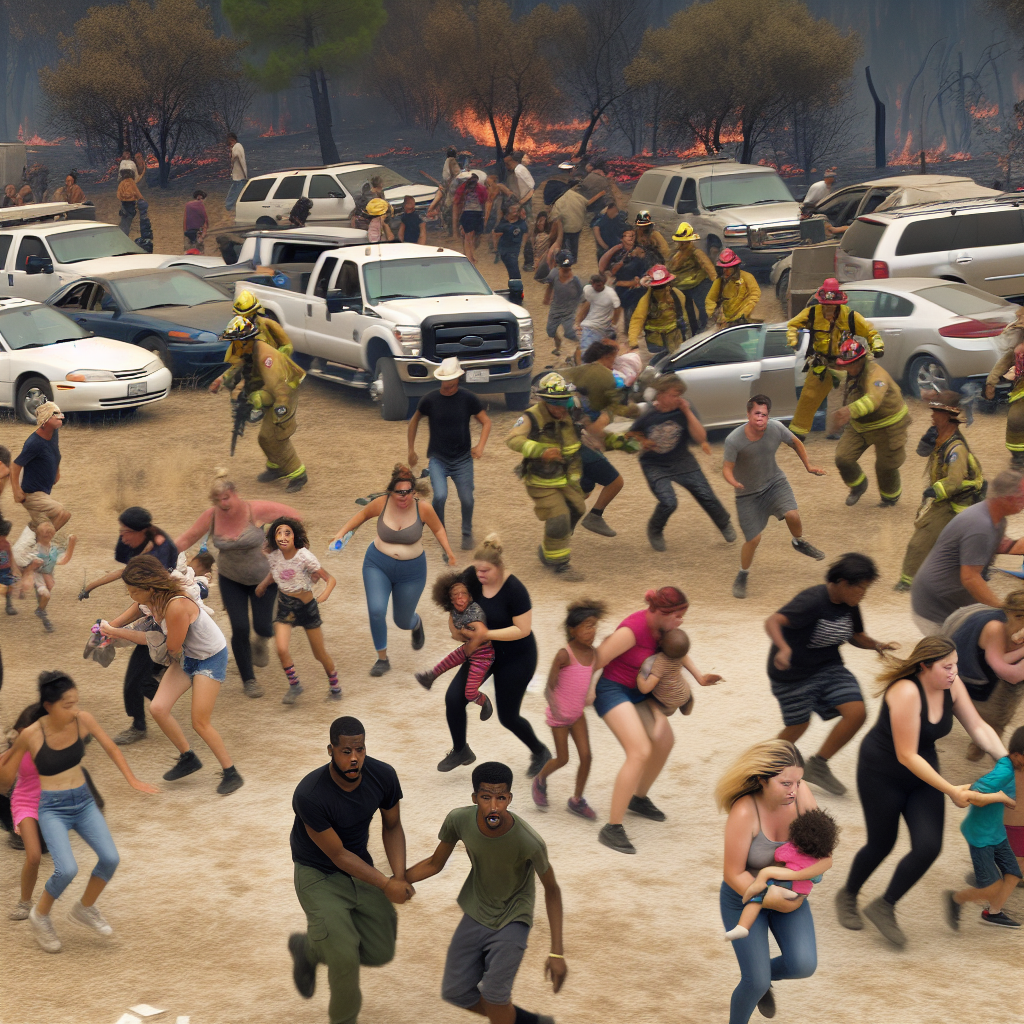
Firsthand Accounts of the Evacuation Process
The evacuation during the Eaton fire starkly illustrated the consequences of inadequate training and poor emergency planning. At MonteCedro, chaos ensued as staff attempted to evacuate residents amid rapidly approaching flames. According to reports from the California Department of Social Services (CDSS), the majority of the night staff lacked the necessary emergency training, rendering them ill-prepared to effectively manage the evacuation. This lack of preparation was devastatingly evident when two elderly women were left behind due to an incomplete resident recall list and failure to follow evacuation procedures. As one of the women, a 100-year-old resident, was later found wandering in the facility, she expressed her bewilderment: “I’ve been trying to find a way out.”
The profound concern of families became apparent as John Ward, whose mother was among those left behind, stated, “They screwed up, it was a bad day for them; they didn’t follow protocol and they should have. … Let’s hope that they’ve learned.” His comments highlight the critical nature of proper training in emergency situations and the emotional toll these lapses inflicted on families.
Further illustrating the lack of comprehensive training, at The Terraces at Park Marino, staff were also found to have failed to check rooms, leading to the abandonment of a wheelchair-bound resident who required firefighters to rescue her. CDSS reports emphasized that these incidents were not merely oversights but systemic failures in emergency planning, emphasizing the urgent need for comprehensive training and updated protocols to safeguard residents in future emergencies.
Together, these accounts underscore the dire implications of inaction in emergency preparedness within senior care facilities during California’s wildfire crises.
| Facility | Staff Training Completion | Evacuation Drills Conducted | Compliance with Procedures | Outcome During Fire |
|---|---|---|---|---|
| MonteCedro | Majority untrained | None reported | Violations noted | Two elderly women left behind, later rescued. |
| The Terraces at Park Marino | Inadequate training | Insufficient drills | Protocols not followed | At least one resident abandoned, reliant on FD. |
The ramifications of poor emergency planning resonate deeply in the aftermath of the California wildfires, especially concerning the tragic case of the two elderly women who were left behind amid the chaos of evacuation. These women, vulnerable and dependent on the assistance of facility staff, embodied the grave consequences of insufficient preparation and execution of emergency protocols. When staff failed to carry out established evacuation procedures, the results were catastrophic. One of the women, bewildered and frightened, was found wandering alone, desperately seeking safety as flames encroached upon her home, illustrating the immediate danger posed by such lapses.
Such failures not only contribute to loss of life but also inflict lasting emotional trauma on families. Relatives of those left behind face unimaginable anguish and heartache, wondering how their loved ones could be abandoned during a moment of crisis. The emotional fallout extends beyond immediate family, affecting the wider community which bears witness to the loss and strives to support those grieving. Survivors and families impacted by these incidents are left wrestling with not only the grief of loss but also the horror of what might have been prevented with adequate emergency management.
The tragic outcomes also emphasize the greater responsibility placed upon senior living facilities and emergency management systems to prioritize training and preparedness. Ignoring these requirements does not just risk the physical safety of residents; it sends a clear signal that their lives, particularly those of the most vulnerable, can be vulnerable to systemic failures. The emotional scars left on families and communities call for urgent action to ensure such tragedies are not repeated, as they affect generations and leave indelible marks on the fabric of society.
Insights and Recommendations
In light of the tragic outcomes witnessed during the Eaton fire, particularly concerning the abandonment of vulnerable residents, it is imperative for senior care facilities to reassess and enhance their emergency response strategies. The critical failures in emergency planning underscore the need for comprehensive training and strict adherence to established protocols.
- Implement Rigorous Training Programs: All staff members, regardless of their role, must undergo regular and thorough training in emergency procedures. This includes conducting realistic evacuation drills to ensure familiarity with protocols and identifying potential weaknesses.
- Establish Clear Communication Channels: Facilities should maintain a complete and updated roster of residents to ensure that nobody is left behind during evacuations. This list should be readily accessible during emergencies.
- Routine Safety Assessments: Facilities should conduct periodic safety drills and assessments to evaluate the effectiveness of their emergency response plans. In addition, improvements should be documented and implemented promptly.
- Foster a Culture of Preparedness: Leadership in these facilities must prioritize emergency preparedness, embedding it within the facility’s culture. This commitment can inspire confidence among staff, residents, and family members alike.
By addressing these vulnerabilities with decisive action, senior care facilities can significantly improve their readiness for emergencies, ultimately safeguarding their residents and preserving peace of mind for families.
The Eaton Fire: A Narrative of Tragedy and Response
The Eaton Fire, which ignited on January 7, 2025, at 6:18 p.m. in Eaton Canyon, California, serves as a sobering reminder of the critical lapses in emergency response during wildfire events. Driven by ferocious Santa Ana winds gusting up to 90 mph, the fire rapidly escalated and overwhelmed local emergency services, posing profound challenges for evacuation, particularly in senior living facilities.
Timeline and Key Incidents
The fire grew ominously throughout the evening, expanding to 1,000 acres within just six hours. Evacuations commenced almost immediately; however, a significant number of residents, especially those in senior housing, faced dangerous conditions as they were transported to safety. Reports reveal that by January 8, 2025, the fire had engulfed approximately 10,600 acres, threatening populated areas and straining emergency resources. Among the most affected were The Terraces at Park Marino and MonteCedro, where staffing shortages hampered effective evacuations.
A heartbreaking pivotal moment occurred when 95 seniors were evacuated from The Terraces at Park Marino. However, the evacuation efforts highlighted severe emergency response failures, as two elderly women, including a vulnerable 100-year-old resident, were tragically left behind amid the chaos. State officials would later note that many staff lacked adequate training for emergencies, and protocols were ignored during critical periods of evacuation.
Statistics and Aftermath
Ultimately, the Eaton Fire resulted in 19 confirmed fatalities, predominantly in west Altadena, where evacuations were delayed due to a lack of timely alerts and communication failures. The fire devastated over 9,400 structures and left thousands of residents displaced, further emphasizing the systemic vulnerabilities underlying California’s wildfire emergency response efforts.
Out of the total fatalities, 18 individuals lost their lives in west Altadena alone, a predominantly Black neighborhood that received evacuation orders several hours after surrounding areas. As the community grappled with the aftermath, findings indicated that overall emergency responses were impeded by overwhelmed agencies, inadequate staffing at senior care facilities, and failures in the alert systems meant to notify residents of impending danger.
The tragic events surrounding the Eaton fire raise pressing questions about the preparedness of senior care facilities and the responsibility of emergency management systems in protecting vulnerable populations during wildfire emergencies. It underscores the critical need for comprehensive training programs and updated communication protocols to prevent such tragedies in the future.
A Deeper Look at the Emotional Aftermath of the Eaton Fire
As we delve deeper into the harrowing impact of the Eaton Fire, the narratives of those affected paint an even more poignant picture of loss, resilience, and the need for accountability. Families caught in the storm of chaos recount their experiences with a mixture of disbelief, sorrow, and a relentless quest for answers.
In an interview, a mother who lost her home while pregnant recounted the frantic decision-making that shaped their evacuation. “Between the storm and the fire, we didn’t feel safe at all. We decided to leave quickly—probably between 7 and 8 p.m. What we thought would be a one-night stay turned into a week sleepover.” Her words reflect not only the urgency of the moment but also the upheaval that followed, highlighting how such trauma can linger long after the flames have ceased.
Another father described the chaos of evacuating mid-dinner with his young children. “I don’t think any of us had finished dinner when the evacuation alert came through… We were fully intending to come back,” he shared, contrasting the expectation of normalcy with the reality of their displacement. His choice to grab one specific guitar from his collection—a poignant reminder of what was left behind—demonstrates the emotional weight of hurried decisions made under pressure.
For families like the Joneses, losing their home pulled back layers of community ties and support. A neighbor reflected, “Everyone knows everyone somehow, and we’re all connected—so rooted in love and respect… We don’t want the rebuilding process to feel like more trauma.” The impact of this network and the inherent emotional bonds reveal how communal strength and individual grief intertwine, particularly in marginalized communities disproportionately affected by disasters.
Moreover, Jessica Newman, a disabled mother, narrated the compounded trauma she faced: “For months, I’ve jolted awake gasping in the darkness, just as I did on January 8. The chaos of evacuation made me lose my way to the medical support I rely on… It was just one more thing to grieve after everything was taken from us.”
Heart-wrenching accounts like these emphasize that the emotional scars from the Eaton fire extend beyond immediate family loss; they ripple through entire communities, altering lives in unforeseen ways. Survivors left to process their trauma are frequently left without adequate resources and support, facing daunting bureaucratic obstacles that only exacerbate their emotional turmoil.
As we reflect on these individual stories of struggle and heartbreak, it undeniably reinforces the necessity for urgent reforms in emergency preparedness and response strategies. Listening to the voices of those impacted not only humanizes the statistics but also underscores the profound responsibility that lies with senior care facilities and emergency management to protect the vulnerable.
Each testimony serves as a reminder that behind every statistic is a family grappling with fear, loss, and a longing for accountability. It compels us to advocate for change in a system that must prioritize the safety and well-being of every individual, especially those most at risk during disasters.
Emotional Aftermath of the Eaton Fire