
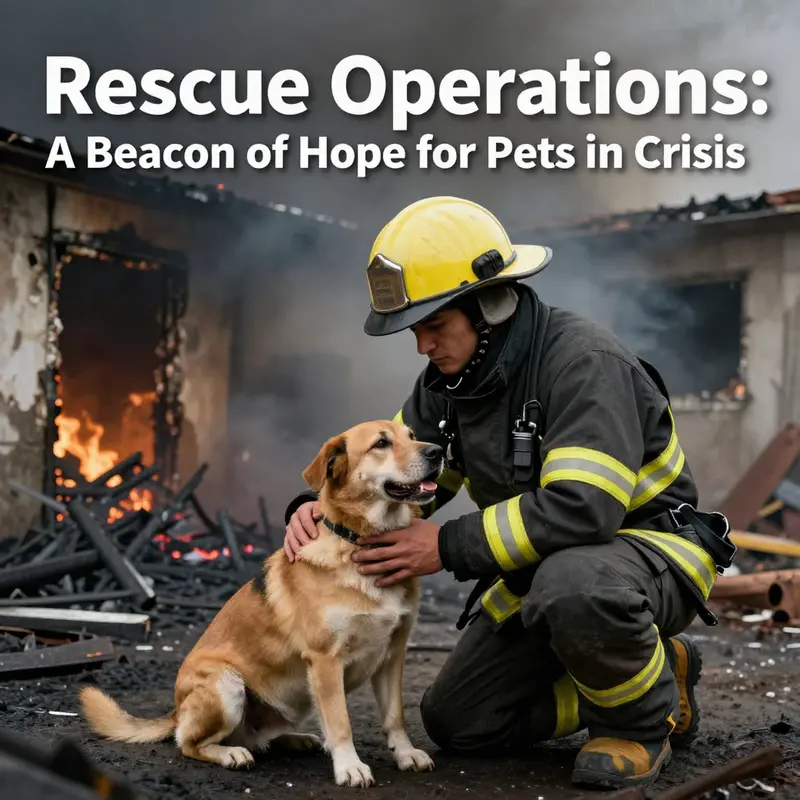
The alarming frequency of fire incidents raises a critical concern for pet safety, emphasizing the need for robust emergency response strategies. This article aims to provide a comprehensive analysis of the rescue operations that successfully saved 10 pets—a remarkable feat amidst the chaos of a fire at Hung Fook Court in Tai Po. We will explore the impact of fire incidents on pets, the specifics of emergency responses, community participation, and conclusive statistics that illustrate the outcomes of such endeavors. By understanding these elements, we can foster more effective rescue protocols and community awareness, ultimately enhancing the safety and welfare of our beloved animals.
null
null
null
null
Bravery in the Smoke: Ten Pets Rescued from Hung Fook Court Fire and the Interwoven Threads of Emergency Response and Community Care
Late November in Tai Po brought a quiet, damp air that belied the severity of the incident unfolding at Hung Fook Court. Smoke curled from a building facade, sparking alarms and a surge of activity that would test the limits of rapid coordination between fire services, animal welfare responders, and the communities those responders serve. In the center of this convergence stood ten vulnerable lives, all of them pets with stories that could easily have ended in tragedy. The official count—nine cats and one dog—became a figure that placed the incident within a broader conversation about how cities protect their smallest, most dependent inhabitants when danger arrives with the heat and chaos of a blaze. The resilience of these animals, and the restraint, skill, and perseverance of the humans who carried them through the flames, offered a case study not only in rescue technique but in the quiet, daily work of connecting a disaster response to long-term care and community support.
Article after article, and the accounts shared by the firefighters who entered the smoke and the SPCA personnel who awaited the rescued animals at the perimeter, aligned on one extraordinary point: a single firefighter successfully guided all ten pets out of the jeopardy zone during an intense, multi-hour effort. This detail, reported by multiple outlets, underscored more than endurance. It highlighted the kind of precise, calm leadership that makes the difference between a chaotic scene and a sequence of recoveries that preserve life after life. The dogs and cats were not mere statistics; each animal carried the immediacy of a life interrupted and the hope of a safe return to the hands that love them. After the initial extraction, the rescue operation shifted from extraction to triage and care, a transition that would determine whether those ten lives could be integrated back into their homes, or into a temporary shelter that might become a bridge to adoption or reunification.
From a procedural vantage point, the rescue unfolded as a careful choreography. The Fire Services Department and the SPCA collaborated in a way that is increasingly familiar in urban emergencies: one team manages the scene’s hazards and extraction routes, while the other team attends to the animals’ specific needs once they reach safety. The animals entered a zone of medical and welfare triage where warmth, hydration, and a gentle, reassuring handling style mattered as much as any medical intervention. Smoke exposure, minor injuries, stress responses—these were the practical concerns of the moment. The animals were scanned for microchips and owners were contacted when possible; identifiers reignited a route toward reunification, and in many cases, sheltering became the next necessary step when owners could not be reached immediately due to displacement or logistical constraints following the incident.
In the reporting of the event, a thread appears that is easy to overlook amid statistics and status updates: the emotional and physical toll on responders. The firefighters, often seen as the public face of emergency response, carry not only the burden of the hazard zone but the responsibility to preserve life in all its forms. For the SPCA staff and volunteers, the animal handling demands a distinct set of skills—calm restraint, sensitivity to sensory overload, and a fast, humane approach to medical assessment and housing. The rescue of ten animals becomes, in this sense, a microcosm of a well-functioning disaster-response ecosystem where equipment, training, and human compassion work in concert. The numbers matter because they translate into needs—more shelter space, trained veterinary staff, and robust foster networks ready to absorb displaced pets or those whose families have not yet found a stable footing after the incident.
The ten-pet figure, precise and memorable, anchors a broader discussion about how urban spaces can protect animal life in crisis. Cats, with their nuanced responses to stress, require different handling compared with dogs, whose routes to safety may involve different dietary and environmental considerations. The SPCA’s role, in cooperation with responders on the ground, extends beyond immediate rescue: it includes intake procedures designed to reduce fear and confusion, vaccination considerations when needed, and a careful plan to monitor potential smoke-related respiratory concerns in the days that follow. For owners who may be scattered by a sudden emergency, the possibility of reunification remains a moral and logistical priority. Shelter staff work alongside rescue personnel to inventory, identify, and locate owners who cannot reach their pets in the immediate aftermath, a process that can hinge on a chain of information from the initial incident report to social media posts and shelter databases.
In reflecting on why this particular rescue matters beyond its immediate outcomes, it becomes clear that the number—ten rescued—functions as more than a tally. It is a reminder of the interdependence between human shelter operations and animal welfare services in ordinary cities and extraordinary moments alike. It invites contemplation of how to plan for the consistent demands that follow a local fire: space for temporary housing that can accommodate both nocturnal cats and daytime dogs, enrichment activities to mitigate stress, and the capacity to provide veterinary follow-up for smoke exposure that may not manifest immediately. It also prompts communities to consider the value of a well-integrated response system that can adapt to unique local circumstances, including the layout of multi-story living spaces, the proximity of households to the fire, and the cultural expectations around animal caregiving in times of upheaval.
While the immediate aftermath centers on rescue and relief, the longer arc of the story invites a more contemplative look at how communities rally around animal welfare in times of distress. The public’s response to the incident—audible gratitude toward first responders, expressions of concern in local forums, and calls for ongoing support to shelters—demonstrates a recognition that animals are part of the social fabric of everyday life. Donor support, volunteer staffing, and foster networks often emerge more readily in the wake of a clear, visible success: ten animals given a second chance at safety and, possibly, a renewed relationship with the people who love them. This dynamic helps explain why reliable operations—like the dedicated effort of a single rescuer and the swift collaboration between firefighters and animal welfare workers—become a touchstone for future preparedness and policy discussions.
From a research perspective, there is a surprising gap when it comes to formal data on community involvement in pet rescues specifically from fires. The available materials describe the incident and the immediate rescue outcome, but they do not present a structured analysis of community engagement patterns in similar emergencies. Yet, the narrative of this event does offer a practical blueprint for how different actors can align their strengths. It underscores the importance of having clear lines of communication between on-scene responders and animal welfare personnel, the need for rapid veterinary triage, and the value of sheltering capacity that can scale in response to sudden losses in housing and accommodation. It also makes apparent that the public’s understanding of what rescue teams do—and how they do it—can influence resource mobilization after an incident. Media coverage, social sharing, and community conversations all shape the willingness of residents to support shelters, donate supplies, and participate in adoption and fostering programs that reduce long-term strain on animal-care infrastructure.
As the scene at Hung Fook Court faded from the headlines into the routine cadence of recovery, the story hovered over a more lasting question: what does safety look like for pets in a city that grows denser and more complex by the year? The answer requires more than a single heroic act; it requires a network of planning and practice that can absorb, preserve, and restore the lives of animals who depend on human guardians and institutions for their safety. The ten rescued pets—nine cats and one dog—do not just symbolize a successful extraction; they embody a broader aspiration for compassionate resilience. Their rescue is a reminder that emergency response is deeply interwoven with animal welfare and that a city’s strength in crisis is measured not only by how quickly flames are driven back but by how effectively care is provided to every vulnerable life caught in their path. In a world where fires will continue to challenge urban life, those ten lives stand as a testament to what can be achieved when courage, coordination, and care converge.
Further reflection on practices beyond the immediate incident can draw from broader conversations about community resilience and animal welfare in crises. For those looking to understand how such integration can improve outcomes in future events, the discussion can be enriched by exploring resources that examine sustainable, community-centered approaches to crisis response. In particular, the concept of creating spaces that support both people and animals during emergencies—an idea encapsulated in the Green Firehouse framework—offers a lens for thinking about how design, policy, and training converge to improve outcomes for all residents, two-legged and four-legged alike. See the-green-firehouse-creating-sustainable-spaces-for-community-and-health for more context on that approach.
The tale of the Hung Fook Court incident, then, circles back to a straightforward, enduring lesson: a community’s true readiness is measured by its capacity to protect and reunite those who rely on others when danger strikes. Ten pets rescued from a fire becomes more than a statistic in a press release; it becomes a narrative thread that links brave action, professional duty, and the quiet generosity of neighbors who support shelter networks, volunteers who foster, and families who keep faith with their companions. When the smoke clears, the real measure of success is that every rescued pet has a path back to safety, care, and belonging, and every responder carries forward the knowledge that their work helps to preserve the bond between human communities and the animals they cherish. This is the legacy of a tenfold rescue—a legacy not only of fire extinguished but of life preserved, and of a city that, for a moment, chooses to stand with its most vulnerable members even as it rebuilds and recovers.
External resource: https://www.spca.org.hk/
null
null
Final thoughts
The rescue of 10 pets from the fire incident at Hung Fook Court serves as a powerful reminder of the importance of effective emergency responses and community cooperation in safeguarding animal welfare. By integrating insights from the impact of fire incidents, emergency strategies, community involvement, and statistical outcomes, we can better prepare and respond to similar situations in the future. Each successful rescue not only illustrates the heroism of firefighters and volunteers but also strengthens the bond within the community, reinforcing our collective responsibility in times of crisis. Let us continue to advocate for the safety of our pets and support initiatives that promote awareness and preparedness in emergency situations.