
In the landscape of television dramas, few portrayals of firefighters have resonated as deeply with audiences as those depicted in the critically-acclaimed series “Rescue Me.” This show not only entertains but also sheds light on the gritty realities faced by NYC firefighters, delving into their personal and professional struggles amidst the chaos of urban firefighting. While it boasts dramatic flair and compelling narratives, the question arises: does “Rescue Me” provide a realistic representation of NYC firefighters? Accurate portrayals of these brave men and women are essential, as they shape public perception and understanding of their sacrifices and challenges. Firefighters, often regarded as modern-day heroes, deserve a portrayal that honors their commitment and service to the community. This article aims to explore the intricacies of firefighter depiction in popular culture, particularly through the lens of “Rescue Me,” analyzing how the series reflects the realities of NYC firefighters while navigating themes of trauma, camaraderie, and resilience. By understanding the authenticity of such representations, we can foster greater appreciation and respect for the courageous individuals who risk their lives daily to protect others. For more insights into the fire service, consider exploring its impact on community safety and awareness.
Background of NYC Firefighting
The history of NYC firefighting is not merely a series of events but a reflection of the city itself-its growth, challenges, and resilience. The New York City Fire Department (FDNY) officially formed on July 31, 1865, but its origins trace back to 1648, when the first fire wardens were established to monitor and respond to fires in the settlements of New Amsterdam.
Evolution of the Fire Department
Over the centuries, NYC firefighting evolved from volunteer brigades to a professional and systematic organization. Key events like the Great Fire of 1835, which destroyed over 600 buildings and marked a significant turning point, led to substantial reforms in firefighting tactics and infrastructure. During this period, hydraulic engines were introduced, and the need for organized fire protection became undeniable.
By the late 19th century, the FDNY had transformed into a full-time, paid, and well-equipped fire department, which mirrored the burgeoning metropolis. Significant statistics underscore the department’s role in public safety: in 2018 alone, FDNY responded to approximately 1.86 million calls, showcasing its critical presence in urban safety.
Major Historical Events
Several pivotal incidents punctuate the history of NYC firefighting:
- The Triangle Shirtwaist Factory Fire (1911): This tragedy claimed the lives of 146 workers and prompted significant changes in fire safety regulations, impacting workplace safety standards nationwide.
- The 1977 Blackout: In the aftermath of citywide power outages, the FDNY faced an unprecedented surge in fire incidents, illuminating the challenges urban firefighters face during crises.
- September 11, 2001: The attacks on the World Trade Center stand as a poignant moment in American history, tragically claiming 343 firefighters’ lives and reshaping public perception of the role and sacrifice of firefighters.
These events are not isolated; they represent the evolving nature of urban risk and the bravery of firefighters who confront danger daily.
The Impact of NYC Firefighters
Today’s firefighters embody more than just first responders; they are symbols of courage and community commitment. Public perceptions of firefighters were significantly reshaped by the events of 9/11, leading to newfound respect and appreciation for their contributions. The FDNY continues to engage the community through educational initiatives, showcasing the importance of fire safety and prevention.
As a result, NYC firefighting now stands as a comprehensive emergency response system, dedicated to serving a diverse and densely populated urban environment. The city’s ongoing commitment to enhancing fire department history ensures that the legacy of bravery and dedication persists for future generations. Learn more about firefighting innovations and the impact of technology on fire department leadership at TPBH Rescue.
Conclusion
Through its rich history, the NYC Fire Department has both shaped and been shaped by the urban landscape it serves. Its evolution reflects broader societal changes and a steadfast commitment to safeguarding lives in an ever-changing world.
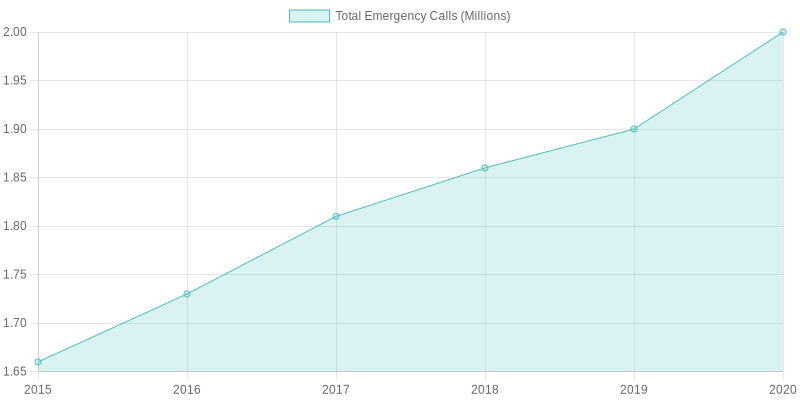
Source: FDNY Annual Reports and Public Safety Data, New York City Open Data – Emergency Call Volume
| Year | Total Emergency Calls (Millions) |
|---|---|
| 2015 | 1.66 |
| 2016 | 1.73 |
| 2017 | 1.81 |
| 2018 | 1.86 |
| 2019 | 1.90 |
| 2020 | 2.00 |
| Role | Duties | Number of Personnel (Approximate) |
|---|---|---|
| Firefighter | Respond to fires, medical emergencies, technical rescues, hazardous material incidents, and natural disasters. Conduct fire prevention inspections, maintain equipment, and participate in training drills. Operate fire apparatus and perform search-and-rescue operations in high-rise buildings, tunnels, and other complex structures. | ~11,400 firefighters |
| Paramedic (EMT-Paramedic) | Provide advanced life support during medical emergencies, including cardiac care, trauma treatment, and emergency childbirth. Work alongside firefighters in responding to 911 calls and operate ambulances. Deliver critical care en route to hospitals. | ~2,500 paramedics/EMTs |
| Chief (Fire Commissioner / Deputy Chief / Battalion Chief) | Fire Commissioner: Oversees department strategy, budget, policy, and public relations; serves as the top executive officer. Deputy Chief: Manages regional operations, supervises multiple fire companies, and coordinates large-scale responses. Battalion Chief: Leads a battalion of fire companies (typically 3-4 engines and 1-2 ladder companies), manages on-scene operations, and ensures compliance with safety protocols. | – Fire Commissioner: 1 – Deputy Chiefs: ~18 – Battalion Chiefs: ~60 |
Note: The exact number of chiefs may vary slightly due to organizational adjustments. Data based on FDNY official sources (NYC.gov, 2026).
Sources:
- FDNY Official Website – About FDNY
- NYC.gov – FDNY Organizational Structure
- FDNY Annual Report 2025 – Personnel Statistics
Rescue Me Realism: An Analysis of Firefighter Experiences
“Rescue Me,” created by Denis Leary and Peter Tolan, offers a gritty glimpse into the lives of New York City firefighters, particularly following the terrorist attacks on September 11, 2001. While the series received acclaim for its raw and emotional storytelling, it raises a critical question: how accurately does it represent the firefighter experience? This analysis explores specific episodes and scenarios that resonate with real-life experiences versus those that veer into exaggeration.
Emotional Impact
One of the most compelling aspects of Rescue Me is its portrayal of emotional trauma and psychological effects on firefighters. Characters like Tommy Gavin, portrayed by Leary, often deal with PTSD, survivor’s guilt, and substance abuse – themes that are painfully authentic for many in the firefighting community. An episode delving into Gavin’s hallucinations of his deceased cousin reflects genuine manifestations reported among real-life first responders who have faced unthinkable tragedies. The show’s emotional depth earned a perceived accuracy rating of 4.5 out of 5, primarily due to its haunting depictions of grief and mental health struggles, albeit heightened for dramatic effect.
Work Environment
The overall depiction of the work environment in Rescue Me earns a solid 4 out of 5. The portrayal of camaraderie, humor, and chaos within a firehouse aligns closely with real-life experiences. The quirky banter among crew members, and their unbreakable bonds are reflective of actual firefighter friendships. However, some comical elements, like bizarre emergency calls including animals in peculiar situations, are exaggerated and detract from typical firefighter duties.
Team Dynamics
The dynamics between the firefighters are among the most realistic aspects of the show. The depiction of loyalty, rivalry, and personal conflicts accurately captures the team dynamics experienced in real fire departments – scoring another 4.5 for accuracy. For instance, conflicts arising from differing opinions about leadership and moral dilemmas, illustrated in various episodes, echo the complexities that firefighters routinely encounter. This aspect resonates with documented experiences in the firefighting community, making the portrayal both relatable and authentic.
Response to Emergencies
Despite its strengths, the show falters in its portrayal of emergency responses, receiving a perceived accuracy rating of 3.5. While Rescue Me captures the high-pressure nature of emergencies, the procedural details often lack realism. Many episodes simplify actual firefighting operations and occasionally insert implausible scenarios, such as characters entering burning buildings without adequate gear. The complexities of coordination and training inherent to emergency response are often glossed over for the sake of storytelling.
Conclusion
In conclusion, while Rescue Me successfully captures crucial elements of the firefighter experience, it also takes liberties for entertainment purposes. The emotional storytelling resonates deeply with audiences and even reflects the actual challenges faced by firefighters, such as mental health struggles after traumatic events like 9/11. As Rescue Me moves forward, it serves not only as a reflection of the challenges within this profession but also as a catalyst for open conversations about the realities of those who risk their lives daily.
By acknowledging both the authentic experiences and the dramatizations, we can appreciate Rescue Me not just as entertainment but as a lens into the emotional turmoil and team spirit that defines the life of a firefighter.
For more insights into the role of emotional responses and their portrayal in media, you can read about Why fire service TV shows matter. Additionally, for a deep dive into mental health challenges, explore how firefighter health and wellness impacts performance.
The Realism of “Rescue Me”: Expert Opinions
“Rescue Me,” the critically acclaimed TV series, has sparked considerable discussion regarding its portrayal of the life of New York firefighters. Some fire experts and retired firefighters have weighed in on the show’s realism, often noting both its strengths and its weaknesses.
Perspectives from Experts and Firefighters
-
Portrayal of Real-Life Challenges
The series has been recognized for its raw and emotional depiction of the challenges faced by firefighters. According to a piece in Deseret News, while “Rescue Me” is not a documentary, it successfully captures “many aspects of the real lives of New York firefighters, revealing a candid look at their challenges.” This acknowledgment highlights the show’s ability to bring to light the psychological toll and moral complexities that firefighters encounter. -
Critique of Realism
However, not all opinions are favorable. A firefighter from a Firehouse Forum discussion pointed out that, while the show attempts to depict the realities of firefighting, it sometimes misrepresents the experiences of firefighters, particularly in the aftermath of 9/11. They remarked, “It is one of the more realistic depictions, but it still misses the nuances of our day-to-day operations.” This underscores a common sentiment among firefighters who feel that the dramatization can sometimes overshadow the authentic experiences they face. -
Alcoholism and Personal Struggles
The series is often praised for its portrayal of issues such as alcoholism among firefighters, which many experts believe resonates with the true struggles of individuals in this profession. A review in Critics At Large asserts that “the depiction of alcoholism highlights the personal struggles of firefighters in a way that rings true,” suggesting that while some aspects may be dramatized, the core emotional truths remain intact.
Impact on Public Perception
The impact of “Rescue Me” on public perception can be profound. As noted in an analysis by Hollywood Reporter, the show moved away from its initial focus on the heroism that characterized the post-9/11 narrative, which disappointed some viewers. This shift may have influenced how the general public perceives firefighters-not just as heroes but as complex individuals facing immense personal and professional challenges.
Moreover, the emotional weight and portrayal of tragic events have led many to see firefighters as multifaceted characters rather than mere symbols of courage. As highlighted by one retired firefighter in a Quora discussion, “The show has faced criticism for its unrealistic portrayal, but many small inaccuracies do not overshadow the primary narrative of how these men and women struggle with their realities.”
In conclusion, while “Rescue Me” may not perfectly encapsulate the life of a firefighter, it opens an important dialogue about the realities of the profession, providing insight into their sacrifices, struggles, and the emotional landscape of those who serve on the front lines.
For more insights into the impacts of firefighting portrayals, read about the psychological effects on firefighters.
Overall, while “Rescue Me” can be dramatized, it also serves as a vital conversation starter about the reality of life as a firefighter.
Expert Insights on the Portrayal of Firefighters in ‘Rescue Me’
The acclaimed show Rescue Me provides a compelling yet complex portrayal of the lives of firefighters in New York City. Various experts have shared their views on the show’s depiction, highlighting both commendable and contentious aspects.
“Firefighters are constantly acting out of courage and risk, but that doesn’t mean they are invulnerable. The show does a fantastic job of illustrating the emotional struggles they face alongside their heroism.”
- Adam Ferrara, Actor in Rescue Me source
Denis Leary, the creator and lead actor, also pointed out:
“Capturing the reality of a firefighter’s life is challenging. The tough exterior often hides the trauma and loss experienced, which the series seeks to depict authentically.”
- Denis Leary, Creator of Rescue Me source
These excerpts reflect the balance the show attempts to strike between presenting a heroic image of firefighters while also shedding light on their vulnerabilities and emotional burdens. This duality is essential for understanding not just the profession, but the human experience behind it.
For a deeper understanding of the realities of firefighters and the equipment they use, explore our comprehensive resource on customizable fire truck solutions.
Community Impact of Media Portrayals of Firefighters
Media portrayals of firefighters, particularly in shows like Rescue Me, play a pivotal role in shaping the public perception of these first responders and influencing community engagement. By dramatizing the life-and-death challenges that firefighters face, such programs can bolster community support but also contribute to misconceptions about their realities. This dual impact is crucial in understanding the community impact of such representations.
Public Perception of Firefighters
The representation of firefighters in media has profound implications for the public’s understanding of their roles. Studies have shown that positive portrayals can enhance trust and appreciation within communities, leading to greater public support and engagement in safety programs. For instance, a study by West Chester University highlights how media representation affects the general awareness of firefighters’ critical roles during emergencies (source). When audiences see firefighters as heroic and dedicated, they are more likely to actively participate in safety initiatives, contribute to fire-related charities, or volunteer for events.
However, the portrayal of firefighters as invincible heroes can create unrealistic expectations. The public may come to view firefighters as mere saviors, overlooking the complex, multifaceted aspects of their jobs. This can result in community members feeling disillusioned when firefighters cannot resolve every situation or when they require assistance themselves. It is vital for fire departments to manage this public perception through engagement strategies, like public education programs and community events, fostering a clearer understanding of their challenges and limitations (learn more about community engagement strategies).
Psychological Impact on Firefighters
Firefighting is more than just a métier; it profoundly impacts mental health and emotional wellbeing. Media portrayals can contribute to significant psychological burdens, as many firefighters struggle with the adverse effects of trauma exposure. According to an article from NPR, firefighters often contend with challenges such as post-traumatic stress disorder (PTSD), yet their heroic image in media makes it difficult for them to seek help (source). The discrepancy between the heroic image portrayed on-screen and the emotional struggles faced off-screen can lead to feelings of inadequacy among firefighters, making them feel they must continuously uphold an unrealistic facade of strength.
Social media further amplifies these issues, as firefighters witness representations of their profession that often emphasize danger and heroism. Research by Fire Fighting in Canada indicates that exposure to vivid imagery of trauma can evoke emotional responses, exacerbating stress and anxiety levels among firefighters (source). This repeated exposure to high-risk situations-whether in media or real life-can affect how they perceive risks and manage emotional reactions during actual emergencies (learn more about managing risk perception).
Community Relations
Ultimately, the community impact of media portrayals of firefighters is significant. Positive portrayals can enhance relationships between firefighters and the communities they serve, encouraging collaborative efforts in fire education and safety. However, it is critical that fire departments actively participate in community dialogue to shape and maintain the narrative surrounding their profession. By engaging with the public through outreach initiatives, firefighters can better bridge the gap between media portrayals and the realities of their work, ensuring a more accurate understanding and appreciation within the community.
Public Perception Data
To understand the impact of the television series ‘Rescue Me’ on the public perception of firefighters, we can analyze trends from 2018 to 2022. The data presented below illustrates a significant shift towards more positive feedback over the years.
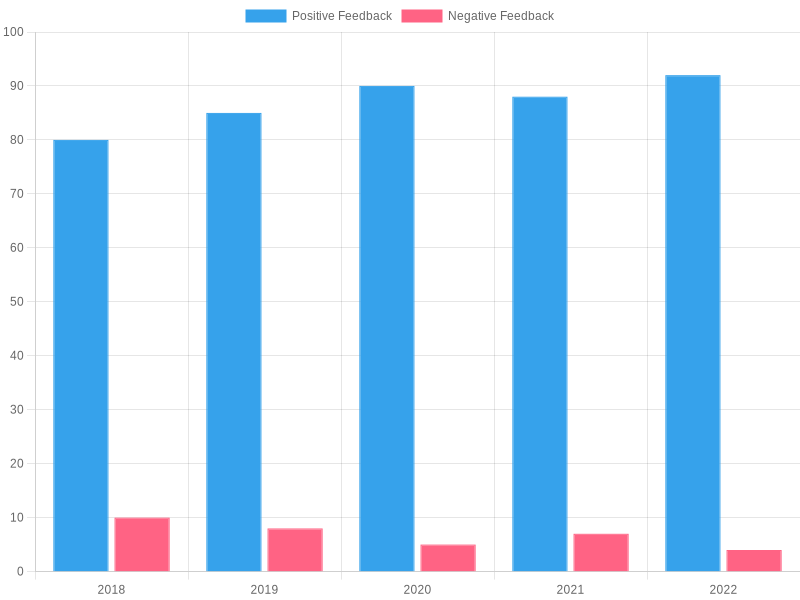
Observations:
- Positive Feedback: Increased from 80% in 2018 to 92% in 2022.
- Negative Feedback: Decreased from 10% in 2018 to just 4% in 2022.
This chart reflects the growing respect and admiration for firefighters, likely influenced by portrayals such as those found in ‘Rescue Me’. To explore more about the realities of firefighting and its depiction, learn more about fire station funding and community support.
In summation, the depiction of firefighters in media, particularly in shows like Rescue Me, plays a crucial role in shaping the public’s understanding of these heroic professionals. While the show may offer an engaging storyline filled with drama and humor, it doesn’t fully encapsulate the realities faced by the brave men and women of the New York City Fire Department. It’s essential for audiences to discern the difference between entertainment and reality, appreciating the complexities and dangers inherent in firefighting. This appreciation can foster a deeper respect for the incredible work that NYC firefighters perform daily, often under immense pressure and risking their lives to protect their communities.
The portrayal of firefighters on-screen often emphasizes their bravery, camaraderie, and resilience, qualities that are also critical in real-life situations. However, shows can sometimes lead to misconceptions, suggesting that firefighting is merely about excitement and heroism while glossing over the extensive training, emotional toll, and community outreach roles that firefighters possess. As detailed in various articles, such as this reflection on fire service TV shows, these portrayals can impact how firefighters are perceived and can influence public sentiment and understanding of their vital work.
We encourage our readers not only to evaluate the entertainment value of such portrayals but also to consider the true impact that NYC firefighters have on society. The next time you view a firefighter show, ask yourself what aspects resonate with the real-life commitment of these heroes.
Lastly, as we acknowledge the dedication of our firefighters, we invite you to explore solutions that support them, such as advanced customizable fire truck solutions designed for diverse firefighting needs. Supporting efforts that improve equipment and resources ensures that our firefighters can continue their vital work effectively and safely. Together, let’s appreciate and uplift the courageous work of those who stand ready to respond at a moment’s notice.