
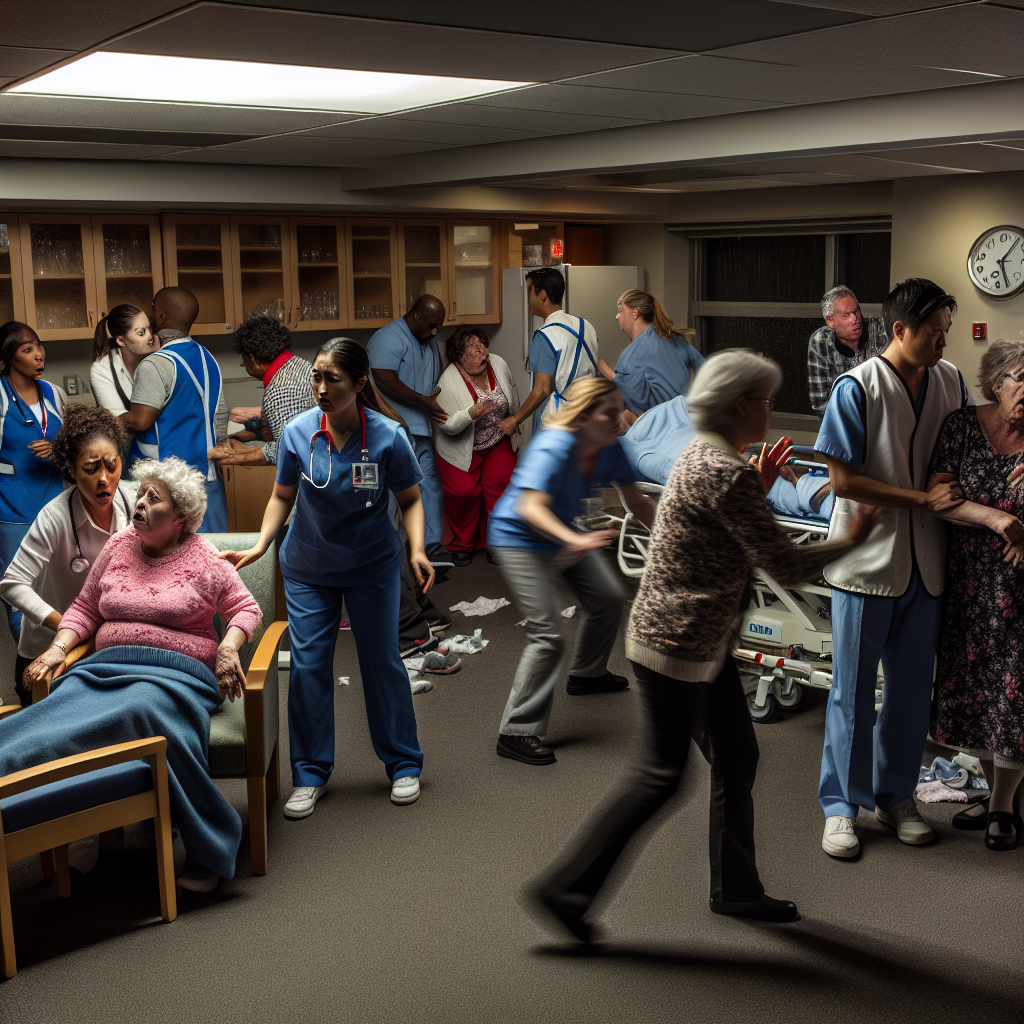
As wildfires continue to ravage California, the failures in emergency planning within care facilities have become alarmingly evident. The recent tragic loss of life during the Eaton fire highlighted glaring gaps in disaster preparedness, revealing a systemic neglect of vulnerable populations, particularly seniors in care facilities. The importance of effective wildfire emergency planning cannot be overstated; it is a matter of life and death.
This situation underscores the urgent need for comprehensive, well-implemented emergency protocols that prioritize the safety and well-being of residents. As we delve into the critical failures encountered in California wildfire emergency planning and the lessons that must be learned, it becomes increasingly clear that a robust response mechanism is not only beneficial but essential for preventing future tragedies.
Insights on Disaster Preparedness
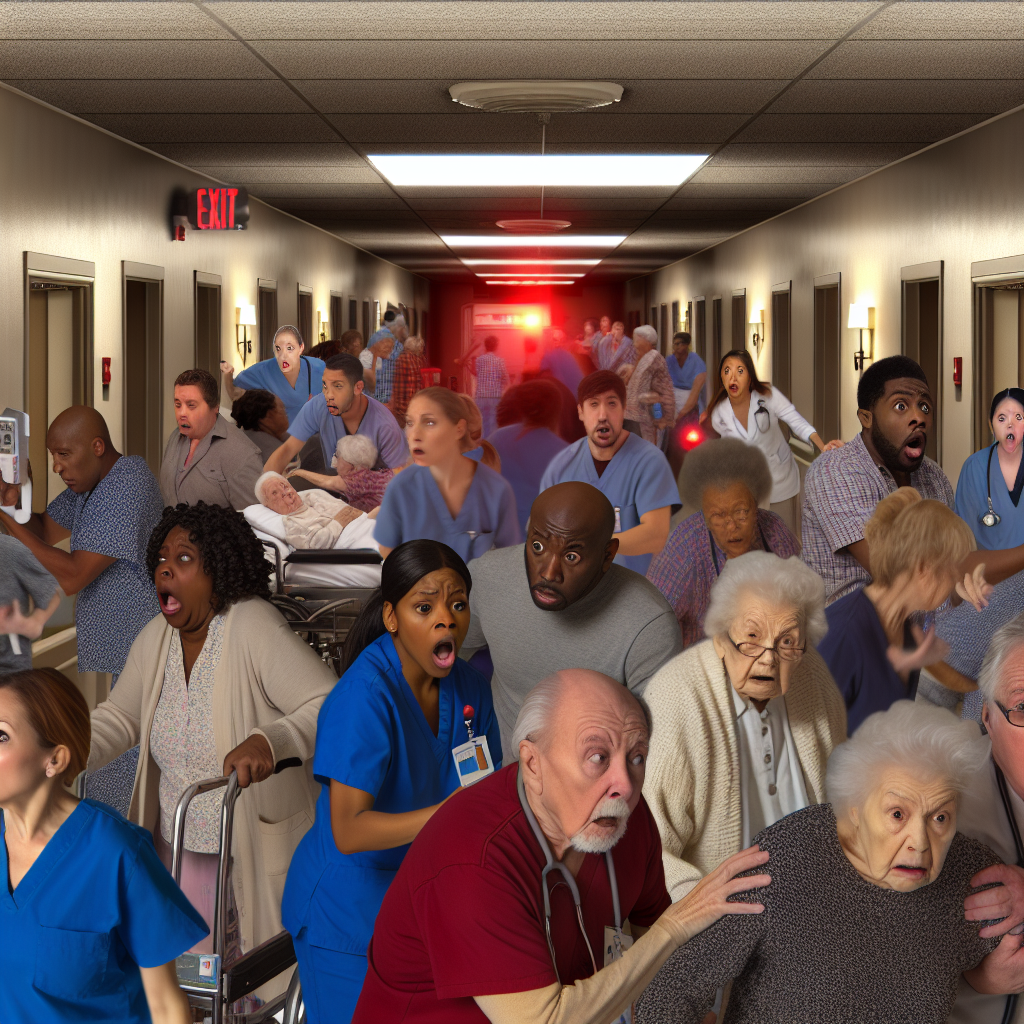
The California wildfires have served as a harsh reminder of the critical importance of having effective emergency protocols in care facilities. During the recent wildfire incidents, significant gaps in disaster preparedness were evident, leading to chaotic evacuations and tragic outcomes. Reports indicated that many facilities lacked adequate training and coherent evacuation plans, resulting in confusion among staff and vulnerable residents.
State investigations following the disasters revealed that approximately 24% of nursing homes in high-risk fire zones had incomplete or outdated emergency plans. Staff training was often insufficient, with many personnel unprepared to execute evacuation procedures. The chaotic responses not only endangered residents but also left caregivers scrambling to develop solutions on the spot.
For caregivers and facility administrators, the chaotic scenes highlighted the necessity for robust training programs that ensure every staff member understands their role in an emergency. In particular, emergency protocols must be clear, well-communicated, and practiced through regular drills. Insufficient training can lead to delayed responses, leaving residents at risk during an actual disaster.
Furthermore, integrating long-term care facilities into local emergency management frameworks is essential. This includes creating interoperability with local first responders and developing clear pathways for evacuation that account for residents with mobility challenges. By doing so, care facilities can foster a proactive approach to emergency preparedness that prioritizes resident safety and well-being.
In summary, the lessons learned from the California wildfire incidents urge immediate action in the form of comprehensive emergency protocols, regular training sessions, and coordinated efforts with local emergency services. The time for preparedness is now, ensuring that care facilities can effectively protect those who are most vulnerable in times of crisis.
Key Gaps in Disaster Preparedness
- Lack of adequate training for staff members, resulting in unpreparedness during emergencies.
- Incomplete or outdated emergency plans in approximately 24% of nursing homes in high-risk areas.
- Chaotic evacuation processes due to insufficiently practiced plans and ambiguous roles for staff, leading to confusion.
- Poor communication and coordination with local emergency services, hindering effective evacuations.
- Failure to consider the mobility challenges of specific residents when developing evacuation plans.
These identified gaps need to be addressed through comprehensive strategies to enhance the safety and preparedness of care facilities.
| Facility Name | Disaster Preparedness Rating | Citations/Violations |
|---|---|---|
| MonteCedro | 4.5/5 | Cited for violating California Health and Safety Code regarding emergency plans. Recognized for excellence in emergency response planning. More info |
| The Terraces at Park Marino | 4.3/5 | Cited for violating California regulations related to personal rights of residents. Comprehensive emergency preparedness plan. More info |
Both facilities demonstrate a commitment to improving disaster preparedness, with MonteCedro receiving a recognition award for their efforts and The Terraces maintaining regular drills and a thorough emergency plan.
Overall ratings are based on recent evaluations and consumer reviews indicating effective implementation of emergency protocols and organization during drills and emergencies.
| Source | Link |
|---|---|
| California Department of Public Health | Nursing Home Search Tool |
| Medicare.gov | Care Compare |
| California Advocates for Nursing Home Reform | Nursing Home Report Card |
| California Health Care Foundation | Emergency Preparedness Review |
Evidence of Preparedness Gaps
Numerous investigations and reports have surfaced, shedding light on the severe lapses in disaster preparedness across California’s care facilities during wildfire emergencies. Dr. Laura Mosqueda, Dean of the Keck School of Medicine at USC, emphasized the systemic failures inherent in the current approach, stating: “We have a fragmented system where there’s no clear accountability for ensuring vulnerable populations are evacuated safely.” This fragmentation was starkly evident during the catastrophic 2020 wildfires, where statistics revealed that only 23% of nursing homes had completed mandatory fire safety plans, leaving many residents at risk.
Moreover, a report by the California Department of Public Health highlighted that 40% of skilled nursing facilities located in high-risk fire zones lacked adequate evacuation transportation contracts. Jason Montiel, a spokesperson for Cal Fire, noted, “We consistently see facilities without updated evacuation plans or staff trained in emergency procedures. During the 2020 wildfires, we encountered facilities that hadn’t practiced evacuation drills in over two years.” These alarming oversights can lead to chaotic evacuations, as was witnessed when 35 patients from a Paradise facility had to be evacuated by ambulance under dire conditions during the 2018 Camp Fire.
The challenges faced by these facilities are not merely operational but deeply rooted in a failure to prioritize emergency preparedness. Between 2017 and 2021, as outlined in a KQED report, 68 care facilities situated in wildfire zones received citations for inadequate emergency plans. The report noted that during the 2021 Dixie Fire, 28 facilities required last-minute emergency assistance, with evacuation coordination hindrances reported in 75% of cases. Dr. Mosqueda commented critically on these recurring issues, stating: “These are not isolated incidents but rather evidence of a system-wide failure to prioritize emergency preparedness for our most vulnerable populations.”
As the impacts of climate change continue to exacerbate the frequency and scale of wildfires, the need for immediate corrective action is clearer than ever. Facilities must establish comprehensive, well-implemented emergency protocols, regular training for staff, and collaborate closely with local emergency management stakeholders. Moreover, incorporating strong disaster response strategies, effective evacuation strategies, and robust fire preparedness protocols are essential. Failure to address these preparedness gaps not only endangers residents but also reflects a broader societal neglect of the elderly and disabled populations that rely on these care facilities in times of crisis.
Evidence of Preparedness Gaps
Numerous investigations and reports have surfaced, shedding light on the severe lapses in disaster preparedness across California’s care facilities during wildfire emergencies. Dr. Laura Mosqueda, Dean of the Keck School of Medicine at USC, emphasized the systemic failures inherent in the current approach, stating: “We have a fragmented system where there’s no clear accountability for ensuring vulnerable populations are evacuated safely.” This fragmentation was starkly evident during the catastrophic 2020 wildfires, where statistics revealed that only 23% of nursing homes had completed mandatory fire safety plans, leaving many residents at risk.
Moreover, a report by the California Department of Public Health highlighted that 40% of skilled nursing facilities located in high-risk fire zones lacked adequate evacuation transportation contracts. Jason Montiel, a spokesperson for Cal Fire, noted, “We consistently see facilities without updated evacuation plans or staff trained in emergency procedures. During the 2020 wildfires, we encountered facilities that hadn’t practiced evacuation drills in over two years.” These alarming oversights can lead to chaotic evacuations, as was witnessed when 35 patients from a Paradise facility had to be evacuated by ambulance under dire conditions during the 2018 Camp Fire.
The challenges faced by these facilities are not merely operational but deeply rooted in a failure to prioritize emergency preparedness. Between 2017 and 2021, as outlined in a KQED report, 68 care facilities situated in wildfire zones received citations for inadequate emergency plans. The report noted that during the 2021 Dixie Fire, 28 facilities required last-minute emergency assistance, with evacuation coordination hindrances reported in 75% of cases. Dr. Mosqueda commented critically on these recurring issues, stating: “These are not isolated incidents but rather evidence of a system-wide failure to prioritize emergency preparedness for our most vulnerable populations.”
As the impacts of climate change continue to exacerbate the frequency and scale of wildfires, the need for immediate corrective action is clearer than ever. Facilities must establish comprehensive, well-implemented emergency protocols, regular training for staff, and collaborate closely with local emergency management stakeholders. Moreover, incorporating strong disaster response strategies, effective evacuation strategies, and robust fire preparedness protocols are essential. Failure to address these preparedness gaps not only endangers residents but also reflects a broader societal neglect of the elderly and disabled populations that rely on these care facilities in times of crisis.
Implications for Future Strategies
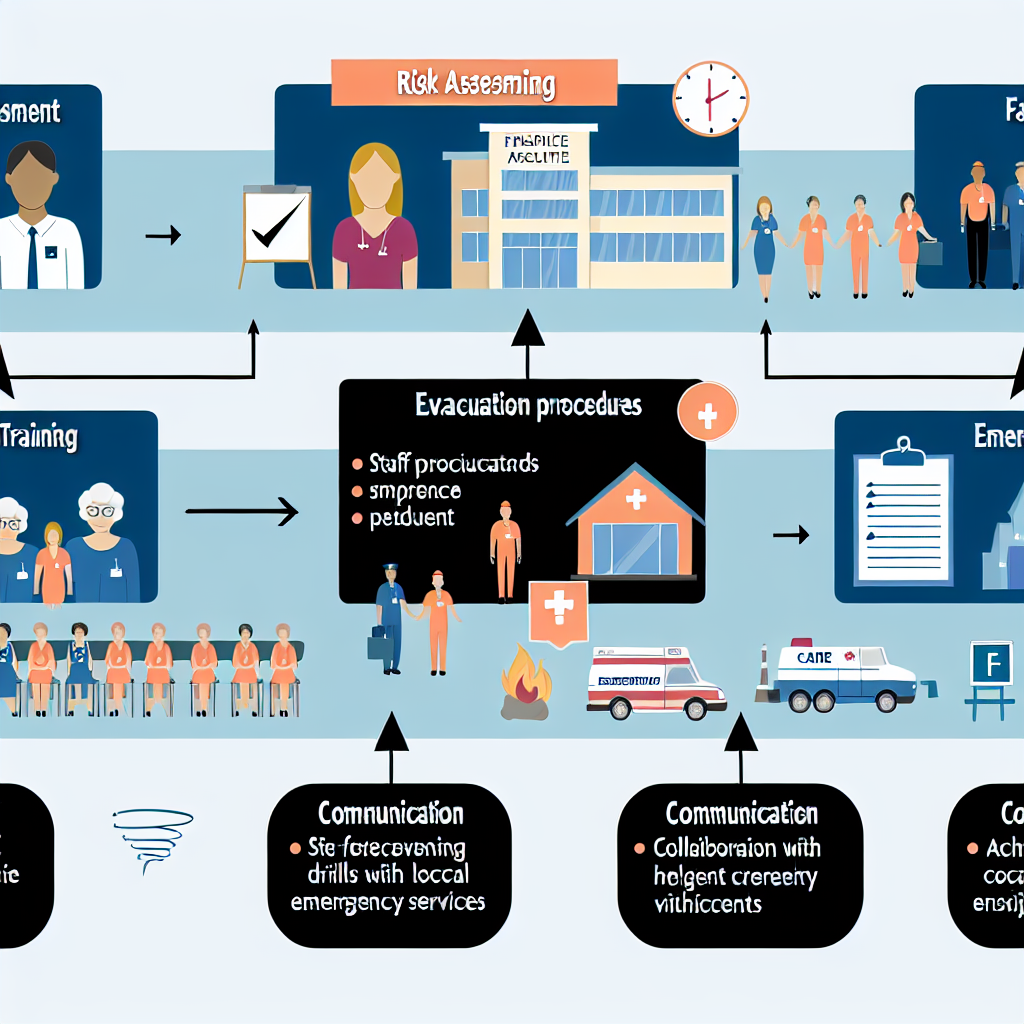
The implications of the recent findings regarding disaster preparedness in care facilities highlight a critical need for improvement across several key areas. A fundamental issue that needs addressing is the enhancement of staff training. Many facilities revealed gaps in adequately preparing their personnel for emergency situations, leading to chaotic responses during disasters. Future strategies should focus on the development of comprehensive training programs tailored to the unique challenges posed by situations like wildfires. This should include regular drills and evaluations to ensure all staff are familiar with their roles and responsibilities during emergencies.
Moreover, there is a clear need for the formulation of more comprehensive emergency plans. Current protocols in many facilities have proven inadequate in the face of recent disasters. Care facilities should develop detailed evacuation plans that account for the specific needs of their residents, particularly those with mobility challenges. These plans should also include agreements with local transportation services to ensure prompt evacuations when necessary.
Establishing clearer communication channels with local emergency services is another critical aspect. Collaboration between care facilities and local fire departments can enhance coordination during emergencies, ensuring smoother evacuations and better resource allocation. Regular inter-agency meetings and joint training exercises can foster better relationships and understanding of each facility’s capabilities and limitations.
The integration of technology in emergency preparedness is another strategy that could significantly improve outcomes. Tools such as real-time data sharing systems and emergency notification applications can facilitate quicker responses and improve situational awareness during disasters.
Ultimately, these findings demand urgent action to prioritize the safety and well-being of vulnerable populations in care facilities. As climate change exacerbates the frequency and intensity of wildfires and other disasters, proactive measures must be implemented to mitigate risks and save lives. This call to action emphasizes not only the necessity of robust disaster preparedness strategies but also a collective responsibility to protect those most at risk.
Quotes on Responsibilities during Emergencies
“Absolutely it was chaotic because of the fires, and absolutely assisted-living facilities have a responsibility to have emergency plans and competent leadership who can follow through.” – Jason Montiel, spokesperson for Cal Fire.
Conclusion: Lessons Learned from California Wildfires
The devastating impact of the California wildfires has underscored the urgent need for improved emergency protocols and preparedness in elder care facilities. The systemic failures revealed during these disasters exposed critical gaps, including inadequate evacuation plans, insufficient staff training, and a lack of transportation resources. Many facilities faced chaotic evacuations due to outdated or nonexistent emergency protocols, resulting in tragic outcomes for vulnerable populations, particularly seniors who rely on these services for safety and support.
One significant lesson from the wildfires is that proactive measures are essential. Facilities must develop and implement comprehensive emergency plans that are regularly updated and rehearsed, ensuring that staff are well-trained and equipped to respond swiftly in a crisis. The recent findings emphasize the need for established communication systems with local emergency responders, as well as pre-identified evacuation routes that consider the unique needs of residents, particularly those with mobility challenges.
Furthermore, the integration of technology into these plans can greatly enhance preparedness. Utilizing real-time data sharing and emergency notification systems can streamline responses and improve coordination during disasters. The focus on systematic evaluations and mandatory training for staff can foster a culture of preparedness and accountability that is crucial when lives are at stake.
In conclusion, the lessons learned from the California wildfires highlight a critical call to action for elder care facilities. Implementing thorough and well-practiced emergency protocols is not merely an administrative obligation; it is a moral imperative to protect our most vulnerable populations. As climate change continues to exacerbate the frequency of wildfires and other natural disasters, prioritizing effective emergency preparedness at all levels is essential to safeguarding lives.
Call to Action
As stakeholders reflect on these lessons, it is imperative to foster a culture of safety that seeks to protect vulnerable populations against potential emergencies. It is crucial to implement comprehensive, well-practiced emergency protocols that emphasize regular training, coordinated efforts with local emergency services, and technology integration. The time to act is now; for the sake of our most vulnerable citizens, we must prioritize their safety and well-being.
Summary of Eaton Fire Statistics
The recent fire at Eaton Senior Communities in Lakewood, Colorado, resulted in one fatality and multiple injuries, prompting significant discussions about emergency preparedness in care facilities. Reports indicated several injuries, including smoke inhalation and falls during the evacuation process. This tragic incident not only highlights existing vulnerabilities in emergency protocols within care facilities but also emphasizes the urgent need for policy improvements.
According to the Colorado Department of Public Health, the incident has spurred recommendations for more stringent compliance with fire regulations and a push for regular safety drills to enhance staff readiness. Such statistics serve as critical evidence for urging policy changes directed at improving disaster preparedness and elevating safety standards in care facilities.
The implications of these findings can substantially shape future strategies aimed at ensuring the safety and well-being of residents, underscoring the necessity of a systematic approach to disaster management that prioritizes preparedness, training, and communication systems. As stakeholders reflect on the Eaton fire’s impact, it is imperative to foster a culture of safety that seeks to protect vulnerable populations against potential emergencies.
Personal Anecdotes and Quotes for Emotional Engagement
To deepen the understanding of the emotional impact the California wildfires have had on vulnerable populations in care facilities, we present a collection of personal anecdotes and testimonials from those affected:
- From the Los Angeles Times: An 80-year-old resident shared, “I have lost my community center where I met my friends every day. The fires destroyed everything familiar to us, leading to a deep feeling of isolation.”
- From KQED: A woman who spent days searching for her 93-year-old mother stated, “Amid the chaos of evacuation, my mother was moved multiple times, and I had no idea where she was. It felt like she was forgotten.”
- From The Press Democrat: A family recounted their experience during the 2017 Sonoma County fires: “We received confusing messages when trying to find my father. It was heartbreaking not knowing where he was throughout the long night.”
- From California Health Report: An 85-year-old woman shared her trauma, recalling, “One moment I was in my bed, the next I was being evacuated by strangers without even a chance to say goodbye to my home.”
These stories illustrate the significant emotional toll and the urgent need for comprehensive disaster plans that better support our most vulnerable populations during emergencies.
By incorporating these personal anecdotes, we highlight the human element behind the statistics and underscore the critical need for improved disaster preparedness in care facilities, reminding us that behind every statistic is a person with a story, a family, and a community.