
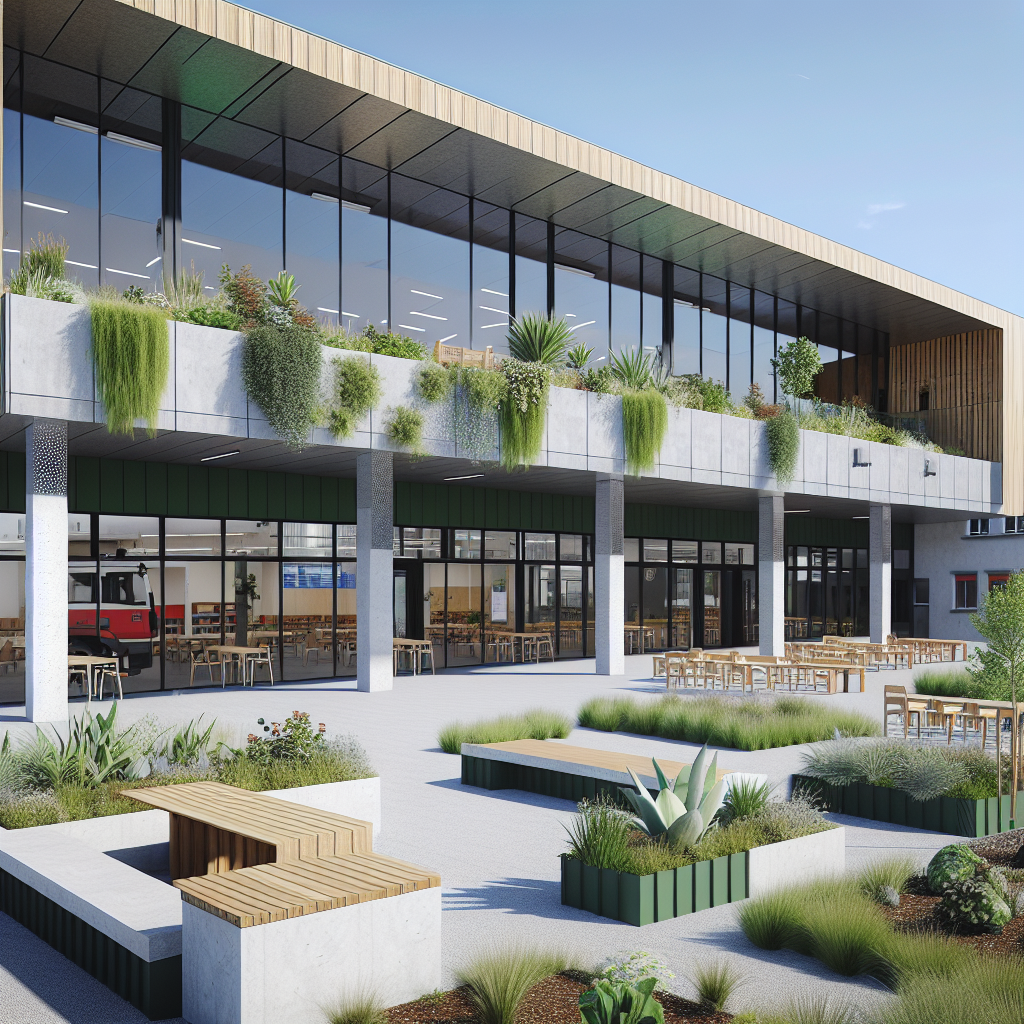
In an era where the well-being of our first responders and the safety of our communities are paramount, the concept of sustainable and health-focused fire station design is more crucial than ever. As fire departments face the dual challenges of adapting to evolving environmental standards and improving the working conditions for firefighters, innovative station designs have emerged as a beacon of hope.
These modern fire stations not only prioritize firefighter health through features that mitigate cancer risks and enhance physical well-being, but they also serve as vital community hubs that foster connection and readiness. By redefining fire station architecture and functionality, we can ensure that our bravest are equipped with environments that promote longevity and efficiency, ultimately safeguarding the communities they protect.
Biophilic Design in Fire Station Architecture
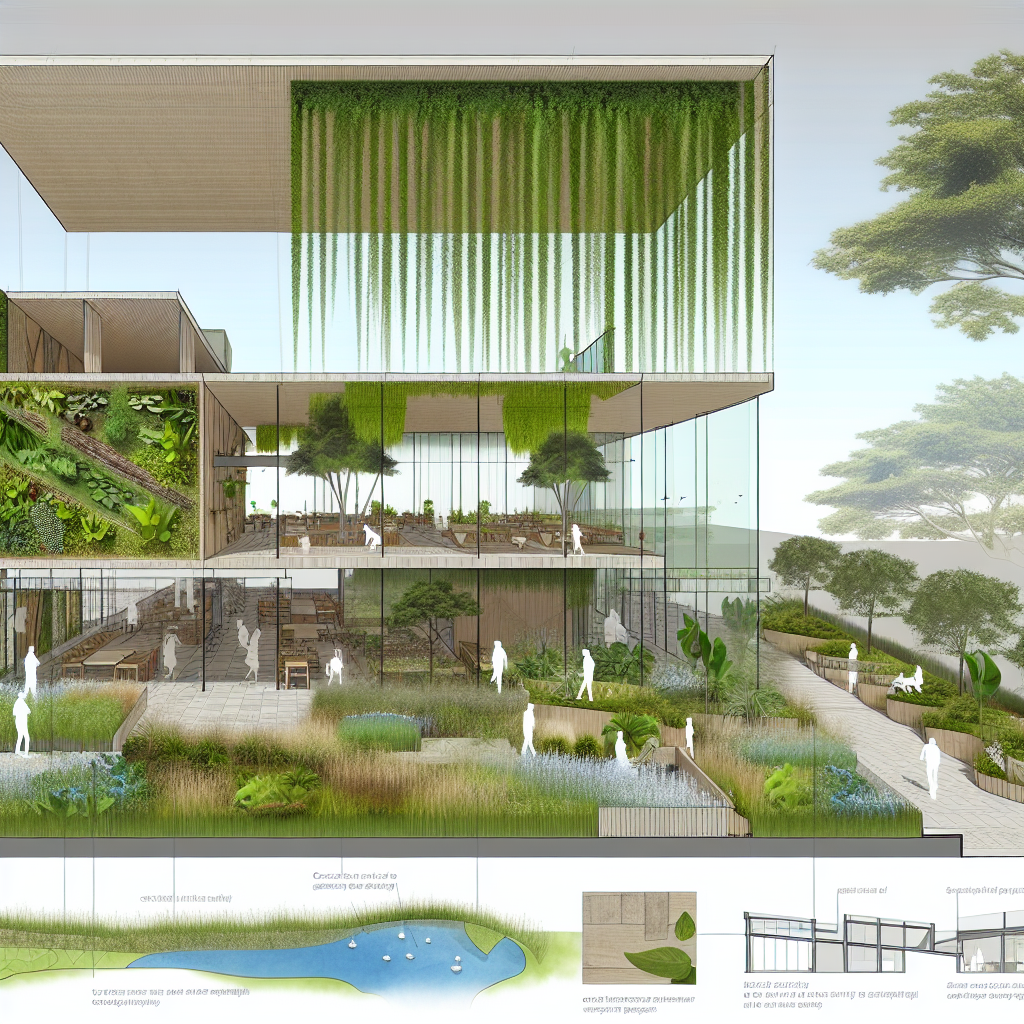
Biophilic design is an innovative approach that seeks to connect building occupants with nature, promoting health and well-being through the incorporation of natural elements and environmental features that contribute to firefighter health. In the context of fire stations, which serve as workplaces and community hubs for firefighters, implementing biophilic design principles can significantly enhance the overall environment, leading to improved firefighter health and operational effectiveness.
Integrating natural light into fire station designs is one of the most vital aspects of biophilic design. Ample daylight reduces reliance on artificial lighting while positively affecting mood, productivity, and alertness levels. Firefighters, who face high-stress situations, particularly benefit from environments filled with natural light, which enhances their psychological well-being and resilience against occupational stress. Studies show that access to natural light can lower stress levels and reduce the incidence of mental health issues, making it essential in facilities such as fire stations where personnel are continuously engaged in high-pressure scenarios.
In addition to lighting, incorporating greenery into fire station architecture can create a more inviting and restorative atmosphere. Indoor plants, green walls, and outdoor gardens offer a tranquil escape from the rigors of firefighting duties. Access to nature has been linked to reduced heart rates and lower levels of anxiety, which is particularly beneficial for firefighters who frequently deal with traumatic incidents. Moreover, when nature is integrated into the workplace, it fosters improved teamwork and morale, enhancing firefighter health and creating a strong sense of community within the fire station.
Ultimately, biophilic design harmonizes the built environment with nature to enhance the firefighter’s health and well-being. By prioritizing natural light and greenery, fire stations can not only improve the quality of life for their occupants but also increase operational efficiency and readiness to serve their communities. As fire departments continue to prioritize health-conscious design, the principles of biophilic design will play a crucial role in shaping the future of fire station architecture.
Enhancing Community Connection Through Fire Station Design
Fire station design plays a significant role in fostering community connection and ensuring that these vital buildings serve as hubs of safety and community engagement. By thoughtfully integrating design elements that encourage public interaction, fire stations can establish a welcoming environment that bridges the gap between firefighters and the communities they serve.
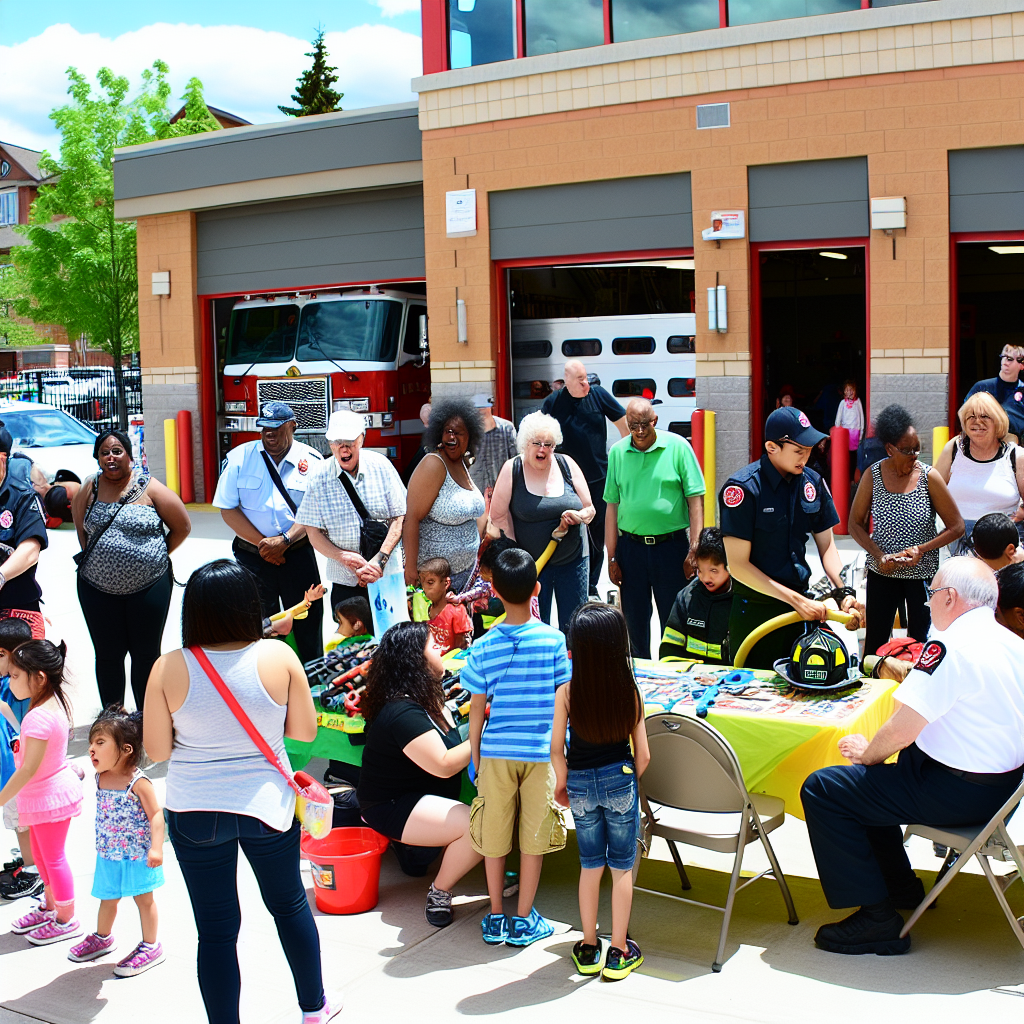
One of the most impactful components of modern fire station design is the inclusion of open spaces. These areas enhance the building’s aesthetic appeal while providing venues for community events and gatherings. Open spaces can host activities such as fire prevention workshops, educational sessions for children, and social events, allowing residents to engage with local firefighters in a relaxed setting. This interaction fosters trust and cooperation, essential for effective community-oriented fire service and community engagement initiatives.
Moreover, dedicated community rooms are becoming increasingly common in fire station designs. These rooms can be utilized for meetings, training sessions, and public events, transforming the fire station into a community resource beyond emergency response. When residents view their local fire station as an accessible place for civic engagement, it reinforces the connection between firefighters and the community, promoting a sense of shared responsibility for safety and well-being.
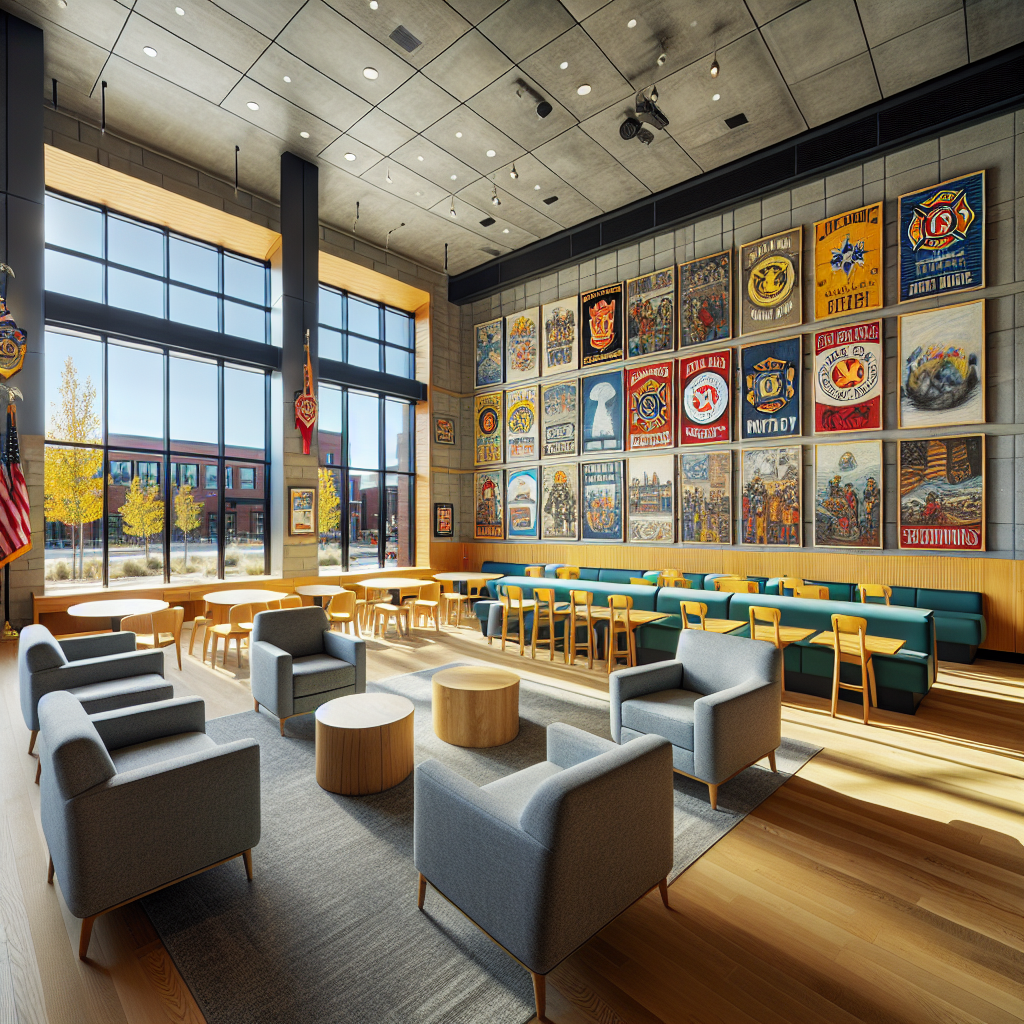
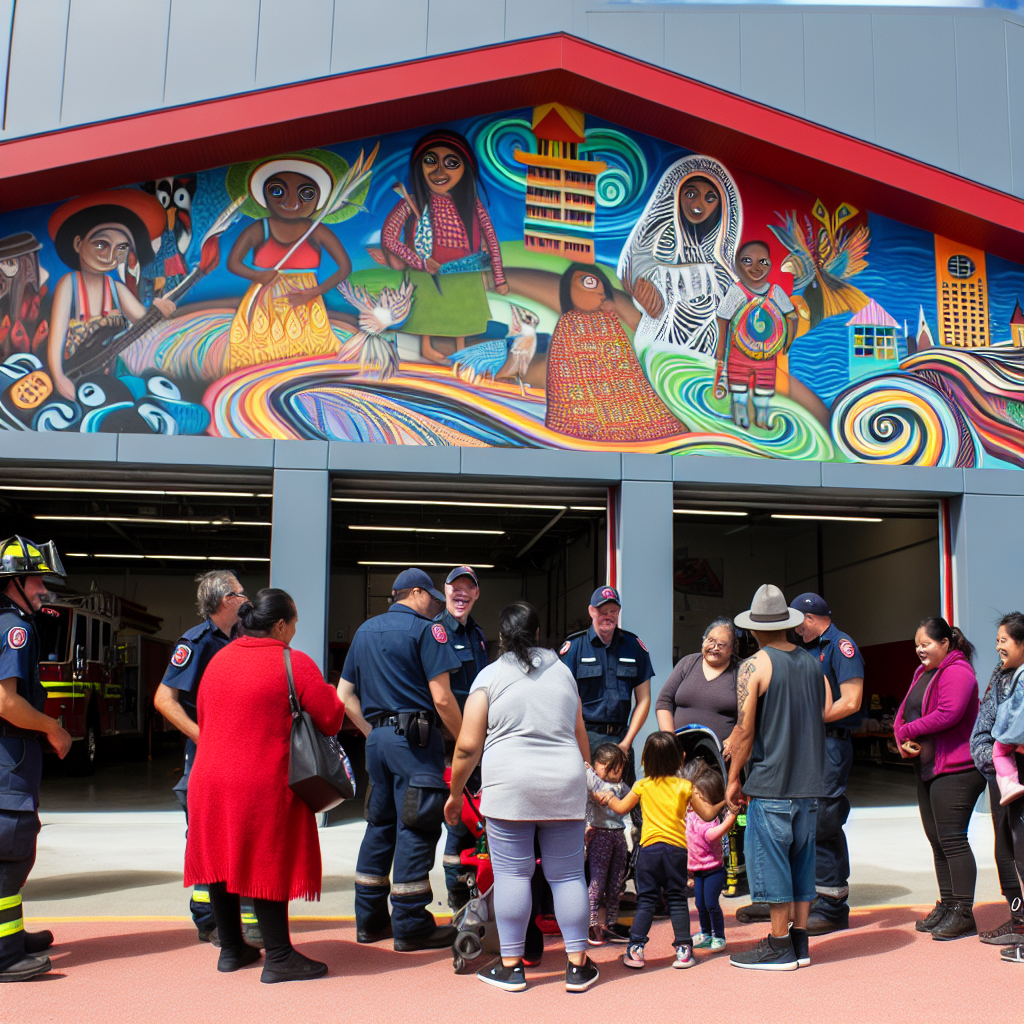
Public art is another key design element that enhances community connection. By showcasing local artists and honoring regional culture, fire stations can visually represent their community’s identity. Thoughtfully placed murals or sculptures can inspire dialogue and pride among residents, further solidifying the station’s role as a central part of the community fabric.
The integration of accessibility features, such as ramps and sensory-friendly designs, ensures that fire stations are welcoming to all members of the community, including those with disabilities. This inclusivity is critical in building a sense of belonging and connection.
In summary, fire station design can play an instrumental role in fostering community connection by prioritizing open spaces, community rooms, public art, and accessibility initiatives that enhance community engagement. By creating environments that invite interaction, fire stations serve their primary function as emergency response centers and become vital parts of the neighborhoods they protect, ultimately enhancing community resilience and awareness.
| Fire Station Design | Innovative Materials | Health Benefits | Community Impact |
|---|---|---|---|
| Marion Fire’s Station 1 | Use of reclaimed wood and sustainable concrete | Reduced cancer risks through better design and materials | Actively engages local community in design process |
| Phoenix Fire’s Station 62 | High-performance glass and green roofs | Enhanced psychological well-being through biophilic design | Serves as an educational hub for fire safety |
| Orange County Fire Authority’s Station 24 | Steel framing and eco-friendly insulation | Improves air quality and reduces stress levels | Provides a gathering space for local events and meetings |
Cancer-Risk Reduction in Fire Station Design
Incorporating cancer-risk reduction strategies into fire station design is essential for promoting the health and safety of firefighters. Here are some key practices that can help minimize carcinogen exposure:
Best Practices for Cancer-Risk Reduction:
- Zoning for Contaminant Control:
- Hot Zone: High-risk areas like apparatus bays.
- Warm Zone: Transitional areas for storing gear.
- Cold Zone: Living quarters free from contaminants.
This separation is critical for limiting exposure to harmful substances such as diesel fumes and toxic smoke.
- Material Selection:
Choose non-porous and easily cleanable materials like polished concrete, which do not absorb harmful substances. Avoid carpets that trap contaminants. Additionally, utilize low-VOC materials to improve indoor air quality, ensuring a safer environment for firefighters.
- Effective Ventilation Systems:
Install systems that capture vehicle exhaust at the source. Separate ventilation for different zones is also crucial for preventing cross-contamination.
- Dedicated Decontamination Facilities:
Create separate spaces for cleaning and storing contaminated equipment. This prevents toxins from spreading and includes extractors for thorough cleaning of personal protective equipment (PPE).
Case Studies Showcasing Successful Designs:
- Hanover County, Virginia:
This design focuses on efficient decontamination processes, minimizing exposure for firefighters.
- Phoenix Fire Station No. 72:
Built to meet LEED certification, utilizing insulated concrete forms, low-VOC paints, and high-energy glass for a healthier operational environment.
By adopting these cancer-risk reduction strategies, fire departments can significantly enhance the safety and health of their personnel, ultimately supporting their vital mission within the community.
Enhancing Community Connection Through Fire Station Design
Fire station design plays a significant role in fostering community connection and ensuring that these vital buildings serve as hubs of safety and engagement. By thoughtfully integrating design elements that encourage public interaction, fire stations can establish a welcoming environment that bridges the gap between firefighters and the communities they serve.
One of the most impactful components of modern fire station design is the inclusion of open spaces. These areas not only enhance the building’s aesthetic appeal but also provide venues for community events and gatherings. Open spaces can host activities such as fire prevention workshops, educational sessions for children, and even social events, allowing residents to engage with local firefighters in a relaxed setting. This interaction fosters trust and cooperation, essential for effective community-oriented fire service.
Moreover, dedicated community rooms are becoming increasingly common in fire station designs. These rooms can be utilized for meetings, training sessions, and public events, making the fire station a community resource beyond emergency response. When residents see their local fire station as an accessible space for civic engagement, it reinforces the connection between firefighters and the community, promoting a sense of shared responsibility for safety and well-being.
Public art is another key design element that enhances community connection. By showcasing local artists and honoring regional culture, fire stations can visually represent their community’s identity. Thoughtfully placed murals or sculptures can inspire dialogue and pride among residents, further solidifying the station’s role as a central part of the community fabric.
The integration of accessibility features, such as ramps and sensory-friendly designs, ensures that fire stations are welcoming to all members of the community, including those with disabilities. This inclusivity is critical in building a sense of belonging and connection.
In summary, fire station design can play an instrumental role in fostering community connection by prioritizing open spaces, community rooms, public art, and accessibility. By creating environments that invite interaction, fire stations not only serve their primary function as emergency response centers but also become vital parts of the neighborhoods they protect, ultimately enhancing community resilience and awareness.
Conclusion
In conclusion, the push for sustainable and health-focused fire station designs represents a pivotal moment for our first responders and the communities they protect. By embracing innovative architectural principles like biophilic design and cancer-risk reduction strategies, fire departments can significantly enhance the well-being and safety of their personnel. The showcased examples, such as Marion, Phoenix, and Orange County’s fire stations, illustrate how thoughtful design can create environments that promote firefighter health while serving as integral community hubs.
Moreover, when fire stations are designed to be accessible, inviting, and interconnected with the communities they serve, they not only enhance public trust but also foster cooperation and education. As advocates for safety and resilience, it is essential for community members to champion these initiatives and support the development of fire stations that prioritize health and sustainability.
Now is the time to encourage local fire departments to adopt these strategies and create spaces that benefit both firefighters and the broader community. Join the movement for better fire station designs—speak up, engage with local leaders, and advocate for health-focused initiatives that will shape safer, stronger communities for all.
Hot-Zone Layouts in Fire Stations
In the evolving landscape of fire station design, hot-zone layouts have emerged as a crucial strategy for minimizing firefighters’ exposure to carcinogenic materials. These layouts segment fire stations into distinct zones—Hot, Warm, and Cold—each designed to contain and control hazardous materials, thereby enhancing the safety and health of firefighters.
- Hot Zone: This area, often colored red on layouts, includes high-risk parts of the station such as apparatus bays and decontamination rooms. These zones are specifically designed to handle contaminated equipment and gear. Direct exhaust capture systems are essential in this area to effectively remove diesel fumes and other harmful contaminants immediately as they are produced. By isolating these risks, fire departments help prevent cross-contamination with cleaner areas of the station.
- Warm Zone: Serving as a transitional space, the Warm Zone is where firefighters can store gear and equipment before leaving the Hot Zone. This area should have durable and easy-to-clean surfaces. Facilities like decontamination showers are important here, providing a necessary buffer for firefighters before they re-enter clean areas of the station, thus reducing the risk of carrying contaminants back into living and workspaces.
- Cold Zone: The Cold Zone, marked in green on layouts, encompasses the clean areas of the fire station, including living quarters, kitchens, and meeting rooms. These spaces are designed to be free from contamination, often featuring positive pressure ventilation systems to prevent harmful substances from infiltrating. The separation between the Cold and Hot Zones is vital for maintaining a healthy environment where firefighters can recuperate and prepare for their next calls.
Best Practices for Implementation:
- Enhanced Decontamination Protocols: Fire stations should establish comprehensive cleaning procedures for gear and equipment. This includes onsite decontamination immediately after use to minimize exposure to carcinogens.
- Strategic Ventilation Systems: Implementing advanced ventilation systems that directly capture and filter exhaust from apparatus bays further ensures that harmful fumes do not linger in the station, dramatically reducing overall exposure risks.
- Design Innovations: Incorporating dedicated laundry facilities for contaminated gear helps prevent the spread of toxins into clean living areas, while separate showers ensure proper decontamination before firefighters rest and recuperate.
Case Study: Des Moines Fire Department’s Station 11
A prime example of successful hot-zone implementation is the Des Moines Fire Department’s Station 11, opened in 2021. This station features individual sleeping pods and easy access to washing facilities, highlighting the commitment to firefighter health. Each piece of equipment is thoroughly decontaminated before it enters clean areas, effectively cutting down on carcinogenic exposure. The lack of cross-contamination significantly enhances the long-term health of firefighters, demonstrating how thoughtful design can lead to a safer working environment.
By adopting hot-zone layouts and implementing best practices, fire stations not only protect their personnel from harmful materials but also contribute to improved long-term health outcomes for firefighters. As fire stations continue to innovate, prioritizing health-focused design principles is not simply beneficial but essential for the safety of those who serve our communities.
Sustainable Construction Practices in Fire Station Design
Sustainable construction practices in fire station design focus on enhancing firefighter health, improving energy efficiency, and utilizing environmentally friendly materials. Several notable case studies exemplify these principles:
-
Woodlawn Fire Station 24, Alexandria, VA
Woodlawn Fire Station 24 achieved LEED Platinum Certification through several sustainable initiatives:
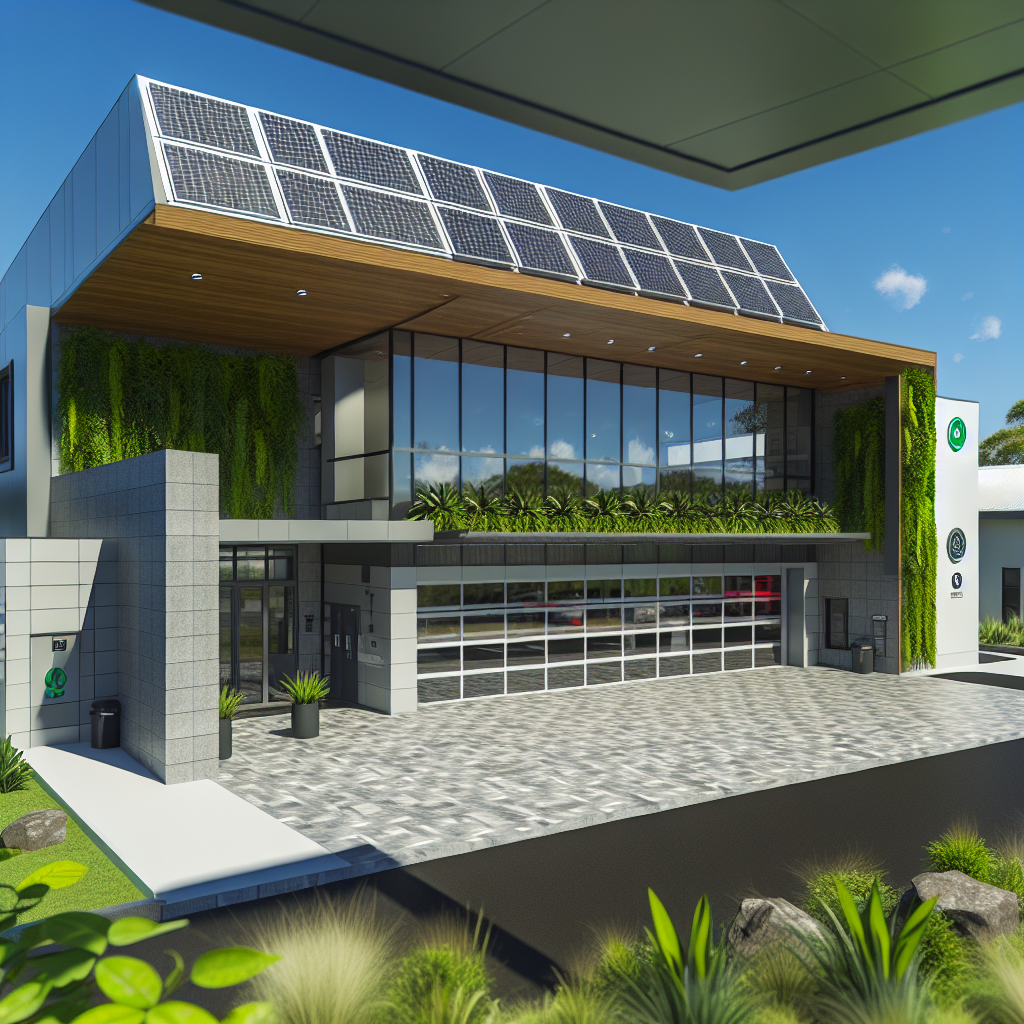
- Energy Efficiency: A ~50 kW rooftop solar array offsets approximately 27.92% of the building’s total energy cost. Enhanced commissioning of HVAC and photovoltaic systems ensures optimal performance.
- Water Conservation: Installation of low-flow plumbing fixtures resulted in a 51.26% reduction in expected annual indoor water use, saving 143,791 gallons compared to the LEED baseline.
- Indoor Air Quality: Use of low-emitting materials for adhesives, sealants, paints, coatings, flooring systems, and composite wood materials promotes a healthier environment for firefighters.
-
Ithaca East Hill Fire Station, Ithaca, NY
This station incorporates several sustainable design elements:
- All-Electric Systems: Utilizes a ground-source heat pump system to maximize energy efficiency and eliminate the need for fossil fuel-based heating.
- High-Performance Envelope: Features R-values exceeding code requirements and high-efficiency heat recovery ventilation.
- Operational Efficiency: Radiant floor heating in the apparatus bay provides efficient warmth and a safer workspace for firefighters.
-
Metzeral Fire Station, France
Designed to harmonize with its natural surroundings, this station emphasizes:
- Sustainable Materials: Utilizes wooden frames and raw masonry, with interiors featuring natural materials to enhance indoor air quality.
- Energy Efficiency: Incorporates thermal design strategies, including adjusted roof edges with fixed larch wood slats to optimize natural heat input, supplemented by a wood boiler system.
-
Lucketts Fire and Rescue Station, Loudoun County, VA
This station integrates several green features:
- Water Conservation: Achieves a 35% reduction in indoor potable water use through efficient plumbing fixtures.
- Energy Efficiency: Reduces energy costs by 30% via sustainable design strategies.
- Material Selection: Employs Forest Stewardship Council-certified wood materials and diverts 90% of construction waste from landfills.
- Firefighter Health: Incorporates low-emitting finish materials and isolated bedroom spaces to promote healthy sleep habits.
-
Madison Fire Station 14, Madison, WI
A model of energy efficiency and environmental sustainability, this station features:
- Renewable Energy: A 50-kW solar photovoltaic system and a small solar hot water system offset a portion of the facility’s energy use.
- Design for Comfort: Maximizes natural light and provides views to nature, enhancing the workplace environment for firefighters.
- Energy Modeling: Utilizes tools to predict outcomes across thermal comfort, daylight, and energy use, ensuring a comfortable and efficient space.
These case studies demonstrate that integrating sustainable materials and energy-efficient systems in fire station design not only reduces environmental impact but also enhances the health and well-being of firefighters.
Cancer-Risk Reduction in Fire Station Design
Incorporating cancer-risk reduction strategies into fire station design is essential for promoting the health and safety of firefighters. Here are some key practices that can help minimize carcinogen exposure:
Best Practices for Cancer-Risk Reduction:
- Zoning for Contaminant Control:
- Hot Zone: High-risk areas like apparatus bays.
- Warm Zone: Transitional areas for storing gear.
- Cold Zone: Living quarters free from contaminants.
This separation is critical for limiting exposure to harmful substances such as diesel fumes and toxic smoke. This approach is well-supported by studies indicating that distinct zoning can significantly reduce contaminant spread [FEMA].
- Material Selection:
Choose non-porous and easily cleanable materials like polished concrete, which do not absorb harmful substances. Avoid carpets that trap contaminants. Additionally, utilize low-VOC materials to improve indoor air quality, ensuring a safer environment for firefighters [IAFF].
- Effective Ventilation Systems:
Install systems that capture vehicle exhaust at the source. Separate ventilation for different zones is also crucial for preventing cross-contamination.
- Dedicated Decontamination Facilities:
Create separate spaces for cleaning and storing contaminated equipment. This prevents toxins from spreading and includes extractors for thorough cleaning of personal protective equipment (PPE).
Case Studies Showcasing Successful Designs:
- Hanover County, Virginia:
This design focuses on efficient decontamination processes, minimizing exposure for firefighters.
- Phoenix Fire Station No. 72:
Built to meet LEED certification, utilizing insulated concrete forms, low-VOC paints, and high-energy glass for a healthier operational environment.
By adopting these cancer-risk reduction strategies, fire departments can significantly enhance the safety and health of their personnel, ultimately supporting their vital mission within the community.
Sustainable Construction Practices in Fire Station Design
Sustainable construction practices in fire station design focus on enhancing firefighter health, improving energy efficiency, and utilizing environmentally friendly materials. Several notable case studies exemplify these principles:
- Woodlawn Fire Station 24, Alexandria, VA:
Achieved LEED Platinum Certification through several sustainable initiatives that reduced energy costs and improved indoor air quality [sustainbldgs.com].
- Ithaca East Hill Fire Station, Ithaca, NY:
Incorporates all-electric systems and a high-performance envelope to maximize energy efficiency [wendelcompanies.com].
- Metzeral Fire Station, France:
Emphasizes sustainable materials and energy-efficient design strategies to minimize environmental impact [thearchitecturalauthority.com].
- Lucketts Fire and Rescue Station, Loudoun County, VA:
Incorporates green features that achieve significant water and energy efficiency [moseleydesigns.com].
- Madison Fire Station 14, Madison, WI:
A model of energy efficiency that uses renewable energy systems (solar) and promotes indoor comfort [daneclimateaction.org].
These initiatives demonstrate a growing commitment to sustainable construction in fire station design, emphasizing energy efficiency and the health and safety of firefighters.