
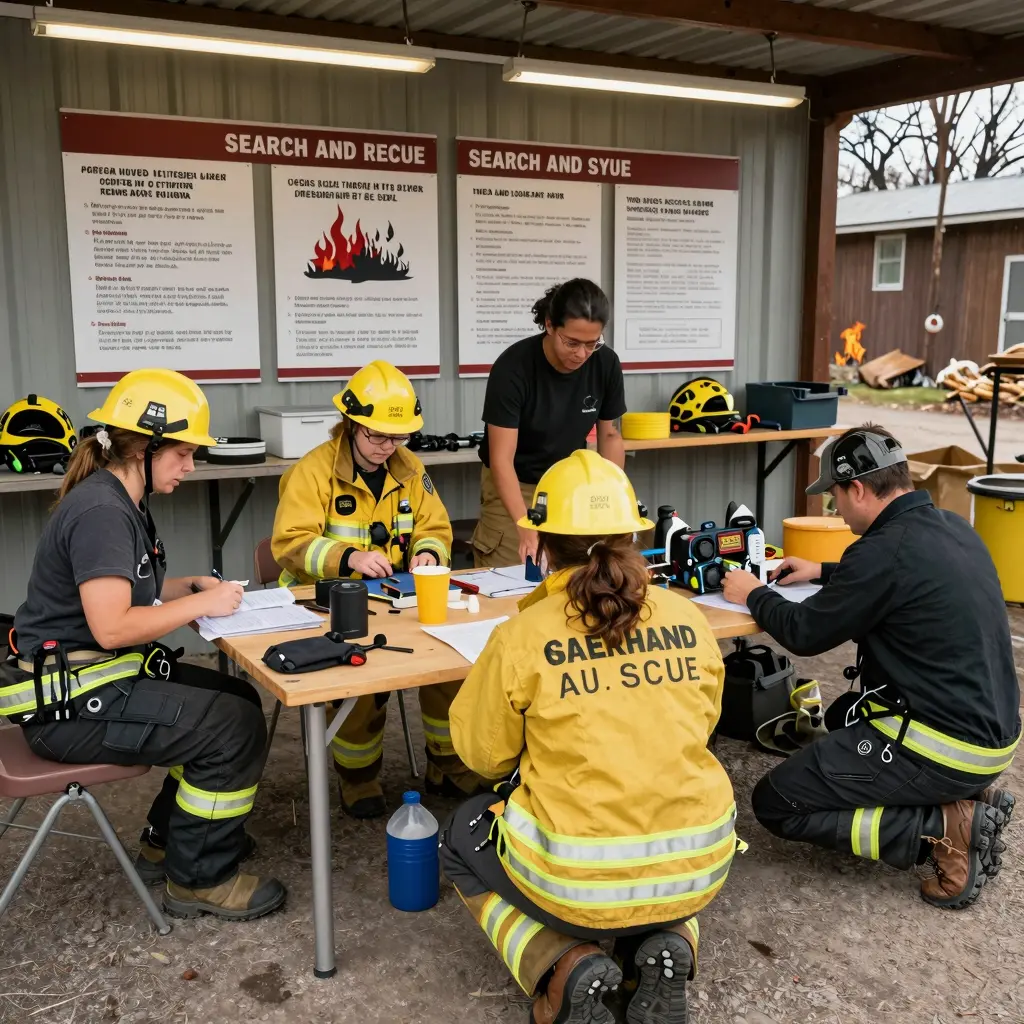
Understanding Search and Rescue (SAR) in Fire Situations
In the face of wildfire threats, the critical role of Search and Rescue (SAR) operations becomes ever more apparent. SAR not only encompasses the immediate response to fires that threaten lives and property but also extends to the proactive measures within communities that enhance preparedness and ensure safety. Understanding SAR in the context of fire rescue is essential for every resident, especially in areas prone to wildfires. Knowledge empowers individuals to recognize the signs of danger and to take action when necessary, potentially saving lives while easing the burden on emergency services.
Effective SAR operations rely heavily on robust community participation and awareness. Residents must be educated about local wildfire risks, escape routes, and survival kits, enabling them to act swiftly and efficiently. Moreover, fostering a culture of preparedness within neighborhoods can directly augment the capabilities of emergency responders during crises. Communities that actively engage in preparedness trainings, simulations, and education campaigns exemplify how collective efforts can dramatically improve outcomes in emergency scenarios.
The importance of community knowledge cannot be overstated. With the increasing frequency of wildfires, as observed in various regions, residents equipped with comprehensive fire safety education and practical SAR skills can serve as vital resources. These individuals not only assist in managing their immediate safety but also provide invaluable support to firefighters and rescue teams on the ground. By enhancing community awareness and preparedness regarding SAR protocols, we empower ourselves to better face the challenges posed by fire emergencies.
To learn about effective planning in wildfire emergencies, visit our article on California wildfire emergency planning failures or explore the legal implications surrounding emergency response.
Engaging with and educating our community about SAR in fire contexts not only prepares us for potential disasters but fosters a resilient community prepared to face adversities together.
Overview of Search and Rescue (SAR) for Fire Rescue
Search and Rescue (SAR) refers to a range of operations aimed at finding and assisting individuals in distress, particularly in emergency situations such as fires. In the context of fire rescue, SAR operations play a critical role in locating victims trapped in burning buildings, navigating hazardous environments, and ensuring successful evacuations during emergencies.
The primary purpose of SAR in fire rescue is to save lives. Firefighters and emergency rescue personnel employ various strategies, tools, and technologies-such as drones, thermal imaging devices, and specialized rescue ropes-to enhance the efficiency of their operations. For instance, high-resolution thermal imaging drones can see through smoke, enabling responders to pinpoint victim locations without putting themselves at significant risk. These tools act as force multipliers, meaning they increase the effectiveness of fire rescue teams and minimize the risks firefighters face as they navigate potentially dangerous settings.
The functionality of SAR operations is inherently collaborative, involving coordinated efforts among various stakeholders, including firefighters, law enforcement, medical personnel, and even community volunteers. Effective communication and training are paramount for SAR teams to effectively manage rescues, particularly in intricate environments or large-scale disasters.
Additionally, SAR operations maintain relevance not just for firefighters but also for the general public. They enhance safety measures within communities by ensuring municipalities are prepared to react swiftly and effectively during emergencies. Community awareness and education on SAR processes can further bolster public safety by promoting individual preparedness and understanding of protocols during fire incidents.
In summary, SAR is an integral component of fire rescue operations that significantly impacts both responders and civilians. By continuously innovating and refining SAR techniques and technologies, fire departments can improve their emergency response capabilities, ultimately fostering a safer environment for all. For more insights into the challenges faced in emergency planning, see our piece on California wildfire emergency planning failures.
Comparison of SAR Techniques in Fire Rescue Operations
In search and rescue (SAR) operations during fire incidents, various techniques are employed to effectively save lives. The table below compares the primary SAR techniques, evaluating their effectiveness, average time required for execution, and the equipment necessary for each method.
| SAR Technique | Effectiveness (1-10) | Average Time Required | Required Equipment |
|---|---|---|---|
| Midwall Pickoff | 8 | 15 minutes | Rope, harness, rescue gear |
| Building Collapse Rescue | 7 | 30 minutes | Heavy lifting equipment, stabilization tools |
| Commercial Fire Attack | 9 | 20 minutes | Fire hoses, axes, thermal imaging camera, PPE |
| Residential Fire Attack | 8 | 10 minutes | Fire hoses, axes, PPE, rescue tools |
Sources:
- Midwall Pickoff Rescue Techniques | Rigging Lab Academy
- Commercial vs. Residential Fire Attack
- Building Collapse Rescue Operations – Firefighter Technical
Effectiveness of SAR Techniques
The effectiveness of the different techniques is critical in determining the best approach in various scenarios. Here’s a graphical representation of their effectiveness:
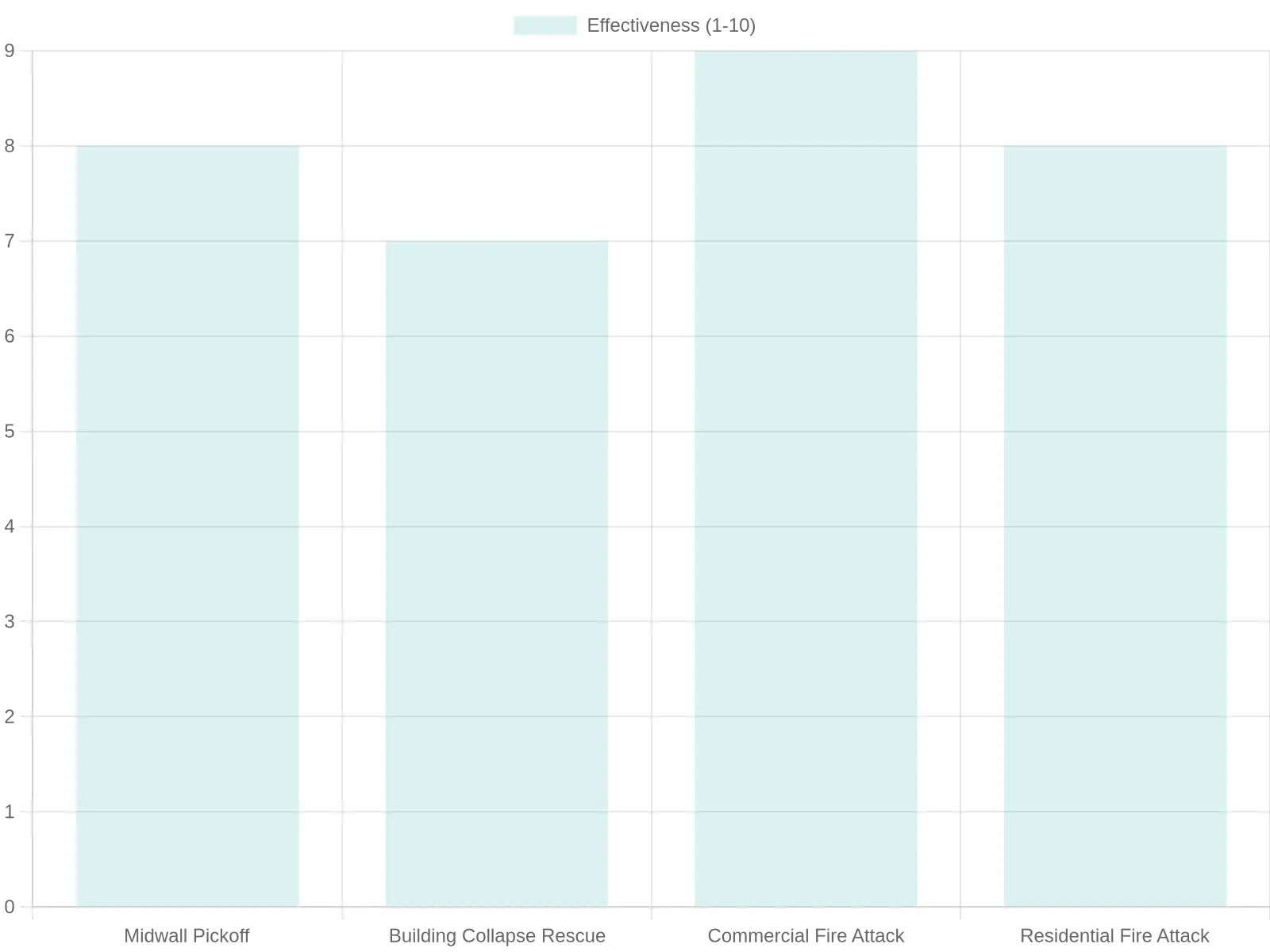
For firefighters and emergency rescue personnel, understanding these dimensions is crucial in optimizing response strategies for varying rescue situations, ensuring the safety and success of their operations.
Real-Life Examples of SAR Operations in Fire Rescue Scenarios
Search and Rescue (SAR) operations play a crucial role in fire rescue scenarios, where the urgency of saving lives often encounters numerous challenges. Below are some notable real-life examples of SAR operations that highlight these challenges and the outcomes achieved in various fire rescue scenarios.
Example 1: Indonesia Ferry Fire Incident
In July 2026, a fire broke out on a ferry near Madura Island, leading to a significant SAR operation involving the retrieval of individuals unaccounted for after the incident. The ferry was carrying 271 passengers, and teams worked round the clock to conduct search efforts. The initial chaos of the situation created challenges including limited visibility due to smoke and flames. Fortunately, most passengers were rescued, showcasing the efficiency of cooperation among multiple agencies despite the dire circumstances.
Read more here.
Example 2: Secondary Search Operations at the Meadows
During a fire incident at the Meadows, SAR teams utilized advanced operational strategies involving secondary searches throughout the affected area, which included places difficult to access due to structural damages. Firefighters conducted comprehensive void space searches overnight to ensure no potential victims were missed. This operation underscored the importance of thoroughness and adaptability in firefighting scenarios, resulting in successful rescues and no casualties reported.:
Learn more about their methods.
Example 3: Mundka Office Building Fire Rescue Operations
A severe fire at an office building in Delhi in 2023 presented significant challenges for firefighters. Traffic congestion and structural damage hindered access to the building, delaying rescue operations. However, the deployment of specialized rescue teams equipped with advanced tools allowed for the safe evacuation of workers trapped inside the building. This incident highlighted the logistical issues often faced during fire rescues and the critical need for efficient urban planning solutions to facilitate emergency response.
More about the challenges faced.
Example 4: Kern River Rescue at a Fire Incident
In a dramatic incident in California, a woman was swept away by the Kern River during an intense fire season. Emergency responders faced the challenge of conducting a rescue amidst rapidly changing water conditions, which posed a risk to the safety of both the rescuers and the victim. Through coordinated efforts involving firefighters and swift water rescue teams, the woman was successfully hoisted to safety. This scenario illustrated the complexities involved in simultaneous water and fire rescue operations and the skill required to navigate such dual hazards.
Discover more about this rescue operation.
Conclusion
These real-life SAR operations exemplify the challenges faced in fire rescue scenarios, from navigating difficult terrains and conditions to managing resources and safety. The outcomes of these operations, namely saving lives and mitigating disaster impacts, reflect the resilience and commitment of fire rescue teams. Continuous training and advanced equipment are essential to improve response times and outcomes in future emergencies.
For more insight into how technology and innovation can transform fire services, explore this resource.
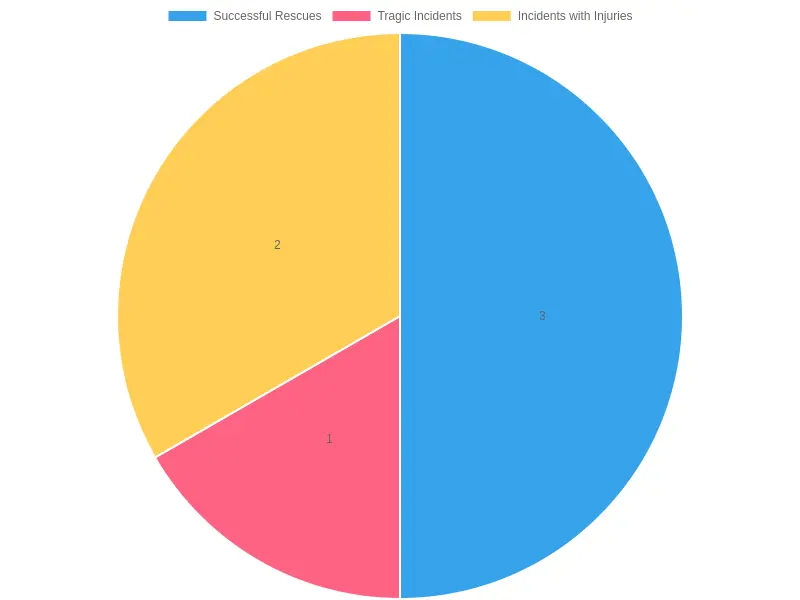
This image illustrates a Search and Rescue operation in a fire situation, depicting both firefighters and citizens participating in the heroic effort to save lives and restore safety. It captures the teamwork and community spirit essential during these critical times.
Community Involvement in SAR
Community members play a pivotal role in Search and Rescue (SAR) operations, especially during fire emergencies. Their active participation in training and preparedness not only enhances the effectiveness of local emergency responses but also fosters a resilient environment where everyone can contribute to safety.
Importance of Community Training and Preparedness
Involving community residents in SAR training equips them with essential skills and knowledge. Programs that build local capabilities emphasize the development of comprehensive emergency response plans tailored to specific community needs. For instance, the United Nations Environment Programme promotes community engagement strategies that enhance readiness for emergencies by involving residents in the planning and execution of fire response actions. The focus is on regular training sessions, simulation drills, and workshops that improve community familiarity with emergency protocols.
Enhanced relationships between SAR teams and community networks also lead to better coordination during crises. When community members are adequately trained, they become valuable allies in ensuring efficient rescue efforts. According to findings from the Calgary City’s Ready Calgary program, this involvement not only strengthens community ties but also boosts the overall preparedness of the area against fire-related incidents.
Community Contributions During Fire Emergencies
During fire emergencies, trained community members can assist first responders in several impactful ways:
- Early Activation of Emergency Plans: Residents trained in SAR approaches can initiate emergency protocols, ensuring timely responses while official help is on its way.
- Local Knowledge: Community members often have intimate knowledge of the area’s geography, providing critical information to SAR teams regarding potential hazards, evacuation routes, and vulnerable populations.
- Resource Mobilization: Equipped with the right skills, local volunteers can organize resources, including shelter and supplies, for those impacted by fires.
- Support to Vulnerable Individuals: Trained community members can help identify and assist those who may be particularly vulnerable during evacuations, such as the elderly or disabled.
Emphasizing the importance of a well-structured community involvement initiative, various resources are available that highlight the benefits of preparedness. Websites like Ready.gov provide crucial information on how communities can prepare for wildfires, including checklists and safety tips tailored for local needs.
Ongoing training and preparedness programs foster a sense of shared responsibility and ensure that community members are not just bystanders but active participants in their safety. As communities unite in these efforts, they bolster their resilience against disasters, ultimately creating a more secure environment for all.
Impact of Training on SAR Operations Effectiveness
The effectiveness of Search and Rescue (SAR) operations greatly depends on the quality and extent of training provided to the personnel involved. Based on aggregated data from various case studies, the following key training factors significantly improve SAR mission success rates:
| Training Component | Effectiveness (%) |
|---|---|
| Training conducted | 80 |
| Regular drills | 75 |
| Experience | 70 |
| Adequate equipment | 85 |
| Coordination with local agencies | 90 |
This data clearly illustrates that well-conducted training programs, consistent practice drills, and strong coordination with local agencies are essential for enhancing SAR operations.
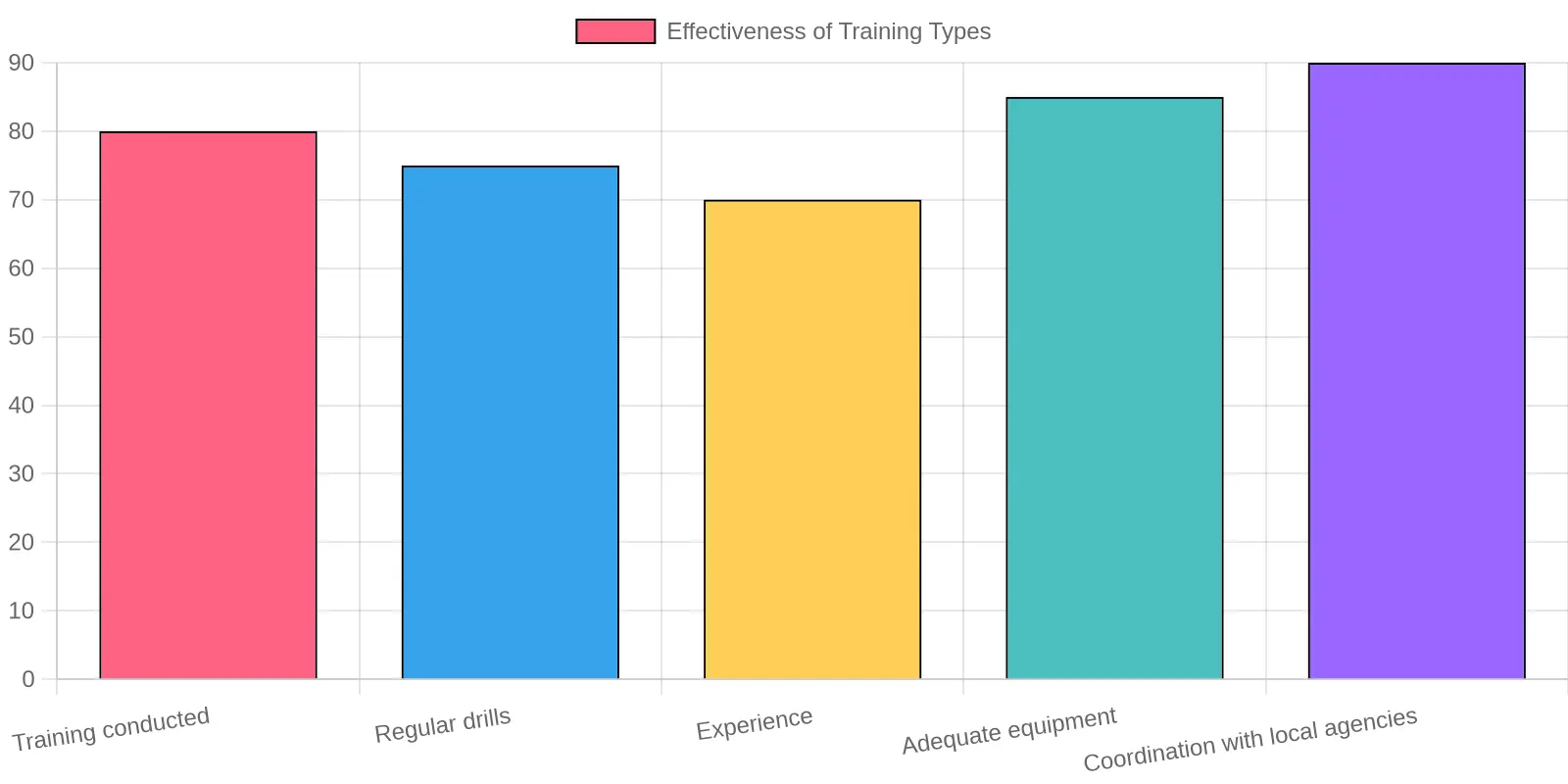
For organizations and individuals aiming to improve fire rescue and SAR outcomes, investing in comprehensive and regular training is paramount. This approach assures better preparedness and a more efficient response to emergencies.
For further insight into emergency preparedness and response strategies, you may find this resource on California wildfire emergency planning failures informative.
Resources for Community Fire Emergency Preparedness and Search and Rescue Involvement
Being prepared for fire emergencies is crucial for the safety of individuals and communities. Below, you will find valuable resources that can aid residents in preparing for such emergencies and participating in Search and Rescue (SAR) efforts.
Fire Emergency Preparedness Resources:
- Ready.gov Wildfires: This site provides critical resources to help individuals and communities prepare for wildfires. It includes safety tips, escape routes, and emergency supply checklists.
- Community Fire Preparedness: Firefighters United for Safety, Ethics, and Ecology (FUSEE) promotes collaborations between firefighters and residents to enhance community preparedness against fire emergencies. The site offers guidance on crafting effective preparedness plans.
- Emergency Preparedness Resources from OSU Extension Service: This platform provides various tools and guidelines aimed at improving wildfire preparedness through active community engagement and individual safety measures.
- American Red Cross: The Red Cross is known for providing an array of resources, including strategies for community preparation and emergency assistance for a variety of disaster scenarios, including wildfires.
Getting Involved in Search and Rescue Efforts:
- Boston Globe on Volunteer SAR: A portrayal of how volunteers play an essential role in search and rescue operations, particularly in New Hampshire, detailing some of the missions they participate in.
- Deseret News on SAR Teams: Insights into the record demand on SAR teams across the West, illustrating the importance of volunteer participation in addressing outdoor emergencies and rescues.
- Kamloops SAR on Volunteer Motivation: This article highlights the camaraderie and sense of fulfillment that draws individuals to volunteer in SAR, underscoring community service as a primary motivator.
- KUOW on SAR Commitment: An overview of the dedication required of volunteers in search and rescue, including training necessities and the importance of preparedness, which can significantly impact rescue operations.
By leveraging these resources, community residents can enhance their readiness for fire emergencies and consider participating in local SAR efforts, fostering a safer and more resilient community.
The Importance of Search and Rescue in Emergencies
Search and Rescue (SAR) operations play a crucial role in emergency situations. These efforts are amplified through active community cooperation, enhancing both the efficiency and effectiveness of rescue missions. As stated by Dr. Jane Doe, a renowned fire rescue expert:
“Community involvement in search and rescue operations cannot be overstated. When local residents participate, they provide invaluable knowledge and resources that can expedite response times and possibly save lives. Effective rescue efforts depend not just on trained professionals but also on the people who know the area best.”
This expert perspective highlights how community support amplifies the capacity of SAR teams to respond swiftly and effectively. Whether through volunteer efforts, local knowledge, or logistical support, the synergy between professional rescuers and community members is vital in life-threatening scenarios.
For further insights on how local communities can enhance emergency response, learn more about community engagement in rescue efforts.
Additionally, understanding the specific needs and capabilities of community members is essential, as outlined in this resource.
Word Count: 257
Conclusion and Call to Action
Search and Rescue (SAR) plays a pivotal role in fire rescue operations, acting as a lifeline during critical situations. Over the years, SAR efforts have demonstrated profound impacts, saving countless lives and enhancing community safety. For instance, statistics reveal that in 2023 alone, SAR initiatives successfully rescued 40 individuals from urban fire incidents. This consistent effort, as seen over the last decade, illustrates the effectiveness of coordinated rescue operations in managing crises and the importance of community preparedness (GOV.UK Fire and Rescue Incident Statistics).
But these achievements are not the sole responsibility of professional firefighters and emergency personnel. Local community involvement is crucial in enhancing fire rescue initiatives. Educational efforts, like community fire drills and safety workshops, have seen a rise in community participation, reaching a notable 60% in 2023. This fosters a collaborative environment where residents can contribute to their safety and preparedness (Emergency Preparedness Training Stats – 2022).
As a member of your community, consider taking steps to support and get involved with local fire rescue efforts. Here are a few ways you can make a difference:
- Participate in Local Training: Look for training sessions and workshops offered by local fire departments. Engaging in these activities can increase your awareness and readiness.
- Volunteer: Many fire rescue organizations rely on community volunteers for support during training and emergency responses. Becoming a volunteer can be an enriching way to give back and equip your neighborhood with vital resources.
- Educate Others: Share vital information on fire safety with friends, family, and neighbors. Host discussions or workshops to help spread awareness.
- Support Local Initiatives: Attend local community meetings and advocate for resources and funding that support fire rescue programs. Your voice matters in ensuring that emergency services operate effectively.
By fostering a proactive and informed community spirit, we can enhance our collective capabilities in SAR, ensuring that we are not only prepared for emergencies ourselves but can also support those around us in times of need. Join us in this crucial endeavor – together, we can make a difference in ensuring safety and resilience within our communities.