
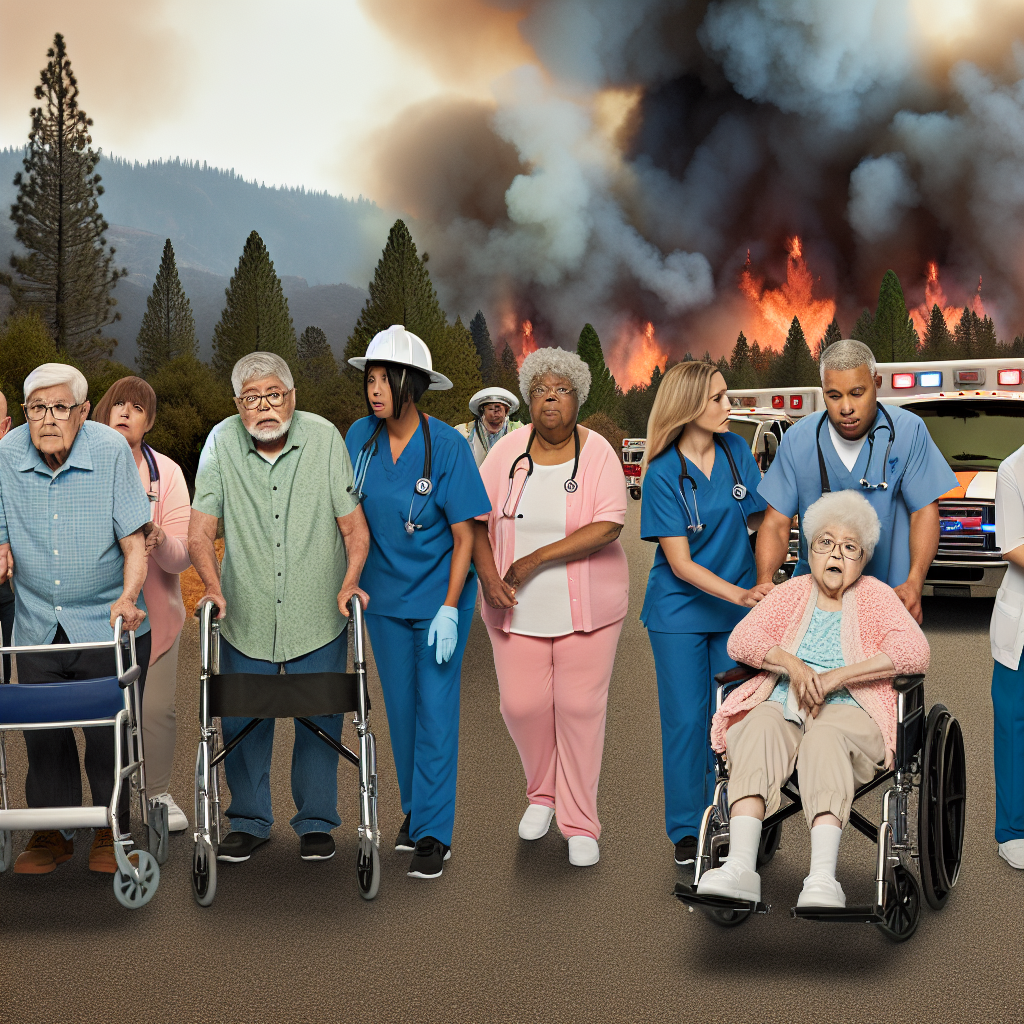
In the wake of the California wildfire evacuation failures, particularly during the harrowing incidents at MonteCedro and The Terraces at Park Marino, the gravity of our emergency preparedness for elderly residents has come into sharp focus. As flames approached these facilities, serious lapses in safety protocols left vulnerable seniors stranded amidst chaos, highlighting a systemic failure to protect those who are often least capable of protecting themselves.
With multiple residents left behind during mandatory evacuations—one a hundred years old—it’s evident that the existing emergency plans were not only flawed but downright dangerous. This critical evaluation sheds light on the dire need for accountability and systemic change in how assisted living facilities manage emergency situations, especially as these events threaten the lives of those within their care.
The chaos surrounding the evacuations underscores the urgent need for competent leadership in assisted living facilities. Laura Mosqueda encapsulated this sentiment aptly, stating,
“Absolutely it was chaotic… assisted-living facilities have a responsibility to have emergency plans and competent leadership…”
Such remarks reflect the broader failures in emergency planning that jeopardize the safety of our elderly populations in crisis situations.
Emergency Planning Failures
The California wildfires in early January 2025 revealed alarming failures in emergency planning and staff preparedness at senior living facilities, particularly MonteCedro and The Terraces at Park Marino. Shockingly, these facilities left vulnerable residents, including a 100-year-old woman, behind as flames encroached. This failure underscores the critical need for effective emergency protocols that are regularly practiced and clearly understood by all staff members.
MonteCedro’s Response
At MonteCedro, the weaknesses in emergency response were glaring. Reports indicated that the executive director departed without sufficiently briefing on-site staff about the necessary evacuation protocols. Most staff members lacked proper emergency training, which contributed to a chaotic and uncoordinated evacuation. With evacuation procedures not being followed systematically, two residents remained in the building, showcasing a lack of operational readiness that put lives at risk. The California Department of Social Services noted that this negligent oversight was a significant factor in the distressing circumstances during the fire, where a total of 19 people lost their lives in the vicinity that day.
The Terraces at Park Marino’s Oversight
Similarly, at The Terraces at Park Marino, the staff’s failure to accurately account for residents during the evacuation further highlighted emergency preparedness shortcomings. Initially, the staff reported all residents were evacuated. However, emergency responders later discovered that at least one resident had been left behind, necessitating a fire department rescue. Such incidents raised serious concerns regarding the integrity of the emergency planning procedures that should, at a minimum, encompass thorough staff training and routine drills to ensure everyone knows their responsibilities during a crisis.
The Need for Systemic Change
These failures are not merely administrative errors; they represent a systemic breakdown in caring for some of society’s most vulnerable individuals. The urgent need for comprehensive training programs, regular emergency drills, and a culture of preparedness among staff cannot be overstated. To safeguard the lives of elderly residents in similar facilities across California, there must be accountability and a reevaluation of existing emergency response strategies.
Case Study on MonteCedro
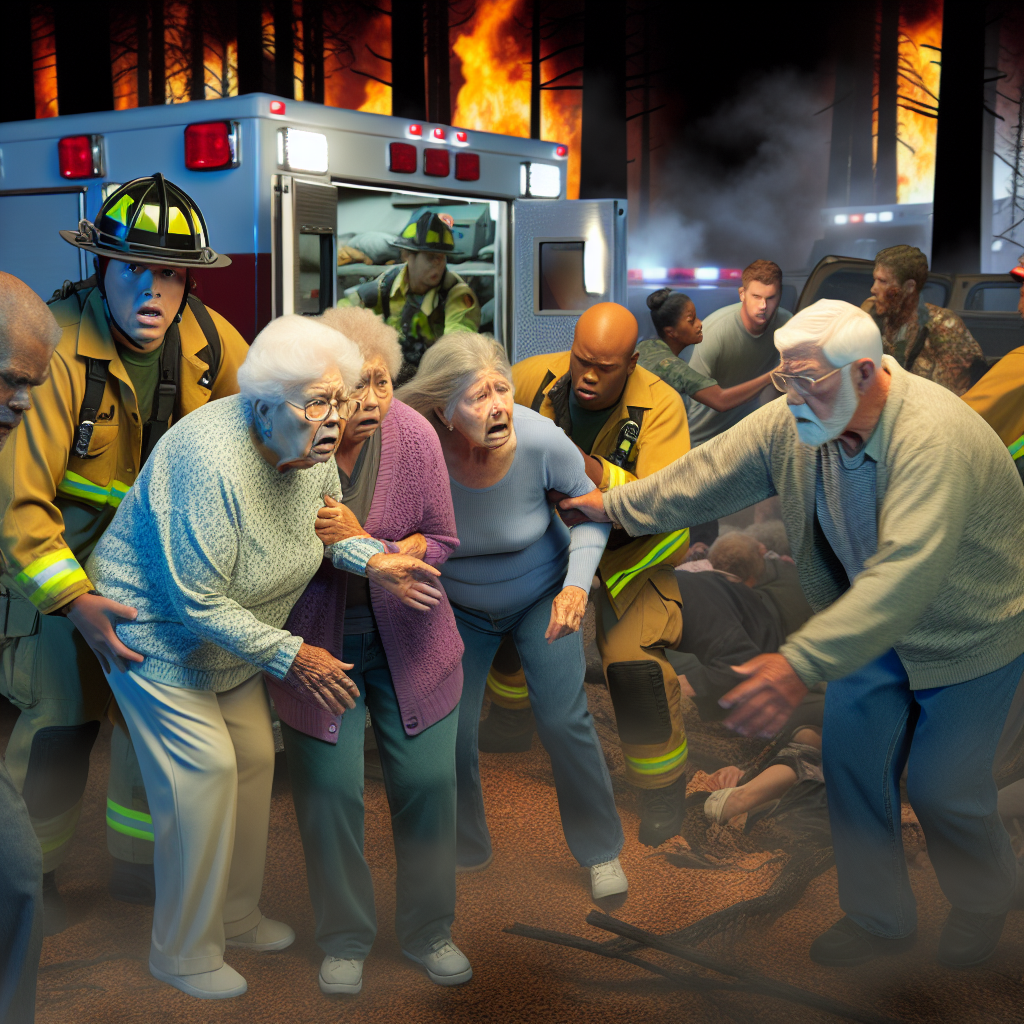
In January 2025, the Eaton Fire ravaged parts of California, bringing into sharp relief the emergency response failures at various senior living facilities, with MonteCedro serving as a case study in the consequences of inadequate disaster preparedness. As the wildfires approached, early evacuation orders were issued, but investigations revealed that several residents, including two elderly women, were left behind during the chaotic evacuation process.
Specifically, MonteCedro faced criticism for not adhering to California Health and Safety codes that mandate comprehensive emergency action plans. The facility’s executive director departed before the evacuation commenced, failing to ensure that staff were well-versed in the evacuation protocols. Reports noted a general lack of emergency training among staff members, leading to disorganized procedures that endangered lives.
In the aftermath of the evacuation, state authorities cited MonteCedro for its failures to protect its residents, highlighting the urgent need for improved training and emergency planning. This incident contributed to the retirement of the executive director and prompted the facility to submit a Plan of Correction addressing these shortcomings. Despite reopening, MonteCedro remains under scrutiny, demonstrating the long-lasting impact of such systemic failures.
The consequences extended beyond individual facilities, as broader issues were revealed regarding shelter accessibility and emergency communications during the Eaton Fire. An independent report indicated that outdated policies and miscommunications significantly contributed to the overall response failures across the region.
Advocates for elder care highlighted that these tragic events underscore the critical need for systematic changes in emergency planning across senior living facilities in California. Improved training programs, routine emergency drills, and revised protocols must be implemented to avoid repeating such failures, ensuring the safety of vulnerable populations in the face of imminent disasters.
Statistics on Evacuation Failures
The impact of California wildfires on elderly residents is stark, with statistics revealing the alarming vulnerabilities faced by this demographic during evacuations.
- Eaton Fire (January 2025): This incident resulted in 17 fatalities, with a median age of 77. Notably, at least one-third of these victims had mobility impairments, making evacuation physically challenging for them.
- Camp Fire (2018): Among the 85 victims, 68 were aged 65 and older. This data reveals a disturbing trend in wildfire mortality rates among seniors, emphasizing the need for targeted evacuation strategies.
- McKinney Fire (August 2022): Four residents aged between 73 and 82 died during this fire. Many faced mobility challenges or were reluctant to evacuate, highlighting psychological barriers in emergency situations.
Furthermore, studies indicate that only 20 percent of people with disabilities can evacuate immediately during disasters, underscoring the urgent need for systemic changes in emergency preparedness. During the January 2025 wildfires, more than 850 residents were evacuated from care facilities under stressful conditions, demonstrating the high stakes involved in these evacuation efforts.
These statistics collectively underscore the pressing need for improved emergency protocols that accommodate the unique needs of elderly and disabled individuals, ensuring their safety in future disasters.
For a comprehensive analysis of emergency preparedness in senior care facilities, see this detailed report.
Further insights can be gained from the importance of tailored evacuation strategies for seniors and the best practices for emergency preparedness in elder care.
Accountability in Emergency Protocols
The tragic failures seen during the California wildfires, particularly at assisted living facilities like MonteCedro and The Terraces at Park Marino, highlight the urgent need for accountability in emergency plans. These incidents expose not just operational flaws but deep-rooted issues in how these facilities prepare for and handle disasters.
In any emergency, a facility’s top priority must be to protect its residents. However, the chaotic evacuations revealed that this responsibility was severely overlooked. We need significant changes, including thorough reviews and updates of emergency plans that cater to both the physical and emotional needs of elderly residents during evacuations.
To ensure safety, it’s crucial for staff to receive proper training. Workers should have clear instructions and skills to follow emergency procedures effectively, even in high-stress situations. Regular training drills are essential so that all staff are familiar with evacuation routes and the special needs of their residents.
Additionally, emergency strategies should consider the unique challenges faced by vulnerable populations, such as those with mobility issues or mental health concerns. By incorporating feedback from elder-care experts and utilizing better communication tools during crises, facilities can improve their readiness.
To maintain accountability, regular inspections and evaluations by agencies like the California Department of Social Services must be enforced. Only with a strong commitment to accountability and systematic improvements can we protect vulnerable seniors during emergencies, avoiding the mistakes of the past. This thorough approach to emergency planning is vital to save lives and rebuild trust in our elder care institutions.
| Facility Name | Evacuation Protocols | Staff Training | Outcomes |
|---|---|---|---|
| MonteCedro | Did not adhere to established procedures; executive director left early. | Lacked an “emergency recall list”; ongoing training needed. | Two residents left behind; one resident roamed as flames approached. |
| The Terraces at Park Marino | Scrutiny for not properly accounting for residents during evacuations. | Cited for immediate risk due to poor adherence to protocols. | Faced complete destruction; left residents behind needing rescue. |
In conclusion, the investigation into the emergency response failures during the California wildfires has starkly illuminated the vulnerabilities within senior care facilities such as MonteCedro and The Terraces at Park Marino. Critical lapses in planning and execution not only led to the tragic loss of life but also highlighted the dire need for systemic improvements in emergency protocols. The chilling reality that residents, some facing significant mobility challenges, were left behind during a time of crisis, underscores a failure not just in individual facilities but in a broader framework of accountability and preparation.
The call for enhanced training programs, the establishment of rigorous emergency action plans, and mandatory drills is paramount to safeguard our elderly populations against future disasters. We must reinforce the importance of accountability among facility management and prioritize the needs of vulnerable residents in emergency planning. This ongoing commitment to improvement and safety is vital to restore public trust and ensure that the lessons learned from these tragic events translate into actionable, effective change in elder care emergency protocols.
As Adam Khalifa stated, “The record is clear: our team worked in concert with the first responders, and together we undertook the necessary actions to facilitate a safe evacuation of our residents.”
This emphasizes the shared responsibility in crisis situations.
Linking Emergency Planning Failures to MonteCedro
The failures observed at various senior living facilities underscore a systemic issue that transcends individual cases. As discussed, critical lapses in emergency planning and staff training left residents vulnerable during the California wildfires, particularly in MonteCedro and The Terraces at Park Marino. This paints a disturbing picture of accountability within our emergency response systems.
Case Study on MonteCedro
As we turn our attention to MonteCedro specifically, its experience during the Eaton Fire illustrates the very failures highlighted previously. In January 2025, the facility encountered severe repercussions for its inadequate disaster preparedness, leading to residents being left behind as flames approached. This case serves not only as an example of operational shortcomings but also as a clarion call for broader change in how facilities manage emergencies and protect their residents.
Key Takeaways
- Emergency Protocol Failures: The California wildfires revealed alarming failures in emergency planning, leading to vulnerable seniors being left behind.
- MonteCedro’s Shortcomings: The executive director’s abrupt departure and lack of staff training contributed to chaotic evacuations.
- Terraces Oversight: The failure to account for all residents during evacuations highlighted serious gaps in emergency preparedness.
- Need for Systemic Change: Comprehensive training, regular drills, and updated emergency plans are essential to address these critical lapses.
- Accountability is Crucial: Regular evaluations from agencies must be enforced to ensure facilities prioritize resident safety, especially during emergencies.
- Statistics Highlight Vulnerability: A significant portion of wildfire victims are elderly, emphasizing the need for tailored evacuation strategies to address their unique challenges.