

In an era where technology is woven into our daily lives, firehouses are undergoing significant changes. Digital tools and platforms provide new ways for firefighters to connect and collaborate, improving communication and operational efficiency. However, this shift raises an important question: has the ease of digital communication weakened the genuine human interactions that are vital for effective leadership in the fire service?
As technology advances, it is essential to balance its benefits with the core values of camaraderie and trust that are the foundation of strong firehouse cultures. The challenge is to use technology to foster connections while ensuring that face-to-face conversations continue to build relationships and teamwork within the department. In this exploration, we will investigate how technology intersects with fire service leadership, examining its impact on both operational effectiveness and the essence of leadership in an environment where teamwork and human connection are crucial.
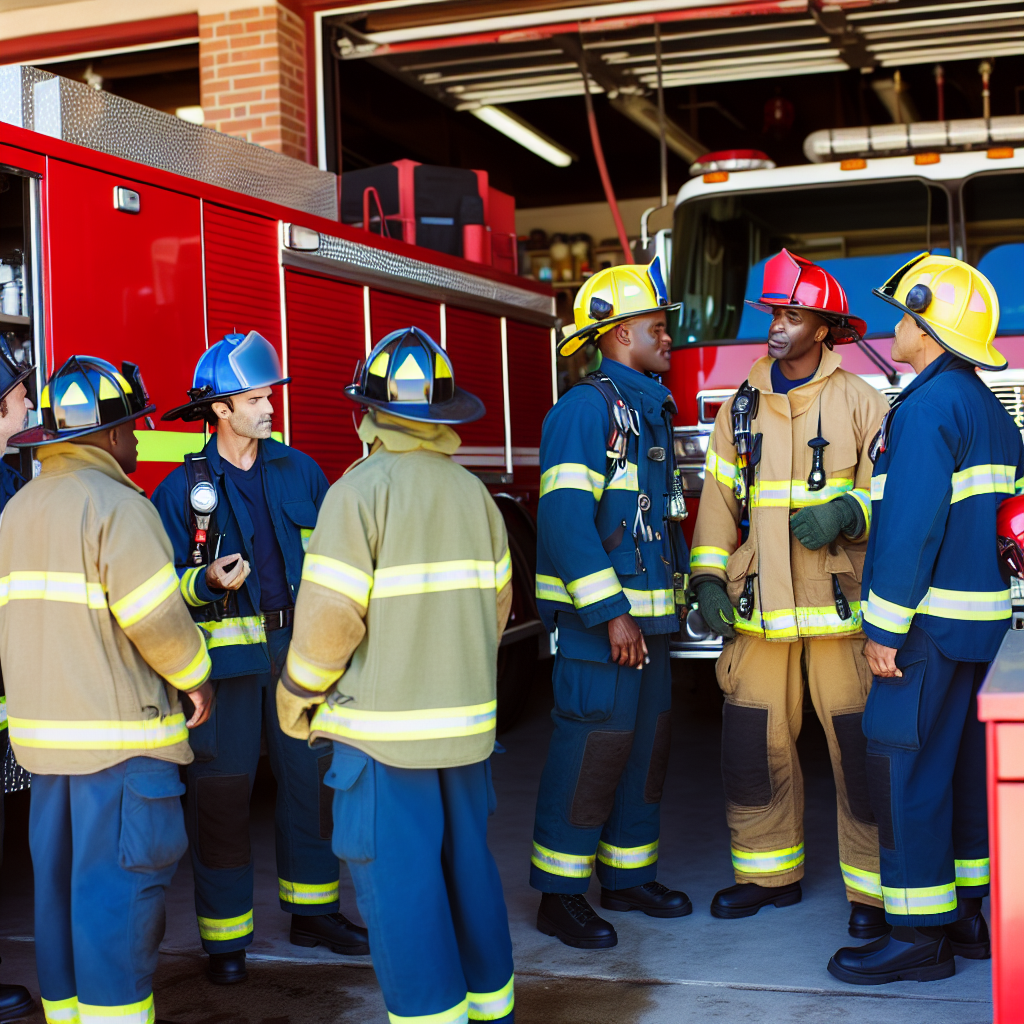
The Impact of Firehouse Technology Integration on Communication in Fire Departments
Comparison of Communication Tools in Firehouses
| Communication Method | Type | Pros | Cons |
|---|---|---|---|
| Face-to-Face | Traditional | Builds trust, fosters genuine connections | Time-consuming, logistically challenging |
| Radio | Traditional | Instant communication, reliable during emergencies | Prone to miscommunication, limited range |
| Messaging Apps (e.g., GroupMe, Slack) | Modern Digital | Enhances efficiency, allows for quick updates | Can reduce face-to-face interactions |
| Video Conferencing (e.g., Zoom) | Modern Digital | Facilitates remote meetings, saves travel time | May lead to screen fatigue, requires tech literacy |
This table highlights the strengths and weaknesses of traditional versus modern communication tools, emphasizing their impact on effective leadership and teamwork within fire departments.
The Importance of Intentional Communication in the Fire Service
Intentional communication is a deliberate and thoughtful approach to interaction that transcends mere information exchange. In the fire service, where high-stakes scenarios are the norm, the impact of intentional communication is profound. It involves being purposeful about what we say, how we say it, and the context in which communication occurs. This practice is essential in fostering genuine connections among team members, which ultimately enhances leadership effectiveness.
For further insights on effective communication practices in high-pressure situations, consider exploring this article on Communication Best Practices for Firefighters in High-Stress Environments.
Why is intentional communication so crucial in the fire department context? Firstly, the nature of the work demands trust and dependency among crew members. A firehouse team must rely on each other not only for effective operations but also for safety. When leaders communicate intentionally, they send a clear message that every voice matters. They invite feedback, encourage dialogue, and cultivate an environment where team members feel valued. This fosters genuine connection, as individuals are more likely to engage openly when they recognize their contributions are respected.
Furthermore, intentional communication helps in clarifying expectations and reducing misunderstandings. In a field where decisive actions can mean the difference between life and death, ambiguity must be minimized. Leaders who practice this form of communication articulate objectives clearly and seek input on important matters, ensuring everyone is aligned and informed. This proactive approach also enhances transparency in decision-making processes, fostering trust and morale within the team.
Moreover, leaders can model intentional communication by being present during interactions, actively listening, and responding thoughtfully rather than reactively. This creates a culture that not only prioritizes operational efficiency but also emphasizes the collective well-being of the team. In conclusion, in the fire service, intentional communication is not merely an approach; it is a cornerstone of successful leadership and vital for building lasting relationships that support both individual and organizational success.
Evidence Supporting Face-to-Face Interactions Among Firefighters
Face-to-face interactions are a fundamental aspect of building trust and camaraderie within firehouses. Research indicates that these in-person communications are critical for enhancing teamwork, operational effectiveness, and the overall culture of safety among firefighters.
A study published in the International Journal of Emergency Services highlights that face-to-face communication significantly increases trust and cohesion within firefighter teams. Through shared experiences such as meals, training sessions, and informal discussions, firefighters create strong bonds that translate to better coordination during emergencies (International Journal of Emergency Services, 2020). The value of these interactions is further supported by findings published in the Firehouse article titled “The Importance of Face-to-Face Communication in the Fire Service.” The article asserts that non-verbal cues seen in person—such as body language and immediate feedback—are critical for building rapport and establishing mutual respect among team members.
Additionally, the National Fire Protection Association’s (NFPA) Blog emphasizes the daily roll calls and communal living that characterize firehouse culture. These routines foster open dialogue, which is essential during debriefings after incidents, thereby maintaining not only operational readiness but also mental health within the ranks (NFPA Blog, 2022).
Moreover, shared living arrangements, such as those found in the 24/48 shift systems, encourage deeper interpersonal connections. An article from Fire Engineering notes that informal interactions during downtime help develop a family-like environment, crucial for ensuring that firefighters can depend on each other when lives are on the line (Fire Engineering, 2019). Without these face-to-face connections, misunderstandings can arise, and the psychological safety that enables firefighters to perform at their best may be compromised.
In conclusion, the significance of face-to-face interactions cannot be overstated. They are integral to nurturing an effective team that can operate cohesively under pressure, thereby ensuring the safety and effectiveness of all involved in firefighting operations.
Future Implications for Fire Service Leaders
As fire service leaders embrace the rapidly changing landscape of technology in communication, they must remain vigilant about its implications for leadership effectiveness. Digital tools undoubtedly provide significant advantages, enhancing operational efficiencies, facilitating information sharing, and promoting connectivity among team members. However, the potential for over-reliance on these tools poses a genuine concern regarding the erosion of essential human connections that are fundamental to effective leadership.
In a realm where teamwork is paramount, ensuring that communication remains intentional and purposeful is critical. The ability of fire service leaders to engage their teams through face-to-face communication fosters genuine connection and trust. This bond is essential not only for operational success but for the psychological well-being of firefighters who depend on one another in high-stakes scenarios.
Moreover, leaders must recognize that while digital communication platforms can streamline information, they can also dilute the quality of interactions. As David Farnum pointedly noted, “Communication does not guarantee effectiveness; what matters in terms of effectiveness is the quality and intentionality of our interactions.” Moving forward, it will be essential for fire service leaders to actively integrate opportunities for in-person dialogues within their communication strategies, enabling them to gather feedback and insights that a digital exchange cannot fully capture.
The future of fire service leadership hinges on striking a balance between leveraging technology for efficiency and fostering the interpersonal connections that encapsulate the spirit of teamwork. Leaders who prioritize intentional and meaningful communication will better navigate the complexities and challenges of modern firefighting, ensuring that their teams remain cohesive and effective amidst the ever-evolving technological landscape.
Ultimately, embracing the dual nature of technology—not just as a tool for communication but as a potential barrier to genuine connection—will define the success of future fire service leaders. As they approach this new era, cultivating a culture that champions both technological advancement and interpersonal relationships will be paramount for sustaining resilient firehouse environments.
Key Takeaways on Technology and Human Connection in Firehouse Culture
The discussion surrounding technology’s impact on firehouse culture reveals both its transformative benefits and potential drawbacks. Notably, the following key insights emerge:
- Balancing Technology and Human Interaction: While technology significantly enhances operational efficiency and connectivity among team members, it can also diminish face-to-face interactions. Fire departments must find a balance that allows for the integration of modern communication tools without sacrificing the genuine human connections essential for fostering camaraderie and trust among firefighters.
- Importance of Intentional Communication: Effective leadership in firehouses relies heavily on intentional communication—meaningful and purposeful exchanges that strengthen team relationships. Leaders should prioritize quality interactions that build trust and understanding among crew members.
- Navigating Technology’s Challenges: As fire service leaders embrace technology, they must be aware of its potential to create barriers to authentic communication. Leaders must actively incorporate opportunities for in-person dialogue into their communication strategies, enhancing engagement and feedback that digital exchanges cannot fully capture.
- Preserving Core Values: Ultimately, maintaining the foundational values of teamwork and collaboration, which are essential to firehouse culture, is crucial. Leaders who successfully integrate technology while prioritizing interpersonal relationships will foster resilient and effective teams in the face of evolving challenges.
In conclusion, technology should serve as a facilitator of communication and teamwork, rather than a substitute for the essential human connections that underpin successful firehouse culture. Leaders must be vigilant in ensuring that their teams remain cohesive and engaged as they navigate the complexities of modern communication.
Conclusion
As we stand on the brink of a technological revolution in the fire service, it is imperative that we reflect on the foundational principles that guide our interactions. The advancements we embrace offer remarkable tools for communication, yet they can inadvertently distance us from the heart of our work: human connection. In a profession where the stakes can be life and death, the relationships we build—rooted in trust, empathy, and understanding—are what ultimately empower us to operate effectively as a team.
The challenge is to navigate this dual landscape of technology and personal interaction with intention. Fire department leaders must prioritize meaningful, face-to-face communication alongside digital tools, ensuring that every member feels valued and heard. Encouraging open dialogue and creating environments where firefighters can share experiences and perspectives will foster camaraderie and strengthen the bonds that are essential for effective teamwork.
Now is the time for each of us to reflect on how we can implement intentional communication in our fire departments. By actively choosing to connect with our colleagues on a human level—whether through shared meals, training sessions, or candid conversations—we can uphold the rich culture of our firehouses. Together, let us strive to integrate technological advancements without losing sight of what matters most: the connections that fortify our teams and enhance our collective mission to serve our communities.
Conclusion
As we stand on the brink of a technological revolution in the fire service, it is imperative that we reflect on the foundational principles that guide our interactions. The advancements we embrace offer remarkable tools for communication, yet they can inadvertently distance us from the heart of our work: human connection. In a profession where the stakes can be life and death, the relationships we build—rooted in trust, empathy, and understanding—are what ultimately empower us to operate effectively as a team.
To improve communication strategies, fire service leaders should:
- Encourage regular face-to-face meetings to discuss team goals and challenges.
- Implement training sessions focused on active listening and constructive feedback.
- Create informal social gatherings to strengthen interpersonal relationships among team members.
- Evaluate and adapt communication tools, ensuring they complement rather than replace personal interactions.
By actively choosing to connect with our colleagues on a human level—whether through shared meals, training sessions, or candid conversations—we can uphold the rich culture of our firehouses. Together, let us strive to integrate technological advancements without losing sight of what matters most: the connections that fortify our teams and enhance our collective mission to serve our communities.
| Fire Department | Communication Tool | Description |
|---|---|---|
| Austin Fire Department | Customized CAD App | Links to CAD for real-time updates and alerts, reducing radio traffic. |
| Phoenix Fire Department | Text Messaging System | Supports rapid notifications and routine communication among personnel. |
| Fairfax County Fire Dept. | Secure Messaging Platform | Enhances transparency and reduces miscommunication while requiring in-person engagement. |
Case Study: Phoenix Fire Department’s Regional Collaboration Model
A compelling example of effective communication in the fire service is demonstrated by the Phoenix Fire Department (PFD) through its regional communication framework, which integrates 23 neighboring agencies. This model features the use of shared radio channels, the establishment of common terminology, and the facilitation of joint training exercises aimed at fostering collaborative communication in real-time emergency situations.
In a case study reported by Fire Engineering in January 2023, PFD’s initiative was crucial during multi-agency responses to incidents, significantly reducing communication delays by 40%. This improvement not only bolstered the efficiency of operations but also resulted in better incident outcomes, showcasing how effective communication practices can enhance teamwork and coordination among various fire departments.
The structured approach adopted by PFD exemplifies the importance of fostering consistent communication methods and establishing connections among teams. This aligns with the principle that strong intra-agency relationships, facilitated by clear communication, can effectively enhance safety and resource management during emergencies.
For further insights on their successful models, you can read more on Fire Engineering’s website.