
Introduction
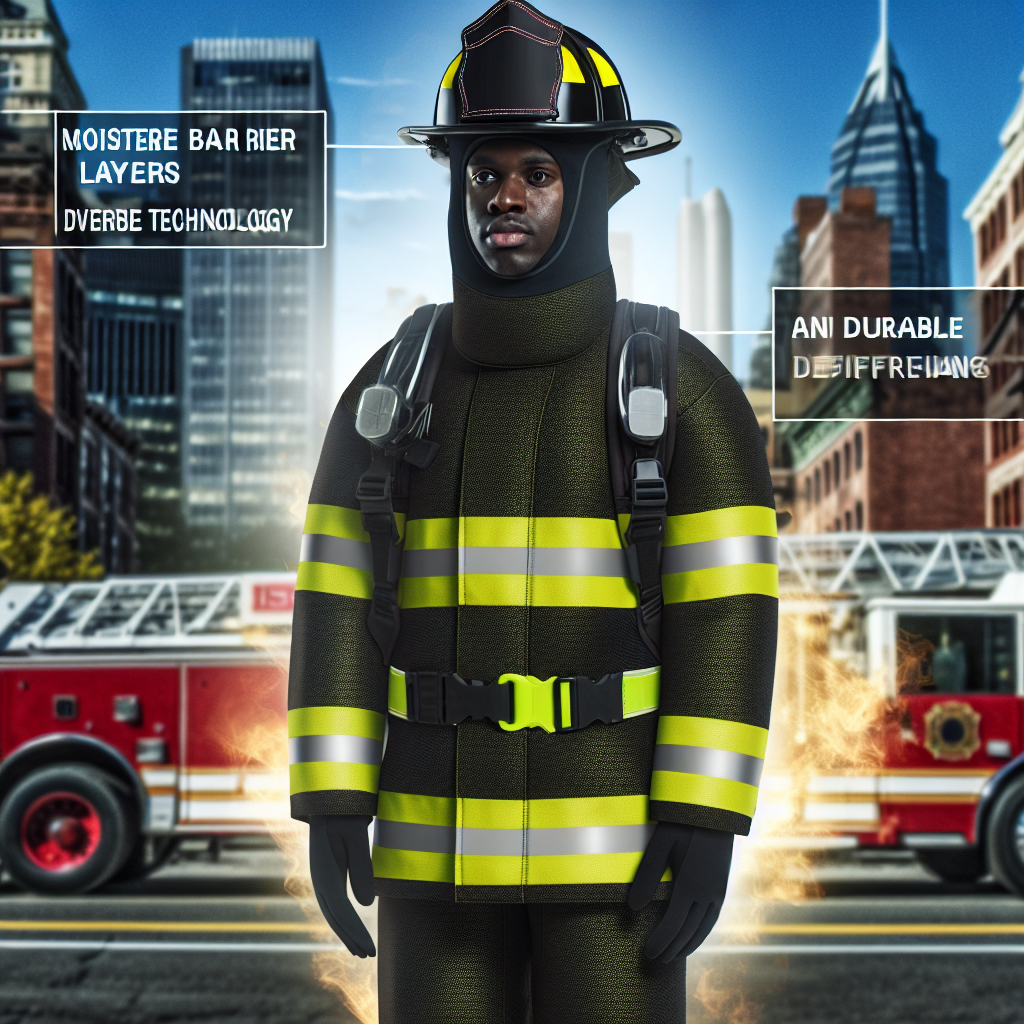
Firefighting is a perilous profession where every second counts. The right gear can mean the difference between life and death. Alarm time, the crucial measure of how quickly a firefighter’s equipment can respond to escalating conditions, plays a vital role in ensuring safety.
Understanding alarm times involves recognizing several key factors:
- Heat exposure: In environments with unbearable heat, even a moment can lead to disaster.
- Technological advancements: These promise to enhance the effectiveness of protective clothing.
- Outcome improvement: Optimizing alarm times can drastically improve safety for firefighters.
As technology continues to evolve, modern gear is designed to provide life-saving seconds when it matters most. This article delves into the significance of alarm time and explores the cutting-edge technologies reshaping firefighter gear for optimal safety and health.
Alarm Time: A Critical Indicator of Firefighter Safety
Alarm time is a critical measure in firefighter safety, indicating how quickly a firefighter’s gear can respond to severe environmental conditions, emphasizing the role of firefighter gear technology. It represents the time interval from the initial onset of thermal exposure to the moment a firefighter sustains a second-degree burn. This period serves as a vital buffer for tactical maneuvers, hazard assessments, and safe egress during fireground operations.
Gear Performance and Alarm Time
Turnout gear is designed primarily to act as a thermal barrier, helping to delay heat transfer to the firefighter’s body. A well-performing ensemble extends this crucial alarm time, thus providing precious seconds to evaluate situations, make decisions, and carry out vital measures. The effectiveness of gear directly correlates with NFPA 1710 guidelines, which recommend rapid responses ranging from 60 to 80 seconds for full gear readiness, highlighting the significance of critical response times. Such metrics not only emphasize operational efficiency but also underscore the importance of alarm time in protecting firefighters.
Minimum TPP Rating Under NFPA 1971
The National Fire Protection Association (NFPA) 1971 establishes essential performance criteria for firefighter protective gear, notably the Thermal Protective Performance (TPP) rating. The NFPA mandates a minimum TPP rating of 35, ensuring that gear can provide adequate protection against blows of heat. For example, this rating signifies that firefighters should have at least 17.5 seconds of protection before incurring significant thermal injuries, calculated as TPP/2. This threshold has several critical implications:
- Baseline Safety Standard: It forms a non-negotiable safety baseline emphasizing the need for manufacturer compliance in maintaining the necessary protective performance levels.
- Material Innovation: The requirement spurs advancements in gear materials, leading to the use of high-performance fabrics and technologies that enhance thermal insulation and support thermal injury prevention.
- Assessment and Procurement Confidence: It allows fire departments to make informed purchasing choices, knowing that products meeting NFPA 1971 standards provide a consistent level of thermal defense.
- Increasing Life Safety Measures: Ultimately, this TPP rating contributes vital seconds for firefighters to take life-saving actions before they encounter incapacitating injuries.
The Role of Moisture in Gear Performance
Moisture plays a significant, multifaceted role in gear performance and firefighter safety, often counter-intuitive. Research reveals that low moisture levels (up to 15% of the garment weight) can reduce TPP, as moisture conducts heat more efficiently than air. Conversely, higher moisture levels may temporarily increase TPP due to latent heat absorption; however, the overall effect of moisture saturation is detrimental. This critical relationship introduces potential risks:
- Material Integrity: Prolonged exposure to moisture can compromise gear function, including the moisture barrier’s effectiveness, significantly impacting breathability and temperature regulation.
- Physiological Strain: Accumulated moisture adds weight to turnout gear, which can limit mobility and agility—factors crucial during high-pressure firefighting moments. Additionally, reduced breathability may lead to accelerated heat stress, fatigue, and impaired cognitive performance.
Conclusion: A Comprehensive Approach to Firefighter Safety
To sum up, alarm time is not merely a statistical value but a multifaceted variable encapsulating the interaction of gear performance, thermal protective ratings, and moisture effects. Understanding these connections can enhance the safety protocols and design practices for firefighters. Continuous advancements in material science, systematic gear maintenance, and thorough training programs are essential to effectively mitigate risks and improve firefighter safety in hazardous environments. Alarm time represents one of the most meaningful measures of firefighter protection. This highlights the critical nature of this metric in ensuring the safety of firefighters during operations.
Influences of Alarm Time on Firefighter Survival and Gear Effectiveness
The impact of alarm time on firefighter survival rates and gear effectiveness has become a focal point in recent research, underscoring the critical role that both TPP and response time play in real-world scenarios. Alarm time, defined as the duration a firefighter can withstand exposure before incurring burns, directly correlates with gear effectiveness and overall safety during emergencies.
Thermal Protective Performance (TPP) and Gear Design
A vital aspect of firefighter gear is its Thermal Protective Performance (TPP). The National Fire Protection Association (NFPA) 1971 mandates a minimum TPP of 35 cal/cm², ensuring that firefighters have a minimum of 17.5 seconds to react before suffering significant thermal injuries. Research indicates that gear designed with advanced materials, including Phase Change Materials (PCMs), can enhance this alarm time. PCMs help regulate heat absorption but must be carefully balanced to prevent burns during recovery phases, underlining the necessity of innovation in gear design to extend protective capabilities under various conditions.
Emergency Response Time and Survival Rates
Moreover, the response time—time from alarm to arrival—is equally critical to survival. Studies reveal a stark correlation: each minute of delay in response can significantly increase the risk of fatality. For instance, a one-minute reduction in response time could save lives across numerous incidents, emphasizing the necessity for rapid deployment and efficient gear that supports quick donning in high-pressure situations.
In sum, both the thermal performance of gear and the efficiency of emergency responses are essential, underscoring alarm time as a critical measure for enhancing firefighter safety in life-threatening conditions. “By understanding and prioritizing alarm time, the fire service can move closer to protective clothing that not only withstands heat but also gives firefighters the crucial seconds they need to save themselves and others.”
Technology Advancements in Gear Design
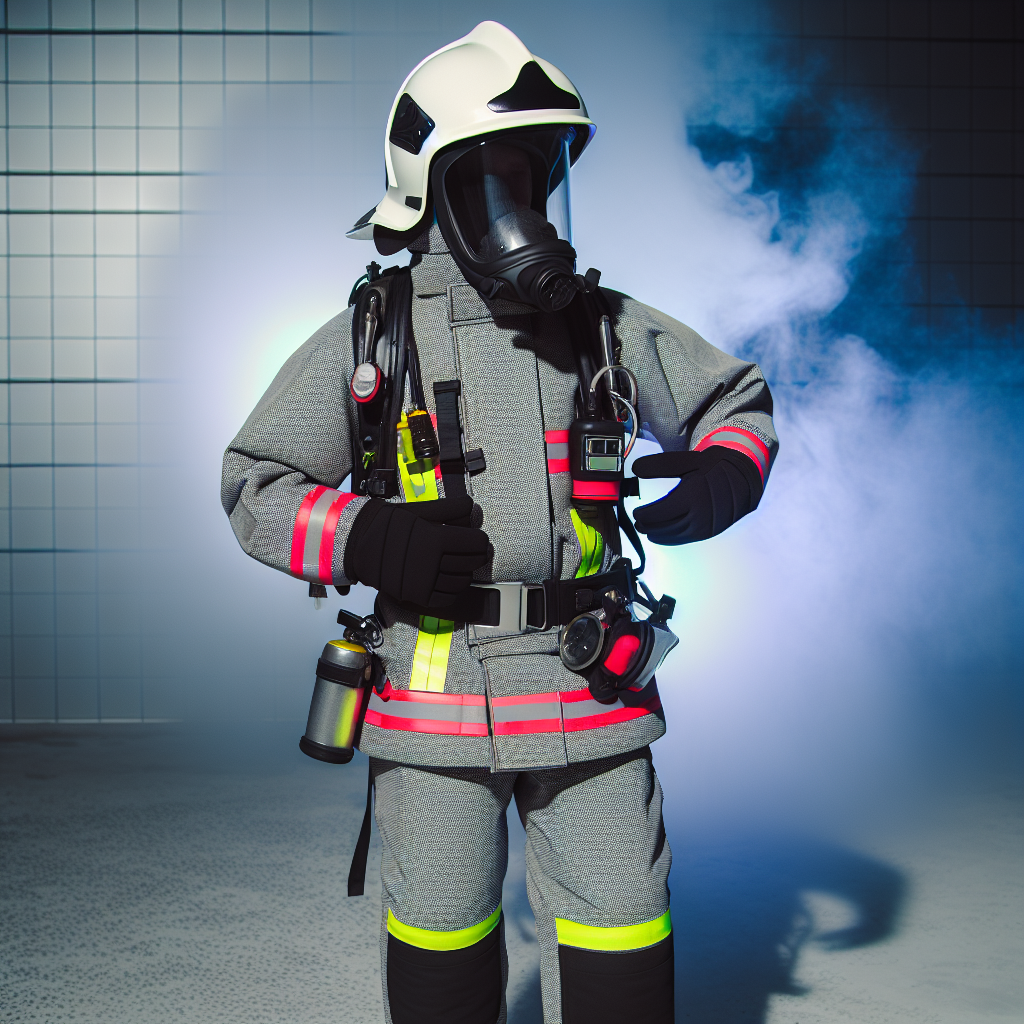
Recent innovations in firefighter gear are significantly enhancing safety and operational effectiveness through advancements in alarm time enhancements and heat transfer technologies. These advancements are rigorously governed and quantified by ASTM and NFPA standards, ensuring measurable improvements in firefighter protection and performance. The consolidated NFPA 1970 standard, effective in late 2024/early 2025, plays a pivotal role in mandating and verifying these advancements.
Alarm Time Enhancements
Alarm time enhancements focus on reducing the time it takes for firefighters to don their protective gear, a critical factor for rapid response and minimizing exposure. Innovations in gear design, such as Rapid Intervention Closures, incorporate quick-don features that facilitate faster donning. While NFPA 1970 does not specify a direct ‘donning time’ test, it supports rapid donning through durable closure requirements that ensure reliability in extreme conditions. New moisture barrier technologies are also designed to integrate seamlessly with protective gear while maintaining effectiveness.
Heat Transfer Technologies
Heat transfer technologies are crucial for protecting firefighters from extreme thermal environments while managing physiological heat stress. Advanced aramid blends utilized in outer shells, as stipulated by NFPA standards, ensure increased durability and lighter weight for greater mobility. Moisture barriers, including Gore CROSSTECH, ensure breathability while maintaining resistance to water and other hazards, with Total Heat Loss (THL) ratings indicating reduced physiological strain on firefighters. Thinner thermal liners provide equal protection with less bulk, allowing for improved performance under high-stress situations.
Governing Standards Overview
The advancements are rigorously tested and regulated by key industry standards including NFPA 1970, which consolidates previous NFPA standards ensuring high levels of safety, mobility, and comfort for firefighters. Modern gear designs embody these principles, directly contributing to reduced injury rates and extended operational capabilities for firefighter teams.
These ongoing innovations highlight the fire service’s commitment to continually enhancing firefighter protection in increasingly hazardous environments.
Statistics on Alarm Time Effectiveness
Alarm time has been a critical focus in the realm of firefighter safety, and recent studies have shown that it can remarkably reduce to as little as 12 seconds under repeated use of advanced protective gear. This statistic underlines how innovations in firefighting technology greatly enhance the effectiveness and responsiveness of gear during emergencies.
Moreover, optimal alarm times directly correlate with improved survival rates, as each second can significantly impact a firefighter’s ability to assess threats and make crucial decisions under pressure. The NFPA standards suggest that reducing response times can drastically lower fatality risks, highlighting the profound implications of alarm time on both operational readiness and firefighter safety.
Ultimately, continuous advancements in gear technology provide firefighters with a valuable tool not only to protect themselves from immediate threats but also to optimize their performance in high-stress environments, thereby helping to ensure their safety and the safety of those they protect. Innovations that contribute to reducing alarm times could lead to substantial improvements in fireground outcomes.
These enhancements are not merely technical; they represent a shift towards a more strategic approach in firefighter safety, urging departments to prioritize gear performance benchmarks and prioritize training that adapts to these advancements.
| Feature | Traditional Gear | Advanced Gear |
|---|---|---|
| Alarm Time | Up to 30 seconds | As low as 12 seconds |
| TPP Ratings | Minimum 35 TPP | Often exceeds 35 TPP |
| Moisture Exposure Levels | Susceptible to moisture damage | Enhanced moisture barriers |
In conclusion, alarm time emerges as a pivotal criterion in the realm of firefighter safety, intertwining with the performance of protective gear and innovations in technology. As evidenced, the ability of gear to minimize alarm time directly correlates with the safety and effectiveness of firefighters in emergency situations. Recent advances, such as improved thermal protective performance and enhanced moisture barriers, have significantly increased the reliability and responsiveness of firefighting equipment.
Nonetheless, the conversation cannot halt here. Continuous advancements are essential not only in gear technology but also in training protocols and safety practices. As the pressures of firefighting evolve with changing conditions and challenges, so too must the strategies employed to safeguard the brave individuals who protect our communities. By prioritizing research, innovation, and adaptation, we can ensure that our firefighters are equipped not just to cope with dangers, but to thrive in their vital roles, ultimately leading to better outcomes in life-saving missions.
Gear Performance and Alarm Time
Turnout gear is designed primarily to act as a thermal barrier, helping to delay heat transfer to the firefighter’s body. A well-performing ensemble extends this crucial alarm time, thus providing precious seconds to evaluate situations, make decisions, and carry out vital measures. The effectiveness of gear directly correlates with NFPA 1710 guidelines, which recommend rapid responses ranging from 60 to 80 seconds for full gear readiness. Such metrics not only emphasize operational efficiency but underscore the importance of alarm time in protecting firefighters.
Real-World Case Studies on Alarm Time
A better understanding of alarm time is necessary through examination of real-world incidents where gear performance and response time intersect to impact the safety of firefighters:
- Fraser Apartment Fire (March 3, 2000, Fraser, Michigan): In this incident, Firefighter David Sutton lost his life during a rescue attempt exacerbated by a second arson fire that compromised available resources. The timing of the second fire created critical delays in response efforts, resulting in prolonged exposure to dangerous conditions. Emergency responders were unable to intervene effectively, highlighting how exceeding the alarm time can spell tragedy.
- NYC Firefighter Burn Injuries Study (2002): Conducted by Prezant et al., this study showed a significant reduction in burn injuries among firefighters who utilized advanced uniform technology designed to enhance TPP. The improvements in gear performance contributed to the firefighters’ increased survival rates, as the advanced fabric technology minimized heat absorption and maintained an effective alarm time.
- Keokuk Apartment Fire (December 22, 1999, Keokuk, Iowa): This tragic event led to the death of three firefighters due to a flashover that occurred rapidly while they conducted a search operation. Delays in response due to prior incidents and malfunctioning smoke alarms extended the critical alarm time, demonstrating the life-or-death ramifications of incident timing and preparedness.
- Project FIRES: This initiative focused on addressing limitations in existing firefighting equipment by systematically testing gear under realistic conditions, reinforcing the essential relationship between TPP, alarm time, and gear effectiveness. This comprehensive study aimed at improving firefighter outcomes by validating gear performance under extreme conditions.
- DuPont Thermo-Man® Testing: Utilizing advanced testing methodologies, this simulated real-world conditions to predict the effectiveness of gear. This research has informed manufacturers and the fire service about the crucial thresholds of TPP to enhance alarm time and extend the protection offered to firefighters in emergency situations.
These case studies illustrate that the effectiveness of firefighter gear significantly dictates alarm time, which in turn can be the crucial differential factor in life-saving scenarios. The intersection of gear performance, preparedness, and situational awareness becomes paramount to maintaining safety on the fireground. The lessons gleaned from these incidents emphasize the essential nature of reducing alarm time and enhancing gear performance as pivotal strategies for safeguarding firefighter health and lives.
Conclusion
In sum, alarm time emerges as a pivotal criterion intertwining with the effectiveness of protective gear and technological innovation. It is evident that the ability of gear to minimize alarm time is directly linked to the safety and performance of firefighters in emergency situations.
Understanding the influence of moisture levels on gear performance further highlights the critical nature of alarm time, as moisture can significantly impact thermal protective performance (TPP). With advancements in areas like thermal protective performance and moisture barriers, the reliability and responsiveness of firefighting equipment has been significantly boosted.
However, our efforts must not cease here. The dynamic challenges encountered in firefighting demand continuous advancement not only within gear technology but also in training protocols and safety practices. As firefighters are faced with evolving conditions, it is imperative we adapt strategies to safeguard these brave individuals. By prioritizing research, innovation, and continual adaptation, we can ensure our firefighters are equipped not just to cope with hazards but to thrive while executing their vital roles. This commitment ultimately leads to improved outcomes during life-saving missions and ensures the safety of those protecting our communities.