
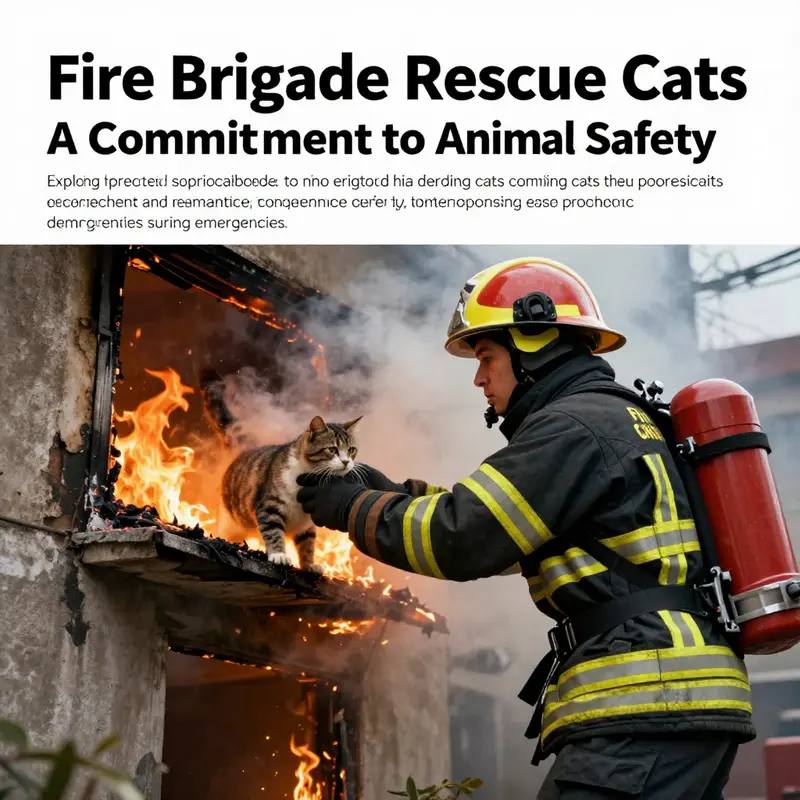
Fire brigades around the world play a crucial role not only in saving lives but also in protecting pets, particularly cats, during emergency situations such as fires. The relevance of this topic is underscored by the proactive measures taken by firefighters and emergency responders, who are increasingly equipped and trained to rescue animals effectively. This article delves into the strategies and techniques employed by fire brigades, the implementation of animal oxygen masks designed specifically for pets, the vital role of mobile veterinary units in emergencies, compelling case studies of successful rescues, and the importance of collaboration between communities and emergency responders. Each chapter reveals a different aspect of this important work, affirming that while human lives remain a priority, the well-being of our animal companions is equally valued in crisis situations.
Against the Smoke: The Art and Science of Fire Brigades Rescuing Cats
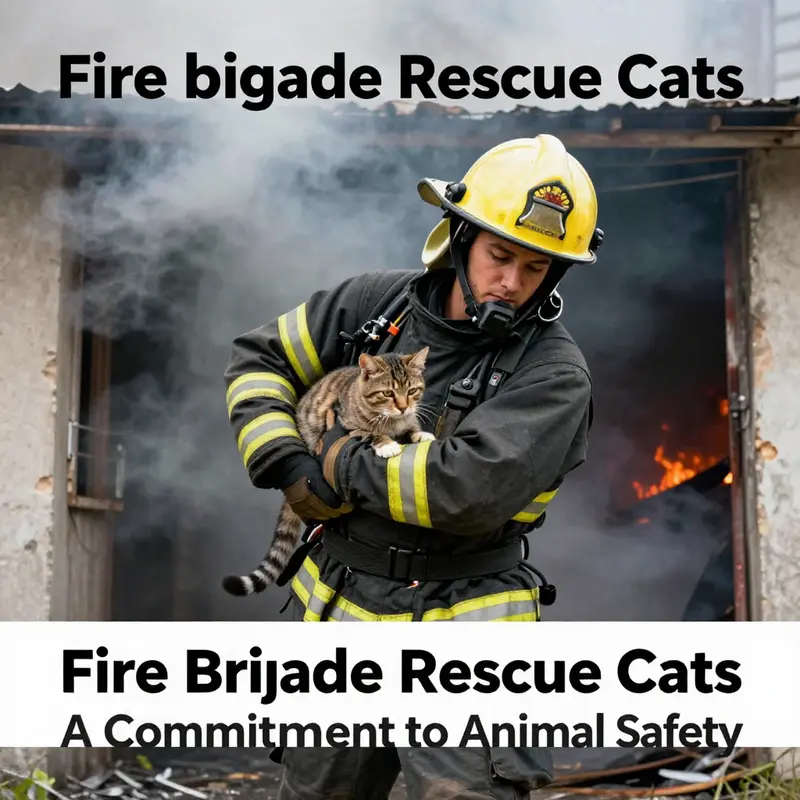
When a building erupts in smoke, the first impulse is to save lives. Yet as communities grow more attached to their animal companions, fire brigades are increasingly expected to extend that life-saving impulse to pets, especially cats. The modern rescue scene blends the hard-edged discipline of firefighting with a patient, species-specific approach to animal welfare. It is a careful balancing act: move fast enough to save lives, but slow enough to protect a small, frightened animal from further harm. The result is a thoughtful integration of tactics, tools, and training that recognizes the unique challenges cats present while honoring the broader mission to protect all life on scene. In this sense, the act of rescuing a cat becomes a measure of a fire service’s adaptability, its willingness to learn, and its capacity to work with veterinary professionals and the public to improve outcomes for all creatures caught in catastrophe.
Cats are naturally wary of novel stimuli. In a fire environment, that wariness becomes panic, which can push a cat to bolt into tight spaces—behind walls, into ceiling voids, or into crawl spaces inaccessible without specialized access. A successful feline rescue thus begins with anticipation. Fire departments increasingly rely on a combination of trained animal handling specialists and technology to locate hidden cats. Thermal imaging cameras, originally developed for hazard detection and search, have become a mainstay in many departments for tracing heat patterns behind walls or inside cavities. The moment a heat signature is spotted in a crevice or a vent, crews can adjust their approach—from which doorway to enter, to how to use the least invasive path to reach the animal. This is not a peripheral concern; it is central to reducing the risk to both the cat and the rescuers. The calm, deliberate search that follows heat detection mirrors the precision engineers use when handling human victims in the most challenging environments.
Even when a cat is found, the work is far from over. The immediate danger—smoke inhalation, carbon monoxide exposure, dehydration, and overheating—requires rapid, targeted medical care. A few widely reported cases have showcased the dramatic difference that prompt intervention can make. In a widely shared rescue from 2022, responders performed rapid stabilization and resuscitation on a cat affected by smoke inhalation. Though not routine, such CPR-like techniques—adapted for small animals by veterinary professionals—demonstrate the depth of training that some responders now bring to bear. The scene is less cinematic than a hero’s leap from a burning threshold and more a choreography of tiny, precise actions: securing an airway, delivering oxygen through appropriate small-animal devices, maintaining circulation, and ensuring the cat can be transported to a care facility with minimal stress.
A key component of the veterinary-safe rescue is the equipment tailored to small patients. Oxygen masks and delivery systems designed for cats and other small mammals are used to stabilize breathing and improve oxygenation during the critical minutes after a rescue. These devices come in multiple sizes to accommodate differences in anatomy and exposure. The goal is to deliver life-sustaining oxygen without triggering distress or discomfort that could complicate a rescue. In practice, clinicians and firefighters coordinate the transfer from field care to veterinary care with a seamless handoff that preserves temperature, circulation, and airway status. In many places, the equipment list also includes a light but effective set of protective layers and blankets that can shield a cat from heat and help keep the animal calm during movement. A rescue is never solely about extraction; it is also about the careful post-extraction care that minimizes the risk of secondary injury once the cat is in a controlled environment.
Beyond the immediate scene, firefighters counsel households to adopt proactive safety measures. They advocate secure, purpose-built transport carriers for pets during evacuation, rather than letting animals roam free in a chaotic environment. Packages that keep a cat contained reduce the risk of injury from running pets and improve the likelihood of a smooth, rapid exit. Fire departments also encourage households to consider water-based extinguishing agents for early-stage flames and to use a fire blanket when available to shield a rescuer and animal during an extraction when other options are not yet accessible. The emphasis on simple, practical tools reflects a broader philosophy: prepare at home so that when disaster strikes, the path to safety is shorter and less perilous for both humans and animals. A pet emergency kit—containing food, water, medications, a familiar blanket, and a leash or carrier—placed near the exit can transform a chaotic evacuation into a manageable operation rather than a crisis spiraling into disarray.
Guidelines and training frameworks across jurisdictions further embed animal rescue into standard response. In January 2026, Chinese firefighting training outlines were updated to include explicit provisions for animal rescue within wildfire response. The change signals a growing consensus that human safety and animal welfare are compatible priorities within a unified incident command. Such guidance reinforces the practice of integrated training, ensuring that firefighters and veterinary professionals can cooperate smoothly on-scene and that protocols reflect current best practices rather than ad hoc improvisation. Public education mirrors this shift. Agencies emphasize that families should rehearse evacuation plans with their pets, identify pet-friendly routes, and ensure carriers and essential supplies are within easy reach during real emergencies. The idea is straightforward: practice reduces panic, and practice with pets makes a real evacuation more efficient and less fraught with risk.
The stories of real-world rescues across different environments illuminate a shared conviction: animal welfare has to be part of the emergency response fabric, not a postscript. The Chilean experience during the 2026 wildfires illustrates how mobile veterinary units can extend medical and protective services into devastated areas, treating injured animals and stabilizing them for further care. The narrative of Luke, a brave dog who guided firefighters to an injured man during a forest fire in 2013, speaks to the powerful bond that can motivate rapid, coordinated action. These accounts are not merely anecdotes; they reflect a growing recognition that animal welfare is integral to public safety and community trust. When residents see responders initiating care for pets with the same seriousness as they do for people, they gain confidence in the entire emergency system. That trust is essential because it underpins willingness to plan, participate in drills, and adhere to safety recommendations that may save more lives when the next crisis hits.
The practice of rescuing cats, then, sits at the intersection of courage, knowledge, and compassion. It is an iterative craft that demands ongoing training with animal-handling specialists, refining search strategies, improving transport protocols, and strengthening collaboration with veterinary professionals. It also requires humility: responders must recognize when a situation is too dangerous to undertake animal rescue without compromising the broader mission. In such moments, the priority remains human safety, but the groundwork laid by preparedness and humane intent never disappears. This nuanced balance is the core of contemporary animal rescue in fire services. It demonstrates that resilience in a community is enhanced when animal welfare is integrated into preparedness, response, and recovery.
For readers seeking a practical lens on the broader safety landscape, consider the discussion around evacuation failures in settings like senior-care facilities, which underscores why preparedness matters at every level. See this discussion left-behind-the-tragic-failures-of-fire-evacuations-in-senior-care-facilities. The thread emphasizes that successful rescue depends not only on heroic acts but also on planned, reliable routines that ensure people and animals can move together under pressure. A robust body of guidance, including official animal-rescue tips published by national fire safety authorities, provides a shared framework for responders and communities alike. While medical protocols are the province of veterinarians, the governing principles—rapid assessment, stabilization, and safe transport—anchor the practice across contexts. As climates shift and fire risks intensify, that integrated approach will continue to mature, empowering responders to save more lives while preserving the dignity and safety of the animals who share our homes.
External resource: https://www.nationalfire.gov/animal-rescue-tips
Breath of Hope: Cats, Firefighters, and the Tiny Masks That Save Them
When a fire rips through a home, the priority is to protect human life. Yet as flames subside and smoke lingers, responders increasingly consider the needs of companion animals. This chapter follows a thread across modern fire services: rescuing cats when safe to do so and equipping responders with tools that can make the difference between life and death for a frightened pet.
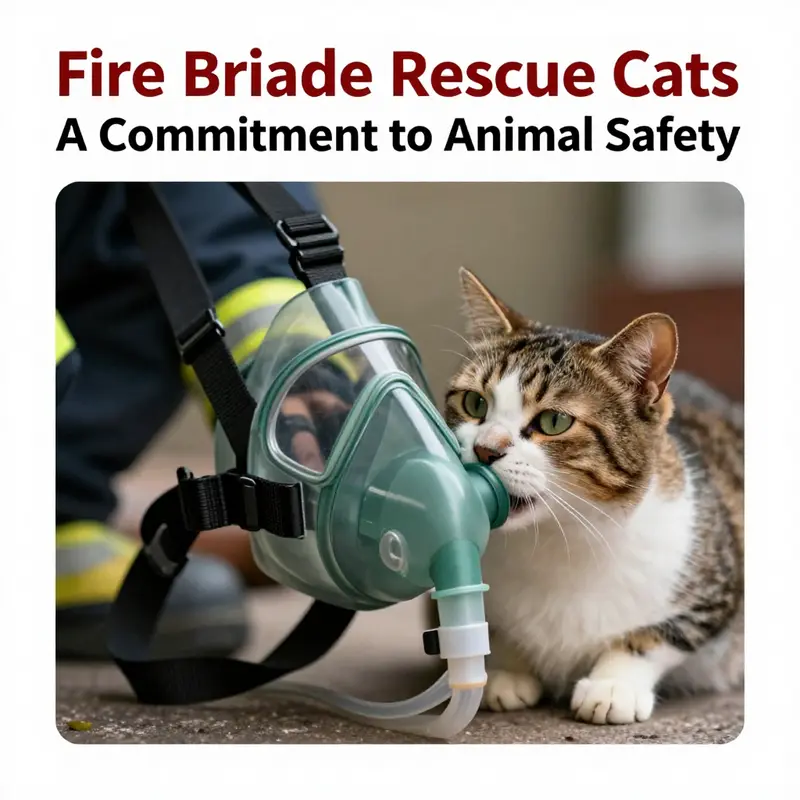
The London Fire Brigade’s adoption of small-animal oxygen masks offers a concrete example of how simple technology can shift outcomes while keeping the mission to save people first. In practice, the masks are designed to fit a cat’s muzzle and seal well enough to deliver steady oxygen without leakage. They come in several sizes to match different pet faces and are used alongside on-scene medical care and veterinary support.
The August 2022 London incident is a touchstone for how these masks influence on-scene decisions. Firefighters pulled two cats from a burning structure; one showed distress from smoke inhalation, was fitted with the animal mask, and the team continued resuscitation with oxygen. The result underscored that rapid, field-level veterinary care can alter a pet’s trajectory even before a clinic visit. More broadly, the approach signals a shift toward integrated care: training crews to recognize respiratory distress in small animals, to fit the mask correctly, and to coordinate with veterinarians and pet owners during a chaotic scene.
Beyond London, services in other regions are exploring similar pathways. Mobile veterinary units, triage protocols for animals, and clear guidance on how to balance human and animal needs form part of a growing framework for humane, efficient emergency response. The goal remains the same: protect life, whether it belongs to a person or a pet, and do so with care and transparency for the communities we serve.
For readers seeking further context, this chapter points to ongoing conversations about how veterinary expertise can be integrated into fire-service operations, the ethics of prioritization in crisis, and the role of equipment design in saving small lungs. The evolving practice invites ongoing collaboration among firefighters, veterinarians, and researchers to create durable standards that benefit both people and their animal companions.
Fire Brigade Rescue Cats: The Frontline Role of Mobile Veterinary Units in Emergencies
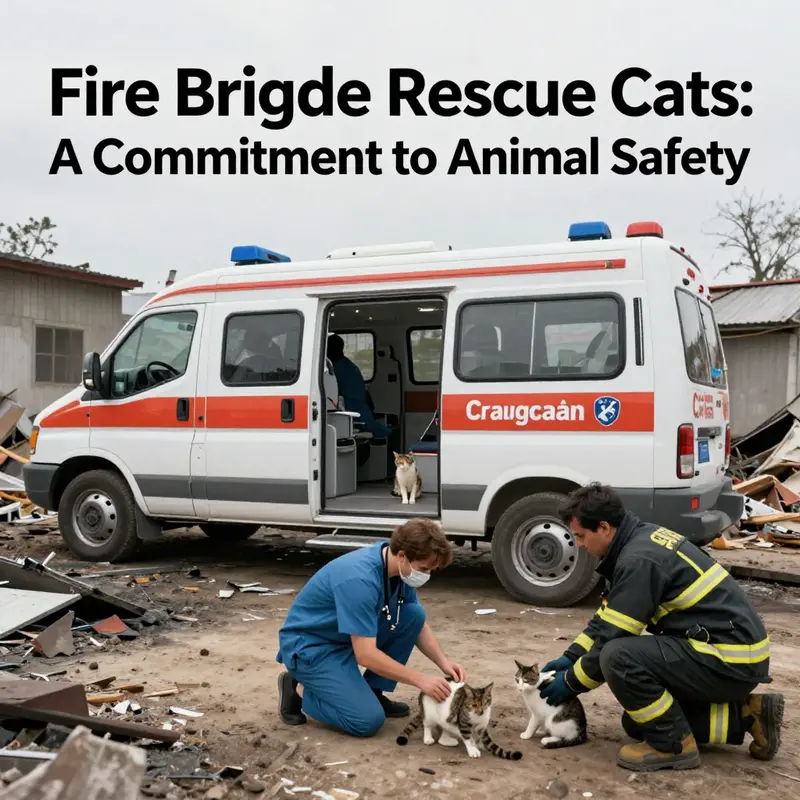
After a wildfire, the first priority is always to locate and rescue humans. Yet, as the smoke clears and the dust settles, many families face another, quieter loss: companion animals trapped, injured, or overwhelmed by fear. In Chile’s wildfire crisis that followed the early 2026 blazes in the Lirqun region, fire brigades and their partners demonstrated a broader, more flexible mission. They did not stand idle in the wreckage; they extended their reach through mobile veterinary units that moved quickly to the places where pets were found, sometimes buried beneath ash and debris, sometimes coughing in the wake of smoke. This chapter traces their work, following how these mobile clinics brought medical attention to the field, how relief arrived in the form of fluids, oxygen, and careful wound care, and how, in the long arc of disasters, these acts of care affirm a relationship between emergency responders, veterinarians, and the families who rely on them.
Across the globe, fire brigades remain focused on saving human lives; their training emphasizes risk assessment, rapid extraction, and the triage that prioritizes those most in need. Yet, when the smoke clears and a rescue mission turns toward the aftermath, teams frequently turn their attention to animals that belong to people waiting anxiously nearby. In such moments, speed matters not only for humans but also for pets with compromised airways, dehydration, or injuries from heat, smoke, or falling structures. The Chilean mobile veterinary units described in the aftermath of the Lirqun fires represent an integrated model of care. They are not a separate add-on; they are a continuation of the rescue operation, a bridge from field danger to clinical stabilization and, if possible, to definitive treatment.
Within these units, the workflow is simple but precise. Trained veterinarians and technicians meet the responding teams at the edge of danger or in nearby safe zones, ready to receive the first animals that emerge from collapsed walls or charred yards. A cat with singed whiskers, a dog coughing from smoke exposure, a rabbit hiding beneath a burned chair—these scenes unfold in the half-light of dusk as crew members work with calm efficiency. The immediate priority mirrors human medicine: ensure breathing, circulation, and perfusion. Intravenous fluids replace fluids lost to heat and dehydration; vital signs become the compass by which clinicians steer the animal toward stability. Wounds, whether from heat exposure, burns, or crush injuries, are cleaned, debrided if needed, and carefully dressed. Pain management, when appropriate, is a quiet but essential element of healing, helping the animals endure the process of recovery and reducing stress that can worsen respiratory distress. The aim is not to rush a pet back to a terrified owner, but to prevent secondary complications, such as infection or shock, while preserving the bond that makes rescue worthwhile in the first place. In the most severe cases, animals are stabilized in the mobile clinic and then transferred to specialized veterinary hospitals where surgeons and advanced therapies can take over. The signal is clear: a portable anchor point in the chaos can save minutes that make the difference between life and death for a small animal.
These missions are constrained by danger, weather, and the speed at which rubble must be cleared. Yet they illustrate a key truth about disaster response: rescue is not a single act but a chain of acts, each linked by a shared commitment to care. This is where mobile units shine. They can ride with the fire crews as the last walls are breached, or they can stand by in safe zones and receive rescued pets as soon as the path is clear enough for medical teams to operate. The kits in these units are compact but capable: monitors for heart rate and temperature, IV lines, sterile dressings, analgesia when appropriate, and a plan that moves from triage to treatment to stabilization. The veterinary clinicians work in concert with the larger incident command structure, sharing updates with firefighters and, when possible, with the grateful owners who appear with tear-streaked faces and no small amount of relief when their pets draw a living breath again. The emotional charge of such moments cannot be overstated. A small cat curling into a shaded corner of a mobile clinic can symbolize survival; a weeping owner can testify to the relief that follows the deliverance of a furry family member.
These field operations are also a practical demonstration of how rescue work adapts to evolving threats. The Chilean scene reveals that urban and rural responders alike must anticipate animal distress as an integral element of incident management. The presence of MVUs in the midst of debris and ash communicates a message to communities: you will not be abandoned in the aftermath. Rather, expert care will pursue you into the hazard zones, translating chaos into a path toward healing. The work is resource-intensive, and it demands close coordination with shelters, local veterinarians, and, importantly, the families who must decide whether to trust strangers with their cherished animals. In such moments, the practitioners carry not only medical tools but also a steady, compassionate demeanor that reinforces the bonding trust at the core of emergency response.
Alongside the Chilean case, the broader context of animal rescue in fires highlights a recurring thread: time is a critical variable. The longer an animal remains unattended in heat, ash, or collapsed structures, the lower the chances of recovery. This urgency has driven innovations in field medicine. While the exact tools may vary, responders increasingly recognize the value of rapid triage that distinguishes cats and dogs who can be stabilized with basic fluids and oxygen support from those requiring immediate surgical intervention. The concept resonates with urban fire services elsewhere, where the adoption of animal-specific triage and protective equipment has grown as a standard feature of preparedness. It is not about replacing human rescue; it is about recognizing that families rely on responders to extend their reach into the most dangerous spaces to recover their companions. When a cat is carried from a rubble pile and into the glow of a mobile clinic, the moment becomes a hinge between catastrophe and care, a hinge that allows both the animal and its human to begin the slow journey back to normal life.
These stories are more than accounts of luck or chance; they are portraits of disciplined collaboration. The MVU model embodies a philosophy of service that extends beyond immediate hazard. It embodies the belief in healing as a communal act and in rescue as a partnership among firefighters, veterinarians, volunteers, and pet owners. The unit also serves as a practical testbed for cross-disciplinary cooperation: clinicians who understand the basics of anesthesia, veterinarians who can interpret limited imaging and bloodwork, and logisticians who keep a steady supply chain under heat and dust. In the Chilean scenario, teams reported that time had a direct bearing on outcomes; some animals found earlier survived, while those found later faced a graver prognosis. The moral weight of this fact is heavy, yet it also underscores a directive for future action: speed, in cooperation with skilled care, can escalate survival.
Behind the statistics lie countless human stories of relief and heartbreak. Families walk through makeshift recovery areas, clutching collars and leashes, praying for the life of a black-and-white cat that watched their home burn. The sight of a veterinary clinician listening to a heartbeat through a stethoscope, while a firefighter steadies a shaking paw on the clinic’s table, is a quiet portrait of resilience. In many cases, owners return to the rubble with the quiet hope that a paw will greet them at the clinic’s door. The sight affirms that bonds do not end with loss; they endure in the shared effort to recover what matters most. These human-animal bonds have a way of sharpening the sense that emergency service work is not just about extinguishing flames but about healing communities—people and pets alike. The MVU model embodies that broader mission, offering a measurable improvement in survival odds for companion animals while reinforcing the trust communities place in their responders.
From the perspective of responders, the MVU (mobile veterinary unit) stands for a philosophy of service that invites ongoing evolution. It invites policymakers, municipal planners, and hospital partners to consider how to fund, train, and sustain such teams in stretches of disaster and in daily life alike. It also invites communities to imagine a future where animal rescue is not an afterthought but a standard element of emergency readiness. The Chilean experience invites a broader reflection on how fire services and veterinary medicine can evolve together. It suggests that disaster response should anticipate the needs of animals in planning, training, and resource allocation. A resilient system includes not only better protective equipment and more portable medical supplies, but also protocols for coordinating with local shelters, veterinary schools, and mobile clinics so that a chain of care continues beyond the initial rescue. The work of MVUs aligns with a growing understanding that emergencies demand an integrated approach to health—one that regards animals as part of the affected community and regards families as part of the response. In this sense, the mobile clinic is more than a trailer stocked with tools; it is a symbol of a connected response network, one that sees welfare as a shared responsibility across professions and agencies.
As the narrative of these fires unfolds, one can see through the ash a future in which rescue is not a race against time alone but a coordinated, compassionate undertaking. In cities and towns around the world, responders increasingly embrace the concept that people and pets face danger together, and that the most effective responses honor that bond by extending care when it is most needed. The innovations that support MVUs—efficient triage protocols, rapid transfer routes to hospitals, and collaborative training across disciplines—are small changes with outsized impact. For observers, the Chilean case underscores that the visible acts of courage—pulling a cat from a pile, stabilizing a frightened animal with a calm hand, guiding an exhausted family toward a safe space—are the heartbeat of modern emergency response. And for those who study these systems, the MVU stands as a reminder that, in the face of catastrophe, resilience is built not only in the flames but also in the steady, patient work of care after the smoke clears.
To readers seeking a wider context, this chapter points toward ongoing work in the field: how to train responders to recognize animal distress, how to integrate veterinary expertise into incident command, and how to maintain a constant readiness for pet owners who must wait for a sign that their beloved companions have been found safe. The bond between people and animals remains a compass for resilience, and it guides policy-makers toward investments in mobile veterinary capacity, cross-training, and rapid diagnostic capabilities. The Chilean experience demonstrates that when fire brigades and veterinarians stand together, they can deliver a form of rescue that does not merely preserve life but preserves the lived relationships that define households and neighborhoods. In a world where disasters recur with alarming frequency, the lessons from Lirqun offer a model for how communities can respond with both courage and care.
For readers who want to explore related ideas about how emergency services are evolving, see the broader conversation about innovations in fire services and community health: Innovation Museum Transforming Fire Services.
External resource: AP News – Chile Wildfires: Mobile Clinics Battle to Save Animals. https://apnews.com/article/chile-wildfires-mobile-veterinary-clinics-animals-rescue-8a1b3c4d5e6f
When Smoke Clears, Whiskers Return: Case Studies of Fire Brigades Rescuing Cats and Protecting Pets
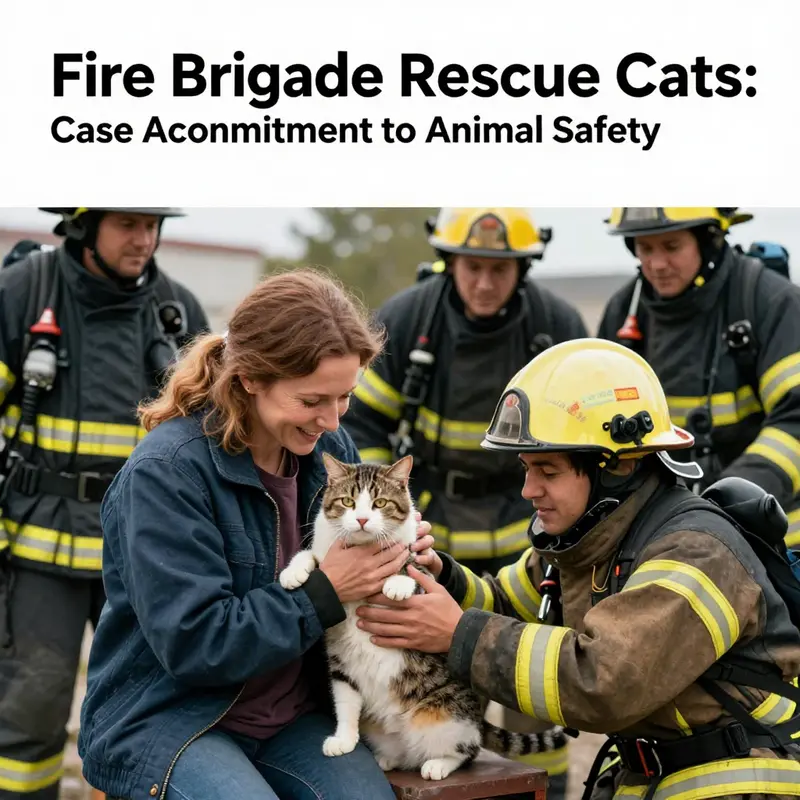
When smoke thickens and structures tremble at the edge of collapse, firefighters instinctively prioritize human life. Yet the echo of human fear often collides with another kind of plea—pet voices muffled by flames, smoke, or rubble. Over the past decade, fire brigades around the world have broadened their mandate to include animal welfare as an integral component of emergency response. The result is a more holistic approach to rescue, a fusion of courage, science, and compassion that has repeatedly saved the lives of cats and other pets when it is safe to do so. This chapter surveys how the practice has evolved through real world cases, the tools that enable feline recovery, and the broader implications for emergency services and communities that rely on them during crises. The story is not a simple tale of bravery alone; it is a narrative about adapting protocols, embracing new technologies, and cultivating public trust in responders who stand ready to pull a frightened cat from a burning room or a rooftop before a family loses a beloved companion to a disaster.
The shift toward integrated animal rescue has been subtle in some places and dramatic in others. Fire departments still must weigh the primary objective of saving human lives against the risk to rescuers and the dangers of entering unstable environments. When conditions permit, teams perform searches for pets, often using technologies that extend their reach beyond the human-centered view of a scene. Thermal imaging, for instance, helps locate hidden pockets of heat and potential animal seekers inside smoke-filled apartments or partially collapsed rooms. In many urban responses, teams also rely on careful coordination with animal welfare professionals, who can triage and treat rescued pets once they are safe. The goal is not to replace veterinary care but to bridge the moment of salvation with the critical first steps of medical intervention that can determine survival outcomes for animals as small as a cat.
A practical cornerstone of these rescues is the use of specialized equipment designed to support tiny lungs in smoky air. Animal oxygen delivery systems are configured in multiple sizes to fit different species while minimizing distress to the animal. In the field, a quick breath of clean oxygen can mean the difference between a rapid recovery and the slow, dangerous aftermath of smoke inhalation. The equipment is deployed with the same professionalism and efficiency that characterize human medical interventions, reflecting a growing understanding that pet welfare and human safety can advance together rather than in opposition. The emphasis remains on safety first; when a cat can be retrieved without compromising firefighter safety, responders act with precision to remove the animal and begin medical precautions that prevent further harm.
Across continents, case studies illustrate a common arc. The first act is often the urgent discovery of a cat in peril, followed by a careful, staged extraction that minimizes stress for the animal and risk for the rescuers. The second act centers on rapid medical assessment and stabilization, especially when smoke exposure is suspected. A third act recounts the handoff to veterinary teams ready to provide oxygen therapy, wound care, or other critical treatment on site or at a nearby facility. Each successful rescue reinforces the credibility of the responders and strengthens the bonds between fire services and the communities they serve. These stories also highlight the role of public awareness. When owners know that fire brigades may attempt to recover pets if it can be done safely, evacuation plans tend to incorporate pet considerations more consistently. Homes with ready carriers, updated microchip information, and clearly labeled pet spaces become safer for everyone during an emergency. The interplay between community preparedness and professional rescue capability forms a feedback loop that sustains this compassionate evolution in practice.
Case studies illuminate the depth and range of situations in which cats have benefited from these evolving procedures. In a 2013 incident in the United States, a forest fire created a hazardous corridor through a shelter environment where a team found a small cat sheltered near a heat source. The firefighters who responded demonstrated a calm, deliberate approach, maintaining airway safety and ensuring that any additional danger to the animal or to people was minimized. Though this particular vignette features a cat, the broader narrative is closely aligned with the courage shown by a dog named Luke in a separate, widely publicized rescue that same decade. Luke, a rescue dog linked to a shelter worker, undertook a daring sequence during a forest blaze: he carried kittens to safety one by one, then guided responders to an unconscious, trapped firefighter. The tale—worthy of many retellings—has become a beacon for the idea that animal welfare and human rescue can share a single, integrated mission. It demonstrates how animal-assisted rescue work can inspire teamwork and sharpen the situational awareness essential to complex emergencies.
A second, more visible example unfolded in London in 2022. Fire crews used thermal imaging to locate a cat hidden inside a burning apartment building. The cat, found on the second floor, was evacuated swiftly and without further harm. Video footage from the incident circulated widely, offering a powerful visual reminder that even in the fiercest fires, cats can be saved when responders have access to advanced tools and a clear plan. These operations underscore how documentation and public storytelling can drive home the message that pets are part of the family and deserve protection during disasters. They also highlight the importance of planning and rehearsal in rescue operations. By simulating scenarios in training exercises, crews refine the sequence of actions—from entry to extraction to medical care—that makes a cat’s odds of survival higher than they would be otherwise.
A third illustrative case occurred a couple of years later in Melbourne, Australia, where a post-storm upheaval left a cat stranded on a rooftop. An urban search and rescue unit, equipped with a drone and infrared sensors, located the animal. A firefighter then rappelled from a helicopter to retrieve the cat, which emerged unscathed. This operation illustrates how modern technology can expand the reach of traditional firefighting tactics, enabling responders to locate and recover animals in places that would be inaccessible by conventional means. It also demonstrates the value of cross-agency collaboration in complex environments, where aerial reconnaissance, canine search teams, and experienced climbers can work in concert to ensure a safe and humane outcome for the animal and a rapid, safe return to the owner.
The Chilean experience during the early months of 2026, when devastating wildfires swept through several regions, adds a crucial dimension to the evolving picture. Emergency services deployed mobile veterinary units to tend to injured animals found in rubble and ash, including cats who had survived the inferno. Veterinarians reported that timely medical attention substantially increased the odds of recovery for many pets, underscoring a broader principle: rescue is not only about extraction but also about immediate care in the critical minutes that follow. This approach—integrating veterinary care with rescue operations—reflects the growing consensus that animal welfare should be embedded in emergency response protocols wherever possible. The case highlights a forward-looking trend where the line between fire rescue and medical treatment for animals becomes more porous, allowing for rapid, coordinated responses that save more lives.
To interpret these patterns within a larger framework, it helps to view them as part of a growing discipline that sees animal welfare as a meaningful component of public safety. The National Fire Protection Association and other safety bodies have documented thousands of pet rescues across the United States in recent years, underscoring a shift in practice that aligns with community expectations around animal care. These numbers are more than statistics; they are evidence that well-trained personnel can expand their scope of action without compromising human safety or mission objectives. Fire services increasingly train for animal rescue as a standard part of their readiness, and the public increasingly expects them to do so. When a cat emerges from smoke-filled rooms, the image often serves as a poignant reminder of what collective courage and technical competence can achieve in the face of danger.
The ethical core of this development rests on respect for the emotional ties between people and their companions. It is not merely about saving a pet; it is about honoring the shared vulnerability of families who rely on responders in moments of catastrophe. The rescue of a cat—quietly purring in a homeowner’s arms after a successful extraction—can symbolize a broader principle: that communities thrive when their protectors extend help beyond human life to the other creatures that share their homes and streets. In this sense, the practice of cat rescue becomes a narrative about resilience, empathy, and the social contract that binds responders, pet owners, and the public. It is a reminder that the work of the fire service is not solely about extinguishing flames but about preserving the fabric of life in all its forms.
For readers seeking broader data and context on pet rescues within firefighting, the NFPA maintains ongoing documentation of animal rescues in fire incidents across the United States. These resources reinforce the idea that the integration of animal welfare into emergency response is here to stay, informed by field experience, training, and community interest. As the practice continues to evolve, communities can expect continued innovation in equipment, protocols, and interagency collaboration that makes it safer and easier for responders to reach pets in distress. The lessons learned from the case studies outlined here—clear roles, disciplined entry, rapid triage, and close cooperation with veterinary professionals—will continue to shape how fire brigades approach rescues in the years to come.
In reviewing the human stories and the animal outcomes, a simple but powerful conclusion emerges: when a cat is trapped in smoke or debris, a well-prepared fire brigade can transform a moment of peril into the long arc of recovery. The rescues are not only about saving a life in the moment but about preserving the sense of security that families derive from knowing that help can arrive swiftly, with the right tools and the right expertise. The public narrative around these events—coverages that often circulate online and in local news—further reinforces trust in the responders and reinforces the message that animals are part of the safety umbrella surrounding every home and neighborhood. The evolving practice, grounded in real incidents, continues to shape training curricula, equipment investments, and interagency workflows that together define modern emergency response across diverse environments.
As a nod to the long arc of community knowledge that informs these practices, consider an early TPB Rescue post that began as a simple exploration of rescue ethos and grew into a broader conversation about preparedness and care. Hello World offers a reminder that the smallest seeds of interest in rescue work can grow into comprehensive understanding and action when communities engage with the topic sincerely and consistently. The story of cat rescues in fires, then, is also a story about learning, sharing, and building capacity—an ongoing process that strengthens the entire emergency ecosystem and helps ensure that when the next blaze roars, the line between danger and safety holds for every member of the household, including the cats that share it.
External reference for further context on pet rescues in firefighting: https://www.nfpa.org/News-and-Research/News/2023/Animal-rescues-in-fire-fighting
Whiskers on the Line: Fire Brigades, Rescue Cats, and the Making of Community Trust
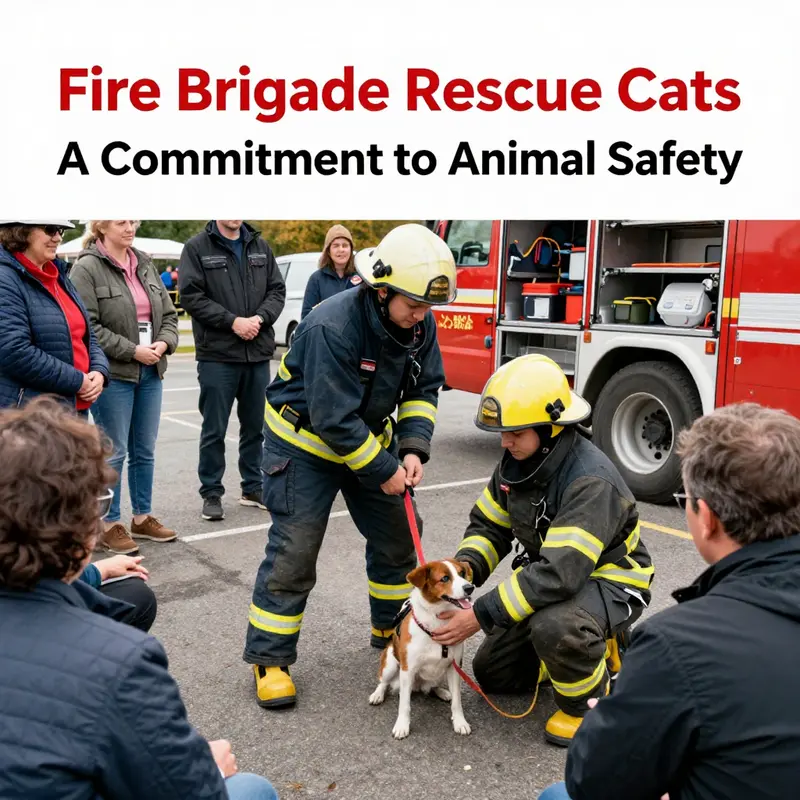
When the sirens cry and smoke coils over a doorway, the instinctive pull of a pet owner to rush inside can be both heart-wrenching and dangerous. In those split seconds, firefighters must weigh the odds with rare clarity: human lives come first, and only if it is safe should every other life be considered. Yet within this calculus lies a growing commitment to animal welfare that acknowledges the deep bond between people and their companions. Fire brigades around the world have increasingly built that chorus of duty into their routine, turning rescue of cats and other pets from a hopeful possibility into an expected component of a well-coordinated response. The scene in London, where a cat emerged from a burning building with a carefully delivered breath of life, is not merely a dramatic anecdote. It signals a shift in emergency response culture toward gentleness, precision, and community trust. The core of this shift rests on three intertwined strands: improved equipment, smarter training, and the social contract that binds responders to the households they serve.
A key enabler in this evolving practice is the deployment of animal-focused medical technology that mirrors the life-saving tools used on humans. During a fire, smoke inhalation can rapidly undermine a pet’s ability to survive the seconds after extraction. To counter this, fire services have begun using specialized animal oxygen delivery systems designed to support small animals during and after rescue. These devices come in three sizes to fit different animals—ranging from cats and small dogs to rabbits and even tiny rodents—allowing responders to deliver oxygen quickly and with precision. The approach is not a substitute for swift evacuation or for the priority given to human life; rather, it is a calculated extension of the same care pathway that saves human victims. In the London incident that drew attention to this equipment, responders were able to initiate oxygen support almost immediately after the animal was removed from smoke-filled air. The outcome was not guaranteed, but the intervention increased the cat’s chances dramatically and demonstrated how specialized tools can reduce the physiological stress of rescue for animals without compromising firefighter safety.
What makes a rescue successful is not only the gadget but the choreography of the crew. A cat pulled from an inferno has often endured a fearsome sensory onslaught: heat, light, stifling smoke, and a sense of confinement. The rescue requires rapid triage—assessing whether the animal is conscious, whether it has a viable airway, and whether immediate oxygen therapy is warranted. Firefighters are trained to recognize signals of distress in animals that differ from human cues. They must also communicate effectively with pet owners who may be overwhelmed, frightened, or even focused on grabbing a cherished collar or a familiar blanket rather than the animal’s health status. The social dynamics of such rescues matter almost as much as the technical ones. When owners trust responders to do what is necessary, the emotional tension of the scene lowers, and the likelihood of a successful release of the animal increases. That trust is hard-won and is built on years of community engagement, transparent protocols, and visible compassion in action.
The incident in London also underscores how a city’s emergency services can become guardians of more than just public safety in the moment. The presence of a cat at a rescue site often triggers a broader conversation with owners about how to prepare for future emergencies. Microchip registration and identification tags, which aid in reuniting pets with their families after emergencies, are more than administrative steps; they are signals that the system recognizes pets as members of households and part of the community fabric. The idea of identification is not new, but its practical integration with fire response creates a fuller safety net. When responders can quickly identify a pet’s owner and contact them, the relief in the room—whether owner, neighbor, or passerby—often changes the tone from fear to gratitude. The relationship between residents and responders thus strengthens, and with it the collective readiness to manage future crises.
This collaborative ethos—between emergency services and the public—has resonant implications for how communities prepare for and recover from disasters. It invites a more proactive stance among pet owners: keep vaccinations current, ensure microchips are up to date, and keep identification tags visible and legible. It also invites a broader reflection on what a modern fire station should feel like to the community it serves. A station is more than a place for apparatus and training; it is a hub of accessibility, education, and welfare for all residents, including their animals. The idea is echoed in discussions about sustainable, health-conscious firehouses that prioritize the well-being of the people who work there and the neighborhoods they protect. This community-centered ethic is not merely theoretical. It translates into concrete design choices, training protocols, and outreach programs that invite residents to participate in safety planning. For readers who want to explore how space, health, and community intersect in contemporary fire services, the concept is illustrated in articles about the evolving firehouse environment and its role in public welfare.
The global dimension of pet rescue in fires and disasters is equally revealing. Beyond the urban rescue in London, other regions have developed parallel responses that complement human-focused priorities with animal welfare. In the wake of devastating wildfires, mobile veterinary units and emergency services have coordinated to deliver medical care to injured animals found in rubble and ash. The emphasis in these efforts is timely intervention—care administered as quickly as possible to improve survival odds. The shared message across different contexts is clear: when possible, rescuers do more than remove threats and protect human life; they help preserve the bonds that tie families to their pets. The examples from Chile in early 2026, and other places cited in the broader research, show the value of rapid veterinary assessment and post-rescue support in increasing the likelihood that families will be able to recover not only their homes but their cherished companions as well. The human-animal bond is a powerful motivator, and it motivates responders to extend beyond the immediate crisis to the long arc of recovery.
This synergy between rescue and welfare does not diminish the danger responders face. Fire service professionals routinely navigate smoke, heat, collapsing structures, and uncertain debris. The presence of a pet can introduce additional complexity, yet it can also catalyze a more vigilant, careful approach, because owners are likely to share crucial information about the animal’s temperament, health history, or special medical needs. The training that supports these decisions emphasizes calm, deliberate action. Responders rehearse rescue scenarios where the animal is placed in humane containment, where oxygen is administered without delay, and where the animal is kept warm and monitored as it stabilizes. The careful handling of frightened animals requires both technical proficiency and gentle communication, so that the animal remains as calm as possible and the owner feels informed and involved rather than excluded from the process.
In this evolving landscape, the conversation about pet rescue becomes part of a broader narrative about trust and resilience in communities. The rescue of a cat is rarely merely a rescue; it is a demonstration of stewardship that acknowledges a household’s emotional stakes while upholding the safety of all involved. It also signals a willingness to adapt: to innovate equipment, to rethink station design, and to expand collaboration with veterinarians, animal welfare organizations, and the public. The outcome is a more coherent system where people know that, when danger comes, the fire brigade will not only save lives but protect the relationships that give life meaning—the quiet, daily companionship between humans and their cats that makes a house a home.
For readers who want a tactile sense of how these ideas translate into practice, consider the connection to community-centered spaces as described in a widely cited regional piece on fire service innovation. The article highlights how a shift toward healthier, more sustainable firehouse environments supports the workforce while enabling better service to residents, including pet owners. The link offers a broader view of the culture that makes pet rescue a natural extension of duty rather than a heroic exception. This alignment between institution and community is not incidental; it is a deliberate, ongoing project that can influence everything from how equipment is chosen to how neighborhoods are invited to participate in safety planning. The green firehouse concept, in particular, exemplifies how space and policy together create a climate of care that extends to animals, reinforcing that the bond between a resident and a pet is part of the fabric of public safety.
Ultimately, the story of fire brigades rescuing cats is not a single incident but a pattern of practice that reflects the evolving expectations of modern emergency services. It is a story about trust earned through competence, compassion, and careful communication. It is about the relief on a child’s face when a cat walks back into a living room, about a owner who can reclaim a familiar lullaby of purring after a catastrophe, and about a community that stands a little taller because its rescuers are willing to go the extra mile for every life they can reach. The cat who lies in a quiet carrier after a successful intervention is not just a patient; the animal is a symbol of the ongoing promise that safety, care, and connection can coexist in the most trying moments. And while the work remains unpredictable and demanding, the impulse to protect all members of a household—human and animal alike—gives firefighters a sense of purpose that extends beyond extinguishing flames. It binds them to the neighborhoods they serve, not as distant guardians, but as partners who meet fear with skill, doubt with reassurance, and necessity with mercy.
External resource: For more on the technology and practice behind animal rescue during fires, see this external resource: https://www.london-fire.gov.uk/news/2022/cat-rescue-using-animal-oxygen-mask
Internal resource for context on community-centered fire services: The Green Firehouse.
Final thoughts
The commitment of fire brigades to rescue cats and other pets during fires exemplifies their dedication to community safety and animal welfare. By employing advanced techniques, utilizing specialized equipment like oxygen masks, and collaborating with mobile veterinary units, firefighters ensure that both human and animal lives are protected during emergencies. The numerous successful rescue cases highlight the deep bond between firefighters, pet owners, and their beloved animals. Moving forward, fostering community awareness and preparation will enhance the effectiveness of rescue operations, ensuring that during emergencies, no life is left unprotected.