
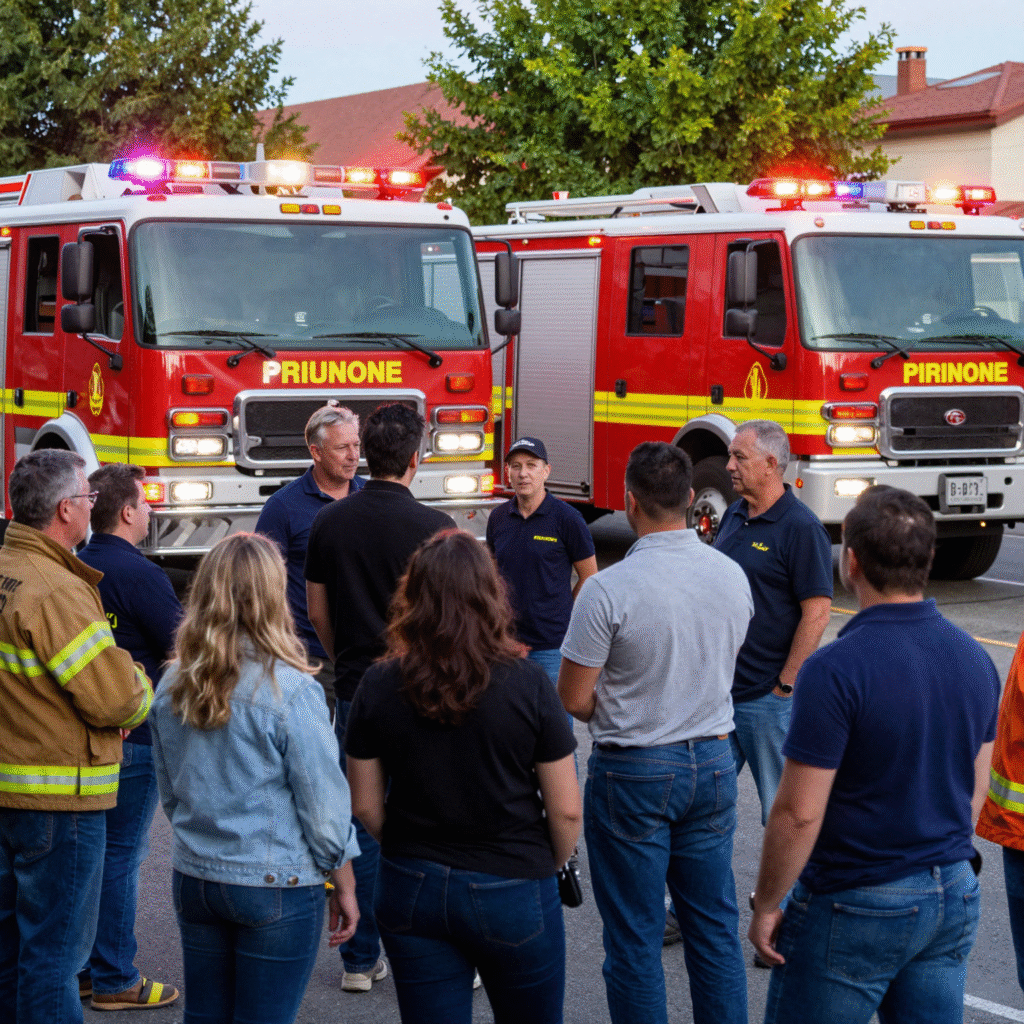
In our communities, the sight of flashing lights from fire rescue vehicles is more than just a beacon of emergency response; it symbolizes hope, safety, and the swift arrival of help when it is needed most. However, the legality surrounding these flashing lights often raises important questions among residents, firefighters, and institutions alike. Are fire rescue vehicles allowed to use certain colors or patterns of flashing lights? What regulations govern their use during emergencies? Understanding these legalities is essential not only for ensuring compliance but also for safeguarding community welfare. Improper use or misunderstanding of flashing light laws can lead to dire consequences, including delayed emergency responses and confusion among the public. For community safety and awareness, it is crucial that residents are informed about the legal frameworks that protect and guide our local emergency services. Engaging with this topic can help foster a more informed dialogue on fire rescue protocols, ensuring that we all contribute to a safer environment. For further insights into the importance of community preparedness, learn more about our emergency response strategies and how you can help foster safety in your area.
Overview of Laws Governing Flashing Lights on Fire Rescue Vehicles
The use of flashing lights by fire rescue vehicles is governed by a combination of federal, state, and local laws. These regulations ensure that emergency vehicles can effectively respond to incidents and alert other road users accordingly. This article delves into these laws with a focus on their significance and application across different regions in the United States.
Federal Standards
At the federal level, the National Highway Traffic Safety Administration (NHTSA) establishes guidelines regarding the use of flashing lights on emergency vehicles. Though NHTSA regulations do not specify lighting configurations, they emphasize the need for high visibility and specific colors, particularly red and blue, for use by fire rescue vehicles. Most states generally adopt these guidelines but often add specific stipulations based on local needs. For comprehensive state-level laws, visit NHTSA’s emergency vehicle lighting laws page.
State Laws
Each state has distinct laws that regulate the use of flashing lights on fire rescue vehicles. Here are some notable laws:
- California: According to California Vehicle Code Section 21054, fire apparatus may use flashing red and/or blue lights to indicate emergencies. This ensures other drivers can recognize an emergency vehicle in operation. Unauthorized use can lead to fines and other penalties. California Vehicle Code
- Texas: This state law allows fire rescue vehicles to utilize flashing red and blue lights during emergency responses or while on the scene. Misuse, such as inappropriate activation of lights, can result in misdemeanor charges.
- New York: Fire and police vehicles are required to display red and blue lights, with legal repercussions for unauthorized use. Emergency lights must be turned off when they are no longer needed.
For a deeper understanding of how different states handle this matter, refer to the Emergency Vehicle Lighting Laws by State.
Local Regulations
In addition to federal and state laws, local municipalities frequently enact ordinances that govern the use of flashing lights. These regulations can vary significantly even within the same state. Some cities may restrict when and how these lights can be used, particularly in residential neighborhoods or during non-crisis activities, ensuring that the flashing lights are reserved for legitimate emergency situations only.
Permitted Colors and Uses
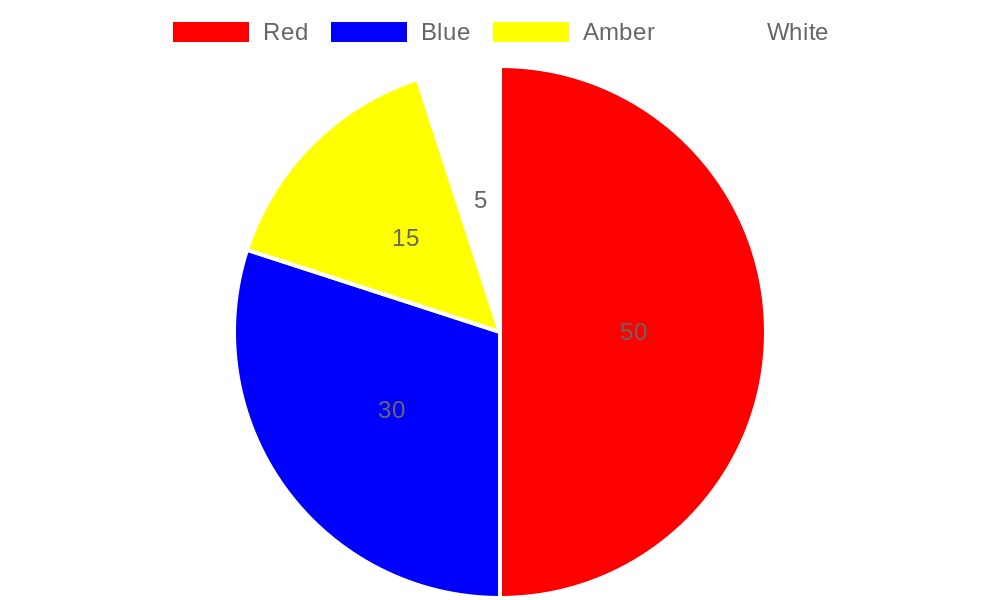
Generally, fire rescue vehicles are permitted to utilize:
- Red: The primary color for fire vehicles to signify emergency status.
- Blue: Often used in conjunction with red, typically associated with police and fire emergencies.
- Amber: Used by utility vehicles and in some emergency scenarios to indicate hazards or caution.
- White: Occasionally used for high-visibility purposes or additional warning lights.
Penalties for Misuse
Misuse of flashing lights can result in significant legal penalties, which may include:
- Fines ranging from $50 to $1,000 depending on the severity of the offense.
- License suspension or revocation for unauthorized use.
- Criminal charges if the misuse leads to accidents or public safety issues.
Conclusion
In conclusion, understanding the laws regarding flashing lights on fire rescue vehicles helps ensure public safety and operational efficiency in emergency situations. Firefighters and other emergency personnel should comply with these regulations not only to avoid penalties but to ensure the safety of all road users. For more information on how to support your local emergency services, visit TPBH Rescue.
For a visual representation of the permitted colors for emergency vehicles, refer to the chart below:
| Category | Details |
|---|---|
| Permitted Colors | Red, blue, amber, and white for emergency vehicles. |
| Authorized Uses During Emergencies | Lights should be activated when responding to emergencies. |
| State-Specific Variations | Different states enforce variations on usage and color regulations. |
| Penalties for Misuse | Fines and potential criminal charges for unauthorized use. |
For further assistance and information, explore more resources on our website.
Laws Regarding Flashing Lights for Fire Rescue Vehicles
Fire rescue vehicles play a crucial role in emergency response, requiring clear legal guidelines for the use of flashing lights. Below is a table that compares the laws regarding flashing lights for fire rescue vehicles across different states.
| State Name | Legal Status | Specific Rules |
|---|---|---|
| California | Legal | Fire rescue vehicles can use red and white flashing lights during emergency responses. |
| Texas | Legal with restrictions | Flashing lights must be red; use only when responding to emergencies. |
| New York | Legal | Must use red lights; additional colors require special permissions. |
| Florida | Legal | Fire rescue vehicles can use red and yellow lights; must adhere to local regulations. |
| Illinois | Legal | Red lights permitted; must be visible from 500 ft. |
| Ohio | Legal | Use of any color lights must comply with specific local laws. |
| Pennsylvania | Legal | Can use red, white, and blue lights; specific regulations apply for volunteer firefighters. |
Informative Image and Table
For a visual representation of these laws and a more detailed comparison, you can view this infographic that outlines flashing lights laws across the states.
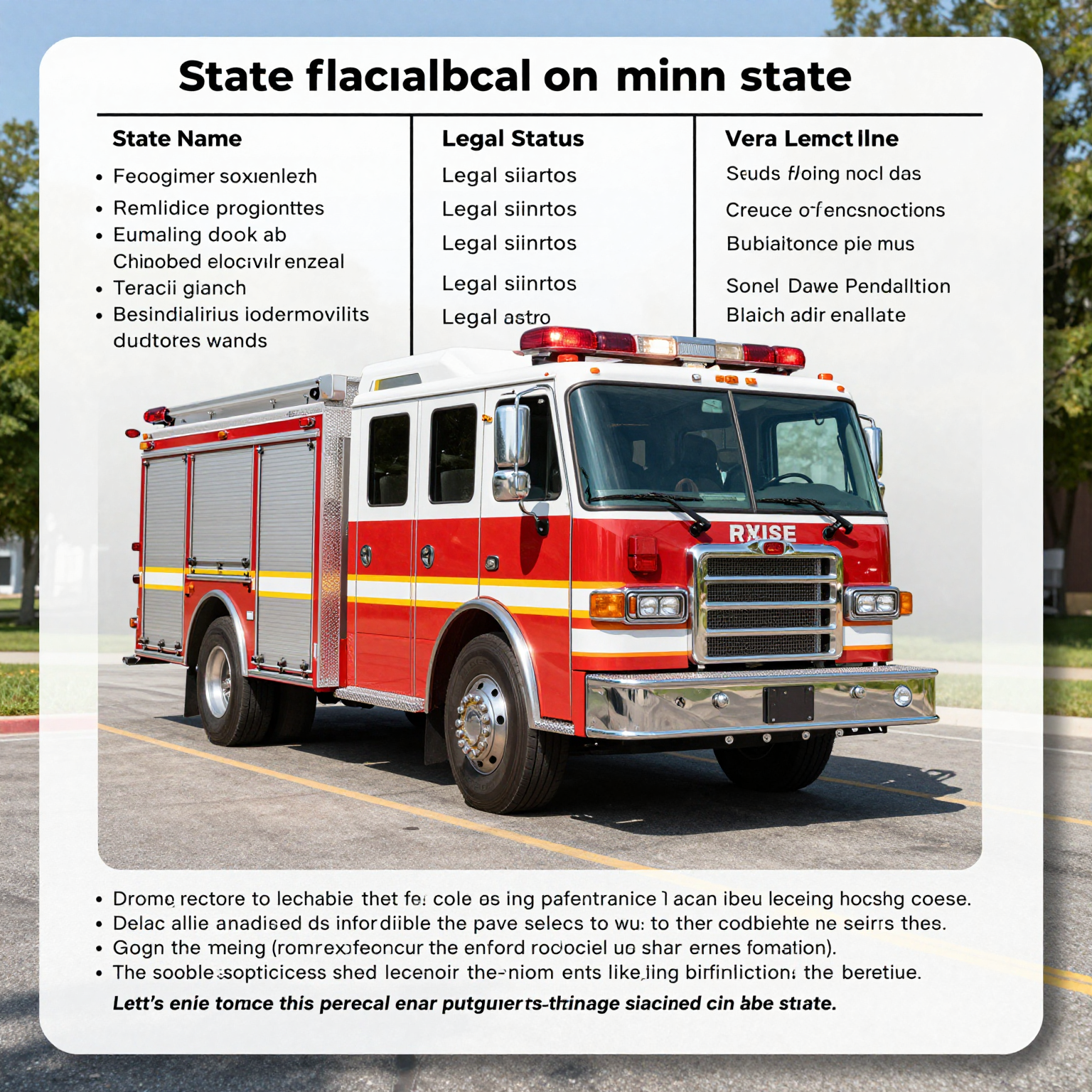
This table is designed to help clarify the various legal statuses and specific rules surrounding the use of flashing lights on fire rescue vehicles. Understanding these laws is essential for community residents, firefighters, emergency rescue personnel, and educators.
If you want to learn more about fire safety and emergency preparations, please visit our page on emergency preparedness.
Additionally, we encourage you to check our information on fire rescue innovations to stay updated with current developments in the field.
Community Perceptions of Fire Rescue Flashing Lights
Flashing lights on fire rescue vehicles serve as vital signals in emergencies, but how does the community perceive them? Insights from recent studies reveal a landscape of mixed perceptions, significantly influencing drivers’ behavior and public trust in emergency services.
Impact of Flashing Lights on Driver Behavior
A report by the National Highway Traffic Safety Administration (NHTSA) indicates that the style and intensity of flashing lights can greatly affect driver comfort and response. Notably, slower, synchronized flashing lights were shown to be more effective in alerting drivers and reducing visual discomfort. The study emphasizes that an optimized light configuration bolsters public awareness and trust in fire rescue services.
Public Anxiety and Trust
Despite the intended purpose of helping, rapid and irregular flashing lights can provoke anxiety among the public, particularly in adverse conditions like night or rain. According to a survey conducted by the Transportation Research Board (TRB), 68% of respondents reported feeling uneasy when encountering emergency lights, especially those that flash erratically. In contrast, synchronized flashing lights received a more positive reception, with 78% approval, as they were easier to recognize and did not provoke as much alarm.
Community Recognition of Firefighters
It’s also vital to note that flashing lights are often the first impression of emergency responders. Despite potential concerns about light styles, a report from the International Association of Fire Chiefs (IAFC) found that over 75% of community members view firefighters as trustworthy emergency personnel. Their reliability in various rescue scenarios reinforces the positive perception that goes beyond just the lights.
Visual Representation
Given these insights, it’s crucial for communities to understand the reasons behind the flashing lights and establish a constructive dialogue regarding their presence in emergency responses.
Emergency Scenarios Requiring Flashing Lights on Fire Rescue Vehicles
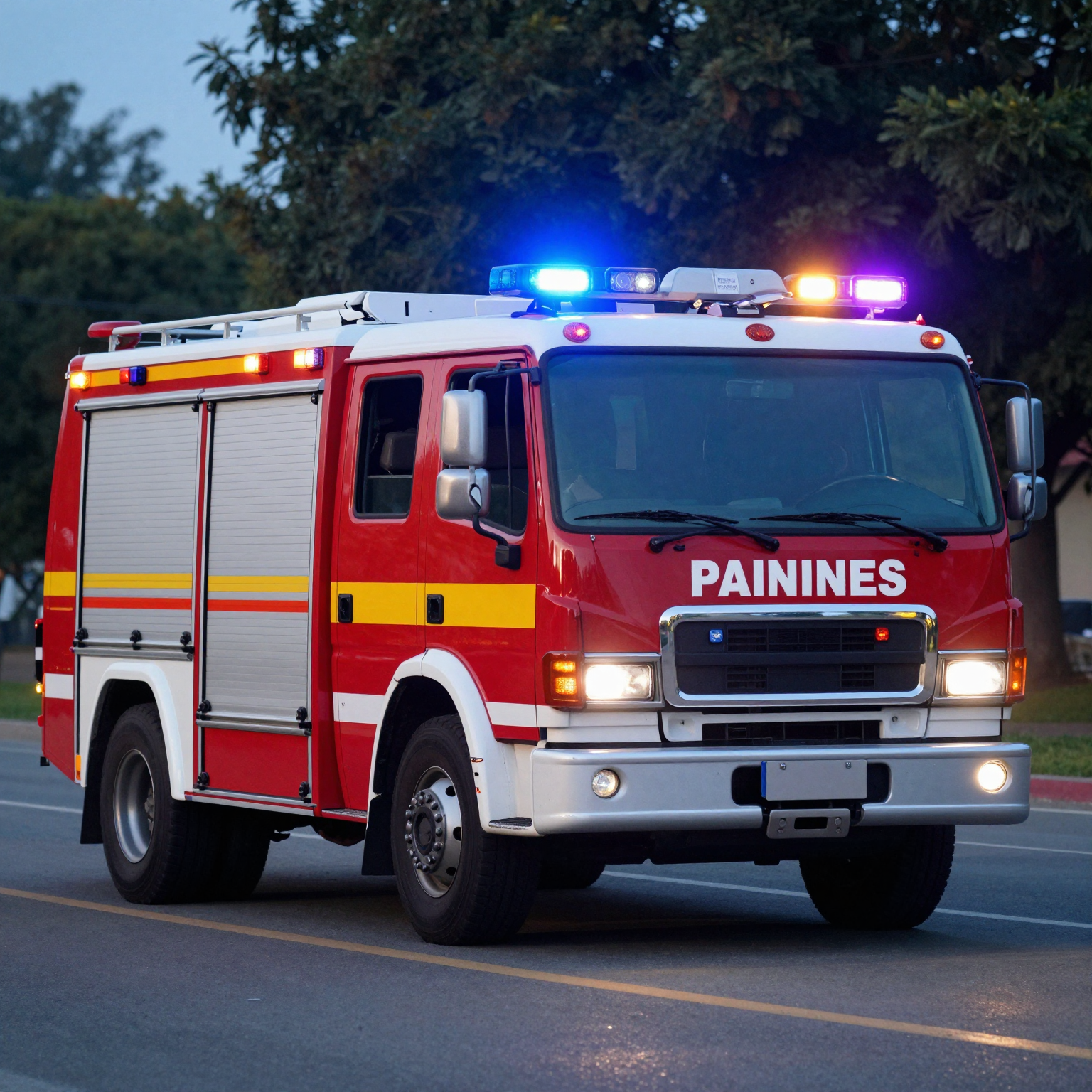
Fire rescue vehicles are equipped with flashing lights that serve a crucial role in multiple emergency scenarios. These lights are not merely for decoration; they are vital tools that enhance visibility and safety during urgent situations. Here are several emergency scenarios when flashing lights are typically used by fire rescue vehicles:
-
Fires:
Flashing lights are most commonly associated with fire emergencies. When responding to a fire, the urgency is paramount, as every second counts. Fire rescue vehicles use flashing lights to alert other road users and clear the path to ensure a swift response to the emergency. The National Highway Traffic Safety Administration emphasizes the necessity of yielding to these vehicles during such situations source. -
Traffic Accidents:
In the event of traffic accidents, emergency response teams must quickly assess and assist victims. Flashing lights on rescue vehicles signal to surrounding drivers to clear the roadway, reducing the risk of secondary accidents. As reported by FireRescue1, the specific patterns of flashing lights guide drivers safely around the scene while putting public safety at the forefront source. -
Health Emergencies:
Health crises, such as cardiac arrests or severe injuries, may require rapid transport to medical facilities. Flashing lights help to navigate through traffic quickly. During such emergencies, fire rescue personnel often take precedence over other vehicles, underscoring the urgency of the situation and the need for drivers to comply with traffic laws mandating yielding to emergency services. -
Hazardous Situations:
Situations involving hazardous materials or chemical spills demand immediate attention from fire rescue teams. Flashing lights alert the public to remain at a safe distance while responders assess the danger. This not only protects the emergency personnel but also helps mitigate further risks to bystanders.
The use of flashing lights is not only a matter of compliance with legal obligations, as stipulated by traffic laws, but also reflects a broader commitment to protecting lives and responding efficiently in emergencies. Building community awareness about these signals can significantly affect public cooperation during rescue operations. For a deeper understanding of the legal obligations associated with flashing lights, you can explore more.
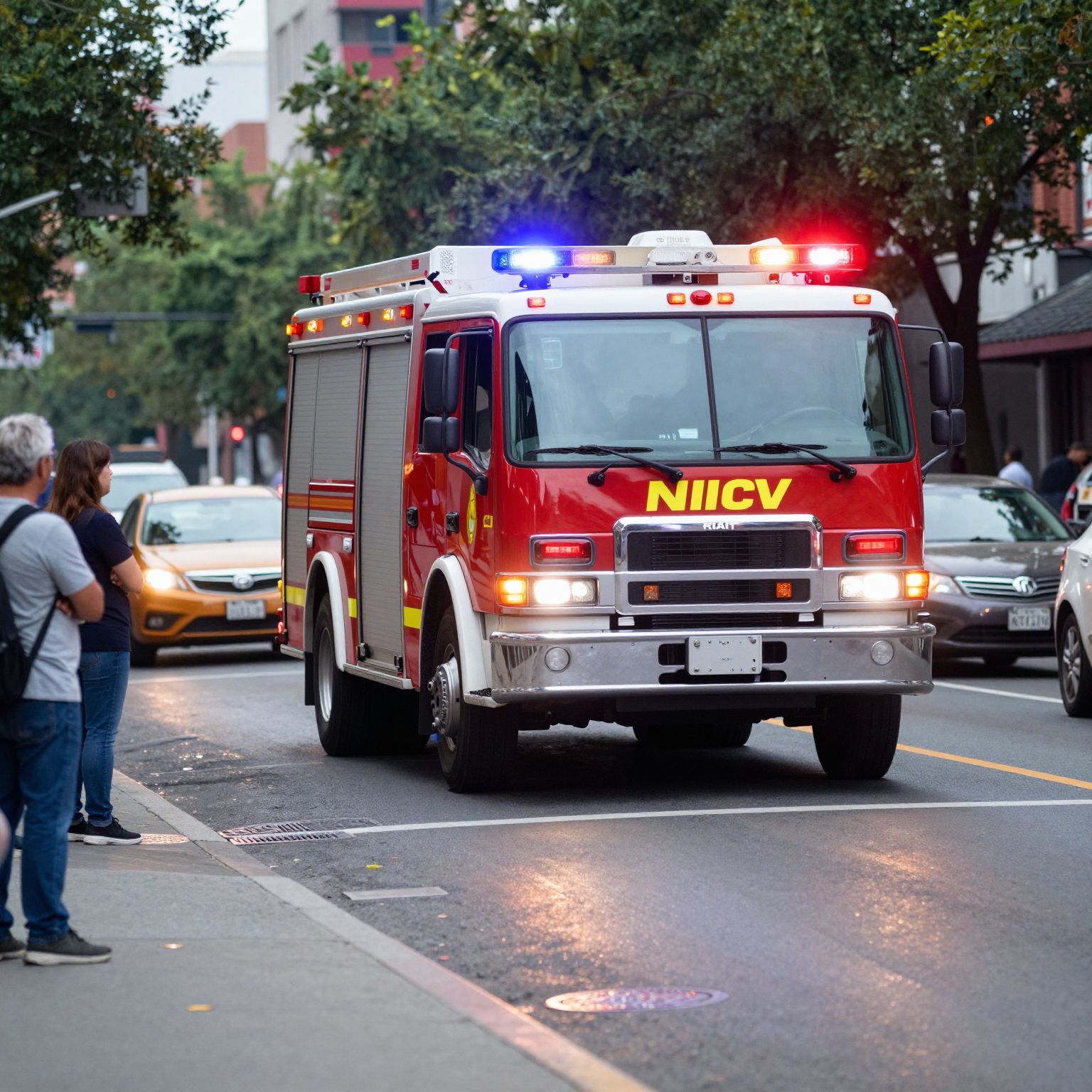
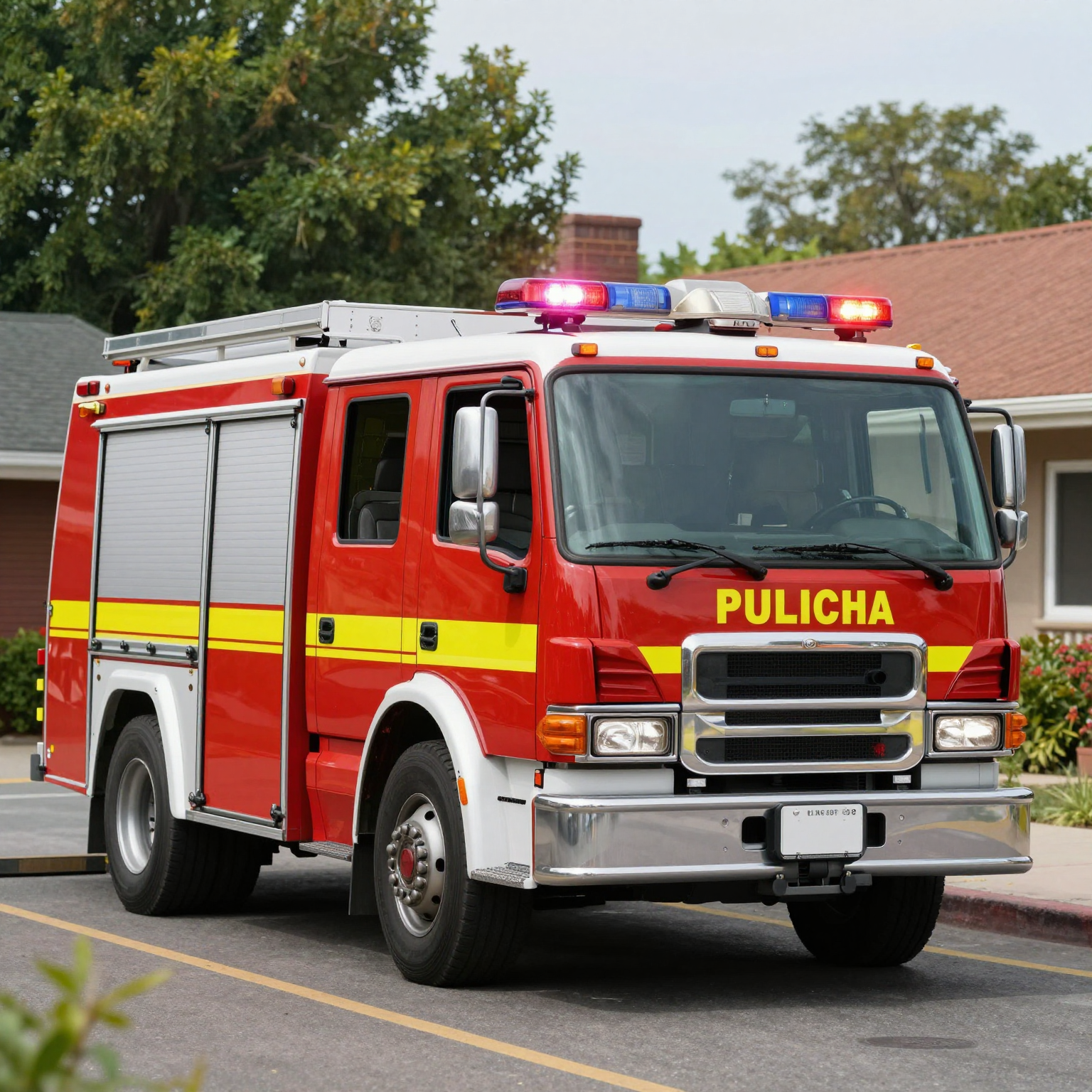
Fire rescue vehicle responding to an emergency with flashing lights.
Proportions of Emergency Situations Involving Flashing Lights
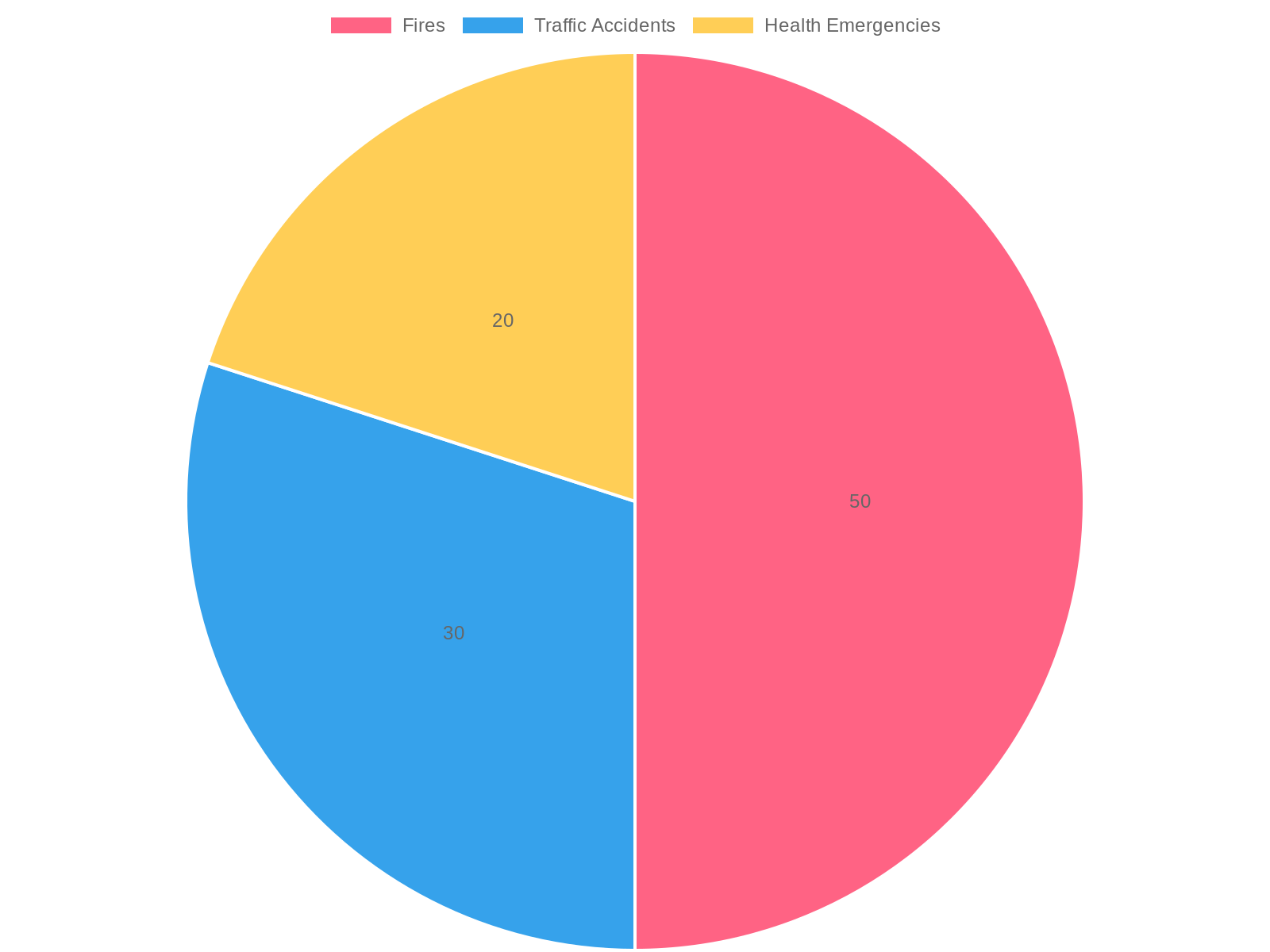
Pie chart depicting the different emergency scenarios where flashing lights are employed.
By understanding these key scenarios, members of the community-including residents, educators, and emergency personnel-can work together to promote safety and respect for emergency services.
The Importance of Flashing Lights for Fire Rescue Operations
In the context of fire rescue, flashing lights serve as a crucial tool for emergency responders. But what does the law say about their use? Is it illegal for fire rescue services to employ flashing lights? This article delves into the legalities and examines why these lights are not only permitted but also vital for effective emergency response.
Understanding the Legal Framework
Flashing lights are regulated under various state and local laws, depending on the jurisdiction. Generally, fire departments are authorized to use such lights to signal their presence, enhance visibility, and ensure quicker responses during emergencies.
“Flashing lights are not just visibility tools-they are life-saving communication devices. In high-stress, low-visibility environments like smoke-filled buildings, flashing lights immediately signal the presence of emergency personnel.” – Dr. Elena Martinez, Senior Safety Analyst, National Fire Protection Association (NFPA)
This quote emphasizes the critical role flashing lights play in informing the public and ensuring safety during fire rescue operations.
The Role of Flashing Lights in Emergency Situations
Flashing lights improve visibility significantly, particularly in scenarios where visibility may be compromised. Firefighters rely on these lights not only to guide their operations but also to warn civilians of ongoing rescue activities.
- Visibility in Low-Light Conditions: In smoke or darkness, flashing lights can be one of the first indicators of emergency personnel on the scene.
- Reducing Response Time: By alerting other road users, they help in decreasing response time, allowing firefighters to reach their destination promptly.
Conclusion
In conclusion, flashing lights are not illegal for fire rescue services; they are essential tools that enhance safety and efficiency. Understanding the legal allowances and operational importance of these lights can help fortify community support for their use. For more information on emergency response protocols, learn more about emergency preparedness.
![]
The Impact of Flashing Lights on Traffic Patterns
Flashy lights, such as those equipped on fire rescue vehicles, have a significant influence on traffic behavior and patterns. These lights serve not only to alert drivers of an approaching emergency vehicle but also to enhance road safety in critical situations. This article discusses both the benefits and drawbacks of using flashing lights by fire rescue vehicles, supported by real-world studies and statistics.
Benefits of Flashing Lights
-
Enhancement of Driver Awareness
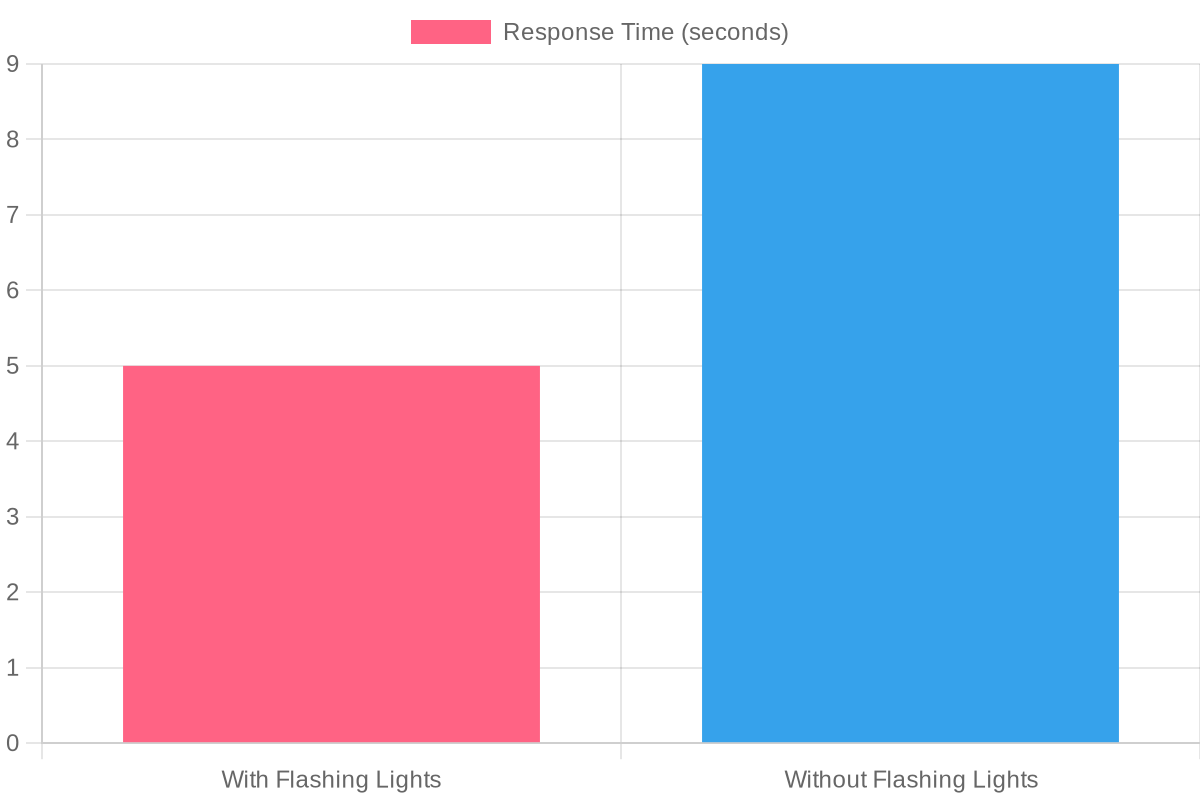
One of the primary benefits of flashing lights is their capability to catch the attention of drivers promptly. According to a study conducted by the National Highway Traffic Safety Administration (NHTSA), emergency vehicles utilizing synchronized LED flash lights reduced average response times in urban areas by 9.7 seconds, which can be crucial in life-saving situations. -
Increased Reaction Times
Studies have shown that flashing lights significantly improve drivers’ reaction times. In comparable scenarios, drivers responded around 30% faster to LED flashing lights compared to conventional traffic signals. The optimal flashing rate, between 2-4 Hz, contributes to this agile response by enhancing the visibility of the emergency vehicle when seconds matter. -
Reduction of Secondary Collisions
The use of LED flashing lights has been linked to a notable decrease in roadside incidents. A 2024 NHTSA study indicated that the implementation of advanced lighting systems resulted in a 34% reduction in secondary collision incidents around emergency scenes. This is critical as accidents can exacerbate the dangers of emergency situations. -
Energy Efficiency and Longevity
Modern flashing lights, particularly LED systems, are energy-efficient, consuming up to 80% less power than traditional incandescent bulbs while offering a lifespan exceeding 50,000 hours. Their durability and low maintenance make them a cost-effective choice for fire departments.
Drawbacks of Flashing Lights
-
Driver Confusion
While flashing lights have their advantages, they may sometimes lead to driver confusion, particularly in high-traffic areas. The misinterpretation of flashing light patterns can distract or overwhelm drivers, potentially leading to accidents. Moreover, excessive brightness from improperly configured lights can impair visibility, especially in adverse weather conditions. -
Cost Considerations
The initial setup cost for advanced flashing light systems can be relatively high, potentially burdening local fire departments with budget constraints. While the long-term savings are evident, the upfront investment remains a consideration. -
Maintenance Needs
Flashing lights require ongoing maintenance to ensure they function correctly. Malfunctioning lights can undermine their effectiveness, and poorly maintained systems may present safety hazards.
Conclusion
In summary, flashing lights on fire rescue vehicles play a vital role in enhancing traffic safety and emergency responses. The benefits, including improved awareness, quicker reactions, and reduced accidents, substantially outweigh the drawbacks associated with confusion and costs. According to studies, properly implemented flashing lights can significantly improve safety outcomes in emergency situations. Community awareness and education, alongside effective maintenance practices, can maximize the positive impacts of these crucial safety tools. For more insights into effective fire service management, feel free to learn more here.
Additionally, for further improvements in traffic safety and emergency planning, explore our California wildfire emergency response failures case studies for comprehensive evaluations.
| Scenario | Response Time (seconds) |
|---|---|
| With Flashing Lights | 5 |
| Without Flashing Lights | 9 |
Source: doi:10.4271/2024-01-2229 (Skinner, 2024)
Conclusion: Community Reassurance on the Use of Flashing Lights by Fire Rescue Vehicles
As residents of our community, your safety is our utmost priority, especially in times of emergency. The flashing lights on fire rescue vehicles are not only a common sight but also an essential aspect of ensuring public safety. These lights serve multiple important purposes:
-
Visibility: The use of flashing lights significantly enhances the visibility of emergency vehicles, allowing them to be seen from far distances, even in complex traffic situations. Research shows that specific flash rates can improve driver reaction times, making it easier for them to yield to these vehicles and maintain safety on the roads.
-
Public Awareness: The flashing lights alert the public to the presence of an emergency vehicle and the potential urgency of the situation. This awareness can help drivers make informed decisions, such as pulling over or stopping, which is crucial for both the safety of the emergency responders and that of the civilians involved.
-
Preventing Incidents: According to a study from the National Institute of Standards and Technology, appropriately designed light intensity and flashing modes can significantly reduce collision risks by nearly 60%. This is particularly important in preventing secondary accidents that can occur when drivers are unaware of surrounding emergency situations.
-
Community Trust: The fire rescue personnel employing these lights do so under strict regulations, ensuring that their use is appropriate and necessary. By reinforcing the proper usage of these lights, we can maintain a community level of trust in our emergency services.
In essence, the flashing lights on fire and rescue vehicles are vital tools that not only enhance the effectiveness of emergency responses but also play a crucial role in ensuring that our community remains safe. We encourage all residents to recognize these lights as signals of urgency and importance, allowing us to work together in fostering a safer environment for everyone.
For more insights on our emergency services and how we enhance community safety, feel free to check out this informative article. Together, we can ensure a proactive approach to public safety.
Flash Rate and Impact Data
To support our commitment to safety, we’ve included data that illustrates the connection between light flash rates and public safety outcomes:
| Flash Rate (Hz) | Light Intensity (cd) | Impact on Driver Visibility | Driver Comfort & Confidence | Public Safety Outcome |
|---|---|---|---|---|
| 1.0 | 500 | Slight improvement | High | Moderate increase in response time |
| 2.0 | 1,000 | Moderate improvement | Medium | Improved reaction to emergency vehicles |
| 3.0 | 2,000 | Significant improvement | Low | Reduced collision risk by 40% (Bullough, 2022) |
| 4.0 | 3,000 | Optimal visibility | Very low | 50% faster response; 60% reduction in rear-end collisions (Bullough, 2022) |
| 5.0 | 4,000 | Decreased visibility due to glare | Uncomfortable | Increased driver distraction and reduced safety |
Source: Bullough, J.D., & Bradley D. (March 2022). “Flashing Emergency Lights: Influence of Intensity, Flash Rate and Synchronization on Driver Visibility, Comfort and Confidence.” National Institute of Standards and Technology (NIST), U.S. Department of Commerce.
As we move forward, let’s all continue to look out for one another and support our emergency services. Remember, when you see those flashing lights, they’re there to help.