
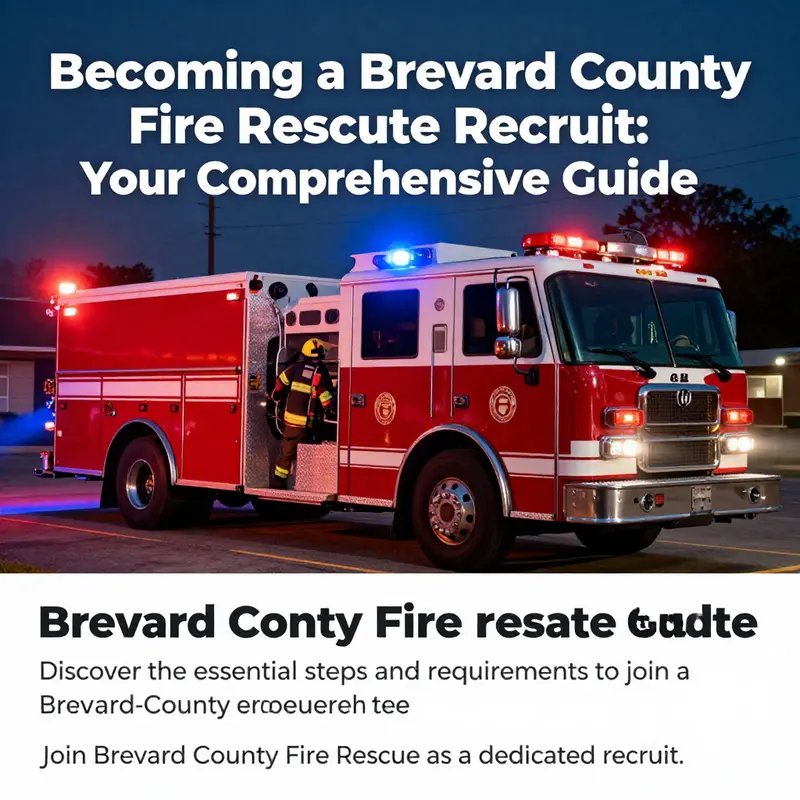
Joining Brevard County Fire Rescue is a commendable aspiration that encompasses much more than simply extinguishing fires. It involves a thorough understanding of both the eligibility requirements and the application process. This guide will unfold in detailed chapters, systematically exploring the essential qualifications needed to embark on this esteemed career, the intricate steps required to submit an application, and the comprehensive training regimen that recruits undergo. Furthermore, we will delve into the selection criteria that determine successful candidates and outline potential career advancement opportunities within the fire rescue department, all underscoring the significance of commitment to community service.
Meeting the Bar: What It Takes to Qualify as a Brevard County Fire Rescue Recruit
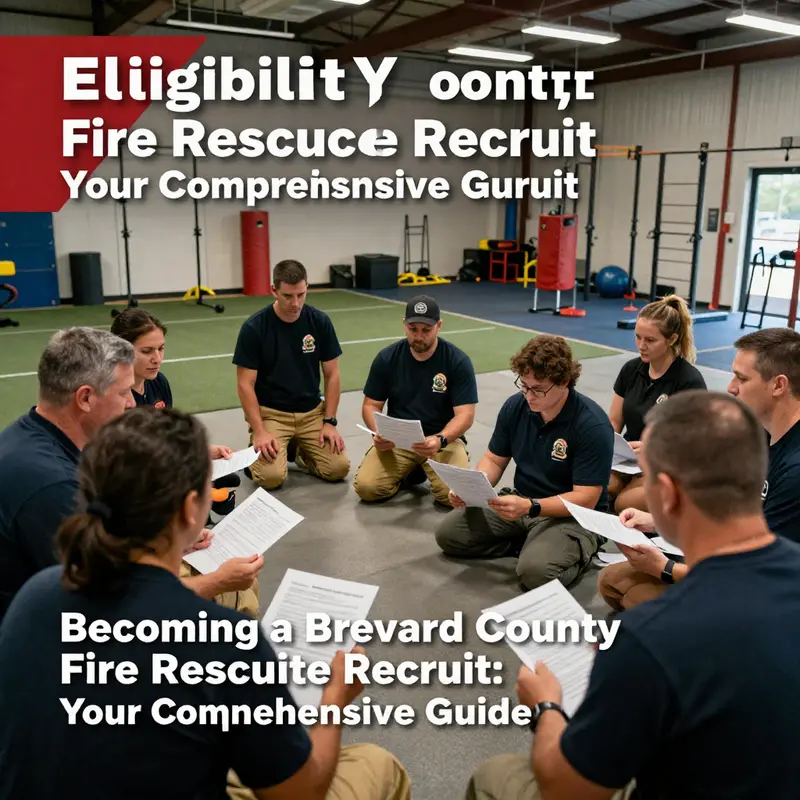
Meeting the Bar: What It Takes to Qualify as a Brevard County Fire Rescue Recruit
Becoming a Brevard County Fire Rescue recruit begins with meeting a clear set of eligibility standards. These requirements exist to ensure every candidate can safely perform the life-saving work firefighters carry out each day. At its core, eligibility combines practical certifications, physical capability, basic education, and the right documentation. Understanding each element and preparing for it deliberately gives you the best chance to progress through the selection process.
A current, valid Florida driver’s license is one of the simplest but most important items on the list. Firefighters must drive county apparatus, respond to incidents, and travel between stations. A clean, valid license confirms you can meet those duties under Florida law. Keep your license renewed and free of suspensions or unresolved fines. If you have recent changes in your driving record, address them early to avoid disqualification later.
Certifications are the next non-negotiable layer. Applicants must hold current CPR certification and Advanced Cardiac Life Support (ACLS). These courses teach skills used daily on emergency scenes. CPR ensures you can perform basic resuscitation, while ACLS covers advanced interventions for cardiac emergencies. Both certifications have expiration dates. Plan renewals so your credentials remain active through the hiring cycle. Local community colleges, hospitals, and accredited training centers offer these courses. Choose providers whose certifications are recognized statewide and include hands-on practice.
Beyond CPR and ACLS, some positions within the department may require emergency medical certifications like EMT or paramedic licensure. These are often listed as preferred or required depending on the role. Holding an EMT or paramedic credential strengthens your application. It demonstrates clinical competence and often shortens on-the-job training once hired. If you lack these certifications but plan to pursue them, include that goal in your application or be ready to explain your timeline during interviews.
Physical readiness is central to firefighting. The Candidate Physical Ability Test (CPAT) evaluates whether a candidate can perform essential, physically demanding tasks. This standardized test simulates the work you do on the fireground. Expect events that involve stair climbing, hose dragging, equipment carries, forcible entry simulations, and victim rescue. Passing the CPAT is mandatory. Train specifically for it. Functional strength, cardiovascular endurance, and task-specific practice matter more than generic gym routines.
Create a CPAT training plan that mirrors test events. Practice with weighted vests or equipment that simulates turnout gear weight. Build interval cardio sessions to improve recovery between hard efforts. Incorporate grip and core exercises for sustained strength. Schedule test attempts with margin for retakes, since openings and hiring cycles may be infrequent. Local fire academies and private trainers often run CPAT prep courses. If possible, observe a CPAT session before your test to understand pacing and transitions.
Education requirements typically include a high school diploma or GED. This baseline ensures candidates can follow complex protocols and complete required training. Keep copies of diplomas, transcripts, and any continuing education certificates ready. Administrative delays often occur when paperwork is missing or unclear. Create a digital folder with scanned documents so you can attach them quickly during the online application stage.
The application process also involves written exams, background checks, drug screening, and interviews. Written tests assess cognitive skills, situational judgment, and basic technical knowledge. Study materials and practice exams are often available through the department or public safety education sites. Background investigations verify criminal history, employment references, and financial responsibility. Be transparent in your application. Issues like past misdemeanors can be reviewed instead of automatically disqualifying you, but hiding them usually ends a candidacy.
Drug screening and medical clearance follow. Firefighters must be physically and mentally fit for duty. Expect a pre-employment medical exam, hearing and vision screening, and drug testing. Maintain healthy habits to pass these checks. If you take prescription medications, carry documentation from your physician to avoid misunderstandings.
Interviews evaluate character, decision-making, and cultural fit. Fire agencies look for teamwork, communication, and the ability to manage stress. Prepare concise examples of teamwork, leadership, and situations where you followed protocol under pressure. Practice clear, honest answers. Polished but genuine responses score higher than rehearsed, vague ones.
Timing and hiring cycles can vary. Brevard County posts job opportunities on its official careers portal. Track announcements closely and set alerts. When a recruitment opens, the window for applying may be short. Complete your profile on the county site before positions are advertised to speed submission. Missing application deadlines is one of the most common, avoidable mistakes.
Small details matter. Keep certification cards current and legible. Ensure your contact information is up to date on every application. Prepare copies of your driver’s license, social security card, and birth certificate or valid ID for verification stages. Have letters from former supervisors ready to provide as references. These documents smooth the path through background checks and oral boards.
Beyond meeting stated qualifications, differentiate yourself with purposeful preparation. Volunteer or ride-along opportunities, when available, show commitment. Maintain physical conditioning year-round. Build a study routine for written exams and scenario work. Seek mentors in the fire service who can offer realistic guidance and feedback. Read department materials to understand local protocols, community risks, and station culture. This knowledge helps in interviews and shows you are serious about service in Brevard County.
Finally, stay flexible and patient. Hiring for public safety is thorough and sometimes slow. Background checks, medical reviews, and scheduling for CPAT or academy classes take time. Use the waiting periods productively. Renew certifications, log training hours, and refine interview responses. Every step you complete keeps you eligible and moves you closer to a recruit spot.
If you want to explore how fire stations are evolving in terms of health and sustainability, consider reading about The Green Firehouse and its focus on community wellness and station design. This perspective highlights the broader responsibilities modern firefighters face and how departments adapt to serve communities better: The Green Firehouse: creating sustainable spaces for community and health.
For the most accurate and current guidance on qualifications and the application timeline, consult the Brevard County Fire Rescue careers page directly: https://www.brevardcounty.gov/government/departments/fire-rescue/careers
From Qualification to Interview: Navigating the Brevard County Fire Rescue Recruit Path with Purpose
Brevard County Fire Rescue recruit pathways are built to identify candidates who bring not only physical readiness but a steadiness of character and a commitment to public service. The journey from applicant to recruit is a disciplined march through credentials, assessments, and checks that collectively signal whether a person can stand the heat of field operations and the responsibility of EMS readiness. At the core of this process lies a dual assurance: candidates must demonstrate both firefighting capability and the medical acuity necessary for modern emergencies. This means foundational firefighting certifications and medical credentials, along with a proven level of physical fitness, mental acuity, and ethical integrity. While the specifics can evolve with cycles and policy updates, the throughline remains the same: the county aims to build a team that can respond decisively under stress, protect life and property, and work cohesively with partners in a high-stakes environment. The path is not a single checkpoint but a sequence of milestones that cumulatively reveal readiness for the demanding realities of Brevard County’s emergency services network.
The most explicit qualifications tie directly to the roles a recruit may aspire to fill. In practice, candidates pursue a combination of firefighting and medical credentials that validates both suppression capabilities and medical response skills. The state’s firefighter certification, such as a Firefighter II designation, indicates the ability to operate within established fire suppression protocols, performance standards, and safety practices. Equally critical is a paramedic credential, which confirms medical assessment and advanced life support competencies. These certifications reflect a depth of training that aligns with the county’s expectation that its frontline responders can stabilize casualties, perform critical medical interventions, and seamlessly integrate EMS with fire operations. The emphasis on dual credentials signals a recognition that fires and medical emergencies often arrive as a single, interwoven incident, demanding a responder who can adapt across disciplines while maintaining a calm, methodical approach.
Beyond formal certifications, the county requires practical proof of readiness that comes through a multi-layered application process. A valid Florida driver’s license remains a practical necessity, enabling timely response to incidents and successful participation in all required driving and equipment operation scenarios. A current CPR certification, with ACLS where applicable, underscores the obligation to deliver immediate life-saving care during a crisis. The CPAT, or Candidate Physical Ability Test, is a central gatekeeper in the physical arena. It is not merely a test of strength; it is a comprehensive evaluation of stamina, endurance, agility, and the capacity to perform essential firefighting tasks under pressure. The CPAT results must accompany the formal application, ensuring that the candidate’s fitness claims are verified before a scrutinized review of their paperwork moves forward. This integration of certification and test results helps the department identify individuals who can realistically endure the rigors of academy training, live fire evolutions, and the cadence of a high-demand shift schedule without compromising safety.
Academic credentials also shape eligibility. A high school diploma or GED is typically expected, serving as a baseline for the analytical demands of testing, learning new procedures, and absorbing continuing education in the field. Some positions within the Brevard County Fire Rescue framework may reward or require additional experience or credentials, such as EMT or paramedic licensure, depending on the station, the team’s needs, and the complexity of the EMS coverage in a given district. This layering of credentials reflects the county’s strategic emphasis on versatile responders who can switch between roles as incidents unfold, ensuring a flexible and effective response regardless of the incident’s origin. In short, the recruitment framework is designed to assemble a cadre capable of handling the dual identity of a modern firefighter-EMT, prepared to protect life with speed and to deliver medical care with competence and compassion.
The application process itself unfolds in a careful, time-bound sequence. Prospective applicants begin by submitting their materials through the Brevard County careers portal, a centralized entry point that guides candidates through the documentation required for consideration. Once an application is opened and accepted, a cascade of assessments follows. The CPAT is first among these, a test that mirrors the physical realities of firefighting tasks—from stair climbs and hose drills to lifting and carrying during simulated emergencies. Importantly, CPAT results must be included with the application to render the submission complete; without those results, the review cannot proceed. Following a successful CPAT, the path progresses to cognitive screening in the form of a written examination. The content is purposely broad, spanning fire science principles, emergency medical services knowledge, and situational judgment that reveals how a candidate thinks under pressure. The written exam is more than memorization; it is a diagnostic of critical thinking, prioritization, and the ability to apply knowledge to real-world scenarios where split-second decisions matter.
For those who pass the written exam, the process advances to practical skills testing. Here the evaluators look for hands-on competence in firefighting techniques, equipment handling, and the ability to respond effectively to a spectrum of emergency scenarios. Practical skills testing is the bridge between theory and fieldwork, translating classroom and drill-room theories into reliable performance on the job. The sequence culminates in a thorough background investigation, a facet that underscores the county’s commitment to public trust and integrity. Finalists face criminal history checks, credit reviews, and reference verifications. The intention is not to penalize past indiscretions but to ensure that candidates whose records reveal patterns inconsistent with the responsibilities of a public safety role are identified early. Drug screening typically accompanies this phase, reinforcing the commitment to safety and reliability in a profession where impairments cannot be tolerated.
Throughout this journey, the cadence of the process can vary as recruitment cycles open and close at different times. The best approach for prospective applicants is quiet, steady preparation: maintain current credentials, keep medical certifications up to date, and stay physically conditioned. A steady build of resume credentials—such as ongoing EMS education, training in rescue techniques, and evidence of teamwork and leadership—can provide a holistic picture of a candidate’s readiness. It is equally important to anticipate the administrative rhythm of the process: gather documents ahead of time, set reminders for testing windows, and align personal obligations to accommodate testing, interview days, and scheduled medical reviews. In the interview phase, the ability to communicate clearly, reflect on experience, and demonstrate a calm, collaborative mindset often differentiates strong candidates. If you want to sharpen your conversational skills in preparation for that panel, you may consider resources like Becoming a Great Conversationalist, which offers guidance on engaging effectively with interviewers and teammates alike. The goal is not to perform a rehearsed speech but to convey authenticity, teamwork, and adaptability under scrutiny.
The extra layer of scrutiny in Brevard County’s process—ranging from the depth of background checks to the precision of the written and practical evaluations—means that preparation is continuous. Candidates should cultivate a habit of ongoing learning, including refreshers in fire science concepts, EMS protocols, and the evolving standards for safety and patient care. The county’s hiring cycles remind applicants that timing matters as much as substance; opportunities emerge periodically, and proactive preparation helps ensure that a candidate can seize the moment when a vacancy arises. The end state of this pathway—a recruit who has earned the Firefighter II and Paramedic credentials, passed CPAT and exams, and demonstrated dependable character—reflects Brevard County’s insistence on excellence in service.
For those seeking the official, up-to-date information on deadlines, testing dates, and application procedures, consult the Brevard County Fire Rescue employment resources. Official details and deadlines are posted on the county’s careers page to provide the most accurate guidance as requirements evolve. External resource: https://www.brevardcounty.gov/government/departments/fire-rescue/careers
From Application to Action: The Real Path to Becoming a Brevard County Fire Rescue Recruit
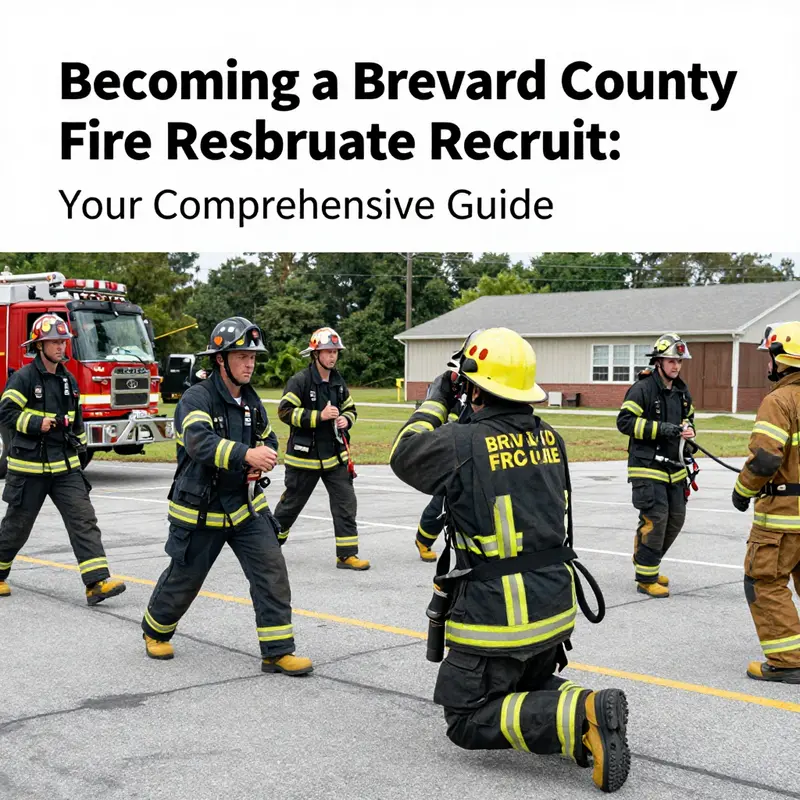
Choosing to pursue a career with Brevard County Fire Rescue is a commitment to serve under pressure and to act decisively when lives are at stake. The journey from candidate to recruit begins with clear thresholds: a valid Florida driver’s license, current CPR/ACLS certification, and a demonstration of physical readiness through the CPAT. The CPAT mirrors real firefighting tasks, demanding grip strength, cardiovascular endurance, balance, and safe technique while wearing gear. Equally essential is education: a high school diploma or GED, and for many roles, evidence of EMT or paramedic licensure. These prerequisites create a foundation for the training and accountability that follow. The pathway is structured, with the Brevard County Government careers portal serving as the entry point. It is here that applicants learn about open positions, prerequisites, and the precise steps to advance toward appointment.
Beyond the basics, the recruitment arc proceeds through a multi-stage process designed to separate prepared candidates from others. After submitting an application on the official Brevard County site, the pool is screened for those who meet the core qualifications and show potential for demanding duties. Those who advance face a series of assessments: a written exam to evaluate reasoning and firefighting knowledge; a physical agility test that simulates field endurance; a thorough background investigation and drug screening; and a structured interview that probes problem-solving, teamwork, and motivation. The order of these steps can vary with hiring cycles, but the sequence remains anchored in fairness and rigor, ensuring recruits can meet immediate job demands and the department’s longer-term expectations.
Once offered a spot, recruits enter a formal training pathway that blends physical conditioning with technical instruction. The core program emphasizes hose handling, ladder operations, search and rescue, and hazardous materials response—skills tested under realistic conditions with safety in mind. Recruits pursue Florida State Firefighter I and II certifications, confirming proficiency in essential firefighting tasks. EMS procedures form a critical component, reflecting the integrated nature of modern fire-rescue work where medical response accompanies extinguishment and rescue. The training environment cultivates teamwork under stress, precise communication, and the discipline to stay aware while moving through gear, smoky environments, and coordinated drills. In this sense, the academy is a transformative period that builds confidence, competence, and professional identity.
Preparation benefits from a long view. Prospective recruits who understand the timetable for testing, the cadence of training blocks, and certification expectations approach the process with less uncertainty. A successful applicant not only passes CPAT but also maintains a high level of fitness, follows safety protocols, and builds knowledge of fire behavior, incident command, and EMS basics. The written and practical exams cover a broad spectrum, from incident scene management to the chemistry of heat transfer and rescue sequencing. Because the process is dynamic, candidates should regularly check the Brevard County Government careers portal for openings, timelines, and required documents. They should compile volunteer experience, relevant coursework, and credentials such as EMT or paramedic to distinguish themselves. A thoughtful applicant also secures professional references, maintains a clean record, and demonstrates reliability in every recruiter interaction.
From the first interview to the final fitness test before an offer, the process reinforces standards for responsibility, resilience, and teamwork. The CPAT, though challenging, is complemented by a structured training program that builds strength, endurance, and technique. The ladder and hose drills, the precision of advancing lines, and the methodical approach to search procedures converge on a single goal: to function effectively as a fire-rescue crew member who can improvise, communicate, and stay calm under duress. For recruits, this means sustaining ongoing training, nutrition, sleep, and stress management, because the job is a demanding career, not a sprint. The journey also develops a professional persona—clear communication with teammates, supervisors, and the public, and the flexibility to adapt to medical crises, structural fires, and hazardous materials incidents. The department values both physical capacity and ethical stewardship, and the recruit who blends these aspects stands to graduate and contribute to the community over time.
Practical preparation is about steady, informed steps. After you submit your application, stay connected with the careers portal and seek guidance from recruiters who can clarify timelines or point to resources. A successful candidate refreshes CPR/ACLS and verifies current certifications while preparing for written and oral evaluations. The program expects adaptability: you may be asked to relocate for training or take additional coursework in EMS or hazardous materials. In Brevard County, recruits enter a demanding but structured pathway where physical capability, technical skill, and a willingness to learn determine early progress and long-term potential. While you study, you might explore broader discussions of resilience and communication that underpin effective service; for example, a general discussion of how sustained focus and teamwork improve performance is available here Hello World. This anchor reminds you that practical skill is inseparable from mindset, reinforced through mentoring, drills, and progressive certification.
Finally, as you near eligibility and don the badge of a Brevard County Fire Rescue recruit, you will understand why the process emphasizes immediate capability and lasting readiness. You will have earned Florida Firefighter I and II credentials, a robust EMS skill set, and a track record of reliability in high-stakes environments. The path is clear, but it demands dedication, consistency, and the willingness to learn from every call and drill. The mix of rigorous testing, comprehensive training, and structured mentorship creates a pipeline that produces capable, confident firefighters who adapt to evolving tactics, technologies, and community needs. If you are prepared to meet that standard, your journey starts with the steps outlined on the Brevard County government careers page and continues through the academy and field readiness.
External resources: https://www.brevardfl.gov/fire
Meeting the Standards: What Brevard County Fire Rescue Looks for in Recruit Candidates
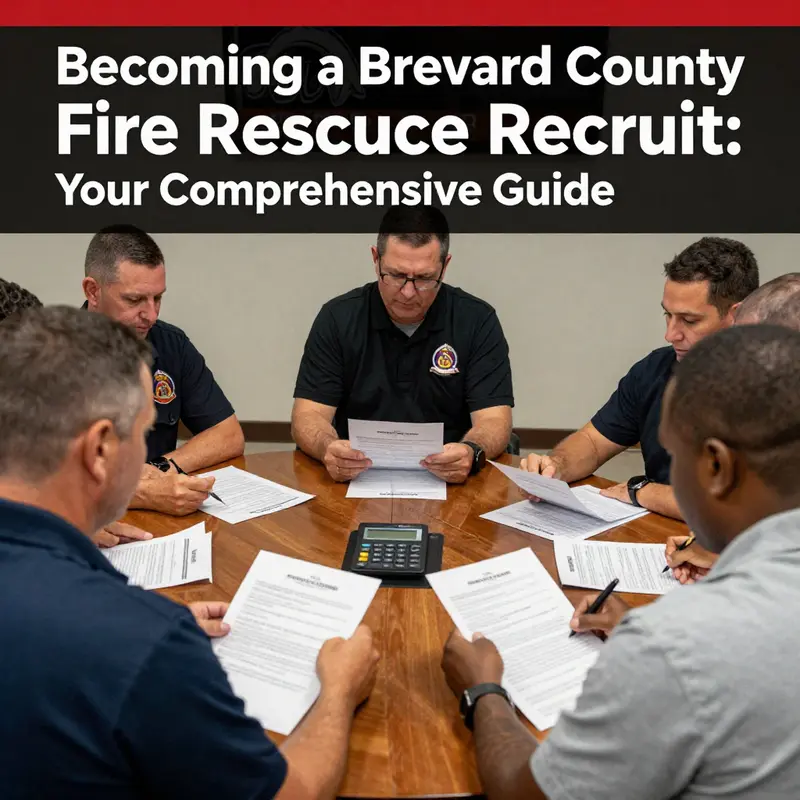
Selection Criteria and What They Mean for Your Candidacy
Becoming a Brevard County Fire Rescue recruit begins with meeting a few concrete standards. These rules are more than bureaucracy. They protect you, the public, and the team you will join. Brevard County requires a valid Florida driver’s license, current CPR and ACLS certifications, and successful completion of the Candidate Physical Ability Test (CPAT). Beyond those three cornerstones, the hiring process evaluates readiness through written exams, background checks, drug screening, and interviews. Understanding why each requirement exists helps you prepare and present yourself confidently.
A valid Florida driver’s license is the first practical gate. Firefighters must drive or ride in emergency vehicles under varied road conditions. A local license confirms lawful operation and residency ties. If you hold an out-of-state license, convert it before applying. Simple mistakes with endorsements, restrictions, or expired documents can delay processing. Keep a clean driving record. Traffic violations may raise questions about judgment and risk tolerance.
Certifications in Cardiopulmonary Resuscitation (CPR) and Advanced Cardiac Life Support (ACLS) show baseline medical competency. Firefighters respond to life-threatening emergencies where timely interventions save lives. CPR proves you can maintain an airway and circulation until advanced help arrives. ACLS builds on that with protocols for cardiac arrest and arrhythmias. Renew these certifications well before application windows open. Bring printed and digital copies to testing and interviews. If you are an EMT or paramedic, emphasize it, as those credentials often strengthen an application and can affect hiring priority.
The Candidate Physical Ability Test (CPAT) is a controlled and timed examination of skills and endurance. It simulates tasks firefighters perform on calls: stair climbs, hose drags, equipment carries, search simulations, and victim rescues. CPAT assesses cardiovascular fitness, strength, and stamina under stress. Practice on the exact drills. Use a certified CPAT preparatory program or follow a structured training plan. Focus on interval cardio, functional strength, and repetitive labor to mimic job demands. Schedule your CPAT attempt early in the hiring cycle to allow a retest if needed.
Academic basics matter. A high school diploma or GED is typically required. This minimum ensures recruits handle written exams and technical training. Many candidates supplement this foundation with vocational coursework, fire science classes, or community college credits. Those additional studies strengthen comprehension and demonstrate commitment. Where applicable, a career history that includes disciplined, safety-critical work helps. Military service, volunteer firefighting, or experience in emergency medical services indicates transferable skills.
The selection process does not end with tests and certificates. Background checks look for criminal history, employment gaps, and character indicators. Full disclosure matters. Attempts to hide past issues are often more damaging than the incidents themselves. Prepare clear, honest explanations for any past problems. Collect references who can vouch for your reliability. A consistent record of punctuality, teamwork, and responsibility speaks loudly in interviews.
Drug and alcohol screening is a standard safety measure. Firefighters operate heavy machinery and make rapid medical decisions. Any substance impairment risks lives. Maintain a clean drug screening history and be ready to discuss your overall wellness strategy. Departments also evaluate mental fitness. Stress resilience and emotional stability are as crucial as physical strength. Consider counseling, peer support, or resilience training to build readiness for traumatic incidents.
Interviews and psychological assessments evaluate communication, judgment, and cultural fit. Fire stations are tight teams. Interviewers look for humility, teamwork, and learned experience. Prepare concrete stories that demonstrate problem-solving, conflict resolution, and leadership under pressure. Use active verbs and brief, structured answers. Show how your background and values align with Brevard County Fire Rescue’s mission.
Documentation is key. Maintain a single, up-to-date portfolio with certified copies of diplomas, licenses, and immunization records. Include training certificates and a detailed, chronological employment history. If you have EMT or paramedic credentials, attach current licensure. Keep a personal statement that outlines your motivation for firefighting and relevant personal development.
Timing and persistence matter. Hiring cycles vary; announcements appear on the county careers portal. Monitor openings and apply promptly. Allow weeks to months for the full hiring sequence. Some candidates cycle through multiple recruit rounds before success. Use downtime between attempts to improve physical conditioning, update medical training, or gain volunteer experience. Follow-up politely after interview stages. A professional, consistent presence keeps you on the hiring radar.
Practical preparation reduces surprises. For CPAT success, train under time pressure and with real equipment when possible. For written exams, practice reading comprehension and situational judgment questions. For background checks, collect contact details for former supervisors and ensure references are willing. For medical clearance, complete required health screenings and immunizations in advance.
Small details influence outcomes. Dress professionally for interviews and arrive early for testing. Ensure your social media profiles reflect maturity. Errors in paperwork stall the process; double-check every form. If you have reservations about meeting a requirement, contact the recruitment office for clarification. They often provide guidance and allow corrections before final decisions.
Beyond meeting minimums, stand out by showing ongoing professional development. Enroll in fire science courses. Earn additional medical certificates. Volunteer with local rescue squads. Demonstrate initiative through continuing education and community engagement. These actions show a long-term commitment to public service and readiness for the academy.
Finally, accept that preparation is an iterative process. Failure in one area does not close the door. Use feedback constructively. Re-certify, re-test, and reapply with improved qualifications. The selection criteria form a predictable pathway. Follow it diligently, document everything, and present a consistent, honest candidacy.
If you want a perspective on how technology shapes modern fire service leadership and operations, consider this short discussion on the topic: impact of technology on fire department leadership.
For the most current requirements and step-by-step guidance, consult the Brevard County Fire Rescue employment page: https://www.brevardfl.gov/firerescue/careers/
Building a Lifelong Fire Service Career in Brevard County: Advancement Paths and How Recruits Move Up
From Recruit to Leader: How Brevard County Fire Rescue Supports Career Growth
Becoming a recruit with Brevard County Fire Rescue is only the first step in a career that can grow in multiple directions. The department offers a structured ladder from entry-level firefighting roles to specialized technical positions and leadership ranks. For recruits who want to map out a long-term trajectory, understanding how promotions, certifications, training, and on-the-job experience intersect is essential. This chapter walks through the realistic progression available to Brevard County recruits and explains practical actions that accelerate advancement.
At the foundation is the Firefighter/EMT role. New hires begin here, learning basic engine company operations, emergency medical response, and department standard operating procedures. The published salary range for these entry-level roles provides a stable base: roughly starting in the mid-five figures and moving into higher ranges with experience and promotion. That baseline income supports continued professional development and reflects the department’s investment in entry-level staff.
From day one, recruits are exposed to options. The department actively encourages cross-training and specialization. Opportunities include serving as a Fire Medic, pursuing Paramedic licensure, joining Ocean Lifeguard teams, or transitioning into Fire Prevention Inspector positions. Each pathway requires additional certifications or coursework. For example, achieving paramedic status typically means completing an accredited paramedic program and obtaining state licensure. Fire Prevention roles demand knowledge of codes, inspection routines, and community education techniques. Taking these steps opens new responsibilities and higher pay bands.
Internal promotion is the most common route to supervisory work. Recruits who consistently demonstrate competency, professionalism, and leadership potential become competitive for promotional exams. The promotional ladder usually moves from Firefighter to Driver/Engineer, then to Lieutenant, Captain, Battalion Chief, and higher administrative roles. Each rank brings broader responsibilities: personnel oversight, incident command, budget input, and strategic planning. Promotions often require a combination of years of service, testing, performance reviews, and completion of department leadership courses. The department’s training pipeline is designed so those who invest in skill-building position themselves well when promotion cycles open.
Beyond rank, specialized teams provide alternative forms of advancement. Brevard County handles coastal incidents and technical rescues in addition to urban firefighting. Recruits can qualify for marine operations, dive rescue, hazardous materials response, and technical rescue teams. These assignments demand specialized training and certifications, and they demonstrate a professional’s ability to operate in complex environments. Serving on such teams enhances a resume for future promotions and often leads to mentorship roles within the department.
Education and formal training accelerate upward mobility. The department supports continuing education and may partner with local colleges, academies, and training centers. Recruits who pursue associate or bachelor degrees in fire science, emergency management, or public administration gain an edge for leadership positions. Similarly, attending officer development courses and incident command system training remains vital. Those who seek instructor credentials can teach department classes, expanding their visibility and influence. Active pursuit of education signals long-term career commitment to supervisors when promotion boards convene.
Mentorship and networking inside the department are equally powerful. Senior officers frequently mentor promising recruits. Taking initiative—by seeking feedback, requesting ride-alongs with specialized units, or volunteering for community outreach—creates a professional reputation. Performance evaluations document accomplishments, but relationships matter when advancement decisions include subjective assessment. Engaging with peers and leaders demonstrates both teamwork and leadership qualities the department values.
Certifications operate as currency in the fire service. Basic certifications like CPR and ACLS are foundational. Advanced certificates—paramedic licensure, technical rescue credentials, hazardous materials technician, and fire inspector certification—unlock specific roles. Maintaining certifications through recertification and continuing education shows reliability. Documenting training hours and certifications in a professional portfolio streamlines promotion applications and makes a recruit’s qualifications transparent to decision-makers.
Fitness and operational readiness remain non-negotiable. Physical capability is central to both safety and eligibility for specialized assignments. Recruits should maintain conditioning beyond the entry-level physical tests. Participation in departmental wellness programs, fitness teams, or peer fitness initiatives underscores a candidate’s preparedness for demanding assignments and leadership roles that require leading by example.
Career progress also ties to community engagement. Brevard County values public education, prevention programs, and interagency partnerships. Recruits who lead fire safety presentations, school visits, or community preparedness events boost the department’s public profile and demonstrate communication skills crucial for higher ranks. Likewise, involvement in joint exercises with other agencies builds operational relationships that can influence selection for regional task forces and leadership posts.
Promotional opportunities are competitive and cyclical. Understanding the department’s promotion calendar, exam formats, and evaluation criteria helps recruits prepare. Many successful candidates invest months in study groups, mock interviews, and scenario-based drills. Seeking feedback from members who have passed exams offers practical insight into the process. Preparing earlier, rather than waiting until the announcement, gives applicants a performance advantage.
Financial incentives and career stability grow with rank and specialization. As recruits move into paramedic or inspector roles, or into supervisory ranks, pay adjustments reflect the added responsibility and skill. Longevity steps, overtime availability, and special assignment differentials contribute to total compensation. For many, the combination of stable benefits and a clear promotion pathway makes Brevard County an attractive place to build a full career.
Finally, intentional career planning matters. Recruits should set short-term learning goals and long-term rank targets. Keeping a record of courses, evaluations, commendations, and special assignments creates a compelling promotion packet. Regularly reviewing department bulletins and the careers portal helps candidates seize opportunities quickly. For context on how technology and leadership intersect in modern departments, recruits can explore perspectives on the impact of technology on fire department leadership.
For further details about role-specific requirements, salaries, and firsthand accounts from employees, review the department job listings and employee insights on Indeed: https://www.indeed.com/cmp/Brevard-County-Fire-Rescue/jobs
A career with Brevard County Fire Rescue can evolve in many directions. Those who combine continuous learning, targeted certifications, operational excellence, and strong professional relationships position themselves for steady advancement. The department’s structured pathways, specialized teams, and leadership training create opportunities for recruits who are ready to build a lifelong vocation in public safety.
Final thoughts
In summation, embarking on a career with Brevard County Fire Rescue requires not only meeting specific eligibility criteria but also navigating through a systematic application process and rigorous training. Candidates must exhibit resilience and dedication, as these qualities are paramount in emergency response scenarios. The selection criteria ensure that only the most qualified individuals join this noble profession, while the potential for career advancement offers a rewarding path for those committed to growth. The opportunity to serve and protect the community is a profound calling that, when answered, cultivates both personal fulfillment and public trust.