
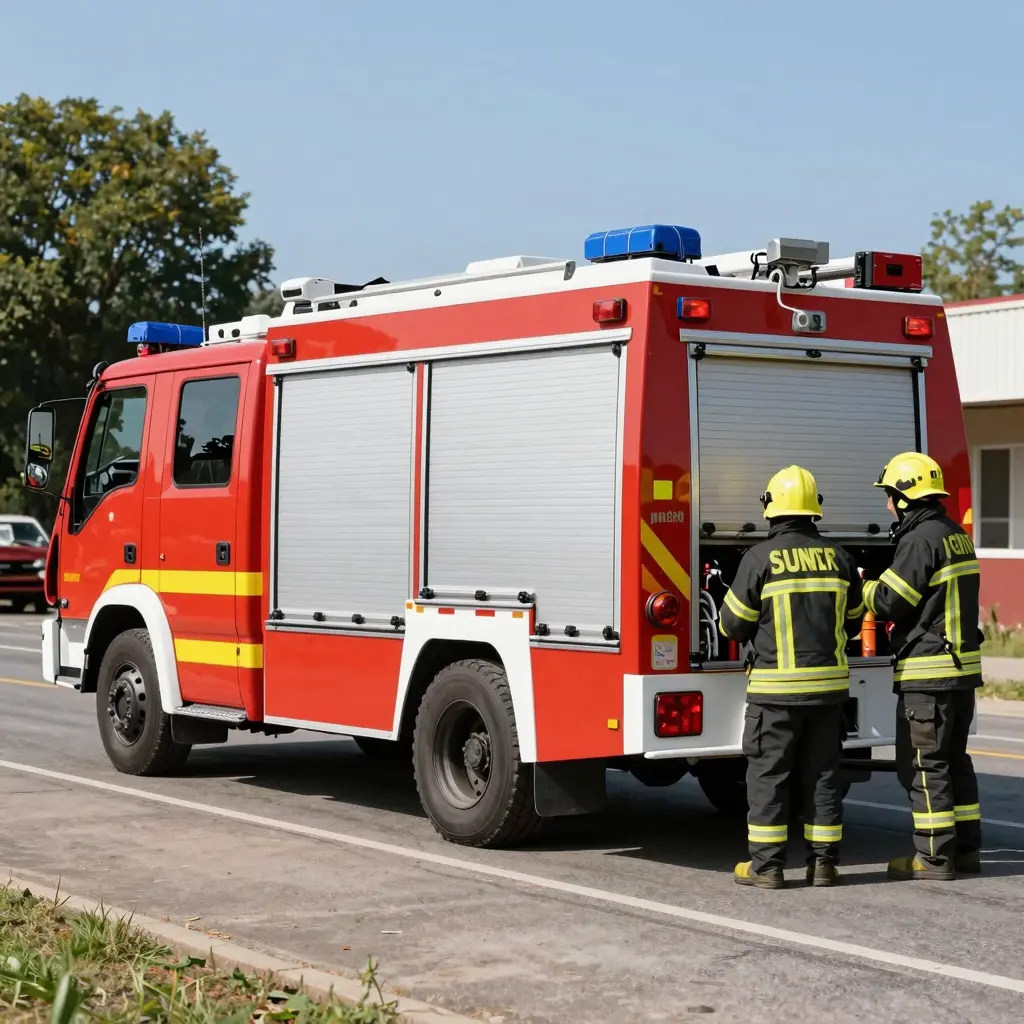
In the realm of emergency services, fire rescue command vehicles serve as the cornerstone for effective crisis management and rescue coordination. These specialized vehicles are equipped with advanced communication and command technologies that empower fire commanders to oversee operations seamlessly during emergencies, from wildfires to complex rescue situations. As incidents unfold, the ability to deploy resources strategically and establish a centralized command post can mean the difference between chaos and organized response. Fire rescue command vehicles are not just a tool; they are essential for optimizing the effectiveness of rescue operations, enhancing the safety of both responders and civilians. Their role encompasses the mobilization of firefighting crews, the management of resources, and the sharing of critical information among multiple agencies. As we delve deeper into the functions and utility of fire rescue command vehicles, we will explore how these versatile assets are tailored to meet the diverse needs of communities, ensuring that help is always a call away. Understanding their significance and operations is vital for every member of our community, especially as we increasingly face challenges from natural disasters and public safety threats. To gain further insight into how emergency response systems can be optimized, learn more about innovative advancements in fire rescue command vehicles and their indispensable role in crisis management.
Overview of Fire Rescue Command Vehicles
Fire rescue command vehicles play a crucial role in emergency response and fire management. These specialized vehicles are designed to facilitate incident command and provide vital support to firefighting operations. In this section, we will explore the different types of these vehicles, their specifications, uses, and operational features.
1. Command Vehicle
- Size: Medium
- Function: Command and Control
- Typical Use Cases: Incident management and coordination during emergencies
- Features: Equipped with advanced radio communication systems, mapping facilities, and workstations for incident commanders. These vehicles are crucial for managing multi-agency responses, ensuring that all available resources are deployed effectively.
2. Rescue Truck
- Size: Large
- Function: Rescue operations
- Typical Use Cases: High-angle rescue operations, water rescue scenarios
- Features: Equipped with hydraulic rescue tools (such as Jaws of Life), floodlights, and a variety of medical equipment. These trucks offer vital rescue services in various terrains, making them essential in emergency situations.
3. Fire Engine
- Size: Large
- Function: Fire suppression
- Typical Use Cases: Firefighting operations in urban areas
- Features: Contains a built-in water tank, hose reels, and specialized firefighting equipment to combat flames effectively. Fire engines are often the first responders at fire scenes.
4. Water Tender
- Size: Large
- Function: Water supply
- Typical Use Cases: Fire support operations in rural areas
- Features: Holds a significant water capacity, often with pumping systems to support firefighting efforts in locations lacking hydrants. These vehicles ensure firefighters have direct access to water during critical situations.
5. Wildland Fire Vehicle
- Size: Medium
- Function: Wildfire response
- Typical Use Cases: Firefighting operations in forest and wildland areas
- Features: Designed with off-road capabilities, allowing them to navigate rough terrains. Equipped with fire-retardant chemicals and tools for suppression, these vehicles are tailored for specific environmental challenges.
6. Ambulance Fire Rescue Vehicle
- Size: Medium
- Function: Medical response
- Typical Use Cases: Providing emergency medical care at fire scenes
- Features: Contains a full suite of medical equipment, stretchers, and personnel ready to assist victims of fire-related incidents. This blend of fire and medical capabilities is invaluable during urgent situations.
Conclusion
These fire rescue command vehicles are integral to effective emergency services, enhancing response capabilities and ensuring the safety and well-being of communities. Their diverse features and functions support firefighters in achieving their critical role in public safety.
For further reading on fire department operations and resources, you can learn more about customizable fire truck solutions or explore California wildfire emergency planning.
Visual Representation
Below is a chart comparing these vehicle types by their functional characteristics:

| Vehicle Model | Type | Engine Power | Capacity (Crew) | Notable Features | Estimated Cost |
|---|---|---|---|---|---|
| Ford F-Series Super Duty | Command/Support Vehicle | 6.2L V8 | 5 | High load capacity, 4×4 capability | $50,000 – $75,000 |
| Chevrolet Silverado 2500 | Command/Support Vehicle | 6.6L V8 | 5 | Off-road capability, customizable setup | $50,000 – $70,000 |
| International MXT | Tactical Response | 6.0L V8 | 6 | Armored protection, all-terrain capability | $150,000 – $200,000 |
| Spartan Gladiator | Fire Engine | 400 HP Diesel | 6 | Advanced fire suppression systems | $300,000 – $600,000 |
| Pierce Enforcer | Fire Engine | 450 HP Diesel | 6-8 | Customizable body, aerial capabilities | $500,000 – $700,000 |
Technology in Fire Rescue Command Vehicles
Fire rescue command vehicles represent a beacon of safety and readiness, equipped with advanced technology that ensures effective response during emergencies. Modern fire command systems have transformed significantly, enhancing firefighters’ ability to communicate, navigate, and assess situations accurately. Below are some critical technologies integrated into these vehicles:
1. Communication Systems
One of the cornerstones of fire rescue command vehicles is their sophisticated communication systems. These systems facilitate seamless interactions among various emergency units and ensure that vital information is relayed instantaneously.
- Radio Communication: High-frequency radios provide reliable communication over long distances, even in areas with poor cell service.
- Satellite Communication: In remote regions or during natural disasters, satellite phones allow teams to communicate without reliance on local network infrastructure.
- Mobile Data Terminals (MDTs): These allow firefighters to receive real-time updates and information from dispatch, improving situational awareness.
The effectiveness of communication systems is vital, especially in urgent situations. For more information on enhancing rescue operations, read about our customizable fire truck solutions.
2. GPS Tracking
Modern fire command vehicles are equipped with GPS tracking systems that provide essential location data to fire departments. This technology serves multiple purposes:
- Route Optimization: GPS systems help dispatchers determine the best routes to emergencies, avoiding traffic and obstacles.
- Asset Management: Command vehicles can be tracked in real-time, ensuring that all resources are accounted for during an operation.
- Geofencing Alerts: These systems can send notifications if a vehicle leaves a designated area, aiding in monitoring operational boundaries.
Incorporating GPS technology enhances operational efficiency, ultimately leading to quicker response times during emergencies.
3. Diagnostic Tools
Keeping fire rescue vehicles in optimal condition is crucial for reliability. Diagnostic tools play a pivotal role in maintaining these vehicles:
- Fleet Management Software: This software monitors vehicle health, schedules maintenance, and manages repairs efficiently.
- Onboard Diagnostics (OBD): Systems detect mechanical issues, alerting crews to potential problems before they escalate, thereby reducing downtime.
The integration of these tools ensures that fire rescue vehicles are always ready to respond when called upon.
Conclusion
The integration of advanced technologies in fire rescue command vehicles dramatically improves their effectiveness in emergency situations. With robust communication systems, precise GPS tracking, and efficient diagnostic tools, these vehicles embody modern rescue technology. This comprehensive approach not only aids in immediate response but also enhances the overall operational readiness of firefighting units.
For further insights into how technology impacts fire department leadership, explore our article.
Technology Adoption Rates Over the Years
To illustrate the trends in adopting such technologies, refer to the chart below, which shows the adoption rates of GPS tracking, communication systems, and diagnostic tools in fire rescue command vehicles over the last decade:
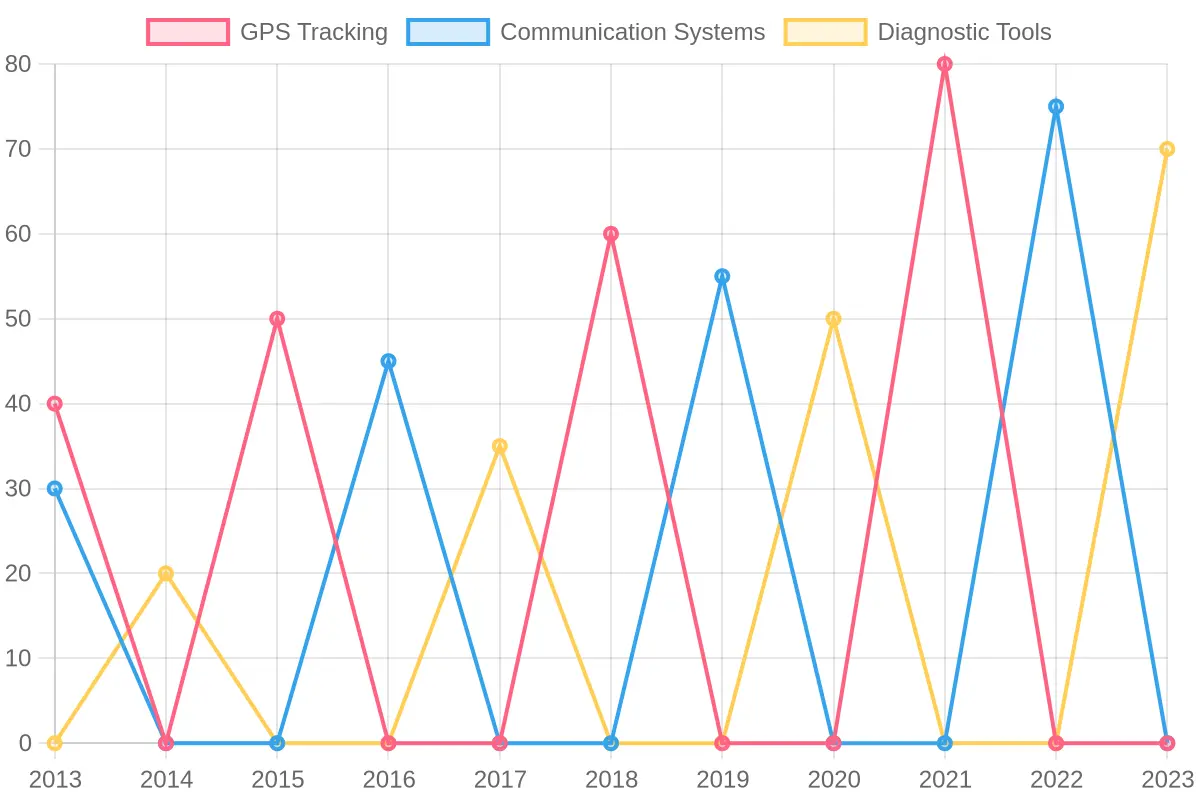
| Year | Technology Category | Adoption Rate (%) |
|---|---|---|
| 2013 | GPS Tracking | 40 |
| 2013 | Communication Systems | 30 |
| 2014 | Diagnostic Tools | 20 |
| 2015 | GPS Tracking | 50 |
| 2016 | Communication Systems | 45 |
| 2017 | Diagnostic Tools | 35 |
| 2018 | GPS Tracking | 60 |
| 2019 | Communication Systems | 55 |
| 2020 | Diagnostic Tools | 50 |
| 2021 | GPS Tracking | 80 |
| 2022 | Communication Systems | 75 |
| 2023 | Diagnostic Tools | 70 |
Adopting these technologies not only boosts operational efficiency but also ensures that fire rescue services can reliably serve their communities in times of need.
Benefits of Utilizing Fire Rescue Command Vehicles
Fire rescue command vehicles play a pivotal role in emergency situations, enhancing the efficiency, coordination, and safety of fire and rescue operations. Here are some key benefits of utilizing these vehicles:
- Improved Coordination: Fire rescue command vehicles serve as a central hub for coordinating response efforts among multiple agencies, ensuring all teams are aligned in executing their tasks effectively.
- Enhanced Communication: Equipped with advanced communication systems, these vehicles facilitate real-time information sharing, allowing responders to stay informed about the evolving situation and respond accordingly.
- Situational Awareness: With various monitoring tools and technology, command vehicles can provide critical data and insights about the emergency, enhancing situational awareness for commanders on the scene.
- Efficiency in Operations: By centralizing operations, fire rescue command vehicles streamline processes such as resource allocation and decision-making, making response efforts quicker and more effective.
- Safety for Personnel: Command vehicles provide a secure location for personnel to regroup, strategize, and monitor the incident from within a safe environment, reducing the risks associated with emergency response.
- Adaptability: These vehicles are designed to handle diverse emergency situations, whether it’s a fire, rescue operation, or disaster management, ensuring readiness for any scenario.
For further insights on the importance of advanced command vehicles, consider reviewing this article on enhanced connectivity and efficiency in fire rescue operations. Also, learn how these vehicles support operational coordination during emergencies in this piece on field command center operations.
“Command vehicles are essential in ensuring our response teams have the resources, communication, and strategic oversight necessary for effective emergency management, ultimately leading to faster response times and better outcomes for the communities we serve.”
Training Required for Personnel Operating Command Vehicles
Operating fire rescue command vehicles requires specialized training and qualifications to ensure that firefighters and emergency personnel are equipped to handle the challenges they face during emergencies. This training encompasses both initial and ongoing education, focusing on a variety of disciplines vital to efficient command vehicle operations.
Initial Training
Initial training for firefighters typically includes comprehensive courses that cover essential firefighting techniques, safety protocols, and emergency response procedures. Trainees learn to operate specialized equipment, navigate complex terrains, and coordinate with various rescue teams. This foundational training is crucial for gaining the certifications necessary for operating command vehicles efficiently. According to the IAFF, understanding fire dynamics, hazardous material responses, and tactical command are also part of the curriculum.
Ongoing Education
Ongoing education is equally critical. Firefighters must engage in continuous learning to keep their skills updated with the latest techniques and technologies used in firefighting and emergency management. Regular training sessions may include workshops, new equipment training, and collaborative drills with other emergency services. These enhancements help personnel evolve alongside advancements in firefighting protocols and technology. For more insights on this aspect, you can explore the National Careers Service.
Drills
Drills are a practical component of training, simulating real-world scenarios to prepare firefighters for the unpredictability of emergencies. These drills help reinforce skills and assess the readiness of the team during crises. Conducting realistic drills enables emergency personnel to practice communication, decision-making, and teamwork in high-pressure situations. Many fire departments implement regular drill schedules to ensure that their staff remains proficient in essential skills and ready for unexpected emergencies. Resources such as FireRescue1 provide valuable information on effective drill practices.
Training Components
A breakdown of training components for operating command vehicles can be visualized in the chart below, which shows the overall distribution of training modules:
Figure: Overview of Training Components for Firefighters
| Training Component | Description | Source |
|---|---|---|
| Initial Training | Initial training courses for firefighters | LinkedIn Learning |
| Ongoing Education | Continuous education for skill enhancement | Training – Wikipedia |
| Drills | Practice drills for command vehicle operations | Coursera |
| Specialized Training | Specific training for first responders | Vector Solutions |
| Comprehensive Programs | Structured learning paths and certification | Microsoft Learn |
Achieving the necessary qualifications to operate fire rescue command vehicles is a continuous journey reflecting the commitment of emergency personnel to public safety. This dedication not only protects their readiness but also assures the community they serve that they are supported by highly trained professionals, prepared for any situation.
Average Response Times of Fire Rescue Command Vehicles
Understanding the response times of fire rescue command vehicles is crucial for evaluating their efficiency in emergency situations. The following chart illustrates the average response times for various types of fire rescue command vehicles:
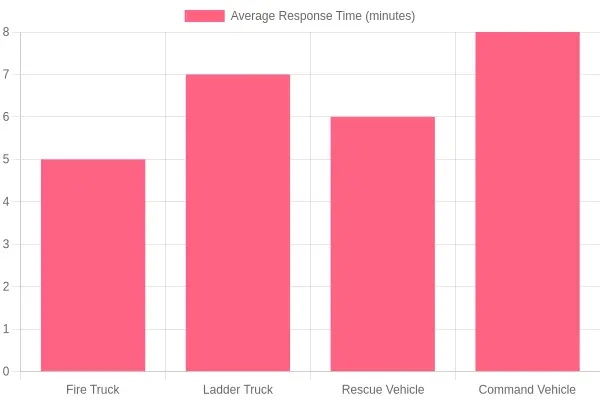
| Vehicle Type | Average Response Time (minutes) |
|---|---|
| Fire Truck | 5 |
| Ladder Truck | 7 |
| Rescue Vehicle | 6 |
| Command Vehicle | 8 |
For further details related to emergency responses and fire services, you can learn more about customizable fire truck solutions and their effectiveness in unique scenarios.
As we reflect on the critical role of fire rescue command vehicles in the efficiency of emergency operations, it becomes evident that these vehicles are not just mere transportation units. They symbolize the community’s commitment to safety and preparedness during crises. The effectiveness of fire rescue operations significantly depends on the collaboration between emergency services and the communities they serve. Community support is vital; it empowers local fire departments to operate with the necessary resources and equipment to tackle emergencies effectively. Whether through donations, volunteer work, or active participation in emergency preparedness programs, every contribution matters. When individuals come together to support their local fire services, they play a crucial role in enhancing the overall resilience and responsiveness of their communities to fires and other emergencies. For individuals wishing to make a meaningful impact, consider learning more about how to support our fire services. This collective effort ultimately bolsters not only the emergency response capabilities of fire departments but also fosters a culture of safety and vigilance that benefits everyone in the community.