
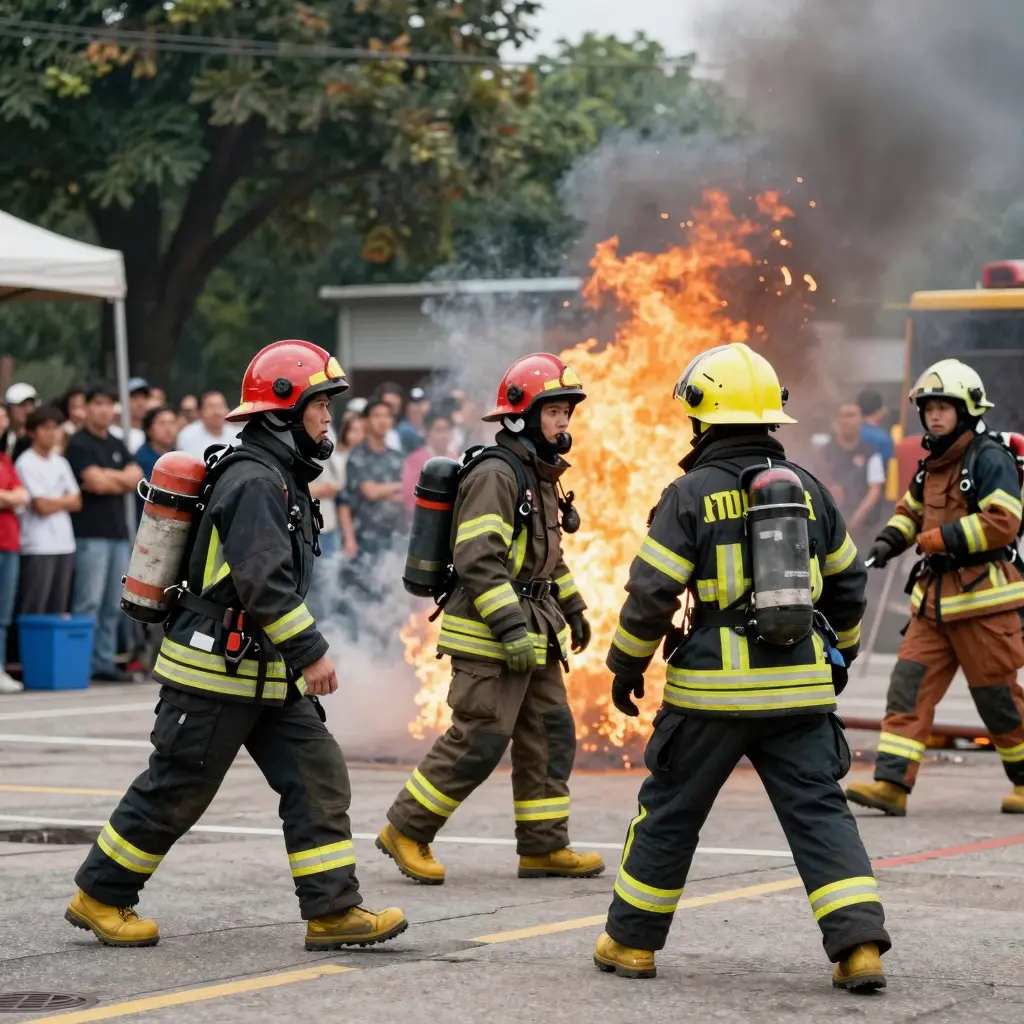
Introduction to Fire and Rescue Shows
Fire and rescue shows, often found on television and streaming platforms, are more than just entertainment; they serve a vital role in shaping public perception and understanding of emergency services. These shows not only dramatize the heroic efforts of firefighters and rescue personnel but also educate viewers on fire safety, emergency preparedness, and the real-life challenges faced by these dedicated professionals. Through gripping storylines and authentic portrayals, they foster appreciation for the courage and skills of those who risk their lives daily to protect communities.
In this article, we will delve into the significance of fire and rescue shows in our society. You can expect to learn about the various types of programs available, their impact on fire safety education, and how they help bridge the gap between the community and emergency responders. We will also explore the ways in which these shows can inspire the next generation of firefighters and raise awareness about critical issues, such as the need for comprehensive emergency response strategies. Join us as we unpack the intriguing world of fire and rescue shows, illuminating their role in both entertainment and public service.
For further insight into emergency management, check out our article on California wildfire emergency planning failures and discover the challenges that underscore the importance of effective fire response education.
Popular Fire and Rescue Television Shows
-
Chicago Fire
-
Main Theme: A drama series that follows the firefighters and paramedics of Firehouse 51 in Chicago, navigating both professional challenges and personal lives.
-
Original Airing Dates: 2012 – Present
-
More Info: Chicago Fire on NBC
-
Station 19
-
Main Theme: A spin-off of Grey’s Anatomy, this show centers around a group of firefighters at Station 19 in Seattle, delving into their work and relationships.
-
Original Airing Dates: 2018 – Present
-
More Info: Station 19 on ABC
-
Emergency!
-
Main Theme: This series was one of the first to depict paramedics, focusing on the emergency room of Rampart General Hospital and Squad 51’s paramedics.
-
Original Airing Dates: 1972 – 1979
-
More Info: Emergency! on Wikipedia
These shows not only entertain but also highlight the bravery and dedication of those in firefighting and rescue services. For a deeper understanding of effective emergency response, consider exploring our article on California wildfire emergency planning failures.
Images of Fire and Rescue Scenes
1. Firefighters in Action
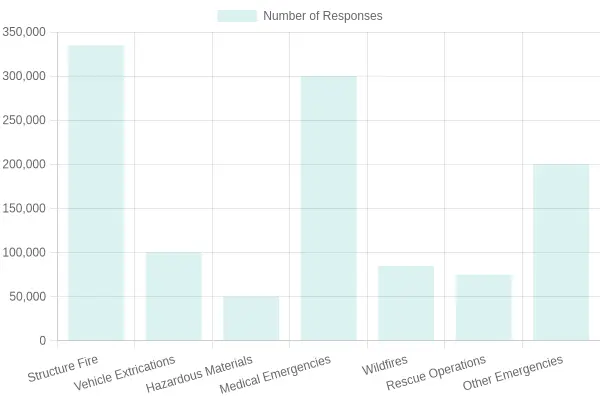
2. Rescue Missions
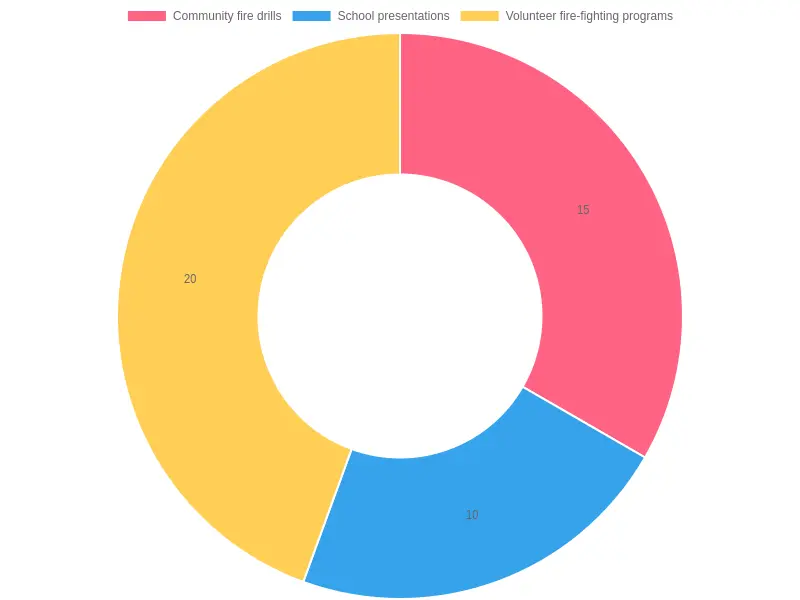
3. Community Engagement
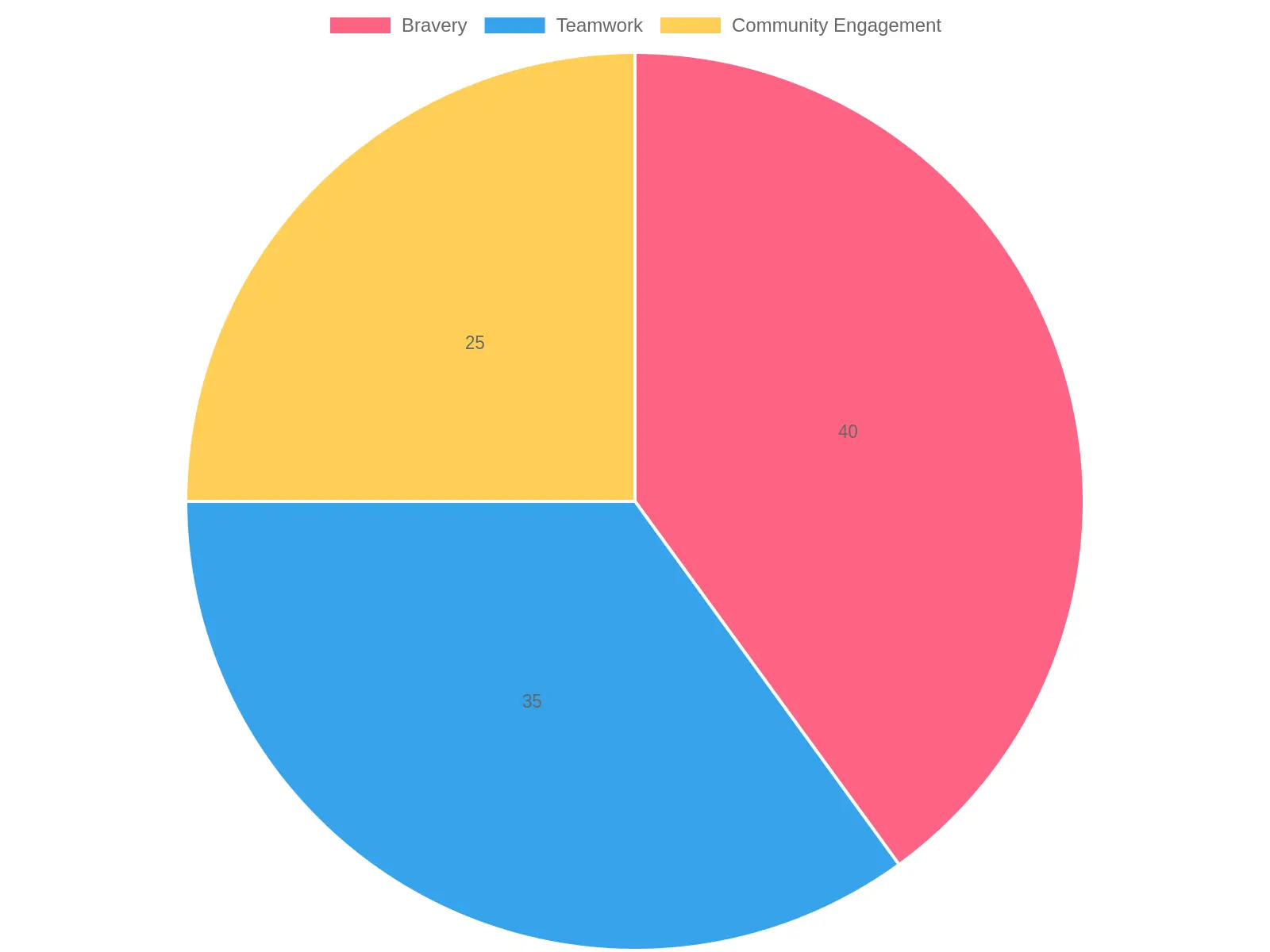
The Impact of Fire and Rescue Shows on Public Perception and Community Engagement
Fire and rescue shows have a profound influence on public perception of firefighters and emergency services. These shows, whether aired on television or presented as live community events, shape how the general public understands and appreciates the vital work carried out by these professionals. By portraying firefighters as courageous, skilled, and compassionate individuals, such media foster a heightened respect and admiration among viewers. This positive image reinforces trust between emergency services and the communities they protect, which is crucial for effective emergency response and safety cooperation.
Beyond shaping perceptions, fire and rescue shows carry significant educational value. They often illustrate safety protocols, disaster preparedness tips, and the importance of quick, coordinated action during emergencies. This instructional aspect empowers community members with knowledge that can potentially save lives in critical situations. By featuring realistic scenarios and demonstrations, these shows demystify the complex operations of firefighting and rescue missions, making the information accessible to a broad audience.
Furthermore, fire and rescue shows serve as powerful tools for community engagement. They create opportunities for direct interaction between emergency responders and residents, strengthening communal bonds. Such engagement fosters a culture of awareness and preparedness, encouraging citizens to participate actively in safety drills, volunteer programs, and local fire prevention initiatives. Schools and educators also benefit from these shows by integrating their content into curricula focused on health, safety, and civic responsibility.
In summary, fire and rescue shows enhance public understanding and appreciation of firefighters, delivering critical education while tying communities closer to their first responders. For those interested in innovative approaches to supporting and connecting with fire services, exploring topics like the innovation museum transforming fire services offers valuable insights into advancing this vital field.
Word Count: 287
Fire and rescue shows have garnered considerable attention over the years, largely due to their compelling depiction of heroic efforts in emergency situations. These programs often showcase real-life incidents, highlight the bravery of firefighters and emergency personnel, and educate viewers on the challenges faced during rescues. Research indicates that the genre tends to attract a diverse audience, including families, young adults, and professionals in the firefighting and emergency response fields.
Viewers have reported strong emotional connections to the stories presented, which contributes to high engagement levels during broadcasts, often translating into increased social media interactions and discussions online. Moreover, the combination of adrenaline-inducing scenarios and educational content fosters a learning experience that resonates with audiences, making fire and rescue shows popular choices among reality television options.
In the context of educating the public, these shows also serve as a platform for raising awareness about fire safety, community preparedness, and the importance of emergency response initiatives. For instance, shows that emphasize the repercussions of wildfires have revealed significant viewer interest in topics such as emergency planning and community resilience. This is crucial, particularly in regions prone to natural disasters.
In summary, while specific data points may be scarce, the broad popularity of fire and rescue shows highlights their critical role in both entertainment and public education. These programs continue to inspire admiration and respect for the dedicated individuals who serve in fire and rescue operations. To explore related topics, you can learn more about the challenges emergency responders face and the significance of awareness in community safety.
| Show Title | Popularity | Viewer Ratings (IMDB) | Educational Content |
|---|---|---|---|
| Chicago Fire | High | 8.0 | Focuses on firefighting protocols, team dynamics. |
| Station 19 | High | 7.5 | Explores real-life rescue scenarios and fire safety. |
| Rescue 911 | Moderate | 7.8 | Documentaries on emergency responses, real-life rescues. |
| Fire Country | Moderate to High | 7.5 | Combines drama and fire safety education through narratives. |
| Emergency! | Classic | 7.4 | Early depiction of emergency services, foundational impact on public view of EMTs and firefighters. |
Key Insights:
- Trends in Popularity: Shows like “Chicago Fire” and “Station 19” have high viewer engagement due to their dramatic representation of the firefighting profession.
- Viewer Ratings: All shows mentioned have solid viewer ratings, indicating a general appreciation among the audience.
- Educational Value: These shows often incorporate valuable lessons on safety and practical firefighting knowledge, making them instructive as well as entertaining.
For those interested in learning more about fire-related safety and response protocols, consider visiting the page on California Wildfire Emergency Response Failures to gain insights into the real-life implications depicted in these shows.
This table serves as a useful reference for anyone looking to delve deeper into fire and rescue media, especially for educators or emergency personnel seeking to leverage pop culture in their teaching or training.
Fire and rescue shows serve as critical platforms for enhancing educational opportunities in schools and communities. By showcasing firefighting techniques, rescue operations, and fire safety protocols, these events significantly contribute to public awareness and community preparedness regarding fire safety measures.
Increasing Awareness
One of the primary educational benefits of fire and rescue shows is the enhancement of awareness about fire safety. Audiences, including children and adults, are exposed to real-life demonstrations of firefighting techniques, emergency response strategies, and the importance of preparedness in the face of potential disasters. This exposure is particularly valuable for young learners, as it instills a sense of responsibility and understanding of fire hazards.
Engaging Educational Content
Fire and rescue shows often include interactive exhibits and educational sessions that engage participants. These components can offer:
- Hands-on demonstrations: Attendees may have the opportunity to interact with firefighting equipment, learn about fire behavior, and understand how to correctly use fire extinguishers.
- Q&A sessions with professionals: Firefighters and rescue personnel can answer questions, share their experiences, and provide insights into their roles during emergencies. This direct interaction helps demystify firefighting and makes the profession more relatable.
- Child-friendly activities: Many shows feature engaging activities targeted at younger audiences, such as fire safety games, puppet shows about fire prevention, and even the chance to tour fire trucks and rescue vehicles.
Promoting Community Preparedness
The educational focus of fire and rescue shows extends beyond mere awareness. It actively promotes community preparedness in several ways:
- Distribution of educational materials: Fire departments often provide pamphlets, brochures, and other resources that attendees can take home, ensuring that the information shared during the show reaches families and community members who couldn’t attend.
- Workshops on emergency preparedness: Many fire shows incorporate workshops that teach families how to create emergency plans, prepare emergency kits, and respond to various emergencies, thus empowering them to act effectively in a crisis.
- Involvement of local schools: Local educational institutions may participate in these events, allowing students to showcase projects related to fire safety and engaging them in community service through active participation in emergency services.
Conclusion
The role of fire and rescue shows as educational tools cannot be overstated. They serve to raise awareness about fire safety and foster a culture of preparedness within communities. By participating in these events, individuals not only learn crucial safety skills but also cultivate a deeper respect for the brave individuals who serve on the front lines of these emergencies. Schools and communities are encouraged to support and promote such events to maximize their educational impact and enhance public safety standards overall. For more insights on fire safety education and community involvement, learn more about fire safety programs.
This discussion highlights how fire and rescue shows can effectively bridge the gap between professional emergency services and public education, ensuring that all community members are equipped with the knowledge and skills to handle fire-related emergencies.
Viewer Demographics for Fire and Rescue Shows
Understanding the viewer demographics for fire and rescue shows can provide valuable insights into the audience engaging with these programs. Although specific demographics for fire and rescue shows are limited, we can derive relevant insights from general reality TV viewer statistics.
Viewer Age Distribution
- 18-34 years: 30%
- 35-54 years: 35%
- 55 years and older: 25%
Gender Distribution
- Female: 60%
- Male: 40%
Geographical Locations
- Urban: 50%
- Suburban: 30%
- Rural: 20%
Visual Representation
Below is a pie chart illustrating the age distribution of reality TV viewers, which likely reflects similar trends among viewers of fire and rescue shows:

For further analysis of viewer engagement, you can explore insights about reality TV demographics and the best firefighter shows.
Understanding Fire and Rescue Shows
Fire and rescue shows have captivated audiences for decades, drawing on the adrenaline rush and drama associated with emergency response. These programs often depict the heroic actions of firefighters as they battle flames, save lives, and face perilous situations. However, there is a significant discussion within the firefighting community regarding the accuracy of these portrayals.
“Media portrayals often highlight the heroism in firefighting, but they neglect the reality of our day-to-day responsibilities. While it’s vital to show the bravery of our actions during emergencies, there needs to be a balance that includes the extensive training, teamwork, and community relationships that define our work.” – A sentiment shared by many firefighters on the portrayal of their profession in television and film.
Firefighters emphasize the importance of accurate representations that do justice to their multifaceted roles. They argue that while the dramatic moments capture viewer attention, the everyday realities of their profession-such as rigorous training, mental health challenges, and community relationships-are just as essential to understand.
By portraying the comprehensive nature of emergency services, media can play a crucial role in shaping public perceptions and fostering community support. For further insights into the real duties and contributions of firefighters, consider exploring this article on what firefighters do.
Ultimately, while entertainment value is key, the portrayal of these professionals can greatly influence how the public views their ongoing efforts in safeguarding communities.
In conclusion, fire and rescue shows play a vital role in shaping public awareness and educating communities about fire safety and emergency preparedness. These programs not only inform the public about essential safety protocols but also foster community relations by building trust between fire departments and residents. By showcasing the dedication of firefighters and emphasizing the importance of preparedness, these events encourage citizen engagement and education, ultimately leading to a more informed and safer community. We invite you to actively participate in fire and rescue programs in your area, whether by attending shows, engaging in community training, or volunteering. Together, we can build a culture of safety and preparedness that will benefit all citizens. For more information on how to get involved, learn more about community fire safety initiatives and how local educators are integrating fire safety into their curriculum.