
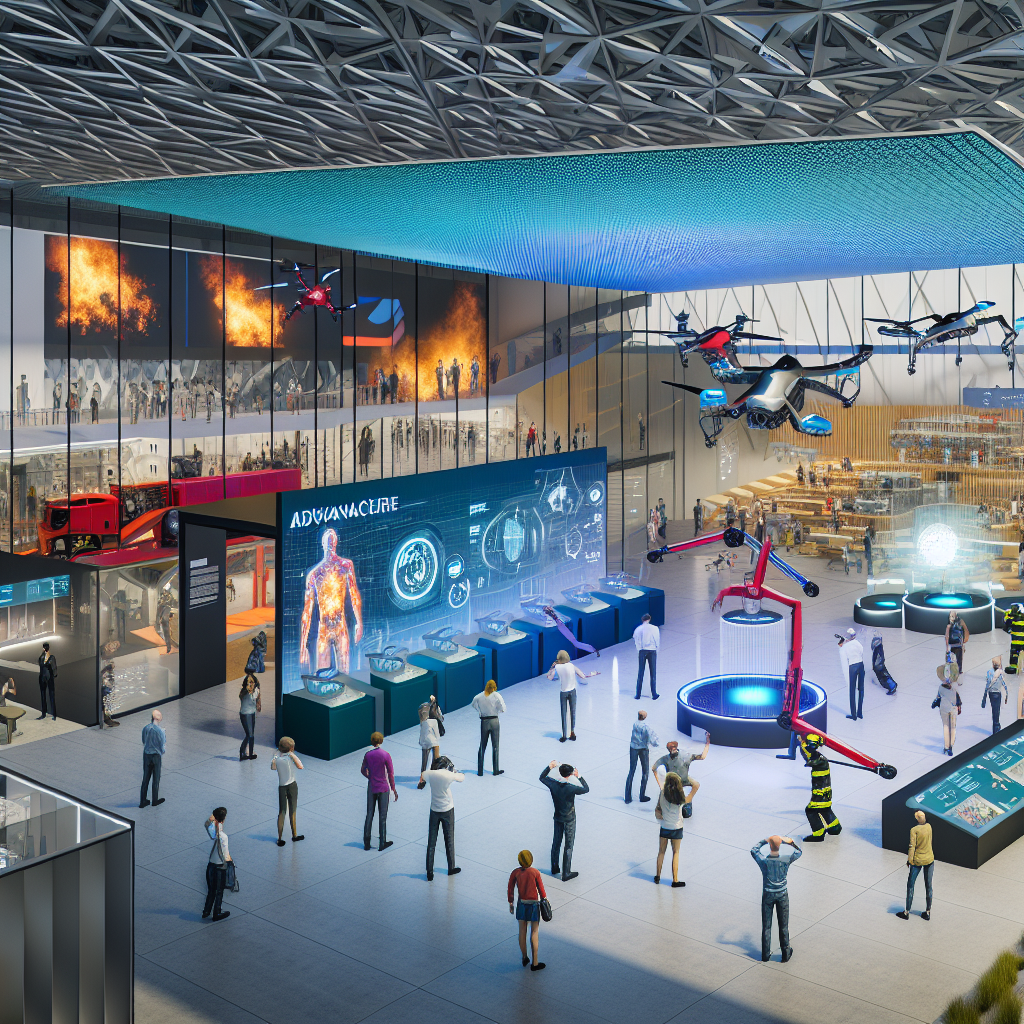
In a groundbreaking partnership that promises to reshape the future of firefighting, CPSE and FireRescue1 are thrilled to announce the launch of the Innovation Museum. Set to debut in December 2025, this pioneering initiative will serve as a beacon of creativity and progress, showcasing the remarkable advancements made by innovative fire departments across the nation.
With an emphasis on not just sharing accomplishments, but actively sparking ideas and solutions, the museum aims to inspire fire service leaders to rethink traditional practices and embrace cutting-edge strategies. Imagine wandering through exhibits that highlight success stories and best practices, all designed to transform the way we think about fire service operations.
As we explore the essence of innovative firefighting, the Innovation Museum stands ready to elevate the conversation and foster a culture of excellence within the fire service community.
The Importance of Innovation in Fire Departments
Innovation is no longer a luxury but a necessity within the fire service as departments face a range of modern challenges. Budget constraints, advancements in technology, and evolving community safety expectations compel fire departments to seek out creative solutions.
Budget Constraints and Technological Integration
Financial resources are often limited in fire departments, affecting their capability to upgrade aging systems that can lead to slower response times and increased risk. For instance, the San Miguel Consolidated Fire Protection District has identified the need for modern emergency response tools, such as updated dispatch software, to improve efficiency. Innovative approaches, such as cloud-based data systems, allow for better information sharing among units, ultimately enhancing the service’s operational efficiency.
Advancements in Firefighting Technology
Technological innovation is critical to modern firefighting strategies. The integration of Artificial Intelligence (AI) and Machine Learning (ML) has been recognized as essential for wildfire prevention and management. These technologies can enhance monitoring systems, particularly when deployed with Internet of Things (IoT) devices, allowing for proactive risk assessments and real-time responses to emergencies. Additionally, augmented reality applications utilizing deep learning can enhance situational awareness, helping firefighters navigate smoke-encapsulated environments more effectively.
Balancing Tradition with Innovation
While traditional practices form the backbone of firefighting, the integration of research findings into standard operational guidelines is crucial for adapting practices to contemporary challenges. For instance, transitional fire attack strategies optimize firefighter safety by reducing risks associated with flashover situations, showcasing how new tactics can improve safety without discarding established methods.
Meeting Community Safety Expectations
Today’s communities expect fire departments to adopt intelligent solutions to enhance safety. Implementing smart fire safety technologies, such as predictive analytics and real-time monitoring systems in urban architecture, can significantly improve fire detection and response capabilities. As fire services evolve, they must engage in continuous improvement to meet community safety expectations while ensuring firefighter welfare.
In conclusion, the imperative to innovate is paramount within the fire service. By adopting advanced technologies, rethinking operational strategies, and aligning with the needs of their communities, fire departments can enhance their responsiveness and effectiveness in protecting lives and property.
| Key Technology Innovations | Benefits of Innovations |
|---|---|
| Cloud-based Data Systems | Enhances information sharing among units, improving operational efficiency and response times. |
| Artificial Intelligence (AI) | Promotes real-time monitoring and proactive risk assessments, enhancing emergency responses and wildfire management. |
| Augmented Reality (AR) | Improves situational awareness and navigation in smoke-filled environments, increasing firefighter safety during operations. |
| Predictive Analytics | Facilitates better fire detection and response capabilities, helping fire departments to anticipate and manage emergencies more effectively. |
| Virtual Reality (VR) Training | Strengthens training and skill development for firefighters, leading to enhanced readiness for real-life scenarios. |
This table summarizes key technological innovations within the fire service and highlights their respective benefits. By adopting these advancements, fire departments can significantly enhance their operations and better serve their communities.
| Traditional Practices | Innovative Practices | Benefits of Innovation |
|---|---|---|
| Manual dispatch systems | Automated GIS mapping for efficient routing | Faster response times, reduced human error |
| Rigid training protocols | Adaptive training using virtual reality simulations | Enhanced skill development and safety awareness |
| Paper-based reporting | Digital reporting with cloud storage | Improved data accessibility and analysis |
| Basic firehouse equipment | Advanced firefighting drones | Improved situational awareness and reach in emergencies |
| Community education through seminars | Engaging social media campaigns | Wider outreach, improved community engagement and awareness |
This table highlights the traditional practices alongside innovative approaches being implemented in fire departments. As fire services continue to evolve, the integration of innovative practices not only streamlines operations but also significantly enhances overall effectiveness and community interaction.
User Adoption of Innovative Practices in Fire Departments
Recent data highlights significant advancements in the adoption of innovative practices within fire departments, particularly in technology integration, training innovations, and community engagement strategies.
Technology Integration
- Cloud-Based Management Solutions: Over 65% of municipal fire agencies have transitioned to cloud-based management systems to enhance operational efficiency.
- Automated Reporting Tools: Approximately 72% of fire stations have adopted automated reporting tools, reducing manual paperwork and improving data accuracy.
- Predictive Analytics: Nearly 59% of fire departments utilize real-time analytics to monitor incident responses, with 52% implementing data-driven tools to enhance decision-making.
- Artificial Intelligence: Fire departments employing AI analytics report a 15% reduction in property damage, indicating the effectiveness of newer technologies in emergency management.
Training Innovations
- Virtual Reality Simulators: Firefighter training simulators utilizing VR technology have increased training efficacy by approximately 25%. This innovative approach to training prepares firefighters more effectively for real-life scenarios.
- Thermal Imaging Training: Nearly 99% of departments have adopted thermal imaging technology for training and operations, showcasing the shift towards embracing advanced tools in firefighting.
Community Engagement Strategies
- Public Education Initiatives: Initiatives like Detroit’s “Save A Life Initiative” train every 8th grader in Hands-Only CPR annually, improving community safety and preparedness.
- Community AED Program: In 2023, the Detroit Fire Department’s Community Automated External Defibrillator (AED) program strategically placed AEDs in public venues, enhancing cardiac arrest survival rates.
These statistics underscore a concerted effort among fire departments to embrace technological advancements, enhance training methodologies, and actively engage with communities to improve overall safety and emergency response effectiveness. The adoption of these innovative practices indicates a crucial shift in modern firefighting strategies, enhancing the ability of departments to protect lives and property.
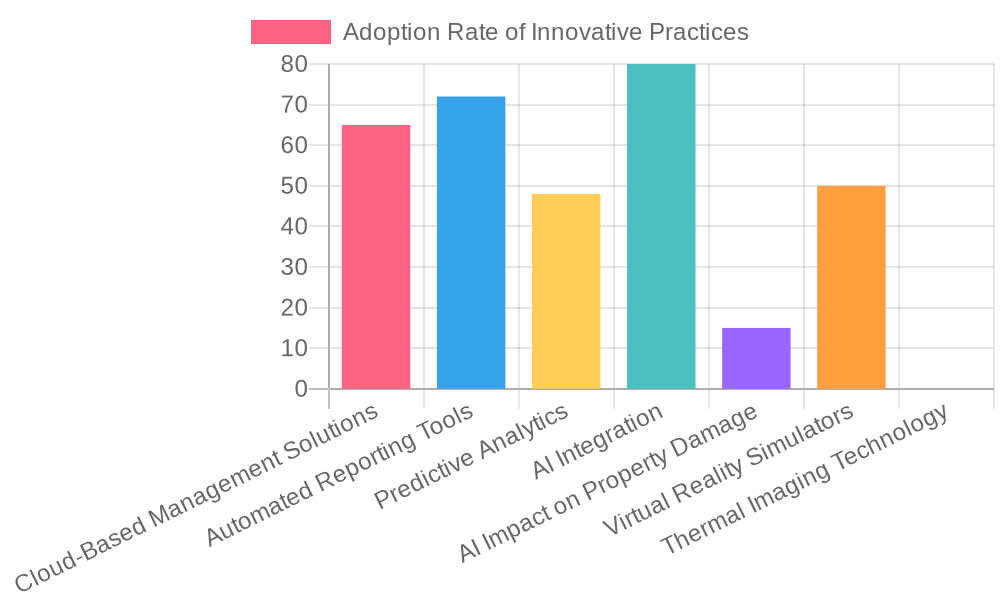
Graph illustrating the user adoption of innovative practices among fire departments, showcasing key statistics for cloud-based management solutions, automated reporting, predictive analytics, and training innovations.
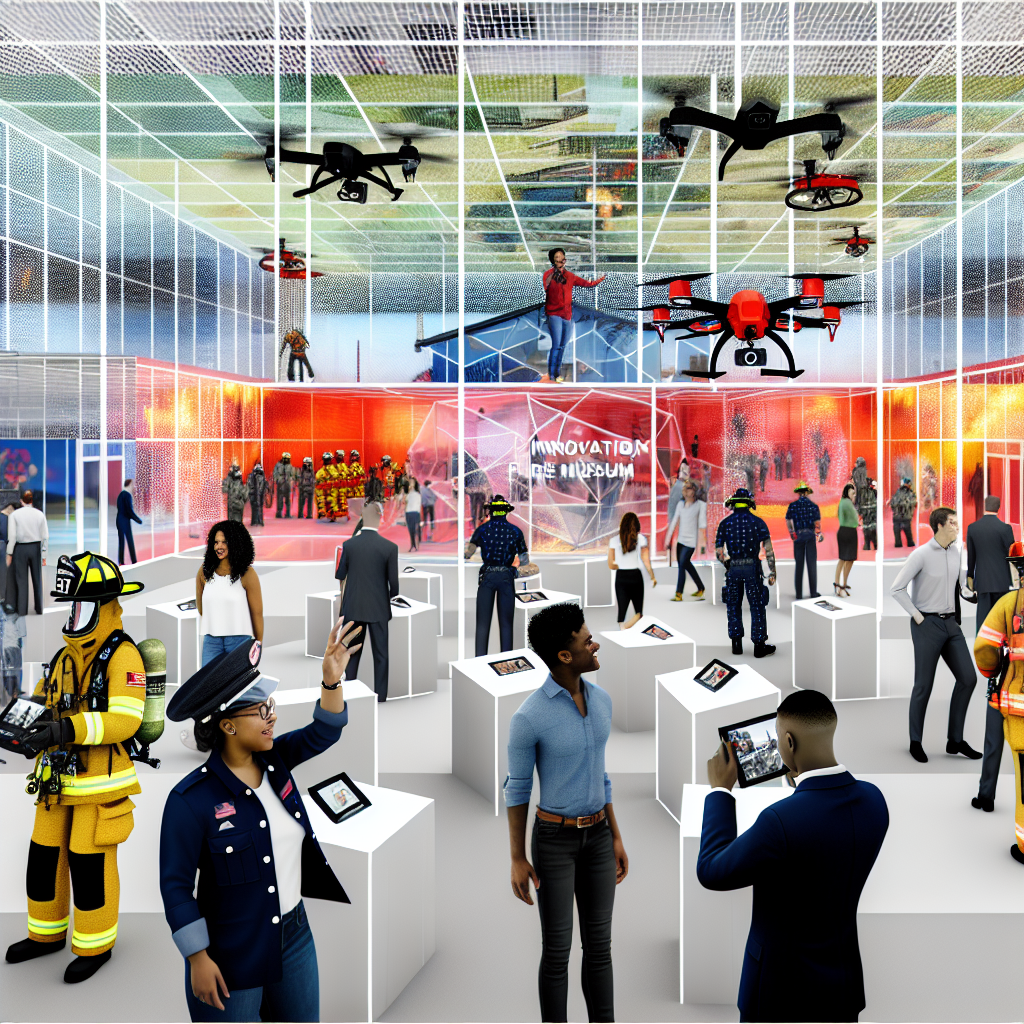
An artistic representation of an Innovation Museum for fire services, showcasing interactive exhibits featuring advanced firefighting technology such as drones, AI systems, and virtual reality training in a modern, vibrant setting.
Insights from Leaders in Innovation
In discussing the significance of the Innovation Museum, collaboration between CPSE and FireRescue1 is at the forefront. Preet Bassi, CEO of CPSE and CPSE Center for Innovation, remarked, “Seeing is believing. By highlighting proven practices with tips for replication, we strive to help departments solve problems before they become a crisis and expose them to more options.” This statement encapsulates the museum’s purpose to bridge the gap between successful practices and those yet to be adopted by various fire service departments.
Janelle Foskett, Editor-in-Chief of FireRescue1, echoed this sentiment, saying, “FireRescue1 is proud to collaborate with CPSE’s Center for Innovation to spotlight the groundbreaking work happening at fire departments across the country—work that I hope sparks ideas for fire service leaders looking for new ways to strengthen operations, support members and serve the community.” Through this initiative, fire service leaders are encouraged to learn from each other’s achievements and apply new strategies to enhance their own operations.
The Innovation Museum is not just a collection of exhibits but a comprehensive resource aiming to inspire fire departments to adopt innovative practices and share their success stories, ultimately improving service delivery and community safety.
Anticipated Impact of the Innovation Museum
The Innovation Museum is poised to have a profound impact on fire departments across the nation. One of the most significant outcomes is the enhanced knowledge sharing it will foster among various departments. With a focus on collaboration, fire services will have the opportunity to learn from each other’s successes and challenges, creating a culture of continuous improvement.
This collaborative atmosphere will not only allow fire department leaders to gain insights from proven practices but will also inspire them to experiment with innovative techniques and technologies that have demonstrated effectiveness in different contexts. For example, departments may share insights on the use of artificial intelligence for data analysis or the effectiveness of new training modalities such as virtual reality simulations. Such exchanges can lead to the rapid adoption of best practices, streamlining operations and enhancing service delivery.
In addition, the Innovation Museum will serve as a central hub for showcasing cutting-edge advancements in firefighting technology, including drones, advanced communication systems, and predictive analytics. By highlighting these tools in action, the museum will actively encourage departments to rethink traditional practices and embrace new strategies that improve efficiency and effectiveness.
Ultimately, the Innovation Museum is expected to catalyze a transformational shift in operational strategies within the fire service, equipping departments with the knowledge and tools necessary to better serve their communities and adapt to contemporary challenges.
Case Studies of Innovative Fire Departments
Innovation in fire departments not only enhances operational efficiency but also significantly improves community engagement. Here are two compelling case studies that illustrate this:
Atlanta Fire Rescue Department’s Firebird System
- Overview: The Atlanta Fire Rescue Department (AFRD) developed the Firebird framework to prioritize fire inspections leveraging machine learning and data visualization. This proactive system computes risk scores for over 5,000 buildings within the city.
- Impact: The Firebird system boasts a true positive rate of up to 71% in predicting potential fires, identifying 6,096 previously uninspected properties requiring attention. This initiative enhances operational efficiency and increases community safety through targeted inspections and resource allocation. The National Fire Protection Association (NFPA) has recognized Firebird as a best practice model for data-informed decision-making in fire services. Learn more here
Lenexa Fire Department’s Use of Unmanned Aircraft Systems (UAS)
- Overview: The Lenexa Fire Department in Kansas has integrated Unmanned Aircraft Systems (UAS) into their operations since obtaining FAA approval in 2014. This innovative approach has broadened their operational capabilities beyond conventional methods.
- Impact: UAS technology has been utilized for tasks including wildfire hot-spot recognition, effective incident management, and enhancing training scenarios. The adoption of drones has significantly improved situational awareness during emergencies and streamlined firefighting operations. This case highlights the effectiveness of drones in enhancing response times and efficiency in critical situations. Learn more here
These case studies reflect the dynamic evolution within the fire service, showcasing how innovative practices can improve safety, efficiency, and community relations.
Conclusion: A Collaborative Effort for the Future of Fire Services
The partnership between CPSE and FireRescue1 marks a pivotal moment for the fire service, highlighting the collaborative spirit essential for driving transformative change. As we look ahead to the launch of the Innovation Museum in December 2025, it is clear that the integration of innovative practices will reshape operational strategies, enhance community engagement, and improve overall safety.
Through this museum, fire departments across the nation will have the opportunity to showcase their successes and share their journeys towards adopting cutting-edge technologies. However, beyond mere statistics and innovative practices, this initiative fosters a sense of community, where shared experiences resonate deeply with fire service professionals.
For instance, Fire Chief Lisa Cartwright from the Riverton Fire Department shared her experience: “Implementing AI technology has changed how we approach firefighting. We have been able to predict fire risks more accurately, allowing our team to respond sooner. It’s not just about saving property; it’s about saving lives.” Her story is a testament to the profound impact of innovation in fostering bravery and efficiency within the fire service.
The museum will serve as a dynamic platform for learning and growth. Each exhibit, shared story, and best practice highlighted will equip fire service leaders to make evidence-based decisions that reflect the needs and expectations of their communities.
Moreover, the collaborative effort between CPSE and FireRescue1 embodies a shared commitment to progressive advancements in firefighting. By emphasizing both innovation and community safety, this partnership sets a precedent for how the fire service can evolve to meet modern challenges, ensuring that departments are not just reactive but proactive in their approach.
In essence, the Innovation Museum will be a cornerstone for change, driving fire service leaders to envision a future where they can harness innovation to not only enhance effectiveness but also fundamentally elevate their commitment to serving and protecting their communities. Together, CPSE and FireRescue1 are not just building a museum; they are laying the groundwork for a brighter, safer future in fire services through collaboration and collective action.
Additionally, consider the story of the Westfield Fire Department, which adopted predictive analytics to enhance their response times. Deputy Chief Michael Greene stated, “After implementing this system, we reduced our response time by 30%. It’s rewarding knowing we can reach a family in distress faster than ever before.” Such testimonies are what drive home the museum’s value—changing lives and ensuring safety through innovation.
Call to Action for Fire Departments
As the Innovation Museum prepares to open its doors in December 2025, we invite fire departments across the nation to engage with this groundbreaking initiative. This is an exciting opportunity to explore a wealth of resources designed to push the fire service towards new heights of innovation and effectiveness.
We encourage fire departments to not only visit the Innovation Museum but to actively participate in showcasing their own innovative practices. By sharing stories of success and the challenges faced in your journey to innovate, you become part of a larger movement that aims to elevate the entire fire service.
Join us in fostering an environment of collaboration and learning—one that promotes evidence-based decision-making and highlights the achievements of departments like yours. Together, we can redefine standard practices, pave the way for advanced solutions, and ultimately enhance community safety.
Let us know how you have embraced innovation within your department. Share your stories, best practices, and lessons learned at the Innovation Museum, and inspire others in the fire service community to rethink what is possible. Your experience could be the catalyst for change that someone else has been seeking.
Explore the resources available through the Innovation Museum, and get ready to take your department to the next level of excellence!
Contact us today to learn more about how you can get involved in this critical initiative.
Call to Action for Fire Departments
As the Innovation Museum prepares to open its doors in December 2025, we invite fire departments across the nation to engage with this groundbreaking initiative. This is an exciting opportunity to explore a wealth of resources designed to push the fire service towards new heights of innovation and effectiveness.
We encourage fire departments to not only visit the Innovation Museum but to actively participate in showcasing their own innovative practices. By sharing stories of success and the challenges faced in your journey to innovate, you become part of a larger movement that aims to elevate the entire fire service.
Join us in fostering an environment of collaboration and learning—one that promotes evidence-based decision making and highlights the achievements of departments like yours. Together, we can redefine standard practices, pave the way for advanced solutions, and ultimately enhance community safety.
Let us know how you have embraced innovation within your department. Share your stories, best practices, and lessons learned at the Innovation Museum, and inspire others in the fire service community to rethink what is possible. Your experience could be the catalyst for change that someone else has been seeking.
Explore the resources available through the Innovation Museum, and get ready to take your department to the next level of excellence!
Contact us today to learn more about how you can get involved in this critical initiative.
Innovative Partnerships: FireRescue1 and CPSE CFI Launch the Innovation Museum
Introduction
In a groundbreaking partnership that promises to reshape the future of firefighting, CPSE and FireRescue1 are thrilled to announce the launch of the Innovation Museum. Set to debut in December 2025, this pioneering initiative will serve as a beacon of creativity and progress, showcasing the remarkable advancements made by innovative fire departments across the nation. With an emphasis on not just sharing accomplishments, but actively sparking ideas and solutions, the museum aims to inspire fire service leaders to rethink traditional practices and embrace cutting-edge strategies. Imagine wandering through exhibits that highlight success stories and best practices, all designed to transform the way we think about fire service operations. As we explore the essence of innovative firefighting, the Innovation Museum stands ready to elevate the conversation and foster a culture of excellence within the fire service community.
The Importance of Innovation in Fire Departments
The Necessity of Innovation
Innovation is no longer a luxury but a necessity within the fire service as departments face a range of modern challenges. Budget constraints, advancements in technology, and evolving community safety expectations compel fire departments to seek out creative solutions.
Budget Constraints and Technological Integration
Financial resources are often limited in fire departments, affecting their capability to upgrade aging systems that can lead to slower response times and increased risk. For instance, the San Miguel Consolidated Fire Protection District has identified the need for modern emergency response tools, such as updated dispatch software, to improve efficiency. Innovative approaches, such as cloud-based data systems, allow for better information sharing among units, ultimately enhancing the service’s operational efficiency.
Advancements in Firefighting Technology
Technological innovation is critical to modern firefighting strategies. The integration of Artificial Intelligence (AI) and Machine Learning (ML) has been recognized as essential for wildfire prevention and management. These technologies can enhance monitoring systems, particularly when deployed with Internet of Things (IoT) devices, allowing for proactive risk assessments and real-time responses to emergencies. Additionally, augmented reality applications utilizing deep learning can enhance situational awareness, helping firefighters navigate smoke-encapsulated environments more effectively.
Balancing Tradition with Innovation
While traditional practices form the backbone of firefighting, the integration of research findings into standard operational guidelines is crucial for adapting practices to contemporary challenges. For instance, transitional fire attack strategies optimize firefighter safety by reducing risks associated with flashover situations, showcasing how innovative tactics can improve safety without discarding established methods.
Meeting Community Safety Expectations
Today’s communities expect fire departments to adopt intelligent solutions to enhance safety. Implementing smart fire safety technologies, such as predictive analytics and real-time monitoring systems in urban architecture, can significantly improve fire detection and response capabilities. As fire services evolve, they must engage in continuous improvement to meet community safety expectations while ensuring firefighter welfare.
In conclusion, the imperative to innovate is paramount within the fire service. By adopting advanced technologies, rethinking operational strategies, and aligning with the needs of their communities, fire departments can enhance their responsiveness and effectiveness in protecting lives and property.
Key Technology Innovations
| Key Technology Innovations | Benefits of Innovations |
|---|---|
| Cloud-based Data Systems | Enhances information sharing among units, improving operational efficiency and response times. |
| Artificial Intelligence (AI) | Promotes real-time monitoring and proactive risk assessments, enhancing emergency responses and wildfire management. |
| Augmented Reality (AR) | Improves situational awareness and navigation in smoke-filled environments, increasing firefighter safety during operations. |
| Predictive Analytics | Facilitates better fire detection and response capabilities, helping fire departments to anticipate and manage emergencies more effectively. |
| Virtual Reality (VR) Training | Strengthens training and skill development for firefighters, leading to enhanced readiness for real-life scenarios. |
This table summarizes key technological innovations within the fire service and highlights their respective benefits. By adopting these advancements, fire departments can significantly enhance their operations and better serve their communities.
Innovations in Fire Service Practices
User Adoption of Innovative Practices in Fire Departments
Recent data highlights significant advancements in the adoption of innovative practices within fire departments, particularly in technology integration, training innovations, and community engagement strategies.
Technology Integration
- Cloud-Based Management Solutions: Over 65% of municipal fire agencies have transitioned to cloud-based management systems to enhance operational efficiency.
- Automated Reporting Tools: Approximately 72% of fire stations have adopted automated reporting tools, reducing manual paperwork and improving data accuracy.
- Predictive Analytics: Nearly 59% of fire departments utilize real-time analytics to monitor incident responses, with 52% implementing data-driven tools to enhance decision-making.
- Artificial Intelligence: Fire departments employing AI analytics report a 15% reduction in property damage, indicating the effectiveness of newer technologies in emergency management.
Training Innovations
- Virtual Reality Simulators: Firefighter training simulators utilizing VR technology have increased training efficacy by approximately 25%. This innovative approach to training prepares firefighters more effectively for real-life scenarios.
- Thermal Imaging Training: Nearly 99% of departments have adopted thermal imaging technology for training and operations, showcasing the shift towards embracing advanced tools in firefighting.
Community Engagement Strategies
- Public Education Initiatives: Initiatives like Detroit’s “Save A Life Initiative” train every 8th grader in Hands-Only CPR annually, improving community safety and preparedness.
- Community AED Program: In 2023, the Detroit Fire Department’s Community Automated External Defibrillator (AED) program strategically placed AEDs in public venues, enhancing cardiac arrest survival rates.
These statistics underscore a concerted effort among fire departments to embrace technological advancements, enhance training methodologies, and actively engage with communities to improve overall safety and emergency response effectiveness. The adoption of these innovative practices indicates a crucial shift in modern firefighting strategies, enhancing the ability of departments to protect lives and property.
Graph illustrating the user adoption of innovative practices among fire departments, showcasing key statistics for cloud-based management solutions, automated reporting, predictive analytics, and training innovations.
Insights from Leaders in Innovation
In discussing the significance of the Innovation Museum, collaboration between CPSE and FireRescue1 is at the forefront. Preet Bassi, CEO of CPSE and CPSE Center for Innovation, remarked, “Seeing is believing. By highlighting proven practices with tips for replication, we strive to help departments solve problems before they become a crisis and expose them to more options.” This statement encapsulates the museum’s purpose to bridge the gap between successful practices and those yet to be adopted by various fire service departments.
Janelle Foskett, Editor-in-Chief of FireRescue1, echoed this sentiment, saying, “FireRescue1 is proud to collaborate with CPSE’s Center for Innovation to spotlight the groundbreaking work happening at fire departments across the country — work that I hope sparks ideas for fire service leaders looking for new ways to strengthen operations, support members and serve the community.” Through this initiative, fire service leaders are encouraged to learn from each other’s achievements and apply new strategies to enhance their own operations.
The Innovation Museum is not just a collection of exhibits but a comprehensive resource aiming to inspire fire departments to adopt innovative practices and share their success stories, ultimately improving service delivery and community safety.
Anticipated Impact of the Innovation Museum
The Innovation Museum is poised to have a profound impact on fire departments across the nation. One of the most significant outcomes is the enhanced knowledge sharing it will foster among various departments. With a focus on collaboration, fire services will have the opportunity to learn from each other’s successes and challenges, creating a culture of continuous improvement.
This collaborative atmosphere will not only allow fire department leaders to gain insights from proven practices but will also inspire them to experiment with innovative techniques and technologies that have demonstrated effectiveness in different contexts. For example, departments may share insights on the use of artificial intelligence for data analysis or the effectiveness of new training modalities such as virtual reality simulations. Such exchanges can lead to the rapid adoption of best practices, streamlining operations and enhancing service delivery.
In addition, the Innovation Museum will serve as a central hub for showcasing cutting-edge advancements in firefighting technology, including drones, advanced communication systems, and predictive analytics. By highlighting these tools in action, the museum will actively encourage departments to rethink traditional practices and embrace new strategies that improve efficiency and effectiveness.
Ultimately, the Innovation Museum is expected to catalyze a transformational shift in operational strategies within the fire service, equipping departments with the knowledge and tools necessary to better serve their communities and adapt to contemporary challenges.
Case Studies of Innovative Fire Departments
Innovation in fire departments not only enhances operational efficiency but also significantly improves community engagement. Here are two compelling case studies that illustrate this:
Atlanta Fire Rescue Department’s Firebird System
- Overview: The Atlanta Fire Rescue Department (AFRD) developed the Firebird framework to prioritize fire inspections leveraging machine learning and data visualization. This proactive system computes risk scores for over 5,000 buildings within the city.
- Impact: The Firebird system boasts a true positive rate of up to 71% in predicting potential fires, identifying 6,096 previously uninspected properties requiring attention. This initiative enhances operational efficiency and increases community safety through targeted inspections and resource allocation. The National Fire Protection Association (NFPA) has recognized Firebird as a best practice model for data-informed decision-making in fire services. Learn more here
Lenexa Fire Department’s Use of Unmanned Aircraft Systems (UAS)
- Overview: The Lenexa Fire Department in Kansas has integrated Unmanned Aircraft Systems (UAS) into their operations since obtaining FAA approval in 2014. This innovative approach has broadened their operational capabilities beyond conventional methods.
- Impact: UAS technology has been utilized for tasks including wildfire hot-spot recognition, effective incident management, and enhancing training scenarios. The adoption of drones has significantly improved situational awareness during emergencies and streamlined firefighting operations. This case highlights the effectiveness of drones in enhancing response times and efficiency in critical situations. Learn more here
These case studies reflect the dynamic evolution within the fire service, showcasing how innovative practices can improve safety, efficiency, and community relations.
Conclusion: A Collaborative Effort for the Future of Fire Services
The partnership between CPSE and FireRescue1 marks a pivotal moment for the fire service, highlighting the collaborative spirit essential for driving transformative change. As we look ahead to the launch of the Innovation Museum in December 2025, it is clear that the integration of innovative practices will reshape operational strategies, enhance community engagement, and improve overall safety.
Through this museum, fire departments across the nation will have the opportunity to showcase their successes and share their journeys towards adopting cutting-edge technologies. This initiative not only fosters a sense of community among fire service professionals but also serves as a dynamic platform for learning and growth. With each exhibit, shared story, and best practice highlighted, fire service leaders will be equipped to make evidence-based decisions that reflect the needs and expectations of their communities.
Moreover, the collaborative effort between CPSE and FireRescue1 embodies a shared commitment to progressive advancements in firefighting. By emphasizing both innovation and community safety, this partnership sets a precedent for how the fire service can evolve to meet modern challenges, ensuring that departments are not just reactive but proactive in their approach.
In essence, the Innovation Museum will be a cornerstone for change, driving fire service leaders to envision a future where they can harness innovation to not only enhance effectiveness but also fundamentally elevate their commitment to serving and protecting their communities. Together, CPSE and FireRescue1 are not just building a museum; they are laying the groundwork for a brighter, safer future in fire services through collaboration and collective action.
Call to Action for Fire Departments
As the Innovation Museum prepares to open its doors in December 2025, we invite fire departments across the nation to engage with this groundbreaking initiative. This is an exciting opportunity to explore a wealth of resources designed to push the fire service towards new heights of innovation and effectiveness.
We encourage fire departments to not only visit the Innovation Museum but to actively participate in showcasing their own innovative practices. By sharing stories of success and the challenges faced in your journey to innovate, you become part of a larger movement that aims to elevate the entire fire service.
Join us in fostering an environment of collaboration and learning—one that promotes evidence-based decision-making and highlights the achievements of departments like yours. Together, we can redefine standard practices, pave the way for advanced solutions, and ultimately enhance community safety.
Let us know how you have embraced innovation within your department. Share your stories, best practices, and lessons learned at the Innovation Museum, and inspire others in the fire service community to rethink what is possible. Your experience could be the catalyst for change that someone else has been seeking.
Explore the resources available through the Innovation Museum, and get ready to take your department to the next level of excellence!
Contact us today to learn more about how you can get involved in this critical initiative.