Introduction
In the harsh and unforgiving landscape ravaged by wildfires, the plight of wildlife often becomes an overlooked tragedy. Among the victims of these devastating flames, koalas stand out as emblematic of the struggle for survival against overwhelming odds. These beloved marsupials are not just animals but symbols of the rich Australian ecosystem, which faces existential threats as their habitats are consumed by fire. The destruction disrupts their food sources and breeding grounds, leaving many koalas injured or orphaned. As they find themselves caught in the midst of chaos, the raw vulnerability of these creatures evokes a deep emotional response. Images of singed koalas, trembling in the aftermath of destruction, remind us of the urgent need for compassion and action. Their resilience, coupled with the dangers they face in a changing climate, urges us to implement better strategies for wildlife protection. In this article, we will explore the ongoing efforts to rescue and rehabilitate koalas affected by wildfires and what it means for their future in an increasingly volatile environment. By understanding their plight, we not only advocate for their survival but also for the preservation of the delicate balance of the ecosystems they inhabit.
learn more about wildfire emergency planning and its impact on wildlife recovery.
Impact of Fire on Koala Habitats
Wildfires present a significant threat to koala habitats, particularly in Australia, where climate change has exacerbated the risks. Recent studies indicate that approximately 39.56% of existing koala habitats are currently categorized as having a high or extreme fire risk. Disturbingly, predictions suggest that by the year 2070, this percentage will rise to 44.61%. The escalation in fire risk is largely attributed to climate change, which alters weather patterns and increases the frequency and intensity of wildfires across the continent.
This situation raises serious ecological implications not only for koalas but for the entire ecosystem dependent on the eucalyptus trees that comprise their habitat. Koalas primarily feed on eucalyptus leaves; thus, when fire destroys these trees, it leads to food scarcity and increases the mortality rate among the already vulnerable population of koalas. Research highlights that the loss of habitat not only diminishes food sources but also severely disrupts breeding patterns and, ultimately, koala populations.
In a striking reminder of the ecological fragility, Australia’s bushfires in recent years have seen significant losses. Reports note that following devastating fires in 2019-2020, it was estimated that 30% of Australia’s koala population could have been lost, prompting urgent conservation calls. As wildfires become more frequent, the need for adaptive strategies grows increasingly dire. Learn more about how climate change affects fire risk in koala forests.
Koala Habitat Fire Risk Overview
| Year | Percentage of Koala Habitat at High or Extreme Fire Risk |
|---|---|
| 2023 | 39.56% |
| 2070 | 44.61% |
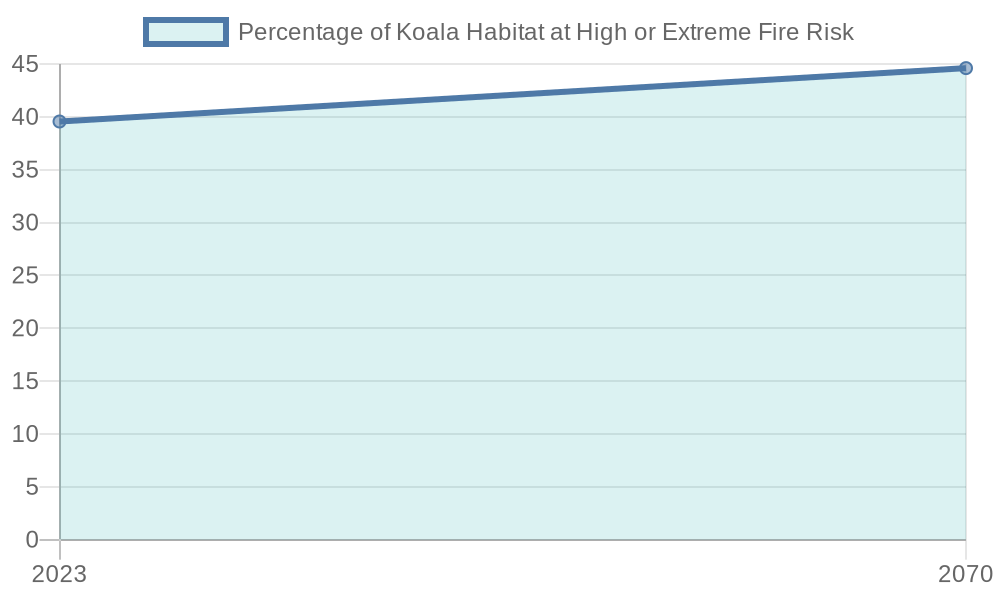
The data underscores the urgency of implementing effective conservation strategies to protect these vulnerable habitats and the species that rely on them. With proactive measures, we can work towards not only preserving koala populations but ensuring the overall health of Australia’s unique ecosystems.
Koala Rescue Procedures After Wildfires
Following wildfires, the rescue process for koalas is crucial to their survival and rehabilitation. Below is a detailed table summarizing the key steps involved in the koala rescue process:
| Step | Description |
|---|---|
| Assessment | – Initial evaluation to determine health status. |
- Look for injuries like burns or smoke inhalation.
- Use vet professionals for thorough health check-ups. |
| Rescue | – Capture koalas safely using nets and handlers trained for wildlife rescue. - Ensure minimal stress to the animals during rescue. |
| Rehabilitation | – Provide veterinary treatment for injuries or diseases. - Offer suitable nutrition and fluids to help recovery.
- Regular monitoring of healing progress. |
| Release | – Assess readiness for release based on health and behavior. - Release in suitable habitats ensuring minimal disturbance.
- Monitor post-release to track health and adaptation. |
These steps illustrate how wildlife organizations prioritize the health and safety of koalas post-wildfire. Emergency personnel and the community can play vital roles in supporting these efforts.
Recovery of Koalas Post-Rescue
Koalas, known for their gentle disposition and iconic status in Australian wildlife, face severe challenges when rescued from the devastating effects of bushfires. The emotional and physical recovery of these animals is critical to ensure their survival and successful reintegration into the wild. According to a comprehensive study conducted in New South Wales during the 2019-2020 bushfires, 209 koalas were rescued, with 106 ultimately succumbing to their injuries or being euthanized. Remarkably, 74 were successfully rehabilitated and released back into their natural habitats (Lunney, D., Cope, H., & Sonawane, I. 2025).
Physical Recovery
Physical recovery for koalas often involves intensive veterinary care. These animals typically sustain injuries such as burns, dehydration, and malnutrition post-rescue. Rescued koalas are placed in rehabilitation facilities where they receive specialized care including wound management and nutritional support. Work from Phillip Island Nature Parks indicates that the rehabilitation process may take weeks to months, where koalas must be monitored for their physical healing, such as the recovery of fur and skin integrity, and resuming normal dietary habits.
Emotional Well-being
The emotional aspect of recovery is equally crucial. Koalas can exhibit signs of distress similar to post-traumatic stress disorder (PTSD) when experiencing trauma. They may show decreased appetites and reluctance to climb trees, which is behavior essential for their survival in the wild. Rehabilitation efforts often incorporate environmental enrichment to alleviate stress and promote natural behaviors. For instance, wildlife rehabilitators use native vegetation and natural climbing structures to create a familiar atmosphere, encouraging koalas to resume normal behaviors like climbing and foraging (Koalas Return to Aussie Wild After Being Rescued from Bushfires, Xinhua 2020).
Monitoring and Reintroduction
Once koalas have sufficiently healed, they undergo a thorough evaluation to ensure they are fit for release. This involves assessing their physical strength and emotional stability. A successful reintroduction hinges not just on their physical health, but also on their ability to adapt behaviorally to their natural environment post-trauma.
In conclusion, the journey of a rescued koala toward recovery is a testament to resilience and dedicated wildlife care. Through robust veterinary support and emotional enrichment strategies, rehabilitated koalas can regain their strength and return to the wild, living in harmony with their natural surroundings. For those interested in the broader implications of fire response, you can learn more about planning and emergency response strategies that impact wildlife and habitat preservation.
Statistics on Koala Rescues After Wildfires
The impact of wildfires on koalas has become an increasingly pressing issue, especially in Australia. Various studies and reports have provided insights into the frequency and success rate of koala rescues in the aftermath of these devastating events. Here are some key statistics:
-
2019-2020 Bushfire Season: During this devastating season, over 1,000 koalas were confirmed dead or presumed dead in New South Wales alone. Out of 31 koalas rescued from fire-affected areas, 24 survived, resulting in a 78% survival rate. This data is documented by the Australian Koala Foundation.
-
Ongoing Studies: A 2023 study highlighted that despite initial low survival speculations, rehabilitated koalas benefited from alternative food sources, resulting in 78% survival rates among those admitted to care after the wildfires. This emphasizes the critical need for effective rehabilitation practices. The study can be reviewed in detail here.
-
Long-Term Impact: The World Wildlife Fund (WWF) reports a 71% decline in koala populations across southeastern Australia since 2019. Although over 300 koalas were saved in some regions, only about 40% were successfully released back into their natural habitat, due to ongoing ecological challenges such as habitat destruction and the loss of essential eucalyptus food sources. For more on this impact, visit the WWF report here.
-
Recent Rescue Trends: As of early 2024, over 1,200 koalas have been rescued since 2019, with 81% receiving medical treatment and 58% successfully rehabilitated and released. These statistics indicate an improvement in rescue operations, but ongoing threats like climate change hinder full recovery. This data is available from the Australian government’s Emergency Response Dashboard.
These statistics highlight both the challenges and successes in koala rescue efforts following wildfires, underscoring the importance of continued support for wildlife rehabilitation initiatives.
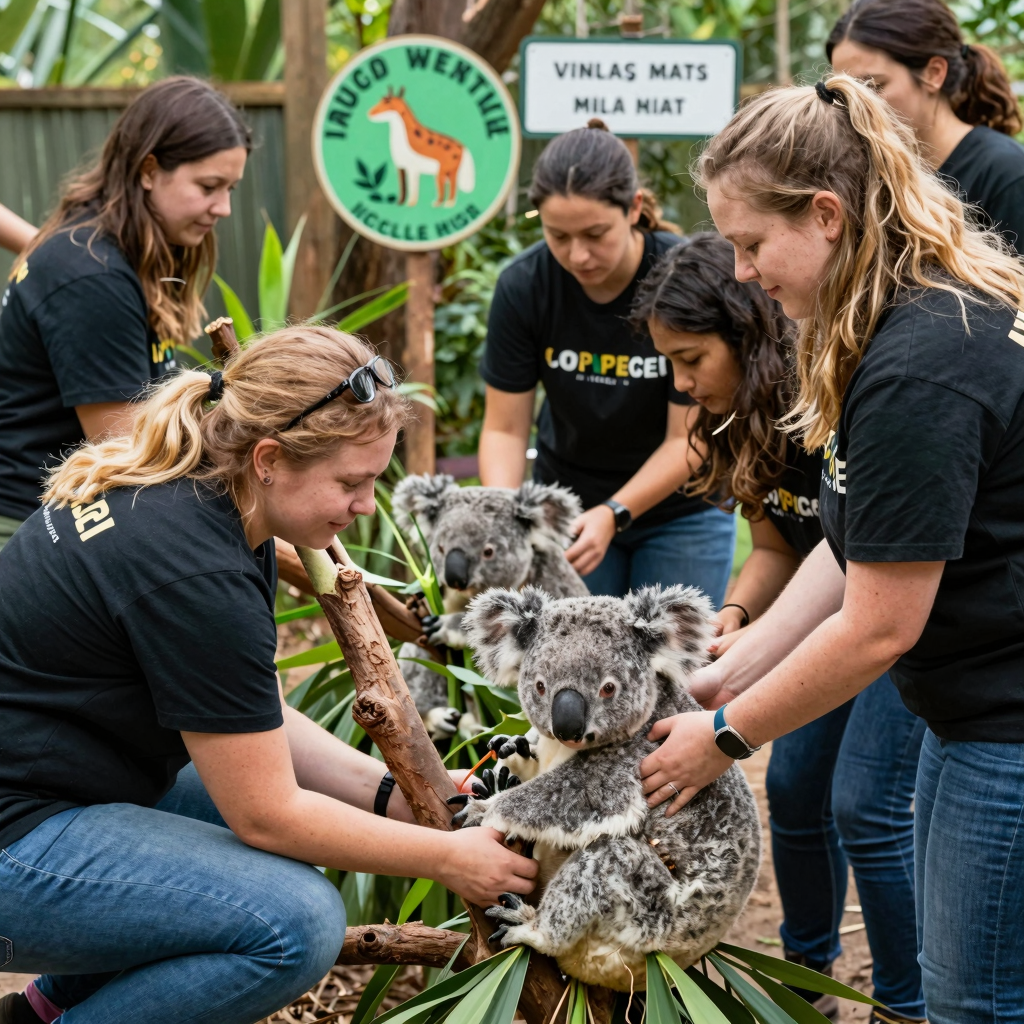
In the face of adversity, our community has risen to support the vital work of wildlife rescue teams dedicated to rehabilitating koalas affected by fires and habitat loss. The collaboration between local organizations, including the Australian Koala Foundation, and passionate volunteers, showcases an unwavering commitment to the well-being of these iconic Australian animals. Recent success stories, such as the recovery of a severely injured koala named Coco, who underwent extensive treatment and was subsequently released back into the wild, exemplify the positive outcomes of these collective efforts. Through educational programs and community fundraising initiatives, residents are actively engaged not just as onlookers but as integral parts of the rescue and rehabilitation process. By working hand-in-hand with wildlife specialists and fostering a culture of conservation, our community stands firm in its dedication to ensuring that every koala receives the care and respect it deserves for a hopeful future. As we navigate through these challenging times, it is heartening to see how local support leads to substantial change for our wildlife. To learn more about how community participation plays a crucial role in wildlife conservation, visit Community-Led Wildlife Rescue and see the impact we can make together.
The Importance of Koala Rehabilitation Post-Fire
Koalas, an iconic species of Australia, have faced significant challenges due to devastating bushfires. The rehabilitation efforts following these fires are crucial not only for the species but also for the ecological integrity of their habitat.
“Koalas are an icon species-when they survive, it sends a powerful message of hope to the public and strengthens community support for wildlife conservation.”
- Dr. Susan Ashton, Director of the Port Macquarie Koala Hospital, highlighting the symbolic and ecological significance of koala rehabilitation efforts.
Post-fire rehabilitation has proven effective, with a survival rate for treated koalas reaching 47%. This is notably higher than many other marsupials affected by the fires and underscores the importance of these rehabilitation efforts for maintaining biodiversity. The treatment not only focuses on healing individual animals but also aims to preserve genetic diversity and ecological continuity, which are essential for ecosystem recovery.
For more insights on the impacts of wildlife conservation and how communities can support these efforts, learn more about rehabilitation strategies.
Conclusion
The rehabilitation of koalas serves as a beacon of hope for wildlife recovery in Australia, emphasizing the need for continued support and intervention in the wake of environmental disasters.
Organizations Involved in Koala Rescue
The rescue and rehabilitation of koalas following wildfires is a crucial effort undertaken by various dedicated organizations. Below is a list of several key organizations involved in this vital work:
-
[Adelaide and Hills Koala Rescue](https://www.adelaideandhillskoalar rescue.org.au): Established a temporary hospital at Paradise Primary School in Adelaide to care for over 100 injured koalas during the 2019-2020 bushfires, providing veterinary treatment and rehabilitation.
-
Koala Hospital at Currumbin Wildlife Sanctuary: A major center in Queensland for treating burn-injured koalas, offering specialized medical care and long-term rehabilitation, along with public awareness campaigns.
-
Mackay Koala Hospital: Located in New South Wales, it provided intensive care for injured koalas during the bushfire crisis, collaborating with researchers on recovery studies.
-
Greens Zoological Rescue and Rehabilitation Centre: Although based in India, this organization partnered with Australian wildlife groups to provide emergency triage and rehabilitation support during the wildfires.
-
Wildlife Rescue Australia: A national network of volunteer-driven wildlife rescue groups that have played a critical role in rescuing and rehabilitating koalas affected by bushfires across Australia.
These organizations exemplify the collective effort required to support and rehabilitate koalas, ensuring they receive the care needed to recover from the devastating effects of wildfires. For more insights on wildlife emergency response, visit California Wildfire Emergency Response.
Conclusion: Join Us in Making a Difference
The koala, a symbol of Australia’s unique wildlife, has faced unprecedented challenges from devastating fires and habitat loss. However, as we learn about the recovery of these remarkable creatures, we are reminded that our community’s involvement is pivotal in fostering their survival and protecting our natural ecosystem.
Now, more than ever, we need your support. Engaging with local wildlife preservation organizations not only contributes to the recovery of koalas but also enriches our community’s connection to nature. Here are several ways you can make a positive impact:
- Volunteer: Join local wildlife rescue groups, where you can physically participate in rescue and rehabilitation efforts. Your time and dedication can bring immense benefits to many animals in need.
- Contribute: Donations, whether large or small, can significantly enhance the resources available for the care of koalas and other wildlife. Consider supporting organizations dedicated to wildlife conservation, such as those working directly in koala habitats. For more information, you can learn more about community involvement in wildlife rescue.
- Spread Awareness: Use your voice to educate others about the challenges koalas face and the importance of wildlife preservation. Whether through social media or community forums, your advocacy can inspire others to join the cause.
Together, as a community, our collective efforts can lead to significant change. Every action counts, and your commitment to wildlife preservation is essential in crafting a future where koalas can thrive in their natural environment. Let’s unite for this noble cause, ensuring that generations to come can enjoy the sight of these beautiful creatures in the wild. By empowering each other and working hand in hand, we can restore hope not only for the koalas but for the health of our entire ecosystem.
Together, let’s make a difference!