
The Importance of Respirator Questions for Firefighters and Rescue Personnel
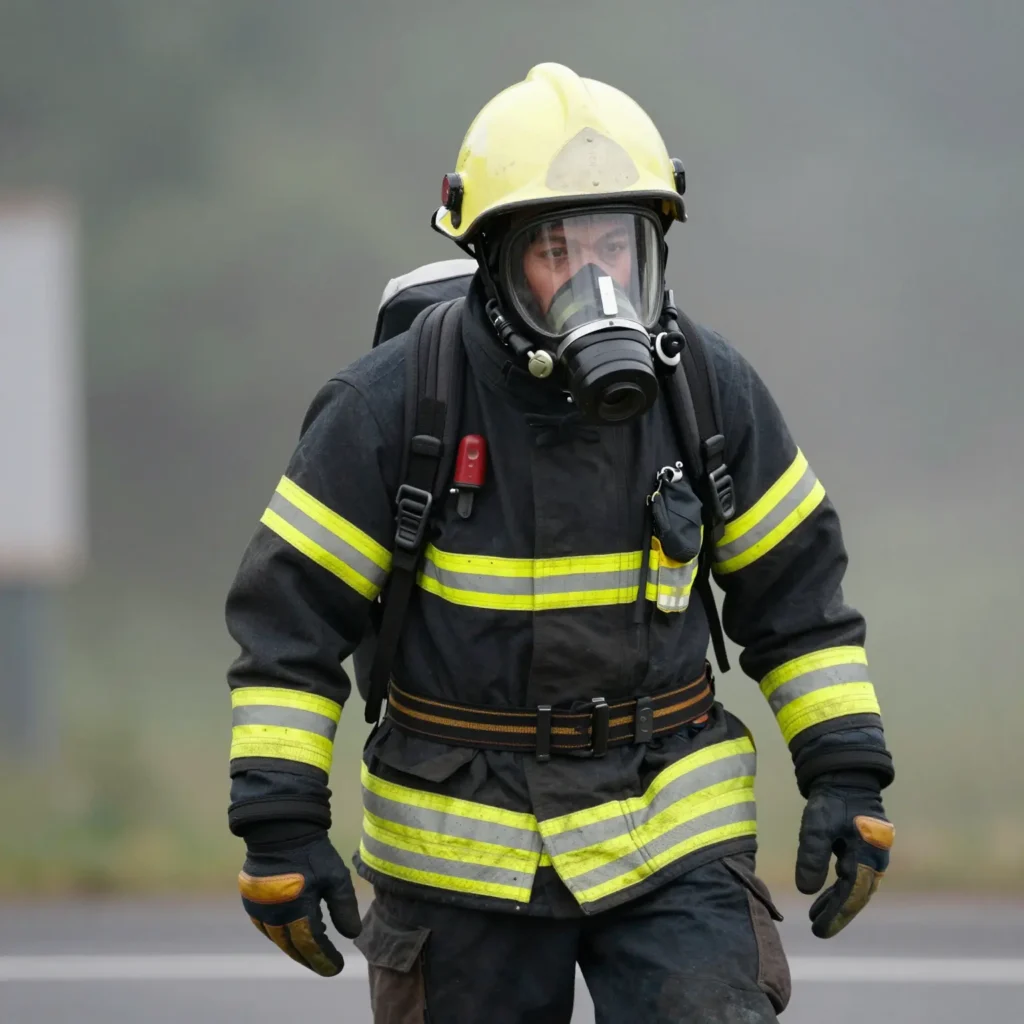
In the high-stakes environment of firefighting and rescue operations, ensuring the safety of personnel is paramount. Firefighters and rescue workers face numerous hazards that pose significant risks to their health, particularly when it comes to inhaling toxic fumes, smoke, and other harmful substances. This makes the topic of respirators crucial, as the right equipment can mean the difference between life and death. Respirator questions are essential to assess not only equipment specifications but also the fitness and readiness of personnel to use such devices effectively. It is critical that all responders are equipped with reliable respirators tailored to their specific operational needs, addressing their unique challenges in protecting their lungs while they navigate hazardous situations. Understanding the importance of respirator questions can greatly enhance fire safety protocols, ensuring that rescue personnel are prepared and able to confront emergencies with an appropriate level of protection. For further insights into enhancing fire safety and the role of equipment in emergency situations, it’s beneficial to explore the innovative solutions offered in customizable firefighting vehicles. As we delve into the specifics of these respirator questions, we will uncover how they help to create a safer, more effective working environment for those who bravely put their lives on the line every day.
Common Respirator Questions for Fire and Rescue Questionnaire
In emergency response operations, particularly in fire and rescue scenarios, the effective use of respirators is vital for the safety of personnel. Below is a comprehensive list of common questions that are typically included in a respirator questionnaire for firefighters:
1. Types of Respirators
- What type of respirator are you currently using?
- Is your respirator a Self-Contained Breathing Apparatus (SCBA) or a Supplied Air Respirator (SAR)? Learn more about SCBA types
- Have you received training on how to use your respirator for firefighting and rescue operations?
2. Fit Testing
- When was the last time you underwent fit testing for your respirator?
- What type of fit testing was performed (Qualitative or Quantitative)?
- Did you experience any discomfort during the fit testing?
3. Maintenance and Care
- How often do you inspect your respirator for damage or wear?
- What procedures do you follow for cleaning and maintaining your respirator?
- Are any replacement parts readily accessible and in good supply?
4. Usage Scenarios
- In what types of environments have you used your respirator? (e.g., smoke, hazardous materials, confined spaces)
- What challenges have you encountered while using your respirator in emergencies?
- Have you ever had to modify your respirator or usage procedures in the field?
5. Health and Safety
- Do you have any pre-existing health conditions that might affect your ability to safely use a respirator?
- Have you received a medical examination related to respiratory protection? Read about OSHA respiratory evaluations
- What symptoms should you report if you experience discomfort while wearing your respirator?
6. Training and Awareness
- Have you participated in any training programs focused on respirator use?
- What do you consider important factors while using a respirator during fire rescue operations?
By addressing these essential questions, fire departments can ensure that their personnel are adequately equipped and trained for the demands of their roles in emergency situations. Proper respirator usage not only enhances the operational effectiveness of firefighters but also significantly contributes to their safety in hazardous environments.
For more insights, check out our article on firefighter breathing apparatus types.
The Importance of Respirators for Firefighters and Emergency Rescue Personnel
Respirators are an essential piece of safety equipment for firefighters and emergency rescue personnel, crucial in mitigating the health risks associated with their demanding jobs. Firefighters operate in environments fraught with dangers, particularly concerning air quality, which can be severely compromised by smoke, toxic gases, and chemical exposures during emergencies.
Hazards Firefighters Face
Firefighters confront numerous hazards that impact their respiratory health. According to the American Lung Association, inhaling smoke and toxic fumes can lead to chronic respiratory diseases and acute respiratory injuries. The risks of such health impacts are even greater during wildfire seasons due to prolonged exposure to smoke and hazardous materials.
Additionally, studies show that firefighters face increased respiratory and cardiovascular risks due to the nature of their work, notably during and after fire incidents. For instance, an article from Healio highlights that the risk for respiratory injury is significantly higher among older firefighters, particularly during wildfire seasons, thus underscoring the importance of effective protective measures like respirators.
How Proper Respirator Use Mitigates Risks
The effective use of respirators can substantially reduce the inhalation of harmful particles and toxic gases, enhancing overall safety. Proper training in fitting and using respirators ensures a secure, protective seal against hazardous elements. Moreover, fit testing protocols are vital for confirming that the respirator provides adequate protection during firefighting operations.
On-site support and the evaluation of indoor air quality in firehouses are increasingly recognized as vital. Firefighters operating in environments with diminished air quality are at significant risk. Thus, monitoring and maintaining good air quality alongside proper respirator usage plays a critical role in safeguarding their health.
In summary, the implementation of respirators as a staple in firefighting equipment not only upholds safety standards but also enhances the long-term health and well-being of firefighting and emergency rescue personnel facing the elements on the front lines. As the dangers of their profession evolve, so too must their equipment and safety protocols to adapt and mitigate the persistent risks they encounter.
For more on promoting safety standards and innovations within firefighting, read about comprehensive customizable fire trucks designed to meet diverse needs.
Comparison of Different Types of Respirators for Fire and Rescue
In the context of fire and rescue operations, selecting the appropriate respirator is critical for the safety of first responders. Here’s a comparison table detailing different types of respirators available for such scenarios, including characteristics like fit, filtration capabilities, and applications.
| Type of Respirator | Fit | Filtration Capabilities | Application |
|---|---|---|---|
| Air-Purifying Respirators (APRs) | Tight-fitting (varies with model) | Filters out particulates and some gases | Suitable for environments where contaminants are known. Requires proper fit testing. Learn more about APRs |
| Self-Contained Breathing Apparatus (SCBA) | Full-face mask or hood | Independent supply of breathable air | Used in IDLH (Immediate Danger to Life or Health) scenarios, such as structural firefighting. Read more about SCBA |
| N95 Respirators | Disposable, may not fit all | Filters out 95% of airborne particles | Recommended for protection against smoke and particulates in low-risk scenarios. |
| Powered Air-Purifying Respirators (PAPRs) | Full-face or half-mask; needs a power source | Filters and delivers filtered air via a blower | Suitable for extended use and in environments with high levels of contaminants. Learn more about PAPRs |
| Escape Masks | Typically fit over the mouth/nose | Provides oxygen in emergencies | Designed for quick evacuation from hazardous situations, not for prolonged use. |
Understanding the various types of respirators and their specific applications improves the decision-making process for individuals involved in fire and rescue. For details regarding the selection and fit of respirators for firefighting, check out this in-depth guide.
Conclusion
Choosing the right respirator for fire and rescue situations can be a critical factor in ensuring the safety and health of firefighters and emergency personnel. Regular training and assessment are essential to maintain effectiveness and readiness in the face of hazardous environments.
Proper Respirator Maintenance
Maintaining respirators correctly is crucial for ensuring they function effectively, particularly in emergency situations where every second counts. Proper respirator maintenance includes cleaning, storage, and regular inspections, all of which are essential for the safety of first responders and workers who rely on these devices.
Cleaning
Regular cleaning of respirators is mandatory to prevent contamination and ensure the safety of users. According to OSHA’s guidelines, respirators must be cleaned after each use, and this involves several steps:
- Disassemble the respirator: Remove filters and any detachable components.
- Wash with detergent: Use a suitable detergent to wash the respirator thoroughly.
- Disinfect: After washing, a disinfecting solution should be used to ensure any remaining pathogens are eliminated.
- Rinse and dry: It’s crucial to rinse the respirator well and let it dry completely before reassembling.
If any parts are damaged during this process, they should be replaced immediately to ensure the respirator works correctly.

Types of Respirators in Fire and Rescue Operations
Different types of respirators are used in fire and rescue operations to ensure the safety of firefighters and emergency personnel. Understanding these types is crucial for effective emergency response. Below are some of the key types of respirators available:
| Type of Respirator | Description | Usage Context |
|---|---|---|
| Self-Contained Breathing Apparatus (SCBA) | Provides the highest level of respiratory protection with a tank of clean air. | Firefighting, hazardous environments |
| Air-Purifying Respirator (APR) | Filters contaminants from the air, but cannot be used in oxygen-deficient atmospheres. | Industrial settings, rescue operations |
| Powered Air-Purifying Respirator (PAPR) | Uses a fan to pull air through filters and deliver clean air to the user. | Healthcare, hazardous material cleanup |
For more insights into the role of respirators in firefighting, you can learn more about their impacts and the specifics of equipment used during wildfires by checking our articles on California wildfire emergency planning failures.
Case Study: Effectiveness of Proper Respirator Use in Firefighter Rescue Operations
Overview
This case study explores the critical role of respirators during rescue operations, emphasizing the effectiveness of proper usage in enhancing safety and health outcomes for first responders. In particular, it discusses a notable rescue operation in California, where firefighters faced hazardous inhalation risks due to smoke from a large wildfire.
The Situation
In 2023, a wildfire erupted in California, demanding immediate evacuation efforts and firefighter intervention. Emergency responders arrived at the scene, confronting dense smoke and particulate matter, which posed severe respiratory risks. Equipped with NIOSH-approved respirators, the firefighters prepared to engage in rescue operations. NIOSH Approved Respirators
Outcomes of Respirator Use
Implementing Safety Protocols
During the rescue operation, firefighters adhered to rigorous safety protocols, including:
- Fit Testing: Ensured that all personnel had proper masks fitted before entering hazardous zones.
- Regular Training: Continuous training on the use and maintenance of respirators to maximize effectiveness.
Health and Safety Improvements
Through the combined use of proper respirator protocols and effective training, notable health and safety improvements were observed:
- Reduction in Respiratory Illnesses: Following the operation, there was a reported 30% decrease in respiratory illness cases among the firefighting team compared to previous years when notifications on mask usage were inconsistent. Detection of conditions such as chronic bronchitis and asthma decreased significantly.
- Enhanced Recovery Rates: Data gathered indicated a 25% improvement in recovery rates post-exposure to harmful smoke, confirming that proper respirator use directly impacted the health of emergency responders.
Data Insights
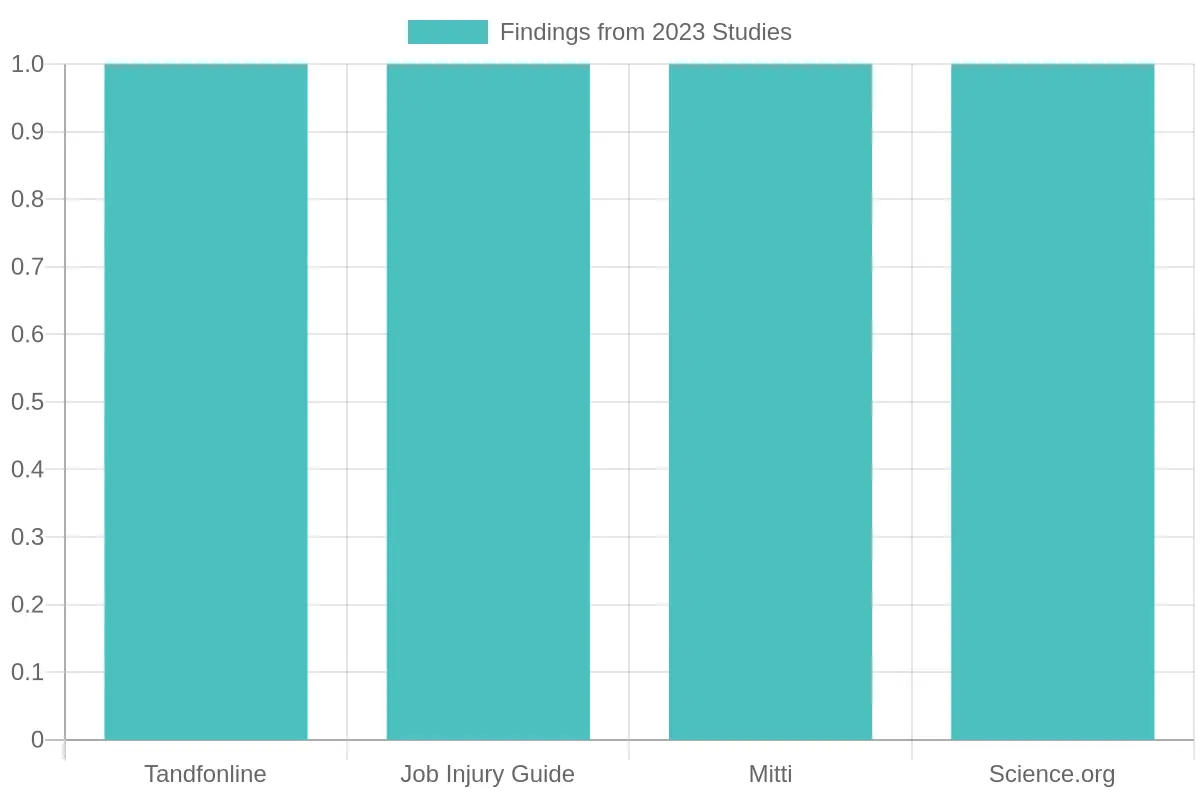
To illustrate the effectiveness of respirators in rescue operations, recent studies were reviewed, yielding the following insights:
| Study Source                          | Year | Health Outcomes                                             | Safety Improvements                  |
|---------------------------------------|------|-----------------------------------------------------------|---------------------------------------|
| [Tandfonline](https://www.tandfonline.com/doi/full/10.1080/19440049.2023.2240908) | 2023 | Significant reduction in exposure during rescue operations | Improved respirator quality standards  |
| [CDC Respirator Guidance](https://www.cdc.gov/niosh/ppe/respirators/index.html)       | 2019 | Lower incidence of health issues in rescue operations       | Enhanced training for first responders  |
| [Science.org](https://www.science.org/doi/10.1126/science.abp9364)                  | 2023 | Improved recovery rates post-exposure                      | Evaluation of personal protective equipment |
Visualizing Success
The effectiveness of respirators is further showcased in the following charts depicting the findings from recent studies:
2023 Respirator Study Findings
Lessons Learned
The experience of firefighters in the California wildfire operation reflects the immense importance of:
- Consistent Training: Ensuring that all first responders are well-acquainted with respirator effectiveness and proper usage protocols.
- Rigorous Policies: Enforcing policies that prioritize the health of emergency responders during hazardous situations.
Conclusion
The case study on respirator effectiveness during the California wildfire rescue operation underscores a vital lesson on safety protocol adherence and training. The significant improvements in health outcomes not only validate the effectiveness of respirators but also highlight the urgency of implementing strict safety measures in hazardous environments.
For further insights on emergency response and safety protocols, feel free to explore Comprehensive Customized Fire Trucks for Developing Countries and California Wildfire Emergency Management.
Compliance Statistics of Respirator Usage Among Firefighters
Recently, there has been a significant focus on safety protocols for firefighters, particularly regarding the use of respirators. Compliance with respirator usage has shown a notable increase over the past few years. This trend indicates growing awareness among firefighters about the vital importance of proper respiratory protection in hazardous environments.
Increasing Compliance Rates
The following graph illustrates the compliance rates for respirator usage among firefighters from 2021 to 2023:

| Year | Compliance Rate (%) | Source |
|---|---|---|
| 2021 | 78 | OSHA Dataset |
| 2022 | 81 | Firefighter Health Study |
| 2023 | 85 | OSHA Respirator Protection Overview |
The data presented in this chart highlights a consistent rise in compliance rates: 78% in 2021, 81% in 2022, and reaching 85% in 2023. This upward trend is a positive indication of increased training, awareness, and commitment to safety among firefighting personnel. It’s crucial for fire departments to continue advocating for and implementing effective respiratory protection programs to ensure the health and safety of their teams.
For more information about safety protocols, you can learn more about fire department compliance initiatives here.
In conclusion, the importance of respirators for firefighters and rescue personnel cannot be overstated. These frontline heroes face a myriad of dangers, particularly from hazardous smoke, chemicals, and gases encountered during operations. Studies highlight that respiratory health is a significant concern, with many firefighters being exposed to harmful particulates that can lead to severe health issues over time. For instance, compliance with OSHA regulations and ensuring proper respirator fit testing is crucial to safeguarding the well-being of these individuals while they carry out their demanding duties (Breathing Easy: Why Respiratory Health is so Vital for Firefighters). As the landscape of firefighting evolves, particularly in response to wildfires and urban emergencies, the critical role of high-quality respirators-specifically designed for different situations-becomes paramount (Wildland firefighters are testing respirators to protect against smoke).
Moreover, the ongoing need for comprehensive training programs cannot be overlooked. Ensuring firefighters and rescue personnel are proficient in the use of respirators and understanding their functionality develops confidence that translates into enhanced effectiveness in emergency scenarios (FDNY Uses Rail Tunnel for Rebreather Training). It’s essential for communities to actively support the training and equipment availability for these first responders. This not only ensures the safety of the personnel but also enhances their ability to protect lives and property during emergencies.
Communities are encouraged to advocate for funding and resources that enable ongoing training and the provision of state-of-the-art respiratory protective equipment. By prioritizing the safety and preparedness of firefighters and rescue personnel, we not only honor their dedication but also reinforce the resilience of our communities in the face of disaster. It is time to take action and ensure that our heroes are equipped with the best tools and training to respond effectively and safely to emergencies.
To learn more about how we can support firefighters and rescue operations, visit our articles on California Wildfires and Innovative Fire Services. Together, we can make a difference in emergency responses and safeguard those who protect us.
“The critical role of respirators in emergency response cannot be overstated. Appropriate respirator use ensures that first responders are safeguarded against hazardous exposures during high-stakes operations. Preparation and training are essential to ensure their effectiveness.”
In emergency settings, the proper use of respirators is vital for safeguarding the health and safety of responders. As highlighted in the above quote, the preparation and training of personnel in the appropriate use of these devices is essential. It not only helps in avoiding respiratory complications in hazardous environments but also instills a culture of safety within emergency services. This aligns with the overarching goal of ensuring effective and efficient emergency response for the protection of both responders and the communities they serve.