
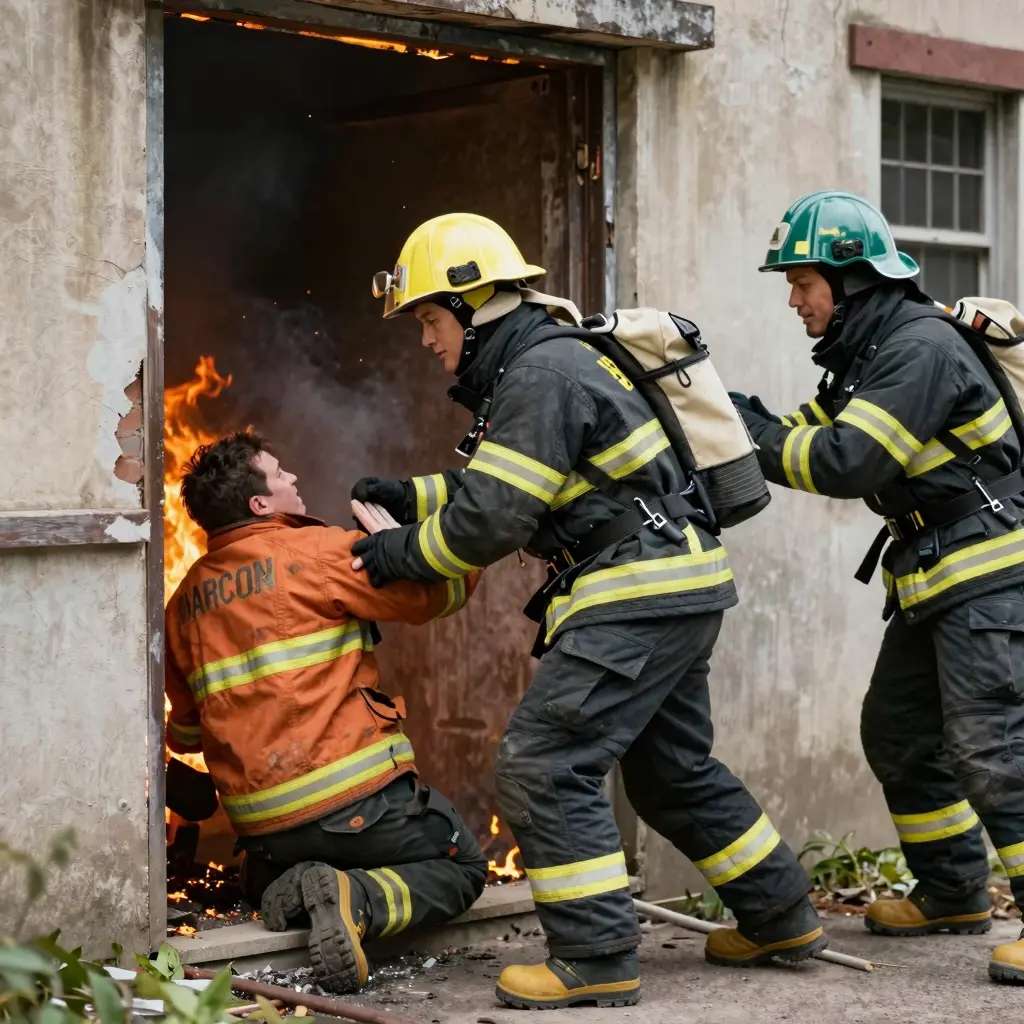
Importance of Rescue Operations for Fires
In moments of crisis, when flames engulf structures and threaten lives, the immediacy of rescue operations for fires becomes critically evident. These operations are not merely procedural; they are lifesaving ventures that pull individuals from perilous situations before it is too late. Firefighters, emergency medical personnel, and local law enforcement form a heroic network dedicated to safeguarding their communities. Their training and expertise serve as a beacon of hope, particularly in vulnerable spaces such as schools and public areas, where the stakes are alarmingly high.
The urgency of effective rescue operations cannot be overstated. In the heat of a fire, every second counts. These responders must act swiftly, implementing well-coordinated strategies to navigate through smoke-filled rooms and chaotic environments. Their work extends beyond just extinguishing flames; it involves assessing hazards, providing first aid, and facilitating safe evacuations. This multifaceted approach underscores the necessity of having trained professionals prepared to respond to any scenario. As communities foster safety protocols and emergency preparedness plans, the role of these brave men and women becomes even more pivotal, ensuring that lives and properties are spared from the devastating consequences of fire disasters.
In exploring the intricacies of rescue operations, it is vital to acknowledge and support the efforts made by these dedicated teams. Communities can benefit immensely from understanding and participating in emergency preparedness initiatives, ensuring that everyone is equipped to act effectively during a crisis. Learn more about emergency planning and response efforts.
Summary of Key Statistics on Fire Rescue Operations
Fire rescue operations are a critical component of public safety, and understanding their effectiveness, response times, and impact on life and property is essential for community awareness and preparedness. Here’s a summary of essential statistics reflecting these dimensions of fire rescue operations.
Response Times
- Average Response Time:
In general, urban fire departments aim for a response time of 5 to 7 minutes for emergencies. The National Fire Protection Association (NFPA) reports that the average national response time, which includes both dispatch and travel times, can vary from 6 to 10 minutes depending on the area’s infrastructure and resources.
Rescue Success Rates
- Survival Rates:
The effectiveness of fire rescue operations varies based on several factors, including the speed of response. A quicker response can significantly increase a life-saving success rate. Success rates can be upwards of 87-91% in residential structure fires where firefighters arrive within 5 minutes of the alarm.
Impact on Fatalities and Injuries
-
Fatalities:
Data from CAL FIRE highlights that timely interventions in major fires have resulted in a reduction of fire-related fatalities by 20% in specific communities over the last decade. Conversely, prolonged response times have been linked to increased casualties and property loss. -
Injuries:
Proper firefighting and rescue operations not only reduce fatalities but also minimize injuries. Fire study reports indicate that effective rescue strategies have decreased firefighter injuries by over 30% when adequate safety gear and protocols are employed.
Community Engagement and Training
Training and community engagement play a vital role in improving rescue operations:
- According to research, communities that engage in regular fire safety drills and education experience a 15-25% decrease in fire-related emergencies, thereby enhancing overall community safety.
- Continuous training programs for emergency personnel, such as those conducted by the National Fire Protection Association, report improved efficiency and effectiveness leading to more lives saved.
Conclusion
The statistics surrounding fire rescue operations convey a strong message about the effectiveness of timely and organized responses in saving lives and minimizing damage. Understanding these figures is vital for community residents, firefighters, and emergency response personnel alike. For more extensive analysis on related topics, community members can explore firefighter career insights or understand training requirements for firefighters.
By enhancing response protocols and continuous training, communities can significantly improve their fire rescue outcomes, ultimately fostering safer environments for all residents.
Comparison of Fire Rescue Operation Techniques
Here is a concise table comparing various rescue techniques used during fire situations, including aerial rescues, ground rescues, and water rescues. This comparison includes descriptions, appropriate scenarios for use, as well as the pros and cons of each technique.
| Technique | Description | Appropriate Scenarios | Pros | Cons |
|---|---|---|---|---|
| Aerial Rescues | Utilizing helicopters or drones to access hard-to-reach areas and perform rescues. | High-rise buildings, difficult terrain, or large-scale fires. | Quick access to inaccessible areas; visual reconnaissance; effective for large infusions of personnel. | Weather-dependent; costly; requires skilled pilots. |
| Ground Rescues | Involves firefighters and rescuers on the ground using equipment to reach and save individuals. | Fires in residential or commercial buildings, urban areas. | Control and stability; immediate assistance; less expensive than aerial rescues. | Can be slow to deploy; obstacles can deter access. |
| Water Rescues | Specialized rescue techniques used for incidents involving water during fires. | River, lake, or flood situations; while saving individuals from drowning. | Essential for aquatic rescues; specialized equipment can improve effectiveness. | Risk of hazardous conditions; requires trained personnel; logistics for multiple rescues. |
For more insights on fire protection and equipment solutions, check out customizable firefighting vehicles for diverse demands and California wildfire emergency response failures.
Roles of Firefighters in Rescue Operations
Firefighters play a pivotal role in emergency rescue operations, serving as the frontline defenders in crises where every second counts. Their responsibilities extend beyond extinguishing fires; they engage in various rescue operations aimed at saving lives and mitigating dangers posed by hazardous situations.
Training and Preparation
Every firefighter undergoes rigorous training to prepare for the multifaceted challenges they face during emergencies. This training encompasses:
- Physical Fitness: Firefighters must maintain a high level of physical fitness to manage the demanding nature of their work. Tasks often require climbing, lifting, and navigating through hazardous environments.
- Technical Skills: Firefighters are trained in using various equipment, such as hoses, rescue tools, and firefighting gear. Hands-on training often includes real-life scenarios to simulate emergency conditions. Comprehensive training programs detail essential techniques needed for effective rescues, such as those provided by the Fire Service College (Be a Firefighter).
- Crisis Management: Learning how to maintain composure under pressure is crucial. Firefighters are educated in crisis communication and teamwork, which is essential for coordinating rescue efforts during chaotic situations.
Equipment Utilized in Rescue Operations
Firefighters are equipped with advanced technology and tools that enhance their rescue capabilities:
- Fire Trucks and Equipment: Fire apparatus, complete with hydraulic rescue tools like Jaws of Life, are essential for extricating individuals trapped in vehicles or buildings caused by accidents or fires.
- Personal Protective Equipment (PPE): PPE, including helmets, gloves, and turnout gear, protects firefighters from thermal and chemical hazards during rescue operations. Such gear is designed to be durable and heat-resistant, minimizing the risk of injury during emergencies.
- Thermal Imaging Cameras: These devices are invaluable in locating victims and assessing dangerous situations where visibility is compromised due to smoke or darkness.
Diverse Tasks Performed
During rescue operations, firefighters perform a variety of critical tasks, including:
- Search and Rescue: Actively seeking out individuals who may be trapped or in danger is one of their primary responsibilities. This includes conducting comprehensive searches in wreckage or smoke-filled environments.
- Medical Assistance: Firefighters often provide immediate medical care while waiting for paramedic services. This includes performing CPR, first aid, and stabilizing patients before they can be transported to hospitals.
- Hazardous Material Operations: In situations involving chemical spills or other hazardous materials, firefighters are trained to handle such dangers safely, ensuring community safety and minimizing environmental impact.
Emotional and Motivational Aspects
The emotional weight of being a firefighter is profound. Firefighters are regularly confronted with harrowing situations that test their emotional resilience and commitment.
- Camaraderie and Support: The bond forged among firefighters often acts as a crucial support system. This camaraderie nurtures a collective drive to overcome challenges and increases mental fortitude through shared experiences.
- Community Impact: Many firefighters are motivated by their commitment not just to their colleagues but also to the communities they serve. The ability to save lives and make a difference in moments of crisis provides a deep sense of fulfillment and purpose.
- Continued Education and Improvement: The ongoing pursuit of training and certifications reflects their dedication to improving their skills, thereby enhancing their effectiveness in saving lives and reassuring the public during emergencies.
In conclusion, firefighters are essential to rescue operations, exhibiting a combination of training, equipment proficiency, practical skills, and emotional strength. Their unwavering commitment to protecting lives and property in the face of danger is a testament to their bravery and dedication to community welfare. To learn more about emergency management failures and the significance of effective rescue strategies, visit this link.
By understanding the roles firefighters play, the public can better appreciate their sacrifices and the significant impact they have in times of crisis.

“The greatest gift is the chance to serve and make a difference in someone’s life.”
This quote encapsulates the spirit of dedication and service that is central to the firefighting profession.
Community Involvement in Fire Rescue Training
Community involvement is crucial in enhancing the effectiveness of fire rescue operations. Residents can play a vital role by participating in training programs, raising awareness, and educating themselves and their neighbors about fire safety and emergency response. Here are several ways communities can contribute to fire rescue training efforts:
1. Supporting Training Programs
- Communities can partner with local fire departments to support training initiatives by providing venues for workshops and drills or even sponsoring training materials. For instance, engaging local businesses to fund training sessions can significantly bolster resources available for firefighters and community volunteers.
- Volunteer Opportunities: Individuals can volunteer their time to assist in training programs, helping to facilitate drills or educational sessions. This not only provides practical assistance but also builds community ties.
2. Outreach and Education
- Organizing community events such as fire safety fairs or neighborhood watch programs can create a platform for educating residents about fire risks and preventive measures. educating the public on basic fire safety techniques including how to use a fire extinguisher, creating fire escape plans, and understanding evacuation routes.
- Residents can also participate in programs aimed at teaching children about fire safety. Providing workshops in schools or after-school programs ensures that fire safety is instilled from an early age. Learn more about the importance of community engagement.
3. Improving Community Readiness
- A well-prepared community enhances the overall safety and response during a fire emergency. This can be achieved by creating community response teams trained in basic fire management tactics. These teams can act swiftly in emergencies, bridging the time gap before professional firefighters arrive.
- Participation in community drills can ensure a cohesive response among residents. Regular fire drills not only prepare individuals for what to do during a fire but also strengthen community bonds as people work together for safety.
Conclusion
Community involvement in fire rescue training reinforces a culture of preparedness that benefits everyone. By actively engaging with fire safety education and training programs, residents empower themselves and their neighbors to respond effectively during emergencies. Ultimately, a proactive community approach not only aids in reducing fire-related incidents but also fosters a safer environment for all. Residents should take initiative by reaching out to local fire departments for training programs or creating partnerships to develop robust educational resources. Discover more on community outreach initiatives.
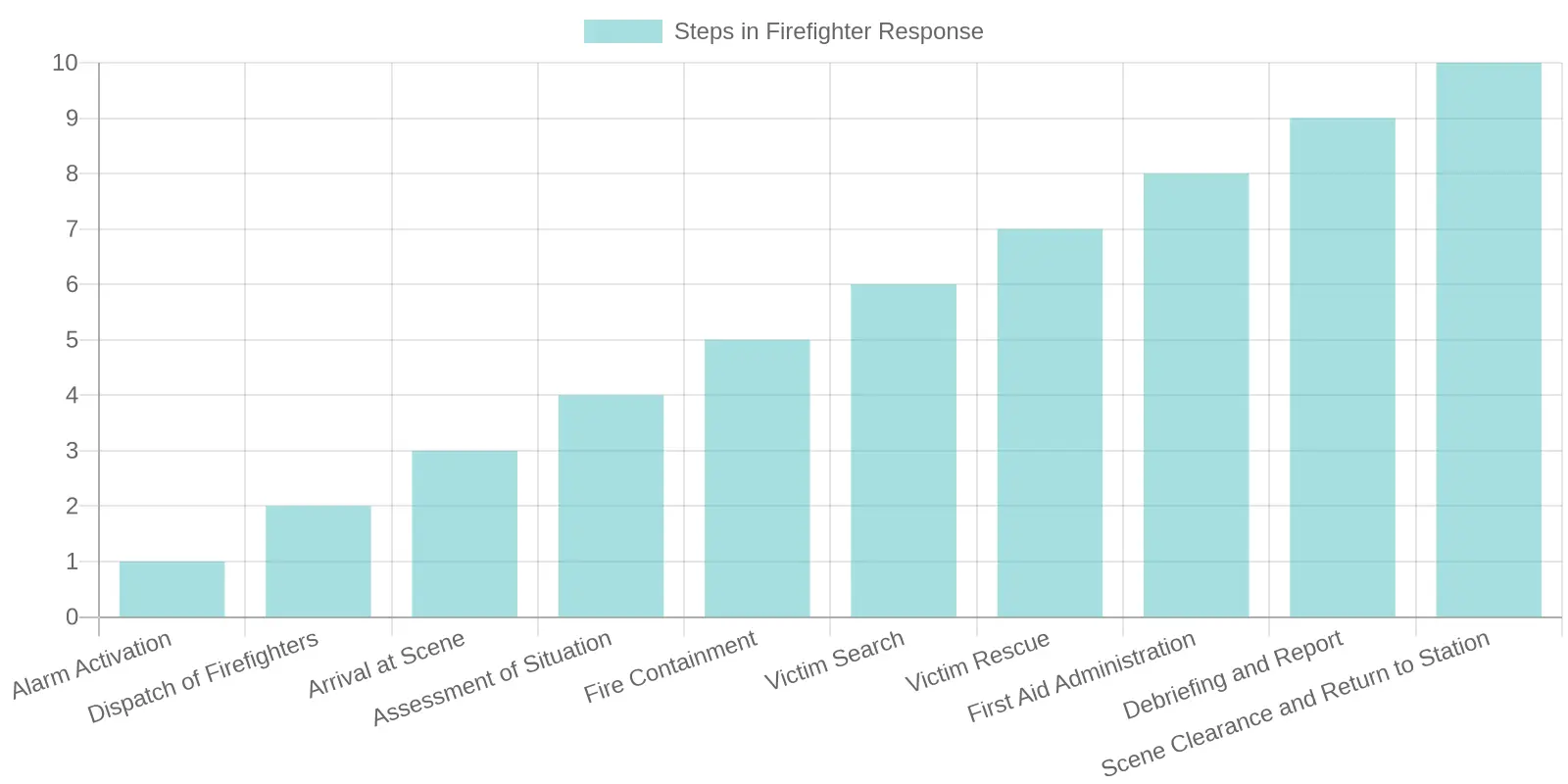
Flowchart of the Fire Rescue Operation Process
This flowchart illustrates the sequential process involved in fire rescue operations, from alarm activation to the successful recovery of victims.
Steps in the Fire Rescue Operation
| Step Number | Step Description |
|---|---|
| 1 | Alarm Activation |
| 2 | Dispatch of Firefighters |
| 3 | Arrival at Scene |
| 4 | Assessment of Situation |
| 5 | Fire Containment |
| 6 | Victim Search |
| 7 | Victim Rescue |
| 8 | First Aid Administration |
| 9 | Debriefing and Report |
| 10 | Scene Clearance and Return to Station |
The process begins with the alarm activation, leading to the dispatch of firefighting units. Upon arrival, they assess the situation before containing the fire and searching for any victims requiring assistance. Once victims are rescued, first aid is administered as necessary, and finally, the scene is cleared, ensuring a safe return to the station. This systematic approach is essential in safeguarding lives and property during fire emergencies.
For an in-depth understanding of fire operations and community safety, learn more about effective emergency responses.
Essential Equipment Used in Fire Rescue Operations
Firefighters utilize a variety of specialized equipment to effectively conduct rescue operations. The following list outlines some essential tools and their respective purposes:
-
Fire Hose: This flexible tube conveys water from a source to extinguish flames or protect structures. Fire hoses can withstand high pressures and come in various diameters.
-
Thermal Imaging Camera: A vital tool that allows firefighters to see through smoke, darkness, and heat. It detects the heat emitted by objects, aiding in locating victims and hotspots within a fire.
-
Ropes and Harnesses: These are crucial for rescue scenarios, allowing firefighters to safely navigate hazardous environments. Ropes are used in rappelling and lifting victims to safety.
-
Life Jackets: Essential for water rescues, life jackets ensure the safety of both the rescuers and the victims in aquatic environments.
-
Stretchers: Also known as rescue litters, these devices are used to transport injured individuals safely from hazardous areas to medical facilities. They are designed to be sturdy yet lightweight.
-
Breathing Apparatus: Firefighters wear self-contained breathing apparatus (SCBA) that provide breathable air in smoke-filled environments, protecting them from harmful gases and particulates.
-
Cutting Tools: Tools such as axes, saws, and hydraulic cutters are essential for gaining access to victims trapped in vehicles or buildings. These tools enable firefighters to cut through metal and other barriers.
-
First Aid Kit: A comprehensive medical kit is necessary for providing immediate care to injured individuals until professional medical assistance can be obtained.
These tools are fundamental to ensuring safe and effective rescue operations. For more insights on firefighting and equipment needs, you can learn about customizable fire truck solutions for developing countries.
In addition, it’s important to stay informed about California wildfire emergency response failures to better understand the challenges faced during rescue operations.
Conclusion
In conclusion, fire rescue operations play a paramount role in the safety and well-being of our communities. Through effective preparedness and training, emergency services can respond swiftly and efficiently to mitigate the devastating effects of fires. This preparedness is not solely the responsibility of firefighters and rescue personnel; it must also encompass the involvement of the entire community.
Key Takeaways:
- Preparedness is Crucial: Fire rescue operations hinge on meticulous planning, regular drills, and continuous education of both personnel and the public about fire safety measures.
- Role of Community Involvement: Community members can significantly enhance fire response effectiveness by participating in local safety programs, reporting potential hazards, and developing their own emergency plans. Events such as safety workshops or neighborhood drills can cultivate a culture of preparedness, ultimately reducing the risk of catastrophic events.
- Support and Advocacy: Encouraging community support for local fire departments ensures that they are adequately funded and equipped. This can include advocating for better resources and volunteering assistance during times of crisis.
As we reflect on the nature of fire rescue operations, let us commit not just to being passive observers but active participants in community safety. By strengthening the support for our local fire departments, we empower these vital teams to protect us effectively. We can stand together-prepared, educated, and resilient-ready to respond to emergencies when they arise. To take action for better preparedness, you might learn about innovative firefighting solutions that enhance community safety and response capabilities. Together, we can make a difference!